

Published 4 November 2025, updated 12 July 2026
What to Do If Your Instructor Keeps Changing Cars: A Supportive Guide for Learner Drivers
Learning to drive should feel exciting and empowering, not confusing because you’re constantly adjusting to different cars. Unfortunately, some driving instructors regularly switch between vehicles, leaving learners feeling unsettled and uncertain behind the wheel. Whether it’s due to mechanical issues, business growth, or poor planning, frequent car changes can seriously impact your confidence and progress.
Consistency really does matter, and our single-instructor intensive courses keep you in the same car with the same instructor from start to finish.
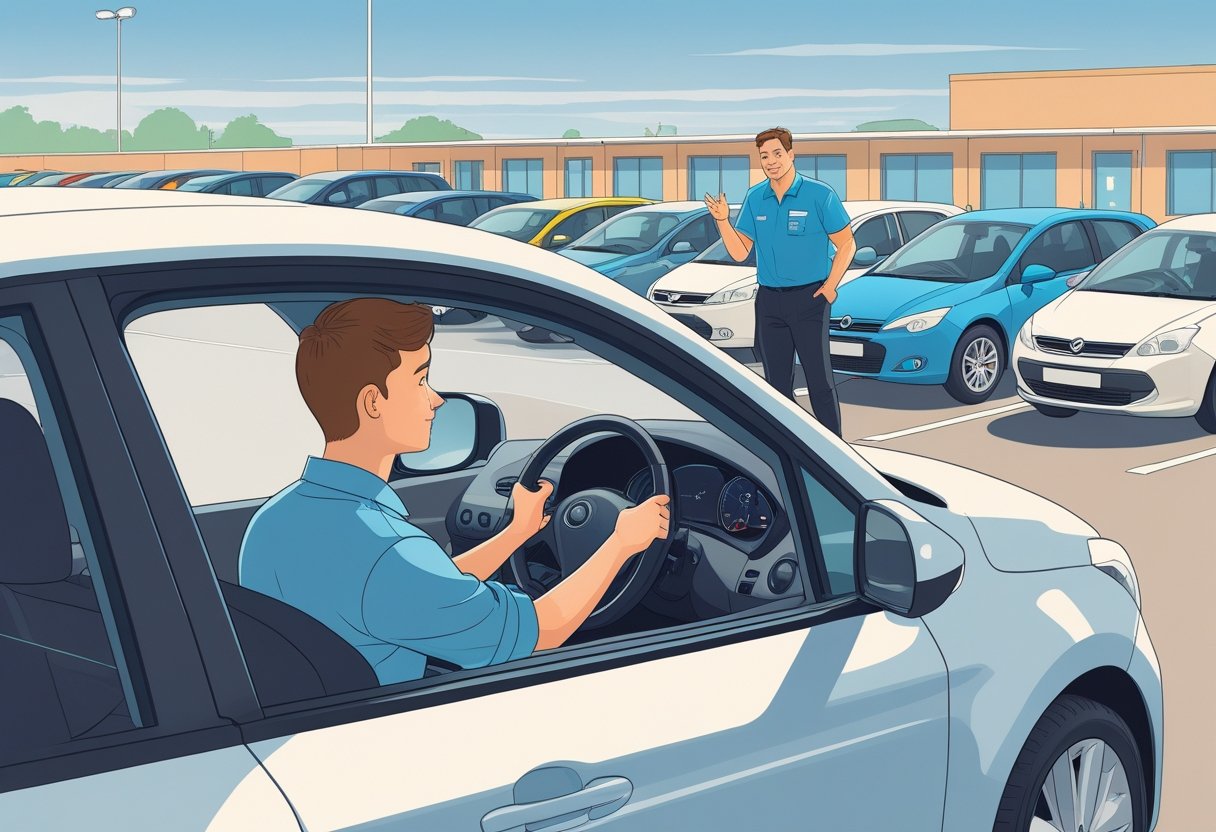
If your instructor keeps changing cars, you have the right to request consistency or find a new instructor who can provide stable learning conditions. Each vehicle has its own feel, from clutch sensitivity to steering response, and constantly adapting can slow your development as a driver. What should be a smooth journey towards your test can become unnecessarily stressful when you’re never quite sure what car you’ll be learning in.
We understand how frustrating this situation can be, especially when you’re investing time and money into your driving future. The good news is that you have options, and there are practical steps you can take to address this challenge. Let’s explore how to handle an instructor who keeps switching cars and ensure your driving lessons work for you, not against you.
Key Takeaways
- Frequent car changes during driving lessons can significantly slow your progress and reduce confidence behind the wheel
- You can request consistency from your current instructor or consider switching to someone who offers more stable learning conditions
- Proper communication with your instructor about your concerns is essential before making any major decisions about changing instructors
Understanding Why Your Instructor Keeps Changing Cars

When your driving instructor keeps switching between different teaching vehicles, it can feel unsettling and confusing. There are several legitimate reasons why this happens, though it can definitely impact your lessons and confidence levels.
Common Reasons for Switching Teaching Vehicles
Most driving instructors don’t change cars without good reason. Mechanical issues are often the main culprit behind vehicle switches.
When an instructor’s primary car breaks down or needs repairs, they’ll use a backup vehicle to keep your lessons running. This is actually a positive sign that your instructor values your time and doesn’t want to cancel sessions unnecessarily.
Business growth is another common reason. Many successful instructors expand their operations by adding new vehicles to their fleet. They might be testing different cars to see which ones work best for teaching.
Some instructors work for driving schools that assign vehicles rather than owning their own. This means they might get different cars depending on availability or scheduling needs.
Insurance requirements can also force changes. If there’s an issue with insurance coverage on one vehicle, instructors must switch to properly insured alternatives.
Occasionally, instructors upgrade their teaching cars to newer models with better safety features or more modern technology.
How Instructor Car Changes Can Affect Lessons
Switching between different vehicles during your driving lessons can create real challenges that you’ll need to navigate.
Each car has its own personality. The clutch might feel different, the steering could be heavier or lighter, and the gear stick might be positioned differently. These variations mean you’ll spend valuable lesson time readjusting instead of focusing on core driving skills.
Visibility differences between cars can be significant. A smaller car offers different mirror angles and blind spot positions compared to a larger vehicle. This affects your spatial awareness and parking confidence.
The handbrake location varies between models too. Some cars have traditional handbrakes between the seats, whilst others feature electronic parking brakes or foot-operated systems.
Modern cars with different technology features can be confusing. You might switch from a car with basic controls to one with automatic headlights, rain-sensing wipers, or electronic dashboards.
Even simple things like seat adjustment and mirror positioning take time to sort out at the start of each lesson.
The Impact on Confidence and Learning Progression
Constantly adapting to new vehicles can knock your confidence, especially when you’re already working hard to master basic driving skills.
Your muscle memory gets disrupted each time you switch cars. Just when you’re getting comfortable with one clutch feel, you’re thrown into a vehicle that requires different pressure and timing. This can make you feel like you’re going backwards in your progress.
Some learners find that frequent car changes increase their anxiety levels. You might feel nervous about stalling or making mistakes in an unfamiliar vehicle, which can affect your overall performance during lessons.
Test preparation becomes more complicated when you’ve learned in multiple cars. If your driving instructor uses a different vehicle for your test than the one you’ve been practising in, you might feel unprepared on the day.
However, there’s a silver lining here. Learning in different cars can actually make you a more adaptable driver in the long run. You’ll develop better skills for adjusting to new vehicles quickly.
The key is communicating with your instructor about how the changes are affecting you. A good instructor will acknowledge these challenges and give you extra time to adjust when necessary.
Navigating Car Changes During Your Driving Lessons
Switching between different vehicles during your learning journey means adapting to new controls, adjusting your spatial awareness, and getting familiar with various car characteristics. Each vehicle change brings its own challenges, but with the right approach, you can quickly settle into any car and maintain your progress.
Adapting to Different Cars as a Learner Driver
Every car has its own personality, and as learner drivers, we need to accept that flexibility is part of the process. The clutch bite point in a Ford differs from a Vauxhall. The steering feel changes between models.
Your first few minutes matter most. Take time to adjust your seat, mirrors, and steering wheel position before setting off. This creates familiarity straight away.
Pedal positions vary significantly between vehicles. Some cars have sensitive brakes that respond to light pressure. Others need more force. The accelerator might feel touchy in one car but sluggish in another.
For manual cars, changing gears can feel completely different. The gear stick might be shorter or longer. The clutch could bite higher or lower than what you’re used to. Some gearboxes feel smooth whilst others feel notchy.
Don’t panic if your first drive feels awkward. Most learner drivers need 10-15 minutes to adjust to a different vehicle. Your muscle memory will adapt quicker than you think.
Tips for Quickly Getting Comfortable in a New Vehicle
Start with a pre-drive checklist every time you switch cars:
- Adjust seat height and distance from pedals
- Set all mirrors properly
- Check handbrake position and feel
- Test clutch bite point (manual cars)
- Feel the steering wheel reach
Practice basic manoeuvres first. Begin with simple forward and reverse movements in a car park. This helps you gauge the car’s responses without pressure.
Communicate with your instructor about what feels different. They can adjust the lesson pace and focus on areas where the car change affects your driving most.
Take mental notes of key differences. Is the biting point higher? Are the brakes more sensitive? Does the steering require more effort? These observations help you adapt faster.
Stay calm during your first junction or roundabout. The car might respond differently to your inputs, but your fundamental driving skills remain the same.
Key Features That May Differ Between Cars
Understanding which elements vary most between vehicles helps you prepare for changes:
Control Sensitivity:
- Clutch bite point: Can range from floor level to halfway up the pedal travel
- Brake response: Some cars stop with gentle pressure, others need firm application
- Steering weight: Power steering levels vary dramatically between models
Physical Differences:
- Gear stick position: Height, angle, and throw distance affect your changing gears technique
- Handbrake type: Traditional lever, electronic button, or foot pedal systems
- Pedal spacing: Affects your foot positioning, especially for heel-and-toe techniques
Visibility Changes:
- Bonnet length: Affects your judgement of stopping distances and parking
- Window height: Changes your view of road markings and kerbs
- Mirror sizes: Impacts your awareness of surrounding traffic
Engine Characteristics:
- Power delivery: Some cars pull strongly from low revs, others need higher RPMs
- Noise levels: Affects your ability to judge engine speed by sound
- Idle characteristics: Influences your clutch control at junctions and in traffic
Most driving schools try to maintain consistent vehicle types, but when changes happen, remember that adaptability makes you a better driver overall.
How Repeated Car Changes Can Affect Your Driving Skills
When you’re constantly switching between different vehicles during your driving lessons, it becomes much harder to develop consistent skills and feel truly comfortable behind the wheel. Your body needs time to adjust to each car’s unique characteristics, from the clutch bite point to the gear stick position.
Building Muscle Memory in Multiple Cars
We know how frustrating it feels when you finally get comfortable with one car, only to find yourself in a completely different vehicle the next week. Muscle memory is crucial for becoming a confident driver, and it takes time to develop.
Each car has its own personality. The brake pedal might feel softer in one vehicle, whilst the accelerator responds differently in another. Your body learns these subtle differences through repetition.
When you keep changing cars, you’re essentially starting from scratch each time. This means you’ll spend valuable lesson time readjusting instead of progressing with new skills.
The main challenges include:
- Seat positioning and mirror adjustments taking up lesson time
- Different dashboard layouts causing confusion
- Varying pedal sensitivity affecting your control
- Handbrake locations and operation methods
Your confidence can take a real knock when simple tasks like finding the indicators suddenly become difficult again. We’ve seen many learners feel discouraged when they can’t replicate the progress they made in their previous lesson’s car.
Challenges with Clutch Control and Changing Gears
Perhaps nowhere is the impact more noticeable than with clutch control and changing gears. Every manual car has a different clutch bite point, and this is absolutely critical for smooth driving.
Some clutches bite right at the top of the pedal travel, whilst others engage much lower down. This difference can catch you completely off guard, leading to stalling or jerky starts.
Gear stick positions vary significantly too:
- Some feel smooth and precise
- Others require more force or have longer throws
- The reverse gear location often differs between models
- First gear might be in a slightly different position
When you’re learning changing gears, consistency is everything. Your hand needs to know exactly where each gear sits without looking down. Switching cars disrupts this natural flow.
We often see learners who’ve mastered hill starts in one car struggle terribly in another because the clutch feels completely alien. The timing you’ve worked so hard to perfect suddenly doesn’t work anymore, and it’s genuinely disheartening.
Communicating Effectively With Your Driving Instructor
Clear communication builds trust between you and your driving instructor, especially when discussing concerns about changing vehicles. You’ll need to express your worries honestly whilst asking the right questions to ensure your lessons remain focused and beneficial.
How to Raise Concerns About Car Changes
Speaking up about frequent car changes doesn’t make you difficult. It shows you’re taking your learning seriously.
Start the conversation calmly. Say something like, “I’ve noticed we’ve used different cars in recent lessons, and I’m finding it challenging to adjust each time.”
Be specific about your concerns:
- Adjustment time cuts into learning
- Different clutch feels confusing you
- Mirror positions vary between vehicles
- Confidence drops with each change
Most driving instructors appreciate honest feedback. They might not realise how much car changes affect your progress.
Ask for explanations. Your instructor might have valid reasons like vehicle maintenance or insurance requirements.
Suggest solutions together. Perhaps you could have extra time to familiarise yourself with each new car before starting the main lesson.
Document these conversations. Keep notes about what was discussed and any agreements made.
If your instructor becomes defensive or dismissive, this might signal deeper communication issues that need addressing.
Questions to Ask Your Instructor Before Lessons
Asking the right questions prevents surprises and helps you prepare mentally for each lesson.
Essential questions about the vehicle:
- Will we use the same car as last time?
- If it’s different, what should I know about this car?
- Can we spend five minutes familiarising ourselves with the controls?
- Are there any specific quirks with this vehicle?
Questions about lesson structure:
- What will we focus on today?
- How does this connect to previous lessons?
- Will car changes affect our planned activities?
Call or text your instructor the day before lessons. This gives them time to provide helpful information.
Ask about their car rotation schedule. Some instructors use multiple vehicles regularly, whilst others only change when necessary.
Find out if you’ll get advance notice of vehicle changes. This helps you mentally prepare for adjustments.
Request consistency where possible. Explain that familiar cars help you focus on driving skills rather than vehicle differences.
Ensuring Lessons Are Structured and Productive
Well-structured lessons maximise your learning, regardless of which car you’re using.
Start each lesson with a brief chat about today’s goals. This keeps everyone focused and accountable.
Request a consistent lesson format:
- Quick vehicle familiarisation (if car has changed)
- Review of previous lesson’s key points
- Clear explanation of today’s objectives
- Practice time with constructive feedback
- Summary of progress and next steps
Don’t let car changes derail your lesson structure. Insist on proper vehicle orientation time before starting driving practice.
Ask for written progress notes. These help track your development across different vehicles and lessons.
Speak up if lessons feel rushed or disorganised. You deserve proper instruction time, especially when adjusting to different cars.
Set expectations about feedback timing. Regular, specific comments during lessons help more than vague summaries at the end.
Request homework or practice suggestions. Good instructors provide guidance for thinking about driving skills between lessons, regardless of which car you’ll use next time.
Deciding If You Should Change Driving Instructors
Sometimes frequent car changes signal deeper issues with your instructor’s teaching approach or professionalism. We’ll help you spot the warning signs and decide whether it’s time to find someone who truly supports your journey to becoming a confident driver.
Recognising When Frequent Car Changes Are a Red Flag
Car changes become problematic when they happen without proper explanation or preparation. A professional driving instructor should give you at least 24 hours’ notice when switching vehicles, along with clear reasons why.
Warning signs to watch for:
- No advance notice about car changes
- Different cars every few lessons
- Instructor seems unprepared or disorganised
- You’re not getting time to adjust to each vehicle
We’ve seen learner drivers struggle when instructors constantly switch between manual and automatic cars without reason. This creates unnecessary confusion and slows your progress.
Red flags that demand immediate attention:
- Using cars that feel unsafe or poorly maintained
- Instructor arrives late because of car issues repeatedly
- You’re expected to adapt instantly without any guidance
- Car changes coincide with cancelled or shortened lessons
Trust your instincts here. If the constant changes feel chaotic rather than educational, that’s your cue to start looking elsewhere.
Evaluating Your Progress and Confidence
Your confidence behind the wheel should grow steadily, regardless of which car you’re driving. If frequent vehicle changes leave you feeling anxious or confused, it’s time to reassess.
Ask yourself these honest questions:
- Am I making steady progress week by week?
- Do I feel more confident after each lesson?
- Can I handle basic driving skills in any car now?
Signs you’re not progressing well:
- Feeling like you’re starting from scratch each lesson
- Struggling with the same basic skills repeatedly
- Dreading lessons instead of looking forward to them
- Friends who started later are advancing faster
Good driving instructors help you build transferable skills. You should feel capable of adapting to different vehicles within a few minutes, not struggling for entire lessons.
If you’ve been taking lessons for months without noticeable improvement, the frequent car changes might be masking poor teaching methods.
How to Find an Instructor Who Supports Your Learning
Finding the right replacement instructor takes a bit of research, but it’s worth the effort. Start by asking friends and family for recommendations from instructors they genuinely enjoyed learning with.
Key questions to ask potential instructors:
- How many cars do you use regularly?
- Will I get advance notice of any vehicle changes?
- How do you help students adapt to different cars?
- What’s your approach to building confidence?
Look for instructors who mention having one or two reliable vehicles. They should sound enthusiastic about helping you succeed, not just going through the motions.
During your first lesson, watch for:
- Clear explanations about the car’s controls
- Patient guidance as you adjust to their vehicle
- Structured lesson plans that build on previous skills
- Genuine encouragement when you make progress
Don’t feel guilty about switching instructors. You’re investing time and money into gaining vital life skills. You deserve someone who makes learning enjoyable and effective, not stressful and confusing.
Preparing for the Driving Test When Experience is Split Between Cars
Getting ready for your driving test becomes trickier when you’ve learnt across multiple vehicles. You’ll need extra practice time in your instructor’s test car and specific techniques to handle any surprises on the day.
Ensuring You’re Test-Ready in Your Instructor’s Car
We recommend booking at least three lessons specifically in the car you’ll use for your test. This gives you proper time to adjust to the vehicle’s unique characteristics.
Focus on these key areas during your final practice sessions:
- Clutch control and biting point (different in every manual car)
- Mirror positions and visibility from your seating position
- Handbrake location and tension required to engage it properly
- Gear stick feel and the exact positions for each gear
Many learner drivers struggle with different clutch sensitivities between cars. Spend extra time practising hill starts and slow manoeuvres. The clutch might feel heavier or lighter than what you’re used to.
Check the car’s technology features before test day. Some modern cars have parking sensors or automatic lights that behave differently. Know which features are active so they don’t catch you off guard.
Ask your instructor about any quirks their car has. Does the steering wheel feel different? Is the accelerator more sensitive? These small details can make a big difference to your confidence.
Techniques for Adapting on Test Day
Start your test preparation by arriving 15 minutes early. This gives you time to adjust your seat, mirrors, and steering wheel properly before the examiner arrives.
Use this quick adaptation checklist:
- Adjust your seating position for comfort
- Set all three mirrors correctly
- Test the handbrake tension gently
- Feel the clutch biting point (if manual)
- Check indicator and windscreen wiper positions
Take the first few minutes of your test slowly. Don’t rush into busy traffic immediately. Use quiet roads to get a proper feel for the car’s responses.
If something feels different during the test, stay calm and adapt gradually. The examiner understands that learner drivers need a moment to settle into unfamiliar vehicles.
Remember that examiners see candidates using different cars regularly. They won’t penalise you for taking a few extra seconds to check your mirrors or find the right gear. Focus on driving safely rather than trying to impress with speed.
Frequently Asked Questions
Many learner drivers face similar challenges when their instructor switches between different vehicles. These practical answers address concerns about adapting quickly, staying confident, and making the most of your lessons regardless of which car you’re driving.
How should I adapt to different vehicles if my driving instructor frequently switches cars?
Start each lesson with a quick familiarisation routine. Spend the first five minutes adjusting your seat, mirrors, and checking where all the controls are located. This creates muscle memory for finding essential items quickly.
Focus on the basics that remain consistent across vehicles. The fundamental principles of steering, indicating, and observation stay the same. Your core driving skills transfer beautifully between different cars once you understand this.
Ask your instructor to give you two minutes at the start of each lesson to get comfortable. Most instructors appreciate students who take responsibility for adapting quickly. This shows maturity and helps you become a more versatile driver.
What are the best strategies for staying calm and focused when facing unexpected changes in my driving lessons?
Take three deep breaths before starting the engine in any new vehicle. This simple technique helps reset your nervous system and prepares your mind for learning. Remember that feeling slightly unsettled is completely normal.
View each car change as a bonus learning opportunity rather than a setback. You’re gaining experience that many learners miss out on. This variety actually makes you a more confident and adaptable driver in the long run.
Remind yourself that your instructor wouldn’t put you in a vehicle unless they believed you could handle it. They’re professionals who understand your skill level and capabilities better than anyone.
Could you suggest ways to quickly familiarise myself with a new car’s controls and features?
Create a mental checklist that you run through systematically. Check the handbrake position, gear stick feel, clutch bite point, and pedal spacing. This takes less than a minute but makes a huge difference to your comfort level.
Practice finding the windscreen wipers, indicators, and lights before you start driving. These are the controls you’ll need most urgently during your lesson. Knowing their exact location prevents panic moments later.
Ask your instructor to talk you through any unique features of that particular vehicle. They know each car’s quirks and can give you insider tips that save time and stress.
What tips can you offer for adjusting my driving technique to accommodate a variety of vehicles?
Start with gentler inputs until you understand how each car responds. Some vehicles have sensitive accelerators whilst others need more pressure. Give yourself permission to drive more cautiously for the first few minutes.
Pay special attention to the clutch bite point in manual cars. This varies significantly between vehicles and affects your hill starts, moving off, and slow speed control. Find it early and remember it throughout your lesson.
Adjust your reference points for parking and manoeuvres. Different car sizes mean your usual markers might not work. Ask your instructor to help you identify new reference points for each vehicle you drive.
How can I communicate effectively with my driving instructor about my concerns with constant vehicle changes?
Be direct and honest about how the changes affect your learning. Most instructors want to help and may not realise the switches are causing you stress. A simple conversation often leads to better solutions.
Ask if there’s a possibility of more consistency in vehicle choice. Sometimes instructors have flexibility in their schedule and can accommodate your preference. The worst they can say is no.
Request extra time for familiarisation when you encounter a new car. Frame this as wanting to be safe and prepared rather than complaining. Most instructors respect students who prioritise safety and preparation.
If the constant changes seriously impact your progress, consider whether this instructor is the right fit for you. DVSA regulations allow you to change instructors if the current arrangement isn’t working effectively.
What practical exercises can I do to boost my confidence when learning to drive in multiple cars?
Practice your cockpit drill routine until it becomes automatic. The faster you can adjust seats, mirrors, and identify controls, the more confident you’ll feel in any vehicle. This skill serves you for life.
Work on your observational skills and hazard awareness. These abilities transfer perfectly between all vehicles and make you feel more secure regardless of what you’re driving.
Ask your instructor to let you practice the same manoeuvre in different cars when possible. This builds your adaptability and proves to yourself that your skills work everywhere. Success breeds confidence.
Focus on mastering the fundamentals rather than memorising specific car details. Strong basic skills like smooth steering, good positioning, and proper observation make every car feel manageable and familiar.
Ready to pass in weeks, not months?
LPOD Academy runs tailored intensive driving courses from 10 to 50 hours across most of the UK, with your theory and practical test support included.
Ready to Book Driving Lessons?
LPOD Academy offers intensive driving courses across the UK. Find your nearest location: