

Published 4 November 2025, updated 12 July 2026
Is It Beneficial to Take a Mock Driving Test? Unlock Confidence & Success
Taking a mock driving test feels like an extra step when you’re eager to get your licence, but it’s one of the smartest moves you can make. Many learner drivers wonder if it’s worth the time and money, especially when they’re already taking lessons with their instructor.
Mock tests are one of the smartest ways to prepare, and you can build in mock tests with an intensive driving course so rehearsing under pressure becomes part of your routine.
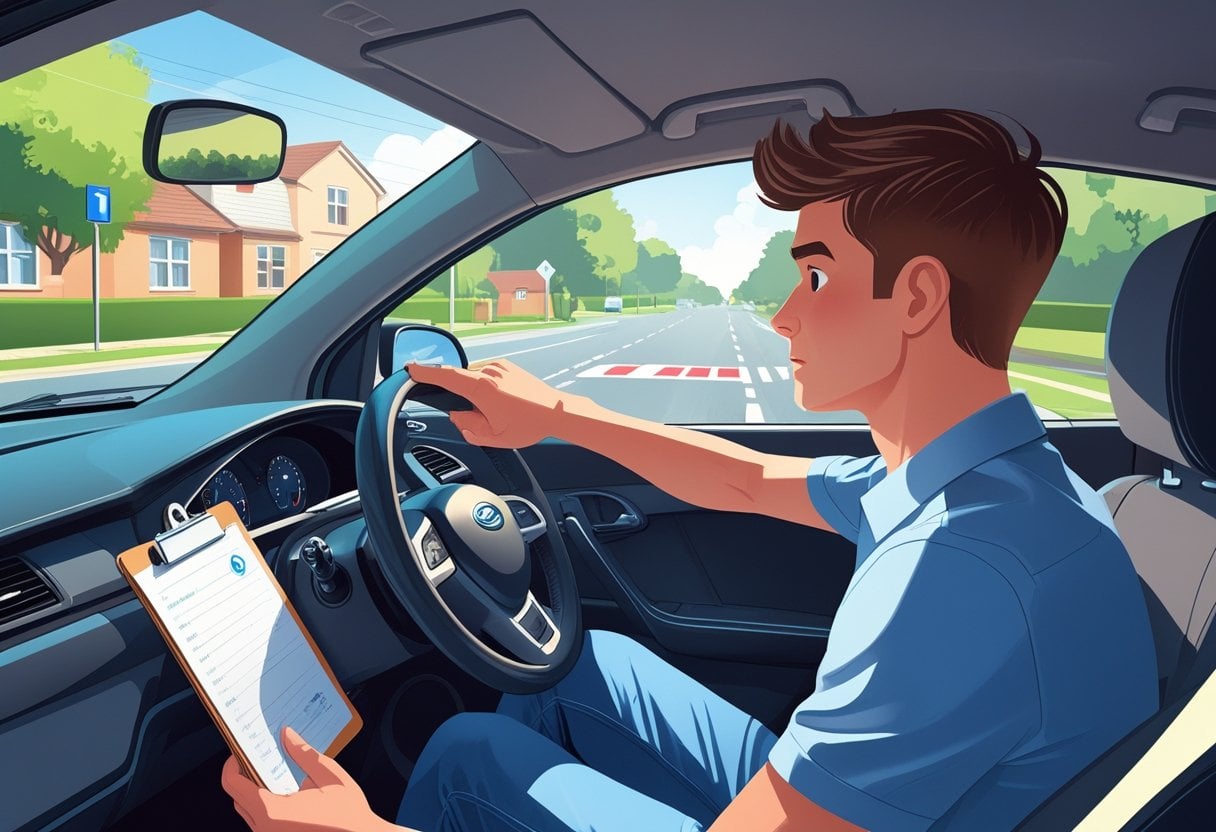
Research shows that taking a mock driving test makes you 40% more likely to pass your real driving test. That’s not just a small improvement – it’s a game changer that could save you from the disappointment and cost of failing your actual test. When you consider that a driving test costs £62 (or £75 at weekends), investing in a mock test beforehand makes perfect sense.
The benefits go far beyond just practising your driving skills. A mock test helps you understand exactly what to expect on test day, builds your confidence, and shows you any areas that need work whilst there’s still time to fix them. It’s like having a dress rehearsal before the main performance, giving you the chance to sort out any nerves or technical issues in a supportive environment.
Key Takeaways
- Mock driving tests increase your chances of passing the real test by 40% according to research studies.
- Taking a mock test helps identify areas for improvement whilst building confidence and reducing test day anxiety.
- Four out of five people who take mock tests report feeling more confident about their actual driving test.
What Is a Mock Driving Test?
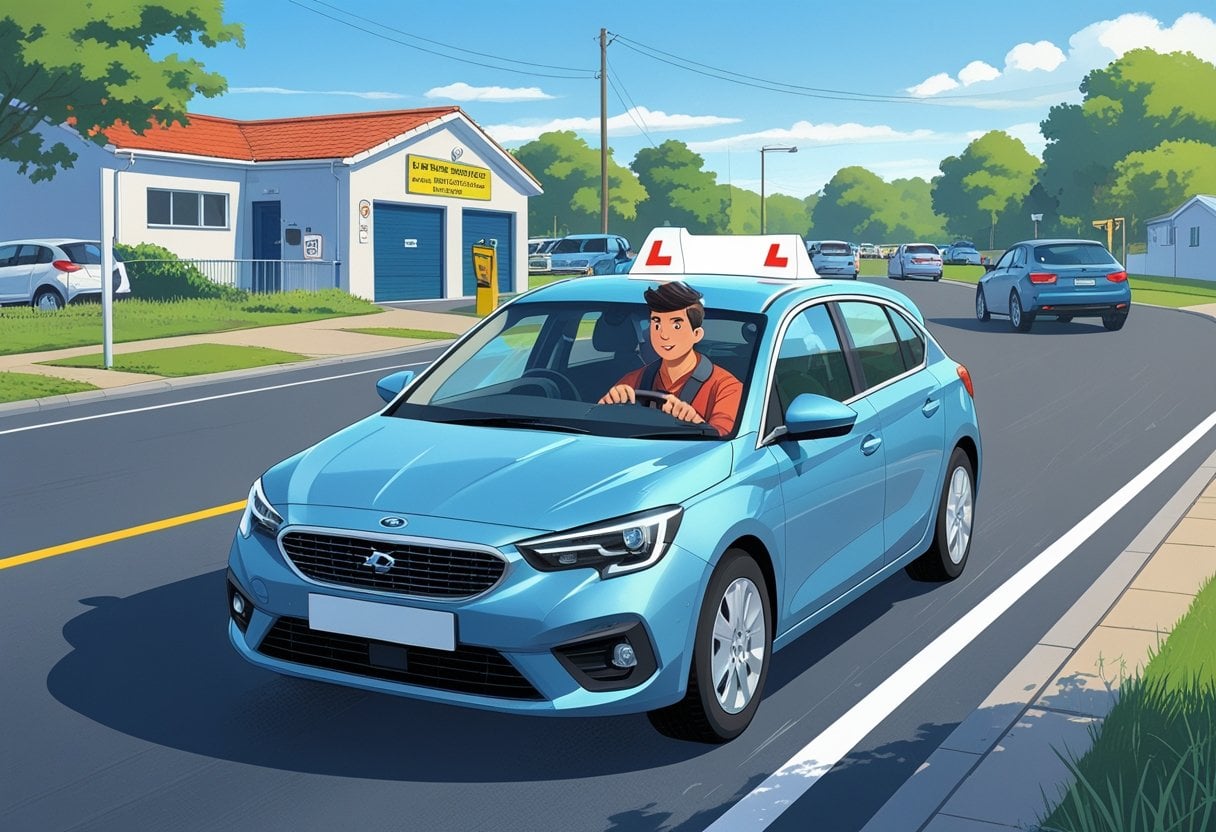
A mock driving test is essentially a practice version of your real driving test that follows the same format and covers identical skills. These tests help you understand exactly what to expect whilst identifying any areas where you might need extra practice before booking your actual test.
How Mock Driving Tests Compare to the Real Test
Mock driving tests mirror the real thing in almost every way possible. Your mock test will include the same eyesight check, vehicle safety questions, and practical driving assessment that you’ll face during your official test.
The route structure remains identical too. You’ll navigate through various road types, handle different traffic situations, and complete specific manoeuvres like parallel parking or bay parking.
Key similarities include:
- Duration: Both tests last approximately 38-40 minutes
- Assessment criteria: The same marking system applies
- Test components: Eyesight check, vehicle safety questions, and independent driving section
The main difference lies in the consequences. A mock test simply highlights areas for improvement, whilst the real test determines whether you receive your full driving licence.
Mock tests often feel slightly less pressured since there’s no official outcome at stake. This relaxed environment actually helps you perform more naturally and gives a clearer picture of your true driving ability.
Who Conducts Mock Driving Tests
Your regular driving instructor typically conducts mock driving tests, though some learners prefer booking with a different instructor for a fresh perspective. Many approved driving instructors offer mock test services specifically designed to prepare you thoroughly.
Some driving schools provide specialist mock test instructors who focus exclusively on test preparation. These instructors bring valuable experience from conducting hundreds of practice tests with different learners.
Mock test options include:
- Your regular instructor acting as examiner
- Independent driving instructors offering one-off sessions
- Driving schools with dedicated mock test programmes
The instructor will adopt the role of an examiner during your mock test. They’ll remain mostly silent, give clear directions, and assess your performance using official marking criteria.
This change in dynamic can feel strange initially, especially if you’re used to constant guidance from your usual instructor. However, it perfectly prepares you for the quieter atmosphere of your real driving test.
Common Misconceptions About Mock Tests
Many learners believe mock driving tests are unnecessary if they’re already confident behind the wheel. This thinking overlooks how differently you might perform without your instructor’s regular prompts and encouragement.
Another misconception suggests that mock tests create unnecessary anxiety. Research actually shows the opposite, with four out of five people feeling more confident after taking a practice test.
Popular myths include:
- “Mock tests are just money-making schemes”
- “If I can drive well in lessons, I don’t need practice tests”
- “Mock tests will make me more nervous”
Some learners worry that failing a mock test means they’re not ready for months of additional practice. In reality, mock tests often reveal minor issues that can be addressed with just a few focused lessons.
The cost concern is understandable, but mock tests typically cost less than rebooking a failed real test. When you consider the official test fee plus potential wait times, a mock test becomes excellent value for money.
How a Mock Driving Test Prepares You for Success
Mock driving tests give you a real preview of what your actual test will feel like. They help you spot areas that need work and build the confidence you need to pass.
Understanding Test Conditions and Process
A mock driving test recreates the exact conditions you’ll face on test day. You’ll drive for around 40 minutes, just like the real thing.
Your instructor will act as the examiner. They’ll give you the same directions and observe your driving without offering help or prompts.
What you’ll experience:
- Silent observation periods
- Standard test routes
- Required manoeuvres
- Independent driving sections
- Show me, tell me questions
This practice helps remove the unknown factors that make learner drivers nervous. You’ll know exactly what to expect when you sit your actual test.
Many driving schools use official test routes during mock tests. This gives you familiar roads to practise on before your real exam.
The format becomes second nature after a few mock tests. You won’t waste mental energy wondering what comes next.
Identifying Strengths and Weaknesses
Mock driving tests reveal exactly where you need more practice. Without your instructor’s usual guidance, your weak spots become clear.
You might discover you struggle with:
- Roundabouts under pressure
- Parking without verbal cues
- Mirror checks during turns
- Speed control on different roads
Your instructor can then focus lessons on these specific areas. This targeted approach saves time and money compared to general practice sessions.
Even confident learner drivers find surprises during mock tests. Skills that feel solid with instructor support might wobble when you’re truly independent.
We recommend taking mock driving tests at different stages of learning. Early mocks show major gaps, while later ones fine-tune small details.
The honest feedback helps you decide if you’re truly ready to book your real test.
Building Real Test Confidence
Research shows that 4 out of 5 people feel more confident after taking a mock driving test. This confidence boost can make the difference between passing and failing.
Mock tests let you practice managing test nerves in a safe environment. You’ll learn breathing techniques and mental strategies that work for you.
Benefits include:
- Reduced anxiety on test day
- Familiarity with test pressure
- Proof of your actual abilities
- Experience recovering from minor mistakes
The supportive atmosphere means you can make errors without serious consequences. This helps you stay calm if something goes wrong during your real test.
Studies indicate learner drivers who take mock tests are 40% more likely to pass first time. The practice builds genuine confidence rather than false hope.
Most driving instructors recommend mock tests to their students. 9 out of 10 learner drivers who’ve taken them suggest others do the same.
Your mock test success proves you have the skills needed to drive safely and independently.
Key Benefits of Taking a Mock Driving Test
Taking a mock driving test gives you a genuine taste of what the real examination feels like whilst building your confidence in a supportive environment. Research shows that learners who complete practice tests are significantly more likely to pass first time and feel better prepared for the challenges ahead.
Boosting Confidence and Easing Test Day Nerves
We know that test anxiety affects most learners, and it’s completely normal to feel nervous about your driving test. A mock test creates a safe space where you can experience those butterflies without the pressure of actually failing or passing.
When you practise the test format beforehand, you’ll know exactly what to expect on the day. The examiner’s instructions won’t catch you off guard, and you’ll feel comfortable with the timing and structure.
Studies reveal some encouraging statistics:
- 4 out of 5 people feel more confident after taking a mock test
- 9 out of 10 learners recommend taking one before the real thing
- You’re 40% more likely to pass if you’ve completed a practice test
Your driving instructor can simulate the real test environment, including the independent driving section and manoeuvres. This familiarity helps calm your nerves because you’ve already “been there” in a sense.
Learning from Constructive Feedback
A mock test shows you exactly how you drive without constant guidance from your instructor. During regular lessons, you might rely on prompts and reminders, but the practice test reveals your true abilities.
Your instructor can spot areas where you need improvement when you’re driving independently. Perhaps you forget to check your mirrors regularly, or you’re not quite confident with roundabouts yet.
This feedback is incredibly valuable because it’s honest and specific. You’ll get a clear picture of what needs work before you book your real test.
Common areas that mock tests help identify:
- Mirror use and observation skills
- Speed control and road positioning
- Confidence with different manoeuvres
- Decision-making at junctions
Reducing the Risk of Failure
Taking a mock test is much more cost-effective than failing your actual driving test. The real test costs £62 (or £75 at weekends), whilst most instructors charge between £36-£40 for a mock session.
If your practice test shows you’re not quite ready, you can postpone your real test without any financial penalty. You can move your test appointment for free as long as you give at least 10 working days’ notice.
This approach saves you money and prevents the disappointment of failing when you could have had more practice. It’s better to discover you need extra lessons during a mock test rather than during the real thing.
Your instructor can also use the mock test results to create a focused revision plan. This targeted approach means your remaining lessons address specific weaknesses rather than general practice.
Who Should Take a Mock Driving Test?
Mock driving tests benefit nearly every learner driver, regardless of their background or experience level. Whether you’re completely new to driving or bringing skills from another country, these practice sessions help build confidence and reveal areas that need attention.
First-Time Learner Drivers
If you’re learning to drive for the first time, we strongly recommend taking at least one mock test before your real exam. New learner drivers often feel overwhelmed by the pressure of the actual driving test, and a mock test creates a safe space to experience what it’s really like.
The practice helps you understand the test format without the stress of potentially failing an expensive exam. You’ll get familiar with how examiners communicate and what they expect from you during each part of the test.
Most importantly, mock tests reveal skills that still need work. When you’re not receiving prompts from your usual instructor, you might discover gaps in your knowledge or confidence. This gives you time to address these areas before booking your real test.
Research shows that learner drivers who take mock tests are 40% more likely to pass their actual driving test. That’s a significant advantage that comes from being properly prepared.
Drivers with International Experience
If you’ve driven in another country but need a UK licence, a mock test is particularly valuable. Driving rules, road layouts, and test requirements vary significantly between countries.
You might be an experienced driver, but UK-specific elements like roundabout protocols, parking procedures, or hazard perception can trip you up. A mock test highlights these differences in a low-pressure environment.
The format of the UK driving test itself might be unfamiliar. Even confident drivers benefit from understanding how independent driving works, what manoeuvres you’ll be asked to perform, and how long each section takes.
Don’t assume your international experience means you’ll automatically pass. We’ve seen skilled drivers fail simply because they weren’t familiar with UK test expectations.
Those Re-Taking Their Driving Test
If you’ve failed your driving test before, a mock test becomes even more crucial for your next attempt. It helps identify whether you’ve truly addressed the issues that caused your previous failure.
Sometimes nerves, rather than driving ability, cause test failures. A mock test lets you practice managing anxiety and builds confidence in your improved skills.
The mock test environment allows you to demonstrate your progress without the financial and emotional cost of another failed attempt. You’ll know honestly whether you’re ready to book your next real test or need more practice time.
We recommend taking a mock test even if you feel confident about your improvements. It provides objective feedback and helps ensure your next attempt will be successful.
How to Get the Most Out of Your Mock Driving Test
Getting the best results from your mock driving test requires careful planning and the right approach. Choosing an experienced instructor, taking several practice tests, and actively using the feedback you receive will maximise your chances of success.
Choosing the Right Driving Instructor
Finding the right driving instructor for your mock test can make all the difference to your experience. We recommend looking for instructors with at least five years of experience who understand how real driving tests work.
Ask these key questions before booking:
- How many mock tests do they conduct each month?
- Do they follow the official DVSA test format exactly?
- Will they provide detailed written feedback?
- Can they recommend areas for improvement?
Some instructors specialise in mock tests and work with different driving schools. This gives you a fresh perspective from someone who hasn’t taught you before. It’s closer to the real test experience.
Look for instructors who:
- Stay calm and supportive during the test
- Take detailed notes throughout
- Explain exactly why mistakes happened
- Suggest specific practice exercises
The best instructors create realistic test conditions. They won’t give hints or help during the 40-minute test. This honest approach shows you exactly where you stand.
Many learners find it helpful to use a different instructor for their mock test. Your regular instructor knows your driving well, but a fresh pair of eyes spots different things.
Taking Multiple Mock Driving Tests
One mock test rarely tells the whole story. We suggest taking at least two or three mock tests before your real exam. Research shows that people who take realistic mock tests are 40% more likely to pass their actual driving test.
Space your mock tests strategically:
- First mock test: 4-6 weeks before your real test
- Second mock test: 2-3 weeks before
- Final mock test: 1 week before (only if needed)
This timing gives you enough space to work on problem areas between tests. Don’t take mock tests too close together, as you need time to improve.
Each mock test should last about 40 minutes and include everything from the real test. This means the eyesight check, vehicle safety questions, and all driving manoeuvres.
Track your progress by noting:
- Which mistakes you make repeatedly
- How your confidence levels change
- Whether you’re improving in weak areas
- How well you handle test nerves
Some learners benefit from taking mock tests with different instructors. Each instructor notices different details and offers unique insights. This variety prepares you for the unpredictability of the real test examiner.
Using Feedback in Your Practice
The feedback from your mock driving test is incredibly valuable, but only if you use it properly. We recommend asking for written feedback that you can refer to during practice sessions.
Effective feedback should include:
- Specific mistakes with exact locations
- Positive points about your driving
- Clear action points for improvement
- Suggested practice exercises
Don’t just read the feedback once and forget about it. Use it to plan your remaining lessons with your regular driving instructor. Focus on the areas that need the most work.
If your test is close and you mainly need a confident final sharpen, our Bronze 10 pre-test top-up is a short top-up built for near-ready drivers.
Create an improvement plan by:
- Ranking mistakes from most to least serious
- Practising the worst areas first
- Asking your instructor for specific exercises
- Checking progress in your next mock test
Many learners make the mistake of only focusing on what went wrong. Celebrate the things you did well too. This builds confidence and reminds you that you’re capable of passing.
Keep all your mock test feedback together in one place. You’ll start to see patterns in your driving that need attention. Some mistakes might happen because of nerves rather than lack of skill.
Work with your driving instructor to turn feedback into practical improvements. They can design lessons that target your specific weak areas and help you feel more prepared for test day.
Addressing Common Reasons for Skipping a Mock Driving Test
Many learner drivers find reasons to avoid taking a mock driving test, often due to fear, financial worries, or misconceptions about their necessity. Understanding these concerns and working through them can help you make the best decision for your driving journey.
Overcoming Fear of Failing
We completely understand why the thought of failing a mock driving test feels scary. Nobody likes the idea of being told they’re not ready yet.
Here’s the thing though: failing a mock test isn’t actually failing at all. It’s discovering what you need to work on before the real thing counts.
Fear often stems from these worries:
- Looking foolish in front of your instructor
- Confirming you’re not ready for the actual test
- Feeling more anxious about the real driving test
The reality is quite different. Research shows that 4 out of 5 people feel more confident after taking a mock test, not less.
Think of it this way: would you rather discover a problem during practice or during your actual driving test when it costs £62 to £75? A mock test gives you a safe space to experience test nerves and learn how to manage them.
Your driving instructor has seen it all before. They’re not there to judge you but to help you succeed. Most learner drivers who take mock tests say they’d recommend them to others.
The nerves you feel during a mock test are valuable practice for the real thing. You’re building mental muscle memory for handling pressure.
Dealing with Cost and Time Concerns
We know money matters when you’re learning to drive. The costs add up quickly between lessons, theory tests, and practical tests.
A mock driving test typically costs the same as a regular driving lesson, around £36 to £40. That might seem like extra expense, but it’s actually an investment that saves money.
Consider these numbers:
- Mock test: £36-£40
- Driving test: £62 (£75 weekends/bank holidays)
- Second driving test attempt: Another £62-£75
- Total if you fail once: £124-£150
Taking a mock test makes you up to 40% more likely to pass first time. That’s potentially £62 to £75 saved right there.
Time concerns are understandable too. Between college, work, and social commitments, finding an extra hour feels impossible.
But here’s the perspective we’d encourage: one hour now could save you weeks of waiting for another test slot if you fail. Most mock tests fit into a standard lesson time.
Your instructor might suggest multiple mock tests. Trust their expertise. They can see what you can’t about your readiness level.
Dispelling Myths About Needing a Mock Test
Several myths stop learner drivers from taking mock tests. Let’s tackle the most common ones we hear.
“I’ve watched loads of YouTube videos about driving tests.” Videos are helpful for understanding the process, but they can’t assess your actual driving skills. You need real-time feedback on your performance under test conditions.
“I already have an international driving licence.” Different countries have completely different test formats and requirements. British driving tests might work very differently from what you’re used to. A mock test helps you adapt to local expectations.
“I’m not learning with an instructor.” You can still arrange a mock test even if you’re learning with family or friends. Over half of driving instructors offer mock tests to non-students.
The key point here: watching others drive and driving yourself under test pressure are entirely different experiences.
Mock tests reveal blind spots in your preparation that you simply can’t spot yourself. Even experienced drivers from other countries benefit from understanding how British tests work.
Your confidence might feel high after watching videos or practising with family, but real test conditions create unique challenges that only practice can prepare you for.
Frequently Asked Questions
Mock driving tests raise many questions for learner drivers considering this valuable practice opportunity. These answers address common concerns about skill development, test format familiarity, anxiety management, improvement areas, feedback benefits, and optimal practice frequency.
How can practising with a simulated driving exam sharpen your skills before the real test?
Mock tests create the perfect environment for developing your independent driving abilities. During lessons, we naturally rely on our instructor’s guidance and gentle prompts. A simulated exam removes this safety net completely.
You’ll discover which manoeuvres feel confident and which need more work. The pressure of performing without hints mirrors the real test experience exactly.
Mock tests also highlight your decision-making skills under pressure. When you’re navigating roundabouts or parking spaces solo, you’ll quickly spot areas that need attention.
This practice builds muscle memory for test day. Your responses become more automatic and natural when you’ve rehearsed them multiple times.
What are the advantages of becoming familiar with the format of the driving test through mocks?
Understanding the test structure removes uncertainty on the big day. Mock tests follow the same 40-minute format as real driving exams, including all standard components.
You’ll experience the independent driving section, which can feel daunting without prior exposure. This 20-minute portion requires following sat-nav directions or road signs independently.
The reverse parking manoeuvre becomes less intimidating when you’ve practised it in test conditions. Mock exams include the same three possible reversing exercises you might encounter.
Knowing what to expect helps you manage your time and energy effectively. You won’t waste mental effort wondering what comes next during your actual test.
Could undertaking dummy driving assessments help alleviate nervousness on the big day?
Absolutely! Research shows that four out of five people feel more confident after taking a mock test. This confidence boost comes from experiencing test conditions in a supportive environment.
Mock tests allow you to practise managing pre-test nerves safely. You can try breathing techniques, positive self-talk, or other calming strategies without real consequences.
The familiar routine helps reduce anxiety significantly. When test day arrives, you’ve already been through the entire process once before.
Many learners find their second attempt feels much easier. The unknown becomes known, transforming worry into manageable anticipation.
Are there specific areas where mock driving evaluations might highlight a need for improvement?
Mock tests excel at identifying weak spots in your independent driving. Common areas include observation at junctions, mirror checks during lane changes, and speed management.
Your steering control under pressure often reveals itself during simulated exams. Some drivers grip the wheel too tightly or make jerky movements when nervous.
Parking accuracy frequently needs attention after mock tests. The precision required for reverse bay parking or parallel parking becomes clearer under exam conditions.
Communication with other road users sometimes suffers during stressful situations. Mock tests help you maintain proper signalling and positioning throughout.
In what ways does feedback from a trial driving test contribute to better preparation?
Detailed feedback gives you a clear roadmap for improvement. Instead of general advice, you receive specific observations about your driving performance.
Mock test feedback often surprises learners positively. Many discover they’re more capable than they believed, boosting confidence for the real exam.
Constructive criticism helps prioritise your remaining lessons. You can focus practice time on areas that need the most attention.
The feedback conversation itself mirrors the post-test discussion with real examiners. This preparation helps you understand the assessment process better.
How frequently should one engage in practice tests to ensure the best chance of success when it comes to the actual driving exam?
Most successful candidates take at least one comprehensive mock test before their real exam. Research indicates this single practice session increases pass rates by 40%.
Taking a mock test too early can be discouraging and unhelpful. We recommend scheduling yours when you feel nearly ready for the real thing.
Multiple mock tests work well for some learners, particularly those who failed previous attempts. Each practice session builds familiarity and confidence gradually.
The timing matters more than frequency. Schedule your mock test two to four weeks before your real exam for optimal benefit.
Ready to pass in weeks, not months?
LPOD Academy runs tailored intensive driving courses from 10 to 50 hours across most of the UK, with your theory and practical test support included.
Ready to Book Driving Lessons?
LPOD Academy offers intensive driving courses across the UK. Find your nearest location: