

Published 6 November 2025, updated 14 August 2026
Should You Bring Your Instructor in the Car for the Test? Key Insights for Learner Drivers
Taking your driving test can feel overwhelming, and you might wonder if having your instructor in the car will help or hurt your performance. You can absolutely bring your driving instructor along for your practical test, and many learners find their presence provides valuable moral support and helps trigger muscle memory built during lessons. The DVSA actually encourages this practice because instructors can observe your driving and provide detailed feedback afterwards.
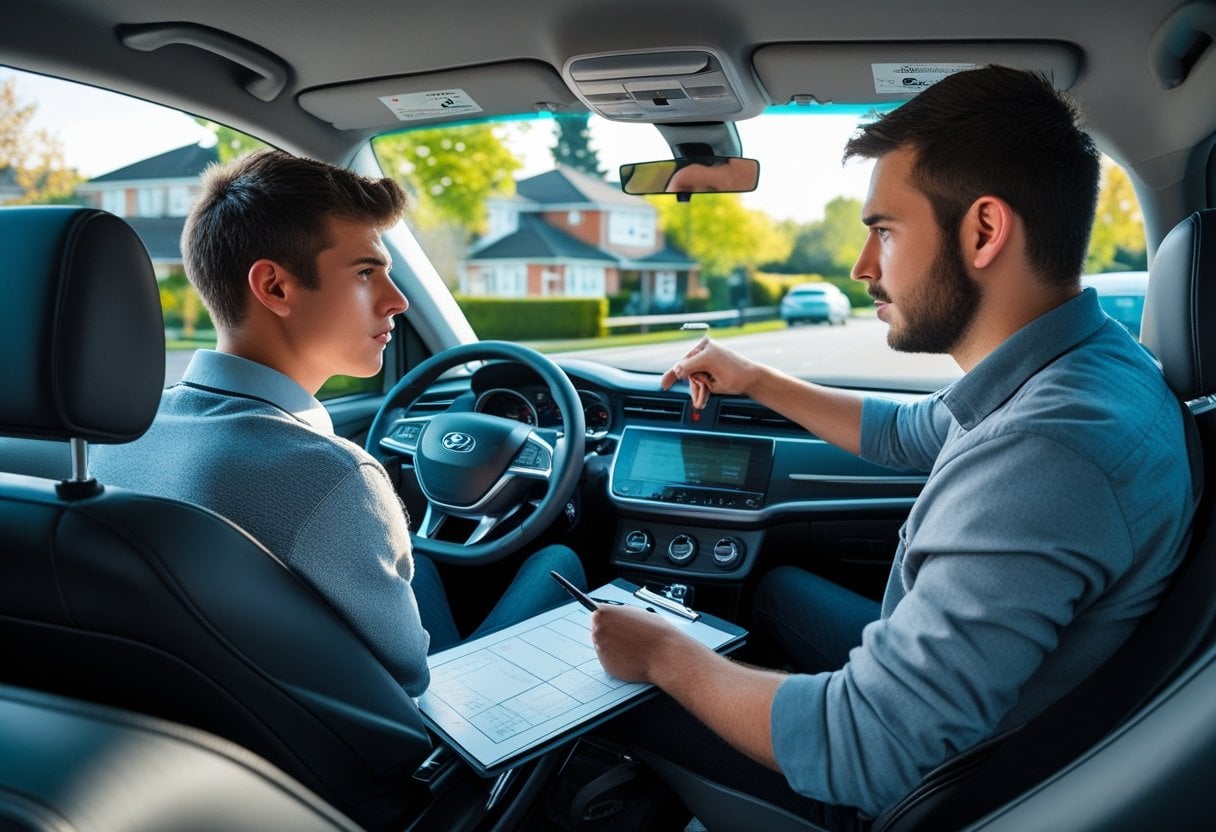
We know you’ve probably spent months building a relationship with your instructor, working through stalls, navigating tricky roundabouts, and preparing for this big moment. Having that familiar face nearby can make the test feel less daunting, though it’s not the right choice for everyone. Some learners worry their instructor might become a distraction or make them feel more nervous.
Whatever you decide for test day, a strong rapport with one instructor is easiest to build on an intensive course with a single dedicated instructor.
The decision really comes down to your personal learning style and comfort level. We’ll walk you through everything you need to know about instructor presence during tests, including the official rules they must follow, the pros and cons to consider, and how examiners view this arrangement. By the end, you’ll have all the information needed to make the best choice for your situation.
Understanding the Option: Can Your Instructor Sit in on Your Driving Test?
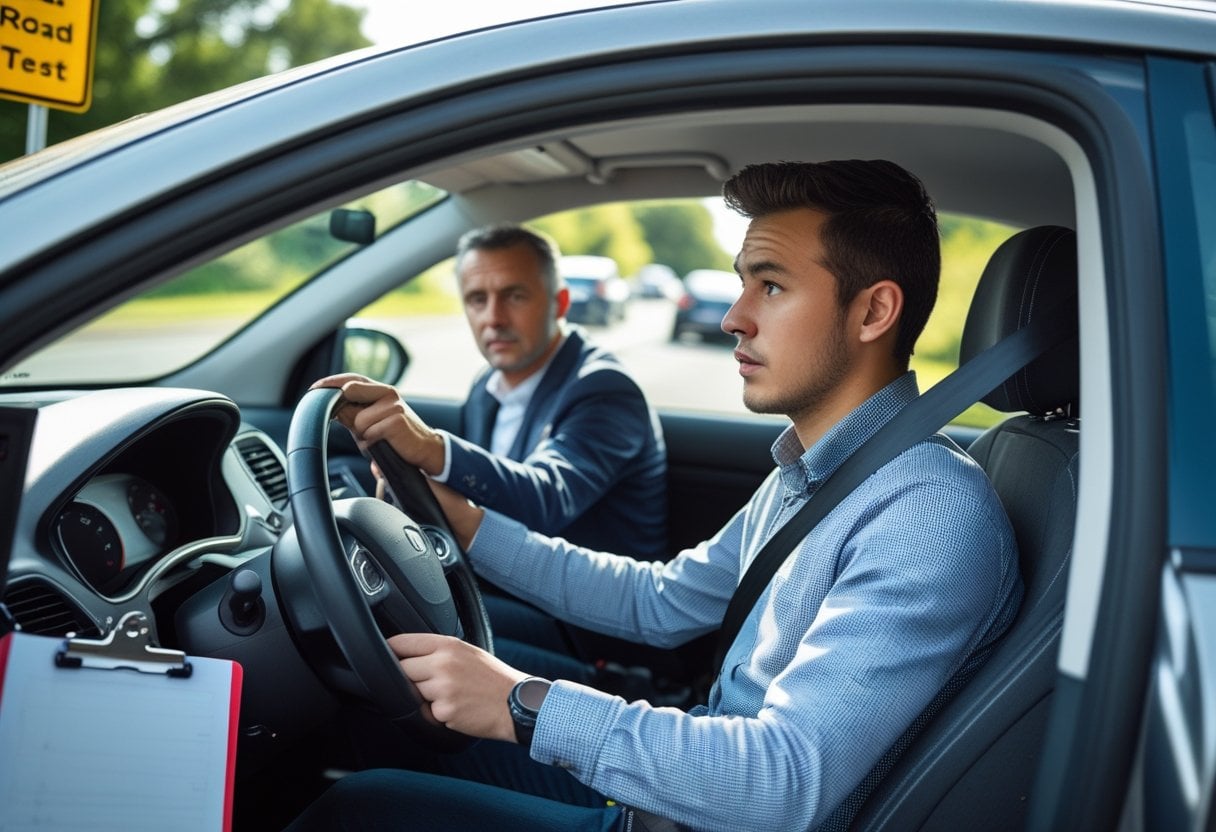
Yes, your driving instructor can sit in during your practical test, and the DVSA actively encourages this option. They’ll need to follow specific rules about where they sit and what they can do during the examination.
Official Guidance from the DVSA
The Driver and Vehicle Standards Agency has clear guidance about instructor presence during driving tests. Since April 2010, they’ve been asking learner drivers if they’d like their instructor to observe their test.
The DVSA encourages this practice for several important reasons. Your examiner only has limited time to explain mistakes at the end of your test. The feedback you receive in your results email won’t tell you exactly where errors happened.
Most learners struggle to remember all the feedback they receive. This happens whether you’re excited about passing or disappointed about failing. Your mind simply can’t process everything in those emotional moments.
Having your driving instructor present means they can:
- Take detailed notes during your test
- Remember exactly where mistakes occurred
- Help you understand the examiner’s feedback properly
- Support your future learning regardless of the result
The official guidance recognises that many learners feel calmer with a familiar face nearby. This can actually improve your test performance.
Rules and Requirements for Instructor Presence
Your instructor must follow strict rules when observing your practical test. They cannot help you in any way during the examination itself.
Here are the key requirements:
- Seating position: Your instructor must sit in the back seat
- Age requirement: Observers must be 16 or older
- Number limit: Usually only one observer is allowed
- No assistance: They cannot speak to you or give guidance during the test
- Silent observation: They can only watch and take notes
Special circumstances might allow two observers as a reasonable adjustment. This would need to meet a specific need that you’d discuss beforehand.
Your instructor can also listen to feedback at the end without sitting in during the actual test. This gives you flexibility in how you want their support.
Remember to tell your instructor well before test day whether you want them present. This helps them plan their schedule around your appointment.
Deciding Who Can Accompany You
You have choices about who can observe your driving test. Your regular driving instructor is the obvious option, but other people can sit in too.
Approved observers include:
- Qualified driving instructors (ADIs)
- Supervising drivers who’ve helped teach you
- Anyone aged 16 or over
Your best choice is usually the person who knows your driving best. This is typically your main instructor who’s guided you through most of your learning journey.
If you’ve learned with a parent or family member, they could observe instead. However, they might not have the professional expertise to help you improve afterwards.
Consider your comfort level when deciding. Some learners feel more nervous with extra people watching. Others find familiar faces reassuring during this stressful experience.
Think about what happens after the test too. A professional instructor can give you structured feedback and plan future lessons. Family members might struggle to provide the same level of technical guidance.
You don’t have to decide immediately. Talk through the options with your instructor during your final lessons before test day.
Benefits of Bringing Your Instructor on Test Day
Having your driving instructor accompany you during your practical test can provide valuable emotional support and create a more familiar environment. Many learner drivers find that their instructor’s presence helps them stay calm and confident when it matters most.
Support with Nerves and Confidence
Test day nerves can really get the better of us, can’t they? Having your driving instructor sitting quietly in the back seat can work wonders for your confidence levels.
Your instructor has been with you through every lesson. They know your strengths and the progress you’ve made. This familiar presence can help quiet those butterflies in your stomach.
When anxiety kicks in during the practical test, just knowing someone who believes in your abilities is right there can make all the difference. Many learner drivers report feeling more relaxed with their instructor present.
The psychological boost is real. Your instructor represents all those hours of practice and improvement. They wouldn’t have put you forward for the test if they didn’t think you were ready.
Some test candidates find that having their instructor there helps them focus better. Instead of worrying about being alone with the examiner, you’ve got that reassuring presence behind you.
Immediate Feedback After the Test
One of the biggest advantages of bringing your instructor is getting expert analysis straight after your test finishes. Whether you pass or need to retake, this feedback is incredibly valuable.
Your instructor can discuss what happened whilst everything is still fresh in your mind. They’ll have observed your driving throughout and can offer specific insights about your performance.
If you pass, they can celebrate with you and discuss areas to keep working on as a new driver. If you don’t pass this time, they can immediately start planning your next steps and identifying what to focus on.
This instant debriefing helps you understand the examiner’s comments better. Sometimes examiners use technical terms or give brief explanations that your instructor can expand on.
Your driving instructor will also pick up on things the examiner might not mention. They know your usual driving habits and can spot if nerves caused you to drive differently than normal.
Familiarity and Comfort in the Car
There’s something comforting about having the same person who taught you to drive watching your big moment. Your instructor creates a bridge between your lessons and the test itself.
You’re used to having them in the car during practice sessions. This familiarity can help the test feel more like a normal lesson, reducing that formal, intimidating atmosphere.
Your instructor knows your driving style and the techniques you’ve been practising together. Their presence can remind you of all those successful practice runs and mock tests you’ve completed.
Many learner drivers find that having their instructor there helps them remember key points from their training. It’s like having a silent reminder of everything you’ve learned.
The car environment feels more normal with your instructor present. Instead of just you and an unfamiliar examiner, you’ve got someone there who’s rooting for your success.
Potential Downsides to Having Your Instructor In the Car
While having your driving instructor present can offer benefits, it’s not the right choice for every learner driver. Some students find that extra observers create unwanted pressure or become a distraction during their practical test.
Increased Stress or Pressure
Having your driving instructor watching from the back seat can feel overwhelming for many learner drivers. You might worry about disappointing them or feel like you’re being judged by two people instead of one.
Some instructors report that their pupils actually perform worse when they’re in the car. The added pressure of knowing your instructor is taking notes and observing every move can make you second-guess decisions you’d normally make confidently.
You might experience:
- Racing heart or sweaty palms
- Overthinking simple manoeuvres
- Feeling like you’re being watched too closely
- Worry about letting your instructor down
This extra stress can actually harm your performance. When you’re already nervous about the test examiner, adding another person creates more tension in an already challenging situation.
Distraction from Extra Observers
Another person in the car naturally changes the atmosphere during your practical test. Even though your instructor must stay silent, their presence can shift your focus away from driving.
You might find yourself glancing in the rearview mirror to see their reaction. This takes your attention off the road and the examiner’s instructions.
Some learner drivers become hyper-aware of their instructor’s movements. When they shift position during reversing exercises or look around (which they’re allowed to do), it can break your concentration.
Common distractions include:
- Wondering what your instructor is thinking
- Noticing them taking notes
- Feeling their eyes on you during difficult manoeuvres
The car can feel crowded with three adults inside. This changes the dynamic you’re used to from lessons when it was just you and your instructor.
Impact on Performance Under Scrutiny
Performing under extra scrutiny affects different people in various ways. Some learner drivers naturally become more cautious and hesitant when they know their instructor is evaluating their every move alongside the examiner.
This double observation can make you drive differently than you normally would. You might become overly careful, missing opportunities to progress or taking longer to make decisions.
Your driving might change by:
- Hesitating at roundabouts longer than necessary
- Driving more slowly than appropriate
- Second-guessing parking positions
- Taking extra time with observations
The feeling of being watched so closely can also make minor mistakes feel much bigger. A small error that wouldn’t normally bother you might throw off your confidence for the rest of the test.
We’ve seen learner drivers who were perfectly ready for their test struggle simply because they felt too much pressure from having their instructor present.
What Your Instructor Can and Cannot Do During the Driving Test
When your driving instructor sits in the back seat during your practical test, they’re bound by strict rules set by the Driver and Vehicle Standards Agency. Your instructor becomes a silent observer who can take notes but cannot interfere with your test performance in any way.
The Rules of Conduct for Instructors
Your driving instructor must follow specific guidelines once they enter the test vehicle. They’re required to switch off their mobile phone or set it to silent mode before the test begins. This eliminates any potential distractions during your examination.
What instructors can do:
- Help lift the bonnet during vehicle safety checks if you’re genuinely struggling
- Take detailed notes throughout your test
- Change seating position during reverse parking exercises to improve your visibility
- Listen carefully to the examiner’s feedback at the end
What instructors cannot do:
- Answer phone calls or respond to messages
- Prompt you through coughing, nudging, or tapping
- Make excessive eye contact or nod enthusiastically
- Use any pre-arranged signals or codes
- Speak or offer guidance during the test
The driving examiner will stop your test immediately if your instructor breaks these rules. We’ve seen cases where well-meaning instructors accidentally compromised their student’s test by trying to help.
Your instructor should sit behind you when possible, though they can choose any position where they can wear the seatbelt properly and sit upright comfortably.
Silent Observation and Note-Taking
Taking notes represents one of the most valuable activities your instructor can perform during your test. These detailed observations become crucial for your development, whether you pass or need to retake your practical test.
Your instructor watches your mirror usage, junction approaches, and parking techniques with trained eyes. They spot subtle mistakes that might affect your driving but aren’t necessarily test failures. This insight proves invaluable for future lessons.
Key areas instructors typically note:
- Observation patterns at junctions and roundabouts
- Speed control in different traffic conditions
- Steering accuracy during manoeuvres
- Communication with other road users
The notes your instructor takes supplement the examiner’s feedback perfectly. Whilst the driving examiner focuses on serious faults and overall performance, your instructor captures the smaller details that shape your driving habits.
Many instructors develop their own shorthand system for recording observations quickly. They might note timing issues, hesitation patterns, or positive improvements they observe during your test performance.
Examiner’s Expectations for Professional Behaviour
The Driver and Vehicle Standards Agency expects instructors to maintain completely professional conduct throughout the examination process. Driving examiners work with instructors regularly and quickly notice any inappropriate behaviour or interference attempts.
Your examiner wants to see natural driving behaviour from you without external influence. They’re trained to spot coaching signals, which could include seemingly innocent gestures or movements from your instructor.
Professional instructors understand these boundaries completely. They’ve likely observed dozens of tests and know exactly how to behave appropriately whilst gathering useful information for your continued development.
Examiner expectations include:
- Complete silence from the instructor during driving
- No physical movements that could distract or guide you
- Respectful behaviour towards the examination process
- Professional appearance and conduct
If concerns arise about how your test was conducted, your instructor can speak with the test centre manager or follow the official complaints procedure. However, they must wait until after your test concludes completely before raising any issues.
The relationship between examiners and instructors remains professional and collaborative, focused entirely on road safety and fair assessment of your driving abilities.
How Examiner and DVSA View Instructor Presence
The DVSA actively encourages instructors to accompany learners during practical tests, and examiners are trained to welcome this support. Driving examiners view instructor presence as beneficial for maintaining test standards whilst providing valuable learning opportunities.
Ensuring Fairness and Impartiality
The Driver and Vehicle Standards Agency has clear guidance for examiners about instructor presence during tests. Examiners must ask candidates if they’d like their instructor present before the test begins.
This isn’t just a courtesy. It’s official DVSA policy designed to support learners.
Having your instructor there doesn’t change how the examiner assesses your driving. The test criteria remain exactly the same whether you’re alone or accompanied.
Examiners are trained professionals who maintain objectivity regardless of who’s watching. They follow standardised marking procedures that instructor presence cannot influence.
Some learners worry that bringing an instructor might make examiners stricter. This simply isn’t true based on DVSA guidelines.
The agency recognises that familiar support can help candidates perform at their best. Reducing test anxiety serves everyone’s interests because it leads to more accurate assessments of driving ability.
Examiner’s Perspective on Supportive Observers
From the examiner’s viewpoint, instructors serve as valuable witnesses to the assessment process. Professional instructors understand test standards and can validate examiner decisions.
This transparency benefits the entire driving test system. Instructors learn from observing different examiners’ approaches.
Examiners often appreciate having qualified observers present. It demonstrates confidence in their assessment methods and provides accountability.
When instructors witness tests, they gain insights into current standards. This knowledge helps them prepare future students more effectively.
The examiner knows your instructor won’t interfere during the test. Professional instructors respect the examination process and remain silent throughout.
Some examiners find that instructor presence actually makes their job easier. Students often feel calmer, leading to more natural driving performances that are easier to assess fairly.
Preparing for Test Day: Practical Steps for Learner Drivers
Getting organised for your practical test means sorting out the right paperwork, letting your examiner know whether your driving instructor will be joining you, and thinking back to how you’ve performed during lessons and practice runs.
Essential Documents to Bring
Your theory test pass certificate sits at the top of the must-bring list. The examiner needs to see proof that you’ve passed your theory test before you can take your practical test. Without this certificate, your test will be cancelled on the spot.
Bring your provisional driving licence in its original form. A photocopy won’t cut it. Your booking confirmation or reference number should come with you too, even though most test centres can look you up on their system.
Don’t forget valid insurance documents for the car you’ll be using. The vehicle must be insured for you as a learner driver. Your driving instructor usually handles this if you’re using their car.
Essential documents checklist:
- Theory test pass certificate
- Provisional driving licence (original)
- Booking confirmation
- Valid insurance certificate
- Vehicle registration documents
Pack everything the night before your test. Rushing around on test day looking for paperwork will only add to your nerves.
Communicating Your Choice to the Examiner
Tell your examiner straight away if your driving instructor will be sitting in during your practical test. This happens when you check in at the test centre, usually about 10 minutes before your scheduled time.
The examiner expects this conversation. They deal with instructors accompanying learner drivers every single day. There’s no need to feel awkward about it.
Your instructor needs to stay quiet throughout the entire test. They can’t offer hints, advice, or encouragement while you’re driving. The examiner will explain these rules before you start.
Some examiners might ask your instructor to sit in the back seat instead of the front passenger seat. This depends on the test centre’s preferences and the car’s layout.
Key points to remember:
- Mention your instructor’s presence during check-in
- Your instructor cannot speak during the test
- Seating arrangements may vary by test centre
Reflecting on Mock Tests and Lessons
Think back to your recent lessons with your driving instructor. How did you feel when they were giving you directions compared to when you drove more independently? This reflection helps you decide whether having them there on test day will boost your confidence.
Consider your performance during mock tests. Did you drive better when your instructor stayed quiet, or did their presence make you feel more secure? Some learner drivers find familiar voices comforting, while others prefer complete independence.
Your driving instructor knows your strengths and areas that need work. They’ve watched you progress from those early, wobbly attempts to smooth, confident driving. Their insights about whether you should have them along can be invaluable.
Ask yourself honestly: do you rely too heavily on your instructor’s guidance? The practical test measures your ability to drive safely without constant supervision. If you’ve been depending on frequent prompts during lessons, you might benefit from demonstrating your independence on test day.
Questions to consider:
- How do you perform during independent driving practice?
- Do you feel more or less nervous with your instructor present?
- What does your instructor recommend based on your recent progress?
Frequently Asked Questions
Many learner drivers wonder about having their instructor in the car during their practical test. These common questions explore how an instructor’s presence might affect your nerves, provide valuable feedback, and support you through this important milestone.
Is it beneficial to have your instructor accompany you on your driving test for moral support?
Having your instructor in the car can provide significant emotional support during your test. Many learners find they feel calmer knowing someone familiar is there with them.
Your instructor represents months of shared learning experiences. They’ve seen you progress from nervous beginner to confident driver. This familiar presence can help reduce anxiety on test day.
Some learners perform better when they know their trusted instructor is observing. It’s like having a supportive friend nearby during a challenging moment.
However, others prefer the quieter environment with just the examiner. Consider what typically helps you feel most comfortable during stressful situations.
What are the pros and cons of having your driving instructor sit in during your practical exam?
The main advantages include detailed feedback after your test and someone to help you remember what the examiner says. Your instructor can take notes during the test about where mistakes happen.
They’ll also help you process the feedback properly. Whether you pass or fail, you’ll have clearer guidance for your next steps.
The potential downsides are feeling added pressure with more people watching you. Some learners find the extra presence distracting rather than comforting.
Cost might also be a factor. Some instructors charge for accompanying you to the test centre and waiting during your exam.
Could your instructor’s presence in the vehicle help ease nerves during the driving test?
Your instructor’s presence often helps reduce test nerves significantly. You’ve spent many hours learning with them, so their familiar energy can feel reassuring.
Knowing someone who believes in your abilities is watching can boost your confidence. Your instructor has already seen you drive safely and competently.
Some learners worry less about making mistakes when their instructor is there. They know this person understands their driving journey and won’t judge them harshly.
However, a few learners feel additional pressure to impress their instructor. Think about whether having extra observers typically motivates or stresses you.
How might an instructor’s feedback post-test be more insightful if they observe the test firsthand?
Instructors who observe your test can provide much more detailed feedback than relying on examiner comments alone. They’ll know exactly where each mistake happened and the specific circumstances.
The examiner only has limited time to explain your results. Your instructor can spend as long as needed discussing what occurred during the test.
If you fail, your instructor will have witnessed the exact situations that caused problems. This makes planning future lessons much more targeted and effective.
They can also spot positive improvements in your driving that you might not notice yourself. This balanced feedback helps maintain your confidence for future attempts.
In what ways can an instructor assist if you’re struggling with test route familiarity?
Your instructor can help identify unfamiliar areas during the test and make notes for future practice. They’ll spot which types of roads or junctions caused you difficulty.
If you’re not familiar with the test area, having your instructor observe means they can plan specific lessons around those routes later. This targeted practice improves your chances next time.
They might notice you handled certain situations well despite feeling uncertain. This reassurance helps build confidence for areas you thought were problematic.
Your instructor can also suggest additional practice in similar environments to the ones that appeared during your test.
What’s the general consensus among learner drivers about having an instructor in the car for the test?
Most learner drivers who choose to have their instructor present report feeling more relaxed and supported. The familiar presence tends to reduce anxiety levels significantly.
Those who bring their instructor particularly value the detailed feedback afterwards. Many say this helped them understand their mistakes much better than examiner feedback alone.
Some learners prefer taking their test without their instructor to avoid feeling additional pressure. They want the simplest possible environment with fewer people to potentially worry about.
The majority of driving schools recommend having your instructor accompany you. The benefits of detailed observation and feedback generally outweigh any potential drawbacks for most learners.
Practising the things examiners actually mark
Faults like this are usually fixed by concentrated practice rather than by more reading.
On an LPOD Academy intensive course you work with one instructor for 10 to 50 hours, so a weak area gets revisited the same week instead of a fortnight later.
Our learners pass first time 86% of the time, across a network of more than 500 instructors.
Compare intensive course packages · Find the right number of hours
Ready to pass in weeks, not months?
LPOD Academy runs tailored intensive driving courses from 10 to 50 hours across most of the UK, with your theory and practical test support included.
Ready to Book Driving Lessons?
LPOD Academy offers intensive driving courses across the UK. Find your nearest location: