

Published 7 November 2025, updated 12 July 2026
Drug-Driving Laws and Prescription Medications: What Learner Drivers Must Know
Driving with prescription medications might seem straightforward, but the reality can catch many motorists off guard. We often assume that taking medicine prescribed by our doctor keeps us safely within the law, yet this isn’t always the case when it comes to getting behind the wheel.
Once you’re confident you’re safe and legal to drive, an intensive course that turns readiness into a pass is the quickest route to your licence.
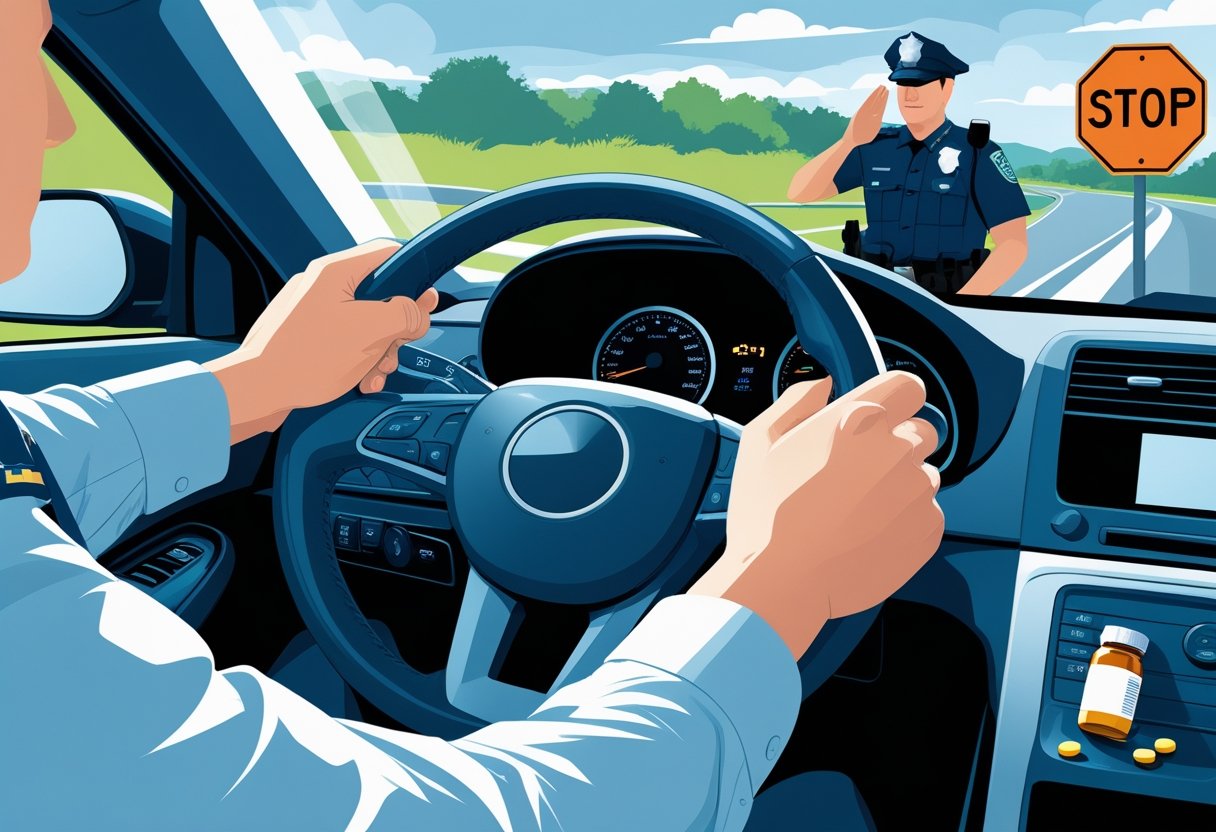
Taking prescription drugs doesn’t automatically protect you from drug-driving charges, even if your doctor prescribed them and you’re following the instructions perfectly. Many common medications can impair your ability to drive safely, and some have specific blood limits that could land you in serious legal trouble if exceeded.
Understanding these laws isn’t just about avoiding penalties (though those can be severe). It’s about keeping yourself and others safe whilst managing your health needs responsibly. We’ll walk you through everything you need to know about prescription medications and driving laws, from recognising which drugs might affect you to knowing your rights if you’re ever stopped by police.
Understanding Drug-Driving Laws in the UK
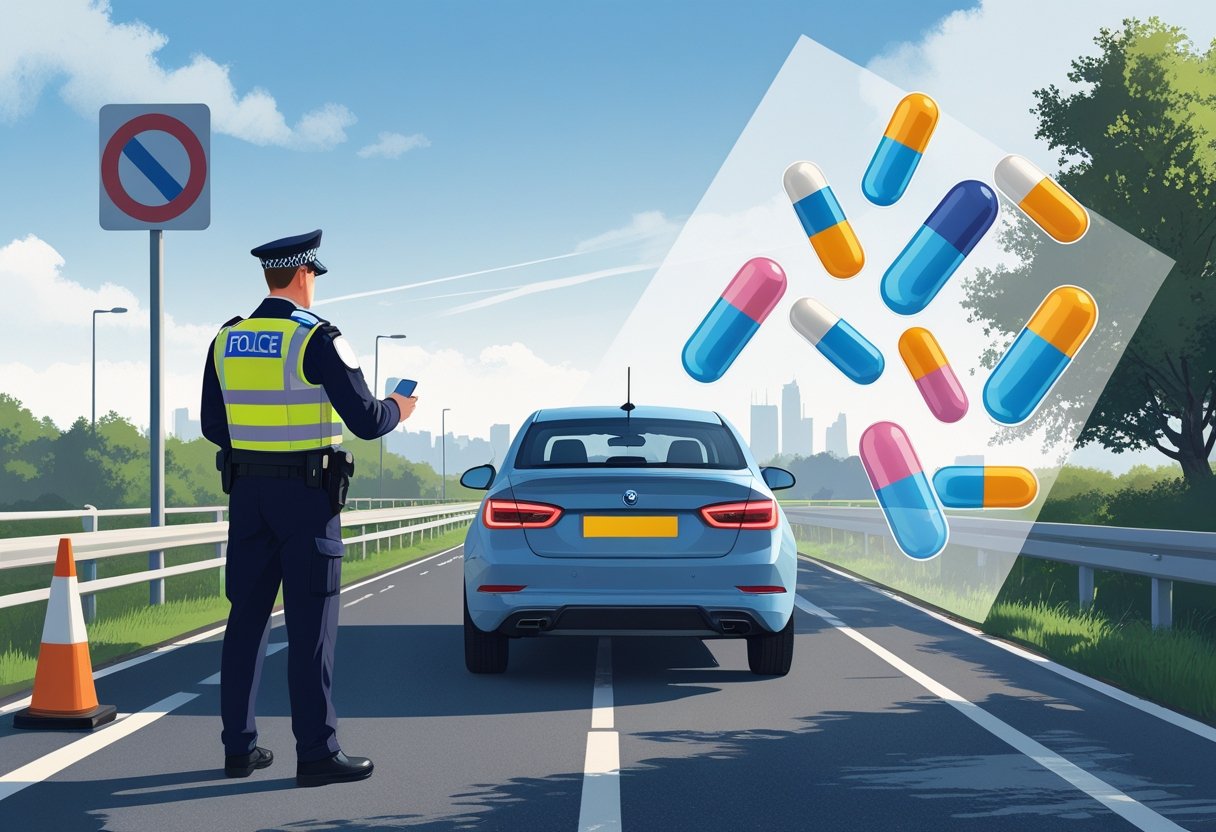
The UK’s drug-driving legislation covers both illegal substances and prescription medications, with specific legal limits set for 17 different drugs. We need to understand how these laws work and what they mean for anyone taking prescribed medication.
Legal Framework and Key Legislation
The Road Traffic Act 1988 forms the backbone of our drug-driving laws. This act was updated to create a strict liability offence, which means we don’t need to prove impairment for a conviction.
The current legal framework includes two main offences. First, driving whilst unfit through drugs (Section 4). Second, driving with specified controlled drugs above prescribed limits (Section 5A).
Key aspects of the legislation include:
- Police powers to conduct roadside saliva tests
- Blood test requirements for accurate measurement
- Medical defence provisions for prescribed medications
- Penalties including driving bans and criminal records
Separate regulations apply in Scotland compared to England and Wales. However, the core principles remain consistent across the UK.
Difference Between Prescription and Illegal Drugs
We categorise drugs into two distinct groups under the legislation. Each group has different legal limits based on their intended use and safety profiles.
Group 1: Illegal drugs have very low legal limits. These include cannabis, cocaine, MDMA, LSD, ketamine, and heroin metabolites. The limits are set near zero tolerance levels.
Group 2: Prescription medications have higher, more practical limits. These cover benzodiazepines (diazepam, lorazepam, temazepam), morphine, methadone, and amphetamines used medically.
The higher limits for prescription drugs recognise their therapeutic value. Most patients taking normal prescribed doses shouldn’t exceed these limits.
However, taking medication above prescribed amounts can still result in prosecution. We always need to follow our doctor’s instructions exactly.
How Drug Driving Is Defined
Drug driving means operating a vehicle with specified controlled drugs above legal limits in our bloodstream. We don’t need to show visible signs of impairment for prosecution.
Police can stop us if they suspect drug driving. They’ll use roadside saliva tests to detect the presence of drugs initially.
The process typically follows these steps:
- Roadside saliva screening test
- Blood test at a police station if positive
- Laboratory analysis to measure exact drug levels
- Prosecution if above legal limits
We can still face charges for impaired driving even below legal limits. If drugs affect our ability to drive safely, that’s a separate offence with no medical defence available.
The law applies regardless of when we took the medication. Drugs can stay in our system long after their effects wear off.
Common Misconceptions About Prescription Medication
Many of us believe prescription medications automatically protect us from drug-driving charges. This isn’t always true, and several myths persist about these laws.
Myth: Having a prescription means we can’t be prosecuted.
Reality: We need a valid medical defence, which requires taking medication exactly as prescribed.
Myth: Small amounts of medication won’t trigger a positive test.
Reality: Modern tests are extremely sensitive and can detect tiny amounts days after taking medication.
We might think morning medication won’t affect evening driving. Some drugs remain detectable for 24-48 hours or longer in our bloodstream.
Another common belief is that over-the-counter medicines are always safe. Some contain ingredients that could trigger positive tests, especially when combined with other medications.
Important factors for medical defence:
- Taking medication for genuine medical reasons
- Following prescriber’s exact instructions
- Not exceeding recommended doses
- Having proper documentation from healthcare providers
We should always discuss driving concerns with our doctor or pharmacist when starting new medications.
Prescription Medications That Affect Driving
Many common prescription drugs can significantly impact your ability to drive safely, and some carry specific legal limits under UK drug-driving laws. Understanding which medications pose risks and how they affect your driving abilities helps protect both your licence and road safety.
Prescription Drugs Commonly Linked to Drug-Driving Convictions
The 2015 drug-driving legislation targets eight specific prescription medications that have set legal limits in your bloodstream. If you’re caught driving with these substances above their specified limits without a valid prescription, you face prosecution regardless of whether they’ve actually impaired your driving.
The controlled drugs include:
- Amphetamines (dexamphetamine, selegiline)
- Benzodiazepines (diazepam, clonazepam, lorazepam, oxazepam, temazepam)
- Opioids and opiates (methadone, morphine, codeine, tramadol, fentanyl)
- Flunitrazepam (a powerful sedative)
These medications are frequently prescribed for anxiety, pain management, ADHD, and sleep disorders. We recommend carrying your prescription or medication packet whilst driving to show police officers if stopped.
Even with a valid prescription, you can still face charges if these drugs impair your driving ability. The law protects you only when you’ve followed your healthcare professional’s advice and remain fit to drive.
Side Effects That Can Impair Safe Driving
Prescription medications can affect your driving through various side effects that compromise your reaction times, judgement, and coordination. These effects often occur even when you’re taking medications as prescribed.
Common impairing effects include:
- Drowsiness and fatigue that slows reaction times
- Dizziness affecting balance and spatial awareness
- Blurred vision reducing your ability to see clearly
- Confusion impacting decision-making abilities
- Reduced concentration affecting focus on driving tasks
Pain medications like codeine and tramadol frequently cause drowsiness. Anxiety medications such as diazepam and temazepam can make you feel unsteady or confused.
Some medications take time to reach stable levels in your system. You might experience stronger side effects when starting new treatments or changing doses. We always suggest discussing driving safety with your doctor when beginning any new prescription.
Dangers of Mixing Medications and Substances
Combining multiple medications or mixing prescription drugs with alcohol creates unpredictable and often dangerous effects that significantly increase your crash risk. These interactions can amplify impairment far beyond what each substance would cause alone.
Particularly risky combinations include:
- Alcohol with any prescription medication (dramatically increases impairment)
- Multiple sedating drugs like diazepam with codeine
- Pain medications with muscle relaxants
- Sleep aids combined with anxiety medications
Even small amounts of alcohol can dangerously interact with prescription drugs. What feels like mild drowsiness can quickly become severe impairment behind the wheel.
Over-the-counter medications also pose risks when combined with prescriptions. Cold medicines, antihistamines, and sleep aids can enhance the sedating effects of controlled drugs.
We strongly advise avoiding alcohol completely when taking any prescription medication. Always check with your pharmacist about potential interactions before combining medications, even those available without prescription.
Drug Limits and Testing Procedures
The government has set specific blood limits for both prescription medicines and illegal drugs, with different approaches for each category. Police use roadside testing kits and field assessments to detect impairment, whilst the DVLA maintains detailed records of drug driving convictions through specific endorsement codes.
Legal Blood Limits for Prescription and Illegal Drugs
We see two distinct approaches when it comes to drug limits under the Road Traffic Act. The government works with scientists and medical experts to establish these boundaries, but the reasoning differs dramatically between legal and illegal substances.
For illegal drugs like cannabis, cocaine, MDMA, and ketamine, authorities follow a zero-tolerance approach. The limits are set extremely low to account for accidental exposure whilst essentially maintaining a no-use policy for drivers.
Prescription medicines receive different treatment. Drugs such as amphetamine, morphine, diazepam, and methadone have limits set above normal therapeutic levels. This means you can legally drive whilst taking prescribed medication, provided you stay within safe parameters.
The key distinction lies in medical necessity. If you’ve been prescribed controlled drugs and follow your healthcare professional’s advice, you’re generally protected from prosecution. However, if you’re taking these same medications without a prescription, any detectable amount above the specified limit becomes illegal.
These limits recognise that many drivers depend on prescription medicines for legitimate health conditions. The road safety risk-based approach balances medical needs with public safety concerns.
Types of Drug Testing and Police Procedures
When police suspect drug driving, they follow a structured testing process. Officers can stop you if they believe you’re under the influence of drugs, regardless of whether you’ve committed another offence.
Field impairment assessments form the first line of testing. Police ask you to perform simple tasks like walking in a straight line or following their finger with your eyes. These tests help officers gauge your coordination and cognitive function.
Roadside drug screening kits can detect cannabis and cocaine specifically. If these preliminary tests suggest impairment, you’ll face arrest and more comprehensive testing at the police station.
Blood or urine tests at the station provide definitive evidence. These laboratory-quality tests measure precise drug concentrations in your system. The results determine whether you’ve exceeded legal limits for any controlled substances.
Police don’t need to prove you were driving dangerously. Under drug driving law, having specified substances above legal limits is sufficient for prosecution, even if your driving appeared normal.
Role of the DVLA and Endorsement Codes
The DVLA maintains detailed records of all drug driving convictions through specific endorsement codes on your driving licence. These codes communicate your conviction history to insurers, employers, and authorities for years to come.
Drug driving convictions receive the DR80 endorsement code. This marking stays on your licence for 11 years, significantly longer than many other driving offences. The extended period reflects the serious view authorities take of drug driving.
Employment implications can be substantial. If you drive for work, your employer will see this endorsement when they check your licence. Many driving jobs become unavailable with a drug driving conviction on your record.
Insurance costs increase dramatically following a drug driving conviction. Insurers view these offences as high-risk behaviour, leading to significantly higher premiums or policy refusals.
The DVLA also shares information with international authorities. This can affect your ability to drive abroad or even travel to certain countries, particularly the United States, where drug convictions may impact visa applications.
Impact of a Drug-Driving Conviction
A drug-driving conviction brings serious consequences that extend far beyond the courtroom. We’re talking about driving bans that can last years, hefty fines, and long-term effects on your insurance and career prospects.
Driving Bans and Licence Endorsements
When you’re convicted of drug driving, we need to be clear about what happens next. You’ll face a minimum one-year driving ban – there’s no getting around this.
This isn’t a slap on the wrist. The courts take drug driving seriously, especially when it involves prescription medications that should have been managed more carefully.
Your driving licence will carry the conviction details for 11 years. That’s right – more than a decade where this conviction follows you around.
During those 11 years, anyone who checks your licence (employers, insurance companies, rental agencies) will see exactly what happened. It’s a long time to live with the consequences of one mistake.
The conviction stays visible long after your driving ban ends. This extended period reflects how seriously our legal system treats road safety violations.
Fines, Sentencing, and Criminal Records
Let’s talk money and criminal consequences. Drug driving convictions come with unlimited fines – the court decides based on your circumstances and the severity of your case.
You could face up to six months in prison. We’ve seen this happen when the circumstances are particularly serious or when someone has previous convictions.
Here’s something many people don’t realise: you’ll have a criminal record. This isn’t just a driving matter anymore – it’s a criminal conviction that appears on background checks.
If someone dies as a result of drug driving, the maximum penalty jumps to life imprisonment. The courts don’t mess about when lives are lost.
Your criminal record affects job applications, visa applications, and other areas of life you might not expect. It’s worth understanding just how far-reaching these consequences can be.
Insurance and Employment Consequences
We hate to be the bearers of bad news, but your insurance costs are going to hurt. Expect significant increases in your premiums – we’re talking potentially hundreds or thousands of pounds extra each year.
Finding insurance becomes a challenge in itself. Many insurers won’t touch drivers with drug driving convictions, leaving you with specialist (expensive) providers.
If you drive for work, your employer will spot the conviction on your licence during routine checks. This could affect your job security or future employment prospects.
Travel becomes complicated too. Countries like the USA often refuse entry to people with drug driving convictions. Your holiday or business trip plans might need serious rethinking.
The employment impact stretches beyond driving jobs. Many employers run criminal background checks, and your conviction will appear there for years to come.
How to Stay Safe and Legal on the Road
Taking prescription medication doesn’t automatically disqualify you from driving, but it does require extra care and planning. The key is building strong communication with healthcare professionals and developing reliable strategies to recognise when you’re not fit to drive.
Working with Your Doctor or Pharmacist
We can’t stress enough how crucial it is to have honest conversations about your driving needs when starting new medications. Your doctor needs to know that you drive regularly, what type of driving you do, and any concerns you have about medication effects.
Don’t wait until problems arise. Ask specific questions about timing, side effects, and whether your medication has legal driving limits. Many patients feel embarrassed discussing driving concerns, but healthcare professionals expect these questions.
Your pharmacist is another brilliant resource. They understand drug interactions and can explain how different medications might affect you together. If you’re taking multiple prescriptions, they can spot potentially dangerous combinations that might impair your driving.
Keep detailed records of how medications affect you, especially during the first few weeks. Note any drowsiness, dizziness, or concentration problems. This information helps your healthcare team adjust dosages or timing to keep you safe behind the wheel.
Recognising Impairment and When Not to Drive
Learning to spot the warning signs of impairment protects you and everyone else on the road. Driving while unfit through prescription medication carries the same penalties as drink-driving, regardless of whether you meant to break the law.
Physical symptoms are often the easiest to notice. Blurred vision, slow reactions, or feeling unsteady on your feet are clear signals to avoid driving. But cognitive effects can be trickier to spot.
Trust your instincts. If you’re struggling to concentrate, feeling confused, or having trouble making decisions, these are red flags. Even slight drowsiness can be dangerous, especially on longer journeys or motorways.
Consider external factors too. Illness, stress, or lack of sleep can amplify medication effects. What felt fine yesterday might be risky today. We always recommend erring on the side of caution.
Test yourself safely when possible. Try simple tasks like reading small print or doing basic maths. If these feel harder than usual, driving probably isn’t wise.
Safer Alternatives and Practical Tips
Planning ahead makes a massive difference in maintaining road safety while managing your health. We’ve found that successful drivers develop multiple backup plans before they need them.
Public transport, taxi services, and ride-sharing apps provide reliable alternatives when you can’t drive. Many areas offer medical transport services for healthcare appointments. Friend and family networks often help willingly when asked in advance.
Consider timing strategies with your healthcare team. Some medications work better when taken at specific times, allowing you to schedule driving during periods of minimal impairment.
Keep emergency contacts easily accessible in case you feel unsafe to drive while out. This includes taxi numbers, trusted friends, or family members who could collect you.
Create a medication schedule that supports your driving needs. If morning drowsiness is an issue, discuss evening dosing with your doctor. Small adjustments often make huge differences to daily life.
Always carry prescription evidence including bottles, repeat prescription slips, or medical letters. This protects you during roadside checks and demonstrates responsible medication use.
What To Do If You Are Accused of Drug Driving
Being accused of drug driving can feel overwhelming, but knowing your rights and understanding the legal framework helps you respond appropriately. Getting professional legal advice quickly and understanding potential defences are your most important steps forward.
Legal Rights and Initial Steps
Stay calm and remember your fundamental rights during any police interaction. You have the right to remain silent beyond providing basic identification details.
If police suspect drug driving, they can conduct a field impairment assessment. This involves simple tests like walking in a straight line or following a pen with your eyes.
You must comply with roadside drug screening if requested. Refusing can lead to separate charges under the legal framework.
When taken to the station for blood or urine tests, request a solicitor immediately. This is your right, and you shouldn’t answer detailed questions without legal representation present.
Keep detailed notes of everything that happens. Write down the time, location, officers involved, and exactly what was said. This information becomes valuable if you challenge the charges later.
Remember that prescription medications have specific legal protections. If you’ve been taking prescribed drugs as directed by your healthcare provider, make this clear to your solicitor straight away.
Potential Defences and Seeking Professional Help
Contact an experienced drug driving solicitor within hours of your arrest, not days. Early legal intervention often makes the difference between conviction and successful defence.
Several defences might apply to your situation. Prescription drug defences are common when you’ve followed medical advice correctly. Your solicitor can argue you took medication as prescribed and weren’t impaired.
Procedural errors by police provide another defence route. If officers didn’t follow proper testing procedures or failed to calibrate equipment correctly, evidence might be inadmissible.
Medical conditions can sometimes explain positive drug tests. Certain health issues affect how your body processes medications, leading to higher blood levels than expected.
Your solicitor will examine the entire evidence chain, from initial stop to laboratory analysis. They’ll check if police had reasonable grounds for stopping you and whether testing equipment was functioning properly.
Never plead guilty without professional legal advice. A drug driving conviction brings serious consequences including driving bans, unlimited fines, and criminal records lasting eleven years.
Frequently Asked Questions
Taking prescription medications whilst driving raises many important questions about safety and legal compliance. Let’s explore the most common concerns drivers have about balancing their medical needs with road safety requirements.
How might prescribed medications affect my ability to drive safely, and what precautions should I take?
Prescription medications can impact your driving in several ways. Some medicines cause drowsiness, dizziness, or blur your vision. Others might slow your reaction times or affect your concentration.
We recommend starting with simple precautions. Always read the patient information leaflet that comes with your medication. Look for warnings about driving or operating machinery.
When you begin taking new medication, avoid driving for the first few days. This gives you time to understand how the medicine affects you personally. Everyone reacts differently to the same medication.
If you take multiple medications, be extra careful. The combination might create unexpected side effects. Your pharmacist can help explain potential interactions between different medicines.
Keep a medication diary during the first weeks of treatment. Note any side effects like fatigue, confusion, or visual problems. Share this information with your doctor during follow-up appointments.
Can you give me the lowdown on the legal limits for prescription drugs when behind the wheel?
The UK has specific legal limits for 16 prescription medications. These limits help distinguish between proper medical use and misuse of prescription drugs.
For benzodiazepines like diazepam, the legal limit is 550 micrograms per litre of blood. This covers common anxiety medications that many people take daily.
Sleep medications such as zopiclone have much lower limits at 50 micrograms per litre. These medicines stay in your system longer than you might expect.
Morphine and other opioid painkillers have a legal limit of 80 micrograms per litre. Even prescribed doses can sometimes exceed this threshold if you’re not careful with timing.
The key point is that staying under these limits doesn’t guarantee you’re safe to drive. If your medication impairs your driving ability, you can still face charges even below the legal threshold.
We always suggest discussing these limits with your prescribing doctor. They can help you understand where your therapeutic dose sits in relation to legal boundaries.
What steps should I follow if I’m unsure about whether my medication could land me in hot water with traffic laws?
Start by having an honest conversation with your GP or consultant. They know your medical history and can give personalised advice about driving safety.
Your pharmacist is another excellent resource. They understand how medications work and can explain potential side effects. Many pharmacists offer private consultations about medication concerns.
Check the DVLA website for guidance on your specific condition or medication. They provide detailed information about reporting requirements and driving restrictions.
Consider contacting your motor insurance company. Some policies require you to declare certain medications. It’s better to check now than discover coverage issues after an accident.
If you’re still uncertain, err on the side of caution. Use alternative transport until you get clear medical advice. Your safety and that of other road users must come first.
Document any conversations you have with healthcare professionals. Keep notes about their recommendations regarding driving. This information could prove valuable if questions arise later.
Could you enlighten me on the procedure for reporting the use of prescription medicine to the DVLA?
Not all prescription medications require DVLA notification. You only need to report medicines related to specific medical conditions that affect driving safety.
The DVLA website lists conditions that require reporting. These include epilepsy, certain heart conditions, diabetes treated with insulin, and severe mental health disorders.
When you do need to report, contact DVLA using their online service or postal forms. You’ll need details about your condition, medications, and treating doctors.
Your doctor may need to complete medical questionnaires as part of the reporting process. This helps DVLA assess whether you’re safe to continue driving.
Some medications trigger periodic medical reviews. DVLA might require updated medical reports every few years to maintain your licence.
Remember that reporting doesn’t automatically mean losing your licence. DVLA aims to keep people mobile whilst ensuring road safety. Many drivers continue driving with appropriate medical oversight.
What’s the skinny on how law enforcement checks for drug levels, and what substances are they scrutinising?
Police use roadside oral fluid testing devices to check for various drugs. These tests can detect both illegal drugs and prescription medications in your saliva.
The testing process starts if officers suspect drug impairment. They might notice erratic driving, unusual behaviour, or other signs that suggest medication effects.
Officers test for the same 16 prescription drugs that have legal limits. This includes common medications like sleeping pills, anxiety medicines, and strong painkillers.
If the roadside test shows positive results, you’ll likely be arrested for further testing at a police station. Blood or urine samples provide more accurate measurements.
During any police interaction, be honest about medications you’re taking. Carry your prescription bottles or repeat prescription slips as evidence of legitimate use.
The medical exemption defence protects drivers who take prescribed medications properly. However, you still need to prove you weren’t impaired whilst driving.
I’m curious, how do I navigate keeping up with my medication while making sure I stay on the right side of driving regulations?
Timing is everything when balancing medication schedules with driving responsibilities. Work with your doctor to find dosing schedules that minimise driving conflicts.
For sleep medications, take them only when you can allow adequate recovery time. Most require at least 8 hours before driving, sometimes longer.
Morning medications might cause initial drowsiness. Plan important journeys for later in the day when side effects have settled.
Keep detailed records of your medication schedule and any side effects. This information helps doctors adjust timing or dosages if needed.
Always carry proper documentation when driving. Prescription bottles, patient information leaflets, and repeat prescription forms provide evidence of legitimate use.
Stay in regular contact with your healthcare team. Medication needs change over time, and your driving advice should evolve accordingly. We’re here to support you through this balancing act, ensuring you stay healthy and legally compliant.
Ready to pass in weeks, not months?
LPOD Academy runs tailored intensive driving courses from 10 to 50 hours across most of the UK, with your theory and practical test support included.
Ready to Book Driving Lessons?
LPOD Academy offers intensive driving courses across the UK. Find your nearest location: