

Age Restrictions for Supervising Drivers: Essential UK Guide
Teaching someone to drive is an incredible way to help them gain independence, but knowing the age rules for supervision can feel overwhelming at first. Whether you’re a parent eager to guide your teenager or a friend wanting to lend a hand, understanding these requirements will set you up for success from day one.
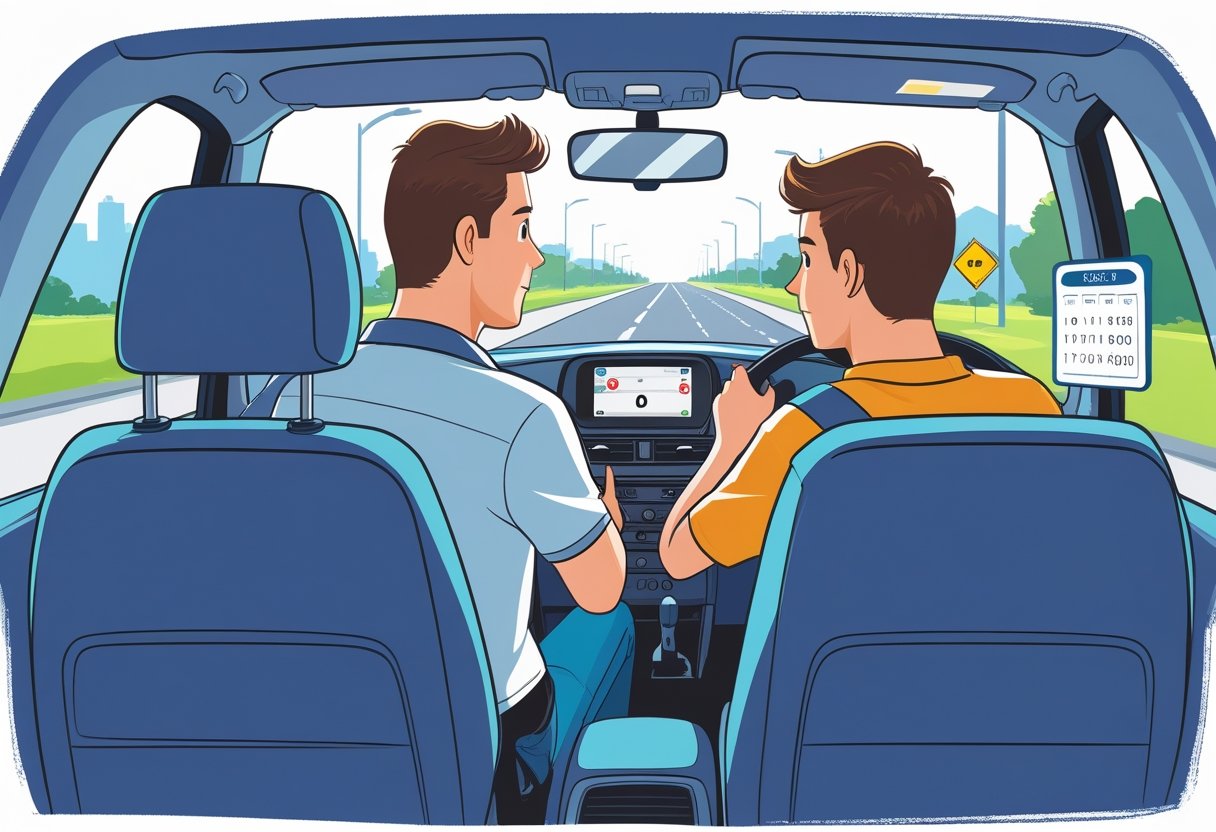
You must be at least 21 years old to legally supervise a learner driver in the UK, hold a full driving licence for the vehicle type, and have maintained that licence for a minimum of three years. These aren’t just suggestions – they’re legal requirements that protect both you and the learner on the road.
What makes this even more interesting is that some insurance companies have their own age restrictions, often requiring supervisors to be 25 or older. We’ll walk you through everything from the basic legal requirements to insurance considerations, safety rules, and the penalties you’ll want to avoid, so you can focus on what really matters – helping someone master the art of driving with confidence.
Legal Age and Licensing Requirements for Supervising Drivers
When you’re ready to supervise a learner driver, you’ll need to meet specific legal requirements that ensure everyone stays safe on the road. The law sets clear standards for age, licensing experience, and eligibility that we’ll explore below.
Minimum Age to Supervise a Learner Driver
You must be at least 21 years old to supervise someone learning to drive. This isn’t just a suggestion—it’s the law throughout the UK.
The three-year age gap between when learners can start driving (17) and when you can supervise (21) exists for good reason. Those extra years give you time to build real-world driving experience and develop the judgement needed to guide someone else safely.
Some insurance companies set their own higher age limits. RAC Learner Driver Insurance, for example, requires supervisors to be between 25 and 75 years old. We’d recommend checking your insurance policy’s specific requirements before you start supervising.
Many parents find themselves in a frustrating situation where their teenager gets their provisional licence, but they’re not old enough to supervise yet. Don’t worry—this is completely normal, and those professional lessons will build a solid foundation before you join the journey.
Full Driving Licence Necessities
You’ll need to have held a full driving licence for at least three years before you can supervise a learner driver. This experience requirement ensures you’ve had time to encounter various driving situations and develop the skills necessary for safe supervision.
Your licence must be from the UK, EU, Switzerland, Norway, Iceland, or Liechtenstein to be valid for supervision. We can’t stress enough how important it is to verify your licence meets these criteria.
The three-year rule starts from when you first passed your driving test, not from when you received your physical licence. If you’ve moved from a provisional to a full licence, count from your test pass date.
Here’s what counts towards your three years:
- Time with a UK full licence
- Time with an equivalent EU/EEA licence
- Combined time if you’ve transferred between qualifying licences
Vehicle Type Qualifications
You can only supervise someone driving a type of vehicle that matches your licence. This rule is stricter than many people realise.
If you passed your test in an automatic car, you cannot supervise someone learning in a manual vehicle. Your licence restriction applies to your supervisory role too.
Manual licence holders can supervise learners in both manual and automatic cars. This gives you more flexibility when choosing which vehicle to use for practice sessions.
Motorcycle licences work differently, you’ll need the appropriate category on your licence to supervise learner motorcyclists. Car licences don’t qualify you to supervise learners on two wheels.
We’d recommend double-checking your licence categories if you’re unsure. The DVLA website has a licence checker that shows exactly what vehicles you’re qualified to drive and supervise.
Driving Ban and Legal Eligibility
You cannot supervise a learner driver if you’re currently banned from driving. This might seem obvious, but it’s worth emphasising because the consequences are serious.
Even if your ban is for something unrelated to dangerous driving, you’re legally prohibited from supervising until your licence is fully reinstated. There are no exceptions to this rule.
Penalty points don’t automatically disqualify you from supervising, but they might affect your insurance premiums or eligibility for certain learner driver policies.
If you’ve had your licence revoked and had to retake your test, your three-year experience requirement starts again from your new pass date. This can be frustrating, but it ensures you meet the same safety standards as any other supervisor.
We’d strongly advise being completely honest with insurance companies about any driving convictions or bans. Failing to declare them could invalidate your policy and leave you facing serious legal consequences.
Insurance Considerations for Supervisors and Learner Drivers
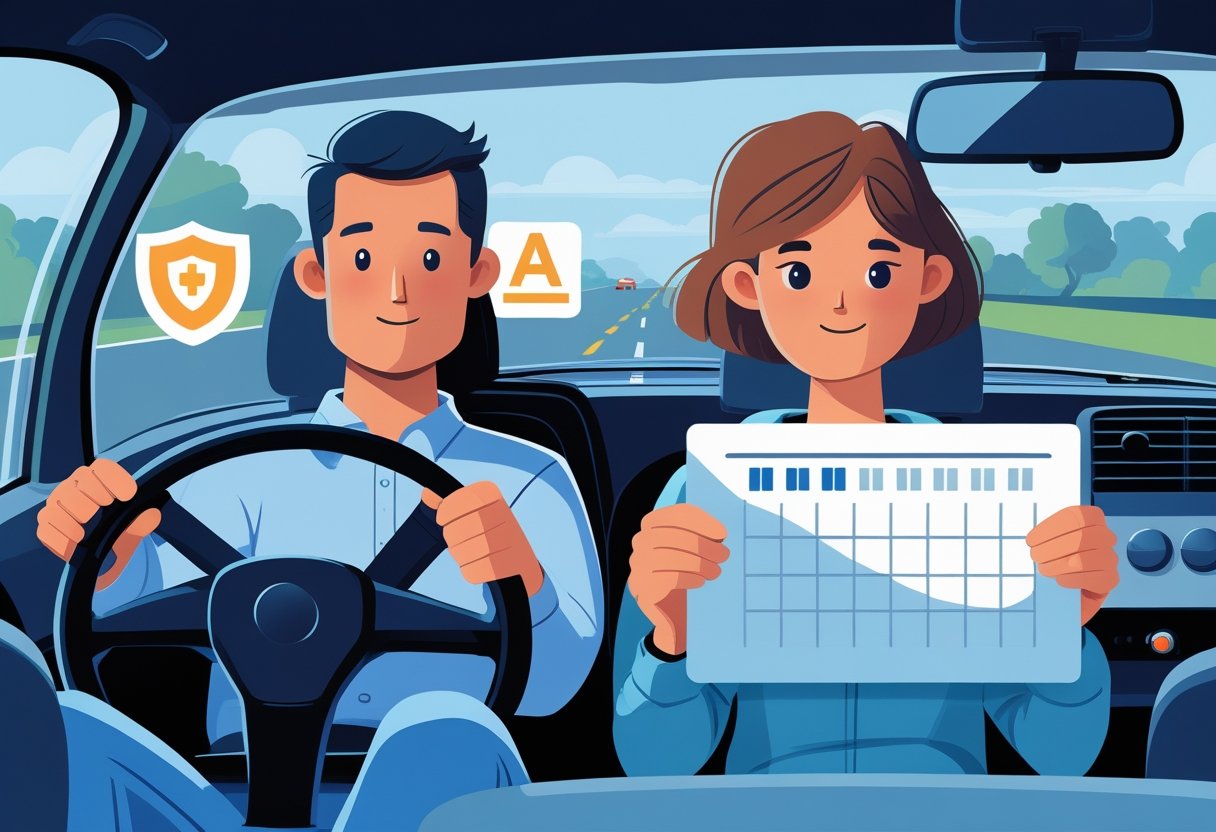
Getting the right insurance cover is absolutely crucial when supervising a learner driver. Many insurance providers have specific age requirements for supervisors, and understanding your options for learner driver insurance can save you money whilst protecting your no claims discount.
Learner Driver Insurance Explained
Learner driver insurance gives new drivers the freedom to practise with family and friends without putting anyone’s existing policy at risk. This type of cover is designed specifically for those holding provisional licences.
You’ve got two main options for insuring a learner driver:
- Temporary learner driver insurance (covering short periods)
- Adding them as a named driver to an existing policy
Temporary policies can run from just a few hours up to several months. They’re brilliant if you want complete peace of mind without any impact on your own insurance. These policies provide comprehensive cover and often include breakdown assistance too.
The learner must hold a valid provisional licence before any insurance becomes active. Most insurers require the supervising driver to meet certain criteria, which we’ll explore below.
Some providers won’t cover learners until they’ve had at least 10 hours of professional instruction. This requirement ensures they’ve grasped the basics before hitting the road with you.
Being a Named Driver and No Claims Discount
Adding a learner as a named driver to your existing policy might seem like the cheaper option, but it comes with important considerations for your no claims discount.
Here’s what happens if the learner makes a claim:
- Your no claims discount could be affected
- Future premium costs may increase significantly
- You’ll be responsible for paying any excess
Many experienced drivers don’t realise that any accident involving a named driver impacts the main policyholder’s record. Even if you weren’t in the car when something happened, your insurance history takes the hit.
Protecting your no claims discount becomes especially important if you’ve built up several years of claim-free driving. Some insurers offer no claims protection, but this usually comes at an extra cost and may not prevent premium increases.
Temporary learner insurance completely sidesteps this issue. The learner gets their own policy, so any claims they make won’t touch your precious no claims bonus.
Age Restrictions Set by Insurance Providers
Insurance companies often set minimum age requirements for supervising drivers that go beyond the legal minimum of 21 years old.
Common age restrictions include:
- Supervisor must be at least 25 years old
- Some providers require supervisors to be 30 or older
- Premium reductions often apply for supervisors over 25
These restrictions exist because insurance data shows that older supervisors tend to have fewer accidents during practice sessions. Providers view mature supervisors as lower risk, which translates to better rates for everyone involved.
If you’re under 25 and want to supervise a learner, don’t give up hope. Several specialist insurers cater specifically to younger supervisors, though you’ll likely pay higher premiums.
Always check your policy documents before letting anyone practise in your car. Being caught supervising when you don’t meet the age requirements could invalidate your entire policy.
Some insurers are more flexible with age restrictions if the supervisor has significant driving experience or additional qualifications like advanced driving certificates.
Comprehensive Cover for Practice Sessions
Comprehensive insurance provides the most complete protection during learner driver practice sessions, covering damage to your vehicle as well as third-party claims.
Comprehensive policies typically include:
- Damage to your own vehicle
- Third-party property damage
- Personal injury cover
- Theft and vandalism protection
The enhanced protection becomes particularly valuable when you consider that learner drivers are statistically more likely to have minor bumps and scrapes. Comprehensive cover ensures you won’t face hefty repair bills if things go wrong.
Many comprehensive policies also include courtesy car provision, which means you won’t be left without transport if your vehicle needs repairs after an incident during practice.
Check that your policy covers:
- Multiple supervisors (if different family members will be helping)
- Various practice locations and road types
- Professional driving lessons in the learner’s own car
Don’t assume that comprehensive cover automatically includes everything you need. Some policies exclude certain types of damage or have restrictions on where you can drive.
Reading the small print before your first practice session could save you from nasty surprises later on.
Rules and Responsibilities During Supervision
When you’re supervising a learner driver, you’re taking on specific legal duties that protect everyone on the road. These responsibilities cover your behaviour whilst teaching, meeting physical standards, and understanding what you can and cannot accept in return.
Behaviour and Usage of Mobile Devices
We cannot stress this enough: never touch your mobile phone whilst supervising a learner driver on any road. This rule applies just as strictly to you as it does to the learner themselves.
The law treats you exactly like an active driver during supervision sessions. Using a handheld mobile device puts your learner at serious risk and could land you with penalty points and fines.
Keep your phone completely out of reach. Pop it in the glove compartment or back seat before you start the engine. If you absolutely must take a call, pull over safely and switch off the engine first.
Remember that hands-free devices are still legal, but they’re not ideal when supervising a learner driver. Your learner needs your complete attention, especially during those nerve-wracking first few attempts at roundabouts or parallel parking!
Focus entirely on the road and your learner. They’re counting on your guidance, and splitting your attention between a phone conversation and their driving progress isn’t fair to anyone.
Impartiality and Payment Restrictions
Here’s something that surprises many people: you cannot accept any payment for supervising a learner driver unless you’re a qualified approved driving instructor.
This means no cash, no petrol money, and no “favours” in return for your time. The only exception is if the learner covers the actual costs of fuel and insurance for the practice sessions.
We understand this might seem harsh, especially when you’re giving up your weekends to help someone learn. However, this rule protects learners from unqualified instruction and maintains professional standards in driver training.
Only an approved driving instructor can charge fees for teaching someone to drive. These professionals have undergone extensive training and regular assessments to ensure they provide safe, effective instruction.
If you’re thinking about becoming a driving instructor yourself, that’s brilliant! But until you’ve completed the proper qualifications, keep your supervision sessions completely free of charge.
Meeting Eyesight Standards
Your vision needs to be spot-on when supervising a learner driver. You must meet the same eyesight requirements that apply when you’re driving your own vehicle.
This means reading a number plate from 20 metres away in good daylight. If you normally wear glasses or contact lenses whilst driving, you absolutely must wear them during supervision sessions too.
Don’t take any chances with this requirement. If you’re unsure about your eyesight, book an eye test before you start supervising anyone. Your optician can confirm whether your vision meets the legal standard.
Poor eyesight puts everyone at risk. You might miss hazards that your learner hasn’t spotted yet, or fail to notice when they’re drifting into another lane.
Consider this: your learner is relying on you to be their safety net. If your vision isn’t sharp enough to spot potential dangers quickly, you’re not providing the protection they need.
Understanding Road Traffic Laws
As a supervisor, you share legal responsibility for ensuring the learner follows all road traffic laws during practice sessions. This goes far beyond just keeping them under the speed limit.
You must ensure they’re not under the influence of alcohol or drugs. The same limits that apply to qualified drivers apply to learners, and you could face prosecution if you allow an impaired person to drive.
Check that L-plates are properly displayed before every journey. In Wales, you can use either L-plates or D-plates, but they must be clearly visible from both front and rear.
Vehicle condition is your joint responsibility. The car must have valid MOT, tax, and insurance. Tyres, lights, and other safety features must meet legal standards.
If something goes wrong during a practice session, the authorities will look at both you and the learner. Make sure you’re comfortable taking on this level of responsibility before you agree to supervise anyone.
Essential Vehicle and Safety Requirements
Before you and your learner driver hit the road, we need to ensure the car meets specific legal standards and displays the proper identification. These requirements protect both you and other road users whilst creating the safest possible learning environment.
Displaying L Plates and D Plates Correctly
Getting your L plates right isn’t just about slapping them on any old way – there are proper rules we must follow. L plates must be displayed on both the front and back of the car whenever a learner driver is behind the wheel.
If you’re supervising in Wales, you have the choice between L plates or D plates (which stand for ‘Dysgwr’, meaning learner in Welsh). Both serve the same purpose and are equally valid.
The plates need to be clearly visible to other drivers. We recommend positioning them where they won’t obstruct your view or the learner’s vision. Many drivers stick them in the rear window and attach them to the front bumper or grille.
Remove or cover the plates when anyone with a full licence drives the car. This prevents confusion for other road users and keeps you compliant with the law. It’s a simple step that many people forget, but it makes a real difference on the road.
Ensuring the Car is Roadworthy
Safety comes first when we’re supervising a learner driver. The car must be in proper working condition before each practice session – this isn’t negotiable.
Check the basics every time you practise. We’re talking about tyres with adequate tread depth, working lights, functioning indicators, and properly adjusted mirrors. The brakes need to respond well, and the steering shouldn’t feel loose or unresponsive.
Help your learner develop the habit of doing these safety checks themselves. It’s brilliant preparation for their driving test and builds responsible driving habits from day one.
Any mechanical issues need fixing before you drive. A car that’s unsafe for an experienced driver becomes downright dangerous with someone who’s still learning the ropes.
Fitting Extra Safety Mirrors
An additional rear-view mirror gives you a proper view of what’s happening behind the car. We strongly recommend fitting one before you start supervising – it’s not legally required, but it’s incredibly helpful.
Position the mirror where you can easily see it without leaning or craning your neck. Many supervisors attach a small convex mirror to the existing rear-view mirror or fit a separate one to the dashboard.
This extra mirror helps you spot potential hazards that your learner might miss. You’ll be able to see approaching vehicles, judge safe stopping distances, and make better decisions about when to intervene.
The mirror becomes your safety net during those nerve-wracking early sessions when everything feels unpredictable.
Tax, MOT, and Registration Obligations
The paperwork side might seem tedious, but we need to get this sorted before any driving practice begins. The car must have valid road tax, current MOT certificate (if over three years old), and proper DVLA registration.
Check these documents well before your first practice session. Nothing ruins a planned driving lesson quite like discovering your MOT expired last month or the tax ran out.
Insurance is absolutely crucial: the learner driver needs to be properly covered. They can either be added to your existing policy as a named driver or take out separate learner driver insurance.
Some insurance companies require supervisors to be over 25 years old, so double-check your policy terms. Driving without proper insurance can result in unlimited fines, penalty points, and even a driving ban for your learner driver.
Road Limitations and Suitable Practice Environments
Learner drivers face specific restrictions on where they can practise, with motorways being completely off-limits during private practice sessions. Understanding these limitations helps you plan safer, more effective practice routes that build confidence gradually.
Restriction on Motorways
Learners cannot drive on motorways during private practice sessions with family or friends. This is a strict legal requirement that applies to all provisional licence holders.
Only approved driving instructors (ADIs) can take learners onto motorways. The instructor’s car must have dual controls fitted for safety. This ensures proper guidance during high-speed driving situations.
Breaking this rule puts everyone at risk. Motorways demand advanced skills like:
- Joining at speed through slip roads
- Lane discipline at 70mph
- Emergency procedures at high speeds
We recommend booking specific motorway lessons with your driving instructor once you’re confident on other roads. These sessions prepare you for post-test driving safely.
Many driving instructors offer motorway lessons as part of Pass Plus courses. These help new drivers gain essential experience in controlled conditions.
Rules for Dual Carriageways
Dual carriageways are perfectly legal for private practice with learner drivers. Unlike motorways, these roads don’t require dual controls or professional instruction.
However, timing matters enormously when introducing dual carriageways. Your learner needs solid experience with:
- Mirror checks and signalling
- Speed management
- Lane positioning
- Joining traffic safely
Start with quieter dual carriageways during off-peak hours. Avoid busy periods like rush hour traffic until confidence builds naturally.
Key safety considerations include:
- Higher speed limits (usually 70mph)
- Multiple lanes requiring judgement
- Faster-moving traffic from behind
- Complex junction layouts
We suggest discussing dual carriageway practice with the learner’s driving instructor first. They’ll advise when skills have developed sufficiently for these challenging roads.
Advice for Private Practice Sessions
Planning thoughtful practice routes makes all the difference to learning progress. Start with familiar, quiet roads before progressing to busier environments.
Consider these factors when choosing practice areas:
- Traffic density throughout the day
- Road complexity matching current skill level
- Weather conditions affecting difficulty
- Parking availability for breaks
Residential areas work brilliantly for early sessions. They offer plenty of opportunities for:
- Basic car control
- Traffic awareness
- Simple manoeuvres
- Building confidence steadily
Industrial estates provide excellent environments too. Wider roads and lighter weekend traffic create ideal learning conditions.
Always check with the driving instructor about appropriate challenge levels. They understand exactly where your learner sits in their development journey.
Car parks offer fantastic spaces for practising manoeuvres. Choose quieter sections with multiple bay options available.
Busy Traffic and Night Driving Guidance
Heavy traffic situations demand careful introduction during private practice. Your learner needs solid foundational skills before tackling rush hour conditions.
Build up gradually through these stages:
- Quiet periods first
- Moderate traffic next
- Peak times when ready
- Complex junctions last
Night driving brings unique challenges that require specific preparation. Reduced visibility affects judgement significantly. Street lighting varies dramatically between areas.
We recommend starting night practice on well-lit, familiar routes. This builds confidence before tackling darker country roads or complex roundabouts.
Essential night driving skills include:
- Headlight management and dipping
- Judging distances in darkness
- Reading road signs clearly
- Spotting pedestrians and cyclists
Weather conditions multiply night driving difficulties. Rain creates glare and reflection problems. Fog demands completely different techniques.
Your learner should practise in various weather conditions gradually. This builds real-world experience that driving lessons alone cannot provide.
Remember that learners tire more quickly during challenging conditions. Plan shorter sessions and watch for concentration levels dropping.
Penalties and Consequences for Breaking the Rules
Breaking supervision rules can lead to serious penalties including penalty points, driving bans, and hefty fines. Both supervisors and learner drivers face consequences when proper insurance isn’t in place or age requirements aren’t met.
Penalty Points and Driving Ban Risks
We’ve seen too many cases where supervisors didn’t realise they could face the same penalties as if they were driving themselves. When you’re supervising a learner driver, you’re legally responsible for what happens on the road.
Penalty points can stack up quickly. If the learner driver commits an offence whilst under your supervision, you could receive penalty points on your licence. Common violations include speeding, using mobile phones, or allowing unsafe driving practices.
The consequences escalate rapidly:
- 3-6 penalty points for most traffic violations
- Driving ban if you reach 12 points
- Up to £1,000 fine for the learner driving without proper supervision
Learner drivers face even harsher penalties. They can receive up to 6 penalty points on their provisional licence for driving alone. This creates a permanent mark on their driving record before they’ve even passed their test.
Age violations carry serious weight. If you’re under 21 or haven’t held your licence for three years, both you and the learner could face prosecution. Courts don’t treat these requirements lightly.
Consequences of Driving Without Proper Insurance
Insurance violations represent some of the most severe penalties in motoring law. We cannot stress enough how crucial proper cover is when supervising learners.
Learner drivers without valid insurance face unlimited fines and up to 8 penalty points. That’s nearly enough to trigger a driving ban before they’ve even gained their full licence. Courts also have the power to impose driving bans immediately.
Your no claims discount is at risk. If the learner has an accident whilst driving your car, your insurance premiums could soar for years. Many families don’t consider this financial impact until it’s too late.
Police have sophisticated systems for detecting uninsured vehicles. Automatic number plate recognition cameras flag uninsured cars instantly. The days of hoping you won’t get caught are long gone.
Some insurance policies require supervisors to be over 25. Always check your policy’s small print before starting any practice sessions. Violating these terms could void your entire policy, leaving you personally liable for damages.
Frequently Asked Questions
We get loads of questions about supervising learner drivers, especially around age limits and legal requirements. Here are the most common queries we hear from families and friends eager to help new drivers gain confidence behind the wheel.
What’s the minimum age requirement for someone to accompany a learner driver?
You’ll need to be at least 21 years old to supervise a learner driver legally. This isn’t just a suggestion – it’s the law.
The reasoning behind this age requirement makes perfect sense. By 21, you’ve had time to develop proper driving experience and maturity. You’re more likely to stay calm under pressure and make sound decisions when guiding someone new to the roads.
We often hear from enthusiastic 18 or 19-year-olds wanting to help their siblings learn. Unfortunately, even if you’ve been driving for a couple of years, you can’t legally supervise until you hit that 21st birthday milestone.
Can you enlighten me on any experience prerequisites for supervising drivers?
Beyond reaching 21, you must hold a full driving licence for at least three consecutive years. This experience requirement is absolutely crucial for safe supervision.
Those three years need to be continuous. Any periods where you’ve been disqualified or banned don’t count towards this requirement. The clock essentially resets after any driving bans.
Your licence must cover the same type of vehicle the learner will drive. If they’re learning in a manual car, you need a manual licence. An automatic-only licence won’t cut it for supervising manual transmission practice.
We recommend having even more experience than the minimum. Three years gives you basic competence, but four or five years typically provides the confidence needed to handle unexpected situations calmly.
Are there any specific qualifications a person needs to have to supervise a learner driver?
You don’t need formal teaching qualifications, but you do need thorough knowledge of current driving rules. The Highway Code should be your bible – and it gets updated regularly.
Many supervisors make the mistake of relying on outdated knowledge from when they learned to drive. Driving techniques and rules evolve constantly. What you learned years ago might not reflect today’s best practices.
We strongly suggest asking the learner’s professional instructor for a refresher lesson before you start supervising. This helps you avoid passing on any bad habits you’ve picked up over the years.
You’ll also need to understand modern driving test requirements. The test has changed significantly over recent years, including new manoeuvres and independent driving sections.
How do insurance stipulations change for supervising drivers compared to regular drivers?
Insurance becomes more complex when supervising learners. You’ll need coverage that specifically allows you to take control of the vehicle during practice sessions.
If the learner uses your car, they must be added as a named driver on your policy. Alternatively, they can take out separate learner driver insurance. Either option protects you both legally.
Some insurance companies require supervisors to be over 25, regardless of the legal minimum of 21. Always check your policy’s specific terms before taking a learner out.
Claims made during supervised practice could affect your no-claims bonus. Learner driver insurance policies often protect the supervisor’s no-claims discount, making them worth considering.
If the learner owns their own car, they need their own comprehensive learner driver policy. You should still check whether your presence as supervisor affects their coverage terms.
Could you shed some light on the legal responsibilities a supervising driver must uphold?
As a supervisor, you’re legally responsible for the vehicle and everything that happens during the practice session. The learner may be behind the wheel, but you’re in charge.
You must remain completely sober – the same drink-driving limits apply to you as supervisors. Even one drink could land you in serious legal trouble.
Mobile phones are strictly off-limits whilst supervising. You can’t hold or use any handheld device, even for navigation. This rule is just as strict for supervisors as it is for drivers.
You’re responsible for ensuring the car displays L-plates correctly and meets all legal requirements. This includes valid MOT, tax, and insurance before every practice session.
If the learner makes a dangerous mistake, you must intervene immediately. This might mean grabbing the steering wheel or using the handbrake in extreme situations.
What’s the deal with penalties or fines if supervising drivers don’t adhere to regulations?
Penalties for supervising violations can be severe. If you’re caught supervising without proper qualifications, you could face hefty fines and penalty points.
Supervising without insurance carries the harshest penalties. You could receive an unlimited fine, driving ban, and up to eight penalty points. The learner faces identical penalties.
Using a mobile phone whilst supervising results in six penalty points and a £200 fine. For newer drivers, this could mean an immediate ban under the New Driver Act.
Drink-driving whilst supervising carries the same penalties as regular drink-driving offences. This includes potential prison sentences for serious cases, plus lengthy driving bans.
Remember, accepting any payment for supervision – even petrol money – is illegal unless you’re a qualified driving instructor. Only approved driving instructors can charge for lessons.