

Applying for a Provisional Driving Licence: Documents and Costs Explained
Getting your provisional driving licence is the exciting first step towards freedom on the road, but knowing what documents you need and how much it’ll cost can feel overwhelming. Whether you’re just turning 17 or finally ready to tackle driving later in life, we’re here to guide you through the entire process with everything you need to know.
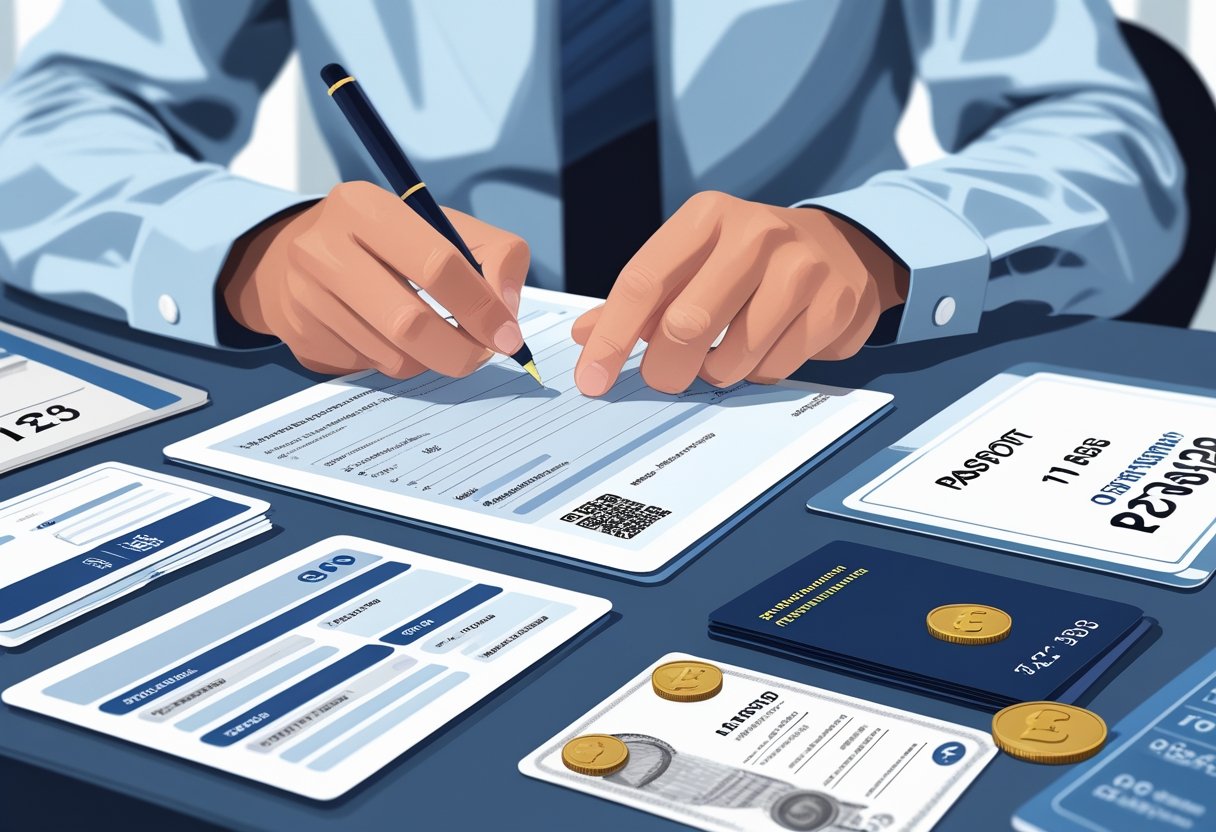
You’ll need to be at least 15 years and 9 months old, provide proper identification documents, and pay £34 for online applications or £43 by post. The good news is that applying for your provisional licence has become much simpler over the years, and most people can complete the whole process online within minutes.
We’ll walk you through exactly which documents DVLA requires, break down all the costs involved, and share insider tips to avoid common mistakes that could delay your application. By the end of this guide, you’ll feel confident about taking this important step towards becoming a fully qualified driver.
Key Takeaways
- You must meet basic requirements including age, eyesight standards, and residency before applying
- Essential documents include valid ID, proof of address, and sometimes additional identity verification depending on your application method
- Online applications cost £34 and typically arrive within one week, whilst postal applications cost £43 and take longer to process
Provisional Driving Licence: Essential Requirements
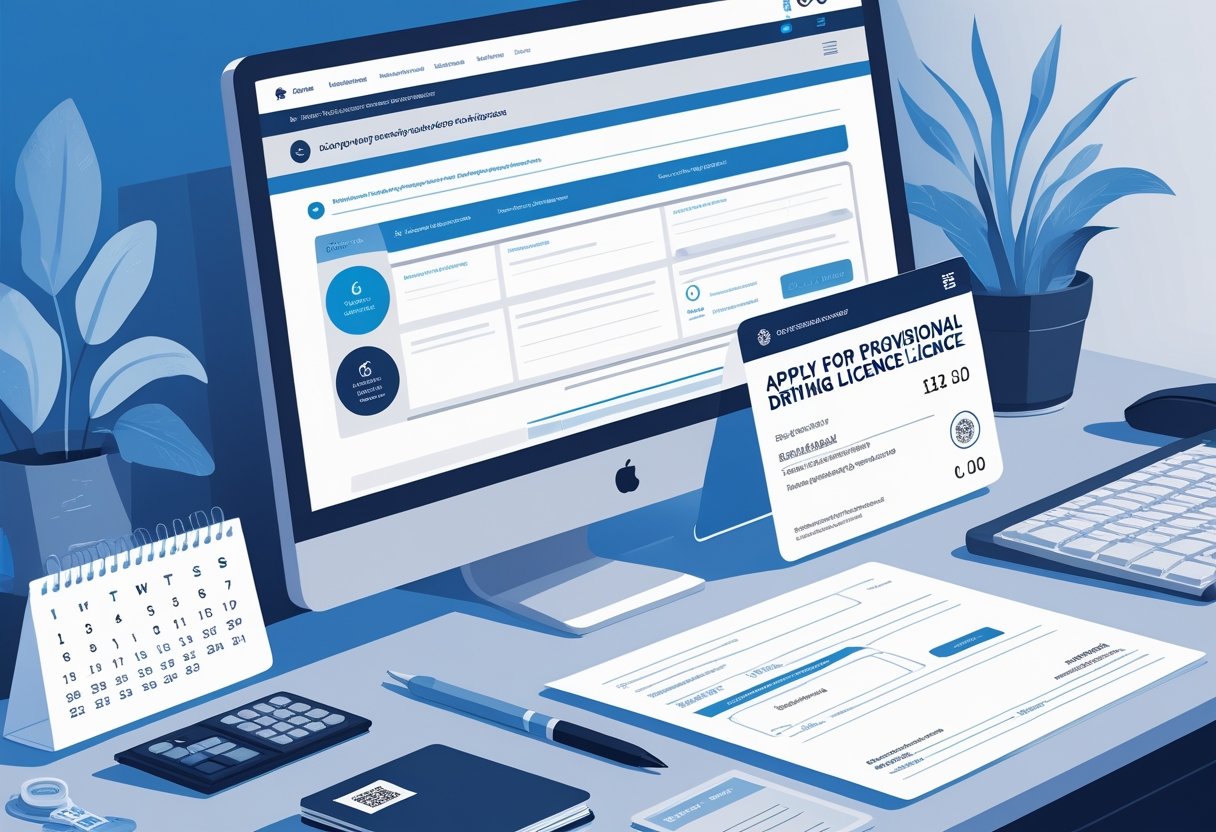
Meeting the basic requirements for your provisional licence sets you on the path to driving independence. You must be at least 15 years and 9 months old, hold the right to live in Britain, and provide proper documentation to prove your identity and address.
Who Can Apply: Age and Residency Criteria
Getting your provisional licence feels like a milestone, and we’re excited to help you understand exactly when you can take this important step. The minimum age varies depending on what you want to drive, but most learners can apply from 15 years and 9 months for a standard car licence.
You can start learning to drive a car at 17, which gives you time to apply early and receive your licence before your birthday. This means you won’t waste any time getting behind the wheel once you’re legally old enough.
Residency requirements are straightforward but essential. You must be a resident of Great Britain, which includes England, Scotland, and Wales. Northern Ireland has its own licensing system, so residents there need to apply through DVA Northern Ireland instead.
If you’re from the EU or another country, you’ll need to prove your right to drive in the UK through valid immigration status. This might include settled status, a valid visa, or indefinite leave to remain documentation.
The brilliant news is that once you meet these criteria, you’re well on your way to joining millions of British drivers who’ve taken this same exciting journey.
Eligibility for Different Vehicle Types
Your provisional licence opens doors to different types of vehicles, each with its own age requirements and opportunities. Understanding these categories helps you plan your driving journey effectively.
Car and light vehicle eligibility begins at age 17 for most people. However, if you receive the higher rate mobility component of Personal Independence Payment or Disability Living Allowance, you can apply at 16. This early access recognises the importance of independence for those who need it most.
Motorcycle categories offer even earlier opportunities:
- AM (moped): Age 16
- A1 (light motorcycle): Age 17
- A2 (standard motorcycle): Age 19
- A (large motorcycle): Age 24
Heavy vehicle categories require you to be older and often hold a full car licence first. Lorry and bus categories typically start from age 18 or 21, depending on the specific type.
The fantastic thing about provisional licences is that you can add categories later as your needs and interests develop. Many drivers start with cars and discover a passion for motorcycles or professional driving opportunities later in life.
Address and Medical Declaration Rules
Providing accurate address information and honest medical declarations ensures your application processes smoothly and keeps you legally compliant throughout your driving journey.
Your current address must be where you normally live, not just where you receive post. If you’re a student living away from home, use your term-time address if that’s where you spend most of your year. The DVLA needs to reach you reliably for important correspondence.
Medical declarations require complete honesty about conditions that might affect your driving. This includes epilepsy, diabetes, heart conditions, mental health issues, or any disability that could impact your ability to drive safely.
Don’t worry if you have a medical condition – many people with various health challenges drive successfully. The key is transparency so the DVLA can provide appropriate guidance or restrictions if needed.
Address changes after receiving your licence must be reported to the DVLA. Failing to update your address can result in fines and complications with insurance claims.
We understand that medical questions can feel daunting, but remember that this process protects both you and other road users. Being upfront from the start prevents complications later and helps ensure you receive the right support for your individual circumstances.
Documents Needed to Apply
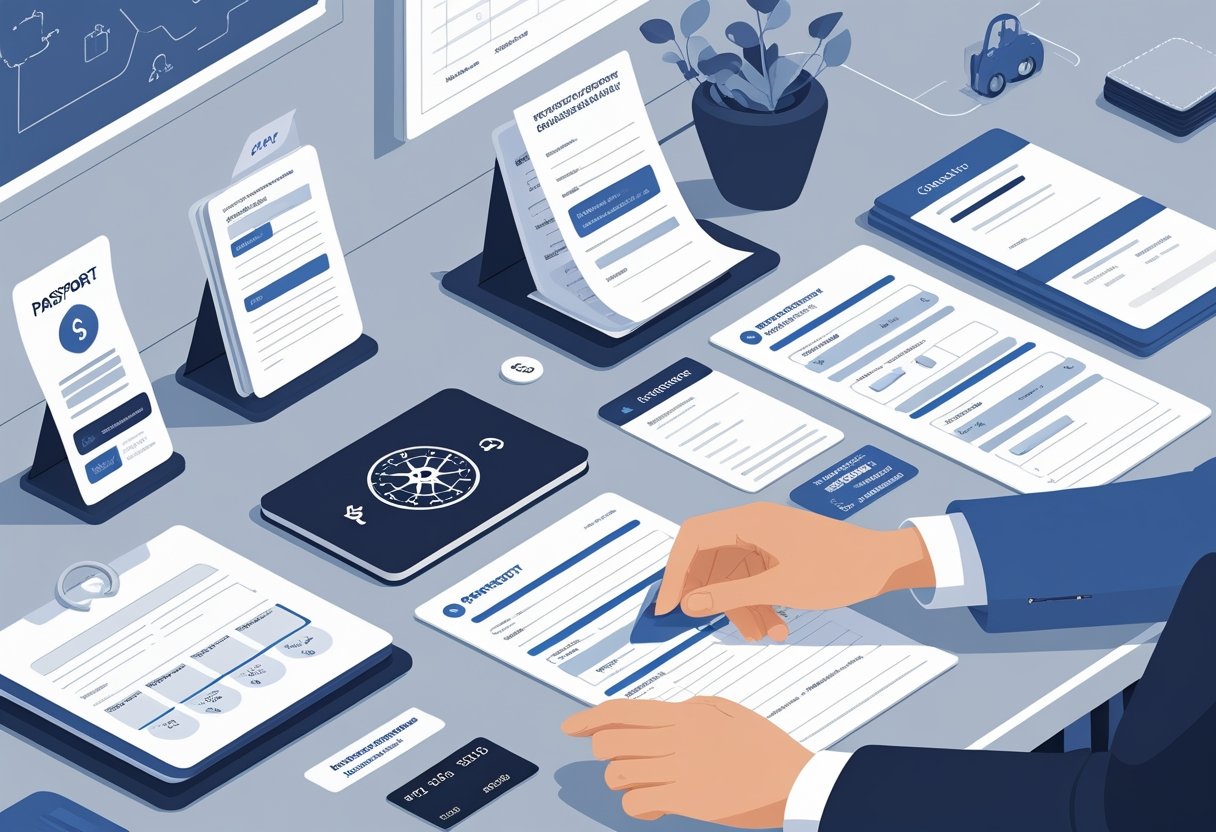
Getting your provisional licence sorted means having the right paperwork ready to go. You’ll need valid identity documents, a proper photograph that meets DVLA standards, and proof that you’re eligible to drive in the UK.
Valid Proof of Identity
The DVLA takes identity verification seriously, and frankly, we think that’s brilliant for everyone’s safety. Your best bet is a valid UK passport – it’s the golden ticket that makes everything straightforward and gets your application processed without any fuss.
If you don’t have a passport, don’t worry! A full UK birth certificate works perfectly, though you’ll need to pair it with additional documents. EU citizens can use their national identity cards, but you’ll need to show your settled status documentation too.
Acceptable primary identity documents include:
- Valid UK passport (easiest option)
- Full UK birth certificate
- EU national identity card (with settlement proof)
- Certificate of naturalisation
The documents must be originals – no photocopies allowed. We know it feels nerve-wracking posting important documents, but the DVLA handles millions safely each year. If you’re applying online, you might be able to use their digital identity verification instead of posting originals.
Photographic Requirements
Getting your photo right first time saves hassle later. The DVLA is quite particular about photographs, but their standards exist for good reasons – mainly so you’re recognisable when you’re finally cruising around with your full licence!
Your photo needs to be 35mm by 45mm in colour. Think passport photo size – most high street photo booths and chemists know exactly what you need when you mention “driving licence photo.”
Photo specifications:
- Colour photograph only
- 35mm x 45mm dimensions
- Clear, recent image (taken within last month)
- Plain light-coloured background
- No smiling (neutral expression works best)
Make sure you’re looking straight at the camera with your eyes clearly visible. Remove glasses unless you wear them for driving, and keep jewellery minimal. The DVLA can be quite strict about photo quality, so investing in a professional photo booth rather than a DIY approach often pays off.
National Insurance Number and Residency Documents
Your National Insurance number proves you’re part of the UK system – it’s on your payslips, benefit letters, or that card you received around your 16th birthday. Don’t panic if you’ve misplaced the physical card; the number itself is what matters.
For proof of residence requirements, recent utility bills work brilliantly. Bank statements, council tax bills, or NHS correspondence all do the trick too.
Acceptable residency proof:
- Utility bills (gas, electricity, water)
- Bank or building society statements
- Council tax correspondence
- NHS letters or medical correspondence
Documents should be from the last three months and show your current address clearly. If you’re living with parents or in shared accommodation, make sure at least one document is addressed specifically to you. Students can often use university correspondence or student finance letters as proof of residence.
The identity documents needed for a driving licence application vary depending on your circumstances, but having these basics covered puts you well on your way to getting behind the wheel legally.
Application Options and Step-By-Step Process
You’ve got two straightforward routes to get your provisional licence sorted: applying online through the official government website or sending your application through the post. The online route is quicker and cheaper, whilst the postal option gives you that traditional paper-based approach if you prefer it.
Applying Online via GOV.UK
The online application is honestly the easiest way to get your provisional licence. You’ll need to apply through the official GOV.UK website, and it’s brilliant because everything happens digitally.
Here’s what you’ll need to do:
- Create your account – You’ll need to sign in or create new login details
- Prove your identity – This usually means uploading a photo of your passport or other photo ID
- Fill in your details – Personal information, address, and any medical conditions
- Pay the fee – £34 using your debit or credit card (Visa, MasterCard, Electron, or Delta)
The beauty of applying online is that it’s designed to guide you through each step. If you get stuck anywhere, the system will tell you exactly what’s needed.
You can complete the whole process in about 20 minutes. The website checks your details as you go, which means fewer delays later on.
Applying by Post
Sometimes the old-fashioned way works best for people. If you’d rather apply by post, you’ll need to get hold of form D1 from your local Post Office.
The postal process involves:
- Completing form D1 – Take your time filling this out clearly
- Gathering your documents – Original identity documents and proof of address
- Payment – A cheque or postal order for £43 (note this is £9 more than online)
- Posting everything – Send it to the address shown on the form
The extra cost reflects the manual processing involved. You’ll also need to trust the post with your important documents, though they’re usually returned safely.
Make sure your handwriting is clear on the form. Unclear applications often get delayed whilst DVLA contacts you for clarification.
Timelines and What to Expect After Submitting
Once you’ve submitted your application, the waiting begins – but it’s not usually long! Your licence should arrive within one week if you apply online.
Timeline expectations:
- Online applications: Usually 3-7 working days
- Postal applications: 2-3 weeks typically
- Complex cases: May take longer if additional checks are needed
You’ll receive a confirmation email straight after submitting an online application. This gives you peace of mind that everything’s gone through properly.
Sometimes DVLA needs to make additional checks. Don’t panic if this happens to you – it’s often just routine verification that takes an extra week or two.
Keep an eye on your post once you’ve applied. Your shiny new provisional licence will arrive as a secure delivery, so someone needs to be home to sign for it.
Costs and Payment Methods
Getting your provisional licence involves a straightforward fee structure, with online applications offering better value than postal ones. We’ll walk you through the current costs and show you exactly how to pay, plus highlight any potential savings you might be eligible for.
Current Fees for Online and Postal Applications
The good news is that applying for a provisional driving licence costs £34 online, making it the most affordable option. This represents excellent value when you consider it’s your gateway to learning to drive.
If you prefer the postal route, you’ll need to budget £43 for a first provisional licence sent by post. That’s £9 more than the online application, but some people find the paper process more reassuring.
Online vs Postal Comparison:
| Application Method | Cost | Processing Time |
|---|---|---|
| Online | £34 | 1-2 weeks |
| Postal | £43 | 2-3 weeks |
We always recommend the online route – it’s quicker, cheaper, and you’ll get confirmation immediately that your application has been received. The online applications are normally faster, which means you can start planning your lessons sooner.
Accepted Methods of Payment
For online applications, you’ve got plenty of flexibility with payment options. The DVLA accepts all major cards including MasterCard, Visa, Electron or Delta debit or credit cards.
Postal applications are more limited in their payment options. You can only pay by cheque or postal order, both made payable to DVLA. Here’s a helpful tip: write your full name and date of birth on the back of your payment method to avoid any processing delays.
Important payment reminders:
- Damaged or altered cheques won’t be accepted
- Double-check all payment details before submitting
- Keep a record of your payment reference
The online payment system is secure and processes immediately, giving you peace of mind that everything’s gone through properly.
Extra Charges and Possible Reductions
Here’s something that might surprise you – there aren’t any hidden costs or sneaky extras when applying for your first provisional licence. The fee we’ve quoted is exactly what you’ll pay, nothing more.
However, if you need to make changes later, different charges apply. For instance, if you need to update your photo, it’ll cost £14 online or £17 by post. Moving house? That’s completely free to update on your licence.
Future costs to be aware of:
- Replacing a lost licence: £20
- Updating your photo: £14 online, £17 by post
- Address changes: Free
We can’t offer you any discounts on the initial application fee – the DVLA sets these rates nationally. But remember, this one-time payment gives you the freedom to learn to drive, which opens up countless opportunities for work, travel, and independence.
The investment you’re making today in your provisional licence is the first step towards a lifetime of driving adventures.
After You’ve Applied: Next Steps
Once you’ve submitted your application, you’ll want to track its progress and prepare for your licence arrival. Most applications take about a week when applied online, though some may need extra checks that extend this timeframe.
Checking Application Progress
The good news is that tracking your provisional licence application is straightforward when you’ve applied online. You can monitor your application status through the same DVLA portal where you submitted it.
Simply log back into your DVLA account using the same details you created during your application. The system will show you real-time updates about where your application stands in the process.
What you’ll typically see:
- Application received and being processed
- Identity verification in progress (if required)
- Additional checks being carried out (sometimes)
- Licence approved and being dispatched
If you applied by post, tracking becomes a bit trickier. The DVLA doesn’t provide online updates for postal applications, so you’ll need to wait for either your licence to arrive or contact them directly if you’re concerned about delays.
Keep your confirmation email safe – it contains important reference numbers you might need if you have to contact the DVLA about your application.
Receiving Your Provisional Licence
Your shiny new provisional licence should land on your doormat within a week if you’ve applied online. This quick turnaround means you can start planning your driving lessons almost immediately!
DVLA will send you a confirmation email once you’ve applied, so keep an eye on your inbox. This email serves as proof that your application went through successfully.
When your licence arrives, check these details immediately:
- Your name is spelt correctly
- Date of birth matches your records
- Address is accurate and complete
- Photo looks clear and recognisable
- Licence categories are correct
Postal applications take longer – typically up to three weeks. The slower processing time reflects the manual handling required for paper applications, but don’t worry, it’s still a reliable method.
Once you have your licence in hand, you’re officially ready to start learning! Keep your provisional licence with you whenever you’re practising or taking lessons – it’s a legal requirement.
What to Do If There’s a Delay or Mistake
Don’t panic if your licence doesn’t arrive within the expected timeframe. DVLA sometimes needs to make additional checks, which can extend processing times beyond the usual week.
Common reasons for delays include:
- Identity verification taking longer than expected
- Additional document requests from DVLA
- High application volumes during busy periods
- Postal delays (especially for paper applications)
If it’s been longer than expected, contact DVLA directly. Have your application reference number ready – you’ll find this in your confirmation email or on any correspondence you’ve received.
When you spot a mistake on your licence:
Ring DVLA immediately on their customer service line. Small errors like incorrect addresses can usually be sorted quickly, whilst name or date of birth errors might require additional documentation.
Don’t use a licence with obvious errors – it could cause problems when you’re learning or taking your test. DVLA will typically send a replacement free of charge if the mistake was their error.
Respond quickly to any DVLA requests to avoid further delays. They might ask for additional identity documents or clarification about your application – prompt responses keep things moving smoothly.
Common Reasons for Application Rejection
Don’t let a rejected application knock your confidence! Most rejections happen because of simple paperwork issues or missing documents that we can easily fix together.
Missing or Incorrect Documents
We’ve all been there – rushing through paperwork only to realise we’ve missed something crucial. The most common culprit is incomplete identity documentation.
Your application needs primary identity proof like a valid UK passport or birth certificate. If you’re using alternative documents, make sure they’re from the DVLA’s approved list.
Address verification trips up many applicants too. We need proof you’ve lived at your current address for the right length of time. Bank statements older than three months won’t cut it.
Double-check these essentials:
- Current passport or certified birth certificate
- Recent utility bills or bank statements
- National Insurance number written correctly
- Complete address history for the past three years
Missing signatures are surprisingly common. Every section that asks for your signature needs completing – even the tiny boxes at the bottom of forms.
Photograph Issues
Your photo might look brilliant to you, but the DVLA has strict standards that catch many applicants off guard.
Photo requirements include:
- Neutral expression with mouth closed
- Looking straight at the camera
- Clear image without shadows across your face
- Plain cream or light grey background only
- No hats, sunglasses, or hair covering your face
Poor lighting ruins countless applications. Take your photo in natural daylight near a window, not under harsh artificial lights that create shadows.
We often see rejections because photos are too old. Your image must show how you look now – not from your school days or that holiday snap from two years ago.
Digital photos need to be high resolution. Blurry, pixelated, or overly filtered images will be rejected immediately.
Eligibility Discrepancies
Sometimes our enthusiasm to start driving leads us to apply before we’re actually eligible – and that’s perfectly understandable!
Age requirements are non-negotiable. You must be at least 15 years and 9 months old to apply. If you’re younger, the system will automatically reject your application.
Medical conditions can complicate applications if not declared properly. The DVLA requires reporting certain conditions that might affect your driving ability.
Residency status creates confusion for many applicants. You need legal permission to live in Great Britain for at least 185 days per year.
Previous licence issues also cause problems. If you’ve had a licence revoked or cancelled, you might need to follow special reapplication procedures first.
Don’t worry if you’ve been caught out by any of these – they’re easily sorted once you know what needs fixing!
Frequently Asked Questions
New drivers often have the same concerns about gathering documents, costs, and timelines. Here’s what you need to know about application requirements, fees of £34 online or £43 by post, and typical waiting times.
What documents do I need to gather before kicking off my provisional licence application?
Getting your documents sorted is easier than you might think. You’ll need proof of identity, which typically means your passport or birth certificate if you’re applying online.
For your address, we recommend having a recent utility bill or bank statement handy. These show you’ve been living in Great Britain for at least 185 days, which is a key requirement.
If you’re using the postal route, you’ll also need a passport-style photo. Make sure it’s recent and meets the DVLA’s standards – no sunglasses or fancy filters allowed!
Is there any way to save a few quid when applying for a provisional licence?
The good news is that applying online costs £34, which is already £9 cheaper than the postal option. This is genuinely the most budget-friendly way to get your licence.
Postal applications will set you back £43, so the online route is definitely your best bet for saving money. Plus, you’ll get your licence faster too.
Unfortunately, there aren’t any student discounts or special offers available. But think of it this way – £34 is a small investment in your independence and future driving adventures!
How long should I expect to wait for my shiny new provisional licence after I’ve applied?
Online applications are brilliant for speed. Your licence should arrive within one week if everything goes smoothly with your application.
Sometimes the DVLA needs to do additional checks, which can add a bit more time. Don’t worry if this happens – it’s perfectly normal and just means they’re being thorough.
Postal applications typically take longer, so if you’re eager to get started, the online route is definitely the way forward.
Can I start taking driving lessons before my provisional licence arrives, or should I hold my horses?
You absolutely must wait for your physical licence to arrive before getting behind the wheel. It’s not just about following rules – it’s about keeping yourself and others safe on the road.
Your instructor will need to see your actual licence before your first lesson. No exceptions, we’re afraid, even if you’ve got confirmation that your application went through.
Use this waiting time wisely! Start reading up on the Highway Code or download theory test apps. This way, you’ll hit the ground running once your licence arrives.
What’s the damage to my wallet for a provisional driving licence these days?
Online applications cost £34, and you can pay with most major debit or credit cards. It’s straightforward and secure.
If you prefer the traditional route, postal applications cost £43. You’ll need to send a cheque or postal order with your form.
Remember, this is a one-off cost that gives you a licence valid for 10 years. When you think about it like that, it’s quite reasonable value for money!
Are there specific forms I need to fill out for my application, and if so, where can I get my hands on them?
For online applications, you won’t need any paper forms at all. The whole process happens digitally through the official GOV.UK website.
If you’re going the postal route, you’ll need form D1 ‘Application for a driving licence’. You can pick this up from most Post Offices across the country.
We always recommend the online option – it’s faster, cheaper, and much more convenient. Plus, you’ll get email confirmation straight away, so you know everything’s gone through properly.