

Best Driving Course for People With Autism: Your Fast-Track Guide
Learning to drive can feel like a big step, especially if you’re autistic and want lessons that fit how you learn best. We get it, the noise, timing, and social side of driving can all add up. That’s why we’ve built courses that focus on comfort, structure, and confidence from day one. The best driving course for people with autism gives you the skills, support, and understanding you need to drive safely and independently.
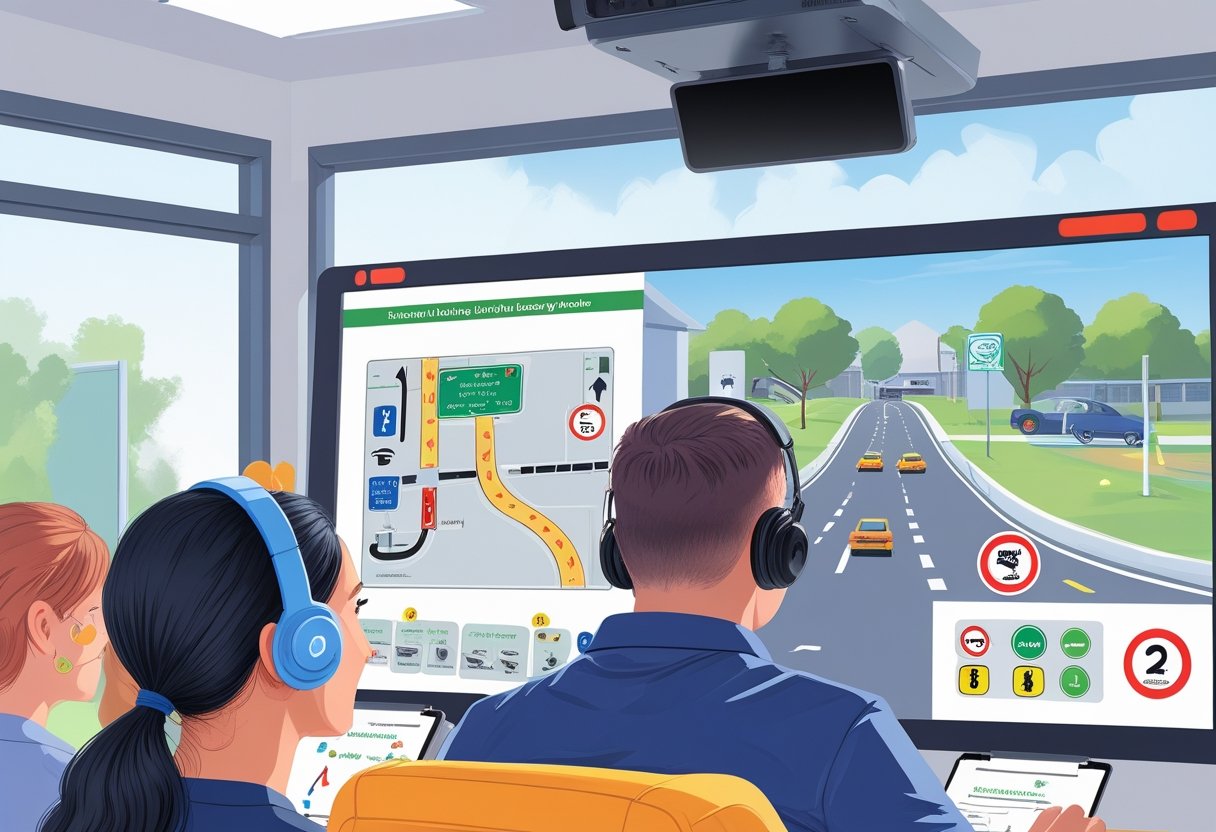
We work with specialist instructors who know how to adapt lessons to your pace, whether you’re aiming for your first licence or getting back behind the wheel. Our approach helps you stay focused and calm, with clear routines and straightforward guidance. You can even learn in adapted cars if needed, and we’ll guide you through options like the Motability Scheme or help with Disability Living Allowance if that applies.
Driving isn’t just about passing a test, it’s about freedom, confidence, and being able to go where you want, when you want. With the right support, you can get there faster than you think (and yes, we’ll even help you master those pesky parallel parks).
Key Takeaways
- Our courses build confidence and comfort for autistic drivers.
- Specialist instructors tailor lessons to your learning style.
- We guide you through funding and support options like Motability.
Who This Course Is For
Our course is designed for autistic learners who want to gain confidence behind the wheel and build real independence. We know that everyone learns differently, so we focus on creating lessons that fit you, not the other way around.
It’s ideal for people who prefer clear instructions, structured lessons, and a calm, patient teaching style. Whether you’re a complete beginner or you’ve already had a few lessons, we’ll meet you where you are and help you move forward at your own pace.
If you find multitasking tricky or get anxious in new situations, don’t worry, we’ve trained instructors who understand how to make the process smoother. We’ll break things down step by step and make sure you feel comfortable before moving on.
You might be:
- A young adult ready to take your first driving lesson.
- Someone who’s put off driving because of sensory overload or past experiences.
- A learner who wants to drive for work, study, or simply to enjoy more freedom.
Here’s a quick look at who benefits most:
| Learner Type | What You’ll Gain |
|---|---|
| Autistic learners | Tailored lessons and patient support |
| Nervous drivers | Calm, structured teaching environment |
| Independence seekers | Skills to travel safely and confidently |
We believe driving should feel achievable, and with the right approach, it absolutely can be.
Why An Intensive Course Works Best

We find that intensive driving courses often suit autistic learners because they offer structure, routine, and consistency. Lessons happen close together, so skills stay fresh in your mind, no long gaps to forget what you learned last week.
Instead of stretching lessons over months, we focus on daily practice. This helps build confidence faster and reduces the anxiety that can come from too much waiting or uncertainty.
Many of our learners like knowing exactly what’s coming next. With an intensive course, we can plan clear goals for each day, from mastering junctions to perfecting parking. It’s all very predictable, which can make learning feel calmer and more manageable.
Here’s a quick look at how an intensive course compares:
| Feature | Standard Lessons | Intensive Course |
|---|---|---|
| Lesson frequency | 1–2 per week | Daily or near-daily |
| Learning pace | Gradual | Focused and steady |
| Routine consistency | Varies | Highly structured |
| Confidence building | Slower | Faster through repetition |
We also keep lessons short enough to avoid overload, with breaks when needed. The key is balance, enough focus to make progress, but enough flexibility to stay comfortable.
And yes, we’ll admit it, finishing your course in weeks instead of months feels pretty good. It’s like skipping the queue at the coffee shop, only with a driving licence at the end.
Common Challenges For People With Autism & How We Help

Driving can feel like juggling too many things at once, pedals, mirrors, and the occasional impatient driver. For people with autism, sensory overload, anxiety, and communication differences can make that juggling act a bit trickier. That’s where we step in.
Our approved driving instructors are trained to spot and support different learning difficulties. We use clear, step-by-step guidance and avoid rushed instructions. If something doesn’t click right away, we simply try another approach, no stress, no fuss.
Common challenges and how we help:
| Challenge | How We Support You |
|---|---|
| Sensory overload from noise or traffic | We choose quieter routes and build confidence gradually. |
| Difficulty processing verbal instructions | We use visual aids, written notes, or demonstrations. |
| Anxiety about unpredictable situations | We practise calm responses and repeat tricky scenarios safely. |
| Trouble judging distance or speed | We break it down with simple cues and lots of patient practice. |
We also know that anxiety can sneak up before lessons even begin. So we keep lessons predictable, start with familiar routines, and give plenty of reassurance.
Think of us as your calm co-pilot, here to guide, not to shout. With the right support, practice, and a bit of humour along the way, you’ll soon feel at home behind the wheel.
What To Expect From The Course

When you join our driving course for people with autism, you can expect lessons that move at your pace. We focus on clear communication, steady routines, and a calm environment, no surprises, no pressure.
Our instructors use visual aids, step-by-step guidance, and patient support to make each lesson easy to follow. We often start in quiet areas to build confidence before heading into busier roads.
You’ll have the choice to learn in an automatic car if that feels more comfortable. Many learners find it helps them focus on steering, awareness, and road positioning without worrying about gear changes.
We’ll also help you prepare for the practical driving test by breaking down each skill into manageable parts. You’ll know what to expect on test day, from handling junctions to parking like a pro.
Here’s a quick look at what’s included:
| Lesson Focus | What You’ll Practise |
|---|---|
| Routine & Structure | Same lesson day and time each week |
| Visual Learning | Diagrams, videos, and simple road maps |
| Communication | Clear, calm instructions and feedback |
| Confidence Building | Gradual exposure to different road types |
By the end, you’ll not only learn to drive safely but also feel comfortable and supported every step of the way, and yes, we’ll probably share a few laughs in the process.
How To Book Your Intensive Driving Course

Booking your intensive driving course is simple, no need to overthink it. We’ve made the process quick so you can focus on the fun bit: actually learning to drive.
Step 1: Choose your course length.
Think about how much driving experience you already have. Most intensive courses run from 5 to 45 hours, sometimes spread over a week or two. If you’re new to driving, a longer course gives you more time to build confidence.
Step 2: Pick your instructor and car type.
You can choose between manual or automatic lessons, depending on what feels more comfortable. Many of our instructors have experience supporting learners with autism, so you’ll be in good hands.
Step 3: Select your dates and pay your deposit.
Many schools let you book online with a small deposit, often around £99. Once that’s done, you’ll get your schedule and start date. Easy as that.
Here’s a quick look at what to expect:
| Course Type | Duration | Typical Price Range | Includes Test? |
|---|---|---|---|
| Short (5–10 hrs) | 1–3 days | £200–£400 | Optional |
| Standard (20–30 hrs) | 1 week | £500–£800 | Often included |
| Extended (40+ hrs) | 1–2 weeks | £900–£1,200 | Usually included |
Once booked, you’ll get confirmation details and contact info for your instructor. We’ll handle the rest, you just show up, stay focused, and we’ll help you get test-ready in no time.
Final Thoughts
Learning to drive with autism isn’t about fitting into a standard mould, it’s about finding what works best for you. We’ve seen how a calm, structured approach and a patient instructor can make all the difference. With the right support, the car becomes a place of confidence, not stress.
We believe driving lessons should adapt to the learner, not the other way around. That’s why we focus on clear steps, visual aids, and extra practice time when needed. Small wins like a smooth gear change or a steady turn deserve a proper celebration (perhaps not with cake behind the wheel, though).
If you prefer a quieter route or shorter sessions, we’ll make it happen. Everyone learns at their own pace, and that’s perfectly fine. The goal is steady progress, not a race to the finish line.
Here’s a quick reminder of what helps most:
| Tip | Why It Matters |
|---|---|
| Break tasks into steps | Keeps focus and reduces overwhelm |
| Use visual cues | Reinforces memory and understanding |
| Practise familiar routes | Builds comfort and confidence |
| Encourage questions | Promotes independence and trust |
We’re here to help you feel ready, safe, and proud every time you turn the key. With patience, structure, and a bit of good humour, we’ll get you there, one calm drive at a time.
Frequently Asked Questions
We understand that learning to drive with autism can come with a few extra challenges, but with the right support and approach, it’s absolutely achievable. Our courses focus on structure, patience, and confidence-building all the good stuff that helps learners feel comfortable and in control behind the wheel.
What features should I look for in a driving course that’s tailored for individuals on the autism spectrum?
Look for courses that offer individualised lesson plans, flexible pacing, and instructors trained in autism awareness. A quiet car environment, clear communication, and consistent routines help reduce stress. We also find that visual aids and step-by-step instructions make a big difference in building steady progress.
Could you recommend some driving schools that specialise in lessons for autistic learners?
Several schools across the UK provide lessons for autistic learners. For example, Apex Driving School offers tailored instruction for people with learning differences, and Autism Speaks’ “Autism Drives” programme supports young adults exploring driving. We also work with local partners who specialise in adaptive driving education, just ask us, and we’ll point you in the right direction.
How do instructors adapt their teaching methods to support the unique needs of autistic drivers?
Our instructors use calm, clear communication and avoid information overload. They break tasks into smaller steps and repeat key skills until they feel natural. We also adjust lesson length and pace depending on comfort levels, no rush, no pressure, just steady progress.
Are there any particular driving course packages that include support for the theory test for those with autism?
Yes, some of our packages include theory test preparation with extra support. We use visual learning tools, practice quizzes, and one-to-one guidance to help learners understand the rules of the road. Everything’s designed to match each person’s learning style, so no one feels left behind.
What’s the success rate like for autistic individuals taking your driving courses, and how do you track progress?
Many of our autistic learners go on to pass their tests and become confident, independent drivers. We track progress through regular check-ins, lesson notes, and milestone reviews. It’s not just about ticking boxes, it’s about making sure every learner feels ready and capable before moving forward.
Can you tell me about any additional resources or support systems your driving school offers for autistic learners?
We offer parent and carer guidance, links to local autism support networks, and resources on managing anxiety while driving. Our team also helps with paperwork, test booking, and communication with exam centres if needed. We’re here to make the whole process smoother and maybe even enjoyable (yes, really!).