

Best Driving Course for Visual Learners: Your Fast Track to Passing
Learning to drive can feel like juggling gears, mirrors, and nerves all at once especially if you learn best by seeing things in action. We get it. You don’t just want someone to tell you how to drive; you want to see it done and picture yourself doing it. The best driving course for visual learners is one that uses clear demonstrations, visual guides, and real-world examples to help you understand each move before you make it.
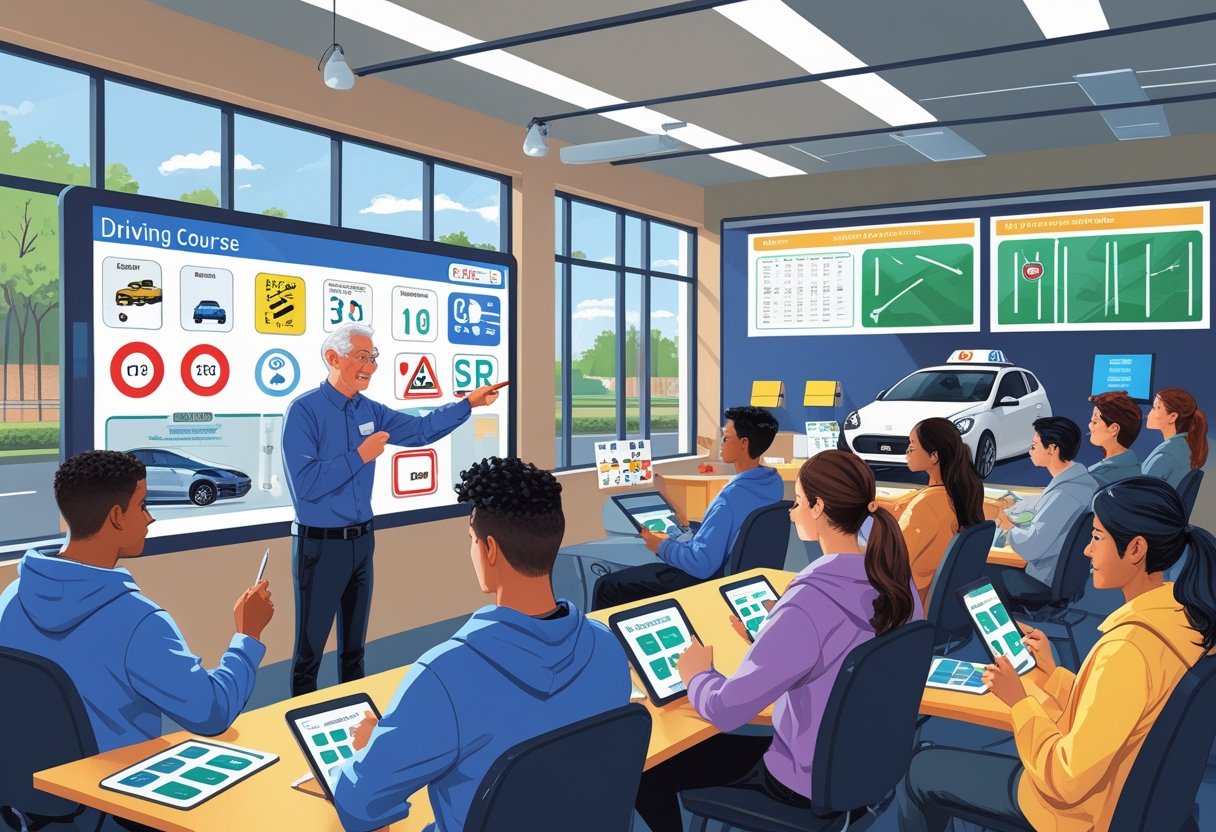
We’ve built our approach around how visual minds work best, showing, not just saying. From detailed diagrams of tricky junctions to video walk-throughs of common test routes, we make sure every concept clicks before you hit the road. Whether you’re a first-time learner or brushing up after a break, we’ll help you see driving in a whole new light literally.
And because we know life’s busy, our intensive courses fit your schedule while giving you plenty of visual practice. Think of it as focused learning with fewer distractions, a quicker, clearer path to passing your test and driving off with confidence.
Key Takeaways
- Designed for those who learn best through seeing and visual examples
- Combines intensive lessons with easy-to-follow visual learning tools
- Builds confidence through clear demonstrations and real-world practice
Who This Course Is For
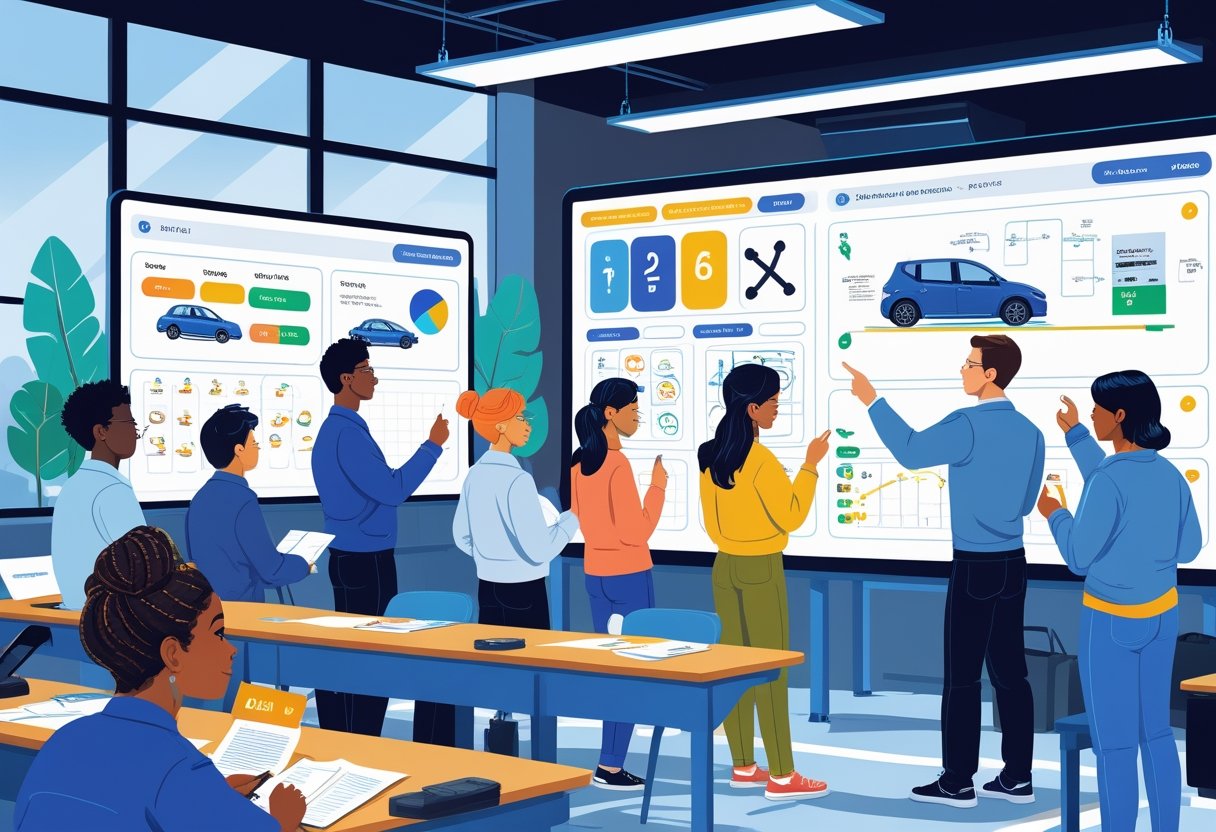
This course suits visual learners who like to see how things work rather than just hear about them. If you remember routes better from maps than from directions, or you prefer a quick demo to a long lecture, you’ll feel right at home here.
We’ve designed it for learner drivers who want a clear view of what’s happening on the road. Through videos, virtual simulations, and real-world examples, you’ll see how good driving looks, not just imagine it. It’s all about turning “I think I get it” into “Ah, now I see!”
Our driving instructors use visual aids, diagrams, and 360° VR scenarios to help you understand tricky concepts like hazard perception, lane positioning, and safe spacing. You’ll get to watch how small changes in speed or steering affect your control, no guesswork required.
Here’s a quick look at who benefits most:
| Ideal For | Why It Helps |
|---|---|
| Visual learners | Learn best through seeing and observing |
| Nervous beginners | Gain confidence by watching real examples first |
| Busy learners | Absorb key lessons faster through visual cues |
| Driving instructors-in-training | Use visual tools to improve teaching methods |
If you enjoy learning by watching, observing, and practising what you’ve seen, this course fits you perfectly. We’ll help you see driving in a whole new light minus the foggy explanations.
Why An Intensive Course Works Best
We find that visual learners thrive in an intensive driving course because everything stays fresh in the mind. You’re behind the wheel daily, seeing the same road signs, junctions, and manoeuvres until they stick, no long gaps to forget what that clutch pedal actually does.
The fast pace keeps your focus sharp. Instead of spreading lessons over months, we pack them into a week or two. That means you see progress quickly and let’s be honest, nothing beats watching your confidence grow with each drive.
Here’s why the format suits visual learners so well:
| Benefit | Why It Helps Visual Learners |
|---|---|
| Consistent practice | Reinforces visual memory through repetition |
| Structured schedule | Keeps each skill linked to a clear visual routine |
| Instant feedback | Lets you correct mistakes while the scene’s still in front of you |
| Immersive learning | Daily lessons create a strong mental map of real roads |
We also make sure lessons include a mix of routes quiet streets, busy junctions, and dual carriageways, so you can see how different environments work. It’s a bit like binge-watching your favourite series: you stay engaged, remember more, and reach the finale (your test) faster.
With an intensive driving course, we’re not rushing you we’re helping you stay in the zone, where learning feels natural and progress feels visible.
Common Challenges For Visual Learners & How We Help
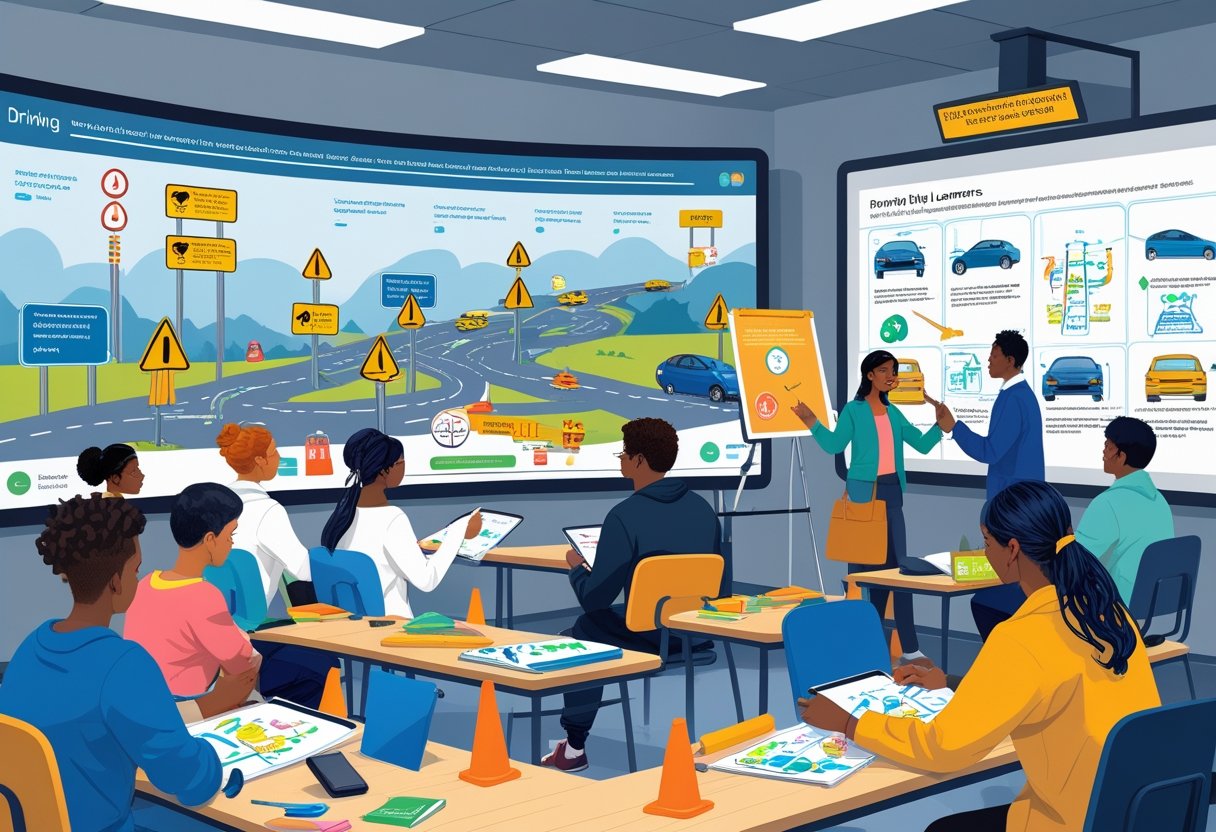
Many visual learners thrive when they can see how things work rather than just hear about them. But when it comes to driving, that can be tricky especially when the theory test feels like a wall of words.
We help by turning that text into something visual. Our lessons use diagrams, road layouts, and short video clips so you can picture what’s happening on the road. It’s not just reading about traffic signs it’s seeing them in action before you ever sit your test.
During driving practice, visual learners often pick up manoeuvres quickly once they’ve watched them done properly. We demonstrate each step, then guide you as you repeat it until it feels natural. Think of it as learning by watching, then doing not guessing from a textbook.
Here’s how we make things easier:
| Challenge | How We Help |
|---|---|
| Remembering road rules | Use colour-coded charts and visual cues |
| Understanding spatial awareness | Demonstrate turns and positioning with real-time visuals |
| Linking theory to practice | Show how theory test questions play out on real roads |
| Building confidence | Offer visual progress tracking so you see your improvement |
We know everyone learns differently, but if your brain loves pictures, patterns, and clear visuals we’ve got you covered.
What To Expect From The Course
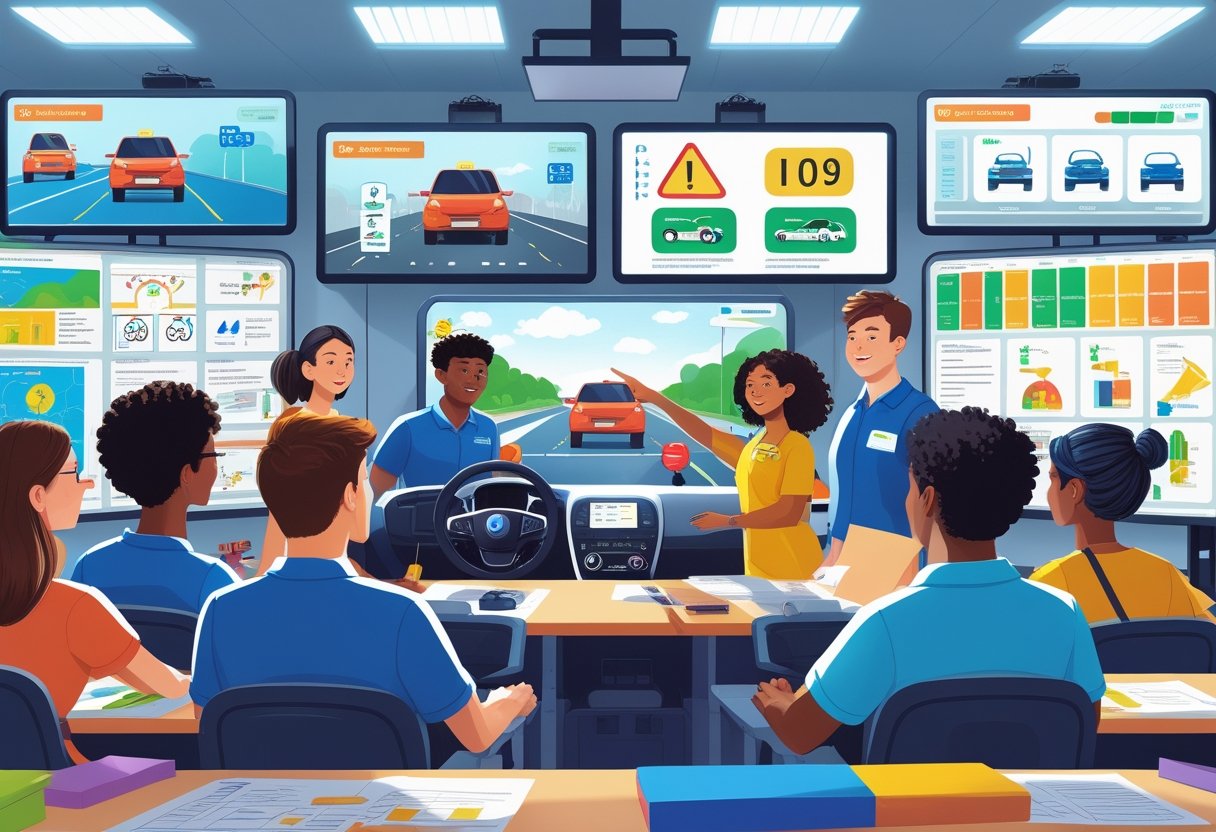
When you join our driving course, you can expect lessons that make the most of your visual learning style. We use diagrams, short videos, and real-time demonstrations to help you see how each manoeuvre works before you try it yourself.
Our driving lessons start with clear visual guides showing road layouts, junctions, and parking techniques. You’ll often find us sketching quick road maps on a whiteboard or tablet. it’s not art class, but it does the trick.
During practical lessons, we focus on visual cues in real driving situations. You’ll learn how to read road signs, spot hazards early, and use mirrors effectively. Watching your instructor demonstrate a move before repeating it yourself helps you build confidence faster.
We also provide visual resources you can review between sessions:
- Video tutorials for tricky manoeuvres
- Infographics explaining key driving rules
- Progress charts to track your improvement
Here’s a quick look at how we tailor each stage for visual learners:
| Lesson Type | Visual Focus | Benefit |
|---|---|---|
| Theory | Diagrams, charts, and videos | Clear understanding of road rules |
| Practical | Demonstrations and route mapping | Better recall through observation |
| Review | Visual feedback and progress tracking | Steady improvement with clarity |
We keep things relaxed but focused, no long lectures, just plenty of visual learning and hands-on practice.
How To Book Your Intensive Driving Course
Booking your intensive driving course with our driving school is simple and quick, no faff, no long waits. You can do it all online or give us a ring if you prefer a friendly chat.
First, make sure you’ve got a valid UK provisional licence. It’s the golden ticket to starting your lessons. If you don’t have one yet, you can apply through the DVSA website for a small fee.
Next, choose the course that fits your schedule. We offer flexible options from 5-day crash courses to semi‑intensive programmes spread over a few weeks. Whether you’re a total beginner or brushing up before your test, there’s a course for you.
| Step | What To Do | Tip |
|---|---|---|
| 1 | Pick your course type | Short on time? Go for a 5‑day intensive. |
| 2 | Enter your postcode | We’ll match you with a local instructor. |
| 3 | Choose manual or automatic | Automatic can be easier, but manual gives you more freedom later. |
| 4 | Book your preferred start date | The earlier you book, the better your test slot options. |
Once your booking is confirmed, we’ll pair you with one of our approved instructors. They’ll arrange convenient pick‑up points, home, work, or college so you can focus on learning, not logistics.
And that’s it, you’re all set to start your driving journey. We’ll handle the details; you just bring your enthusiasm (and maybe a bit of patience for those first few hill starts).
Final Thoughts
We know that learning to drive can feel a bit like juggling mirrors, lots to look at, and everything seems to move at once. But for visual learners, the right course can make all the difference. Seeing each step clearly helps build confidence behind the wheel.
We design our lessons to show, not just tell. That means diagrams, road layouts, dash-cam clips, and live demonstrations, all the good stuff that helps the information stick. It’s like giving your brain a front-row seat to every skill you’re mastering.
Here’s a quick look at what tends to help visual learners most:
| Learning Tool | Why It Helps |
|---|---|
| Diagrams & road maps | Show how junctions and roundabouts work in real time |
| Video demonstrations | Let you see correct technique before trying it yourself |
| On-screen feedback | Helps you spot what went well and what needs practice |
We believe driving lessons should feel clear, calm, and practical not like a guessing game. With the right mix of visuals and hands-on practice, you’ll start connecting the dots faster than you think.
So, if you’re ready to see progress (pun intended), we’d love to help you get started. After all, every confident driver begins with a good look at the road ahead and we’ll be right there beside you.
Frequently Asked Questions
We know visual learners thrive when they can see what’s going on not just hear about it. That’s why we focus on courses that use diagrams, videos, and real-world demonstrations to keep things clear and engaging.
What’s the top pick for driving courses if you’re a bit of a visual learner?
We’d say go for a course that uses visual learning scenarios and video-based lessons. These courses break down tricky topics like junctions and roundabouts with clear visuals. They help you picture what to do before you even touch the wheel.
Can you recommend any driving schools that use loads of pictures and videos?
Some schools, like SmartDriving and GetAPass, mix in visual teaching systems, videos, and interactive materials. They make lessons more lively and easier to follow. We also use plenty of visual aids ourselves, no endless slideshows, just practical, useful content that sticks.
How do I find a driving instructor who’s a wizard with visual aids?
Look for ADI-qualified instructors who mention visual tools or diagrams in their lesson plans. Many instructors now use tablets or printed handouts to show road layouts and manoeuvres. If they talk about “visual learning scenarios” or “pupil handouts,” that’s a good sign they teach in a way that suits you.
Are there any driving courses that won’t bore me to tears with endless lectures?
Absolutely. Choose interactive or intensive driving courses that combine short explanations with hands-on practice. We like to keep things moving a bit of chat, a demo, then straight into the driver’s seat. No one wants to sit through a marathon of theory slides.
What should I look for in a driving course if I learn best by seeing and doing?
Look for lessons that include illustrations, road diagrams, and mock scenarios. The best courses let you practise right after watching or seeing how it’s done. You’ll also want an instructor who gives visual feedback maybe sketching out a tricky junction or showing a short video clip before you try it.
Got any tips for passing my driving test when I’m all about the visuals?
Use visual revision tools like driving apps, road layout diagrams, and short video tutorials. During lessons, ask your instructor to draw out any tricky bits you’re unsure of. And when you’re practising, picture each step like a mini storyboard it helps you stay calm and remember what to do next.