

Best Intensive Driving Course for 71 to 75-Year-Olds: Your Fast Track to the Open Road
Feeling a bit unsure about getting back behind the wheel at 71 to 75? You’re not alone, many people your age want to stay independent and confident on the road but prefer a quicker, more focused way to refresh their skills. That’s where an intensive driving course comes in. The best intensive driving course for 71 to 75-year-olds helps you rebuild confidence, sharpen awareness, and stay safe, all in a short, structured timeframe.

We understand that you already know the basics; you just want to polish your technique and feel at ease again. Our approach keeps things simple and supportive, with experienced instructors who know how to adapt lessons to your pace and comfort. You’ll drive familiar routes, practise real-world situations, and get honest, friendly feedback, no pressure, no fuss, just steady progress.
Think of it as a confidence boost rather than a test. Whether you’ve been driving for decades or took a break, an intensive course can help you feel ready for anything, from busy roundabouts to tight parking spots. It’s practical, efficient, and designed to fit your lifestyle.
Key Takeaways
- Designed for experienced drivers aged 71–75 who want to refresh skills quickly
- Builds confidence and safety through focused, supportive lessons
- Offers flexible, friendly training that fits your schedule and comfort level
Who This Course Is For
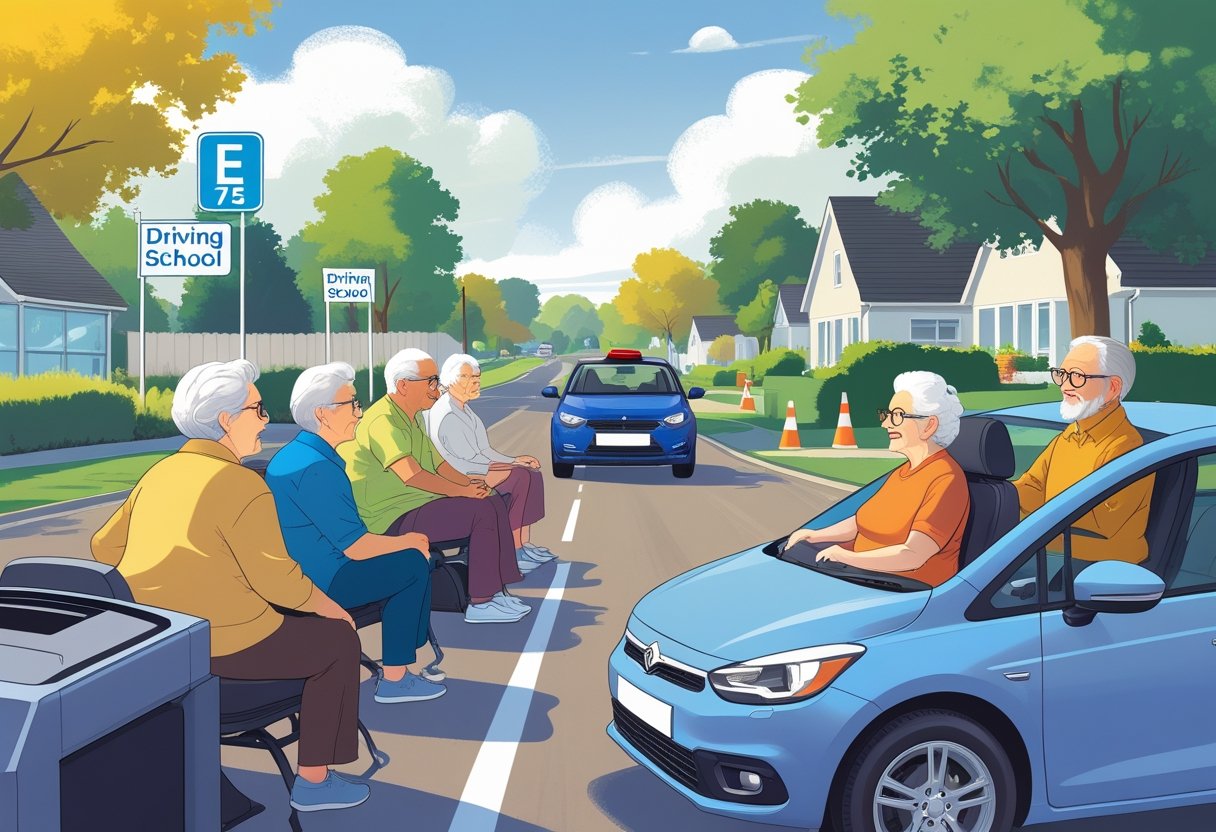
Our intensive driving course suits drivers aged 71 to 75 who want to stay confident and capable behind the wheel. We know experience counts, but even the best drivers can feel a bit rusty after years on the road. These lessons help you refresh your skills and keep your independence safely.
It’s ideal if you’ve taken a break from driving or feel less sure about modern traffic, new road layouts, or updated rules. Maybe you’ve noticed slower reaction times or just want a professional check-up before heading out on longer trips again.
We also welcome drivers who’ve recently renewed their licence at 70 and want a quick confidence boost. Think of it as a friendly tune-up rather than a test, no pressure, just practical support.
Perfect for:
| Situation | Why It Helps |
|---|---|
| Haven’t driven much lately | Regain confidence and smooth out old habits |
| Nervous about busy roads or motorways | Learn calm, safe techniques with patient instructors |
| Want to keep driving safely for longer | Refresh awareness, reaction time, and hazard spotting |
We tailor each session to your comfort level, pace, and goals. Whether you need a short refresher or a focused few days of practice, we’ll help you feel steady, safe, and ready to enjoy the open road again, no white knuckles required.
Why An Intensive Course Works Best
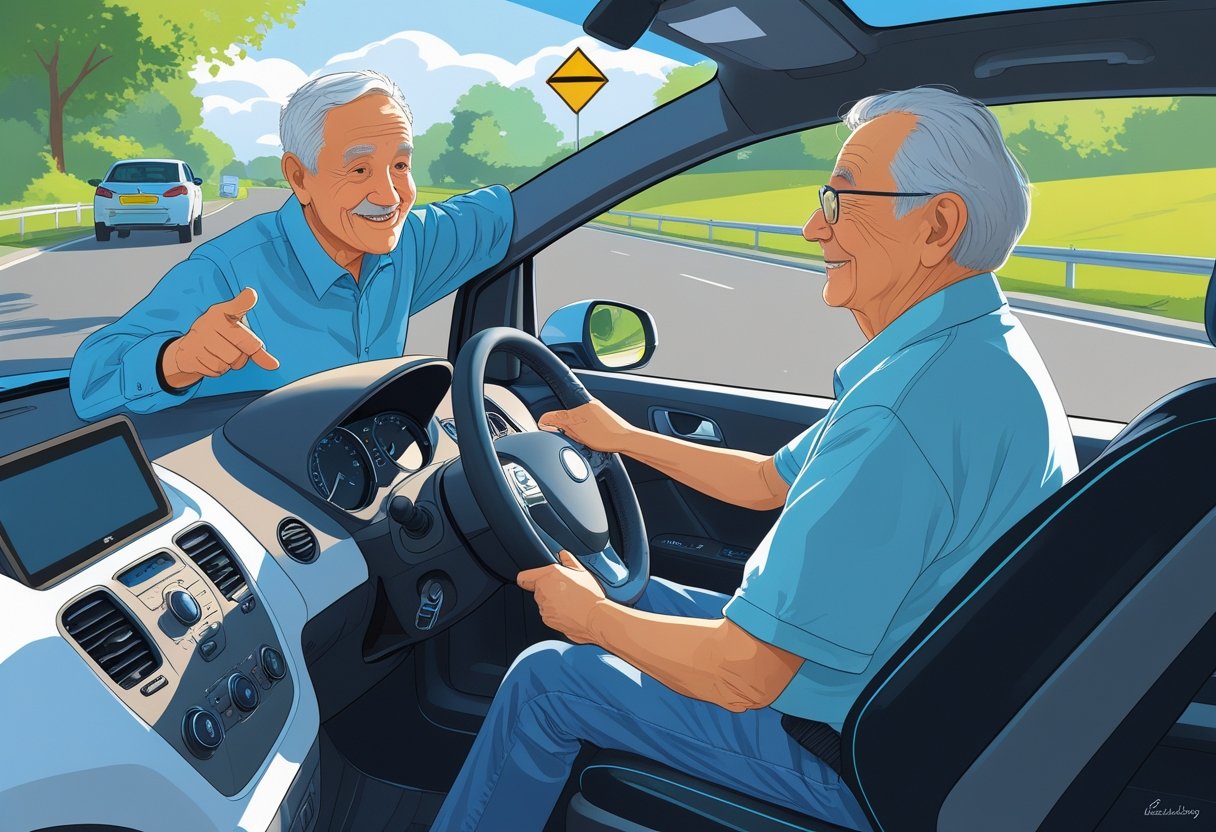
We know that learning at any age takes focus, and an intensive driving course keeps that focus sharp. Instead of spreading lessons over months, we bundle them into a few days or weeks. That steady rhythm helps you stay confident behind the wheel and remember what you’ve learned from one day to the next.
Older learners often prefer this pace because it avoids the “start-stop” feeling of weekly lessons. You’re not waiting a week to practise again, you’re driving daily, building skill and confidence faster. It’s a bit like learning a new hobby on holiday: do it every day, and it soon feels natural.
Why it works:
| Benefit | Why It Helps |
|---|---|
| Consistent practice | Keeps skills fresh and memory strong. |
| Fewer distractions | Short, focused schedule helps you stay on track. |
| Confidence boost | Daily progress shows quick improvement. |
| Flexible formats | Choose one week, two weeks, or semi‑intensive options. |
We tailor each course to suit your comfort and energy levels. Some prefer a few hours a day, others enjoy longer sessions, we’ll find what fits.
And don’t worry, there’s no rush. We go at your pace, ensuring you’re test‑ready and relaxed. After all, driving should feel enjoyable, not like cramming for an exam!
Common Challenges For 71 To 75-Year-Olds & How We Help
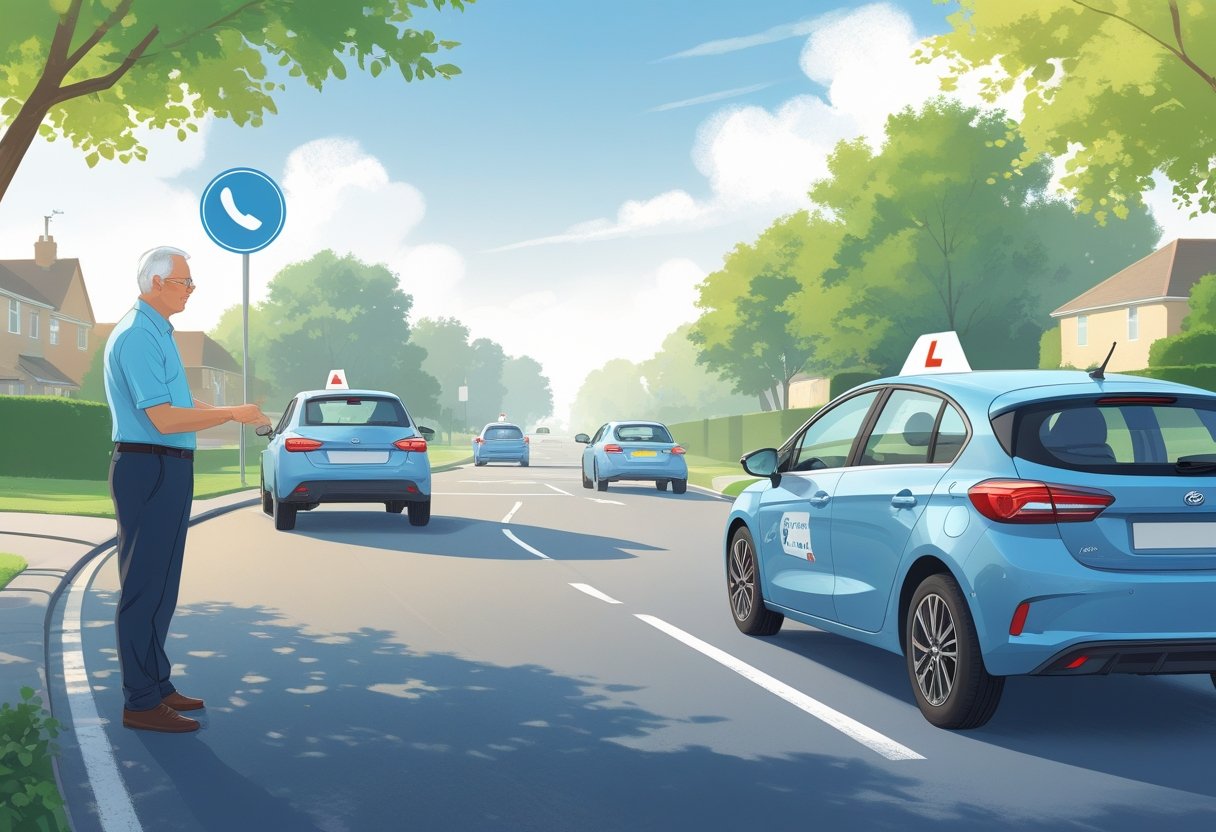
We know that getting back behind the wheel later in life can feel a bit daunting. Bodies change, reaction times slow a little, and confidence can take a knock. But with the right support and a patient instructor, it’s absolutely possible to drive safely and comfortably again.
Common challenges include:
| Challenge | How We Help |
|---|---|
| Slower reaction times | We plan lessons at a relaxed pace, giving you extra time to process information and practise manoeuvres without pressure. |
| Vision or hearing changes | We adapt communication methods, clear instructions, visual cues, and regular breaks if needed. |
| Confidence and anxiety | Our instructors create a calm, friendly space so you can focus on progress, not perfection. |
| Modern car tech | We explain newer features like parking sensors or lane assist in plain English, no jargon, no fuss. |
We also understand that staying active and alert matters. Our lessons keep your mind engaged and your driving muscles moving, which can help maintain coordination and focus.
If you’ve not driven for a while, don’t worry, we’ll start with the basics and build up at your pace. A few sessions in, and you’ll likely wonder why you ever doubted yourself. After all, experience counts for a lot on the road and we’ll help you make the most of it.
What To Expect From The Course

We pack a lot into a short time, but don’t worry, it’s all designed to help you feel calm, confident, and ready for the road. You’ll spend time both in the classroom and behind the wheel, learning at a pace that suits you.
Each day usually includes a mix of theory learning and practical driving. We’ll cover the Highway Code, hazard awareness, and safe driving habits before heading out for real-world practice. Our instructors use dual-control cars, so you’re always in safe hands, literally.
Here’s a quick look at what your week might include:
| Day | Focus | What You’ll Do |
|---|---|---|
| 1 | Getting Started | Meet your instructor, review basics, and start short drives. |
| 2–3 | Building Skills | Practise junctions, roundabouts, and parking. |
| 4 | Confidence Boost | Longer drives and mock tests. |
| 5 | Test Prep | Final review and test-day tips. |
Expect friendly chats, plenty of encouragement, and the odd tea break, we all need one! We’ll adjust lessons to your comfort level, whether you’re brushing up after years off the road or starting fresh.
By the end, you’ll have gained hours of focused driving experience, useful feedback, and a clearer sense of what to expect on your test day. We’ll be with you every step of the way.
How To Book Your Intensive Driving Course
Booking your intensive driving course is simple, no need to wrestle with confusing forms or long waits. We’ve made it easy so you can focus on learning, not paperwork.
Step 1: Choose your course type.
Pick how quickly you’d like to learn. Courses range from a few days to a couple of weeks, depending on your confidence and experience behind the wheel.
Step 2: Check your availability.
Once you’ve chosen your course, decide when you’d like to start. Many learners prefer weekday sessions, but weekend options are often available too,m handy if you’ve got a busy schedule.
Step 3: Confirm your instructor and location.
We’ll match you with a qualified DVSA-approved driving instructor in your area. You can usually train on local roads or, if you fancy a change of scenery, book a residential course for a full week of focused driving.
Step 4: Secure your spot.
You can book online or by phone. A small deposit usually holds your place, and you’ll get an email confirming your schedule, meeting point, and what to bring along.
| What You’ll Need | Why It’s Important |
|---|---|
| Provisional driving licence | Required for all lessons |
| Proof of theory test pass (if needed) | Some courses include the test |
| Comfortable shoes and glasses (if worn) | Safety first, no flip-flops, please! |
Once that’s sorted, kettle on, deep breath, your driving journey’s about to begin.
Final Thoughts
We know that getting behind the wheel at 71 to 75 can feel like a bit of a leap, but with the right support, it’s completely doable. Our intensive courses are designed to build confidence, refresh essential skills, and make driving feel second nature again.
Think of it as a friendly tune-up, not a test. You bring your experience; we bring structure, patience, and a few handy tips for modern roads. Together, we’ll make sure you’re safe, steady, and enjoying the drive.
Here’s what makes our courses a solid choice:
| What We Offer | Why It Helps |
|---|---|
| One-to-one lessons | Personal attention at your own pace |
| Flexible scheduling | Fit lessons around your lifestyle |
| Refresher and confidence sessions | Focus on areas you want to improve |
| DVSA-approved instructors | Experienced professionals who understand older learners |
We believe driving should stay enjoyable, not stressful. Whether you’re brushing up on motorway skills or just want reassurance before renewing your licence, we’ll help you feel ready for the road ahead.
So, pop the kettle on, have a think, and when you’re ready, give us a ring. We’ll get you booked in and back on the road with confidence, no fuss, no pressure, just proper driving made simple.
Frequently Asked Questions
We focus on helping older drivers feel confident, comfortable, and safe behind the wheel. Our approach blends practical training, patience, and a friendly touch to make learning smooth and enjoyable for those in their early seventies.
What are the top features to look for in an intensive driving course suitable for those in their early seventies?
Look for a course that offers tailored lesson plans, shorter driving sessions, and flexible scheduling. It’s best if the school provides refresher-style training for experienced drivers rather than beginner-only lessons.
We also recommend choosing a provider that offers automatic vehicles, as they can make driving less tiring and easier to manage.
How can I ensure the driving instructor is experienced with mature learners between 71 and 75 years old?
Ask directly about the instructor’s experience with older learners. Many driving schools list this on their websites or can confirm it over the phone.
A good instructor will show patience, clear communication, and an understanding of how confidence can vary with age. If they mention refresher or senior-focused courses, that’s a great sign.
Could you tell me about the pass rates for intensive driving courses for seniors in their seventies?
Pass rates vary by school and region, but most reputable providers track success rates across all age groups. Seniors often perform well when given the right pace and support.
We’ve found that confidence and preparation matter more than age, steady progress and regular practice make a real difference.
What’s the duration of an intensive driving course for someone who’s a sprightly 71 to 75?
Most intensive courses last 5 to 10 days, depending on experience and comfort behind the wheel. Some learners prefer spreading lessons over two weeks for a gentler pace.
We help plan a schedule that fits your energy levels, no long, exhausting days unless you fancy proving you’ve still got the stamina of a 25-year-old.
Are there any special considerations for health and comfort during the driving course for the young at heart over 70?
Yes, comfort and safety come first. We make sure cars have adjustable seating, clear visibility, and easy-to-reach controls. Regular short breaks help keep focus sharp.
If you use glasses, hearing aids, or mobility aids, let us know so we can adapt the sessions. It’s all about making the experience smooth and stress-free.
How does one keep those reflexes sharp and confidence high on an intensive course, especially for the 71 to 75-year-old age group?
We encourage simple habits like light exercise, good rest, and staying hydrated before lessons. These make a real difference in alertness and reaction time.
During lessons, we use calm repetition and positive feedback to build confidence. With a bit of patience and practice, those driving instincts come right back, like riding a bike, only with a bit more horsepower.