

Best Intensive Driving Course for Engineers: Your Road to a Licence, Sorted
If you’re juggling deadlines, projects, and the occasional late-night debugging session, finding time for driving lessons can feel impossible. We get it, engineers like things efficient, structured, and logical. That’s exactly why an intensive driving course suits you perfectly. The best intensive driving course for engineers helps you pass quickly without wasting time, offering a focused, data-driven approach that fits your schedule and mindset.

We design our courses with precision and clarity, much like a well-written piece of code. You’ll learn in concentrated sessions that build skill and confidence fast, guided by qualified instructors who understand how to teach efficiently. Whether you’re starting from scratch or brushing up for a retest, our approach keeps things practical and straight to the point, no fluff, no filler, just steady progress toward your licence.
Think of it as your personal fast-track system, one that turns your logical thinking into confident driving. You handle the problem-solving; we handle the rest. By the end, you’ll not only pass your test but also drive with the same calm focus you bring to your workbench or computer screen.
Key Takeaways
- Learn to drive quickly with a focused, structured approach made for busy engineers.
- Gain confidence through practical, efficient lessons that fit your schedule.
- Turn technical thinking into safe, confident driving with expert support.
Who This Course Is For
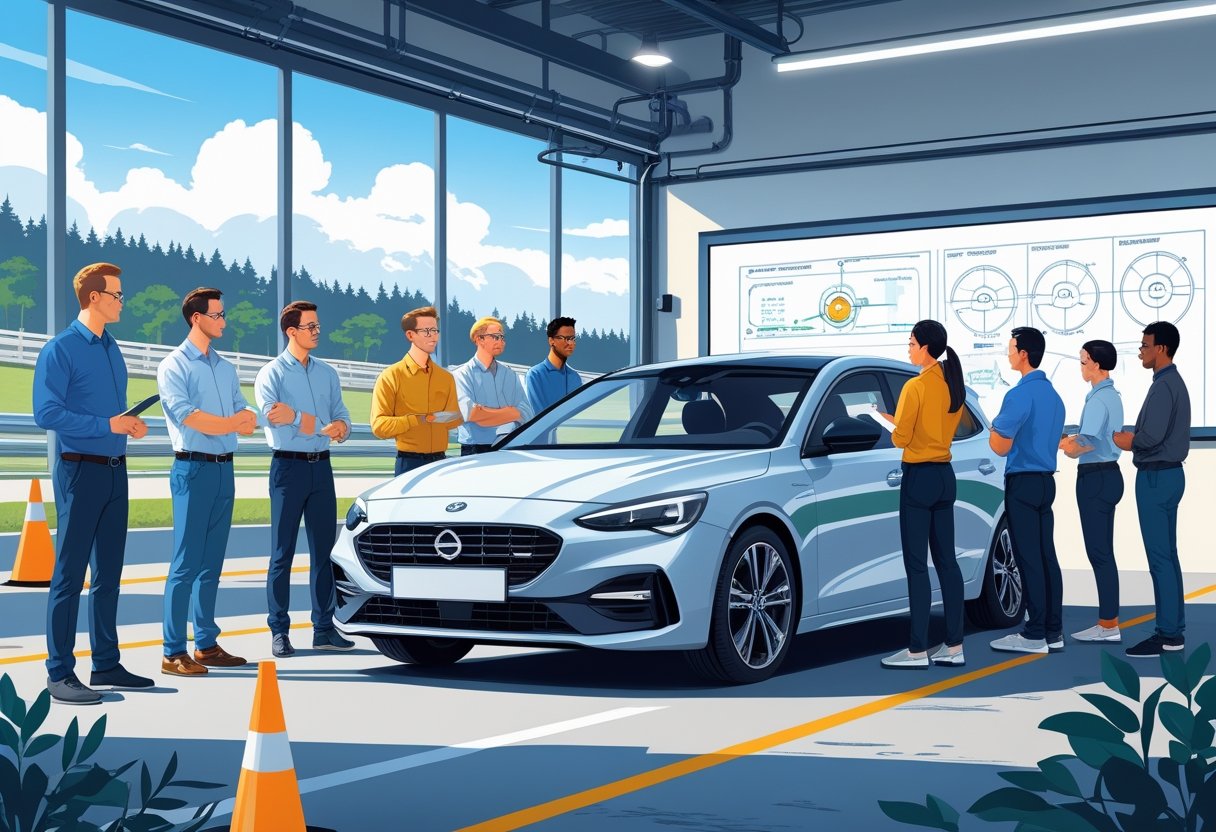
We’ve designed this course for engineers and technical professionals who prefer a structured, efficient way to learn. If you like systems that make sense and progress you can measure, you’ll feel right at home behind the wheel.
It suits those who have busy work schedules and limited time for weekly lessons. Our intensive format helps you focus on driving skills over a few concentrated days rather than spreading them out for months.
You’ll benefit most if you:
- Enjoy practical, hands-on learning.
- Prefer clear goals and steady progress.
- Need to fit lessons around project deadlines or shift work.
- Want to pass your test quickly without cutting corners.
We also welcome students, apprentices, and recent graduates who want to gain independence before starting a new job or placement. Think of it as another useful qualification, just with more roundabouts than spreadsheets.
Here’s a quick snapshot of who tends to thrive in our course:
| Type of Learner | Why It Works Well |
|---|---|
| Analytical thinkers | Appreciate structured lessons and measurable progress |
| Problem-solvers | Apply logical thinking to driving challenges |
| Time-pressed professionals | Learn efficiently without long breaks between lessons |
| Career starters | Gain confidence and mobility for new opportunities |
If that sounds like you, we’ll help you get test-ready, and on the road, faster than you can say “parallel park”.
Why An Intensive Course Works Best

We get it, engineers like efficiency. That’s why an intensive driving course suits you down to the ground. Instead of dragging lessons out for months, we pack everything into focused days where you learn, practise, and progress quickly. Think of it as a crash course (without the crashing, of course).
An intensive course keeps your momentum going. You’re behind the wheel every day, so you don’t forget what you learned yesterday. That steady rhythm helps you build confidence and muscle memory faster than weekly lessons ever could.
Here’s a quick look at how it stacks up:
| Learning Style | Timeframe | Best For |
|---|---|---|
| Weekly lessons | Several months | Casual learners |
| Intensive course | 1–2 weeks | Busy professionals, engineers, or anyone short on time |
We also know engineers love a bit of structure. These courses follow a clear plan, from mastering clutch control to nailing parallel parking, with an instructor guiding you every step. You’ll focus on the areas that need the most work, not waste hours repeating what you already know.
And because the crash courses are concentrated, you stay sharp and focused. It’s a bit like a project sprint, intense, productive, and surprisingly satisfying when you see how much progress you’ve made in just a few days.
Common Challenges For Engineers & How We Help

Engineers are brilliant at solving complex problems, but learning to drive can feel like a different kind of equation. Long hours, tight schedules, and analytical minds don’t always mix well with traditional weekly lessons. That’s where we step in.
Common challenges engineers face:
| Challenge | Why it happens | How we help |
|---|---|---|
| Limited time | Project deadlines and long workdays leave little room for weekly lessons. | Our intensive courses fit neatly into your schedule, no months of waiting around. |
| Overthinking | Analytical minds can sometimes overanalyse every gear change. | Our qualified driving instructors keep things simple and practical, no unnecessary jargon. |
| Confidence on the road | Engineers often spend more time behind a desk than behind the wheel. | We build confidence through steady progress and clear, calm guidance. |
We understand that engineers like structure and efficiency. So, our driving instructors use a clear plan for each session, focusing on measurable progress and real-world driving skills.
If you prefer data over drama, you’ll appreciate how we track your progress and adjust lessons to your learning style. Think of us as your project managers for driving, only with fewer spreadsheets and more friendly encouragement.
What To Expect From The Course

When you join one of our intensive driving courses, expect a full-on but rewarding week. We pack in what you’d usually learn over months of weekly driving lessons into a few focused days. It’s busy, yes, but you’ll be surprised how quickly it all starts to click.
We start with a short classroom-style session to cover the theory side. You’ll brush up on the Highway Code, hazard perception, and a few handy tips before you ever touch the wheel. It’s a great way to get your head in gear, literally.
Then it’s straight into the car. You’ll spend several hours each day behind the wheel with a DVSA-approved instructor. We’ll go through junctions, parking, roundabouts, and all the bits that make up real-world driving. Don’t worry if you stall a few times, everyone does.
Here’s a quick look at how a typical day might go:
| Time | Focus |
|---|---|
| Morning | Refresher on theory and road rules |
| Midday | On-road driving practice |
| Afternoon | Manoeuvres and mock test prep |
As the week goes on, we’ll build your confidence for the practical driving test. You’ll learn how to handle tricky routes, manage nerves, and keep calm under pressure.
By the end, you’ll have the skills to drive safely and independently, and maybe even enjoy it. After all, driving’s not just about passing a test; it’s about freedom, confidence, and the occasional perfectly executed parallel park.
How To Book Your Intensive Driving Course
Booking your intensive driving course is much simpler than assembling an engine diagram (and far less greasy). We’ve made it easy so you can focus on learning, not paperwork.
Step 1: Choose your course type.
Decide how much training you need from a short refresher to a full week of lessons. Providers like National Intensive offer flexible options from 5 to 45 hours, depending on your experience and schedule.
Step 2: Pick your location and instructor.
Most schools let you learn locally or take a residential course if you’d like a change of scenery. You can usually request a male or female instructor, and all should be DVSA-approved.
Step 3: Book online or by phone.
You can book directly through the provider’s website. Many will even arrange your theory and practical tests for you, handy if you’d rather not deal with the DVSA booking system yourself.
| Option | What’s Included | Typical Cost (approx.) |
|---|---|---|
| 1-day refresher | 5–10 hours of driving | £200–£400 |
| 1-week intensive | 30–40 hours + test booking | £900–£1,200 |
| Residential | Accommodation + lessons | £1,000–£2,000 |
Step 4: Confirm and prepare.
Once booked, you’ll get your schedule and instructor details. Make sure your provisional licence and learner insurance are sorted, and maybe clear your calendar. You’ll be spending a good few hours behind the wheel, not behind a desk.
Final Thoughts
We know engineers love efficiency, and that’s exactly what an intensive driving course delivers. Instead of spreading lessons over months, you can focus your energy into a short, structured block and see progress fast. It’s a bit like debugging code: fix one thing, test it, move on. Simple, focused, effective.
If you’re used to problem-solving and logical thinking, you’ll likely enjoy how methodical driving can be. Mirror, signal, manoeuvre might not sound thrilling, but it’s a process, and engineers do love a good process.
A few quick reminders before you book:
- Make sure you’ve passed your theory test (or are nearly there).
- Choose an instructor who understands your learning pace.
- Plan time for rest, even the sharpest minds need a breather.
We’ve built our courses to suit busy people who like clear goals and measurable results. Whether you’re tackling roundabouts or reverse parking, we’ll keep things straightforward, structured, and supportive.
And yes, we promise, no unnecessary waffle, just solid driving skills and a friendly bit of banter along the way.
Frequently Asked Questions
We know engineers like to plan things with precision, so we’ve answered the most common questions about our intensive driving courses in clear, practical terms. From timing your lessons around work to finding a course that suits your logical way of thinking, we’ve got you covered.
What’s the quickest way to pass my driving test with an intensive course?
The fastest route is usually a one-week intensive course if you already have some experience. You’ll spend several hours a day behind the wheel, often 3–6 hours, and we’ll aim to book your test as soon as possible after your lessons.
If you’re starting fresh, we recommend a 30–45 hour course spread over a week or two. It’s full-on, but it helps you build confidence quickly and keeps everything fresh in your mind.
Can you tell me if there’s a special intensive driving package for us techy types who love efficiency?
We do have courses designed for people who value time and structure. You can choose a custom schedule that fits your availability, and we’ll match you with an instructor who plans lessons logically, no wasted time or random routes.
Think of it as an engineering project: we set clear goals, track progress, and deliver results efficiently.
How do I juggle an intensive driving course with my full-on engineering job?
We get it, long hours and tight deadlines are part of the job. That’s why our instructors offer flexible scheduling, including early mornings, evenings, or weekend sessions.
You can also spread your course over a few weeks instead of cramming it into one. It’s still intensive, just more manageable for a busy work life.
Are there any driving schools that cater to those of us with a logical, engineering mindset?
Yes, and we like to think we’re one of them. Our instructors explain the “why” behind each manoeuvre, not just the “how”. You’ll appreciate the structured approach, clear feedback, and measurable progress.
It’s driving, but with a methodical twist that appeals to anyone who likes things to make sense.
What’s the success rate like for those who’ve taken your fast-track driving programmes?
Our pass rates are consistently higher than average, especially for learners who commit to the full course plan. Engineers often do well because they treat driving like a system to understand, not just a task to complete.
We can’t promise everyone passes first time, but we’ll do everything we can to get you test-ready quickly and confidently.
Could you point me in the direction of an intensive driving course that won’t drive a logical thinker round the bend?
You’ll want a course that’s structured, transparent, and well-paced. We recommend starting with a short assessment so we can match you with the right course length and instructor.
We’ll keep the lessons focused, the feedback clear, and the pace steady, no chaos, no confusion, and definitely no unnecessary detours.