

Booking Your Test During School Holidays: Pros, Cons & Key Tips
Choosing when to book your driving test can feel overwhelming, especially when considering school holidays. Many learner drivers wonder whether these busy periods will help or hinder their chances of success. The timing of your test can significantly affect everything from road conditions to availability, making this decision more important than you might think.
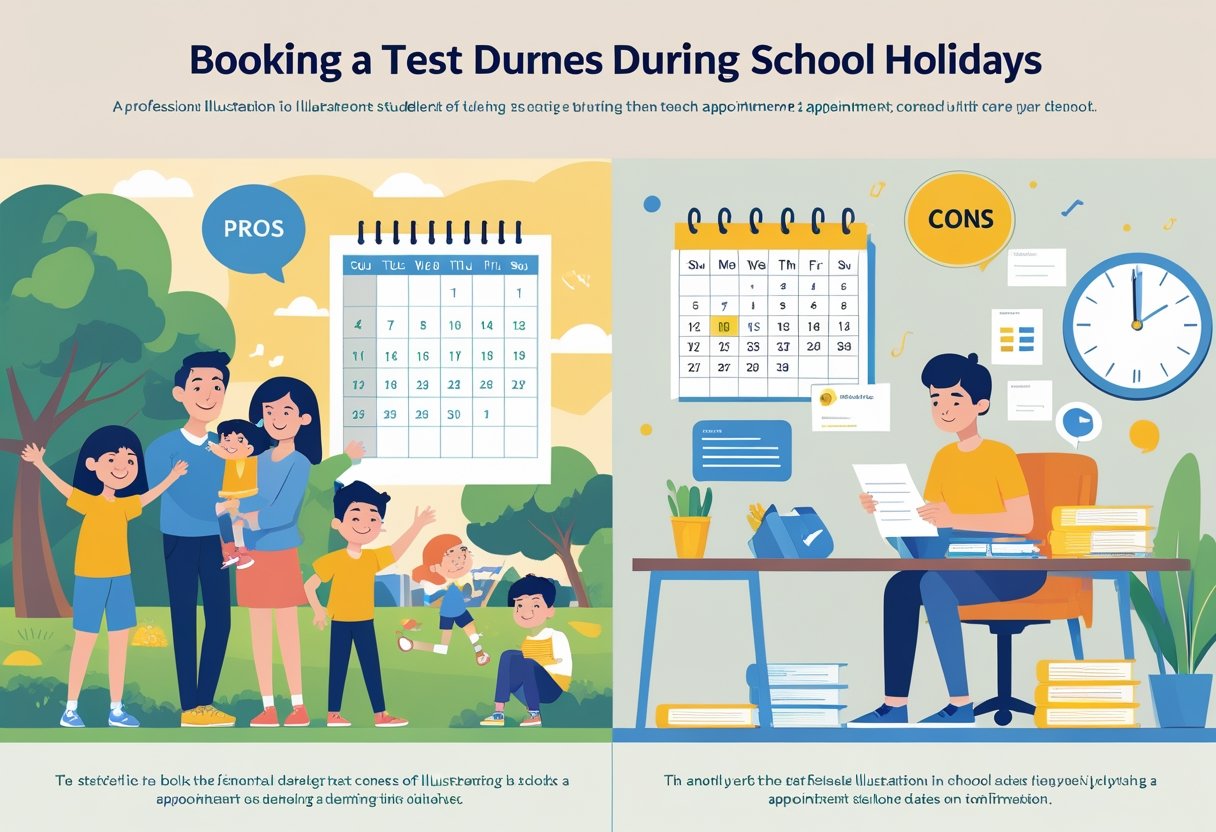
School holidays present both unique advantages and notable challenges for driving test bookings, with calmer traffic conditions balanced against higher demand and increased competition for test slots. Understanding these factors helps you make an informed choice that suits your circumstances and preparation level.
This decision involves weighing practical considerations like test availability, road conditions, and your personal schedule against factors such as pass rates and examiner availability. Whether you’re hoping to take advantage of quieter roads during term time or considering the convenience of holiday periods, knowing what to expect can boost your confidence and improve your chances of first-time success.
Understanding the Impact of School Holidays on Test Bookings

School holidays create significant ripples throughout the driving test system, dramatically affecting both availability and waiting times. These periods see a surge in demand from younger learners whilst simultaneously changing how test centres operate their schedules.
What Are School Holidays?
School holidays in the UK follow a structured calendar that varies slightly between England, Scotland, Wales, and Northern Ireland. The main holiday periods include summer holidays (typically six to seven weeks from mid-July to early September), Christmas holidays (around two weeks), Easter holidays (two weeks), and half-term breaks (one week each in October, February, and May).
These dates aren’t uniform across the country. Different local authorities set their own specific dates within government guidelines. Some regions might have their summer break starting in late June, whilst others don’t finish until late July.
The timing matters enormously for driving test bookings. Each holiday period brings unique challenges and opportunities for learner drivers trying to secure test slots.
How School Holidays Affect Test Centre Schedules
Test centres don’t simply maintain normal operations during school holidays. Many centres adjust their schedules to accommodate increased demand and staff availability.
During peak holiday periods, some centres extend their operating hours. They might add weekend slots or start testing earlier in the day. However, this increased capacity often can’t match the surge in demand.
Staff availability becomes a crucial factor. Driving examiners often take their own holidays during school breaks, particularly in summer. This can actually reduce available test slots despite higher demand.
Some test centres prioritise certain types of tests during busy periods. Car driving tests typically take precedence over motorcycle or lorry tests when slots become limited.
Typical Booking Demand During Holidays
The summer holidays represent the absolute peak for driving test demand. Young people aged 17-18 flood the system, having often spent months preparing with intensive lessons before their school break.
Christmas and Easter holidays also see significant spikes, though not quite as dramatic as summer. These shorter periods create intense competition for available slots within a compressed timeframe.
Waiting times can extend dramatically during these periods:
- Summer holidays: 3-4 months in busy areas
- Christmas holidays: 6-8 weeks additional wait
- Easter holidays: 4-6 weeks longer than usual
The demand isn’t evenly distributed. Urban test centres typically experience more pressure than rural locations during school holidays, as they serve larger populations of young learners.
The Pros of Booking Your Test During School Holidays
School holidays create several advantages for driving test candidates, from reduced traffic congestion to better support from loved ones. These periods also offer greater scheduling flexibility and improved visibility conditions for safer testing.
Quieter Roads and Less Traffic
School holidays dramatically reduce traffic volume on most roads. The usual rush of parents doing school runs disappears completely. Morning and afternoon traffic drops significantly without thousands of families travelling to and from schools.
This reduction makes driving manoeuvres much easier to complete. Parallel parking becomes less stressful when there’s no queue of impatient drivers behind you. Roundabouts flow more smoothly without the constant stream of school traffic.
Test candidates often feel calmer when roads aren’t packed with vehicles. Less congestion means fewer distractions and more time to think clearly during challenging situations. Emergency stops become safer with greater following distances between cars.
Many driving instructors notice their pupils perform better during holiday periods. The quieter environment helps nervous drivers build confidence more quickly.
Increased Availability of Support from Family
Family members have much more flexibility during school holidays. Parents don’t need to juggle school pickups with driving test appointments. Partners can take time off work more easily when children aren’t in their regular school routine.
Having familiar faces available for moral support makes a huge difference. Many test candidates feel less anxious when a parent or sibling can drive them to the test centre. This emotional support often translates into better performance behind the wheel.
Practical help becomes easier too. Family members can assist with last-minute practice sessions without worrying about school commitments. They might accompany you to the test centre or celebrate your success immediately afterwards.
The reduced family stress during holidays creates a more relaxed atmosphere at home. This calmer environment helps test candidates sleep better and feel more prepared on test day.
More Flexibility in Scheduling
School holidays open up many more available test slots. Peak times become less competitive because students aren’t all trying to book weekend appointments. Driving test centres often have better availability during these periods.
Candidates can choose times that suit their natural energy levels. Morning people can book early slots without rushing from school or work. Those who prefer afternoons have plenty of options without the usual scheduling conflicts.
Last-minute changes become much easier to accommodate. If you need to reschedule due to illness or lack of preparation, alternative dates are more likely to be available during holiday periods.
The reduced pressure to fit tests around rigid school timetables helps candidates book when they feel truly ready. This flexibility often leads to better preparation and higher pass rates.
Longer Daylight Hours for Tests
Summer holidays coincide with the longest days of the year. Tests scheduled for 4pm or 5pm still benefit from excellent natural lighting. Better visibility makes hazard perception much easier and safer.
Driving in good daylight conditions helps candidates spot pedestrians, cyclists, and road signs more clearly. Evening tests don’t feel rushed because there’s still plenty of light remaining afterwards.
Many test centres extend their operating hours during summer holidays. This creates even more appointment options for candidates who prefer driving in bright conditions. Seasonal Affective Disorder sufferers often perform better during these lighter months.
The combination of good weather and extended daylight creates ideal testing conditions. Rain and poor visibility cause fewer problems when there are more daylight hours available throughout the day.
The Cons of Booking Your Test During School Holidays
While school holidays might seem like the perfect time to tackle your driving test, they come with some significant drawbacks. Higher demand, busier test centres, and the temptation of holiday activities can create unexpected challenges for learners.
Increased Competition for Test Slots
School holidays turn booking a driving test into something resembling a mad dash for concert tickets. Students who’ve been waiting all term suddenly flood the booking system, creating fierce competition for available slots.
The numbers tell the story clearly:
- Test slots can disappear within hours of becoming available
- Waiting lists often stretch 2-3 months longer during holidays
- Cancellation slots get snapped up almost instantly
Many learners find themselves checking the DVSA website obsessively, hoping to catch a last-minute cancellation. This constant refreshing becomes exhausting and stressful.
The competition extends beyond just students too. Working adults often target the same holiday periods, thinking they’ll have more time to prepare. Parents coordinate their children’s tests around school breaks, adding another layer of demand.
Your best strategy involves being flexible with dates and times. Consider booking tests at less popular times, such as early mornings or late afternoons. Sometimes accepting a slightly inconvenient slot beats waiting months for your preferred time.
Potential for Busier Test Centres
Test centres during school holidays can feel like busy train stations during rush hour. More candidates mean more nervous energy, longer queues, and a generally hectic atmosphere that can affect your performance.
The impact on your test day includes:
- Crowded waiting areas with anxious candidates
- Potential delays if previous tests run over schedule
- Less personal attention from staff who are managing higher volumes
- Car parks filled with learner drivers practising last-minute manoeuvres
Examiners also feel the pressure during these busy periods. While they maintain professional standards, the increased workload can make the overall experience feel more rushed and impersonal.
Traffic around test centres increases significantly too. More learner drivers means more driving instructors’ cars, more parents dropping off candidates, and generally more congestion in the surrounding area.
This busy environment can heighten anxiety for already nervous test-takers. Some learners find the bustling atmosphere overwhelming, particularly if they’re naturally anxious or prefer quieter settings.
Distractions from Holiday Activities
School holidays bring tempting distractions that can derail your driving test preparation when you need focus most. Beach trips, family visits, and social events compete for attention with essential practice time.
Common holiday distractions include:
- Family holidays that interrupt regular lessons
- Social pressure to join friends on days out
- Part-time holiday jobs that limit practice opportunities
- Festival season and outdoor events
The relaxed holiday mindset can work against the disciplined preparation your test demands. It’s natural to want to enjoy your break, but maintaining consistent practice becomes challenging when everyone around you is in holiday mode.
Money matters during holidays too. Many learners spend their lesson budget on holiday activities, then find themselves short of funds for crucial pre-test practice sessions.
Friends and family may not understand why you’re prioritising driving lessons over holiday fun. This social pressure can make it harder to stick to your preparation schedule.
Your driving instructor might also be less available. Many instructors take their own holidays during school breaks, potentially leaving you without professional guidance during a critical period before your test.
How School Holidays Influence Pass Rates and Test Experiences
School holidays create unique testing conditions that can significantly impact both your chances of passing and the overall atmosphere on test day. Extra examiners often join the roster during busy periods, whilst traffic patterns shift dramatically when schools break up.
Examiner Workload and Test Atmosphere
During school holidays, test centres typically recruit additional examiners to handle the surge in bookings. This influx means you might encounter someone relatively new to the role, which could work either for or against you.
Fresh examiners often bring enthusiasm and patience to their assessments. They’re less likely to feel jaded from months of repetitive testing. However, they might also be more cautious in their marking, sticking rigidly to guidelines rather than using experienced judgment.
Peak holiday periods see examiners conducting back-to-back tests throughout the day. By afternoon slots, even the most patient examiner can feel the strain of constant concentration and decision-making.
The waiting room atmosphere changes too. You’ll find more nervous energy with fellow candidates who’ve been waiting months for their slot. Some find this motivating, whilst others feel additional pressure.
Morning appointments during holidays often provide the best examiner experience. They’re alert, refreshed, and haven’t yet been worn down by the day’s testing marathon.
Real-Life Driving Conditions During Holidays
School holidays transform the roads you’ll navigate during your test. The absence of school-run traffic creates calmer driving conditions, particularly around residential areas and near schools.
Traffic flows more smoothly between 8am and 4pm when parents aren’t dropping off or collecting children. This means fewer sudden stops, less congestion at pedestrian crossings, and reduced anxiety about navigating through clusters of parked cars.
However, holiday periods bring their own challenges. Shopping centres become busier as families have more free time. Tourist areas see increased pedestrian activity, especially during summer breaks.
Some test routes that normally include school zones might feel unusually quiet. This can actually be trickier than expected, as you’ll need to demonstrate extra vigilance for the occasional child or cyclist who might appear.
Weekend-like conditions extend throughout weekdays during holidays. Roads that are typically busy with commuters become more unpredictable, with a mix of shoppers, tourists, and leisure drivers who may be less familiar with local routes.
Weather plays a bigger role during holiday tests too, as families venture out regardless of conditions.
Practical Considerations: Planning Your Test Around the Holidays
Planning a driving test during school holidays requires careful timing and preparation. Successfully booking during these busy periods means finding available dates quickly, staying focused despite holiday distractions, and working around family plans.
Finding the Best Test Dates
School holidays create a booking frenzy as students rush to secure test slots. The key is acting fast when bookings open, typically weeks in advance of the holiday period.
Early morning slots between 8am and 10am often have better availability during holidays. These times are less popular with younger learners who prefer later starts.
Weekend dates fill up fastest during school breaks. Weekday slots, particularly Tuesday through Thursday, offer better chances of securing a preferred date.
| Holiday Period | Best Booking Strategy | Availability |
|---|---|---|
| Easter holidays | Book 6-8 weeks ahead | Moderate |
| Summer holidays | Book 8-12 weeks ahead | Very limited |
| Christmas holidays | Book 10-14 weeks ahead | Extremely limited |
Cancellation apps and websites can help find last-minute slots. Many learners change plans during holidays, creating unexpected opportunities.
Setting up alerts for multiple test centres within a reasonable distance increases chances significantly. Rural centres often have better availability than busy urban locations.
Balancing Preparation and Holiday Distractions
Holiday periods bring unique challenges that can disrupt driving practice routines. Family gatherings, social events, and relaxed schedules can impact preparation quality.
Creating structure during seemingly unstructured holiday time becomes crucial. Setting specific practice times helps maintain momentum when everything else feels relaxed.
Family holidays abroad can interrupt preparation completely. Learners should factor in potential rust-building periods when booking tests immediately after returning from trips.
Increased traffic during school holidays means different driving conditions. High streets become busier with families shopping, while school-run routes stay quieter.
Practice sessions might need rescheduling around family commitments. Instructors often get booked up quickly during holidays, so securing lessons early prevents disappointment.
The festive atmosphere can actually boost confidence for some learners. Others find the excitement overwhelming and struggle to concentrate during lessons.
Co-ordinating with Family Commitments
Family schedules during holidays can clash dramatically with driving test plans. Parents might be juggling multiple children’s activities, work commitments, and social obligations.
Transport logistics become complicated when the family car is needed for other activities. Learners should confirm vehicle availability well before test day, especially during busy holiday periods.
Extended family visits can create household chaos on test day. Some learners benefit from staying elsewhere the night before to ensure proper rest and preparation.
Financial pressures during expensive holiday periods might affect lesson frequency. Budgeting for intensive preparation becomes more challenging when money is stretched across gifts, trips, and entertainment.
Parents taking time off work during holidays might be more available to provide emotional support. This can be tremendously helpful for nervous learners who need encouragement.
Holiday test dates often coincide with family celebrations or planned trips. Clear communication about test importance helps families prioritise appropriately and avoid scheduling conflicts that could force costly cancellations.
Making the Most of Your Test: Expert Tips for Holiday Bookings
Planning your driving test during school holidays requires smart preparation and timing. Booking early, coordinating with your instructor, and managing test-day nerves can make the difference between passing and needing a resit.
Securing Your Ideal Slot Early
Test centres become incredibly busy during school holidays as thousands of learners compete for available slots. The key lies in booking as soon as you and your instructor agree you’re nearly test-ready.
Check for cancellations regularly. The DVSA booking system releases cancelled slots throughout the day. Set aside time each morning and evening to refresh the booking page. Many successful candidates secure their preferred dates through persistent checking.
Consider multiple test centres within reasonable travelling distance. Rural centres often have shorter waiting lists than city locations. A 30-minute drive might save you weeks of waiting.
Book strategically within the holiday period. The first few days after schools break up tend to be quieter than mid-holiday periods. Similarly, the last week before term restarts often sees fewer bookings as families prepare for the new school year.
Use booking apps and services that monitor cancellations automatically. These services send alerts when slots become available at your chosen centres, giving you a competitive advantage over manual checkers.
What to Discuss with Your Driving Instructor
Your instructor becomes your most valuable ally when planning a holiday test booking. Open communication ensures you’re genuinely ready for the challenge ahead.
Assess your current skill level honestly. Discuss specific areas where you still feel uncertain. Holiday periods aren’t ideal for rushing into tests if you’re not fully prepared, especially given the longer waiting times for resits.
Plan intensive practice sessions if your test date approaches quickly. Many instructors offer holiday crash courses or extended lessons. This concentrated practice can sharpen your skills and build confidence rapidly.
Familiarise yourself with the test centre routes. Your instructor should take you on practice drives around your chosen test centre during similar times to your actual test. Holiday traffic patterns can differ significantly from term-time conditions.
Review the ‘Show Me, Tell Me’ questions thoroughly. These technical questions often catch nervous candidates off-guard. Your instructor can create realistic practice scenarios to ensure these become second nature.
Managing Stress and Boosting Confidence on Test Day
Holiday tests can feel more pressured due to longer waiting times for potential resits. Smart preparation helps candidates stay calm and focused when it matters most.
Get quality sleep for at least two nights before your test. Avoid late nights or stressful activities. Well-rested candidates make better decisions and react more smoothly to unexpected situations.
Eat a proper breakfast but avoid anything too heavy or unfamiliar. Stable blood sugar levels help maintain concentration throughout the 40-minute test.
Arrive early but not too early at the test centre. Fifteen minutes before your appointment gives you time to settle without creating unnecessary waiting anxiety. Use this time for light breathing exercises rather than last-minute cramming.
Bring all required documents and check them twice the evening before. Missing paperwork causes automatic test cancellation and extends your waiting time further.
Remember that holiday examiners are often more relaxed too. They appreciate polite, well-prepared candidates and want to see you succeed.
Frequently Asked Questions
Booking your driving test during school holidays brings unique considerations that many learners wonder about. These questions address timing strategies, potential benefits, common challenges, and practical advice for making the most of holiday test dates.
What are some top tips for scheduling driving tests during school holiday periods?
Book your test as early as possible during school holidays, ideally first thing in the morning. Traffic tends to be lighter at the start of the day, giving you clearer roads and less pressure.
Choose weekdays over weekends when possible. Even during holidays, weekdays between 10am and 2pm offer the calmest driving conditions with minimal rush hour chaos.
Consider booking during the middle of the holiday period rather than at the very beginning or end. This avoids the initial surge of families heading off on trips and the return journey traffic.
Check local events and festivals that might affect your test area. School holidays often coincide with community celebrations that could impact traffic patterns on your test route.
Can you highlight the advantages of taking a driving exam while schools are on break?
Reduced traffic volume creates a more relaxed driving environment. With fewer commuters and school run parents on the roads, you’ll have more space to demonstrate your skills confidently.
Bus lanes become more accessible during school holidays. Many restrictions ease up, giving you additional route options and reducing the complexity of navigation decisions.
Manoeuvres become significantly easier without the usual parking pressure around schools. You’ll find more space for parallel parking and bay parking exercises.
The quieter atmosphere helps nervous drivers feel more at ease. Less honking, fewer impatient drivers, and generally calmer road conditions can boost your confidence during the test.
Are there any potential drawbacks to pencilling in my driving test when students are off school?
Higher demand for test slots means booking becomes more competitive. Many learners have the same idea about holiday periods, so you’ll need to act quickly when slots become available.
Holiday traffic patterns can catch some drivers off guard. Families heading to tourist destinations or shopping centres create different traffic flows that might feel unfamiliar.
Some driving instructors take time off during school holidays. This could limit your preparation options or make last-minute practice sessions harder to arrange.
Tourist areas experience increased congestion during holidays. If your test centre sits near popular destinations, you might encounter unexpected crowds and parking challenges.
How might waiting times for practical driving tests be affected during holiday seasons?
Waiting times often extend beyond the typical four-month average during peak holiday periods. The combination of high demand and examiner holidays creates a perfect storm for delays.
Spring and summer holidays see the biggest impact on availability. Easter, summer holidays, and half-term breaks are particularly challenging times to secure test slots.
Examiner availability drops during school holidays as many take annual leave. This reduces the number of tests offered each day at most centres across the country.
Cancellations become more valuable during holiday periods. Keep checking for last-minute openings, as other candidates might change their plans or feel unprepared.
Is there anything special I should consider when booking my driving test around holiday dates?
Check your theory test certificate expiry date carefully. If your test gets delayed due to holiday booking pressures, ensure you won’t exceed the two-year validity period.
Confirm your driving instructor’s availability well in advance. Many instructors plan family holidays during school breaks, so secure your pre-test lessons early.
Consider alternative test centres in nearby areas. Some locations experience less holiday pressure than others, potentially offering earlier test dates.
Budget for potential extra waiting time between tests if you need to retake. Holiday periods require longer gaps between attempts due to reduced availability.
Could you advise on strategies for a successful driving test experience during the school holidays?
Practice driving at your planned test time during the holidays before your actual test. This helps you understand the specific traffic patterns and road conditions you’ll encounter.
Familiarise yourself with holiday-specific routes around your test centre. Tourist destinations, shopping centres, and leisure facilities might create different traffic flows than usual.
Prepare for unexpected scenarios that holiday periods bring. Beach traffic, festival crowds, or family day trips can create situations you haven’t encountered in regular lessons.
Stay flexible with your test date if possible. Being open to different days or times increases your chances of finding a suitable slot during busy holiday periods.
Build extra confidence through additional practice during quieter holiday moments. Use the reduced traffic to perfect manoeuvres and build your comfort level behind the wheel.