

Can You Book a Weekend or Evening Test? Your Full Guide to Flexible Test Slots
Many learner drivers wonder if they can escape the typical weekday test slot and book something that better fits their busy schedule. The good news is that weekend and evening driving tests do exist, though they come with their own set of challenges and considerations that every learner should understand before diving into the booking process.
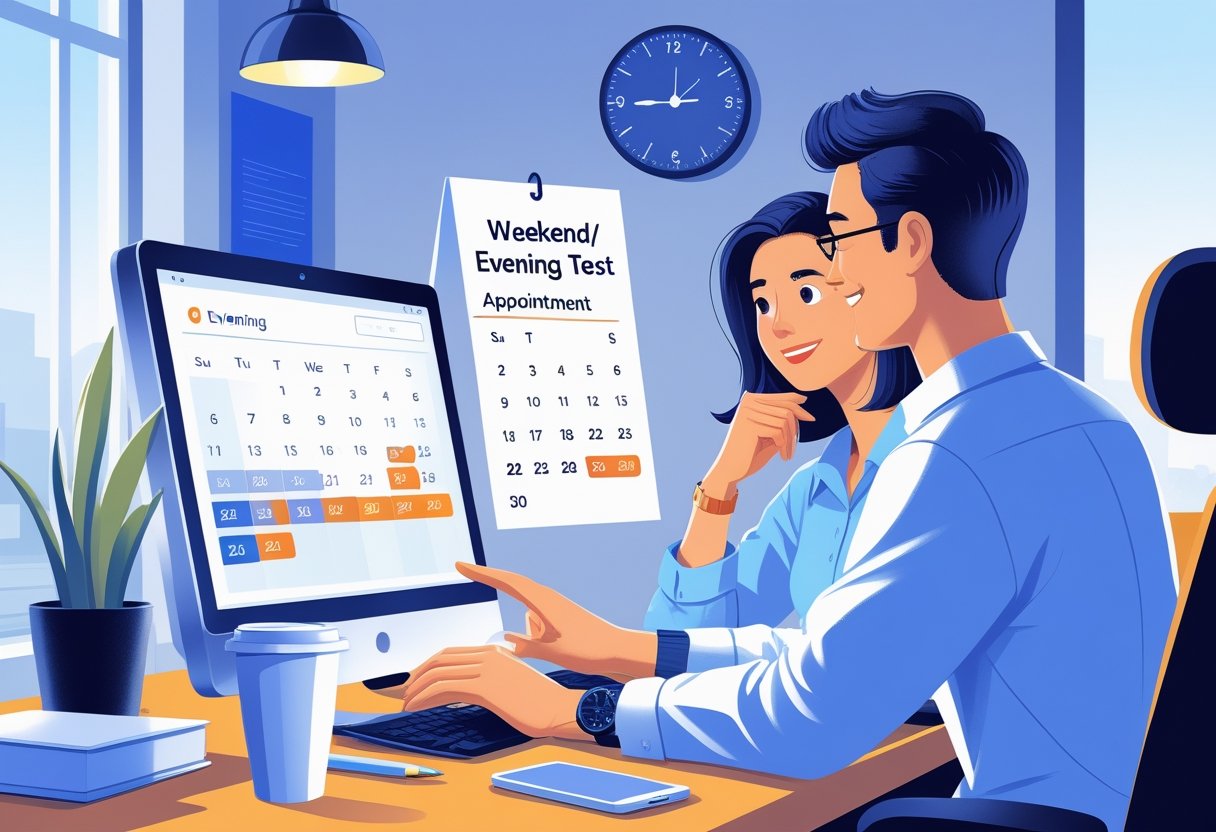
Yes, you can book weekend and evening driving tests, but they cost more (£75 instead of £62) and are only available at certain test centres with limited slots. These flexible appointments aren’t offered everywhere, and driving examiners aren’t required to work overtime hours, which means availability can be quite sparse. Evening tests begin from 4:30pm onwards, whilst weekend slots cover Saturday and Sunday appointments.
The reality is that securing one of these coveted time slots requires strategy, patience, and a good understanding of how the booking system works. Whether you’re juggling work commitments, school schedules, or simply feel more confident driving when the roads are quieter, knowing the ins and outs of weekend and evening test booking can make all the difference in getting that licence sooner rather than later.
Understanding Weekend and Evening Driving Tests
Weekend and evening practical driving tests offer flexibility for learners who can’t take weekday appointments, though they come with limited availability and higher costs. The DVSA charges more for these out-of-hours slots, and they’re much harder to secure than standard weekday tests.
Availability of Out-of-Hours Test Slots
Weekend driving tests exist, but they’re genuinely difficult to find. Not all test centres offer them, and those that do have very few slots available.
The DVSA doesn’t require driving examiners to work weekends or evenings. This means availability depends entirely on whether individual examiners volunteer for overtime shifts.
Key factors affecting availability:
- Only certain test centres offer weekend slots
- Examiner availability varies by location
- High demand means slots get booked quickly
- Summer evening tests are particularly rare
Most driving schools can’t automatically book weekend tests for their students. They need to manually search and reserve these slots when they become available.
Learners often have to wait much longer for weekend appointments. Some may wait weeks or even months longer than they would for a standard weekday test.
Typical Timing and Duration for Evening and Weekend Tests
Evening driving tests start from 4:30pm onwards on weekdays. Weekend tests typically run on Saturdays, with Sunday slots being extremely rare.
The practical driving test duration remains the same regardless of timing. Each test lasts approximately 38 to 40 minutes, including the eyesight check and independent driving section.
Standard test timings:
- Weekday tests: Usually between 8am and 4:30pm
- Evening tests: From 4:30pm onwards on weekdays
- Weekend tests: Mainly Saturday mornings and afternoons
- Sunday tests: Very rarely available
Most test centres don’t offer late evening slots. Weekend tests generally finish by mid-afternoon to allow examiners reasonable working hours.
The test format stays identical whether it’s Tuesday morning or Saturday afternoon. Learners complete the same eyesight check, ‘show me, tell me’ questions, and driving assessment.
Difference Between Weekday, Evening, and Weekend Appointments
The most significant difference between appointment types is cost. Weekend and evening tests cost considerably more than standard weekday slots.
Current DVSA pricing:
- Weekday test: £62
- Evening test: £75 (from 4:30pm)
- Weekend test: £75
- Bank holiday test: £75
That’s an extra £13 for the convenience of an out-of-hours appointment. If learners later change from a weekend test back to weekday, the DVSA automatically refunds this difference.
Traffic conditions vary significantly between appointment types. Weekend tests might avoid school run chaos, but shopping centres and leisure activities can create different congestion patterns.
Weekday tests often involve more predictable traffic flow. Rush hour tests aren’t necessarily harder, as examiners may choose simpler routes to save time.
The pass rates don’t dramatically differ between weekday and weekend tests. Success depends far more on preparation and driving ability than the day of the week.
How to Book Your Weekend or Evening Test in 2025
Weekend and evening driving tests cost £75 compared to £62 for weekday tests, and learners can book through DVSA’s online system or telephone service. The booking process requires specific documents and driving instructor details to secure these premium time slots.
Online and Telephone Booking Methods
The DVSA online booking system at gov.uk offers the most convenient way to secure weekend or evening test slots. Learners can access the system 24/7 to check availability and make bookings instantly.
Weekend tests run on Saturdays and some Sundays, depending on the test centre. Evening tests start from 4:30pm onwards during weekdays.
The telephone booking service operates Monday to Friday, 8am to 4pm. This option works well for learners who prefer speaking to an adviser or need help navigating the system.
Both methods show the same available appointments. The system displays weekend and evening slots alongside standard weekday options when they’re available at chosen test centres.
Payment happens immediately during booking. Learners need a valid debit or credit card to pay the £75 fee upfront.
Documents and Requirements Needed
Learners must have their provisional driving licence ready before starting the booking process. The system requires the licence number and personal details to match exactly.
A valid theory test pass certificate is essential. The certificate must still be valid (within two years of passing) and the reference number gets entered during booking.
Payment card details are needed to pay the £75 test fee. The system accepts most major debit and credit cards issued in the UK.
Learners should prepare their preferred test centre locations beforehand. Having multiple options increases chances of finding available weekend or evening slots.
The booking system asks for contact details including mobile number and email address. These receive confirmation messages and any important updates about the test.
Using Your Driving Instructor’s Details for Booking
Many learners book through their driving instructor’s business account with DVSA. This often provides better access to available test slots and streamlined booking processes.
Instructors typically handle the entire booking process for their pupils. They know which test centres offer the best availability for weekend and evening appointments.
Instructor-assisted booking includes several advantages. Instructors receive notifications about cancelled tests that become available. They can also advise on the best test centres and times based on experience.
Some driving schools use specialist booking services that monitor test availability constantly. These services can secure weekend or evening slots as soon as they become available.
Learners using instructor booking should confirm all personal details are correct. The test confirmation still goes to the learner’s contact details, not the instructor’s.
Costs and Considerations for Flexible Test Times
Weekend and evening driving tests come with different pricing structures and booking requirements. Test-takers need to budget for higher fees and understand the payment procedures when choosing these flexible time slots.
Price Differences Between Weekday and Out-of-Hours Tests
The practical driving test costs vary significantly depending on when candidates choose to take them. Standard weekday tests cost £62, whilst evening and weekend slots jump to £75.
This £13 price increase applies to all tests scheduled from 4:30pm onwards on weekdays. It also covers Saturday and Sunday appointments, plus bank holidays.
For learners taking both theory and practical tests, the total investment becomes £85 for standard times (£23 + £62). Those choosing flexible timing face a combined cost of £98 (£23 + £75).
Extended driving tests for disqualified drivers follow the same pricing pattern. These cost £124 on weekdays but rise to £150 during evenings and weekends.
The theory test remains £23 regardless of timing. This consistent pricing helps keep some costs predictable when planning test bookings.
Payment Process and Accepted Methods
When upgrading from a standard weekday test to an evening or weekend slot, candidates pay the £13 difference during the rebooking process. The DVSA processes this additional payment through their online booking system.
Payment cards used for the original booking typically handle the upgrade fee. The system automatically charges the same card unless drivers specify otherwise.
Third-party booking apps like Testi charge additional fees (around £11) for their services. These costs sit separate from official DVSA charges and help secure faster rebooking opportunities.
Candidates should ensure their payment method has sufficient funds for potential upgrades. Last-minute changes to premium time slots require immediate payment processing.
Refunds, Changes, and Cancellation Policies
Drivers who downgrade from premium slots to standard weekday tests receive automatic refunds of the £13 difference. The DVSA processes these refunds back to the original payment card within several working days.
Failed tests require full payment again for rebooking, regardless of the original test timing. There are no partial refunds or discounts for retaking either weekday or premium-time slots.
Cancellation policies remain consistent across all test times. Candidates must provide adequate notice to avoid losing their fees entirely.
The driving test booking system shows all available appointments during the selection process. This transparency helps learners make informed decisions about costs before committing to specific time slots.
Test centres don’t offer evening and weekend appointments consistently throughout the year. Availability depends on local demand and staffing levels at individual locations.
Key Eligibility Steps Before Booking
Before diving into weekend or evening driving test slots, learners need to tick several important boxes. Meeting the theory test requirements, understanding residency rules, and selecting the right test centre location will set them up for booking success.
Theory Test Pass Requirements
Every learner must pass their theory test before booking any practical driving test, including weekend or evening slots. This requirement applies across England, Scotland, and Wales without exception.
The theory test certificate remains valid for two years from the pass date. Learners must complete their practical driving test within this timeframe, or they’ll need to retake the theory test.
Key theory test details:
- Cost: £23 for cars
- Duration: 57 minutes total
- Components: Multiple choice questions and hazard perception
- Pass marks: 43/50 for multiple choice, 44/75 for hazard perception
Once passed, learners receive a theory test certificate number. They’ll need this reference number when booking their practical test online or over the phone.
The certificate number acts as proof of eligibility. Without it, the DVSA booking system won’t allow any test reservations to proceed.
Residency and Other Booking Criteria
UK residents can book driving tests up to 24 weeks in advance through the official DVSA system. This early booking window proves essential given current waiting times.
Learners need a valid provisional driving licence before attempting to book. The licence must show their current address and remain valid on the test date.
Essential documents required:
- Valid provisional driving licence
- Theory test certificate (within 2 years)
- Debit or credit card for payment
International visitors face different rules. They can take UK driving tests but must meet specific residency requirements depending on their home country’s licence agreements.
Students studying in the UK can book tests using their temporary addresses. However, they must update their provisional licence details if they move during the waiting period.
The minimum age for car driving tests remains 17 years old. Learners who turn 17 after booking can keep their test appointment.
Choosing the Right Test Centre Location
Test centre selection dramatically impacts availability for weekend and evening slots. Urban centres typically have longer waiting lists than rural locations.
Learners can book at any test centre nationwide, not just their local area. This flexibility opens up more weekend opportunities in quieter regions.
Popular strategies include:
- Rural centres: Often shorter waiting times
- Multiple locations: Checking several nearby options
- Travel consideration: Ensuring familiar roads for confidence
Weekend tests cost £75 compared to £62 for weekday appointments. Evening tests also carry this premium pricing structure.
Some test centres offer Saturday morning slots but rarely Sunday appointments. Evening availability varies significantly between locations and seasons.
Driving instructors sometimes access priority booking slots at certain centres. This advantage can prove valuable for securing weekend appointments that individual learners might miss.
The chosen test centre determines the local road network and potential test routes. Practising in the area beforehand builds familiarity and confidence for the big day.
What to Expect: Preparing for Evening and Weekend Tests
Evening and weekend practical driving tests require extra planning since fewer slots are available and test centres operate differently during these times. Learner drivers need to prepare their documents properly and arrive early to account for any unexpected changes in centre operations.
Arrival and Preparation Tips
Arriving at least 15 minutes early becomes even more important for evening and weekend tests. Test centres often have reduced staff during these periods, which can slow down check-in procedures.
Many test centres close their waiting areas earlier on weekends. This means learners might need to wait outside or in their instructor’s car. Dress appropriately for the weather since indoor waiting space may be limited.
Evening tests in winter months can start in daylight but finish in darkness. Learners should practice driving in various lighting conditions before their test day. The examiner will still expect the same standard of driving regardless of visibility changes.
Some test centres use different entrances or car parks for weekend appointments. Check the test centre’s specific weekend procedures when booking. This information is usually available on the DVSA website or by calling the centre directly.
Weekend tests often have different examiners than weekday slots. Don’t worry about this change, as all DVSA examiners follow identical testing standards and procedures.
Special Considerations for Late or Weekend Appointments
Weekend test centres may have limited facilities compared to weekday operations. Toilets might be located in different areas, and cafeterias or shops could be closed. Plan accordingly and use facilities before leaving home.
Evening tests finishing after 6pm can encounter different traffic patterns. Rush hour traffic might be lighter, but weekend social traffic could be heavier near restaurants and entertainment areas. This doesn’t affect the test outcome, but helps set expectations.
Some test routes change slightly for weekend appointments. Examiners may avoid certain roads that become busier during weekend shopping hours. School zones will be quieter, but retail areas might have more pedestrian activity.
Car parks at test centres can fill up faster on weekends due to other activities in the area. Arrive with extra time to find suitable parking for the accompanying driver or instructor.
Required Documents and Vehicle Checks
The same documents are required for weekend and evening tests as weekday appointments. Bring your provisional driving licence, theory test certificate, and any relevant medical forms if applicable.
Essential documents checklist:
- Valid provisional driving licence
- Theory test pass certificate
- Eyesight prescription glasses or contacts (if required)
- Medical forms (if applicable to your situation)
Vehicle requirements remain identical regardless of test timing. The car must have valid insurance, MOT certificate, and road tax. All mirrors, seatbelts, and controls must work properly.
Evening tests require extra attention to vehicle lighting. Check that all lights function correctly, including headlights, indicators, brake lights, and hazard lights. The examiner will inspect these more thoroughly for tests continuing into darkness.
Weekend vehicle checks should include ensuring the handbrake works effectively. Test centre car parks may be busier, requiring more precise parking and handbrake use during the test preparation phase.
Managing Demand and Finding Earlier Dates
Getting an earlier driving test date takes patience and smart planning, especially when waiting times stretch for weeks. Learners can use cancellation services and understand DVSA booking patterns to improve their chances of securing quicker slots.
Dealing with Waiting Times and Backlogs
Driving test waiting times across the UK have become a real challenge for learners eager to get on the road. Many test centres show availability stretching 8 to 24 weeks ahead, creating frustrating delays.
The backlog affects different regions unevenly. Urban areas like London and Manchester often have longer waits than rural locations. Some learners find better availability by checking centres within a 30-mile radius of their preferred location.
Current waiting time patterns include:
- City centres: 16-24 weeks
- Suburban areas: 12-18 weeks
- Rural locations: 8-16 weeks
- Popular test centres: Often fully booked months ahead
Peak booking periods make the situation worse. September and January see massive spikes in demand as students return to driving lessons. Summer months also stay busy with school leavers wanting their licences.
The DVSA continues working to reduce backlogs. They’ve increased examiner capacity and extended testing hours at busy centres. However, demand still outpaces supply in most areas.
Strategies for Securing Quicker Slots
Smart booking strategies can help learners find earlier test dates without waiting months. Flexibility with timing and location opens up more possibilities for quicker slots.
Key tactics that work:
Expand search radius: Check multiple test centres within reasonable travelling distance. A 45-minute drive might secure a test weeks earlier than local options.
Consider off-peak times: Weekday morning slots often have better availability than popular afternoon or Saturday appointments. Early morning tests (8am-9am) frequently show openings.
Monitor different days: Tuesday through Thursday typically offer more availability than Mondays or Fridays. Avoid school holiday periods when possible.
Book strategically: If offered a date months away, take it whilst continuing to search for earlier options. You can always change or cancel with proper notice.
Specialised cancellation apps scan DVSA systems continuously for earlier slots. These services notify users instantly when suitable dates become available, though most charge fees for premium features.
How Cancellations and Priority Systems Work
Driving test cancellations create golden opportunities for learners seeking earlier dates. Understanding how the DVSA cancellation system operates helps maximise success chances.
When someone cancels their test, that slot immediately returns to the booking system. The DVSA releases these cancelled appointments on a first-come, first-served basis through their official website.
Cancellation patterns to watch:
- Most cancellations appear 24-48 hours before tests
- Monday mornings often see weekend cancellations released
- Weather-dependent spikes during winter months
- Increased availability during school exam periods
The official DVSA system checks for cancellations 24/7 between 6am and 11:40pm. Learners can search and book appointments up to 24 weeks in advance through the government website.
Third-party cancellation services work by automatically scanning multiple test centres simultaneously. They send instant notifications when suitable slots appear. Popular services include Test Hunter and various driving school finder tools.
Important cancellation rules:
- Changes require 10 working days notice to avoid fees
- Maximum 6 changes allowed per booking
- Proof needed for emergency short-notice changes
- Weekend and evening slots cancel less frequently than weekday appointments
Success with cancellations demands quick action. Popular time slots disappear within minutes of appearing online.
Frequently Asked Questions
Many learner drivers have questions about booking tests outside standard weekday hours. Weekend and evening slots cost more but offer flexibility for busy schedules.
Is it possible to arrange for a driving test during the weekend?
Yes, weekend driving tests exist, but they’re quite tricky to secure. Only certain test centres offer Saturday and Sunday slots, and these get booked up incredibly fast.
Weekend tests aren’t available everywhere. Test centres have no obligation to provide weekend services, so availability depends on local demand and whether examiners are willing to work extra hours.
Learners need to be quick when weekend slots appear. These coveted appointments disappear within minutes of becoming available, so persistence and regular checking are essential.
What options are available for booking a late-evening driving examination?
Evening driving tests are extremely rare compared to weekend options. Most test centres finish their daily operations by late afternoon, making evening slots almost like finding a needle in a haystack.
When evening tests do become available, they typically fall between 5pm and 7pm. These slots are particularly scarce during winter months when daylight hours are limited.
Evening appointments follow the same premium pricing structure as weekend tests. They cost £75 instead of the standard £62 weekday fee.
Could you guide me through the process for scheduling a driving test outside standard office hours?
The booking process for weekend and evening tests works exactly the same as standard appointments through the DVSA website. The main difference is the limited availability and higher cost.
Learners should regularly check the booking system, especially early mornings and late evenings when cancellations often appear. Some driving schools can help monitor availability, though they cannot guarantee securing these premium slots.
Payment requires the full £75 upfront for weekend or evening tests. If someone later switches to a weekday slot, the £13 difference gets automatically refunded to their payment card.
Are there specific days for conducting driving tests for those with a packed weekday schedule?
Saturday tests are more commonly available than Sunday appointments. Many test centres that offer weekend services focus on Saturday mornings and early afternoons.
Sunday tests are incredibly rare. When they do exist, they’re usually scheduled for morning slots and get snapped up immediately by eager learners.
Bank holidays follow the same pricing structure as weekends, costing £75 per test. However, most test centres remain closed on bank holidays, making these opportunities even scarcer than regular weekend slots.
How can I find out if my local test centre offers tests on Saturdays or Sundays?
The DVSA booking system shows all available appointments when searching for test dates. If weekend slots aren’t visible, that particular centre doesn’t offer them or they’re fully booked.
Calling the test centre directly won’t help with availability information. All bookings must go through the official DVSA system, and staff cannot provide advance notice of upcoming weekend slots.
Some driving schools maintain relationships with multiple test centres and can advise which locations in the area occasionally offer weekend appointments. This local knowledge can be invaluable for planning.
Can you shed some light on the availability of driving test slots post-5 pm?
Evening slots after 5pm are exceptionally uncommon across most UK test centres. The vast majority of driving tests finish by 4pm or 4:30pm on weekdays.
Summer months offer the best chance of finding late-afternoon or early-evening appointments. Longer daylight hours make it safer for examiners to conduct tests later in the day.
When evening slots do appear, they’re often at larger, busier test centres in urban areas. Rural locations rarely offer evening appointments due to limited examiner availability and safety considerations in darker conditions.