

Can You Practise Driving Without a Provisional Licence?
If you’re eager to get behind the wheel but wondering whether you can start practising without the proper paperwork, you’re not alone. Many aspiring drivers ask this question, especially when they’re excited to begin their driving journey. You cannot legally practise driving on public roads in the UK without a provisional licence it’s a legal requirement that protects both you and other road users.
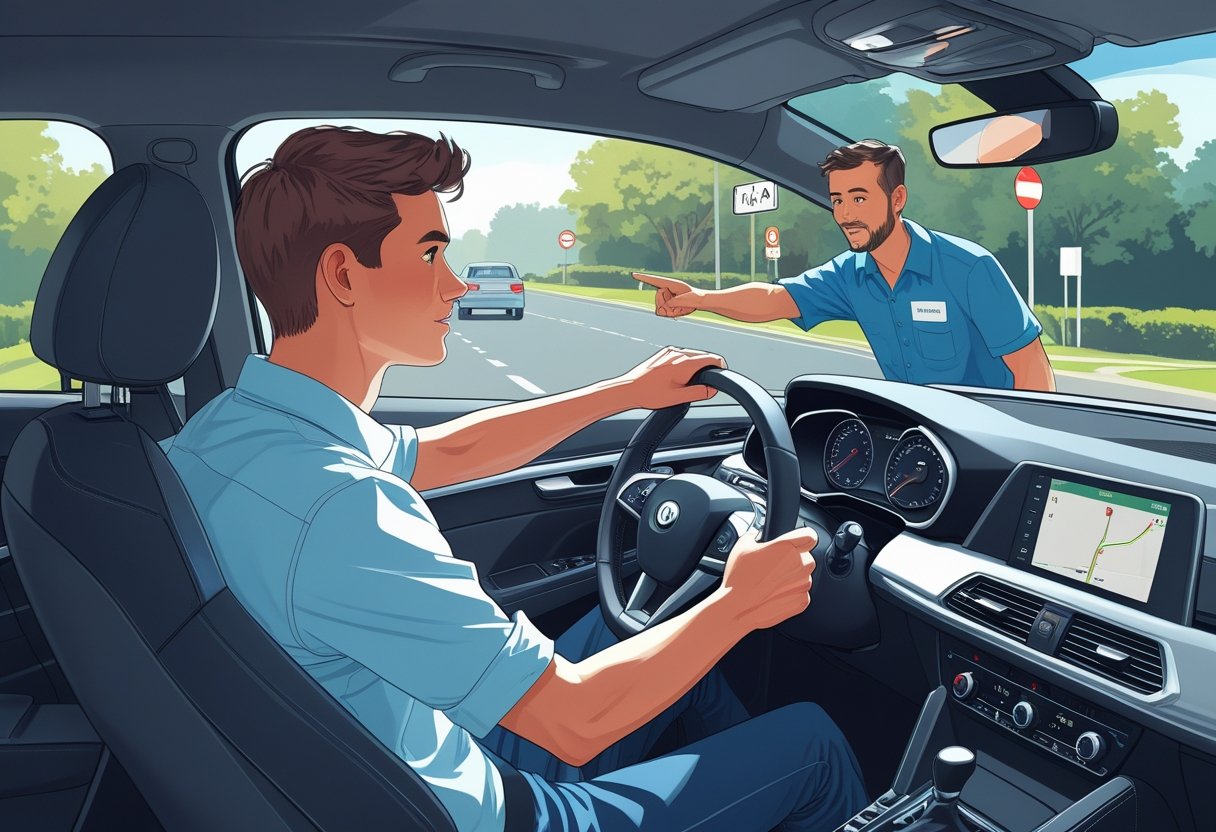
The good news is that getting your provisional licence is straightforward, and once you have it, a world of driving opportunities opens up. We understand the anticipation you’re feeling, and we’re here to guide you through everything you need to know about provisional licences and how they work.
From understanding who can supervise your practice sessions to learning about the rules that keep you safe on the road, we’ll walk you through the entire process. You’ll discover how to get your provisional licence quickly, what happens if you drive without one, and how to progress confidently towards your full driving licence.
Do You Need a Provisional Licence to Practise Driving?
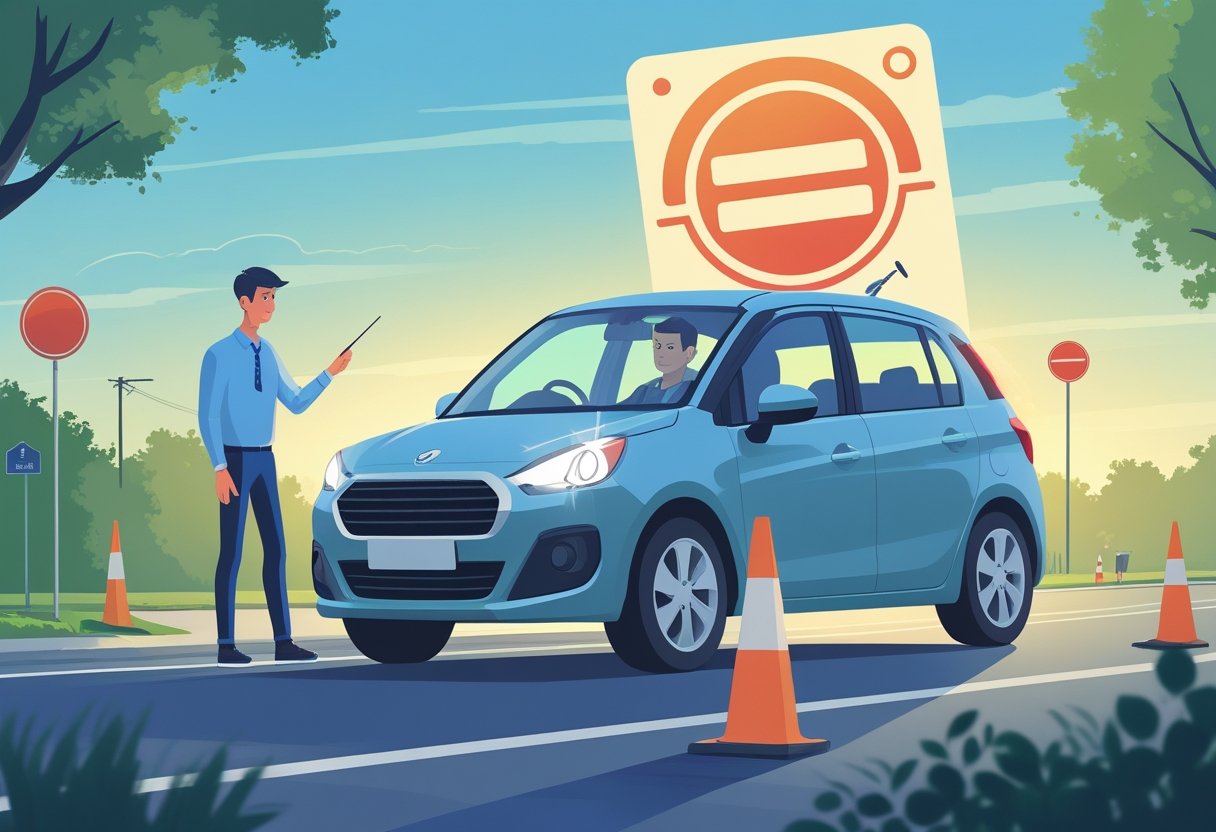
Yes, you absolutely need a provisional licence to practise driving legally on UK roads. Without this essential document, any driving practice becomes illegal and can result in serious consequences including fines, points on your future licence, and insurance complications.
Legal Requirements in the UK
The law is crystal clear about this – we cannot stress enough how important it is to get your provisional licence sorted before you even think about getting behind the wheel on public roads.
You must have a provisional driving licence to legally practise driving anywhere that isn’t private land. This isn’t just a recommendation – it’s the law, and breaking it can land you in hot water.
Here’s what the legal requirements look like:
- Minimum age: You can apply when you’re 15 years and 9 months old
- Start driving: Usually from age 17 (though there are exceptions for those with disabilities)
- Valid licence: Must be held before any road practice begins
Getting caught without a provisional licence whilst practising can result in:
- £1,000 fine
- Up to 6 penalty points on your future licence
- Your car being impounded
- Insurance becoming incredibly expensive later on
We’ve seen too many eager learners who thought they could skip this step. Don’t be one of them – the consequences simply aren’t worth the risk.
Why the Provisional Licence Matters
Think of your provisional licence as your passport to the driving world. It’s not just a piece of plastic – it’s proof that you’re legally allowed to be on the road whilst learning.
Insurance companies won’t cover you without a valid provisional licence. This means that if something goes wrong during practice, you could be facing massive bills for damage to your car, other vehicles, or worse.
Your provisional licence also serves as official identification. Driving instructors need to see it before they can teach you, and you’ll need it to book both your theory and practical tests.
Here’s what your provisional licence gives you:
- Legal permission to drive with supervision
- Ability to book theory and practical tests
- Valid form of identification
- Insurance eligibility for learner drivers
Without it, you’re essentially driving illegally, which can affect your ability to get a full licence later on. Some people don’t realise that driving offences committed before getting a full licence can still impact their driving record.
What Counts as Driving Practice
Any time you’re operating a vehicle on a public road, you’re officially “driving” in the eyes of the law. This includes seemingly harmless activities that many people don’t think twice about.
These activities all require a provisional licence:
- Moving a car from the driveway to the road
- Practising parking on residential streets
- Driving around quiet car parks that connect to public roads
- Short trips around the block with family
Even if you’re just moving the car a few metres, if any part of that journey involves public roads, you need your provisional licence. We know it might seem excessive for such short distances, but the law doesn’t make exceptions based on distance travelled.
The “public road” definition is broader than many people realise. It includes most car parks attached to shops, leisure centres, and other public venues. Only genuinely private land is exempt from these rules.
Your provisional licence must be with you whenever you’re practising. Don’t leave it at home – police can ask to see it at any time, and “I forgot it” isn’t an acceptable excuse under UK law.
Driving on Private Land
Here’s where things get a bit more flexible – you can practise on genuinely private land without a provisional licence. However, finding truly private land that’s suitable for learning can be trickier than you might expect.
Genuine private land includes:
- Large private estates (with permission)
- Some farm land (again, with permission)
- Certain racing circuits during practice sessions
- Private airfields not open to public access
Most car parks don’t count as private land, even if they’re owned by private companies. If the public can access them freely, they’re usually classified as public places for legal purposes.
Important considerations for private land practice:
- You won’t be insured without proper learner insurance
- No professional instruction available in most cases
- Limited learning value compared to real road conditions
- Still need permission from the landowner
We’d honestly recommend focusing your energy on getting that provisional licence rather than hunting for private land. The skills you’ll learn on real roads with proper supervision are infinitely more valuable than going round in circles on private property.
Plus, you’ll need your provisional licence eventually anyway to take your tests, so why not get it sorted from the start? It opens up proper driving lessons, better insurance options, and the chance to learn on the roads you’ll actually be driving on once you pass.
Who Can Supervise a Learner Driver?
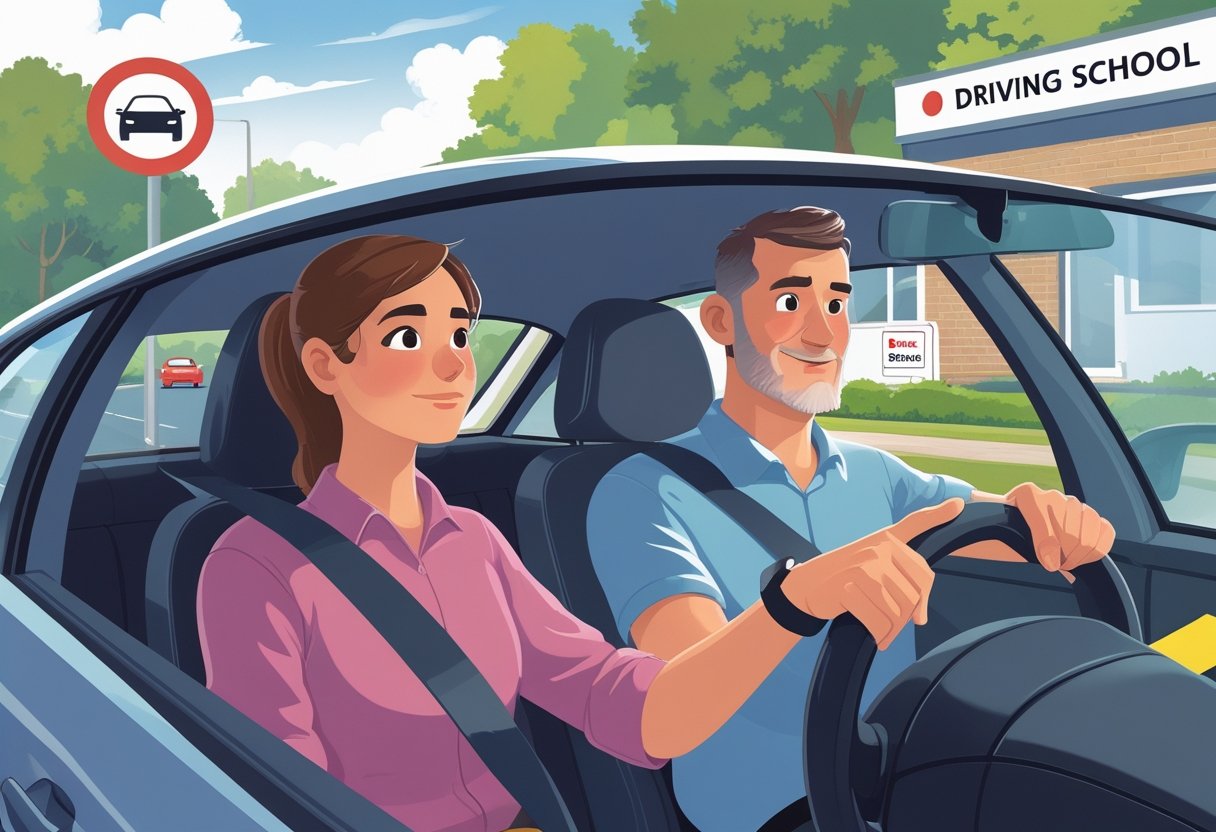
When you’re learning to drive, having the right supervision makes all the difference between safe practice and serious legal trouble. There are specific rules about who can sit beside you, and understanding these requirements will keep you on the right side of the law whilst building your confidence behind the wheel.
Supervision Rules and Criteria
The person supervising you must meet several important requirements before they can legally help you practise. They need to be at least 21 years old and hold a full driving licence for the type of car you’re learning in.
This means if you’re practising in a manual car, your supervisor must have passed their test in a manual vehicle too. An automatic-only licence holder can’t supervise manual practice sessions.
Your supervisor must have held their full licence for at least three years. This experience requirement ensures they’ve had enough time to develop solid driving skills and road awareness.
The licence must be from the UK, EU, Switzerland, Norway, Iceland, or Liechtenstein. Most importantly, they cannot be banned from driving or have any current driving restrictions.
Payment is strictly forbidden. Your supervisor cannot accept any money, not even petrol contributions. Only approved driving instructors and trainee instructors can charge for driving lessons.
We’d recommend checking that your supervisor knows the current Highway Code thoroughly. Driving rules change regularly, and what they learned years ago might be outdated.
Role of an Approved Driving Instructor
An approved driving instructor (ADI) offers professional expertise that family and friends simply cannot match. These qualified professionals have undergone rigorous training and regular testing to maintain their certification.
ADIs use dual-control vehicles, which means they can take immediate action if something goes wrong. This safety feature isn’t available in regular cars during private practice.
Only ADIs can take learner drivers on motorways. This is a legal requirement that private supervisors cannot fulfill, no matter how experienced they are.
Your driving instructor can provide valuable guidance to anyone supervising your practice. They’ll suggest when you’re ready for private sessions and what skills to focus on.
Many instructors offer special lessons for family supervisors. This helps prevent bad habits from being passed on and ensures everyone uses current techniques.
Professional instruction forms the foundation of good driving. Whilst private practice is incredibly valuable, it works best alongside regular lessons with a qualified instructor.
Full Licence Holder Responsibilities
When supervising a learner driver, the full licence holder remains legally responsible for the vehicle and any situations that arise. This is a significant responsibility that shouldn’t be taken lightly.
They must sit in the front passenger seat and stay alert throughout the entire journey. Using mobile phones, even hands-free, is strongly discouraged as it reduces their ability to react quickly.
The supervisor cannot be under the influence of alcohol or drugs. The same legal limits that apply to drivers also apply to supervisors.
They need to plan practice sessions carefully. This means choosing appropriate routes, considering weather conditions, and ensuring the learner isn’t overwhelmed by traffic or complex road layouts.
In emergency situations, the supervisor must be ready to take control. This might involve grabbing the steering wheel or, as a last resort, using the handbrake to stop the car.
Insurance arrangements are crucial. The learner must either be added to the supervisor’s policy as a named driver or have separate learner insurance that covers the vehicle being used.
Your supervisor should communicate clearly and calmly, giving directions with plenty of notice. Getting frustrated or angry doesn’t help anyone learn effectively.
Rules for Driving with a Provisional Licence
When you get your provisional licence, you’ll need to follow specific rules that keep you and other road users safe. These include displaying L plates properly, having the right insurance cover, staying off certain roads, and following all Highway Code requirements.
Displaying L Plates Correctly
Your L plates are like a badge of honour – they tell everyone you’re on your learning journey. We need to make sure they’re displayed correctly every time we get behind the wheel.
L plates must be clearly visible on both the front and back of your vehicle. They should measure 178mm by 203mm and display a red ‘L’ on a white background.
Where to position your L plates:
- Front: On the windscreen or front bumper
- Rear: On the rear windscreen or back of the car
- Both plates must be clean and undamaged
Some learners use magnetic L plates, which work perfectly fine. Just check they’re secure before each drive – you don’t want them flying off on a busy road!
Remember to remove your L plates when a fully licensed driver takes control. Driving with L plates when you’re not a learner can actually result in a fine.
Learner Driver Insurance
Getting proper learner driver insurance isn’t just a legal requirement – it’s your financial safety net. Without it, you could face unlimited costs if something goes wrong.
You have several insurance options as a provisional licence holder. You can be added to a family member’s policy, take out your own learner policy, or use temporary cover for specific lessons.
Types of learner insurance:
- Additional driver: Added to someone else’s policy
- Learner policy: Your own comprehensive cover
- Temporary insurance: Short-term cover for practice sessions
Make sure the policy covers you for learning with family or friends, not just professional instructors. Some policies have restrictions, so always check the small print.
The vehicle you’re driving must be insured for your use. Even if the car owner has insurance, it might not automatically cover learners.
Motorway and Road Restrictions
Motorways used to be completely off-limits for learners, but the rules changed in 2018. Now you can drive on motorways, but only with an approved driving instructor in a dual-control car.
This means no motorway practice with family members or friends. You’ll need to book specific motorway lessons with your instructor to gain this valuable experience.
Roads you can use:
- A-roads and dual carriageways
- Town and city streets
- Country lanes
- Motorways (instructor only)
There aren’t any other specific road restrictions for provisional licence holders. You can practise on most roads, including challenging ones like steep hills or busy roundabouts.
Just remember that some car parks and private roads might have their own rules about learner drivers.
Following the Highway Code
The Highway Code applies to everyone on the road, including provisional licence holders. We need to follow every rule, from speed limits to parking regulations.
Your supervising driver shares responsibility for ensuring you follow these rules. They can be fined or prosecuted if you break traffic laws while they’re supervising you.
Key Highway Code requirements:
- Observe all speed limits
- Follow traffic signs and signals
- Use indicators correctly
- Maintain safe following distances
- Check mirrors regularly
Some rules are particularly important for learners. Always do thorough checks before moving off, and don’t feel pressured by other drivers if you need extra time at junctions.
Your provisional driving licence doesn’t exempt you from any traffic laws. Penalty points and fines can be added to your provisional licence, potentially affecting your future full licence application.
Consequences of Driving Without a Provisional Licence
Getting caught behind the wheel without a provisional licence brings serious consequences that can affect your driving journey for years to come. You’ll face immediate fines, penalty points that follow you to your full licence, insurance complications, and potential delays to your driving test eligibility.
Penalties and Fines
The financial hit from driving without a provisional licence can be quite substantial. Courts can impose fines of up to £1,000 for this offence alone.
What makes this particularly tough is that these penalties often don’t come alone. If you’re also driving without insurance (which is likely when you don’t have a provisional licence), the fines can skyrocket to £5,000.
The courts take this seriously because driving without a licence is classified as a criminal offence. This means you’ll end up with a criminal record, which can pop up on background checks for jobs or other opportunities down the line.
Key penalty ranges:
- Basic offence: Up to £1,000 fine
- With no insurance: Up to £5,000 fine
- Criminal record: Permanent unless spent
We’ve seen cases where repeat offenders face even harsher penalties. The courts don’t look kindly on people who ignore the licensing system repeatedly.
Impact on Insurance
Here’s where things get really tricky – driving without a provisional licence typically makes your insurance completely void. Even if someone else’s policy covers the car, you won’t be protected.
This means if you’re in an accident, you become personally liable for all the damage. We’re talking about potentially thousands of pounds for vehicle repairs, medical bills, and compensation claims.
Insurance consequences include:
- Policy becomes invalid
- No cover for accidents or damage
- Personal liability for all costs
- Difficulty getting future insurance
Insurance companies also share information through databases. Getting caught driving without a licence can make it much harder and more expensive to get proper learner driver insurance later.
The financial risk here is enormous. Even a minor bump could cost you more than a year’s worth of proper insurance premiums.
Receiving Penalty Points
You’ll typically receive between 3 to 6 penalty points on your future licence when caught driving without a provisional licence. These points don’t just disappear – they carry over once you eventually get your provisional licence.
If you’re also caught without insurance, expect additional penalty points on top. This can quickly push you towards the 12-point limit that triggers an automatic ban.
Point accumulation:
- Driving without licence: 3-6 points
- No insurance: 6-8 additional points
- Total potential: Up to 14 points
Starting your driving journey with points already stacked against you puts you in a precarious position. Just one more minor offence after getting your full licence could trigger a ban under the New Driver Act.
Points stay on your record for four years, affecting insurance costs throughout that period.
Effects on Future Driving Test Eligibility
Getting caught without a provisional licence can seriously delay your path to becoming a qualified driver. Courts have the power to disqualify you from driving for a specified period.
During any disqualification period, you cannot apply for or hold a provisional licence. This means your driving lessons, theory test, and practical test all get put on hold.
Potential delays:
- Disqualification periods vary by case
- Cannot book driving test during ban
- Must wait for ban to end before starting again
- Criminal record may complicate applications
Some driving instructors may also be reluctant to take on pupils with previous convictions. This can limit your choice of instructors and potentially increase costs.
The DVSA takes a dim view of applicants with relevant criminal records. While it won’t automatically stop you getting a licence later, it can complicate the application process and require additional checks.
How to Obtain Your Provisional Driving Licence
Getting your provisional licence is straightforward once you know the steps. You’ll need to meet basic eligibility requirements, gather the right documents, and budget around £34 for the application fee.
Eligibility and Application Process
You can apply for your provisional driving licence from 15 years and 9 months old. This gives you plenty of time to get organised before your 17th birthday when you can actually start learning to drive.
Key eligibility requirements:
- Must have lived in the UK for at least 185 days in the past 12 months
- Need to be able to read a number plate from 20 metres away
- Must not be prevented from driving for medical or legal reasons
The easiest way to apply is online through the DVLA website. The whole process takes about 10 minutes if you have everything ready.
You can also apply by post using form D1, available from Post Offices or the DVLA website. Postal applications take longer to process, so we’d recommend going online if possible.
The application asks for basic details like your name, address, and National Insurance number. You’ll also need to declare any medical conditions that might affect your driving.
What Documents You’ll Need
For online applications, you’ll need a valid UK passport. The DVLA checks this electronically, which speeds up the whole process.
If you don’t have a passport, you’ll need to apply by post instead. You’ll then need to provide:
- Original identity documents (birth certificate or other accepted ID)
- Proof of address from the last three years
- A recent passport-style photograph
Important tip: Keep copies of everything you send by post. Original documents can sometimes get lost in the system.
The DVLA website has a complete list of acceptable documents. Check this carefully before applying to avoid delays or rejections.
Typical Timelines and Fees
The application fee is £34 regardless of whether you apply online or by post. This fee hasn’t changed for several years, making it quite reasonable.
Processing times:
- Online applications: Usually 1-2 weeks
- Postal applications: 2-3 weeks typically
Your provisional licence lasts for 10 years, giving you plenty of time to pass your test. Even if you don’t pass within that timeframe, you can renew it.
During busy periods, processing might take slightly longer. We recommend applying at least 3-4 weeks before you want to start learning to drive.
Once approved, your provisional licence arrives by post. Check all the details carefully when it arrives – any mistakes need correcting before you can start your driving lessons.
From Learner to Full Licence: The Next Steps
Once you’ve got your provisional licence and built confidence behind the wheel, it’s time to tackle your theory test, book your practical driving test, and make the exciting leap to full licence holder.
Preparing for the Theory Test
Your theory test is the first official hurdle on your path to driving independence. We can’t stress enough how important it is to prepare properly
The test has two parts: multiple-choice questions and a hazard perception section. You’ll face 50 questions about the Highway Code, road signs, and driving theory. You need 43 correct answers to pass.
The hazard perception test shows you 14 video clips of real driving situations. Click when you spot developing hazards, but don’t go click-happy, as you’ll be marked down for overuse.
Top preparation tips:
- Study the Highway Code thoroughly
- Use the official DVSA theory test app
- Take practice tests until you’re consistently scoring above the pass mark
- Watch hazard perception clips online to sharpen your skills
Most learner drivers need several weeks of regular study. Don’t rush this stage, a solid theory foundation makes you a safer driver and helps with your practical test too.
Booking and Taking Your Driving Test
You can book online through the DVSA website or by phone. Currently, test slots fill up quickly, so book as soon as you feel ready. Your instructor will guide you on timing, but most people need around 40-50 hours of lessons.
The test lasts about 40 minutes and includes:
- An eyesight check
- Vehicle safety questions
- Reversing manoeuvre
- Independent driving for 20 minutes
- General driving in various conditions
On test day, arrive early and bring your provisional licence and theory test certificate. Your instructor will likely drive you there use this time to stay calm and focused.
Remember, over 1.5 million people take their driving test each year. The current pass rate sits around 50%, so don’t worry if it takes a couple of attempts. Many excellent drivers didn’t pass first time!
Transitioning to a Full Driving Licence
Congratulations you’ve passed! This moment marks the beginning of your real driving adventure.
Your examiner will take your provisional licence and give you a pass certificate. This certificate lets you drive immediately while waiting for your full licence to arrive in the post. Keep it with you whenever you’re driving.
Your full driving licence should arrive within three weeks. Once it does, you can remove those L plates for good! However, consider displaying P plates for a few months they’re not mandatory but help other drivers recognise you’re newly qualified.
Important changes with your full licence:
- No more supervision required
- Can drive on motorways independently
- Can supervise other learner drivers (if you meet the criteria)
- Different insurance category, inform your insurer immediately
Take time to build confidence gradually. Consider taking a Pass Plus course or some motorway lessons with an instructor. The learning doesn’t stop here, every mile you drive teaches you something new about becoming a skilled, confident driver.
Frequently Asked Questions
New drivers often have similar questions when starting their driving journey. We’ve answered the most common concerns about provisional licences, legal requirements, and getting started safely.
What are the initial steps to take before I can start learning to drive a car?
Your driving adventure begins with getting a provisional licence from the DVLA. You can apply online or by post when you’re 15 years and 9 months old.
Once you have your provisional licence, you’re ready to book driving lessons or arrange practice sessions. Remember, you’ll need proper insurance and L-plates before you get behind the wheel.
We recommend starting with a few professional lessons to learn the basics safely. Your instructor will guide you through essential skills before you practice with family or friends.
Is it mandatory to possess any form of driving licence before I begin my driving lessons?
Absolutely – you cannot legally learn to drive without a provisional licence. This applies whether you’re taking professional lessons or practising with family members.
Your driving instructor will ask to see your provisional licence before your first lesson. Without it, they cannot legally teach you on public roads.
We know it might seem like an extra step, but your provisional licence is your ticket to legal driving practice. Don’t risk starting without one.
How does one go about obtaining the necessary documentation to drive legally for the first time?
Getting your provisional licence is straightforward through the DVLA website or local Post Office. You’ll need to provide identity documents and pay the application fee.
The online application is usually quicker, taking around one week to arrive. Postal applications can take up to three weeks, so plan ahead.
We suggest applying early so you’re ready when you want to start lessons. Keep your licence safe – you’ll need it for theory and practical tests too.
What risks am I facing if I decide to practise driving without the proper legal permissions in place?
Driving without a provisional licence carries serious consequences. You could face penalty points, hefty fines, and potential court appearances.
Your insurance won’t cover you either, leaving you liable for any damage or injury costs. This could run into thousands of pounds.
Police can seize and impound your vehicle on the spot. We’ve seen learners face driving bans before they’ve even passed their test – it’s simply not worth the risk.
Can a learner driver legally practise in a private area without holding a provisional licence?
Private land offers more flexibility, but there’s a catch. The land must be genuinely private with no public access whatsoever.
Most car parks, even private ones, still count as public places if others can access them. Your driveway or a completely enclosed private estate might qualify.
We’d still recommend getting your provisional licence first. It’s inexpensive and gives you proper legal protection wherever you practice.
What are the potential consequences for instructing a learner driver who doesn’t yet have a provisional licence?
Anyone supervising an unlicensed learner faces the same penalties as the driver. This includes fines, penalty points, and possible prosecution.
Professional driving instructors risk losing their licence to teach. Family members could see their own driving privileges affected.
We always advise checking the learner’s provisional licence before any practice session. It protects everyone involved and keeps your driving journey on track.