

Are you racing against the clock to pass your driving test in 2025, but worried about the cost of crash course driving prices? You are not alone—so many learners and parents want a quick, affordable way to get behind the wheel.
This essential guide unpacks crash course driving prices for 2025, giving you the confidence to make smart, informed decisions. We will break down what affects pricing, compare different crash course types, reveal hidden fees, and share tips for finding the best value.
Ready to save money and pass fast? Let us dive in.
What Are Crash Course Driving Lessons?
Are you considering a faster route to your driving licence in 2025? Crash course driving lessons—also known as intensive driving courses—are gaining popularity with learners who want to pass quickly and efficiently. Understanding what these courses involve is the first step to making sense of crash course driving prices and finding the right fit for your needs.
Definition and Overview
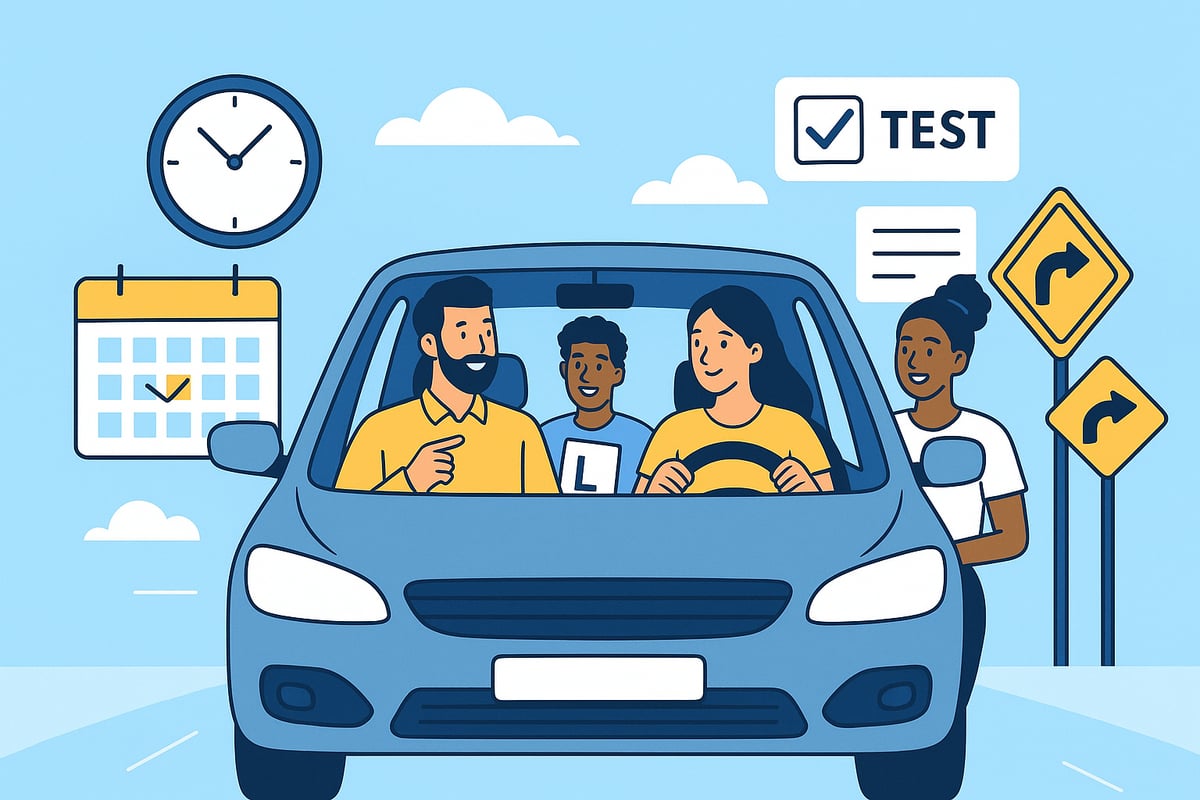
Crash course driving lessons are specially designed for learners who want to master driving skills within a short period, usually between one to two weeks. Unlike traditional weekly lessons that can stretch over several months, crash courses condense the learning process into daily sessions, often lasting several hours each.
These courses suit a variety of learners, from complete beginners to those who just need a refresher before the test. For example, a motivated student might complete all lessons and pass the practical test in just five days, compared to the typical six months with weekly lessons. If you want a more detailed breakdown of what to expect, check out this Intensive driving course guide.
Understanding the structure and pace is essential, especially when comparing crash course driving prices to other learning routes.
Types of Crash Courses Available in 2025
Crash course driving prices vary depending on the type and length of the course you choose. In 2025, you’ll find hour-based packages, usually starting from 10, 20, 30, or even 40 hours. Providers offer options for complete beginners, intermediate learners, and those looking for advanced skills.
You can select between manual and automatic transmission courses, which can impact pricing as well. Some courses are residential, meaning you stay on-site for total immersion, while others are local, allowing you to learn in your own area.
For instance, a 20-hour intensive course often covers the basics and prepares slightly experienced learners for their test, while a 40-hour course is more suitable for those starting from scratch. Each type comes with its own price tag, making it crucial to compare crash course driving prices before booking.
Who Should Consider a Crash Course?
Crash course driving prices often appeal to learners with tight deadlines or specific needs. Students and busy professionals may not have months to spare for weekly lessons. Those with prior driving experience who need a quick refresher find intensives useful, especially if a job requires a licence urgently.
Parents also look for efficient solutions to help their teens pass quickly and safely. Following the pandemic, demand for crash courses increased as learners seek to catch up after delays. If you’re looking for speed and convenience, understanding crash course driving prices can help you determine if this route fits your goals.
Pros and Cons of Intensive Driving Courses
Before committing, it’s wise to weigh the benefits and drawbacks of intensive courses. The key advantages include rapid progress, focused learning, and the potential for overall cost savings. Many find that paying upfront for a package is cheaper than spreading lessons over months.
However, intensives can feel overwhelming due to the volume of information packed into a short time. Some learners may experience pressure to perform, which isn’t ideal for everyone. Comparing pass rates, studies show that intensive courses can have similar or slightly higher success rates than weekly lessons, but individual results vary.
When assessing crash course driving prices, remember to factor in your own learning style and comfort with fast-paced environments.
Typical Structure of a Crash Course
A typical crash course involves daily driving lessons, often split into morning and afternoon sessions. Many providers integrate theory and practical lessons, giving you a comprehensive experience. Mock tests are usually included to simulate real exam conditions.
Here’s an example of a 5-day schedule:
| Day | Morning Session | Afternoon Session |
|---|---|---|
| 1 | Basics & Controls | Local Road Practice |
| 2 | Traffic Skills | Roundabouts |
| 3 | Maneuvers | Mock Theory Test |
| 4 | Advanced Practice | Mock Practical Test |
| 5 | Test Prep & Review | Driving Test |
This structure helps you stay focused and track your progress. As you compare crash course driving prices, look for courses that include mock tests, flexible scheduling, and support throughout the process.
Crash Course Driving Prices in 2025: What to Expect
Are you wondering how much you’ll need to budget for a crash course in 2025? With so many factors influencing crash course driving prices, understanding the landscape is crucial for learners and parents alike. Let’s break down the latest pricing trends, what’s included, and how to avoid hidden costs so you can make a smart investment in your driving future.
National Average Prices for Crash Courses
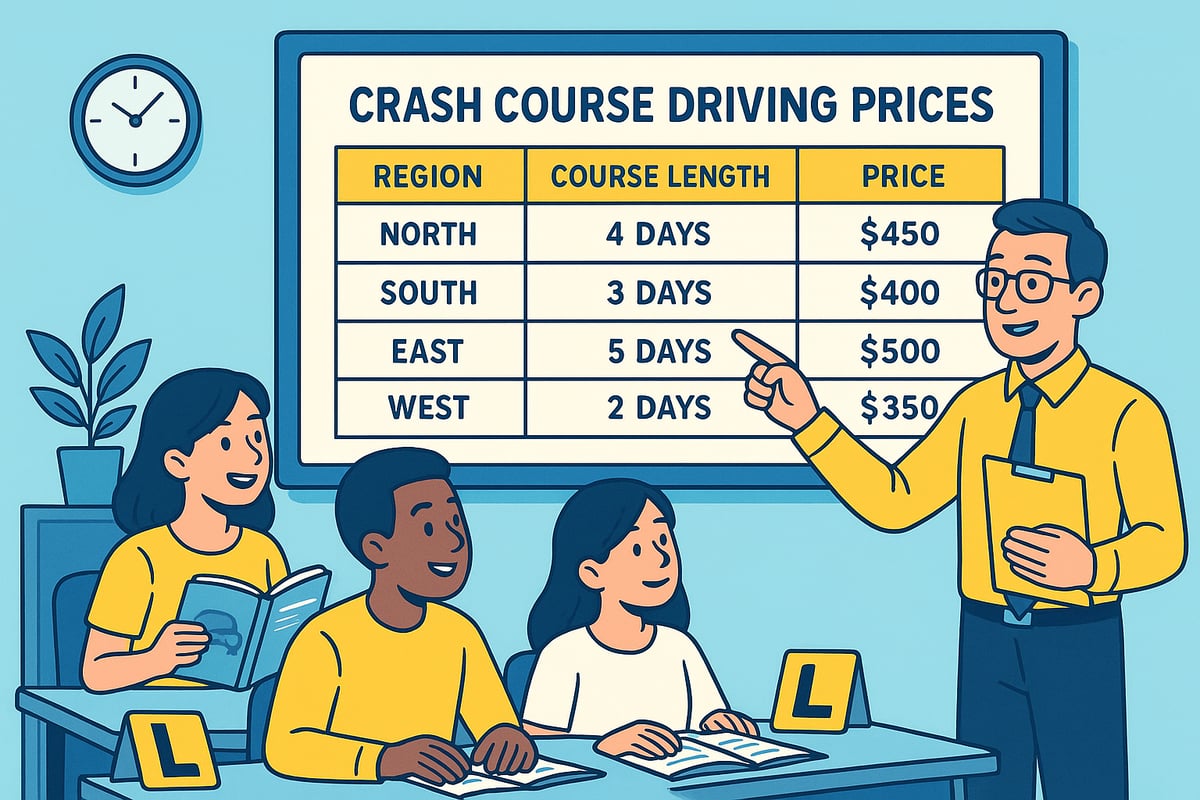
Crash course driving prices in 2025 typically range from £800 to £2,200, depending on your location, course type, and instructor experience. Over the past two years, prices have steadily increased due to higher demand and ongoing instructor shortages. For example, a 30-hour intensive course now averages around £1,450 nationwide. Factors like inflation, fuel costs, and a post-pandemic surge in learners all contribute to this trend. According to Rising Costs of Learning to Drive in the UK, these rising expenses are impacting both crash course driving prices and traditional lesson rates.
Price Breakdown by Course Length and Type
When comparing crash course driving prices, the length and type of course matter a lot. Here’s a quick look:
| Course Type | Manual (£) | Automatic (£) |
|---|---|---|
| 10-hour Refresher | 800 | 900 |
| 20-hour Beginner | 1,200 | 1,350 |
| 30-hour Standard | 1,450 | 1,600 |
| 40-hour Advanced | 1,800 | 2,000 |
Automatic courses usually cost more than manual, and refresher courses are typically cheaper than beginner options. For example, a 20-hour manual course might cost £1,200, while the automatic version could be £1,350. Always check what’s included in the price to avoid surprises.
Regional Price Variations Across the UK
Crash course driving prices can vary dramatically depending on where you live. London and the South East are the most expensive, with a 30-hour intensive course costing up to £1,800. In contrast, learners in Manchester or Glasgow might pay closer to £1,300 for the same package. Urban areas often have higher prices due to instructor demand and higher operating costs, while rural locations may offer more competitive rates. Always compare local providers to find the best value in your area.
What’s Included in the Price?
Before booking, it’s important to know exactly what crash course driving prices cover. Most courses bundle tuition hours, test booking fees, learning materials, and even pick-up and drop-off services. Some packages include mock tests and access to online learning resources. However, theory test fees and retest costs are often excluded. Always ask for a detailed breakdown so you know what you’re paying for and can budget for any extras.
Hidden Fees and Extra Costs to Watch For
Crash course driving prices can sometimes hide extra costs. Watch out for last-minute booking surcharges, weekend or holiday lesson premiums, and charges for rescheduling. Retest fees and additional lessons if you need more practice can also add up. For example, some learners have reported paying unexpected fees of £100 or more for urgent test bookings or late cancellations. Reading the fine print and asking questions upfront can help you avoid these costly surprises.
Key Factors Influencing Crash Course Driving Prices
Crash course driving prices in 2025 can vary widely, even between learners booking similar courses. What actually drives these differences? Let’s break down the main factors you need to know before committing your time and budget.
Instructor Qualifications and Experience
One of the most significant factors affecting crash course driving prices is the instructor’s qualifications and track record. DVSA-approved instructors, for example, often charge more than independent or newly qualified instructors. Why? Their expertise, higher pass rates, and established reputations make them a top choice for many learners.
Consider this: some top-rated instructors may charge £50–£70 more per course compared to less experienced ones. This premium can be worthwhile if you value a structured, high-success approach. Always check an instructor’s credentials and reviews before booking, as this can directly impact your learning experience and the price you pay for your course.
Course Customization and Flexibility
Crash course driving prices also reflect how much a provider tailors the course to your needs. Some companies offer fixed lesson schedules, while others provide customized plans for nervous drivers, shift workers, or those who need flexible hours.
Flexible options usually come at a higher price. For example:
- Custom lesson times
- Extra support for anxious learners
- One-to-one tuition rather than group sessions
A tailored approach ensures the course fits your lifestyle, but it’s wise to weigh the benefits against the extra cost. If you have unique requirements, expect your crash course driving prices to be a bit higher than standard packages.
Location and Test Centre Demand
Where you take your crash course matters. Urban areas like London or Birmingham often have higher crash course driving prices due to increased demand, longer waiting lists, and higher instructor costs. In contrast, rural or less busy regions may offer lower rates and more flexible scheduling.
Test centre popularity is another key factor. High-demand centres may add a premium for fast-track test dates or preferred time slots. For a detailed breakdown of regional price differences and extra costs, see this Comprehensive Guide to UK Driving Lesson Expenses.
When comparing providers, always check if your local test centre’s demand could impact your final price.
Time of Year and Booking Lead Time
Crash course driving prices can change with the seasons. Summer months, especially around school holidays, tend to see price spikes because more learners are booking at once. Similarly, booking at the last minute can cost more, as providers charge premiums for quick turnaround or weekend slots.
Here’s a quick comparison:
| Time of Year | Typical Price Impact |
|---|---|
| January–March | Lower (off-peak deals) |
| April–August | Higher (peak demand) |
| September–December | Moderate |
Booking early is the best way to secure lower crash course driving prices and your preferred schedule.
Additional Support and Resources
Some providers include extra resources in their packages, which can influence crash course driving prices. These may include:
- Access to online theory training
- Personal progress tracking apps
- Additional mock tests
- One-to-one coaching sessions
While these extras can boost your confidence and pass rate, they can also add £50–£200 to your total cost. Decide which add-ons are essential for your learning style, and always check if they’re included or optional when comparing crash course driving prices.
How to Choose the Best Crash Course for Your Budget
Finding the right crash course for your budget can feel overwhelming, but breaking it down step by step makes it manageable. Here’s how to make sure you get the best value from crash course driving prices in 2025, without sacrificing quality or success.
Assessing Your Driving Experience and Needs
Start by honestly evaluating your driving background. Are you a complete beginner or have you had a few lessons already? This step is crucial for matching your needs to the right crash course driving prices.
If you’re new to driving, you’ll likely need a longer course, such as a 40-hour package. Those with some experience might opt for 20 or 30 hours. Don’t overestimate your abilities—choosing a course that’s too short could lead to extra costs later.
Consider your learning style and confidence level. Nervous drivers may benefit from additional hours or tailored support. Matching your experience to the right course length helps you avoid unnecessary spending and ensures you’re fully prepared for your test.
Comparing Course Providers and Packages
With so many providers, comparing crash course driving prices and packages is essential. Look for reputable schools with strong reviews, clear pricing, and pass rate transparency.
Use a checklist:
- Is the provider DVSA-approved?
- Are pass rates and reviews available?
- What’s included in the package (test fees, materials, pick-up/drop-off)?
- Are there guarantees or free retests?
For a side-by-side look at costs and course structures, check out this Standard vs Intensive UK Driving Courses Comparison. Comparing options helps you spot value and avoid hidden extras.
LPOD Academy: A Leading Intensive Driving Course Provider
LPOD Academy stands out for its nationwide reach and flexible crash course driving prices. Their packages cater to beginners, intermediates, and those needing a refresher, with both manual and automatic options.
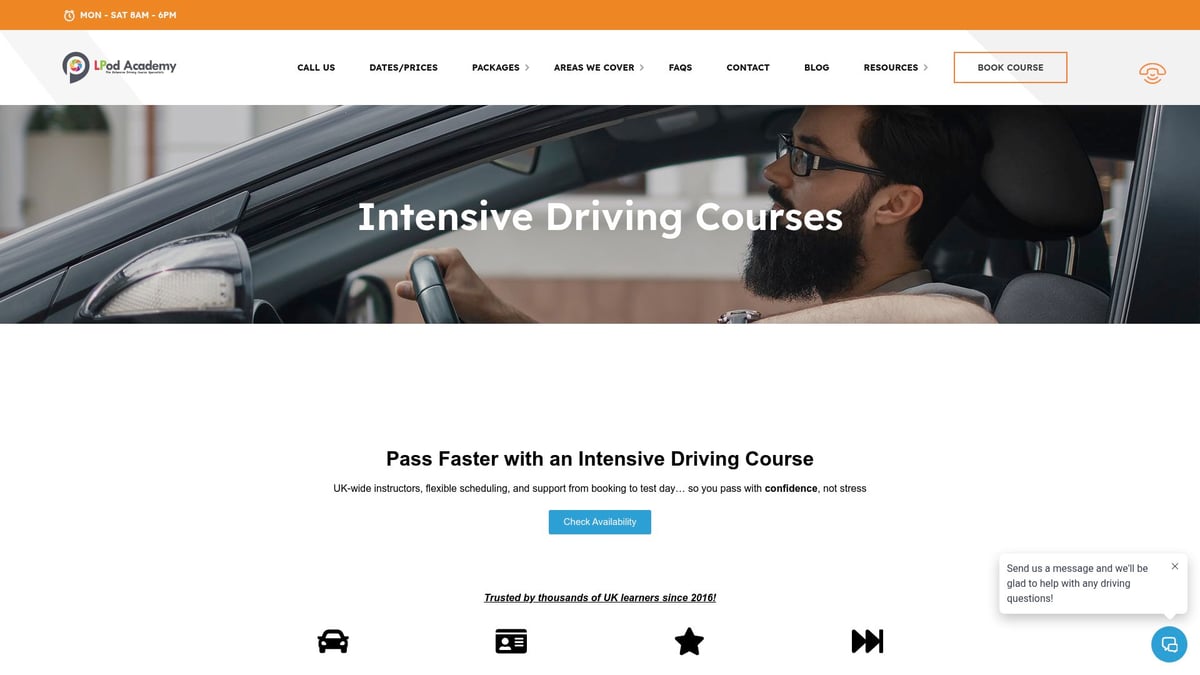
What sets LPOD Academy apart? Fast-track test booking, comprehensive support, and transparent pricing. Thousands of learners have trusted them since 2016, thanks to their clear communication and tailored lesson plans.
LPOD Academy’s online tools make it easy to budget, compare packages, and track your progress. With their support, you can feel confident you’re investing wisely in your driving future.
Booking Strategies to Save Money
Want to get the best crash course driving prices? Consider these money-saving tips:
- Book early to access discounts and better availability.
- Choose off-peak times (midweek, low season) for lower rates.
- Ask about group or referral discounts.
- Compare multiple providers for seasonal offers.
For example, one learner saved £200 by booking a January course instead of waiting until summer. Planning ahead lets you take advantage of deals and avoid last-minute surcharges.
Reading the Fine Print: Avoiding Pitfalls
Before booking, always read the terms and conditions. Some providers have strict cancellation or refund policies, while others may charge hidden fees for rescheduling or extra lessons.
Check that your crash course driving prices include the driving test fee, learning materials, and mock tests. Ask for a full breakdown of what’s included and excluded to avoid surprises.
Learners have reported unexpected costs when not clarifying details upfront. Protect your budget by getting everything in writing and understanding policies before you commit.
Questions to Ask Before Booking
Before you lock in your course, ask these key questions to ensure you’re getting the best crash course driving prices and value:
- What exactly is included in the price?
- Are all instructor qualifications DVSA-approved?
- What are your pass rates for intensive courses?
- Is the test centre local and available on your preferred date?
- What are the cancellation and refund policies?
- Are there any extra fees for weekends or retests?
Asking the right questions upfront helps you make an informed decision and gives you peace of mind as you start your driving journey.
Step-by-Step Guide: Booking and Preparing for a Crash Course in 2025
Booking and preparing for an intensive driving course can feel overwhelming, especially with the variety of providers and crash course driving prices to consider. This guide breaks the process into clear, manageable steps so you can focus on passing your test quickly and confidently.
Step 1: Research and Shortlist Providers
Start by searching for reputable intensive driving course providers in your area. Look for companies with strong reviews, high pass rates, and transparent crash course driving prices.
Read testimonials on platforms like Trustpilot or Google to get real feedback from past students. Make a shortlist of 2–3 providers who meet your standards and offer the course structure you prefer. Comparing feedback can save you from hidden fees and disappointing experiences.
Use comparison tables to jot down features such as pricing, inclusions, and test booking guarantees. For more booking insights and understanding recent price trends, check out Booking a course during the pandemic.
Step 2: Assess Your Readiness and Book a Course
Before booking, honestly evaluate your driving experience. Are you a complete beginner, or do you just need a refresher? This will influence the type of course and crash course driving prices you should expect.
Take a mock theory test online and, if possible, speak with instructors to determine the ideal course length. Booking online is usually the fastest option, but some providers offer phone consultations for personalized advice.
Remember, booking early can secure better dates and sometimes lower prices, especially with intensive courses in high demand.
Step 3: Confirm Course Details and Schedule
Once you’ve booked, clarify every detail to avoid surprises with crash course driving prices. Confirm your lesson schedule, start and end times, and whether pick-up and drop-off are included.
Make sure you know your test date and which test centre you’ll use. Ask about the daily lesson structure and whether mock tests are part of the package. For those needing urgent test slots, review Quick test date tips to help you secure the earliest possible dates and understand any fast-track fees.
Step 4: Prepare for Your Lessons
Preparation is key to making the most of your investment in crash course driving prices. Gather all required documents, like your provisional licence, and double-check the start location.
Set aside time to review theory materials and brush up on road signs or manoeuvres. If you’re in work or school, arrange for time off to fully focus on your lessons. Being organized now leads to a smoother, less stressful experience later.
Step 5: Maximize Your Learning During the Course
During your course, stay focused by taking notes after each lesson and asking questions whenever you’re unsure. Intensive learning can be demanding, but it’s the most effective way to get value from crash course driving prices.
If possible, supplement your lessons with private practice in a family car. Use mock tests to build your confidence, and remember to rest well between sessions. Short breaks help you absorb new information and stay sharp on the road.
Step 6: Test Day and Beyond
On test day, bring all necessary paperwork and arrive early to reduce stress. Remember, your crash course driving prices often cover the first practical test, but retests may incur extra charges.
Stay calm, follow your instructor’s advice, and trust your preparation. If you pass, celebrate and start looking into insurance options. If not, ask your provider about additional lessons or retest fees, and use your feedback to improve for next time.
Frequently Asked Questions About Crash Course Driving Prices
Navigating crash course driving prices can be confusing, especially with changing trends and so many options available. Below, we answer the most common questions to help you make sense of the costs and value of intensive driving courses in 2025.
Are Crash Course Driving Lessons More Expensive Than Traditional Lessons?
Many people wonder if crash course driving prices are higher than traditional lessons. Let's break it down. Intensive courses usually have a higher upfront cost, but since lessons are condensed, the total amount spent can be similar or even less. For example:
| Course Type | Average Total Cost | Weeks to Complete |
|---|---|---|
| Crash Course | £1,200 | 1-2 |
| Traditional Weekly | £1,400 | 20-30 |
While crash course driving prices may seem steep at first, you often save on extra weeks of lessons and get on the road faster. According to UK Driving Test Pass Rates in 2025, intensive learners also enjoy competitive pass rates. Always compare total costs, not just hourly rates.
How Far in Advance Should I Book a Crash Course?
Booking early is key if you want the best crash course driving prices. Most reputable providers recommend reserving your spot at least 2-3 months ahead, especially during busy times like summer holidays. Fast-track options are available for urgent needs, but these often come at a premium.
For example, booking three months in advance could secure a 10 percent discount, while last-minute bookings might cost you up to £200 more. Planning ahead gives you more flexibility in choosing your preferred instructor, course dates, and even test centre location.
Do All Crash Course Prices Include the Driving Test Fee?
Not all crash course driving prices include your practical driving test fee. Some providers offer all-inclusive packages where the fee is covered, while others list it as an extra cost. Always double-check the breakdown before booking.
Ask for a clear list of what's included: tuition hours, mock tests, materials, and test booking. If the test fee is not included, you may need to budget an extra £62 for the practical test. Leading providers often highlight this detail upfront to help you avoid surprises.
What Happens If I Don’t Pass First Time?
If you do not pass your test on the first try, crash course driving prices can increase due to retest fees and extra lessons. Retest fees typically range from £62 to £85, depending on the test centre and provider policies.
Some companies offer discounted rates for additional lessons, while others require you to book a separate package. It's wise to ask about pass guarantee options or retest support before enrolling. This way, you can budget for every scenario and avoid unexpected costs down the road.
Can I Get a Refund If I Cancel My Crash Course?
Refund policies for crash course driving prices vary between providers. Standard practice is a partial refund if you cancel with enough notice, but many companies have non-refundable deposits. Some may deduct admin fees or charge more if you cancel close to your start date.
Always read the terms and conditions carefully. Compare policies from different providers before committing, and ask about refund timelines and any exceptional circumstances that might apply. This ensures you will not be caught off guard if your plans change.
Are Intensive Courses Suitable for Nervous Drivers?
Intensive courses can be suitable for nervous drivers, but it depends on your learning style and support needs. The fast pace may feel overwhelming at first, but many providers offer tailored packages for anxious learners, including extra one-to-one support or flexible schedules.
Crash course driving prices for these specialized options might be slightly higher, but the focused attention can boost your confidence and increase your chances of passing. If you are unsure, look for providers with positive reviews from nervous drivers and ask about their experience with intensive formats.
Now that you know exactly what to expect from crash course driving prices in 2025 and how to spot the best value, the next step is all about taking action that fits your goals and budget. LPOD Academy makes it easy for you to find a course that matches your experience, schedule, and learning style, with transparent prices and nationwide coverage. Whether you want to pass quickly or need a bit more support, there’s a tailored option waiting for you. Ready to take the wheel on your journey to driving success? Choose A Course That's Right For You!