

Drink-Driving Limits and Consequences for Learner Drivers: UK Laws Explained
Learning to drive comes with many rules to follow, and understanding drink-driving limits is absolutely crucial for your safety and your future. Learner drivers and their supervisors must follow the exact same alcohol limits as fully licensed drivers, with no exceptions or special allowances for inexperienced drivers. This means that as a learner, you’re held to the same legal standards from day one.
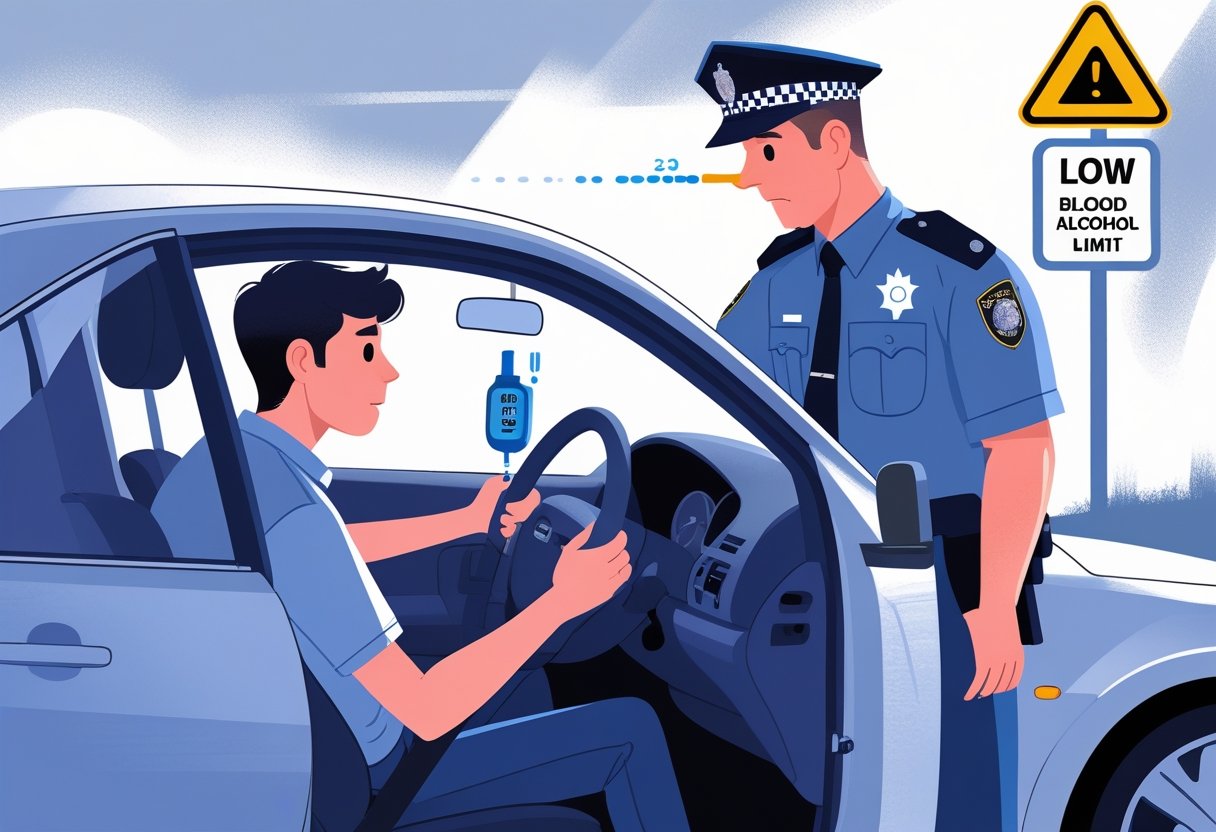
The consequences of drink-driving as a learner can be particularly devastating because you haven’t even earned your full licence yet. We’ll explore how alcohol affects new drivers differently, what happens if you’re caught over the limit, and how a conviction can impact your insurance costs and job prospects for years to come.
Most importantly, we want to help you make informed choices that keep you safe and protect your driving future. From understanding the specific limits in your area to recognising how various factors affect alcohol absorption, this guide will give you the knowledge you need to stay on the right side of the law whilst building your confidence behind the wheel.
Understanding Drink-Driving Limits for Learner Drivers
Learner drivers face the same strict alcohol limits as qualified drivers, with no special exemptions or different rules. The legal limits vary between different parts of the UK, and many driving schools recommend a complete zero-tolerance approach during the learning process.
UK Legal Alcohol Limits for Learners
We need to be crystal clear about this: learner drivers must follow exactly the same drink-driving limits as fully qualified drivers. There’s no separate category or special consideration just because you’re learning.
The legal limits apply to anyone behind the wheel, whether you’ve got a provisional licence or you’ve been driving for decades. If you’re caught over the limit whilst learning, you’ll face the same serious consequences as any other driver.
Here’s what the law says about alcohol limits:
| Measurement Type | England, Wales & Northern Ireland | Scotland |
|---|---|---|
| Breath | 35 micrograms per 100ml | 22 micrograms per 100ml |
| Blood | 80 milligrams per 100ml | 50 milligrams per 100ml |
| Urine | 107 milligrams per 100ml | 67 milligrams per 100ml |
Your supervising driver must also stay within these limits. If they’re over the limit, they can’t legally supervise you, and both of you could face serious penalties.
Regional Differences: England, Wales, Northern Ireland and Scotland
Scotland has much stricter drink-driving limits than the rest of the UK. This creates an important distinction that every learner driver needs to understand.
In Scotland, the limits are significantly lower. The breath limit is 22 micrograms per 100ml compared to 35 micrograms in England, Wales, and Northern Ireland. This difference means that even small amounts of alcohol could put you over the legal limit north of the border.
If you’re learning to drive in Scotland or planning to drive there, the stricter limits mean you have even less room for error. What might be legal in England could land you in serious trouble in Scotland.
These regional differences stay in place whether you’re a learner or experienced driver. The location where you’re driving determines which limits apply, not where your licence was issued.
Zero-Tolerance Policies Explained
Many driving instructors and schools recommend a complete zero-tolerance approach to alcohol when you’re learning to drive. This means no alcohol at all before getting behind the wheel.
Here’s why this makes sense for learner drivers. Your coordination, reaction times, and decision-making skills are already being challenged as you learn new techniques. Adding any amount of alcohol into the mix creates unnecessary risks.
We can’t tell you exactly how many drinks equal the legal limit because it varies for each person. Your weight, age, metabolism, and what you’ve eaten all affect how alcohol impacts you.
The safest approach? Don’t drink anything alcoholic before driving lessons or practice sessions. This removes all guesswork and keeps you well within legal limits while you focus on developing your driving skills.
Remember, your supervising driver should follow the same zero-tolerance approach. They need sharp reflexes and clear judgment to guide you safely through your learning journey.
How Alcohol Affects New and Inexperienced Drivers
New drivers face double the risk when alcohol enters the picture. Their developing skills combined with alcohol’s effects create dangerous situations that experienced drivers might navigate more safely.
Impact on Reaction Times and Judgement
Alcohol hits new drivers harder than seasoned motorists because they’re still building their driving instincts. When we’re learning to drive, our brains work overtime processing road information.
Even small amounts of alcohol slow down this already demanding process. Your reaction time increases significantly. That split second needed to brake for a child chasing a ball becomes two or three seconds.
Key effects include:
- Delayed response to traffic signals
- Poor distance judgement when overtaking
- Reduced ability to multitask (checking mirrors whilst turning)
- Overconfidence in risky situations
We’ve seen countless cases where new drivers misjudge simple manoeuvres after drinking. A roundabout that seemed straightforward becomes confusing. Parking spaces appear larger than they actually are.
Your peripheral vision narrows too. This tunnel vision means you miss cyclists, pedestrians, or cars in adjacent lanes.
The Hidden Dangers of Low Alcohol Tolerance
Young drivers often underestimate how alcohol affects them personally. We can’t stress this enough: your tolerance is likely much lower than you think.
Body weight, food intake, and metabolism all influence how alcohol hits you. A pint that barely affects a 14-stone adult male could put a 9-stone female over Scotland’s limit.
Factors that increase alcohol’s impact:
- Age: Younger bodies process alcohol differently
- Experience: Less familiarity with alcohol’s effects
- Body composition: Higher fat-to-muscle ratios retain alcohol longer
- Medication: Many common medicines amplify alcohol’s effects
The morning after poses particular risks. You might feel fine but still be over the limit. Alcohol stays in your system roughly one unit per hour, regardless of coffee or cold showers.
We often hear: “I only had two drinks hours ago.” Unfortunately, time doesn’t work that way with alcohol processing.
Statistics on Young and Learner Driver Accidents
The numbers tell a sobering story about drink-driving amongst new drivers. Drivers with less than two years’ experience are twice as likely to be involved in alcohol-related accidents.
In 2025, over 55,000 UK drivers were caught over the limit. Shockingly, 20% were under 25 years old.
Age-related crash statistics:
- 17-19 year olds: 4x more likely to crash after drinking
- 20-24 year olds: 3x more likely than drivers over 30
- Weekend nights account for 60% of young driver drink-drive incidents
Fatal accidents involving young drink-drivers often happen on familiar roads. Overconfidence combines dangerously with impaired judgement.
The consequences extend beyond the immediate crash. Young drivers face automatic licence revocation, meaning you’ll restart as a learner. Insurance premiums can increase by 150%, often making driving unaffordable for years.
These aren’t just statistics. Each number represents lives changed forever, families devastated, and promising futures derailed by one poor decision.
Immediate Consequences of Exceeding the Limit
When the police suspect drink-driving, they’ll conduct roadside breath tests that lead to immediate arrests if you’re over the limit. Refusing these tests carries the same penalties as being caught over the limit, making cooperation your only real option.
Police Roadside Checks and Breath Testing
Police can stop any driver and request a breath test without needing specific suspicion of drink-driving. They often set up checkpoints during peak times like weekend evenings or bank holidays.
The roadside breathalyser gives an initial reading. If you’re over the limit, officers will arrest you immediately. There’s no negotiation or second chances at this stage.
Common testing situations include:
- Random vehicle stops
- Routine traffic violations
- After road accidents
- Following reports from other drivers
Officers must follow proper procedures during testing. They’ll explain what’s happening and your legal obligations. The roadside test takes just minutes, but the results can change your life instantly.
If the device shows you’re over the limit, you’ll be handcuffed and taken to the police station. Your vehicle will likely be impounded, leaving you stranded regardless of the final outcome.
What Happens After Failing a Breathalyser
Once arrested, we’re taken to the police station for a more accurate breath, blood, or urine test. This evidential test determines the exact alcohol level that courts will use for sentencing.
You’ll be processed like any criminal suspect. This includes having your photo taken, fingerprints recorded, and personal belongings stored. The custody sergeant explains your rights, including access to legal advice.
The booking process involves:
- Personal details recorded
- Medical assessment
- Right to phone call
- Solicitor contact offered
The evidential breath test uses a more sophisticated machine than roadside devices. You’ll provide two samples, and the lower reading becomes your official result. This number directly affects your sentence severity.
Most people are released on bail after several hours. You’ll receive a court date, typically within 4-6 weeks. Your driving licence gets confiscated, and you cannot drive until the court case concludes.
Refusing a Test: Risks and Realities
Refusing to provide breath, blood, or urine samples carries identical penalties to drink-driving convictions. The law assumes refusal indicates guilt, making this strategy completely counterproductive.
Valid refusal reasons are extremely limited:
- Serious medical conditions affecting breathing
- Prescribed medications preventing sample provision
- Physical disabilities making compliance impossible
Courts rarely accept refusal excuses. Claiming you’re too drunk to understand isn’t a valid defence. Fear of needles doesn’t excuse blood test refusal either.
If you refuse the evidential test, police will charge you with “failing to provide a specimen.” This offence carries the same 12-month minimum driving ban as drink-driving itself.
Refusal also eliminates any technical defence opportunities. Challenging breathalyser accuracy becomes impossible when you haven’t provided samples. You’re essentially guaranteeing conviction whilst gaining nothing in return.
The magistrates will assume you refused because alcohol levels were extremely high. This often results in harsher sentences than if you’d simply provided the samples originally requested.
Legal Penalties and Ongoing Consequences
Drink-driving convictions bring serious immediate penalties including fines up to £2,500, driving bans lasting months or years, and potential prison sentences. These consequences extend far beyond court proceedings, permanently affecting your driving record and future opportunities.
Fines, Driving Bans, and Imprisonment
The courts take drink-driving seriously, and the penalties reflect this stance. If you’re found in charge of a vehicle whilst over the limit, you could face up to 3 months in prison and fines reaching £2,500.
Driving or attempting to drive carries much harsher consequences. You’re looking at:
- Up to 6 months imprisonment
- Unlimited fines
- Minimum 1-year driving ban (3 years for repeat offenders within 10 years)
Refusing to provide a specimen for testing results in identical penalties to actual drink-driving. The law treats refusal as seriously as being over the limit.
We cannot stress enough how devastating the most serious charge can be. Causing death by careless driving under the influence can result in life imprisonment, unlimited fines, and a minimum 5-year ban.
Even first-time offenders typically receive substantial bans. Courts rarely show leniency, particularly given the serious safety risks involved.
Penalty Points and Licence Revocation
Drink-driving convictions don’t just add penalty points to your licence. They result in complete disqualification from driving for the periods mentioned above.
For learner drivers, this means starting your journey over again. Your provisional licence becomes invalid during the ban period, and you’ll need to reapply when it ends.
High-risk offenders face additional hurdles. If you’re convicted with very high alcohol readings or repeat offences, you won’t automatically get your licence back.
You’ll need to:
- Pay substantial DVLA fees
- Complete medical assessments
- Possibly retake your theory and practical tests
The process can take months and cost hundreds of pounds beyond the original penalties.
How a Conviction Affects Your Driving Record
A drink-driving conviction stays on your driving record for 11 years. This creates long-term consequences that extend well beyond your initial ban period.
Insurance costs will skyrocket when you’re eventually allowed back on the road. Many insurers refuse to cover drivers with drink-driving convictions, whilst others charge premiums three to five times higher than standard rates.
Your employment prospects may suffer significantly. Many jobs requiring driving become unavailable, and employers often view drink-driving convictions unfavourably even for non-driving roles.
International travel becomes complicated too. Countries like the USA may refuse entry to visitors with drink-driving convictions, potentially affecting holidays and career opportunities for years to come.
These lasting effects make the initial decision to drink and drive one with consequences that ripple through your life long after any ban ends.
Insurance and Employment Impacts After a Conviction
A drink-driving conviction creates financial and professional challenges that extend far beyond your initial penalty. Insurance premiums soar dramatically, and certain career paths may become blocked or restricted.
How Drink-Driving Affects Car Insurance
Your insurance costs will jump significantly after a drink-driving conviction. Most insurers classify you as a high-risk driver, which means they’ll either refuse to cover you or charge much higher premiums.
We’ve seen cases where premiums increase by 300% to 500% compared to standard rates. Some drivers pay £3,000 to £5,000 annually for basic cover after a conviction.
The conviction stays on your insurance record for 11 years from the conviction date. During the first five years, the impact is most severe. After this period, you’ll gradually see some improvement in premium costs.
Many mainstream insurers won’t touch drivers with drink-driving convictions. This leaves you with fewer options and less bargaining power when shopping for cover.
Key factors affecting your premium:
- Your original alcohol reading
- Whether you caused an accident
- Any additional charges (like dangerous driving)
- Your age and driving history
Searching for Specialist High-Risk Policies
Finding insurance after a drink-driving conviction requires patience and research. Standard comparison websites often won’t show suitable policies, so you’ll need specialist brokers.
High-risk insurance brokers work specifically with convicted drivers. They have relationships with insurers who accept these cases. We recommend getting quotes from at least three different specialists.
Popular specialist insurers include:
- Adrian Flux
- Equity Red Star
- Performance Direct
- Go Girl
You’ll typically need to provide detailed information about your conviction. This includes court documents, your exact alcohol reading, and any other circumstances surrounding the offence.
Some policies require additional conditions like alcohol monitoring devices or restricted driving hours. These can help reduce your premium but limit your freedom.
Consider paying annually rather than monthly if possible. Monthly payment plans often include hefty interest charges that make high premiums even more expensive.
Long-Term Effects on Jobs and Professional Licences
A drink-driving conviction can seriously impact your career prospects, especially in certain professions. Many employers now conduct criminal record checks, even for roles that don’t involve driving.
Professions most affected include:
- Teaching and education
- Healthcare workers
- Legal professionals
- Financial services
- Transport and logistics
- Emergency services
If your job requires a DBS check (Disclosure and Barring Service), your conviction will appear for several years. Enhanced DBS checks show all convictions permanently.
Professional bodies may take disciplinary action against their members. Teachers, solicitors, accountants, and medical professionals often face additional sanctions or restrictions on their practice.
Driving-related jobs become nearly impossible during your ban period. Delivery drivers, sales representatives, and taxi drivers typically lose their employment immediately.
Some employers have specific policies about criminal convictions. You may need to declare your conviction when applying for new positions or face disciplinary action at your current job.
The conviction becomes “spent” after five years for standard checks, but some employers can still access this information for sensitive roles. This affects your job prospects well beyond your driving ban period.
Making Safer Choices: Staying Within the Law
The smartest approach is avoiding alcohol completely when you’re planning to drive, as even small amounts can affect your reactions and put your licence at risk. Smart planning with designated drivers and alternative transport options keeps you safe whilst letting you enjoy social activities.
Why Even Small Amounts of Alcohol Aren’t Worth the Risk
We can’t stress this enough: there’s no safe amount of alcohol when you’re behind the wheel as a learner driver. Your body processes alcohol differently based on your weight, what you’ve eaten, and how tired you are.
Even one drink can slow your reaction times. This matters hugely when you’re still building your driving skills and confidence on the road.
The legal limits exist, but they’re maximum thresholds, not targets to aim for. In England, Wales, and Northern Ireland, the limit is 35 micrograms per 100 millilitres of breath. Scotland’s limit is lower at 22 micrograms.
Here’s what makes it risky for learners:
- Your driving skills are still developing
- You need sharper focus than experienced drivers
- Penalties are more severe and can end your driving journey before it starts
- Insurance costs skyrocket after drink-driving convictions
We’ve seen too many promising driving careers cut short by poor decisions. The consequences last for years, affecting job prospects and independence.
Designated Driver and Alcohol-Free Alternatives
Planning ahead with a designated driver system works brilliantly for keeping everyone safe. This person stays completely alcohol-free for the entire evening and takes responsibility for getting everyone home safely.
Rotate the responsibility fairly:
- Take turns being the designated driver in your friend group
- The sober driver gets free soft drinks at most pubs and restaurants
- Everyone else can chip in for the driver’s meal or cinema ticket
We love seeing groups that make being the designated driver feel special rather than a chore. Some places offer designated driver cards with discounts and perks.
Alcohol-free alternatives are getting better:
- Low and no-alcohol beers and cocktails taste great now
- You’ll still feel part of the social atmosphere
- You’ll save money and avoid hangovers too
Remember, being the responsible one in your group shows real maturity. Your friends will respect you for keeping everyone safe.
Planning Nights Out Without Driving
Smart planning transforms your social life without limiting your fun. We recommend sorting transport before you even choose where to go.
Public transport options:
- Check last train and bus times before heading out
- Download transport apps for real-time updates
- Keep some cash for backup taxi fare
Ride-sharing and taxis work well:
- Book in advance for busy nights like New Year’s Eve
- Share costs by travelling with friends
- Many apps let you track your driver’s arrival
Stay local when possible:
- Choose venues you can walk to safely
- Book accommodation near your night out location
- Plan activities during the day when transport runs more frequently
We’ve found that the best nights out happen when transport stress disappears completely. You’ll actually enjoy yourself more knowing you’ve got a safe way home sorted.
Money-saving tips:
- Split taxi fares with friends heading the same direction
- Look for group booking discounts
- Consider staying overnight rather than expensive late-night transport
Your social life doesn’t need to suffer because you’re being responsible about drink-driving.
Frequently Asked Questions
New drivers often have lots of questions about drink-driving limits and what happens if things go wrong. These are the most common concerns we hear from learner drivers across the UK.
What’s the maximum blood alcohol concentration allowed for learner drivers in the UK?
The legal limit is exactly the same for learner drivers as it is for full licence holders. In England, Wales, and Northern Ireland, you cannot exceed 80 milligrams of alcohol per 100 millilitres of blood.
Scotland has stricter rules. The limit there is just 50 milligrams per 100 millilitres of blood.
These limits apply whether you’re on your provisional licence or you’ve just passed your test. There’s no special allowance or different standard for new drivers.
Can you walk me through the steps I should take if I’m stopped by the police on suspicion of drink-driving?
Stay calm and be polite with the officers. They can ask you to take a roadside breath test if they suspect you’ve been drinking or if you’ve been involved in an accident.
If you fail the roadside test, they’ll arrest you and take you to the police station. At the station, you’ll need to provide a more accurate breath, blood, or urine sample for analysis.
You have the right to legal representation, so ask for a solicitor if you’re unsure about anything. Don’t try to argue with the police or make excuses.
How long does a drink-driving conviction stay on a driver’s record, and how might it affect my future driving prospects?
A drink-driving conviction stays on your licence for 11 years from the date of conviction. It will show up on background checks during this entire period.
Your insurance premiums will increase dramatically. Many insurers won’t cover drivers with drink-driving convictions, and those that do charge much higher rates.
Some employers won’t hire drivers with these convictions, especially for jobs involving company vehicles. This could limit your career options significantly.
Could you enlighten me on the range of penalties one might face if caught driving over the legal alcohol limit as a provisional licence holder?
First-time offenders face a minimum 12-month driving ban, even on a provisional licence. The court can extend this ban up to three years depending on how much over the limit you were.
You could receive up to six months in prison and an unlimited fine. Most first-time offenders don’t go to jail, but it’s still a possibility the courts consider.
The ban means starting your learning process all over again. You’ll need to retake your theory test and practical test once the ban ends.
As a learner, what educational courses are available to me if I’ve made a mistake with drink-driving and want to ensure it never happens again?
The court might offer you a drink-drive rehabilitation scheme if you’re banned for 12 months or more. This course can reduce your ban by up to 25% if you complete it successfully.
The course costs between £150 and £250, but you’ll get your licence back sooner. It covers the dangers of drink-driving and helps you understand the impact of your actions.
Some areas also offer voluntary courses through local councils or charities. These won’t reduce your ban but can help you learn from your mistake.
What practical advice can you offer for learner drivers to avoid inadvertently drinking over the legal limit?
The safest approach is not to drink any alcohol at all if you’re planning to drive. Even small amounts can put you over the limit, especially if you’re young or don’t weigh very much.
Alcohol stays in your system longer than most people think. You could still be over the limit the morning after drinking, even if you feel fine.
Use apps or breathalysers to check, but remember these aren’t 100% accurate. Plan alternative transport like taxis, buses, or designated drivers when you’re going out.