

Driving on a Provisional Licence: What’s Allowed and What Isn’t in the UK
Getting behind the wheel for the first time is one of life’s most exciting milestones, but navigating the rules around provisional licences can feel overwhelming. With a provisional licence, you’re allowed to drive on most UK roads with proper supervision, but you cannot drive alone or on motorways without an approved instructor in a dual-controlled car. Understanding these boundaries isn’t just about following the law—it’s about building confidence and staying safe whilst you develop your skills.
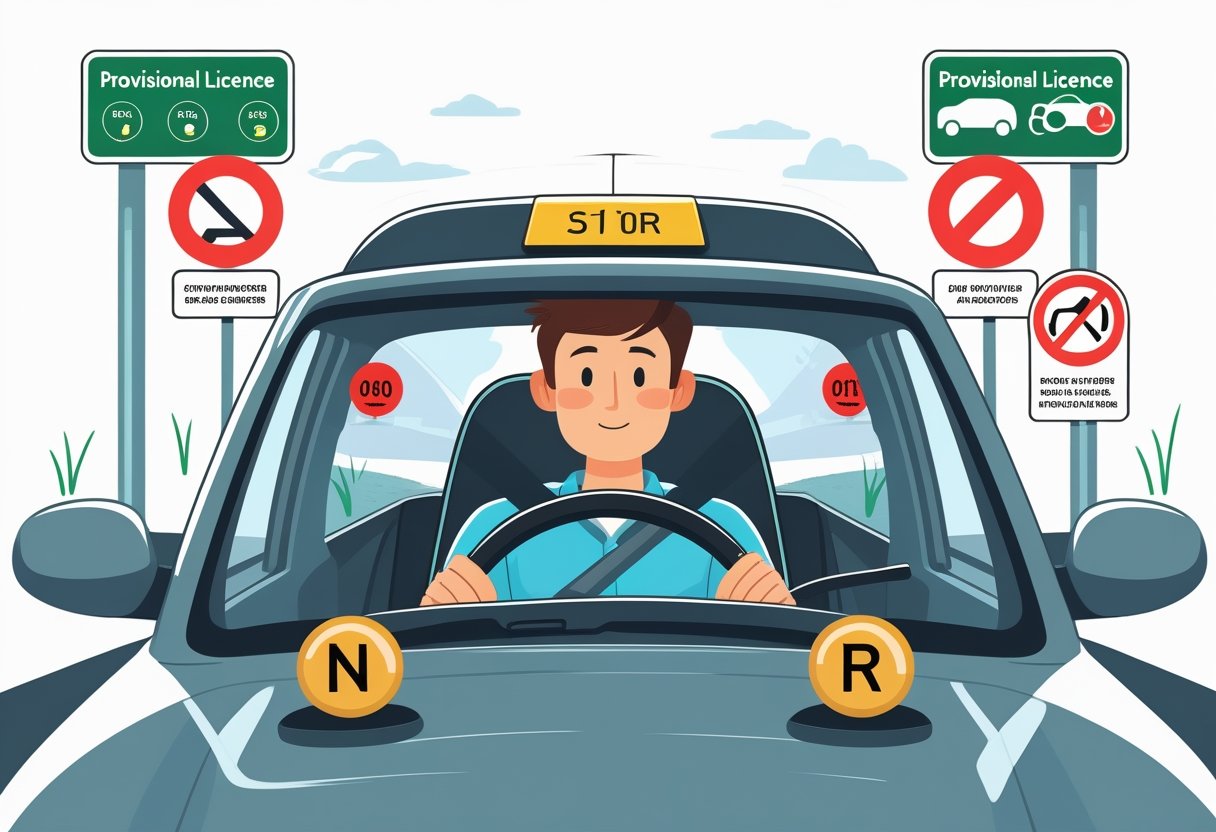
We know how eager you are to start your driving journey, and the good news is that provisional licence holders have more freedom than many people realise. You can practise during any time of day or night, tackle different road types, and gain valuable real-world experience with the right supervisor by your side. The key is knowing exactly what’s permitted and what could land you in trouble.
Whether you’re just thinking about applying for your provisional licence or you’ve already got it in hand, we’ll walk you through everything from the application process to insurance requirements. By the time you’ve finished reading, you’ll feel completely prepared to make the most of your learner driver experience whilst staying firmly on the right side of the rules.
What Is a Provisional Licence?
A provisional driving licence serves as your official permit to practise driving on UK roads under supervision, marking the essential first step towards earning your full licence. This temporary licence comes with specific restrictions and requirements that differ significantly from a full driving licence, has clear eligibility criteria, and remains valid for a decade.
Key Differences from a Full UK Driving Licence
Your provisional licence gives you the legal right to drive, but it’s quite different from the full UK driving licence you’re working towards. The most obvious difference is supervision, you can’t simply hop in a car and drive off on your own.
Every time you get behind the wheel, you’ll need a qualified supervisor beside you. This person must be over 21 and have held their full licence for at least three years. They’re essentially your safety net whilst you’re learning.
L-plates are another dead giveaway. These red-on-white plates must be displayed clearly on both the front and back of your vehicle. In Wales, you can choose D-plates instead, but the principle remains the same.
Your provisional licence also limits where you can drive. Motorways were completely off-limits until 2018, but now you can tackle them with a DVSA-approved instructor in a dual-control car. However, you still can’t venture onto motorways with friends or family members supervising you.
The vehicle itself needs proper insurance that covers you as a learner driver. This often costs more than standard policies, but it’s absolutely non-negotiable.
Eligibility Criteria and Age Requirements
Getting your provisional licence isn’t complicated, but you’ll need to tick several boxes before we can get you started on your driving journey. The minimum age is 15 years and 9 months for applications, though you can’t actually start driving until you turn 17.
There’s one exception to this rule: if you receive the enhanced rate mobility component of Personal Independence Payment (PIP) or equivalent disability benefits, you can begin driving at 16. This earlier start recognises the additional independence that driving can provide.
Your eyesight must meet DVLA standards, specifically, you need to read a number plate from 20 metres away. If you wear glasses or contact lenses, that’s perfectly fine, but you’ll need them every time you drive.
You’ll also need to have lived in Great Britain for at least 185 days. This residency requirement ensures you’re familiar with UK roads and driving conditions before you start learning.
When applying, you must provide proof of identity and address, plus declare any relevant medical conditions honestly. The application costs £34 online or £43 by post.
Duration and Validity of Your Provisional Licence
Your provisional driving licence remains valid for 10 full years from the date it’s issued. That might seem like ages when you’re eager to start driving, but it gives you plenty of time to pass both your theory and practical tests without any pressure.
Most learners pass their driving test well within this timeframe. The average learner takes around 18-24 months to progress from provisional licence to full licence, depending on how frequently they take lessons and practise.
If you haven’t passed your test within those 10 years, don’t worry, you can simply renew your provisional licence and continue learning. Life sometimes gets in the way, and we understand that not everyone follows the same timeline.
The licence remains valid regardless of how many times you take your tests. Whether you pass first time or need several attempts, your provisional licence will see you through the entire learning process.
Once you pass your practical test, your provisional licence automatically becomes invalid, and you’ll receive your shiny new full UK driving licence. This marks the end of L-plates, supervision requirements, and motorway restrictions, true driving freedom awaits!
Applying for Your Provisional Licence
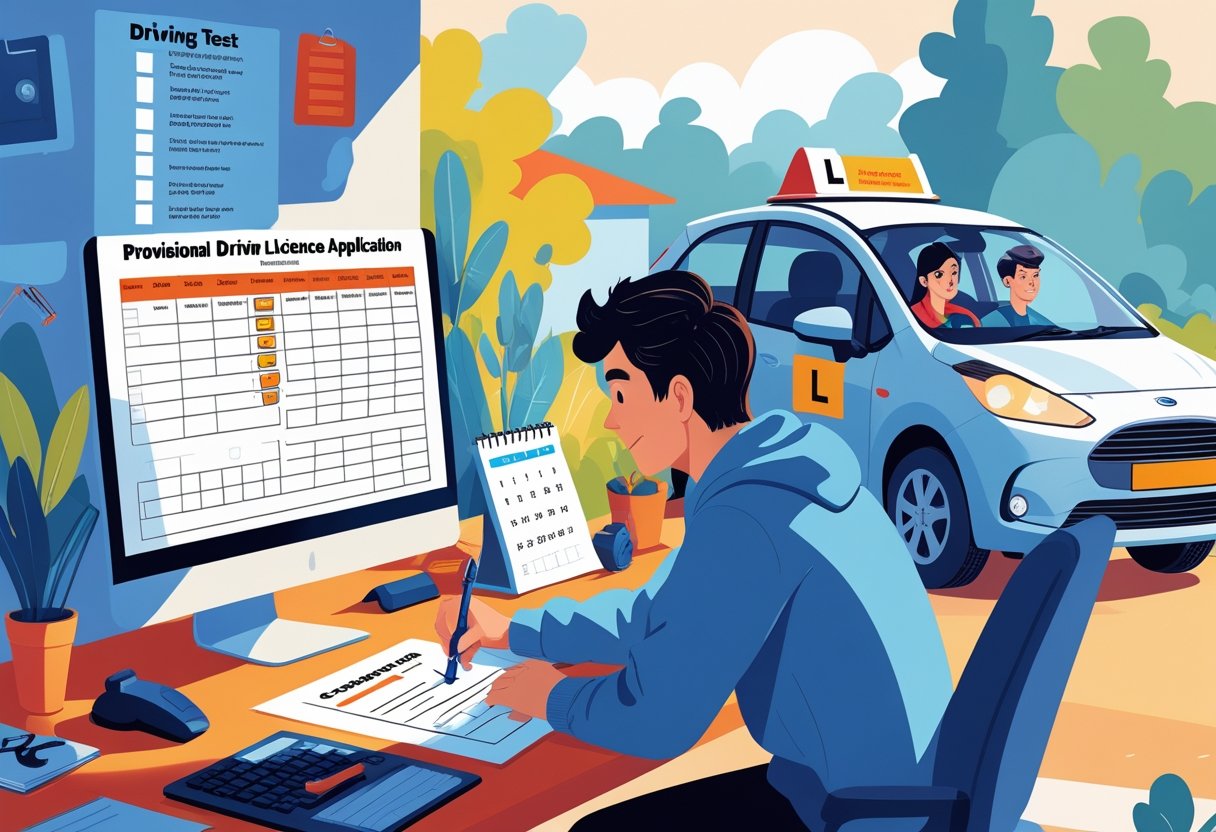
Getting your provisional licence is straightforward when you know what’s needed. You’ll apply online or by post, gather a few key documents, and pay a modest fee to get started on your driving adventure.
Step-by-Step Application Process
The quickest way to apply is through the DVLA’s online service, which we’d recommend for most learners. You’ll create an account and work through their simple form step by step.
Online application:
- Visit the official DVLA website
- Complete the digital application form
- Upload or scan required documents
- Pay using a debit or credit card
- Receive confirmation within minutes
Postal application:
If you prefer the traditional route, download form D1 from the DVLA website or collect one from the Post Office. Fill it out carefully and post it with your documents and a cheque.
The online method is faster and lets you track progress easily. Most people receive their licence within a week of applying online, compared to up to three weeks by post.
Age requirements:
You can apply when you’re 15 years and 9 months old. However, you won’t be able to start driving a car until your 17th birthday (or 16th if you receive Personal Independence Payment).
Documents and Details You’ll Need
Gathering the right paperwork beforehand makes the process much smoother. The DVLA needs to verify your identity and eligibility, so having everything ready saves time.
Essential documents:
- Valid passport or other accepted ID
- National Insurance number
- Addresses for the last three years
- Medical information if applicable
Your National Insurance number is crucial – you’ll find this on payslips, benefit letters, or your National Insurance card. Don’t worry if you can’t locate it immediately; you can contact HMRC for help.
Additional considerations:
If you’ve lived overseas recently, you’ll need to have been a UK resident for at least 185 days before applying. Students studying abroad should check their eligibility carefully.
Some medical conditions must be declared during the application. The DVLA provides clear guidance about which conditions affect your ability to drive safely.
Costs and How Long It Takes
The fees are quite reasonable considering this licence opens the door to your driving future. You’ll pay £34 for online applications or £43 by post – the extra cost covers processing paper forms.
Payment options:
- Most UK debit cards
- Credit cards (Visa, Mastercard)
- Cheque (postal applications only)
Processing times:
- Online: Usually within one week
- Postal: Up to three weeks
Your provisional licence arrives as a photocard with your picture, valid for ten years. Keep it safe – you’ll need it for driving lessons, your theory test, and practical test.
The investment is minimal compared to the freedom and opportunities driving brings. Once you’ve got that licence in hand, you’re ready to book your first lesson and start this exciting journey!
Learning to Drive: Rules for Provisional Licence Holders
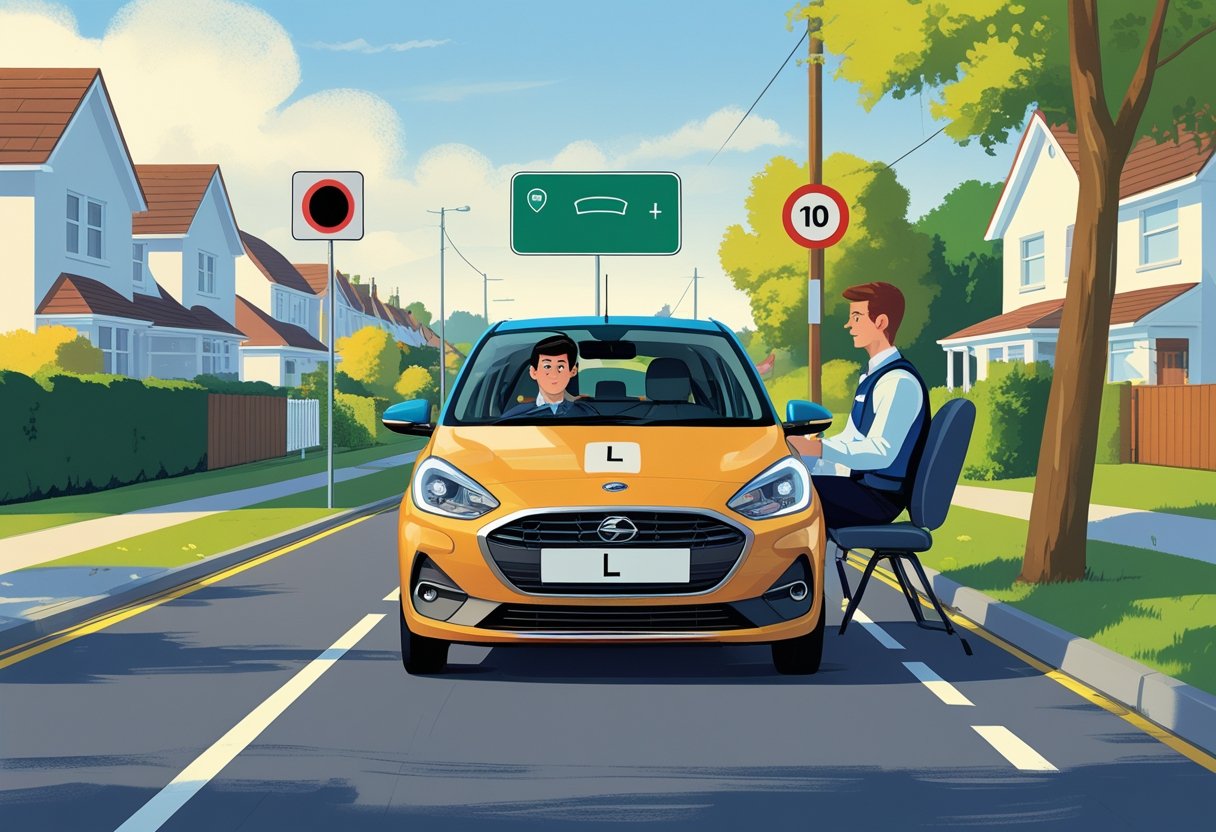
When you’re learning to drive with a provisional licence, specific rules keep you safe whilst building your confidence behind the wheel. You’ll need proper supervision, correctly displayed L plates, and must meet the minimum eyesight standards before you start your driving journey.
Who Can Supervise a Learner Driver
Not everyone can jump in the passenger seat whilst you’re learning to drive. Your supervisor must be at least 21 years old and hold a full driving licence for the type of vehicle you’re driving.
The key requirement? They need to have held their full licence for at least three years. This experience matters because your supervisor becomes your safety net during those early driving days.
You’ve got two main options for supervision. Professional driving instructors are trained to teach and guide you through every aspect of driving. They know exactly how to build your skills progressively.
Alternatively, family members or friends can supervise you if they meet the age and experience requirements. Many learners combine both approaches – taking professional lessons whilst practising with relatives between sessions.
Your supervisor must be alert and ready to take control if needed. They can’t be under the influence of alcohol or drugs, and they need to stay focused on your driving rather than checking their phone or chatting away.
Essential L Plates and Their Placement
L plates aren’t just a suggestion – they’re a legal requirement that tells other drivers you’re still learning. You must display them clearly on both the front and back of your vehicle whenever you’re driving.
Size matters with L plates. They must measure exactly 178mm tall and 203mm wide, with the red ‘L’ standing bold against a white background. Smaller plates won’t meet legal standards.
Position your L plates where they’re easily visible to other road users. The front plate typically goes in your windscreen or attached to the front bumper. Your rear plate should be clearly visible from behind, usually in the rear window or on the boot.
Remove or cover your L plates when someone with a full licence drives the car. Displaying them unnecessarily can result in a fine, and it’s not fair to other drivers who might give unnecessary extra space.
Magnetic L plates work brilliantly because they’re easy to put on and take off. Just make sure they’re firmly attached and won’t fall off during your journey.
Minimum Eyesight Requirement for Learners
Good vision is absolutely essential for safe driving, which is why we have strict eyesight standards for all drivers, including learners. You must be able to read a number plate from 20 metres away in good daylight.
This isn’t just about passing your test – it’s about keeping yourself and others safe every time you drive. If you wear glasses or contact lenses for distance vision, you must wear them whilst driving.
The number plate test uses the current format that’s been around since 2001. You’ll need to read the letters and numbers clearly without squinting or guessing. This standard ensures you can spot hazards, read road signs, and judge distances properly.
If you’re worried about your eyesight, visit an optician before you start learning. Many eye problems can be easily corrected with glasses or contact lenses, so don’t let vision concerns hold back your driving dreams.
Your driving instructor or supervisor should check your eyesight meets the standard before your first lesson. It’s a simple test that takes seconds but makes all the difference to your safety on the road.
Where You Can and Can’t Drive on a Provisional Licence
Your provisional licence opens up most UK roads to you, but there are some important boundaries we need to explore. Motorways have specific restrictions, and the rules vary slightly depending on which part of the UK you’re driving in.
Motorways, Dual Carriageways, and Road Restrictions
Here’s where things get a bit tricky for learner drivers. You cannot drive on motorways with a provisional licence unless you meet very specific conditions.
The only exception? You can use motorways in England, Scotland, or Wales if you’re with an approved driving instructor and the car has dual controls. This means your instructor can take control if needed.
Unfortunately, learner drivers in Northern Ireland cannot use motorways at all. No exceptions here, even with an instructor.
Dual carriageways are absolutely fine for provisional licence holders. Many people confuse these with motorways, but they’re different beasts entirely. Dual carriageways have the blue signs, whilst motorways sport those distinctive green signs.
You can drive on all other roads including:
- A-roads
- B-roads
- Country lanes
- City streets
- Residential areas
The only other restriction worth mentioning is that some private roads or car parks might have their own rules, but these aren’t legal restrictions.
Rules for Driving Alone and Carrying Passengers
You absolutely cannot drive alone on a provisional licence. This is one of the most important rules we need to hammer home.
Your supervisor must be over 21 years old and hold a full UK driving licence for the type of vehicle you’re learning in. They need to have held this full licence for at least three years.
Your supervisor doesn’t need to be a professional instructor. Family members, friends, or anyone who meets these requirements can supervise your practice sessions.
There are no legal limits on passengers when you’re driving with a provisional licence. However, we’d strongly recommend keeping distractions to a minimum whilst you’re still learning.
Your supervisor must be able to see the road ahead clearly and be in a position to take control if necessary. This usually means they’ll sit in the front passenger seat.
Remember, your supervisor is legally responsible for ensuring you follow all driving laws. They can face penalties if you break traffic rules whilst under their supervision.
Driving in England, Scotland, Wales, and Northern Ireland
The rules are largely the same across the UK, but Northern Ireland has some notable differences that affect learner drivers.
Speed limits for learners:
- England, Scotland, Wales: Same speed limits as full licence holders
- Northern Ireland: 45 mph maximum regardless of the posted speed limit
This Northern Ireland speed restriction applies even if you’re on a road with a 60 mph or 70 mph limit. You must stick to 45 mph maximum.
Motorway rules:
- England, Scotland, Wales: Allowed with approved instructor and dual controls
- Northern Ireland: No motorway driving for provisional licence holders
Your provisional licence is valid throughout the UK. You don’t need separate licences for different countries within the United Kingdom.
L-plates are mandatory across all four countries. In Wales, you can choose to display D-plates (for ‘Dysgwr’, meaning learner in Welsh) instead of L-plates if you prefer.
The theory test requirements are the same across England, Scotland, Wales, and Northern Ireland. You’ll need to pass this before booking your practical driving test, regardless of where you’re taking it.
Insurance and Legal Requirements for Learner Drivers
Learner driver insurance is mandatory by law, and you’ll need proper cover whether you’re practising with family or taking professional driving lessons. There are several insurance options available, from temporary policies to being added to an existing policy, each with different benefits for your situation.
Types of Learner Driver Insurance
You’ve got three main insurance options as a learner driver, and choosing the right one can make a real difference to your wallet and peace of mind.
Learner driver insurance policies are specifically designed for provisional licence holders. These standalone policies typically run from a few hours to several months. They’re perfect if you’re planning to practise regularly in someone else’s car without affecting their no claims bonus.
Temporary learner insurance works brilliantly for occasional practice sessions. You can get cover for just a few hours or days, which is ideal when you want to practise with a friend or family member’s car. The beauty of this option is that any bumps or scrapes won’t impact the main driver’s insurance record.
Annual learner policies suit those planning extensive practice over many months. Whilst they require a bigger upfront payment, they often work out cheaper if you’re practising frequently. These policies can also help you start building your own no claims bonus, giving you a head start when you pass your test.
Adding a Provisional Driver to Existing Car Insurance
Getting added to a family member’s car insurance policy is often the most straightforward route for regular practice sessions.
Most insurers will add a provisional driver to an existing policy for an additional premium. The cost varies depending on your age, location, and the car you’ll be driving. We’d recommend getting quotes from several insurers, as prices can differ significantly.
Important considerations include:
- Any claims you make will affect the main policyholder’s no claims bonus
- You’ll typically need to be supervised by the named driver when practising
- The policy must specifically cover learner drivers – not all do automatically
Some insurers offer “learner driver extensions” that protect the main driver’s no claims bonus even if you have an accident. These cost extra but provide valuable peace of mind for everyone involved.
How Driving Lessons Are Insured
Professional driving lessons come with insurance built in, so you don’t need to worry about separate cover during your lessons.
All approved driving instructors must carry comprehensive insurance that covers their pupils. This insurance protects both you and your instructor during lessons, including any potential accidents or damage to the instructor’s car.
The instructor’s insurance also covers you when driving on motorways – something you can only do legally with an approved instructor in a dual-control car. This specialised cover means you can focus entirely on learning rather than worrying about insurance complications.
Driving school cars typically include:
- Comprehensive cover for all pupils
- Protection against theft and damage
- Public liability insurance
- Cover for dual-control equipment
When booking lessons, always confirm your instructor is fully qualified and insured. Reputable driving schools will happily provide proof of their insurance coverage if you ask.
Getting Ready for Your Driving Test
You’ve mastered the basics behind the wheel, and now it’s time to tackle the two essential hurdles: passing your theory test with its multiple-choice questions and hazard perception elements, then demonstrating your real-world driving skills during the practical assessment.
Preparing for the Theory Test
The theory test might feel daunting, but we promise it’s absolutely manageable with the right approach. You’ll face two parts: multiple-choice questions about road rules and safety, plus a hazard perception test where you’ll spot potential dangers in video clips.
Study materials make all the difference. The Highway Code becomes your best friend during preparation. Read it thoroughly, then use official DVSA apps or online practice tests to reinforce your knowledge.
Most learners find practice tests incredibly helpful. They mirror the real exam format and highlight areas where you need extra work. Aim for consistently high scores before booking your actual test.
The hazard perception section requires different preparation. You’ll watch video clips and click when you spot developing hazards. Practice clips help you understand the timing – click too early or late, and you won’t score points.
Book your test online through the official DVSA website. Theory test centres operate across the country, so you’ll likely find convenient options nearby. Results come immediately, and you’ll need to pass before booking your practical driving test.
Booking and Passing the Practical Driving Test
Your practical driving test represents the final step towards full licence freedom. Most driving lessons prepare you thoroughly for this moment, but knowing what to expect helps calm those pre-test nerves.
Professional driving lessons are essential for most learners. Qualified instructors understand exactly what examiners look for and can fine-tune your skills. They’ll tell you honestly when you’re ready – rushing into the test rarely ends well.
The practical test includes several components:
- Eyesight check – reading a number plate from 20 metres
- Vehicle safety questions – showing you can check lights, tyres, and other safety features
- Driving assessment – approximately 40 minutes of real road driving
- Independent driving – following sat nav directions or road signs for about 20 minutes
Book through the DVSA website once you’ve passed your theory test. Test slots can fill up quickly, especially in busy areas, so plan ahead.
On test day, bring your provisional licence and theory test certificate. Your instructor usually provides the car, complete with dual controls for safety. Stay calm, drive as you’ve been taught, and remember – examiners want you to succeed.
Frequently Asked Questions
New drivers often have loads of questions about what they can and can’t do with their provisional licence. We’ve gathered the most common concerns about supervision requirements, vehicle types, road restrictions, and those all-important L plates.
Can you begin to navigate the roads aloft with a supervising passenger once you’ve bagged your provisional licence?
Absolutely not, driving alone with a provisional licence is completely off-limits and could land you in serious trouble. You must always have a qualified supervisor sitting right beside you in the passenger seat.
Your supervisor needs to be at least 21 years old and must have held a full UK driving licence for the same category of vehicle for at least three years. They also need to be fit to drive themselves, no alcohol or anything that might impair their judgement.
Think of your supervisor as your safety net. They’re there to guide you, offer advice, and step in if things go pear-shaped.
This rule applies whether you’re popping to the shops or practising three-point turns. No exceptions, no matter how confident you feel behind the wheel.
What’s the scoop on the types of vehicles you’re permitted to steer under a provisional licence?
Your provisional licence opens the door to learning in standard cars, but there are some boundaries to keep in mind. You can drive most everyday vehicles like hatchbacks, saloons, and even small vans as long as they fall within the category B limits.
Category B covers vehicles up to 3,500kg with up to eight passenger seats. That means family cars, small commercial vehicles, and even some motorhomes are fair game.
However, you can’t jump straight into larger vehicles like lorries or buses. These require separate provisional entitlements and additional training.
Automatic or manual? Both are absolutely fine with your provisional licence. Just remember that if you take your test in an automatic, you’ll only be qualified to drive automatics afterwards.
Does venturing into motorway madness fall into your realm of possibilities with provisional permission?
Motorway driving is now within your reach, but only under very specific conditions that keep you safe whilst learning these crucial skills. You can only tackle motorways in England, Scotland, or Wales. Northern Ireland is still off-limits for learners.
Your instructor must be an approved driving instructor, not a family member or friend. The car must also have dual controls so your instructor can take over if needed.
This is brilliant news for new drivers! Motorway experience during lessons means you won’t face that nerve-wracking first motorway journey alone after passing your test.
Remember, this is purely optional. Neither you nor your instructor are required to do motorway lessons if you don’t feel ready.
Are there any hard-set rules for displaying those tell-tale ‘L’ plates whilst getting to grips with driving?
L plates aren’t just a suggestion, they’re a legal requirement whenever you’re behind the wheel with a provisional licence. You must display clear, regulation-size L plates on both the front and rear of your vehicle.
The plates need to be visible and unobstructed. Sticking them inside your windscreen or having them partially covered won’t cut it with the authorities.
In Wales, you have the choice between standard L plates or Welsh D plates (for ‘Dysgwr’ meaning learner). Both are equally valid and widely recognised.
Make sure your plates are clean and in good condition. Tatty or faded plates might not be considered legally compliant and could cause unnecessary complications.
What’s the skinny on toting around your pals: is there room for passengers when you’re a provisional pilot?
Yes, you can absolutely have passengers in the car whilst learning to drive! There’s no legal restriction stopping your mates or family from coming along for the ride.
However, your supervisor must still occupy the front passenger seat, they can’t be relegated to the back whilst your friend takes shotgun. Your qualified supervisor needs that prime position to guide you and access controls if necessary.
Keep in mind that extra passengers can be distracting, especially when you’re still finding your feet. Some insurance policies might also have restrictions about passengers during learning phases.
We’d recommend starting with just your supervisor until you build confidence, then gradually introducing passengers as your skills develop.
During those darker times post-sunset, are provisional licence-holders given the green light to drive at night?
You’re completely free to drive during the evening and night hours with your provisional licence – there are no time restrictions whatsoever. Many learners find night driving invaluable for building comprehensive road skills.
Driving in darker conditions teaches you to handle different visibility challenges, work with headlights, and navigate quieter roads. These are essential skills you’ll need after passing your test.
Your supervisor must still be present, just like during daytime driving. Make sure both of you are alert and comfortable with night driving conditions.
Some driving instructors actively encourage evening lessons because roads are often quieter, giving you more space to practise without heavy traffic pressure.