

Driving Test Routes: Do Examiners Follow Fixed Routes? Everything Learners Need to Know for Success
Many learner drivers wonder whether their driving test will follow a set path that they can practise beforehand. It’s a natural concern that comes up time and time again in driving lessons across the UK.
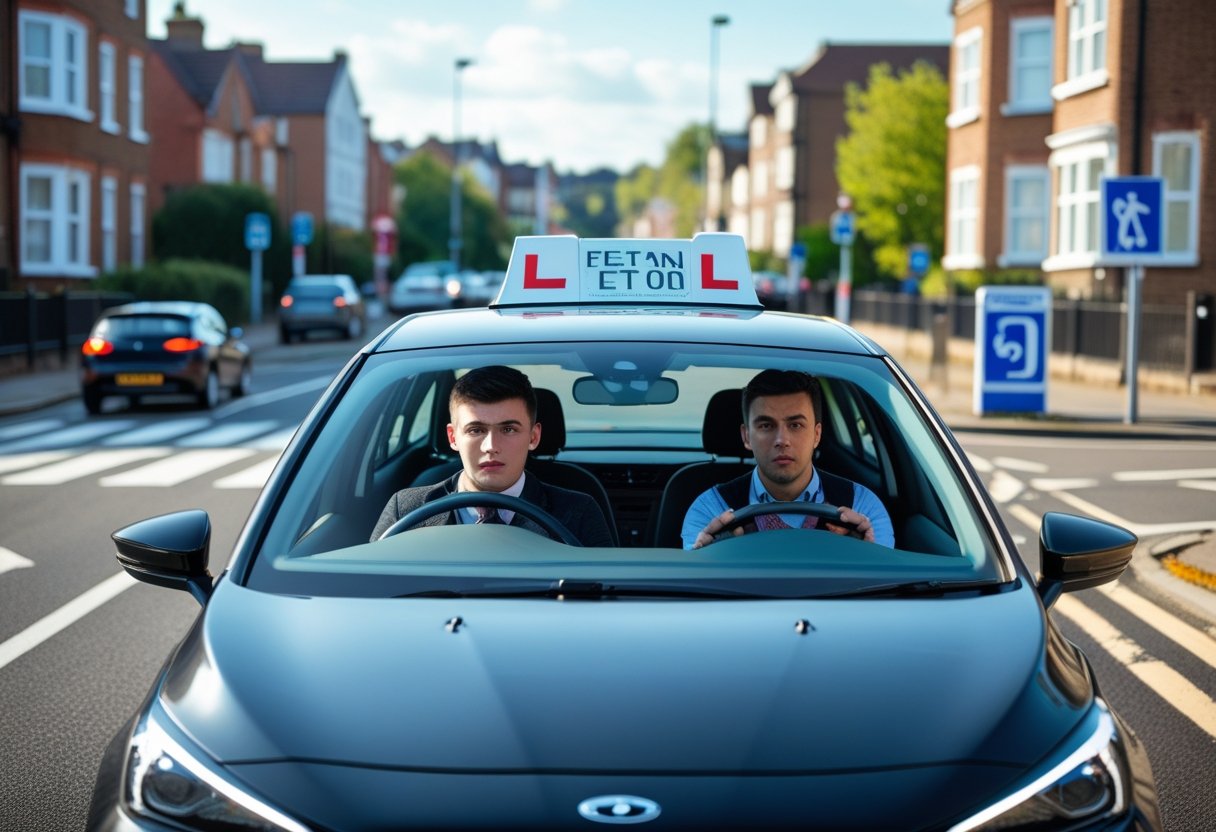
Examiners don’t follow completely fixed routes, but they do work within structured guidelines set by the DVSA, and each test centre has multiple predetermined route options that get selected randomly for each test. This means whilst you can’t memorise one exact path, there are common roads and challenging spots that tend to appear regularly in your local area’s test routes.
We’ll explore how these routes actually work, what you’re likely to encounter on test day, and most importantly, how you can use this knowledge to build your confidence behind the wheel. Understanding the system helps you prepare more effectively and takes some of the mystery out of what can feel like an overwhelming experience.
How Driving Test Routes Are Created and Chosen

The DVSA works closely with local test centres to design official test routes that challenge learner drivers fairly. These routes change periodically to keep things fresh and ensure they reflect current road conditions.
Role of the Local Test Centre
Your local driving test centre plays a crucial part in shaping the routes you’ll encounter on test day. Each test centre knows its surrounding area better than anyone else.
The centre’s management works with DVSA officials to identify roads that offer the right mix of challenges. They consider local traffic patterns, road layouts, and seasonal changes that might affect driving conditions.
Test centres must ensure their routes include:
- Residential streets with parked cars
- Busy town centre roads
- At least one roundabout
- Various junction types
- Different speed limits
Most UK driving test centres maintain between 12 and 30 different route options. This variety means you can’t simply memorise one path and hope for the best.
The examiner receives their route assignment randomly on the day of your test. This system keeps things fair and prevents any unfair advantages.
Who Designs Official Test Routes?
The DVSA takes the lead in designing official test routes, but they don’t work alone. Local driving instructors and test centre staff provide valuable input about road conditions and traffic flow.
Route designers must be qualified driving examiners themselves. They understand exactly what skills need testing and which road features will reveal a candidate’s true abilities.
Key people involved in route creation:
- Senior driving examiners who understand testing requirements
- Local traffic authorities who know about roadworks and changes
- Test centre managers who handle day-to-day operations
The design process isn’t rushed. New routes undergo thorough testing before examiners can use them for real tests. This ensures every route meets DVSA standards and provides fair assessment opportunities.
Routes must also comply with timing requirements. Most driving tests last around 40 minutes, so designers calculate journey times carefully.
How Often Routes Change
Routes don’t stay the same forever, and that’s actually good news for learner drivers. Regular updates keep the test relevant and prevent certain areas from becoming too congested with learner traffic.
Most test centres review their routes every 18 to 24 months. However, urgent changes happen more frequently when roadworks, new developments, or traffic pattern changes affect existing routes.
Common reasons for route changes:
- Major roadworks blocking usual paths
- New housing developments creating different traffic flows
- Resident complaints about test traffic
- Safety concerns on particular roads
The introduction of the independent driving section in 2010 gave examiners more flexibility. They can now adapt routes slightly during your test if needed, though they still follow basic guidelines.
We’ve found that route changes often improve the testing experience. Updated routes tend to include newer road layouts and modern traffic management systems that better reflect real-world driving.
Don’t worry too much about trying to learn specific routes. Even if you managed to memorise them all, there’s no guarantee which one you’ll get on test day.
Do Examiners Follow Fixed Routes?
Examiners work with predetermined routes designed by the DVSA, but they have flexibility to make adjustments during your test. Each test centre maintains multiple official routes that get rotated regularly to ensure fairness.
Are Test Routes the Same for Every Candidate?
No, test routes aren’t identical for every candidate. Each driving test centre has at least a dozen different official test routes at their disposal.
Your examiner receives one route at random for each practical driving test. This system prevents candidates from memorising specific routes and ensures everyone faces a fair assessment.
The routes cover similar road types and challenges. You’ll encounter roundabouts, residential streets, dual carriageways, and tricky junctions regardless of which route you get.
Common features across all routes include:
- Residential areas with parked cars
- Main roads with higher speed limits
- Various junction types
- Opportunities for manoeuvres
- Areas suitable for independent driving
This variety means you can’t predict exactly where you’ll drive. However, practising around your test centre area will familiarise you with the local road layout and common challenges.
Guidance Versus Flexibility on the Day
Examiners must follow DVSA-approved routes, but they can adapt them when needed. Going off route isn’t automatically a fault if it happens safely.
Your examiner might modify the route if traffic conditions demand it. Road closures, accidents, or heavy congestion could require alternative directions.
Examiners can adjust routes for:
- Unexpected road closures
- Safety concerns
- Time management issues
- Severe traffic delays
If you miss a turning during independent driving, don’t panic. The examiner will guide you back on track without penalising you.
The key point is maintaining control and safety. Your examiner cares more about how you handle unexpected situations than following every direction perfectly.
Time limits also influence route flexibility. Tests must last minimum 30 minutes of driving time, so examiners might extend or shorten routes accordingly.
Why Routes Are Rotated and Adjusted
Route rotation prevents candidates from gaining unfair advantages through memorisation. The DVSA regularly updates and changes official test routes to maintain testing standards.
This system stops driving schools from teaching specific routes rather than proper driving skills. It ensures your test reflects real-world driving ability.
Benefits of route rotation:
- Fairer assessment for all candidates
- Prevents route memorisation
- Maintains test integrity
- Reduces examiner workload
Examiners don’t spend excessive time learning new routes anymore. The rotation system has been streamlined to improve efficiency.
Local road changes also trigger route updates. New housing developments, traffic schemes, or road improvements mean routes must evolve.
We can’t stress enough that focusing on driving skills matters more than knowing specific routes. Master the fundamentals, and you’ll handle any route confidently.
What to Expect on a Typical Driving Test Route
Most driving test routes include a mix of residential streets, busy main roads, and challenging junctions that test your ability to handle real-world driving situations. You’ll encounter everything from T-junctions and roundabouts to dual carriageways, with about half your test dedicated to independent driving using a sat nav.
Common Road Types Featured
Your test route will take you through different types of roads to assess how well you adapt to changing conditions. We’ll typically see you start in quieter residential areas before moving onto busier streets.
Residential areas form the backbone of most test routes. Here, you’ll navigate 20mph or 30mph zones with parked cars, pedestrians, and cyclists. These streets test your observation skills and ability to judge safe gaps.
Main roads step things up with faster traffic and more lanes. You might encounter 40mph or 50mph limits where confident acceleration and lane positioning become crucial.
Local dual carriageways often appear towards the middle of your test. Don’t panic if you see the examiner directing you onto an A-road. These sections check your ability to join faster-moving traffic safely and maintain appropriate following distances.
| Road Type | Speed Limit | Key Skills Tested |
|---|---|---|
| Residential | 20-30mph | Observation, hazard awareness |
| Main roads | 40-50mph | Lane discipline, positioning |
| Dual carriageways | 50-70mph | Joining traffic, speed control |
Tricky Junctions and Roundabouts
Junctions are where many learners feel most nervous, but they’re also where you can really show off your skills. We know these features appear on virtually every test route because they’re essential for safe driving.
T-junctions are incredibly common and test your ability to emerge safely into traffic. You’ll need to demonstrate proper use of mirrors, signalling, and finding safe gaps. Some T-junctions have limited visibility, so careful positioning becomes vital.
Roundabouts come in all shapes and sizes on test routes. Simple mini-roundabouts test basic rules, while multi-lane roundabouts challenge your lane selection and positioning skills. The key is choosing the correct lane early and sticking with your decision.
One-way systems might catch you off guard if you’re not familiar with the area. These test your ability to read road signs quickly and position yourself correctly for your intended exit.
Complex junctions with traffic lights, filter lanes, or unusual layouts are deliberately included to see how you cope with unfamiliar situations. Remember, your examiner isn’t trying to trick you.
Independent Driving Section
The independent driving portion takes up roughly 20 minutes of your test and feels quite different from following verbal directions. You’ll use a sat nav (or occasionally follow road signs) to navigate to a destination.
Sat nav following is now the standard approach. The examiner will set up the device and ask you to follow the directions to reach a specific location. Don’t worry about making wrong turns; it’s how you handle the mistake that matters.
This section tests whether you can drive independently while processing information from multiple sources. You’re balancing the sat nav instructions with road signs, traffic conditions, and hazard spotting.
Real-world driving skills become paramount during independent driving. You might need to change lanes for a turn you didn’t expect, or deal with roadworks that force a detour. Your examiner will step in with verbal directions if needed.
The beauty of this section is that it mirrors genuine driving experiences. Once you pass your test, you’ll regularly use sat navs to navigate unfamiliar areas. We find most learners actually prefer this part because it feels more natural than following a string of verbal instructions.
The Importance of Practising With Test Routes
When you practise on actual test routes, you’re building essential skills and confidence that make test day far less stressful. You’ll become familiar with tricky junctions, develop natural driving responses, and support your overall learning journey in meaningful ways.
Building Muscle Memory and Confidence
Practising on test routes helps your body learn the right responses automatically. When you drive the same roads repeatedly during driving lessons, your hands and feet start moving without you thinking about it.
This muscle memory is crucial for several reasons:
- Your steering becomes smoother on familiar bends
- Gear changes happen naturally at the right moments
- You brake at appropriate distances from junctions
We’ve seen countless learner drivers transform from nervous beginners to confident drivers through regular route practice. Your instructor will notice how your reactions become quicker and more precise.
The confidence boost is equally important. When you know what’s coming next, you can focus on perfecting your technique rather than worrying about surprises.
Key confidence builders include:
- Knowing where the tricky roundabouts are located
- Understanding typical traffic patterns at different times
- Feeling comfortable with local speed limits and road layouts
Your practical driving test becomes much less overwhelming when the roads feel familiar. You’ll walk into that test centre knowing you’ve successfully navigated these streets many times before.
Identifying Local Hotspots and Hazards
Every test centre area has its challenging spots that catch learner drivers off guard. We help you identify these hotspots before they become problems on test day.
Common local hazards include:
| Hazard Type | What to Watch For |
|---|---|
| Blind junctions | Limited visibility when emerging |
| Busy roundabouts | Multiple lanes and heavy traffic |
| School zones | Children crossing at peak times |
| Narrow roads | Parked cars creating obstacles |
Practising these areas repeatedly means you’ll spot potential problems early. You’ll learn which junctions need extra caution and where pedestrians commonly cross.
Traffic patterns change throughout the day too. Morning rush hour presents different challenges compared to quiet afternoon drives. Your driving lessons should cover various times so you experience different conditions.
Local knowledge helps with:
- Positioning correctly before complex junctions
- Anticipating where cyclists typically appear
- Understanding which lanes to use on multi-lane roundabouts
This familiarity prevents last-minute panic decisions that often lead to test failures.
Supporting Your Learning Journey
Route practice fits perfectly into your structured learning to drive programme. It reinforces everything you’re learning while building practical skills for real-world driving.
Your instructor can use familiar routes to focus on specific skills:
- Observation techniques on roads you know well
- Mirror checks without worrying about navigation
- Speed control on familiar stretches of road
We find that learner drivers progress faster when they combine general driving skills with local route knowledge. You’re not just memorising turns, you’re developing genuine driving competence.
This approach supports your development by:
- Allowing focused practice on weak areas
- Building systematic approaches to common situations
- Creating positive experiences that boost motivation
Route familiarity also helps during your practical driving test because you can concentrate fully on demonstrating safe driving. You won’t waste mental energy wondering where you’re going next.
Regular practice on test routes creates a solid foundation for becoming a confident, capable driver who’s ready for anything the examiner might present.
How to Find and Use Driving Test Routes
Finding reliable practice routes can boost your confidence, even though examiners have flexibility to change directions when needed. Working with local instructors and using digital tools gives you the best preparation for test day success.
Working With a Local Driving Instructor
Your local driving instructor is hands down your best resource for understanding test routes in your area. They’ve sat in passenger seats during countless driving tests and know exactly which roads examiners favour.
A good driving instructor won’t just show you potential routes once. They’ll take you through various combinations of roads that examiners commonly use. This gives you familiarity without making you dependent on memorising specific turns.
What your instructor can offer:
- Roads frequently used by your driving test centre
- Tricky junctions that often appear on tests
- Local hazards and challenging areas
- Practice with different route variations
We recommend asking your instructor directly about test routes during lessons. Most experienced instructors have mental maps of the roads examiners prefer. They’ll naturally incorporate these into your practice sessions.
Remember, the goal isn’t memorisation. It’s building confidence with the types of roads and situations you’re likely to encounter on test day.
Digital Resources and Sat Nav Practice
Several apps and websites offer driving test routes, though quality varies significantly. Official routes aren’t published by the DVSA, so any routes you find online are educated guesses or reconstructed from experience.
Some digital resources provide GPS files you can load onto sat navs. This helps you practice following directions, which is crucial for the independent driving section of your test.
Popular digital options include:
- Route apps with turn-by-turn navigation
- GPX files for Google Maps or sat navs
- Practice route websites with maps
- Video walkthroughs of common routes
Be cautious about paying for routes online. Many sites sell outdated information or routes that may not reflect current test patterns. Free resources often provide similar value.
The real benefit of digital practice isn’t knowing exact routes. It’s becoming comfortable with unfamiliar roads and following sat nav instructions under pressure.
Mock Tests Around Your Test Centre
Taking practice drives around your driving test centre area helps you understand the local road network. This familiarity reduces anxiety and helps you focus on driving skills rather than navigation.
Book mock tests with instructors who regularly use routes near your test centre. They’ll simulate real test conditions while covering roads that examiners commonly choose.
Key areas to practise:
- Dual carriageways near the test centre
- Complex roundabouts and junctions
- Residential areas with different speed limits
- One-way systems and challenging parking spots
Drive these areas at different times of day. Traffic conditions change dramatically between morning tests and afternoon slots. This variety prepares you for whatever conditions you’ll face.
We suggest doing several mock tests in the weeks before your actual test. Each one builds your confidence with the local area whilst highlighting any skills that need more work.
Adapting to Route Changes and Unexpected Situations
Examiners can alter your practical driving test route at any moment due to traffic, roadworks, or safety concerns. Your ability to stay flexible and respond calmly to these changes demonstrates real-world driving skills that matter far more than memorising specific turns.
Staying Calm When Off the Planned Route
We know it can feel unsettling when your examiner suddenly changes direction from what you’ve practised. This happens more often than you might think.
Take a deep breath and remember: the examiner isn’t trying to catch you out. They’re simply adapting to current conditions, just like you’ll need to do as a qualified driver.
Focus on the fundamentals rather than worrying about where you’re going. Keep your observations sharp, maintain proper speed, and follow road signs carefully.
Your driving skills remain the same regardless of which street you’re on. The examiner is assessing how well you handle the unexpected, not whether you know every corner of the test area.
If you feel your nerves rising, remind yourself that this change might actually work in your favour. You’re now driving more naturally instead of relying on memorised sequences.
Responding to Examiner Instructions
Clear communication with your examiner becomes crucial when routes change during your driving test. Listen carefully to their directions and don’t hesitate to ask for clarification.
When given a new instruction:
- Acknowledge with a simple “yes” or nod
- Check your mirrors before making any changes
- Signal in good time
- Look for the safest opportunity to follow the direction
If you miss a turn or misunderstand an instruction, stay calm. The examiner will guide you back on track without penalising you for their change of plan.
Never panic if you need to ask “could you repeat that please?” Examiners expect this and would rather you ask than guess incorrectly.
Remember, they want you to succeed. When they change the route, they’ll give you clear, timely instructions to help you navigate safely.
Dealing With Roadworks and Other Surprises
Roadworks, accidents, and temporary traffic lights are common reasons why examiners deviate from planned routes. These situations test your real-world driving abilities.
Approach roadworks methodically:
- Reduce speed early when you spot the signs
- Watch for lane closures and merge safely
- Follow temporary speed limits strictly
- Keep extra distance from the vehicle ahead
If you encounter an unexpected road closure, don’t worry about the route change. Focus on following temporary signs and traffic management instructions.
Other surprises might include:
- Emergency vehicles requiring you to pull over
- Broken traffic lights where you’ll treat junctions as unmarked crossroads
- Temporary diversions around events or incidents
We’ve seen many learners actually perform better in these situations because they stop overthinking and rely on their training. Trust your instincts and apply the skills you’ve learned.
These unexpected moments often become the highlights of successful driving tests, showing examiners that you’re ready for real driving challenges.
Frequently Asked Questions
Many learner drivers wonder about the predictability of test routes and whether examiners stick to fixed paths. Understanding how route selection works and what flexibility exists can help you prepare more effectively for your upcoming test.
What should I expect about the flexibility of routes taken during my driving test?
We can tell you that examiners don’t simply choose any route they fancy on the day. Each test centre maintains at least a dozen predetermined routes that examiners must follow.
Your examiner receives one of these routes at random for your test. This system ensures fairness whilst keeping the assessment unpredictable.
The routes cover various road types and traffic situations you’ll encounter as a new driver. You might drive through residential areas, dual carriageways, or busy town centres depending on which route you’re assigned.
Are there any surprises I should prepare for regarding the test route on the day of my driving exam?
Route surprises are minimal since all routes follow strict guidelines set by the DVSA. However, you won’t know which specific route you’ll take until your test begins.
Weather conditions or temporary road closures might require slight route adjustments. Your examiner has the authority to make these changes when necessary for safety.
Traffic levels can vary dramatically depending on your test time. The same route might feel completely different during rush hour compared to a quieter afternoon slot.
How can I best familiarise myself with potential test routes in advance?
Start by exploring the roads around your test centre during practice lessons. Most routes begin and end at the same location, so nearby roads appear frequently.
Ask your driving instructor about common routes used at your test centre. They often know which roads, roundabouts, and junctions appear regularly in tests.
Practice driving in various conditions around your test area. This builds confidence regardless of which specific route you encounter on test day.
Can I request a specific route for my driving examination, or is it at the examiner’s discretion?
You cannot request a particular route for your driving test. The DVSA assigns routes randomly to maintain test integrity and fairness for all candidates.
Your examiner receives their route assignment before meeting you. They have no control over which route they’re given for your test.
This random selection prevents candidates from memorising one specific route. It ensures you can handle various driving scenarios safely.
Will practising on known test routes improve my chances of passing the driving exam?
Practising around your test centre area definitely helps build familiarity with local road layouts. Knowing common junctions and roundabouts can boost your confidence significantly.
However, we don’t recommend focusing solely on memorising specific routes. Your driving skills matter more than route knowledge for passing your test.
Good driving habits transfer to any route. Focus on mastering fundamentals like observation, positioning, and speed control rather than memorising turns.
Is it true that driving examiners have predetermined routes, or will they tailor them on the day?
Examiners follow predetermined routes created by the DVSA, not routes they design themselves. These official routes ensure consistent testing standards across all candidates.
Your examiner might make minor adjustments for safety reasons, such as avoiding road works or accidents. These changes don’t affect the overall test structure.
Going off route accidentally isn’t considered a fault. If you miss a turn, your examiner will guide you back on track without marking it as a mistake.