

Long waiting lists for driving tests are leaving thousands of UK learners frustrated, with many facing months of delays to get their licence. The pressure to find a solution is higher than ever as demand grows and DVLA slots fill up fast.
For those who need a quicker route, the dvla fast track driving test offers hope. This option is designed to help learners bypass the standard queue and get on the road sooner.
In this guide, you’ll discover everything you need to know about fast track testing, including who is eligible, how to book, pros and cons, tips to pass, and the latest updates for 2025.
Understanding the DVLA Fast Track Driving Test
Getting a driving test slot in the UK can feel like a waiting game, especially with the growing backlog. The dvla fast track driving test is designed to offer learners a quicker route to securing their licence, bypassing some of the lengthy delays faced with standard bookings. Let’s break down what this option involves, who it’s for, and why it’s gaining popularity.
What is the DVLA Fast Track Driving Test?
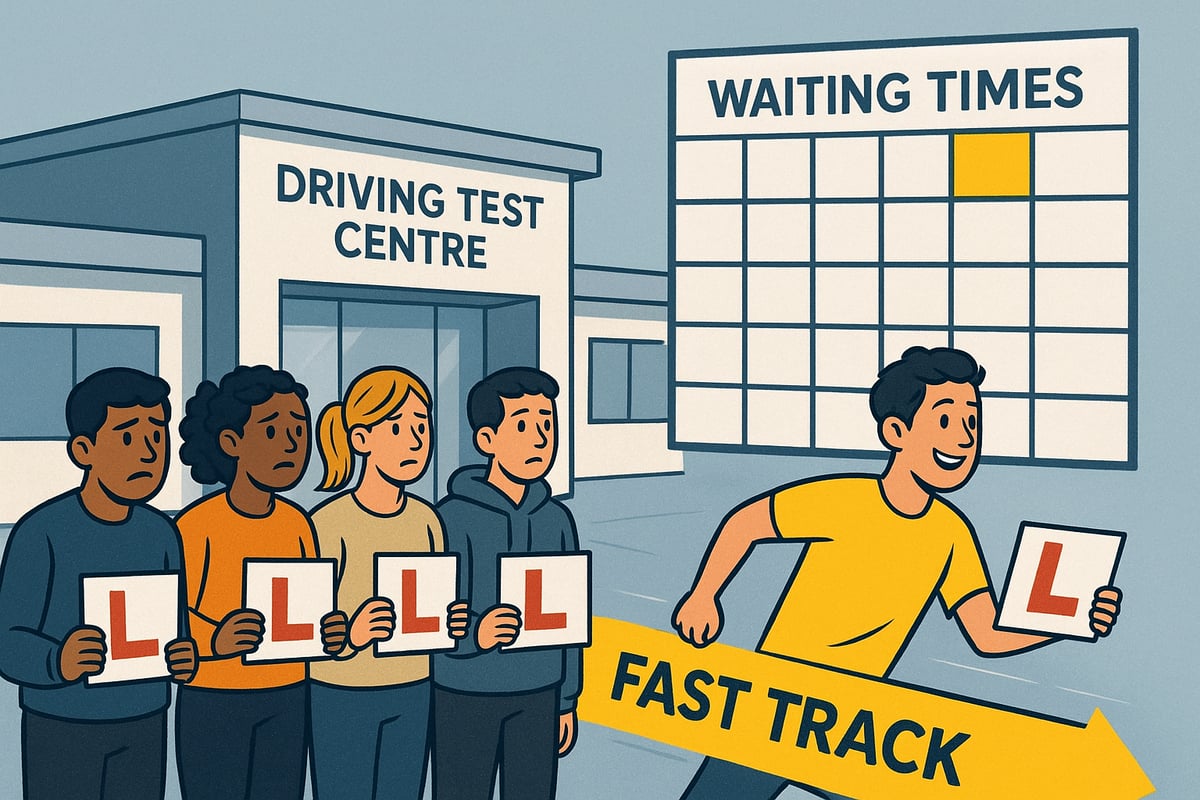
The dvla fast track driving test is a special booking option that allows eligible candidates to secure an earlier test date than standard waiting times. Unlike regular bookings, which can take months, this route aims to shorten the process significantly.
It’s designed for those who urgently need a full licence, such as people with job offers or looming deadlines. The structure of the dvla fast track driving test mirrors the standard exam, requiring candidates to demonstrate the same skills and knowledge. However, the main advantage is access to earlier test slots that might otherwise be unavailable.
Why Fast Track? The Need for Speed
Long waiting times for driving tests have become a national issue. In 2023 and 2024, the average wait for a standard test ranged from 3 to 6 months. This has left thousands of learners frustrated, delaying everything from job starts to university admissions.
For example, some candidates have managed to land jobs only because they could book a dvla fast track driving test and get their licence quickly. According to recent Driving Test Waiting Times – June 2025, delays are at an all-time high, making fast track options even more valuable for those in a hurry.
Eligibility Criteria for Fast Track Tests
Not everyone can book a dvla fast track driving test. The main eligibility requirements include:
- Being at least 17 years old (or 16 for certain disabilities)
- Holding a valid UK provisional driving licence
- Passing the theory test (unless booking a theory fast track)
- Meeting legal and medical standards for driving
Fast track options are open to new drivers, those retaking after a fail, and people whose theory certificate is about to expire. However, there are restrictions, such as limits for those with certain medical conditions or recent driving bans. Double-check your eligibility before applying.
Types of Fast Track Driving Tests
The dvla fast track driving test comes in several forms, each suited for different needs:
| Test Type | Who It’s For | Booking Notes |
|---|---|---|
| Practical | Learners ready for the road test | Earlier slots possible |
| Theory | Those needing to retake theory | Flexible scheduling |
| Extended | Disqualified drivers | Special requirements |
Booking each type may involve different processes. Practical and theory fast tracks are most common, while extended tests are for those regaining their licence after disqualification. Always review the booking steps for your specific test type.
Key Updates for 2025
In 2025, the dvla fast track driving test is set for some important updates. The DVLA is introducing new digital tools to streamline fast track bookings, aiming to reduce administrative delays and improve slot availability.
Eligibility criteria have been clarified, particularly for those with medical restrictions. The DVLA has also increased the number of fast track slots in high-demand regions, helping more learners access earlier dates. These changes mean greater flexibility and potentially shorter waits for those using the dvla fast track driving test pathway.
How to Book a DVLA Fast Track Driving Test in 2025: Step-by-Step Guide
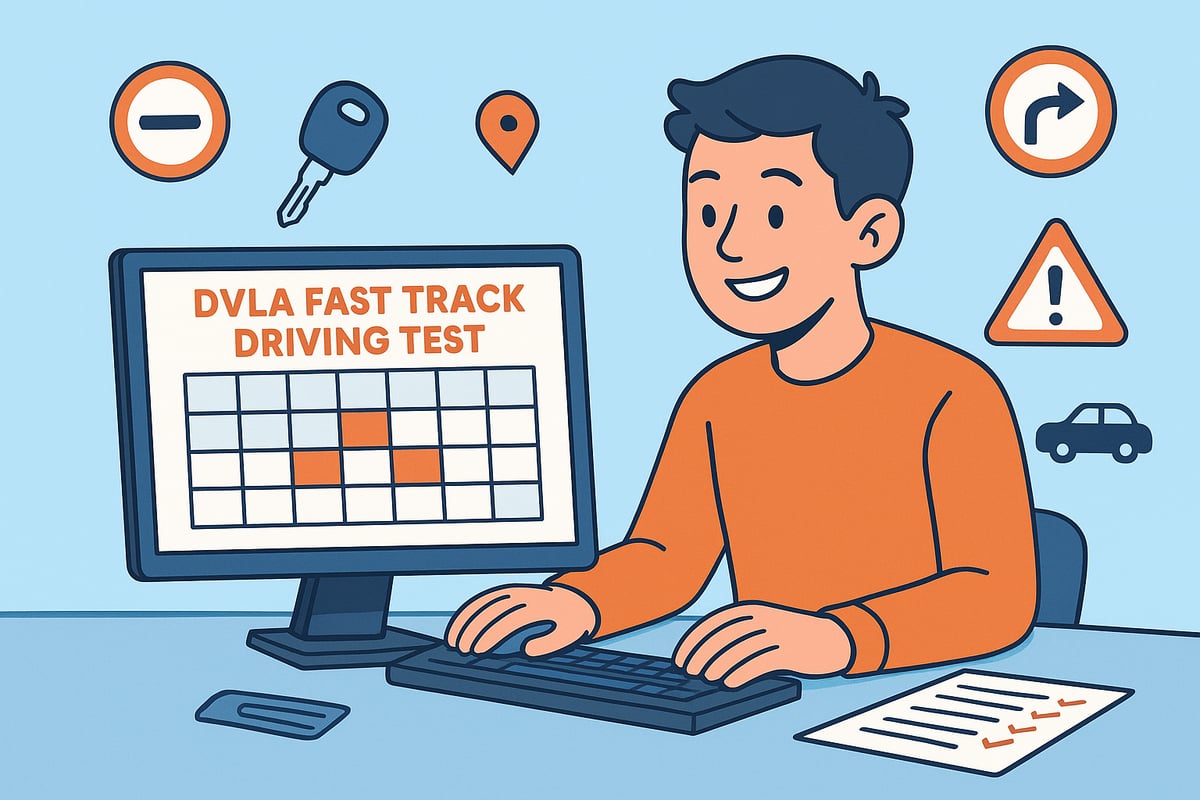
Booking your dvla fast track driving test can feel like navigating a maze, but breaking it down into clear, actionable steps makes the process much simpler. With long waiting lists, following the right approach can help you secure your ideal slot faster and with less stress.
Step 1: Check Eligibility and Gather Required Documents
Before you begin booking your dvla fast track driving test, make sure you meet all eligibility criteria. You must be at least 17 years old, hold a valid UK provisional licence, and have passed your theory test unless you are booking a theory test itself.
Gather the following documents:
- Provisional driving licence (photocard)
- Theory test pass certificate (if booking a practical test)
- Proof of identity (passport, if required)
Accuracy is crucial. Double-check that your details match across all documents. Any discrepancies can delay or even cancel your appointment. If you are a re-taker or your theory certificate is about to expire, verify that you are still within the valid time frame for booking a dvla fast track driving test.
Keep these documents handy, as you’ll need them throughout the booking process.
Step 2: Search for Fast Track Test Availability
Finding a dvla fast track driving test slot takes persistence and timing. Start by checking the official DVLA website, which displays available appointments in real time. Some third-party platforms also monitor cancellations and last-minute slots, but always use reputable services.
Top tips for finding availability:
- Check during early mornings or late evenings when new slots are often released
- Refresh booking pages frequently, especially on weekdays
- Be flexible with your location and dates
High-demand periods, like school holidays, fill up quickly. Consider searching in less popular test centres or regions to increase your chances. Remember, patience and flexibility are your best allies when searching for a dvla fast track driving test slot.
Step 3: Select a Test Centre and Date
Choosing the right test centre for your dvla fast track driving test can make a big difference. Think about proximity, local traffic patterns, and pass rates. Some centres have higher demand and longer waits, while others may have faster availability and different examiner styles.
Consider these factors:
- Location and ease of travel
- Familiarity with local test routes
- Recent pass rates at the centre
For a comprehensive list of practical test centres and to find booking details, you can use the How to Book a Practical Test resource. Compare centres in your area to spot those with shorter waiting times. Booking at a centre with a reputation for fair examiners and clear routes can boost your chances of passing your dvla fast track driving test.
Step 4: Complete the Booking Process
Once you’ve chosen your centre and date, it’s time to secure your dvla fast track driving test slot. Log into the official booking system and fill in your details carefully. Double-check everything—mistakes can cause delays.
Step-by-step booking:
- Enter your personal details
- Provide licence and theory test information
- Select your chosen centre and date
- Pay the test fee securely (credit/debit card)
- Confirm your booking and save the confirmation email
Review payment methods and cancellation policies. Official DVLA channels are safest. Watch out for unofficial brokers who may charge extra or be scams. Protect your personal information and never share sensitive details outside secure, trusted platforms.
Step 5: Prepare for the Fast Track Test
With your dvla fast track driving test booked, it’s time to focus on preparation. The lead-up to your test may be shorter than usual, so make every lesson count.
Effective preparation tips:
- Schedule intensive driving lessons to cover all test maneuvers
- Take mock tests under exam conditions
- Practice common routes around your chosen centre
Create a study plan that fits your timeline. For a two-week fast track, daily lessons and revision are essential. For four weeks, spread sessions to balance learning and rest. The goal is to build confidence and address any weak areas before your dvla fast track driving test.
Step 6: What to Expect on Test Day
On the day of your dvla fast track driving test, aim to arrive at least 15 minutes early. Bring all required documents: your provisional licence, theory pass certificate, and any correspondence from the DVLA.
Your vehicle should be roadworthy, insured, and display L plates. The examiner will check your paperwork, then explain the test format. Expect to demonstrate basic maneuvers, independent driving, and hazard perception.
Stay calm and focused throughout. After the test, the examiner will give you your result immediately. If you pass, you’re one step closer to full driving freedom with your dvla fast track driving test success.
Common Booking Pitfalls and How to Avoid Them
Many candidates face avoidable issues when booking their dvla fast track driving test. Here’s how to steer clear of common problems:
- Double-booking: Only confirm one test date at a time
- Missing documents: Prepare all paperwork in advance
- Test centre changes: Double-check your booking details before test day
Listen to advice from instructors and successful candidates. Small mistakes can cause major delays. Being organised and proactive is key to a smooth dvla fast track driving test experience.
Pros and Cons of the DVLA Fast Track Driving Test
For many learner drivers, the dvla fast track driving test is a tempting way to bypass long waits and get their licence sooner. But is it right for everyone? Let’s break down the upsides and downsides so you can make an informed decision.
Advantages of Fast Track Testing
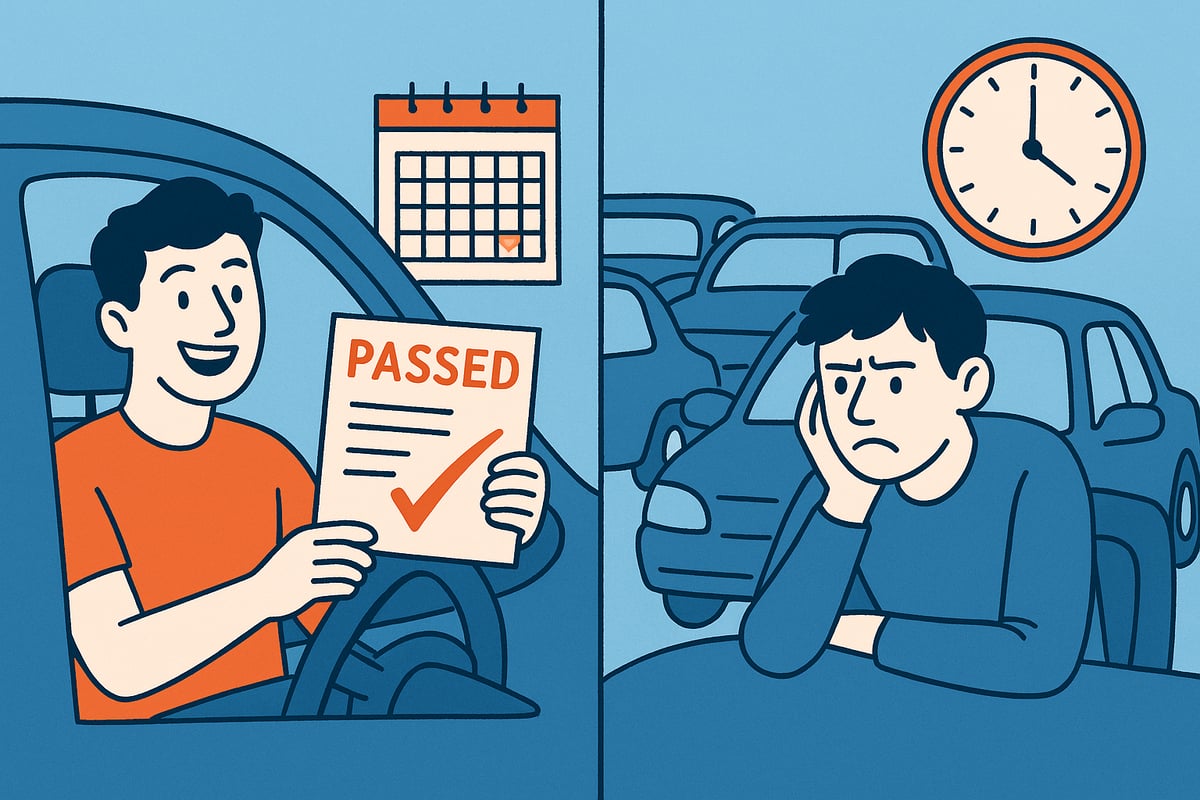
The dvla fast track driving test offers several compelling benefits for those eager to get on the road quickly. The most obvious advantage is reduced waiting time. Instead of waiting months for a standard appointment, you can often secure a slot in just weeks.
- Quicker access to a full driving licence, which can open doors to new jobs, university placements, or travel plans.
- Greater flexibility for those with tight deadlines, such as expiring theory test certificates or job offers requiring a licence.
- Reduced risk of losing driving skills due to long delays between lessons and the exam.
Many learners have shared stories of securing a dvla fast track driving test and landing employment or starting university on schedule. For those who need a licence urgently, this option can be a true game changer.
Potential Drawbacks and Considerations
While the dvla fast track driving test can be a lifesaver, it does come with a few significant drawbacks. The biggest concern for many is the higher cost compared to standard test bookings. Fast track slots often include extra fees and, if using third-party services, may cost even more.
- Increased pressure to prepare quickly, which can be stressful if you’re not already test-ready.
- Limited time for practice, potentially leading to lower confidence on test day.
- Risk of scams if booking through unofficial channels, as some services are not DVLA-approved.
Some candidates report feeling rushed or overwhelmed by the condensed timeline. It’s important to weigh these factors carefully before committing to a dvla fast track driving test.
Who Should Consider Fast Track Testing?
Not everyone will benefit equally from the dvla fast track driving test. It’s ideal for those facing urgent deadlines, such as job seekers, students with upcoming university start dates, or anyone with a theory certificate close to expiry.
- Best suited for: Candidates who are nearly test-ready, need a licence urgently, or have external pressures.
- May not be right for: Learners who need extra practice, are nervous about testing, or can afford to wait.
If you’re looking for structured support, services like Intensive Driving Courses with LPOD Academy can help you prepare efficiently for a fast track slot. Ultimately, choosing the dvla fast track driving test comes down to your personal needs, preparation level, and how quickly you need to be on the road.
Essential Tips and Strategies to Pass Your Fast Track Driving Test
Getting ready for your dvla fast track driving test means preparation, strategy, and the right mindset. With limited time, you need to focus your efforts and make every lesson count. Here’s how you can maximize your chances of passing first time.
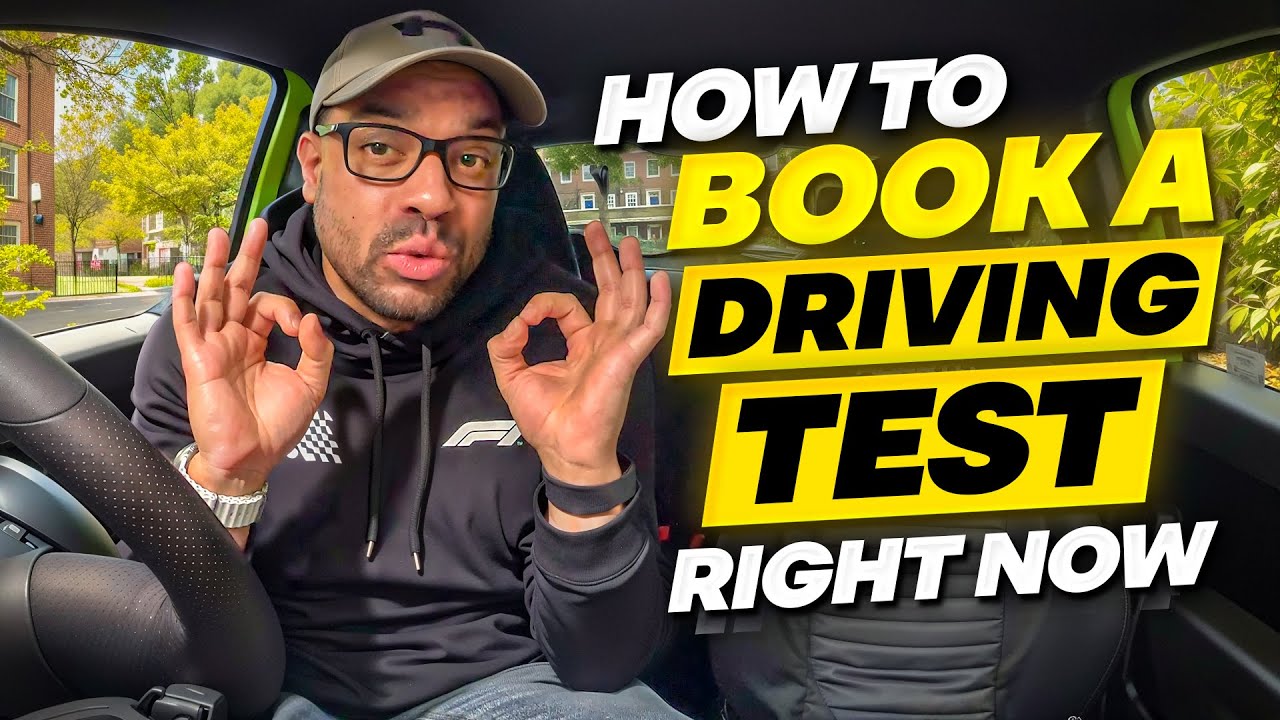
Intensive Practice and Preparation
To succeed at the dvla fast track driving test, you need to compress weeks of learning into a much shorter timeframe. That means booking lessons close together and focusing on your weak spots right from the start.
Many learners find that intensive driving courses offer the structure and support needed for fast-track success. These courses bundle lessons and mock tests into a tight schedule, helping you build confidence quickly. If you want more info, check out the Intensive Driving Courses Overview for a breakdown of options and benefits.
Use revision materials like official DVSA guides and apps for daily practice. Schedule at least one or two mock tests to simulate real exam conditions. Intensive preparation can boost pass rates, especially for those who thrive under pressure. Remember, every hour counts when your dvla fast track driving test is just weeks away.
Choosing the Right Instructor
Picking the right instructor is crucial for your dvla fast track driving test journey. Look for someone experienced with fast-track candidates and familiar with your chosen test centre.
Qualities to look for include:
- Local knowledge of test routes and tricky spots
- Flexibility to offer lessons at short notice
- A teaching style that matches your learning speed
A good instructor will tailor lessons to your strengths and weaknesses, helping you progress faster. They can also provide honest feedback and boost your confidence before the big day. Don’t be afraid to ask for mock test sessions or extra support if you need it.
Managing Test Day Nerves and Expectations
Feeling nervous before your dvla fast track driving test is normal, especially with so much riding on the outcome. The key is to turn nerves into focused energy.
Try these stress-busting techniques:
- Practice deep breathing or mindfulness exercises the night before
- Visualize a successful test, step by step
- Avoid last-minute cramming, and get plenty of sleep
On the day, arrive early and bring all required documents. Remember, examiners want you to pass—they’re not looking for perfection, just safe and confident driving. Many candidates find that a positive mindset makes all the difference on test day.
Understanding the Marking Criteria
Knowing what examiners are looking for will help you avoid common pitfalls in your dvla fast track driving test. Focus on the key assessment areas:
| Area | What Examiners Look For | Common Mistakes |
|---|---|---|
| Manoeuvres | Control, accuracy, safety | Lack of observation |
| Hazard Perception | Quick, safe reactions | Hesitation, late response |
| Independent Driving | Following instructions | Missing signs/directions |
Common reasons for failing include poor observation at junctions, improper use of mirrors, or failing to signal. Practice these areas regularly and ask your instructor to assess you using real marking criteria. Understanding the process reduces surprises and boosts your confidence.
What to Do if You Fail the Fast Track Test
If you don’t pass your dvla fast track driving test, don’t panic. Rebooking is possible, but you might face a short waiting period, depending on availability.
Steps to bounce back:
- Review your examiner’s feedback in detail
- Book a few refresher lessons to target weaknesses
- Use a different test centre if your first choice has long waits
Statistics show that candidates often succeed on the second attempt after focused practice. Adjust your preparation strategy, stay positive, and remember that every attempt brings you closer to your full licence.
Alternatives to the DVLA Fast Track Driving Test
Exploring alternatives to the dvla fast track driving test can help you find the right path to getting your licence. If you are flexible with timing, open to intensive learning, or willing to consider different test centres, there are several routes you can take. Let’s break down your options, so you can make the best decision for your situation.
Standard DVLA Test Booking
The most common alternative to the dvla fast track driving test is the standard DVLA test booking. This option involves applying for a test date through the official DVLA system, where waiting times can stretch for months. According to Driving Test Waiting Times Hit New High, some learners have waited over six months in certain regions.
Pros:
- Lower cost compared to fast track or third-party options.
- Straightforward booking process.
- No need for extra services or outside platforms.
Cons:
- Long waiting times can delay your plans.
- High demand in cities and popular centres.
If you’re not in a rush, this route is reliable, but patience is essential.
Intensive Driving Courses as a Fast Track Solution
Another way to bypass the long queue for the dvla fast track driving test is to take an intensive driving course. These courses are designed to get you test-ready in a short period, often within one or two weeks.
Benefits:
- Rapid skill development with daily lessons.
- Instructors often help secure earlier test dates.
- Intensive preparation increases confidence before the test.
Many learners find that these courses mimic the urgency of the dvla fast track driving test, making them ideal for those with time constraints or looming deadlines.
Intensive Driving Courses with LPOD Academy
For those looking for a tailored approach, Intensive Driving Courses with LPOD Academy offer flexible scheduling, approved instructors, and a strong track record. This service supports learners in fast-tracking their driving test by finding early test slots and providing structured lesson plans.
Take, for example, a student who needed a licence before starting university. By booking an intensive course, she completed her training in just ten days and secured a test date within two weeks, closely matching the speed of a dvla fast track driving test. LPOD Academy’s personalised support can make a real difference for those in a hurry.
Using Third-Party Cancellation Finders
Cancellation finder services are popular among learners seeking alternatives to the dvla fast track driving test. These platforms scan the DVLA booking system for cancelled slots, notifying users as soon as an earlier date becomes available.
Advantages:
- Can drastically reduce waiting time.
- Easy to use, with instant notifications.
Risks:
- Some services charge high fees.
- Possibility of scams or unofficial providers.
Always research the service before paying and stick to well-reviewed platforms to avoid disappointment.
Private Test Centres and Regional Options
If you’re struggling to find availability through the dvla fast track driving test or standard routes, consider booking at private or less-busy test centres. Some regions, especially outside major cities, have shorter waiting lists and higher pass rates.
Check for regional differences in demand and be open to travelling a bit farther for your test. In some cases, a small change in location can save you months of waiting and increase your chances of passing.
Frequently Asked Questions About the DVLA Fast Track Driving Test 2025
Are you curious about the dvla fast track driving test in 2025? Here are the answers to the most common questions learners ask.
1. Can anyone book a dvla fast track driving test, or is it invitation-only?
Most learners can apply, but you must meet eligibility criteria such as holding a valid provisional licence and passing your theory test.
2. How much more does a dvla fast track driving test cost?
Fast track tests usually cost more than standard tests due to the priority booking. For official updates on fees, check the Car Practical Driving Test Waiting Times.
3. Are fast track tests marked differently or harder than standard tests?
No, the assessment criteria are the same for all practical driving tests.
4. How can I avoid scams when booking a dvla fast track driving test?
Always book through the official DVLA website or trusted providers. Watch out for unofficial brokers promising guaranteed passes.
5. What are the most common reasons for failing a fast track test?
Typical reasons include not checking mirrors, poor manoeuvres, and failing to respond to hazards.
6. How soon can I rebook if I fail?
You can rebook after 10 working days, provided there are available slots for the dvla fast track driving test.
7. Are there any changes to the dvla fast track driving test process in 2025?
Yes, minor updates have been announced, including improved online booking features and expanded test centre options.
Ready to take control of your driving journey? We’ve covered everything you need to know about fast tracking your DVLA test in 2025, from eligibility and booking tips to how intensive courses can make all the difference. With LPOD Academy’s tailored support and a network of experienced instructors, you don’t have to wait months just to get on the road. If you’re eager to get your licence sooner, why not take the next step and Book Your Course? You could be driving sooner than you think—let’s make it happen together!