

Fast Pass Driving Test Guide: Your Roadmap to Success 2025
Dreaming of passing your fast pass driving test on the first try and gaining the freedom to hit the road? You are not alone. With 2025 just around the corner and new regulations making headlines, more learners are searching for the quickest path to a full licence.
Passing quickly means saving time, cutting costs, and avoiding the stress of long waiting lists. The right approach can help you breeze through the process and start driving sooner.
In this guide, you will find proven strategies, essential steps, and insider tips for fast pass driving test success. We will cover everything from understanding the fast pass process and preparing efficiently, to booking, lessons, test day strategies, and expert resources.
Understanding the Fast Pass Driving Test Process
Dreaming of a quicker journey to your license? The fast pass driving test route is designed for learners who want to save time and get on the road sooner. This section breaks down what makes the fast pass driving test unique, who benefits most, and how new rules for 2025 could shape your experience.
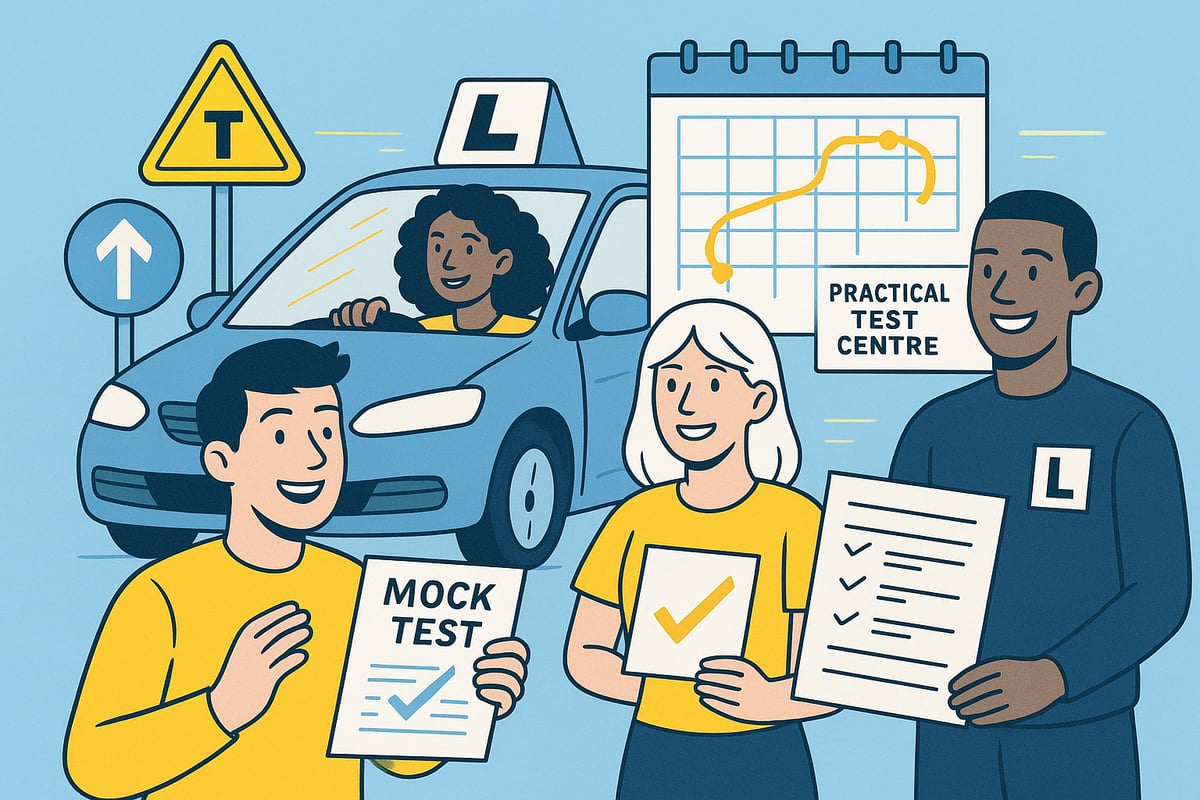
What Is a Fast Pass Driving Test?
A fast pass driving test is a streamlined approach that helps learners achieve their full UK driving license in the shortest possible time. Unlike traditional weekly lessons, the fast pass driving test usually involves intensive courses packed into days or a few weeks.
This method is especially popular among students, professionals, or anyone with a tight schedule. Instead of spreading lessons over months, you’ll focus on concentrated learning think of it as cramming for an exam, but with the wheel in your hands. Intensive and semi-intensive courses are the most common formats for the fast pass driving test, and their popularity has soared as waiting lists for standard tests have grown.
Advantages and Drawbacks
Choosing the fast pass driving test offers several clear advantages. You can expect to progress faster, benefit from a tailored lesson plan, and potentially save on total lesson costs by reducing the time spent learning.
However, there are some challenges. Intensive courses can be physically and mentally demanding. They often require upfront payment and strict scheduling, which may not suit everyone. According to DVSA data, pass rates for intensive courses are comparable to traditional routes, but success depends on your learning style. For example, a university student with prior road experience may thrive, while someone with no background could feel overwhelmed. A recent case study showed a young professional passed her fast pass driving test after a week-long course, citing focus and daily practice as key to her success.
2025 Changes and Updates
The landscape for the fast pass driving test is evolving. The DVSA has announced new regulations and test format updates set to roll out in 2025, including revised assessment criteria and updated test routes. These changes are designed to better reflect real-world driving and ensure candidates are fully prepared for modern road conditions.
Key dates and deadlines are fast approaching, so it’s crucial to plan ahead. The updates will impact how fast pass driving test courses are delivered and may influence how you book and prepare. For a detailed breakdown of what’s changing, check out this summary of driving test changes in 2025. Staying informed will help you adapt your strategy and maximise your chances of passing quickly.
Is Fast Pass Courses Right for You?
Not sure if the fast pass driving test is your best fit? Start with a self-assessment. Are you a fast learner who thrives under pressure? Do you have the flexibility to dedicate several days in a row to driving lessons? Prior experience, such as time behind the wheel with family or friends, is also a plus.
Use this quick checklist:
- Can you commit to daily training sessions for one to two weeks?
- Are you comfortable learning at a rapid pace?
- Do you need to pass urgently for work or personal reasons?
- Are you confident managing test nerves?
Common myths suggest fast pass courses are only for experienced drivers, but with the right mindset and preparation, many beginners succeed. Take time to weigh your options before committing.
Cost Comparison: Fast Pass vs. Traditional
Let’s talk numbers. The cost of a fast pass driving test course usually includes all lessons, the practical test fee, and sometimes the theory test. While the upfront investment is higher—often between £900 and £1,500—the shorter timeframe can mean fewer total lessons needed.
Here’s a simple comparison:
| Option | Average Cost | Time to Pass | Retake Fees | Total Lessons |
|---|---|---|---|---|
| Fast Pass | £1000–£2,500 | 1–3 weeks | Possible | 20–30 |
| Traditional | £1,200–£2,800 | 3–6 months | Possible | 30–50 |
Learner surveys and driving school data show that the fast pass driving test can offer savings in both time and money, especially if you’re motivated and well-prepared.
Step 1: Preparing for Success—The Foundation
Starting your journey toward a fast pass driving test means laying strong groundwork before you hit the road. To maximize your chances of passing quickly and confidently, it’s vital to have all the right pieces in place from the very beginning.
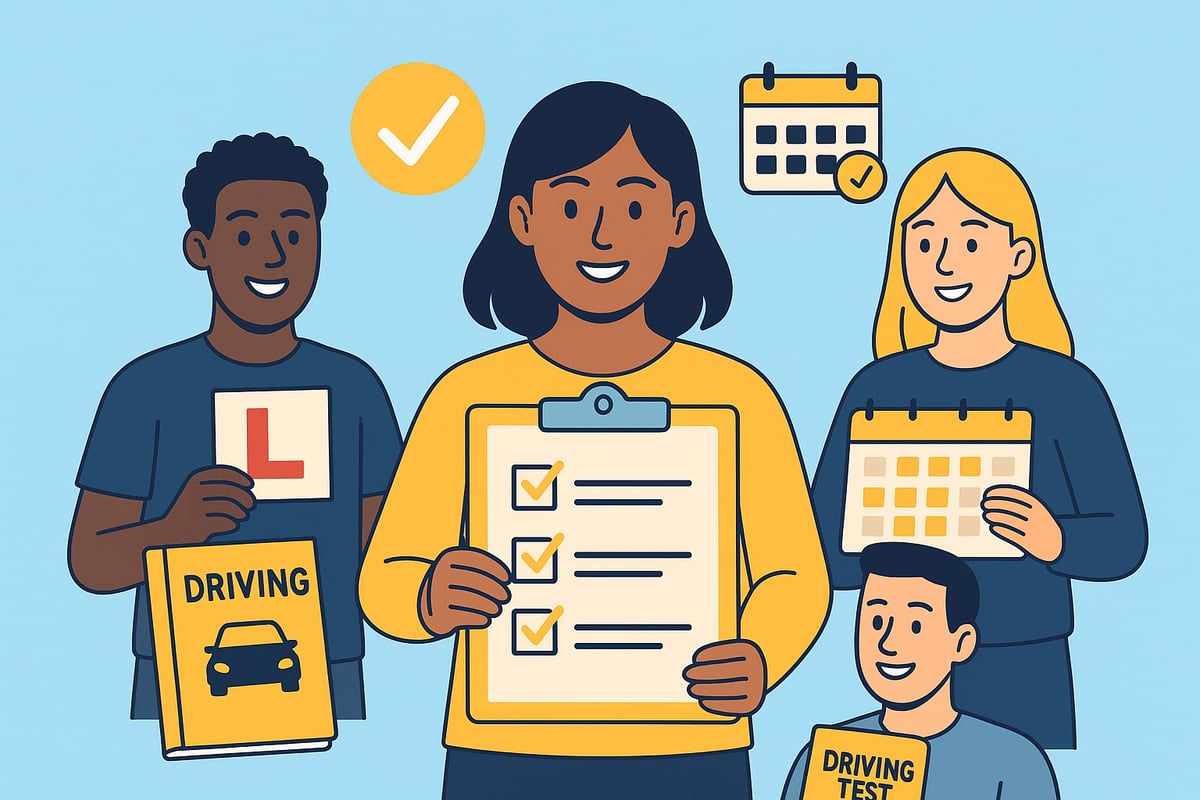
Essential Requirements Before You Begin
Before you can book your fast pass driving test, check that you meet all the legal and practical requirements. You must:
- Hold a valid UK provisional driving licence.
- Be at least 17 years old.
- Meet the minimum eyesight standards (able to read a number plate from 20 metres).
Book your theory test early, since you’ll need a pass certificate before moving to the practical stage. Gather all essential documents, such as your provisional licence and theory pass certificate, ahead of time. Common pitfalls include missing paperwork or failing to check eyesight in advance, which can delay your fast pass driving test journey.
Choosing the Right Course or Instructor
Picking the right learning path is crucial for any fast pass driving test candidate. Look for instructors who are DVSA-approved and have strong pass rates. Research different course types:
- Intensive: Full-time lessons over 1–2 weeks.
- Semi-intensive: Spread out over several weeks.
Flexibility and teaching style matter, so read reviews and ask about scheduling options. For more details on what to expect and how to choose, see this guide for your intensive driving course. The right instructor can make all the difference in your fast pass driving test success.
Setting Your Timeline and Goals
A clear plan keeps you on track for a fast pass driving test. Set a realistic timeframe based on your availability and experience. Use a simple table to map your progress:
| Learner Type | Lesson Frequency | Typical Duration |
|---|---|---|
| Beginner | Daily | 2–4 weeks |
| Some Experience | Every other day | 1–2 weeks |
| Confident/Refresher | Daily | 1 week |
Balance lessons with work or studies, and adjust your plan if needed. Setting achievable milestones helps keep motivation high while working steadily toward your fast pass driving test.
Building the Right Mindset
Confidence is key for any fast pass driving test candidate. Expect nerves, but remember they’re normal. Try these strategies:
- Practice deep breathing before lessons.
- Visualize a successful test.
- Celebrate small wins along the way.
Adopt a growth mindset: view mistakes as learning opportunities. Many learners say that believing in themselves was just as important as technical skill for acing the fast pass driving test.
Gathering Resources and Materials
Early preparation is your secret weapon for a fast pass driving test. Gather these essentials:
- Up-to-date theory test apps.
- Official DVSA study guides.
- Online mock tests and video tutorials.
Create a checklist to track your progress and keep resources organized. Starting early with the right materials boosts your confidence and makes your fast pass driving test preparation smoother.
Step 2: Booking Your Fast Pass Driving Test
Securing the right slot for your fast pass driving test can feel like a race against time, but with the right approach, you can leapfrog long waiting lists. Understanding how to navigate the booking process is crucial for a smooth experience. Let’s break down each step so you can book with confidence and get closer to your licence.
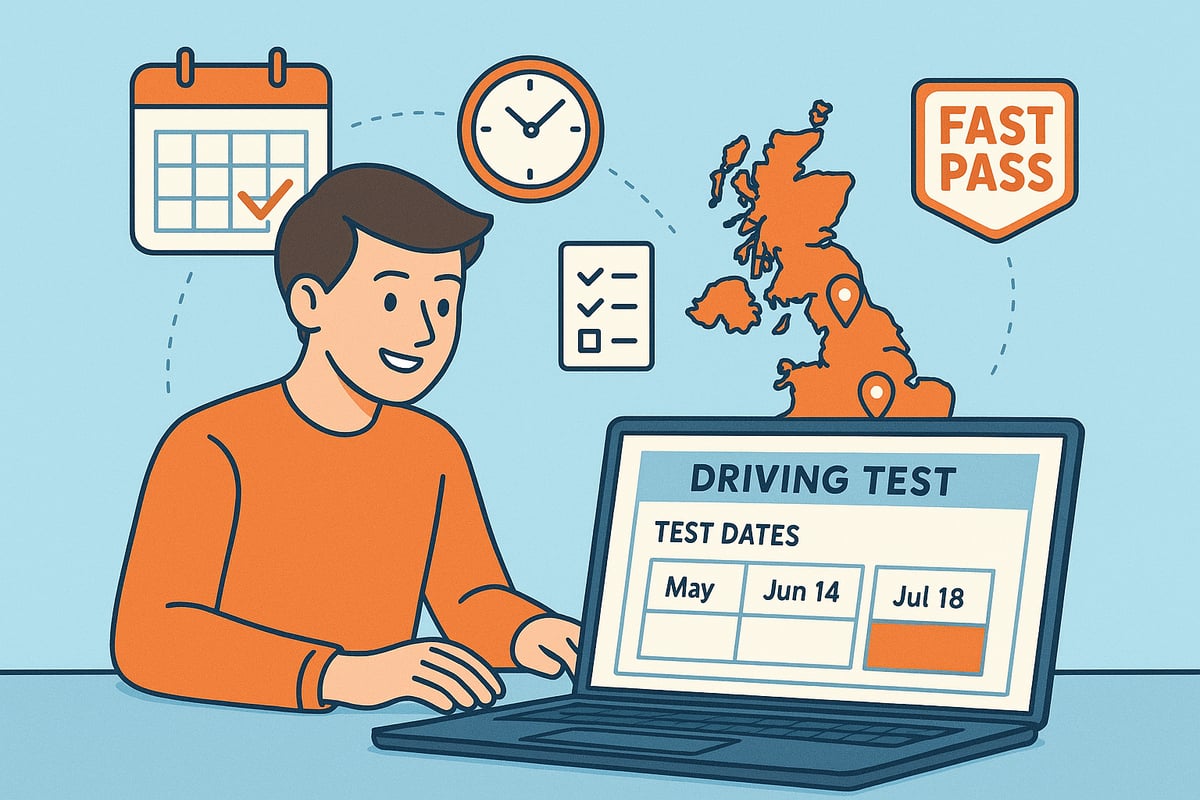
Navigating the Booking Process
Booking your fast pass driving test starts with understanding the right platforms. The DVSA website is the official route, but many learners also explore third-party services. Always double-check you’re using a trusted site to avoid scams.
To get ahead, set up alerts for cancellations or earlier slots. Act fast when you spot an available date, as popular times go quickly. For more strategies on finding an earlier driving test, check out this helpful guide on how to get a quick test date.
Remember to have your provisional licence, theory test pass number, and payment details ready before starting. This will help you breeze through the process without last-minute stress.
Timing Strategies for 2025
Timing is everything when aiming for a fast pass driving test. Booking during off-peak months, like late autumn or early spring, can help you snag an earlier appointment. Mid-week days often have lower demand compared to weekends, so keep that in mind.
Regional differences also affect waiting times. Some test centres in rural areas might offer quicker slots than busy city locations. In 2025, new DVSA patterns and booking trends show increased demand in major cities, so flexibility with location can pay off.
Regularly check for updates on average waiting times. Planning ahead and being adaptable will give you an edge in booking the ideal date for your fast pass driving test.
What to Look for in a Test Centre
Choosing the right test centre is a key part of your fast pass driving test journey. Consider location, pass rates, and available facilities. Some centres consistently have higher pass rates, which could boost your chances.
Here’s a quick comparison to help you decide:
| Test Centre | Location Type | Pass Rate (%) | Parking | Accessibility |
|---|---|---|---|---|
| Urban (e.g., London) | City | 40 | Yes | Good |
| Rural (e.g., Shrewsbury) | Countryside | 55 | Yes | Moderate |
| Suburban (e.g., Reading) | Suburb | 48 | Yes | Excellent |
Check reviews and ask your instructor for recommendations. Prioritize centres that fit your needs and offer a comfortable environment for your fast pass driving test.
Fast-Track Services: Are They Worth It?
Fast-track booking services promise earlier slots for your fast pass driving test, but are they the right choice? These services monitor cancellations and alert you when a slot opens up, sometimes for an extra fee.
Pros include saving time and reducing stress, while cons might be increased costs or unreliable providers. Always verify legitimacy before paying for any service. Look for user testimonials and transparent policies.
Some learners swear by fast-track services for getting their test dates sooner, while others find standard DVSA booking just as effective if they stay proactive. Choose the method that matches your urgency and budget, and always keep your fast pass driving test goal in sight.
Step 3: Intensive Learning—Maximising Lesson Impact
Intensive learning is the heart of any successful fast pass driving test journey. By focusing your effort and time, you can make rapid progress and develop the skills you need to pass quickly. Let’s break down how to maximize every lesson and get closer to that coveted pass.
Structuring Your Intensive Course
A well-structured intensive course is key to a smooth fast pass driving test experience. Typically, these courses involve daily lessons spanning several hours, often condensed into a one or two-week schedule.
You can customize your course length based on your prior experience. Beginners may need a full week, while those with some driving practice could opt for a shorter block. Here’s what a typical schedule might look like:
| Experience Level | Course Length | Daily Hours |
|---|---|---|
| Beginner | 5-7 days | 4-6 |
| Some Experience | 3-5 days | 3-5 |
| Test Ready | 1-2 days | 2-4 |
Back-to-back lessons require focus and stamina, but they help you retain information and build confidence quickly. The fast pass driving test approach is perfect for learners who thrive in immersive environments.
Key Skills to Master Quickly
To pass your fast pass driving test, you need to focus on the core skills examiners are looking for. These include smooth maneuvers, safe junction handling, accurate parking, and confident speed control.
Prioritize the elements that appear most frequently in tests, such as parallel parking and roundabout navigation. According to DVSA marking criteria, common fail points include missed observations and poor clutch control.
Want to know how top candidates excel? Check out what it takes to get zero faults on a driving test for proven strategies. Mastering these skills will put you on the fast track to passing.
Effective Practice Techniques
Practice is the backbone of any fast pass driving test plan. Use simulation and mock tests to mimic real exam conditions. These help you identify weak spots and build test-day confidence.
Practicing with family or friends between lessons can reinforce your skills and give you more time behind the wheel. Try using driving apps and dash-cams for instant feedback on your performance.
Research shows that candidates who complete several mock tests before their real exam see higher pass rates. The more you practice, the more comfortable you’ll feel when it matters most.
Overcoming Common Learning Challenges
Intensive learning can be demanding, but overcoming challenges is part of the fast pass driving test process. Fatigue and information overload are common, so take regular breaks and get enough rest.
If you hit a setback, remember that progress isn’t always linear. Stay positive and use quick review sessions to reinforce what you’ve learned. Techniques like mnemonics and visualization can help you retain information.
Many learners share stories of bouncing back after tough lessons. By staying resilient and focused, you can overcome obstacles and keep moving forward toward your goal.
LPOD Academy: Intensive Driving Course Solutions
LPOD Academy offers a range of intensive courses designed for the fast pass driving test candidate. With over 300 DVSA-approved instructors nationwide, you can find a course that fits your schedule and learning style.
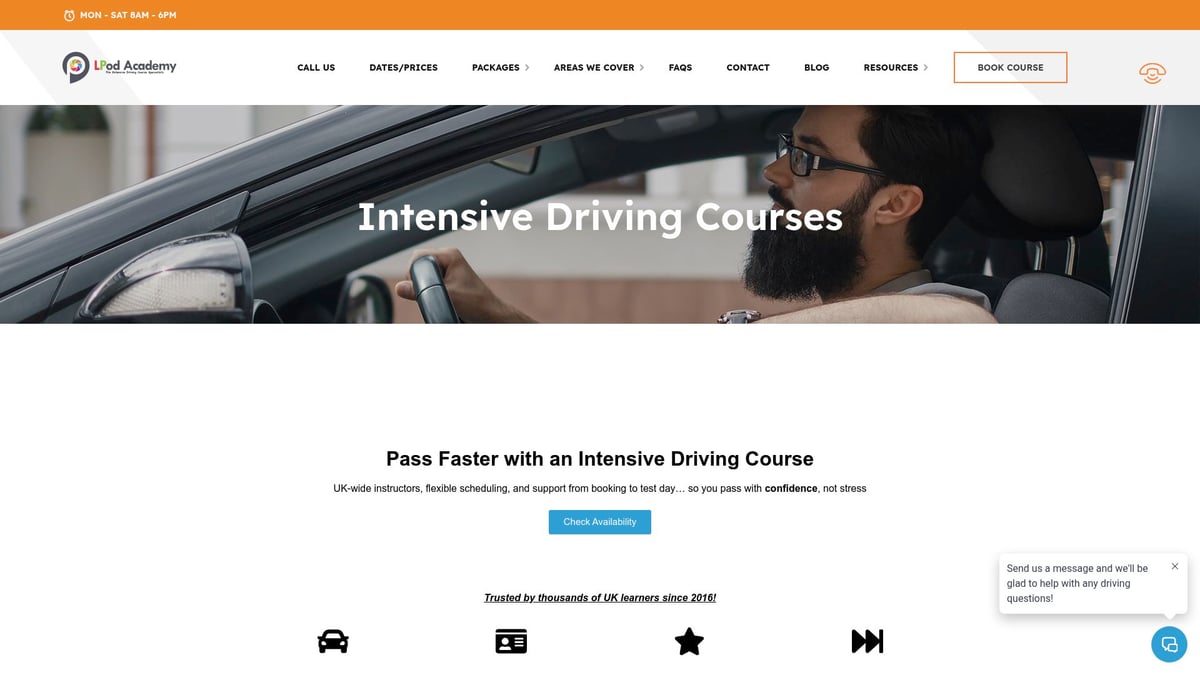
Flexible packages let you tailor your learning, from fast-tracked theory prep to practical test bookings. Success stories from past learners highlight high pass rates and comprehensive support.
From your first lesson to test day, LPOD Academy guides you every step of the way. Their expertise and resources can make your fast pass driving test journey smooth and successful.
Step 4: Test Day Strategies—From Nerves to Success
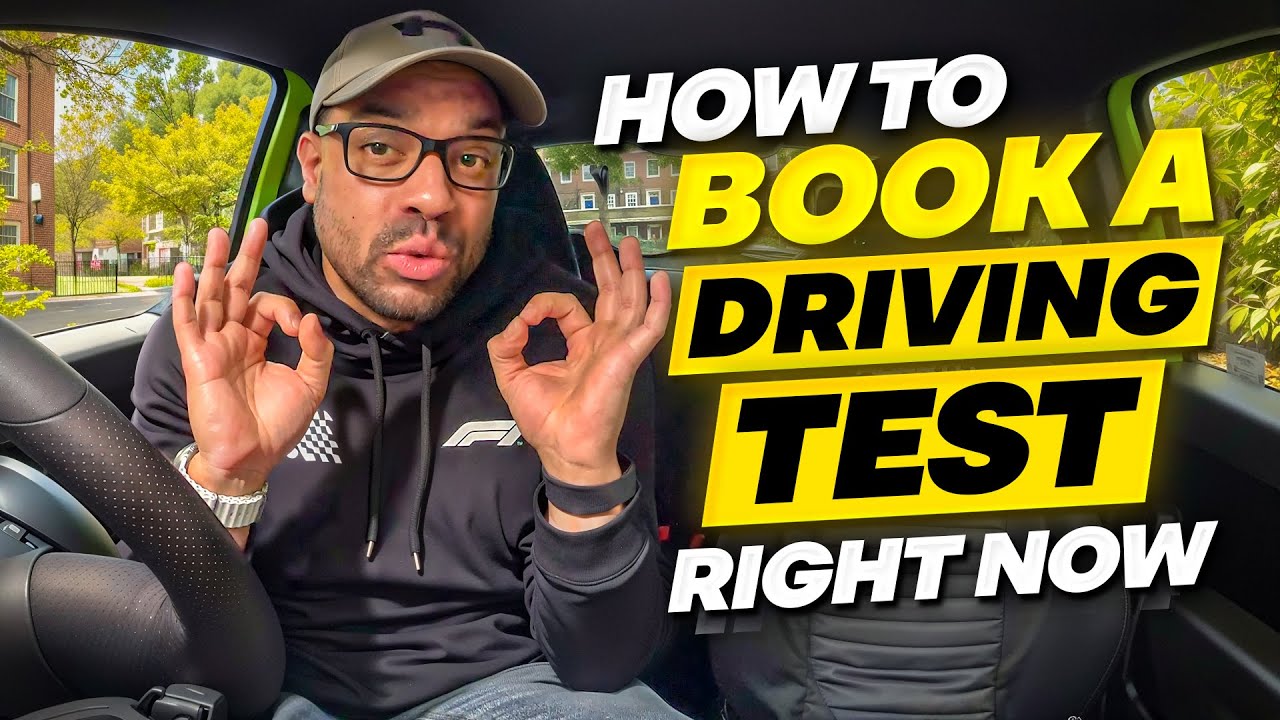
Test day is here, and it’s your chance to put all your fast pass driving test preparation into action. Knowing exactly what to expect helps you stay cool and collected, so let’s walk through the key steps for a smooth experience.
What to Expect on Test Day
Arrive at your test centre at least 15 minutes early to settle in. Bring your provisional license, theory test pass certificate, and any required paperwork. Examiners will check your documents, then guide you through a quick eyesight check.
You’ll start with basic vehicle safety questions before heading out for the practical part. The test usually lasts around 40 minutes and covers a mix of road types, maneuvers, and independent driving. Expect a calm, professional atmosphere. Surprises are rare if you’ve prepared well for your fast pass driving test, but always stay flexible. A simple timeline looks like this:
- Arrive and check in
- Document check and eyesight test
- Vehicle safety questions
- Practical driving test
- Debrief and results
Managing Test Day Nerves
Feeling nervous is completely normal, especially for a fast pass driving test. The key is turning those nerves into focused energy. Start with a good night’s sleep and a healthy breakfast. Practice deep breathing and visualization to calm your mind.
Stick to routines that help you feel grounded. Some candidates find a short walk or listening to music helpful before their test. If anxiety feels overwhelming, check out Dealing with driving test nerves for proven tips and real stories from other learners.
Remember, examiners want you to succeed, and nerves often ease once you start driving. Many successful drivers say their best performance came after taking a few deep breaths and focusing on each step, one at a time.
Examiner Insights: What They’re Looking For
Examiners follow a clear checklist during each fast pass driving test. They assess your observation skills, vehicle control, decision-making, and ability to follow instructions. Minor faults are given for small mistakes, while major faults are for serious errors or safety issues.
Key areas include:
- Effective mirror checks and signaling
- Smooth maneuvering and parking
- Confident handling of roundabouts and junctions
- Adapting speed to conditions
Recent feedback trends show most candidates lose marks for hesitation or poor observations. Impress your examiner by driving smoothly and showing clear awareness of your surroundings. Remember, examiners expect you to be safe, not perfect.
Dealing with the Unexpected
Even the best-prepared fast pass driving test candidates can face surprises. You might miss a gear, encounter unexpected weather, or be asked to take a new route. The secret is to stay calm and keep going.
If you make a mistake, don’t panic. Minor errors rarely mean an automatic fail. Focus on what comes next, not what just happened. If heavy rain or technical issues occur, listen to the examiner’s guidance and adapt as needed.
Real learners often share that bouncing back from a slip-up is what helped them pass. Every test is unique, so treat challenges as opportunities to show your resilience.
Post-Test Procedures and Next Steps
After your fast pass driving test, the examiner will give you immediate feedback. If you pass, you’ll get a pass certificate and instructions on receiving your full license. Take a moment to celebrate—it’s a huge achievement!
If you don’t pass, review the feedback carefully. Identify areas to improve, and remember, many drivers succeed on their second attempt. Book your next test as soon as you’re ready, and use your experience to refine your strategy.
Whether you pass or need another go, stay positive and motivated. Every test brings you closer to confident, independent driving.
Step 5: Beyond the Pass—Building Safe, Confident Driving Habits
Congratulations, you have completed your fast pass driving test journey. Now, the real adventure begins as you develop safe, confident habits for life on the road. Passing is just the start, not the finish line. Let us explore how you can build on your achievement and become a truly skilled driver.
Consolidating Your Skills
After your fast pass driving test, regular practice is vital. Even though you have earned your license, real-world driving brings new challenges every day. Identify any weak spots, such as parallel parking or roundabouts, and work on them in quiet areas.
Consider taking an advanced driving course like Pass Plus. These programs cover motorway driving, night journeys, and adverse conditions. They not only boost confidence but can also lower your insurance premiums.
Here is a quick comparison of accident rates:
| Driver Type | First Year Accident Rate |
|---|---|
| Newly Passed | 1 in 5 |
| Pass Plus Graduate | 1 in 8 |
Continuing to improve after your fast pass driving test can make all the difference.
Staying Up-to-Date with Road Rules
Road rules change regularly, especially as we approach 2025. Stay current by using apps for the Highway Code and following news on driving test updates. For example, the DVSA is trialling changes to the driving test to include more high-speed rural roads, aiming to improve novice driver safety.
Make it a habit to review any new regulations, signs, or local restrictions. Driving in unfamiliar environments, such as busy cities or rural lanes, will test your adaptability. The fast pass driving test prepares you for the basics, but ongoing learning keeps you sharp.
Insurance and Legal Essentials
Once you have passed your fast pass driving test, getting insured is your next big step. Shop around for quotes—prices can vary widely for new drivers. Compare policies, check excess amounts, and look for discounts for advanced courses.
Average insurance costs for first-timers can range from £1,200 to £2,000 per year, depending on your age and location. Make sure you complete all legal paperwork, such as updating your vehicle logbook and tax. Being thorough now saves hassle later and keeps you compliant.
Joining the Driving Community
Becoming part of a community matters after your fast pass driving test. Join online forums, social media groups, or local meetups for new drivers. Sharing stories and tips with others can help you learn from real experiences and avoid common pitfalls.
Community support boosts your confidence and helps you stay motivated. You might even find a driving buddy for practice or swap advice on tricky routes. Remember, learning continues long after you pass, and being part of a network makes every journey safer and more enjoyable.
You’ve learned all about fast pass driving test strategies, what to expect in 2025, and how a solid plan can save you time, money, and stress. With LPOD Academy’s tailored intensive courses, you don’t have to face those long waiting lists or go it alone—there’s expert support at every turn. If you’re ready to take the next step toward driving independence, why not make today the day you get started? It’s quick and easy to secure your place and begin your journey with confidence. Book Your Course