

Hill Starts and Clutch Control for Beginners: Your Confident Road to Mastery
Learning to drive a manual car brings unique challenges, and hill starts often top the list of nerve-wracking moments for new drivers. Picture this: you’re stopped on a steep incline, traffic lights ahead, cars queuing behind you, and suddenly the light turns green. Your heart races as you try to coordinate the clutch, accelerator, and handbrake without rolling backwards into the vehicle behind you.
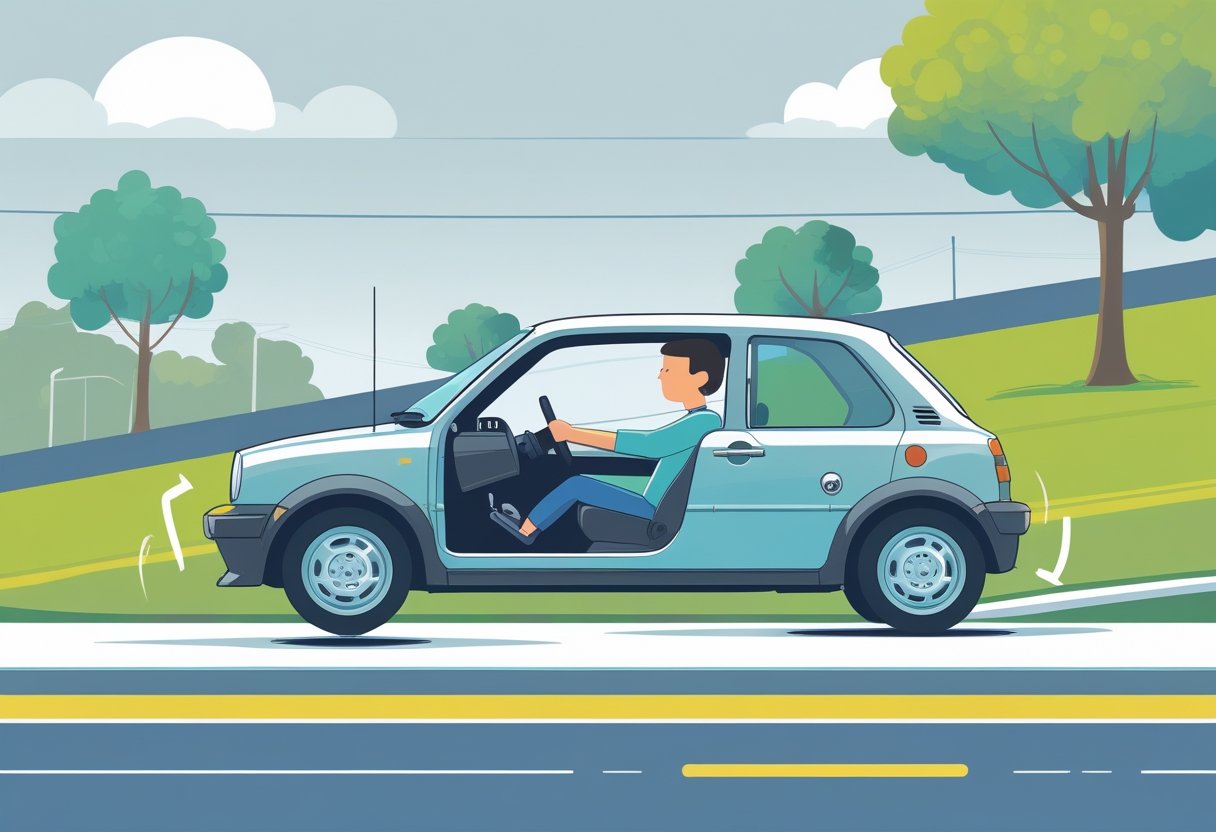
The secret to confident hill starts lies in mastering clutch control and finding the “biting point” where your engine connects smoothly with the wheels, preventing both stalling and rolling back. This crucial skill transforms what feels like a juggling act into a natural, controlled movement that becomes second nature with proper technique and practice.
We understand that hill starts can feel overwhelming at first, but every experienced driver has been exactly where you are now. The good news? Once you grasp the fundamental techniques and build muscle memory through focused practice, you’ll approach any incline with genuine confidence. Whether you’re preparing for your driving test or simply want to feel more comfortable on Britain’s hilly roads, we’ll guide you through every aspect of this essential driving skill.
Key Takeaways
- Hill starts require finding the clutch biting point whilst balancing accelerator pressure and handbrake release to prevent rolling backwards
- Proper technique involves steady engine revs around 1,500-2,000 RPM and gradual clutch control rather than rushing the process
- Regular practice on different gradients builds the muscle memory needed to handle hill starts confidently in real-world driving situations
Why Hill Starts Can Seem Daunting for Beginners
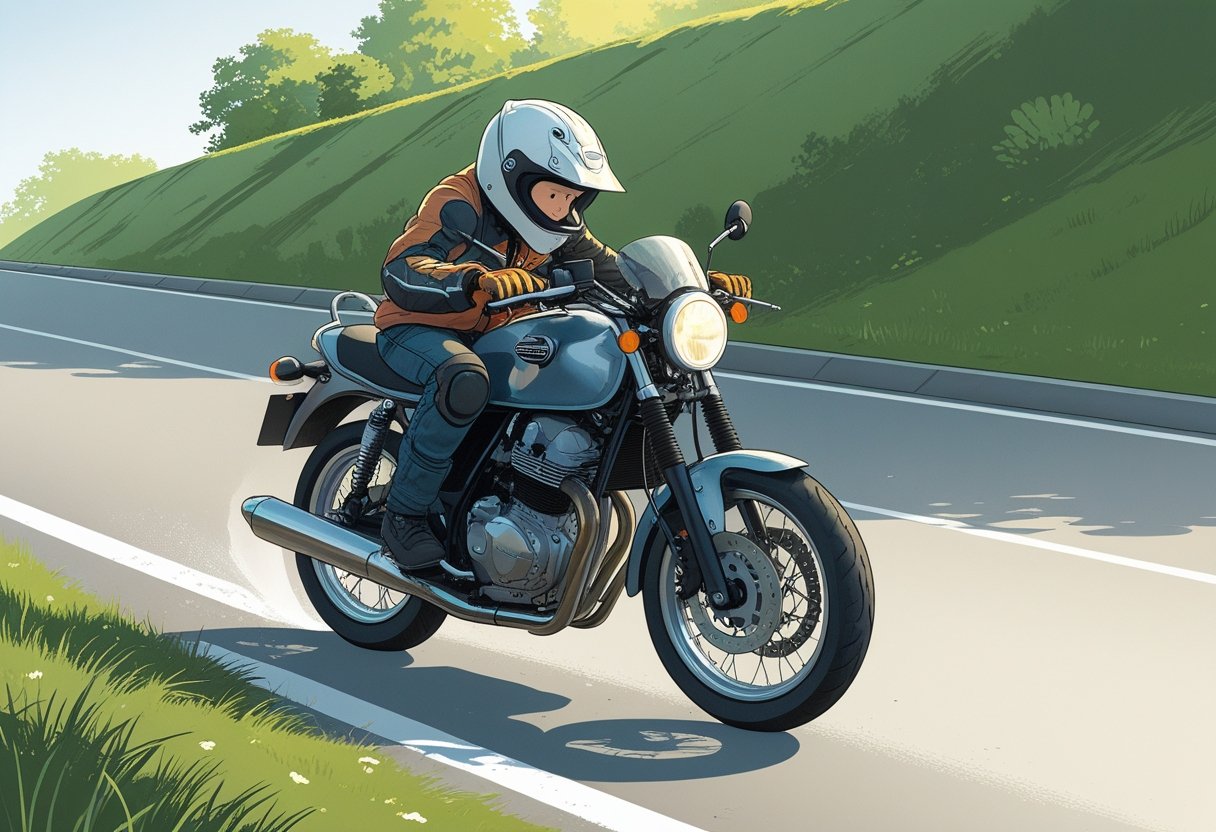
New drivers often find hill starts overwhelming because they involve managing multiple controls whilst fighting gravity’s natural pull. The fear of rolling backwards or stalling creates anxiety that can make even confident learners doubt their abilities.
Common Fears and Misconceptions
Many beginners worry they’ll roll backwards into the car behind them. This fear becomes so intense that some new drivers avoid hills altogether during practice sessions.
The biggest misconceptions we hear include:
- You need lightning-fast reflexes to prevent rolling back
- Stalling on a hill is dangerous or embarrassing
- Manual cars are impossible to control on slopes
- You’ll damage the engine if you get it wrong
These worries are completely normal. Every experienced driver once felt the same butterflies when approaching their first proper hill.
The truth is gentler than you might think. Small amounts of rollback happen to everyone, even seasoned drivers. Modern cars are built to handle the learning process.
Most hills you’ll encounter aren’t as steep as they appear. Your perception can make a gentle slope feel like a mountain when you’re nervous.
Understanding the Role of Gravity on Slopes
Gravity constantly pulls your car downhill, which is why hill starts feel different from flat-ground driving. On level surfaces, your car stays put when you lift your foot off the brake.
Hills change this equation completely. Without power from the engine, gravity wins every time.
Here’s what happens on different gradients:
| Slope Type | Gradient | Challenge Level |
|---|---|---|
| Gentle rise | 1-3% | Minimal rollback risk |
| Moderate hill | 4-8% | Requires good technique |
| Steep incline | 9%+ | Needs confident control |
The steeper the hill, the more power you need to overcome gravity’s pull. This is why first gear exists – it provides maximum pulling power for challenging situations.
Think of it like cycling uphill. You naturally shift to an easier gear because you need more mechanical advantage. Cars work the same way.
Understanding this physics helps remove the mystery. You’re not fighting some unpredictable force – you’re simply managing a consistent, logical challenge.
Building Early Confidence as a New Driver
Confidence grows through small victories, not by tackling the steepest hills immediately. We recommend starting with barely noticeable slopes before progressing to proper inclines.
Find a quiet car park with a gentle ramp. Practice the basic sequence repeatedly: handbrake on, find the biting point, gentle acceleration, release handbrake smoothly.
Your confidence-building checklist:
- Master clutch control on flat ground first
- Practice hill starts with an instructor beside you
- Start with tiny slopes, not mountain roads
- Celebrate small successes along the way
Many driving instructors use the same gentle hill for weeks. There’s no shame in repetition – it builds muscle memory and reduces anxiety.
Remember that every driver you see confidently tackling hills once sat exactly where you are now. They felt the same nerves, made the same mistakes, and gradually built their skills through practice.
The key is patience with yourself. Hill starts become automatic once your feet learn the rhythm. Trust the process, and don’t rush towards steeper challenges until you’re truly ready.
Grasping the Basics of Clutch Control
Mastering clutch control is about finding the sweet spot where your engine connects with the wheels, allowing you to move smoothly without stalling. We’ll explore what clutch control actually means, how to locate that crucial biting point, and the delicate dance between your accelerator and clutch pedals.
What Is Clutch Control and Why Does It Matter?
Clutch control is your ability to manage the clutch pedal position to maintain smooth vehicle operation, particularly at low speeds and during challenging manoeuvres. In a manual transmission, the clutch acts as a bridge between your engine and wheels.
When we press the clutch pedal fully down, we disconnect the engine from the wheels. When we lift it completely, they’re fully connected. The magic happens in between these two positions.
Clutch control is essential for:
- Moving off smoothly from a standstill
- Navigating slow traffic without constant stopping
- Executing hill starts confidently
- Changing gears seamlessly
Without proper clutch control, you’ll experience jerky movements, embarrassing stalls, and unnecessary wear on your vehicle. It’s particularly crucial during your driving test, where examiners assess your ability to handle the car smoothly in various situations.
Think of clutch control as learning to ride a bicycle. Initially, it feels awkward and requires concentration, but with practice, it becomes second nature.
Understanding the Biting Point
The biting point is the precise moment when your clutch begins to engage and transfer power from the engine to the wheels. Finding this point consistently is fundamental to smooth driving.
How to locate your biting point:
- Set your revs to approximately 1,500 RPM
- Slowly lift the clutch until you feel the car wanting to move
- Listen for engine note changes as it works harder
- Feel the car’s behaviour through gentle vibrations
Every car has a slightly different biting point. Some engage early in the pedal’s travel, whilst others require more lifting. Modern cars often have a more forgiving clutch than older vehicles.
Signs you’ve found the biting point:
- The engine sound deepens slightly
- You feel a gentle pull forward
- The car begins to creep ahead
- There’s a subtle change in pedal resistance
Practice finding this point repeatedly until it becomes instinctive. We recommend practising on flat ground initially before progressing to inclines.
Finessing Accelerator and Pedal Balance
Successful clutch control requires coordinating your right foot between the accelerator and brake whilst your left foot manages the clutch. This coordination separates confident drivers from nervous learners.
The golden rule: never rush the process. Smooth, deliberate movements always trump quick, jerky actions.
For moving off smoothly:
- Apply gentle pressure to the accelerator (around 1,500-2,000 RPM)
- Slowly lift the clutch to the biting point
- Hold both pedals steady momentarily
- Gradually lift the clutch further whilst maintaining gentle acceleration
Common balance mistakes we see:
- Too much accelerator with quick clutch release (causes lurching)
- Insufficient accelerator with slow clutch release (causes stalling)
- Holding the clutch at biting point too long (causes clutch wear)
The key is finding your rhythm. Some drivers prefer a quicker transition, whilst others need more time. Both approaches work provided they’re smooth and controlled.
Remember, your right foot should rest naturally between the accelerator and brake, pivoting from the heel. This positioning gives you better control and reduces fatigue during longer drives.
Finding the Biting Point: Unlocking Smooth Hill Starts
The biting point is where your clutch plates begin to connect, creating that sweet spot between stationary and moving. Mastering this technique gives you complete control over your car’s movement, preventing those heart-stopping moments of rolling backwards or embarrassing stalls on hills.
Step-by-Step Guide to Locating the Biting Point
Let’s break down finding the biting point into simple, manageable steps. We promise it’s easier than it sounds once you get the hang of it.
Start with your preparation:
- Press the clutch pedal fully down
- Select first gear
- Apply the handbrake firmly
- Give the accelerator a gentle press to bring revs to about 1,500 RPM
Now for the crucial bit. Slowly lift the clutch pedal until you feel the car’s behaviour change. You’ll notice the engine sound becomes slightly muffled and the revs might drop a touch.
Listen to your car carefully. The engine note will shift when the clutch plates start engaging. Your car might also vibrate slightly or feel like it’s straining against the handbrake.
Hold that position. When you feel these changes, stop lifting the clutch. You’ve found your biting point. Keep your foot steady here whilst managing the accelerator.
Practice this on flat ground first. We recommend spending time in an empty car park until finding the biting point becomes second nature.
How the Biting Point Prevents Stalling or Rolling Back
The biting point is your safety net for smooth hill starts. When you hold the clutch at this precise position, you’re creating enough connection between the engine and wheels to prevent rolling backwards.
Here’s what happens: At the biting point, your engine provides just enough power to counteract gravity’s pull. Your car stays perfectly balanced on the slope, neither moving forward nor sliding back.
This prevents stalling because you’re not suddenly releasing all the clutch power at once. Instead, you’re feeding it in gradually, giving the engine time to cope with the extra workload of climbing uphill.
Rolling back becomes impossible when you’ve properly engaged the biting point. The partial clutch connection creates enough grip to hold your position, even on fairly steep inclines.
The magic happens when you release the handbrake whilst maintaining the biting point. Your car will either stay still or creep forward gently, depending on the hill’s steepness and your accelerator pressure.
Adjusting for Different Cars and Hill Gradients
Every car has its own personality when it comes to clutch feel. Some bite early in the pedal’s travel, others much later. Don’t worry if your instructor’s car feels completely different from your test vehicle.
For different cars:
- Diesel engines typically need less accelerator pressure than petrol engines
- Older cars might have heavier, less precise clutch pedals
- Modern cars often have lighter clutches that engage more smoothly
Steep hills demand more commitment. You’ll need higher revs (around 2,000 RPM) and more confidence holding the biting point. The steeper the gradient, the longer you’ll need to maintain this position.
Shallow inclines are more forgiving. You might barely need any extra accelerator, and the biting point will feel less dramatic. Some gentle slopes barely require handbrake technique at all.
Practice on various gradients when possible. Start with gentle slopes in quiet areas, then gradually work up to steeper challenges. Each hill teaches you something new about your car’s responses and builds your confidence for real-world driving situations.
Mastering Hill Start Techniques for Every Situation
Different hill start scenarios require tailored approaches, from using the handbrake method on steep gradients to developing muscle memory for busy traffic situations. We’ll cover specific techniques for various slopes and teach you how to recover quickly when things don’t go to plan.
Using the Handbrake Method Effectively
The handbrake method remains the gold standard for confident hill starts. We recommend this technique for all learners because it prevents rollback whilst you find your clutch bite point.
Start with your handbrake firmly applied and engine running. Depress the clutch fully and select first gear. Gently press the accelerator until your engine reaches about 1,500 to 2,000 RPM.
Finding the bite point is crucial. Slowly lift the clutch pedal until you feel the car wanting to move forward. The engine note will change slightly, and you might notice the car dip at the back.
Hold the clutch steady at this position. You’ve found the sweet spot where engine power meets the wheels. Now release the handbrake smoothly whilst maintaining your accelerator and clutch position.
As the car moves forward, gradually lift the clutch completely. Keep your accelerator steady to maintain momentum. If you feel the engine struggling, add a touch more throttle rather than rushing the clutch release.
This method works brilliantly because it gives you full control. You’re not racing against gravity or worrying about rolling backwards into the car behind you.
Starting on Gentle Slopes Versus Steep Inclines
Different gradients demand different approaches. What works on a gentle rise might leave you stalled on a steep hill.
For gentle slopes (barely noticeable inclines), you can often manage with minimal handbrake use. The bite point comes easier, and you’ll need less throttle to get moving. Some experienced drivers skip the handbrake entirely on very gentle gradients.
Steep inclines are a different beast entirely. You’ll need higher engine revs (closer to 2,000 RPM) and more patience finding the bite point. The car will resist more, so hold that clutch position longer before releasing the handbrake.
On really steep hills, don’t be afraid to give the engine more power. Better to move off confidently than to stall halfway through the manoeuvre. The clutch bite point might feel less obvious, so listen for engine changes and feel for that slight car movement.
| Gentle Slopes | Steep Inclines |
|---|---|
| 1,200-1,500 RPM | 1,500-2,000+ RPM |
| Quick bite point | Longer bite point hold |
| Less throttle needed | More throttle required |
| Optional handbrake | Essential handbrake use |
Remember, every hill feels different depending on your car’s power and weight.
In-the-Moment Corrections and Recovering from Mistakes
Even experienced drivers occasionally misjudge hill starts. The key is staying calm and making quick corrections without panicking.
If you start rolling backwards, immediately press the clutch and footbrake together. Don’t worry about stalling at this point. Safety comes first. Apply the handbrake, take a breath, and start again from the beginning.
When you stall mid-hill start, keep the handbrake on and restart the engine calmly. Other drivers understand these situations happen. Don’t rush your second attempt because you feel pressured.
If the car lurches forward violently, you’ve probably given too much throttle whilst releasing the clutch too quickly. Ease off the accelerator slightly and control your speed with gentle braking if necessary.
For that horrible juddering feeling, you’re usually releasing the clutch too fast for the amount of throttle you’re giving. Hold the clutch steady at the bite point until the juddering stops, then proceed more gradually.
The most important recovery skill is recognising problems early. Feel your car’s feedback through the pedals, steering wheel, and engine noise. Quick corrections prevent bigger mistakes.
Developing a Hill Start Routine for Traffic and Test Day
Consistency wins over fancy techniques every time. Develop a routine that works under pressure, whether facing an examiner or impatient traffic.
Our recommended routine:
- Handbrake on, clutch down, first gear selected
- Set revs to 1,500 RPM
- Find bite point slowly
- Check mirrors and surroundings
- Release handbrake smoothly
- Move off with controlled clutch release
Practice this exact sequence until it becomes automatic. Your muscle memory will carry you through nervous moments during your test or in challenging traffic situations.
For traffic conditions, add quick observation checks between steps. Busy roundabouts and junctions require swift but safe decisions. Never rush the bite point, even if cars are waiting behind you.
On test day, stick rigidly to your practiced routine. Examiners appreciate smooth, controlled hill starts over quick but jerky ones. They’re watching for safety and control, not speed.
Build confidence through repetition on various hills around your area. Each practice session strengthens your routine and improves your feel for different gradients and traffic situations.
Troubleshooting and Perfecting Your Hill Starts
Even with practice, we all encounter challenges when mastering hill starts. The most frequent issues involve stalling the engine, rolling backwards, or experiencing jerky “kangaroo” movements that can shake your confidence.
Avoiding Common Errors Like Stalling and Rolling Back
Stalling happens when we release the clutch too quickly or don’t give enough throttle. We need to keep our engine revs steady between 1,500 and 2,000 RPM before lifting the clutch.
The secret lies in finding that clutch bite point before releasing the handbrake. You’ll feel the car wanting to move forward. That’s your signal.
Rolling backwards occurs when we release the handbrake too early. Always use your handbrake on any incline, no matter how gentle it appears.
Here’s what we should focus on:
- Keep throttle steady: Don’t let the revs drop below 1,500 RPM
- Find the bite point first: Feel the car pull against the handbrake
- Release handbrake smoothly: No sudden movements
- Balance the pedals: Gradual clutch up, steady accelerator pressure
If you feel the car starting to roll back, don’t panic. Simply reapply the handbrake, take a breath, and start again.
Recognising and Fixing “Kangaroo” or Jerky Movement
That jerky, hopping motion we call “kangaroo” happens when we release the clutch in sudden bursts rather than smoothly. It’s incredibly common for new drivers learning clutch control.
The clutch pedal needs gentle, progressive movement. Think of it like a dimmer switch, not a light switch.
Signs you’re about to kangaroo:
- Engine revs suddenly drop then surge
- Car lurches forward in jerky motions
- Passengers get thrown about
The fix is simple:
- Slow down your clutch release
- Keep accelerator pressure constant
- If jerking starts, press clutch down slightly to regain control
- Resume lifting clutch more gradually
Remember, smooth hill starts come from smooth pedal control. We’re aiming for one fluid movement, not a series of jerky corrections.
Recovering Calmly if You Stall
Stalling during a hill start feels embarrassing, especially with traffic behind you. But it’s completely normal and happens to everyone learning.
Our recovery process:
- Stay calm and put handbrake on immediately
- Turn ignition off completely, then restart engine
- Check mirrors for traffic approaching from behind
- Take three deep breaths before attempting again
- Ensure clutch is fully down before selecting first gear
Don’t rush your recovery. Other drivers understand that learners need extra time.
Key recovery tips:
- Never try restarting without the handbrake on
- Check your clutch is fully depressed before turning the key
- Give yourself slightly more throttle than before
- Focus on finding that bite point more slowly
Each stall teaches us something valuable about our car’s clutch and accelerator response. We’re building muscle memory that will serve us for years of driving ahead.
Practising with Purpose: Gaining Hill Start Mastery
Building real confidence with hill starts means practising smart, not just often. Success comes from choosing the right spots to learn and building your skills step by step.
Choosing the Right Place for Early Practice
Finding the perfect practice spot can make or break your confidence with hill starts. Look for quiet residential roads with gentle slopes where you won’t feel rushed by other traffic. Car parks with sloping sections work brilliantly too.
Your ideal practice location should have:
- Light traffic or empty stretches during quieter hours
- A gentle gradient (not too steep to start)
- Good visibility in both directions
- Space to pull over safely if needed
Early morning or late afternoon often provide the calmest conditions. Avoid main roads, busy junctions, or steep hills until you’ve built up your basic skills.
Industrial estates can offer excellent practice opportunities. Many have sloping access roads with minimal traffic during weekends. This gives new drivers plenty of space to get comfortable with the biting point without pressure.
Quick tip: Drive around your local area with an experienced driver to scout potential practice spots. Mark them on your phone so you can return when you’re ready to practise alone.
Incremental Progress: From Gentle Hills to Busy Roads
Smart progression means gradually increasing difficulty as your skills develop. Start with the gentlest slopes you can find, then work your way up to steeper gradients and busier roads.
Week 1-2: Focus on gentle hills with no traffic pressure
- Master finding the biting point consistently
- Perfect your handbrake timing
- Get comfortable with the pedal balance
Week 3-4: Try slightly steeper slopes during quiet periods
- Practice holding the car steady on the biting point
- Work on smoother handbrake releases
- Build confidence with different gradient levels
Week 5+: Graduate to busier roads and real-world situations
- Practice hill starts in light traffic
- Handle stops at traffic lights on slopes
- Manage pressure from cars behind you
The key is never jumping ahead too quickly. Each new challenge should feel manageable, not overwhelming. If you’re getting flustered, step back to easier slopes until things click properly.
Staying Encouraged and Tracking Your Improvement
Hill starts can feel frustrating when you’re learning, but tracking your progress helps maintain motivation. Keep a simple practice log noting what went well and what needs work.
Celebrate these milestones:
- Finding the biting point without stalling
- Smooth handbrake releases three times in a row
- Moving off without any rollback
- Completing a hill start in under 5 seconds
Don’t beat yourself up over occasional stalls or minor rollbacks. Even experienced drivers have off days with clutch control. What matters is steady improvement over time.
Consider practising with different family members or friends. Fresh perspectives can help spot habits you might not notice. Sometimes a different explanation of the same technique suddenly makes everything click.
Remember: Most new drivers need 20-30 practice sessions before hill starts feel natural. Your improvement might not feel obvious day to day, but looking back over weeks, the progress will be clear.
Frequently Asked Questions
New drivers often worry about mastering hill starts and finding the clutch biting point. These common questions address the specific techniques, timelines, and practice methods that help build genuine confidence behind the wheel.
What are the step-by-step essentials to mastering a smooth hill start in a manual car?
Start with your handbrake firmly applied and your foot pressing the clutch pedal to the floor. Select first gear whilst keeping that clutch pressed down completely.
Now comes the crucial bit. Slowly lift the clutch pedal until you feel the car’s engine note change and the vehicle start to pull forward slightly. This is your biting point.
Add gentle pressure to the accelerator whilst keeping the clutch steady at this biting point. You’ll hear the engine working a bit harder, which tells you it’s ready to move the car forward.
Release the handbrake smoothly and continue lifting the clutch pedal gradually. The car should move forward without rolling backwards or stalling.
Keep practising this sequence until each movement feels natural. We recommend finding a quiet hill where you can repeat this process without pressure from other traffic.
How can you effectively balance the clutch and throttle to prevent stalling on an incline?
Think of clutch and throttle control like a see-saw that needs perfect balance. Too much throttle with too little clutch will make your engine race. Too much clutch with insufficient throttle will cause a stall.
Start by finding your biting point first, then add throttle gradually. Listen to your engine’s sound as it tells you exactly what’s happening.
When the engine note drops slightly, you need more throttle. If it races too much, ease off the accelerator pedal gently.
Practice this balance on flat ground first. Once you’re comfortable there, move to gentle slopes before tackling steeper hills.
Are there any foolproof tips for finding the biting point on different gradients?
Every car has its own unique biting point, and it stays roughly the same regardless of the hill’s steepness. What changes is how much throttle you’ll need after finding that sweet spot.
On steeper hills, you’ll need more accelerator once you’ve found the biting point. The clutch position itself remains consistent with what you’ve learned on flatter roads.
Listen carefully to your engine. The moment you hear that slight change in tone and feel the car wanting to move forward, you’ve found your biting point.
Some cars have a slight vibration through the clutch pedal at the biting point. Others give you a gentle pulling sensation through the steering wheel.
Could you share techniques for transitioning from the handbrake to the accelerator without rolling back?
Master your biting point before even thinking about the handbrake release. Hold the clutch steady at this position whilst adding enough throttle to hear the engine working.
Use your right hand to operate the handbrake release button, but don’t pull it up yet. Keep your thumb on the button, ready to release smoothly.
When you feel confident the car wants to move forward, release the handbrake gradually whilst maintaining steady pressure on both clutch and accelerator.
If you feel any backward movement starting, quickly reapply the handbrake and start the process again. There’s no shame in taking your time to get this right.
What practice exercises can build confidence in clutch control during uphill starts?
Find a quiet car park with a gentle slope where you can practice without any pressure. Start by simply finding your biting point repeatedly without actually moving.
Practice holding the car steady on the slope using only clutch control, with the handbrake off. This builds excellent feel for the biting point.
Try starting from different positions on the same hill. Sometimes you’ll be at the bottom, other times halfway up, which changes how the car feels.
Practice emergency stops on hills, then restart from that position. This simulates real-world situations like traffic lights or sudden stops in queues.
Work on your timing between finding the biting point and adding throttle. The quicker this becomes, the smoother your hill starts will feel.
How long does it typically take to get comfortable with hill starts and clutch control for a new driver?
Most learners need between 5 to 10 hours of focused practice to feel genuinely confident with hill starts. However, everyone learns at their own pace, so don’t worry if you need longer.
Some people pick up clutch control within a few lessons, whilst others need more time to develop the muscle memory. Both approaches are completely normal.
The key is consistent practice rather than cramming everything into one long session. Short, regular practice sessions work much better for building confidence.
Expect to feel nervous about hills for the first few weeks of driving. This anxiety usually disappears once you’ve successfully completed several hill starts in real traffic situations.
Remember that even experienced drivers occasionally stall on hills. It’s part of driving a manual car, and other drivers are usually very understanding about it.