

How to Avoid Cutting Corners When Turning Right: Confident Driving Tips for Learners
Cutting corners during right turns is one of those driving habits that can turn a simple manoeuvre into a dangerous mistake. When we turn too early or too sharply, we end up on the wrong side of the new road, putting ourselves directly in the path of oncoming traffic. It’s a mistake that causes countless near-misses and fails many driving tests.
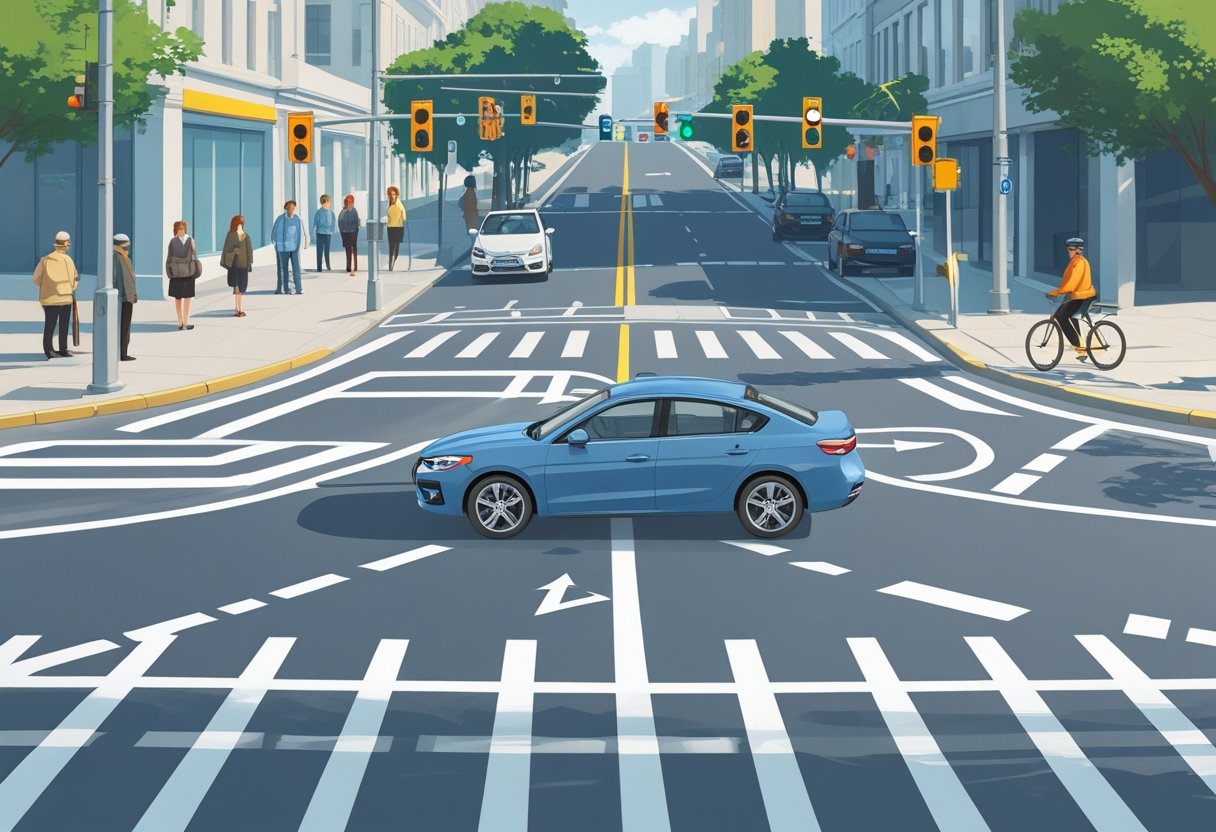
The key to avoiding corner cutting is waiting until you can see clearly into the road you’re entering before starting to turn the steering wheel. This simple technique ensures you follow the proper arc around the junction and stay safely in your correct lane. Many drivers rush their turns or use lazy steering techniques, but mastering the right approach takes just a bit of practice and awareness.
Throughout this guide, we’ll explore why corner cutting happens so frequently and walk through proven techniques that keep you safe on every right turn. From understanding the proper point of turn to handling tricky junctions and staying alert for hazards, you’ll gain the confidence to navigate right turns smoothly and safely every time.
Understanding Why Cutting Corners Happens
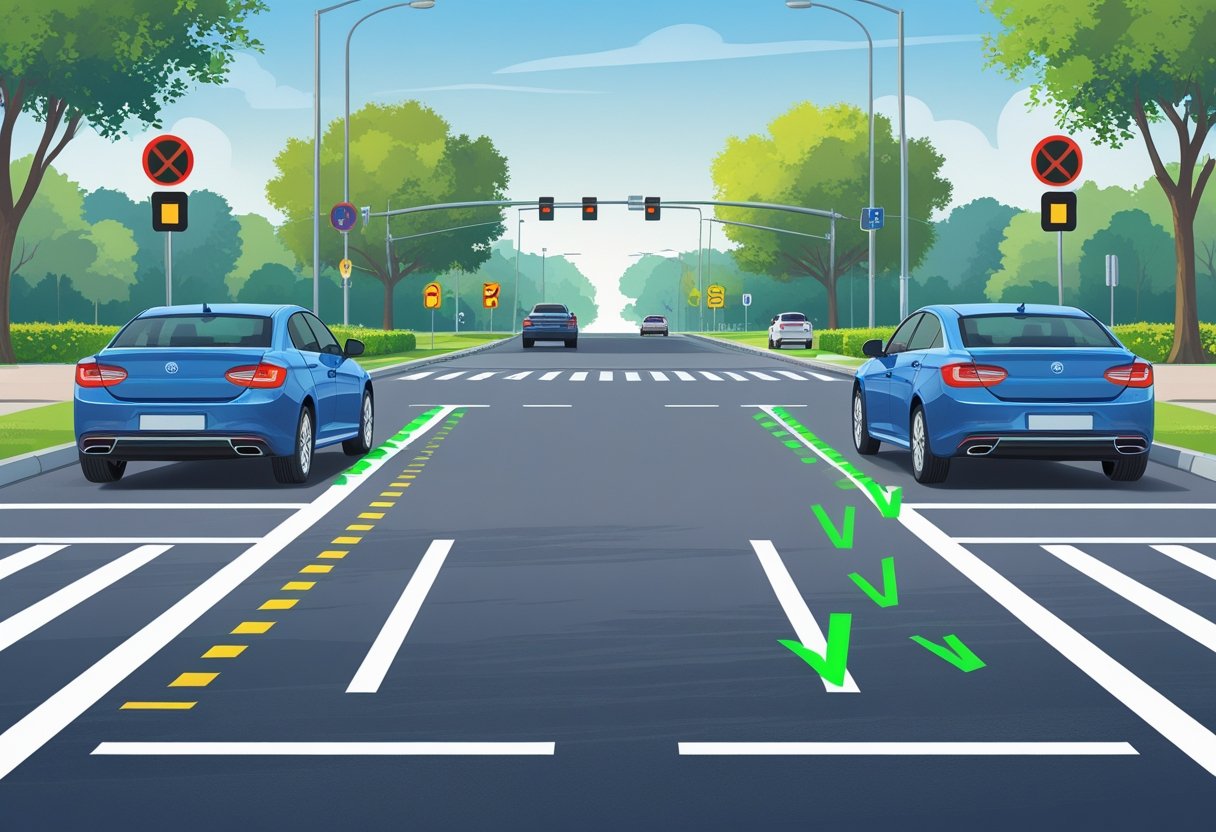
Many drivers find themselves cutting corners during right turns, often without realising they’re doing it. This happens due to common steering mistakes and the pressure to move quickly through junctions, especially when oncoming traffic is approaching.
Common Mistakes Behind the Wheel
We’ve all been there: you’re approaching a junction and suddenly feel rushed to complete your turn. Poor timing is one of the biggest culprits behind corner cutting.
Many drivers start turning their steering wheel too early. Instead of waiting until they’re properly positioned in the junction, they begin the turn whilst still approaching the give way line.
Inadequate positioning also plays a major role. When we don’t pull far enough forward into the junction before turning, we naturally end up cutting across the corner to reach our intended lane.
Here are the most frequent steering errors we see:
- Turning the wheel too quickly for the situation
- Not moving far enough into the junction before starting the turn
- Crossing over the centre line whilst approaching for the turn
- Attempting to rush through before oncoming traffic arrives
Lazy steering habits develop over time too. Some drivers simply take the shortest route around a corner, thinking it’s more efficient.
Why Cutting Corners Is Risky for Everyone
When we cut corners, we’re essentially driving into the wrong part of the road. This creates serious dangers for other road users who aren’t expecting us there.
Oncoming traffic becomes a major hazard. Vehicles approaching the give way line from the opposite direction might suddenly find a car in their path where none should be.
Cyclists and motorcyclists face particular risks. They’re often positioned closer to kerbs and corners, making them vulnerable when drivers take shortcuts through turns.
Pedestrians crossing at junctions also suffer. When we cut corners, we reduce the space they have to cross safely and may appear in their path unexpectedly.
The physics work against us too. Cutting corners often means taking the turn at inappropriate speeds, which can lead to:
- Loss of vehicle control
- Skidding on wet or slippery surfaces
- Inability to stop quickly if needed
- Reduced reaction time for unexpected hazards
Visibility problems multiply the risks. Other drivers can’t predict our movements when we’re not following proper turning procedures.
Real-World Consequences and Near-Misses
Corner cutting leads to genuine accidents every day. We’ve seen countless situations where drivers misjudge their turns and end up in serious trouble.
Head-on collisions can occur when cutting corners puts drivers directly into oncoming traffic lanes. Even minor contact at junction speeds can cause significant damage and injuries.
Traffic flow suffers when drivers make unpredictable moves. Other motorists have to brake suddenly or swerve to avoid vehicles that cut across their expected path.
Driving test failures are almost guaranteed if examiners spot corner cutting. It’s considered a serious fault that demonstrates poor vehicle control and road awareness.
Insurance complications arise from accidents caused by improper turning. When investigators determine that cutting corners contributed to a collision, it can affect claim settlements.
Many experienced drivers recall close calls from their early years. These near-miss situations often serve as wake-up calls about the importance of proper junction technique.
Damage to vehicles happens more often than we’d like. Kerb strikes, scrapes with other cars, and impacts with street furniture all result from taking corners incorrectly.
The stress factor shouldn’t be ignored either. Both the driver making the error and other road users experience unnecessary anxiety when dangerous manoeuvres occur at junctions.
Nailing the Right Approach to Turning Right
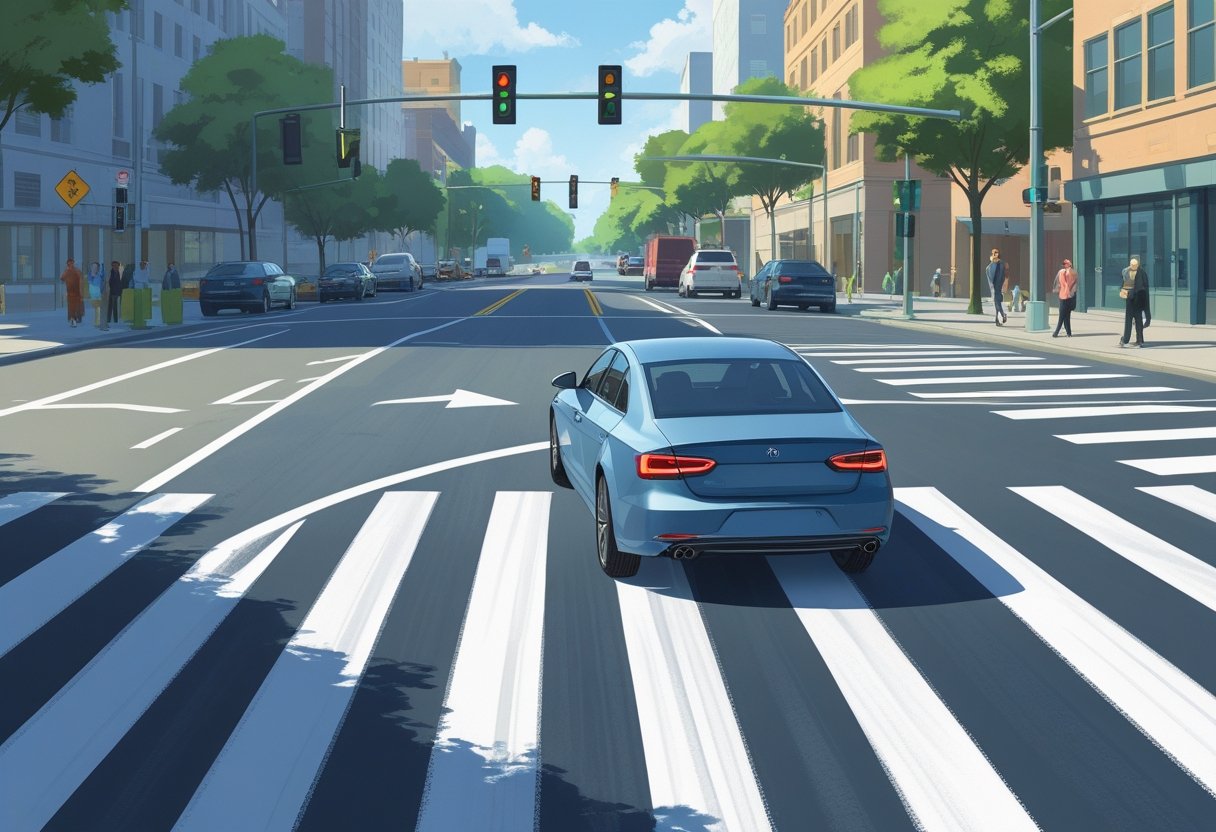
Getting your right turns spot-on comes down to three crucial elements: where you position yourself on the road, how fast you approach the junction, and what you’re looking for as you make the turn. These skills work together to keep you safe and help you pass your driving test with flying colours.
Perfecting Your Road Positioning
Your road position sets the foundation for every successful right turn. We want you to stay close to the centre line of your current road as you approach the junction, but don’t drift over it.
Think of it like this: you’re creating the perfect starting point for your turn. Position yourself about a metre from the centre line. This gives you enough room to swing round without cutting across oncoming traffic.
Key positioning points:
- Stay parallel to the centre line during your approach
- Don’t move towards the kerb before turning
- Keep your car straight until you’re ready to turn
As you enter the junction, aim to pass to the right of where the centre lines would meet if they crossed. This might feel like you’re going the long way round, but it’s exactly what examiners and other drivers expect to see.
Many learners make the mistake of starting their turn too early. We see this happen when nerves kick in or when you’re trying to rush the manoeuvre.
Managing Your Approach Speed Safely
Speed control makes the difference between a smooth turn and a stressful one. We recommend slowing down well before you reach the junction, not as you’re already turning.
Start reducing your speed about 100 metres before the junction. This gives you time to assess what’s happening and adjust if needed. Your speed should match the conditions you’re facing.
Speed guidelines for different situations:
- Clear junction: 10-15 mph
- Heavy traffic: 5-10 mph
- Poor visibility: Under 10 mph
Use your gears to help control your speed. Second gear works well for most right turns, but don’t be afraid to use first gear if traffic is heavy or the junction is tight.
The beauty of getting your approach speed right is that it gives you options. You can stop safely if someone appears suddenly, or you can complete your turn smoothly when a gap opens up.
Observational Skills for Every Turning Situation
Your eyes are your best safety tool when turning right. We want you looking in multiple directions and processing what you see quickly and accurately.
Start your observations early. Check your mirrors as you slow down, then focus on the junction ahead. Look for pedestrians, cyclists, and other vehicles that might affect your turn.
Essential observation sequence:
- Mirror check as you approach
- Right signal in good time
- Scan the junction for hazards
- Check oncoming traffic before turning
- Look into your new road before you go
Pay special attention to motorcycles and cyclists. They’re harder to spot but they move quickly. A quick shoulder check can catch anything your mirrors might have missed.
Don’t forget to look down your new road before you complete the turn. Another vehicle might be approaching the junction from that direction, and you need to know it’s safe to proceed.
The most confident drivers are the ones who know what’s happening around them. Build these observation habits now, and they’ll serve you well throughout your driving career.
Smart Techniques to Avoid Cutting Corners
The secret to smooth right turns lies in mastering three essential skills: precise steering control, perfect timing, and maintaining proper lane position. These techniques work together to keep you safe and confident on the road.
Steering with Precision and Confidence
Getting your steering technique spot on makes all the difference when turning right. We often see new drivers struggle because they haven’t quite mastered how much to turn the wheel or when to start their turn.
Start with proper hand position at 9 and 3 o’clock on the steering wheel. This gives you maximum control and smooth movement. When approaching your turn, resist the urge to grip the wheel tightly – tension actually reduces your precision.
The key is gradual steering input. Don’t yank the wheel suddenly or make sharp movements. Instead, apply steady, controlled pressure as you begin your turn. Think of it like drawing a smooth curve rather than making a sharp angle.
Practice the push-pull method for longer turns. Push the wheel up with one hand whilst pulling down with the other. This keeps your hands in the optimal position and prevents oversteering.
Remember to straighten the wheel progressively as you complete the turn. Many drivers forget this step and end up weaving slightly as they enter their new lane.
Timing Your Turn for Smooth Manoeuvres
Perfect timing transforms good drivers into great ones. Starting your turn at exactly the right moment prevents cutting corners and keeps traffic flowing smoothly.
Wait until you’re almost at the centre line of the road you’re turning into before you begin steering. This might feel late at first, but it’s the correct technique that prevents cutting across the corner.
Watch for the visual reference point where the kerb of your target road appears to align with your car’s bonnet. That’s typically when you should start turning the wheel. This reference helps you judge the perfect moment every time.
Slow down appropriately before you reach the turning point, not during the turn itself. Getting your speed right beforehand allows you to focus entirely on steering accuracy. Most successful turns happen between 5-10 mph in urban areas.
Be patient with oncoming traffic. Never rush your timing to squeeze in front of approaching vehicles. It’s far better to wait for a clear gap than risk cutting the corner to “beat” oncoming cars.
Sticking to the Correct Road Lane through the Corner
Maintaining proper lane position throughout your turn keeps you safe and shows other drivers exactly what you’re doing. This is where many drivers slip up without realising it.
Aim for the centre of your target lane as you complete the turn. Visualise drawing an arc from your current position to the middle of the lane you want to enter. This mental picture helps guide your steering.
Keep an eye on your left mirror and passenger window to monitor your position relative to the kerb. You should maintain a consistent distance from the kerb throughout the turn, typically about 1-1.5 metres in normal conditions.
Avoid swinging wide into the opposite lane or cutting across the corner into oncoming traffic’s path. Both mistakes create dangerous situations and show poor vehicle control.
If parked cars force you to adjust your path, slow right down and check thoroughly for oncoming traffic before moving slightly wider. Never compromise safety for convenience, and always signal your intentions clearly to other road users.
Handling Different Types of Junctions When Turning Right
Different junction types present unique challenges when making right turns. T-junctions require careful positioning and observation, roundabouts demand proper lane discipline and timing, whilst crossroads and staggered layouts need extra attention to avoid cutting corners across multiple traffic flows.
Tackling T-Junctions Confidently
T-junctions are brilliant practice grounds for perfecting your right-turn technique. When approaching a T-junction where you’ll turn right, position your vehicle near the centre line early.
Check your mirrors and signal well before reaching the junction. This gives other drivers plenty of warning about your intentions.
At the junction mouth, stop with your wheels straight if traffic is approaching. Don’t turn your steering wheel until you’re actually moving.
When it’s clear to proceed, edge forward slightly before beginning your turn. This small movement forward prevents you from cutting the corner too sharply.
| Key Points | Why It Matters |
|---|---|
| Position early | Gives you the best turning angle |
| Keep wheels straight when waiting | Prevents being pushed into oncoming traffic |
| Move forward before turning | Creates proper turning radius |
Watch for cyclists and pedestrians who might be crossing from your left. They’re often hidden behind parked cars or obstacles.
Take your time at T-junctions. There’s no rush, and a smooth, controlled turn impresses examiners far more than a hurried one.
Dealing with Roundabouts and Right Turns
Roundabouts can feel overwhelming, but they follow predictable patterns. For right turns, approach in the right-hand lane and signal right from the start.
Stay in the right lane as you enter the roundabout. Keep your right signal on until you pass the exit before yours.
The key to avoiding corner-cutting at roundabouts is maintaining your lane position. Don’t drift left as you navigate around.
Signal left as you pass the exit before your intended one. This tells other drivers you’re preparing to leave.
Follow the road markings on the roundabout surface. They’re designed to guide you along the proper path without cutting across lanes.
Watch your speed around the roundabout. Going too fast makes it harder to stay in your lane and increases the temptation to cut corners.
Multi-lane roundabouts need extra care. Check your mirrors frequently and be aware of vehicles in the left lane who might be continuing around.
Practice makes perfect with roundabouts. The more you encounter them, the more natural the process becomes.
Complex Junctions: Crossroads and Staggered Layouts
Crossroads present the biggest challenge for avoiding corner-cutting. You’re crossing multiple lanes of traffic, so precision matters enormously.
At crossroads, position yourself just left of the centre line when waiting to turn right. This leaves room for left-turning traffic behind you.
Staggered junctions require particular attention to road positioning. The offset layout can confuse your sense of where the centre line actually lies.
Look for road markings that show the correct path. These painted guides help you avoid swinging too wide or cutting across too sharply.
When turning right at complex junctions, aim to keep right of the centre of the junction area. This natural path prevents corner-cutting whilst maintaining good visibility.
Traffic lights at complex junctions often have filter arrows. Wait for your designated right-turn phase rather than trying to squeeze through gaps.
Be extra cautious about pedestrians at crossroads. They can appear from multiple directions, and cutting corners reduces your reaction time significantly.
Take a moment to assess the junction layout before committing to your turn. Complex junctions deserve that extra second of planning.
Staying Alert for Hazards and Oncoming Traffic
When we’re making right turns, our biggest job is keeping our eyes peeled for potential dangers. We need to watch for vehicles coming towards us and spot pedestrians or cyclists who might be in our path.
Spotting Oncoming Vehicles Early
The key to safe right turns is getting a proper look at what’s coming our way well before we commit to the turn. We should start scanning for oncoming traffic as soon as we begin approaching the junction.
Distance matters here. We want to look as far down the road as possible, not just at the cars right in front of us. This gives us time to judge their speed and decide if we have a safe gap.
Watch out for these common mistakes:
- Looking only at the nearest car
- Misjudging the speed of motorcycles (they’re faster than they appear)
- Missing vehicles in the distance that are travelling quickly
Here’s what works best: Start your observations early, check multiple times, and always err on the side of caution. If we’re not 100% certain there’s enough space, we wait for the next opportunity.
Remember that oncoming vehicles always have right of way when we’re turning right. It’s our responsibility to give way, and taking our time here prevents accidents.
Anticipating Unexpected Moves from Others
Other drivers don’t always do what we expect them to do. We need to watch for signs that someone might change lanes, speed up, or make sudden moves that could affect our turn.
Look for warning signs like vehicles drifting in their lanes, brake lights that come on suddenly, or drivers who appear distracted. These can all signal that someone might do something unpredictable.
Pay special attention to:
- Large vehicles that might need extra space to turn
- Delivery vans that could stop suddenly
- Cars with indicators on that might be changing direction
We should also keep an eye on our mirrors whilst we’re positioning for the turn. Sometimes other drivers try to overtake us just as we’re about to turn right, which creates a dangerous situation.
The golden rule is to assume nothing and prepare for anything. This mindset keeps us ready to react safely.
Checking for Cyclists, Motorbikes, and Pedestrians
These road users are often the hardest to spot, but they’re the ones most at risk if we get our turn wrong. We need to give them extra attention because they can appear quickly and are easily hidden by larger vehicles.
Cyclists and motorcyclists can come from several directions. They might be filtering through traffic, coming up behind us, or approaching from the road we’re turning into.
Check these spots carefully:
- Behind us in mirrors before we move across
- In the road we’re entering where cyclists might be riding
- Between parked cars where they could be hidden
Pedestrians present their own challenges. They might be crossing the road we’re turning into, or they could be hidden behind oncoming vehicles that are stopped or turning.
We must take an extra moment at junctions to look specifically for vulnerable road users. They have just as much right to be there as we do, and it’s our job to make sure we’ve seen them before we turn.
A quick shoulder check can catch anyone in our blind spots that mirrors might miss.
Avoiding Corner Cutting in Related Situations
Corner cutting isn’t just a right-turn problem, and proper road positioning becomes crucial in every turning scenario. We’ll explore how left turns require different techniques and why positioning yourself correctly from the start prevents dangerous shortcuts.
Best Practice for Turning Left
Left turns present their own unique challenges, but they’re actually easier to execute safely than right turns. We position ourselves closer to the centre line when preparing for a left turn, which naturally prevents us from cutting across oncoming traffic lanes.
The key difference is our starting position. We move towards the centre of our lane, sometimes even slightly left of centre if the road markings allow. This gives us a better turning angle.
Watch for oncoming traffic carefully. Unlike right turns where we primarily worry about pedestrians and cyclists, left turns mean dealing with vehicles travelling towards us at speed.
Keep your wheels straight whilst waiting. If someone hits you from behind, you won’t be pushed into oncoming traffic. This simple habit could save your life.
Once it’s clear, turn decisively but smoothly. Don’t creep forward slowly, as this creates confusion for other road users. Commit to your turn when you’ve made the decision to go.
How Advanced Positioning Prevents Mistakes
Getting into the correct position early stops us from making rushed, dangerous decisions later. Road positioning is your first line of defence against corner cutting and other turning mistakes.
For right turns, we position ourselves on the left side of our lane. This creates the widest possible turning arc and reduces the temptation to cut corners.
Mirror, signal, manoeuvre becomes even more important when we’re positioning early. Check your mirrors frequently as you adjust your lane position, especially when other vehicles might not expect your movements.
Look for road markings that guide your positioning. Many junctions have painted lanes or arrows showing exactly where different vehicles should position themselves.
Practice this positioning on quiet roads first. The muscle memory you build during practice sessions will serve you well when you’re dealing with busy traffic and feeling pressured to move quickly.
Building Safe Habits at Every Turn
Safe turning habits start with slowing down appropriately for each situation. We can’t execute proper turns whilst rushing, and speed often leads directly to corner cutting.
Develop a pre-turn checklist: check mirrors, signal early, position correctly, reduce speed, and look for hazards. This routine becomes automatic with practice.
Practice makes these habits stick. Find a quiet car park or empty roads where you can rehearse different turning scenarios without pressure from other traffic.
Stay patient with yourself as you build these skills. Every experienced driver once struggled with turning techniques, and consistent practice always wins over rushing to improve.
Remember that other road users appreciate predictable, safe driving far more than quick but dangerous manoeuvres. Taking an extra second to turn properly keeps everyone safer and builds your confidence behind the wheel.
Frequently Asked Questions
Learning proper right turn technique takes practice and understanding the key principles. The most important elements include mastering your positioning, timing your steering input correctly, and maintaining awareness of other road users throughout the manoeuvre.
What’s the best approach to mastering right turns without cutting corners?
We recommend starting with the basics of positioning and timing. Begin your turn just before reaching the centre line of the new road you’re entering.
Keep your speed controlled and look well ahead into the road before you commit to turning. This gives you time to spot any approaching vehicles or hazards.
Practice the technique of driving around the centre line rather than cutting straight across it. This creates a smooth arc that keeps you in the correct position.
Start with quieter roads where you can focus on getting the mechanics right. Once you’re comfortable, gradually progress to busier junctions with more traffic.
Can you offer some pro tips for making perfect right-hand turns every time?
Line up your right door mirror with the centre of the new road as you complete the turn. This visual reference helps maintain proper positioning without cutting the corner.
Don’t rush your steering input. Wait until you can actually see into the road you’re entering before beginning to turn the wheel.
Select second gear before starting the turn if you’re driving a manual car. This gives you better control and prevents stalling mid-manoeuvre.
Keep your observations going throughout the turn. Check your mirrors and scan for pedestrians, cyclists, and other vehicles that might appear.
How can I ensure I’m staying in my lane when taking a right turn?
Focus on creating a wide, sweeping arc rather than taking the shortest route. This naturally keeps you in the correct lane position.
Use the centre line of the new road as your guide. Aim to drive around it rather than over it during your turn.
Practice judging the width of your vehicle. Many new drivers underestimate how much space they need and end up cutting corners.
If there are parked cars in the new road, slow down even more and look further ahead to assess whether it’s safe to take a slightly wider line.
What are the common mistakes to avoid when turning right at intersections?
Turning too early is the biggest issue we see. This happens when drivers start steering before they can properly see into the new road.
Rushing to beat oncoming traffic leads to poor positioning and increases accident risk. It’s better to wait for a proper gap.
Lazy steering technique causes many problems. Keep both hands on the wheel and make deliberate, controlled movements.
Forgetting to check blind spots during the turn can be dangerous. Cyclists and motorcyclists often appear in these areas.
How do I correctly judge the angle of a right turn to avoid mounting the kerb?
Look for the centre line or road markings in the new road to guide your path. These give you a clear reference point for your turning angle.
Practice on different types of junctions to build your spatial awareness. Sharp corners need different techniques than gentle sweeping turns.
If you’re getting too close to the kerb, you’ve probably started turning too late or taken too tight an angle. Adjust by beginning your turn earlier next time.
Use your peripheral vision to monitor the kerb position whilst keeping your main focus on the road ahead and oncoming traffic.
Could you guide me through the proper steps for signalling and positioning in right turns?
Start by checking your mirrors and signalling right in good time. Position yourself close to the centre line but don’t cross it.
Approach at a safe speed that gives you control. You should be able to stop safely if needed.
Wait for a suitable gap in oncoming traffic. Don’t feel pressured to go if you’re not completely confident it’s safe.
Begin turning just before the centre line of the new road, steering smoothly around it whilst maintaining your observations throughout the manoeuvre.