

How to Correct Your Speed When Approaching Speed Bumps: Confident Techniques for Safer Driving
Speed bumps might feel like speed limit guesswork, but there’s actually a sweet spot that keeps both you and your car happy. Getting your speed right isn’t just about comfort (though your passengers will thank you), it’s about protecting your vehicle’s suspension, tyres, and undercarriage from unnecessary wear and tear.
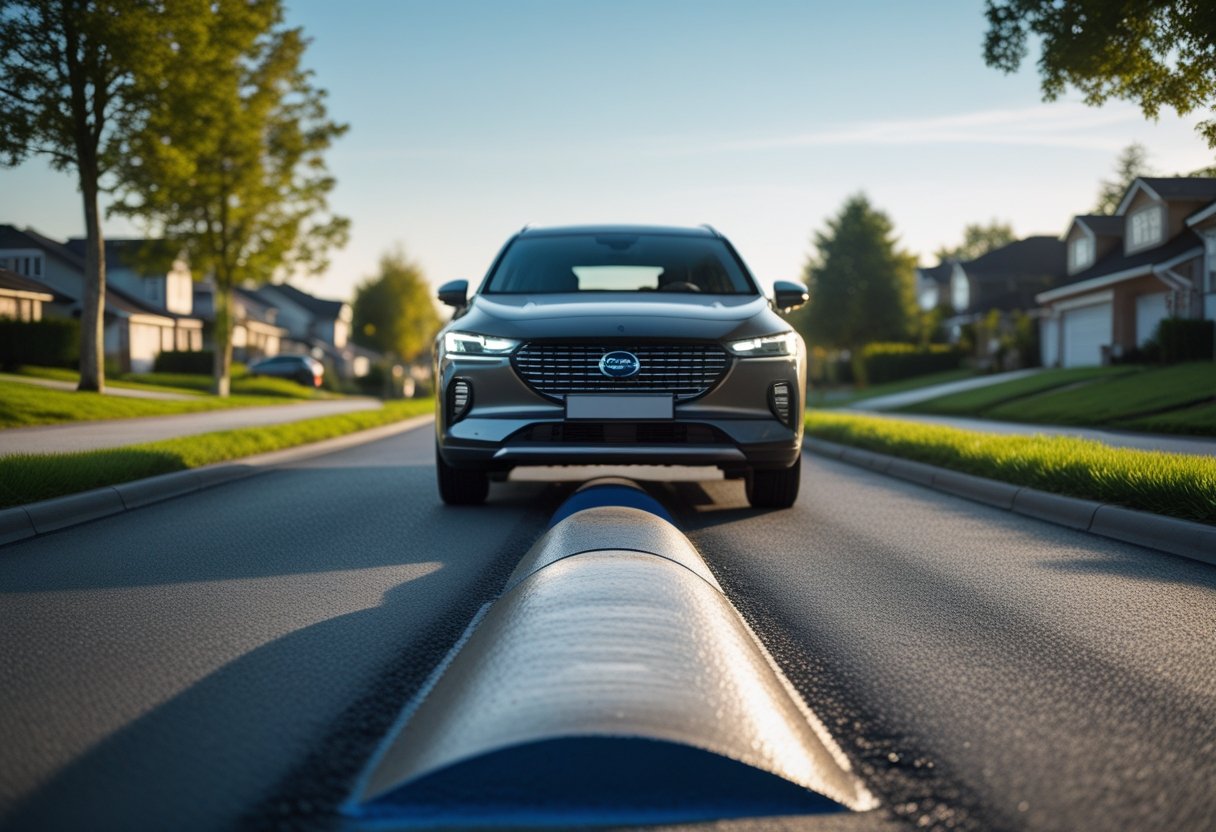
The ideal speed for most speed bumps is between 5 to 10 mph, but the key is starting your speed adjustment well before you reach the bump itself. Too many drivers wait until the last second to brake hard, which creates a jarring experience and can actually cause more damage than maintaining a slightly higher speed with proper preparation.
We’ll walk you through the techniques that make speed bump navigation feel effortless, from recognising different bump types to mastering the gentle approach that experienced drivers swear by. You’ll also discover how to handle tricky situations like low-clearance vehicles and heavily loaded cars, plus learn to spot the warning signs that indicate you might be approaching these road features incorrectly.
Why Correct Speed Matters at Speed Bumps
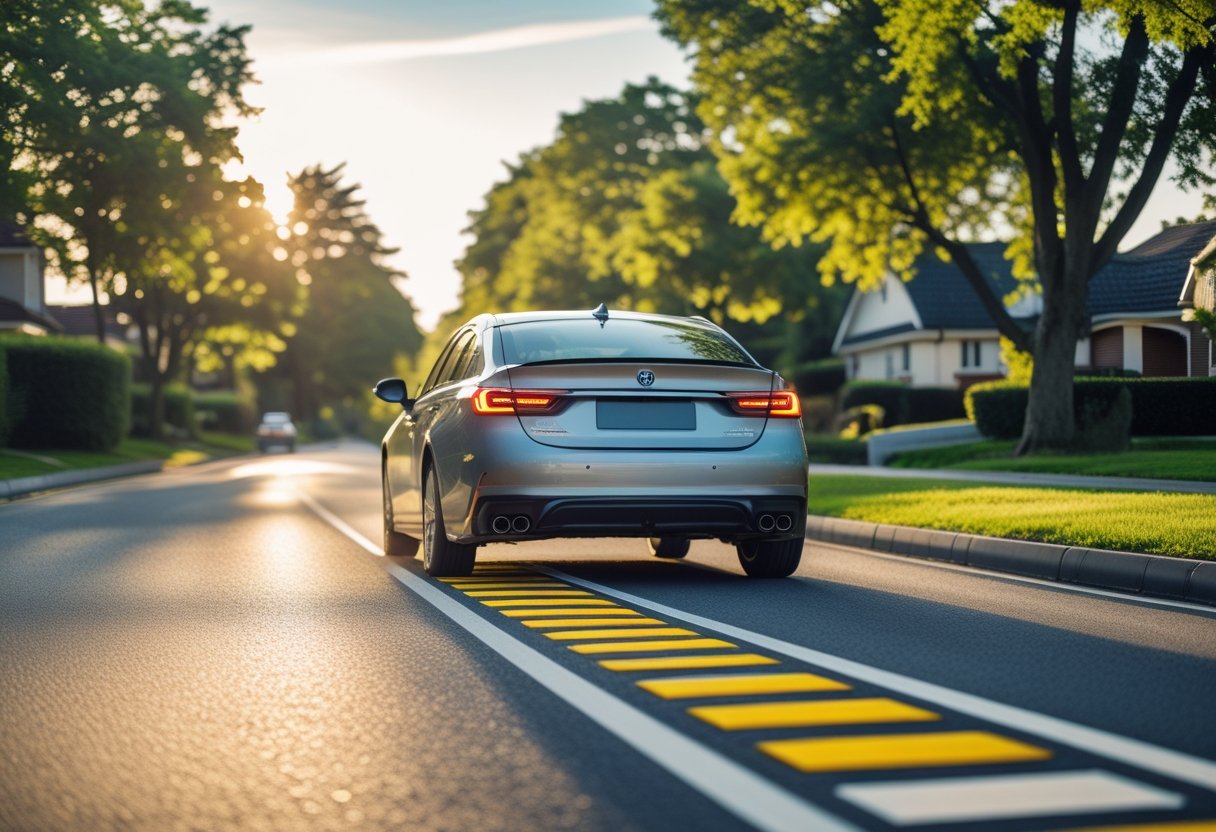
Getting your speed right when approaching speed bumps isn’t just about comfort. It protects your car from expensive damage and keeps everyone on the road safe.
Purpose and Types of Speed Bumps
We encounter speed bumps everywhere because they’re brilliant at slowing us down when it matters most. You’ll find them outside schools, in residential areas, and near hospitals where pedestrians need extra protection.
Speed bumps come in different shapes and sizes. Traditional speed bumps are quite tall and stretch across the entire road. Speed humps are gentler and longer, whilst speed cushions have gaps for emergency vehicles to pass through more easily.
Speed tables are the flattest option. They’re raised sections of road that feel almost like driving over a very low bridge.
Each type requires a slightly different approach, but they all share the same goal: making us slow down. The height and shape tell us how much we need to reduce our speed.
When we ignore these traffic calming measures and maintain high speeds, we’re not just risking damage to our vehicles. We’re also missing the point entirely.
Protecting Suspension and Vehicle Components
Our cars take a real beating when we hit speed bumps too fast. The suspension system bears the brunt of this punishment, and repairs can cost hundreds of pounds.
Key components at risk include:
- Shock absorbers and struts
- Control arms and bushings
- Springs and mounting points
- Exhaust systems
Fast impacts compress the suspension beyond its limits. This creates a harsh bottoming-out effect that damages multiple parts simultaneously.
Our tyres suffer too. High-speed encounters with speed bumps can cause sidewall bulges, punctures, or even bent wheel rims. Low-profile tyres on sports cars are particularly vulnerable.
The undercarriage takes a hammering as well. Exhaust pipes, fuel lines, and other components can scrape against the road surface when we don’t slow down properly.
Even our steering alignment gets knocked out of place. This leads to uneven tyre wear and makes the car pull to one side.
Best Practice: Adjusting Your Speed Before a Speed Bump
Getting your speed right before hitting a speed bump makes all the difference between a smooth ride and potential damage to your car. We need to spot these obstacles early, choose the right speed for each situation, and use proper braking techniques to keep ourselves and our vehicles safe.
Spotting Speed Bumps Early and Preparing
The key to handling speed bumps well starts long before we reach them. We should always scan the road ahead and look for warning signs like road markings or yellow paint on the bumps themselves.
Most councils place warning signs about 50 metres before speed bumps. These give us plenty of time to prepare. We can also spot them by looking for changes in the road surface or seeing other cars ahead of us slowing down.
Early warning signs to watch for:
- Triangle warning signs
- Yellow or white road markings
- Changes in road colour or texture
- Other vehicles braking ahead
Once we’ve spotted a speed bump, we need to check our mirrors and signal if we’re planning to change position. This lets other drivers know what we’re doing and why we’re slowing down.
The earlier we spot speed bumps, the smoother our approach becomes. We won’t need to brake harshly or surprise passengers with sudden movements.
Ideal Speeds for Various Situations
Different speed bumps need different approaches, and we should adjust our speed based on what we’re dealing with. Most experts recommend 5-10 mph as a starting point, but this changes depending on several factors.
Speed guidelines:
- Standard speed bumps: 5-8 mph
- Tall or sharp bumps: 2-5 mph
- Speed cushions: 8-12 mph
- Low clearance vehicles: 2-6 mph
We need to go slower when we’re driving cars with low ground clearance, like sports cars or vehicles carrying heavy loads. These cars are more likely to scrape their undersides if we take bumps too quickly.
The height and sharpness of the bump matter too. Gentler, rounded bumps can usually be taken at slightly higher speeds than sharp, tall ones.
Weather conditions also play a part. When roads are wet or icy, we should reduce our speed even more to maintain control.
Braking Techniques for Approaching Bumps
How we brake before a speed bump is just as important as our final speed. We want smooth, gradual braking that doesn’t upset our car’s balance or surprise other road users.
We should start braking gently about 30-40 metres before the bump. This gives us time to slow down smoothly without harsh stops. Hard braking at the last second can cause our car to dive forward, making the impact worse.
Proper braking sequence:
- Ease off the accelerator early
- Apply gentle, steady pressure to the brake pedal
- Reduce speed gradually to target speed
- Release brakes just before the bump
The trick is to finish most of our braking before our front wheels reach the speed bump. This keeps our car level and reduces the chance of bottoming out.
We should avoid braking whilst driving over speed bumps, as this can cause our suspension to compress more and increase the risk of scraping the underside of our vehicle.
Smooth Techniques for Driving Over Speed Bumps
The secret to conquering speed bumps lies in choosing the right approach for your vehicle and the specific bump you’re facing. Whether you drive straight over or take them at a slight angle depends on your car’s clearance and the bump’s design.
Approaching Straight On: Benefits and How-To
Driving straight over speed bumps is the most reliable method for most vehicles. This technique distributes the impact evenly across your suspension system and keeps you safely in your lane.
Position your front wheels directly in line with the centre of the bump. This ensures both wheels hit the obstacle simultaneously, preventing uneven stress on your suspension components.
Maintain a steady speed between 5-10 mph as you approach. Resist the urge to brake suddenly or accelerate mid-crossing, as these actions can upset your car’s balance.
Keep your steering wheel straight throughout the manoeuvre. Any turning whilst crossing can place additional strain on your suspension and potentially damage components over time.
Watch for warning signs like road markings or painted indicators that alert you to upcoming bumps. Early spotting gives you plenty of time to adjust your speed smoothly.
The straight-on approach works brilliantly for standard family cars and SUVs with normal ground clearance. It’s also the safest option in busy traffic where lane positioning matters most.
Navigating at an Angle: When and Why to Try
Taking speed bumps at a slight angle can help low-clearance vehicles avoid scraping their undercarriage. This technique allows one wheel to cross before the other, reducing the overall compression of your suspension.
Only attempt angled approaches when you have sufficient lane width and no oncoming traffic. Safety must always come before protecting your bumper or exhaust system.
Aim for a gentle angle that lets your front wheels cross the bump one at a time. Too steep an angle can push you into adjacent lanes or compromise your vehicle’s stability.
This method works particularly well for sports cars, lowered vehicles, or cars carrying heavy loads in the boot. The staggered wheel contact prevents the dreaded “bottoming out” that can damage exhaust systems.
Reduce your speed even further when using this technique. Move slower than the standard 5-10 mph to maximise the benefits of the angled approach.
Remember that some speed bump designs, particularly speed cushions, are specifically built to accommodate this driving style whilst still slowing traffic effectively.
Handling Different Road Surfaces and Bump Heights
Not all speed bumps are created equal, and adapting your technique to match specific conditions will protect your vehicle and ensure passenger comfort.
Taller, sharper bumps require significantly slower speeds, sometimes as low as 2-3 mph. These aggressive designs demand extra caution, particularly if your car sits low to the ground.
Wet or icy surfaces around speed bumps need special attention. Your tyres may struggle for grip when braking or accelerating, so approach these situations with extra care and earlier speed reduction.
Speed cushions (the ones with gaps for bicycle wheels) offer more flexibility in your approach. You can often position your front wheels in the gaps if your car’s wheel width allows it.
Raised crossings and longer speed tables let you maintain slightly higher speeds than traditional humped bumps. These gentler designs still require respect, but won’t punish minor speed miscalculations as harshly.
Watch for damaged or poorly maintained bumps that may have sharp edges or unexpected height variations. These can catch you off guard even at appropriate speeds.
Different vehicles handle the same bump differently, so learn your car’s specific needs through practice in quiet car parks before tackling busy roads.
Caring for Your Suspension When Navigating Speed Bumps
Your car’s suspension system works incredibly hard when crossing speed bumps, and understanding how each component responds can help you protect your vehicle from costly damage. The key lies in recognising how shock absorbers, struts, and dampers function together to keep your ride smooth and safe.
Role of Shock Absorbers and Struts
Shock absorbers and struts are the unsung heroes of your suspension system, especially when tackling speed bumps. They control how your car bounces and settles after impact.
When we hit a speed bump too quickly, these components compress rapidly to absorb the force. Shock absorbers work by converting kinetic energy into heat energy through hydraulic fluid movement. This prevents your car from bouncing endlessly like a pogo stick.
Struts serve a dual purpose. They support your vehicle’s weight whilst also controlling wheel movement during compression and rebound. Think of them as the backbone of your suspension system.
Key functions during speed bump navigation:
- Compression phase: Absorbing initial impact energy
- Rebound phase: Controlling how quickly the wheel returns to normal position
- Stability maintenance: Keeping tyres in contact with the road surface
Excessive speed over bumps forces these components to work beyond their designed limits. This can lead to fluid leaks, worn seals, or complete component failure.
How Dampers Protect Your Vehicle
Dampers are essentially another term for shock absorbers, but understanding their protective role helps us appreciate why gentle speed bump navigation matters so much.
We often underestimate how dampers shield other car components from harm. They prevent excessive body roll, reduce stress on springs, and minimise impact forces reaching your car’s frame.
During speed bump crossings, dampers regulate the rate of suspension movement. Without proper damping, your car would experience harsh jolts that travel through the entire vehicle structure.
Protection benefits include:
- Reducing wear on suspension bushings
- Preventing premature spring fatigue
- Minimising stress on mounting points
- Protecting exhaust systems from impact damage
Quality dampers also maintain tyre contact with the road surface. This keeps you in control and prevents dangerous bouncing that could affect steering or braking performance.
Signs of Suspension Stress or Damage
Recognising early warning signs can save us from expensive repairs and potential safety issues. Your car will often tell you when suspension components are struggling.
Listen for these sounds:
- Knocking or clunking noises over bumps
- Squeaking during compression
- Rattling from the wheel wells
Feel for these changes:
- Excessive bouncing after hitting bumps
- Car pulling to one side
- Steering wheel vibrations
- Harsh ride quality that wasn’t there before
Visual inspection can reveal obvious problems too. Look underneath your car for fluid leaks around shock absorber housings. Check for uneven tyre wear patterns, which often indicate suspension alignment issues.
If your car sits lower than usual or you notice oil stains where you park, these could signal damaged dampers or struts. Don’t ignore these symptoms, as worn suspension components affect your ability to control the vehicle safely, particularly during emergency manoeuvres or adverse weather conditions.
Driving Over Speed Bumps With Low or Heavy Vehicles
Low-clearance cars and heavily loaded vehicles face unique challenges when navigating speed bumps, requiring extra caution to prevent costly underbody damage. We’ll explore proven techniques to protect your car’s undercarriage and maintain your suspension system’s health.
Minimising Scraping and Bottoming Out
Low cars and loaded vehicles are particularly vulnerable to bottoming out on speed bumps. This happens when your suspension compresses fully, causing the undercarriage to scrape against the road surface.
The key is reducing our approach speed even further than usual. While most cars handle speed bumps safely at 5-10 mph, we need to slow down to 3-5 mph for low-clearance vehicles.
Approach at a slight diagonal angle when road space permits. This technique allows one wheel to cross the bump before the other, spreading the impact across your suspension system. However, we must stay within our lane and ensure it’s safe to do so.
Consider the two-wheel method for particularly challenging bumps. Drive slowly enough that your front wheels climb and descend the bump before your rear wheels begin the ascent. This keeps your car’s body more level throughout the crossing.
Avoid accelerating immediately after crossing. Quick acceleration can cause your rear suspension to dip, potentially scraping your car’s back end on the speed bump’s trailing edge.
Strategies for Low Clearance or Loaded Cars
Weight distribution plays a crucial role in how your car handles speed bumps. Heavy loads compress your suspension, reducing ground clearance significantly.
Check your tyre pressures regularly when carrying heavy loads. Properly inflated tyres help maintain optimal ride height and reduce the risk of bottoming out.
Plan alternative routes when possible if you know certain roads have particularly tall or sharp speed bumps. Your satnav might show longer routes that avoid problematic areas.
Remove unnecessary weight from your boot before long journeys. Every bit of extra clearance helps protect your exhaust system and underbody components.
Consider upgrading your shock absorbers if you frequently drive a loaded vehicle. Quality dampers help maintain better control and reduce harsh impacts when driving over speed bumps.
Checking for Underbody and Suspension Wear
Listen for warning signs after crossing speed bumps. Unusual knocking, squeaking, or rattling sounds often indicate damaged shock absorbers or suspension components.
Inspect underneath your car regularly for scrape marks, fluid leaks, or loose components. Even minor contact can damage exhaust pipes, fuel lines, or protective covers over time.
Monitor your steering behaviour closely. If your car pulls to one side or the steering wheel vibrates, you may have suspension damage or wheel misalignment from impact.
Check for these specific symptoms:
- Unusual tyre wear patterns
- Fluid puddles where you park
- Steering wheel vibration
- Knocking sounds over bumps
Book a professional inspection if you notice any concerning signs. Early detection of suspension wear can prevent more expensive repairs and keep you safe on the road.
Common Mistakes and How to Avoid Them
Many drivers make the same basic errors when navigating speed bumps, from approaching too quickly to attempting risky manoeuvres around them. Learning to recognise these mistakes and understanding proper recovery techniques will help you maintain control and protect your vehicle’s suspension system.
Dangers of Hitting Speed Bumps Too Fast
We’ve all been there. You’re running late and spot a speed bump ahead, but instead of slowing down properly, you decide to power through it. This is one of the most damaging mistakes you can make.
Speed bumps hit at excessive speeds create serious problems:
- Suspension damage to dampers and springs
- Tyre wear and potential blowouts
- Undercarriage scraping on low vehicles
- Loss of vehicle control upon impact
When you hit a speed bump too fast, your car’s dampers can’t absorb the shock properly. This puts enormous stress on the entire suspension system. We recommend keeping speeds below 5-10 mph when crossing any speed bump.
Your passengers won’t thank you either. High-speed impacts create uncomfortable jolting that can cause minor injuries to necks and backs. Professional drivers know that smooth, controlled crossings keep everyone comfortable and the vehicle in good condition.
The repair bills from damaged suspension components can run into hundreds of pounds. It’s simply not worth the few seconds you might save.
Trying to Dodge or Overshoot Bumps
Some drivers think they’re clever by swerving around speed bumps or positioning their car to miss them entirely. This approach creates far more danger than driving over speed bumps properly.
Why dodging speed bumps backfires:
- Traffic lane violations: Swerving puts you in oncoming traffic
- Pedestrian hazards: You might enter walkways or cycle lanes
- Uneven tyre wear: Only one side hits the bump
- Vehicle instability: Sudden steering changes affect control
We see drivers trying to straddle speed bumps with their wheels on either side. This rarely works because most speed bumps are designed to span the full road width. You’ll often end up with uneven contact that rocks the car sideways.
The safest approach is always straight on. Position your vehicle so both front wheels hit the bump simultaneously. This keeps your car balanced and maintains predictable handling.
Remember, speed bumps exist for good reasons. They protect pedestrians and control traffic flow in residential areas. Fighting against them only creates unnecessary risk.
Recovering Safely After Crossing
Even when you cross speed bumps correctly, knowing how to regain normal driving rhythm afterwards is crucial for maintaining traffic flow and vehicle control.
Post-crossing recovery steps:
- Check your mirrors immediately after crossing
- Gradually return to normal speed over 20-30 metres
- Listen for unusual sounds from your suspension
- Feel for steering changes or vibrations
After driving over speed bumps, your car’s weight shifts as the suspension settles back to normal position. This brief moment can affect your steering response, especially in smaller vehicles with softer suspension systems.
We always recommend a gentle acceleration phase rather than immediately returning to your previous speed. This gives your dampers time to stabilise and ensures you maintain full control.
Watch for other road users who might not have crossed as smoothly as you did. Some drivers panic or overcorrect after speed bumps, creating unpredictable movements.
If you notice any unusual noises, vibrations, or steering pull after crossing, find a safe place to stop and inspect your vehicle. Catching suspension problems early can prevent more expensive repairs down the road.
Frequently Asked Questions
These common questions cover the essential techniques for approaching speed bumps properly, from adjusting your speed early to protecting your vehicle’s suspension and keeping passengers comfortable.
What’s the best method for approaching speed humps smoothly whilst driving?
The key to smooth speed hump navigation starts well before you reach the bump itself. We recommend reducing your speed gradually when you spot a speed hump ahead, rather than braking suddenly at the last moment.
Approach at a steady 5 to 10 mph for most standard speed humps. This gives you enough control without putting unnecessary stress on your vehicle’s components.
Keep your steering wheel straight and maintain a consistent speed as you go over the hump. Avoid the temptation to accelerate halfway through, as this can cause your car to bounce uncomfortably.
Can you offer any tips for maintaining control of the vehicle when going over a speed bump?
Vehicle control comes down to smooth, deliberate movements rather than rushed reactions. We always advise keeping both hands firmly on the steering wheel as you approach and cross the speed bump.
Maintain steady throttle pressure throughout the manoeuvre. Sudden changes in acceleration or braking can upset your car’s balance and make the crossing feel jarring.
If you’re driving a manual car, select an appropriate gear beforehand. Second gear typically works well for most speed bumps, giving you enough torque without excessive speed.
How should you adjust your vehicle’s speed when you see a speed bump ahead?
Start reducing your speed about 10 to 20 metres before the speed bump appears. This gives you time to slow down naturally without harsh braking that could catch following drivers off guard.
Aim for around 5 mph for smaller speed bumps and up to 10 mph for larger, more gradual speed humps. These speeds allow your suspension to work properly whilst protecting your vehicle from damage.
Remember that going too slowly can sometimes make the crossing feel more pronounced. Finding that sweet spot between caution and momentum makes all the difference.
Could you share the most effective way to tackle speed bumps without causing discomfort to passengers?
Passenger comfort relies heavily on your approach technique and timing. We find that warning your passengers about upcoming speed bumps helps them prepare for the sensation.
The smoothest crossings happen when you maintain consistent speed throughout. Avoid the common mistake of accelerating as you reach the peak of the speed bump, which creates an uncomfortable dropping sensation.
Choose your line carefully. Crossing straight over the centre of the speed bump distributes the impact evenly across both wheels, creating a more balanced experience for everyone in the car.
What’s the proper technique for reducing the impact of speed bumps on your car’s suspension?
Your suspension system works best when you give it time to compress and extend naturally. We recommend approaching at moderate speeds that allow your springs and shock absorbers to do their job properly.
Avoid hitting speed bumps at angles unless you’re driving a particularly low vehicle. Angled approaches can put uneven stress on suspension components and create uncomfortable rolling motions.
Regular speed bumps shouldn’t cause damage to well-maintained suspension systems. However, consistently hitting them too fast or too slowly can lead to premature wear over time.
How can you ensure a safe transition over speed bumps at the correct speed limit?
Safe transitions start with early observation and planning. We always scan the road ahead for speed bump warning signs or road markings that indicate their presence.
Check your mirrors before reducing speed to ensure following traffic has noticed your intentions. Signal your awareness with smooth, gradual braking rather than sudden speed changes.
Most residential areas with speed bumps have speed limits of 20 mph or less. Your crossing speed should be well below this limit, typically around 5 to 10 mph depending on the bump’s size and design.