

How to Deal with Road Rage Directed at Learner Drivers: Practical Strategies for Confidence
Learning to drive should be an exciting milestone, but unfortunately, many learner drivers face aggressive behaviour from other road users that can turn this experience into something stressful and intimidating. Studies show that 81% of learners encounter tailgating, verbal abuse, hand gestures, and dangerous driving directed at them simply because they’re still developing their skills behind the wheel.
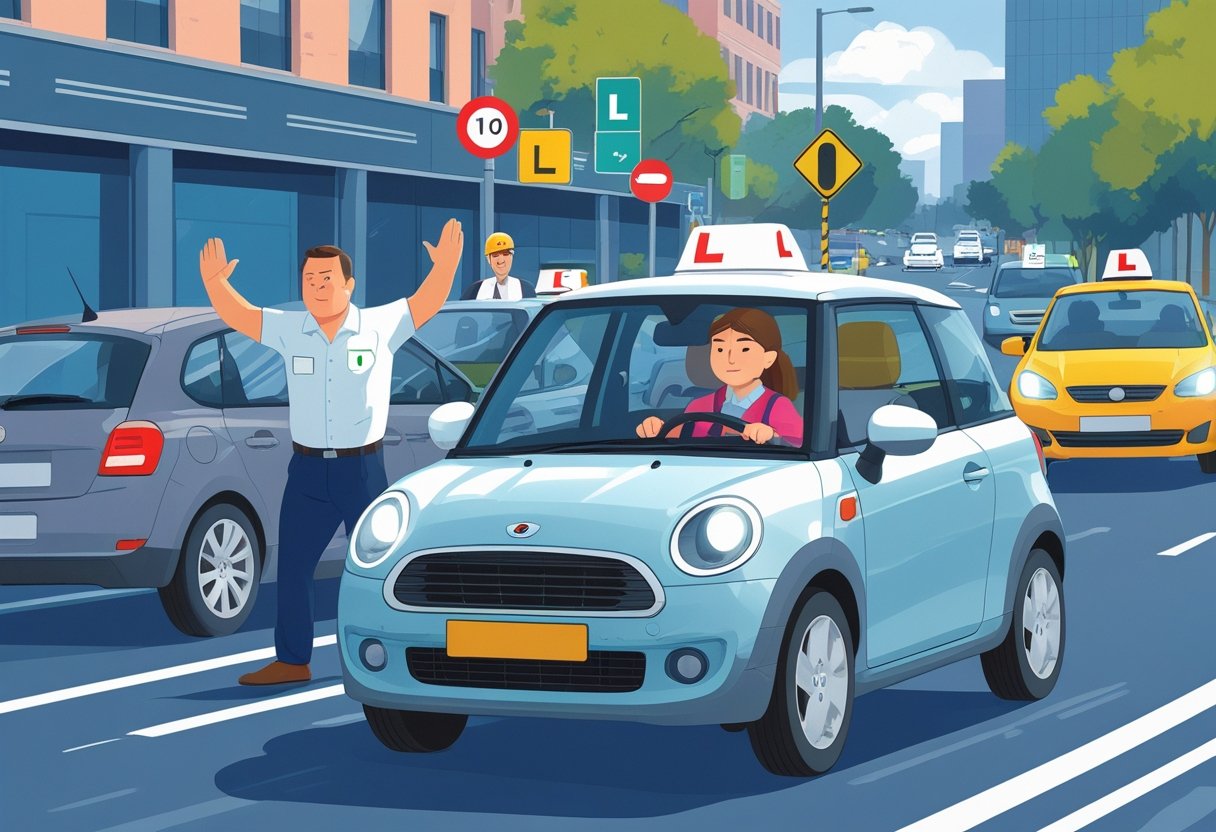
The key to dealing with road rage as a learner driver is staying calm, following your instructor’s guidance, and remembering that aggressive drivers are reacting to their own frustrations, not making a personal attack on you. When faced with an angry driver, your priority should always be maintaining focus on safe driving rather than responding to their behaviour. This means taking deep breaths, ignoring provocative actions, and pulling over safely if the situation becomes overwhelming.
We understand how disheartening it can feel when someone treats you poorly on the road, especially when you’re doing your best to learn. The good news is that with the right strategies and mindset, you can protect both your confidence and safety whilst developing into a skilled, resilient driver who handles challenging situations with grace.
Key Takeaways
- Most learner drivers will experience some form of road rage, but staying calm and focused on safe driving is your best defence
- Aggressive drivers are usually reacting to their own stress and impatience rather than making personal judgements about your abilities
- Building confidence through proper preparation, supportive instruction, and understanding your rights helps create a positive learning experience
Understanding Road Rage and Its Impact on Learner Drivers
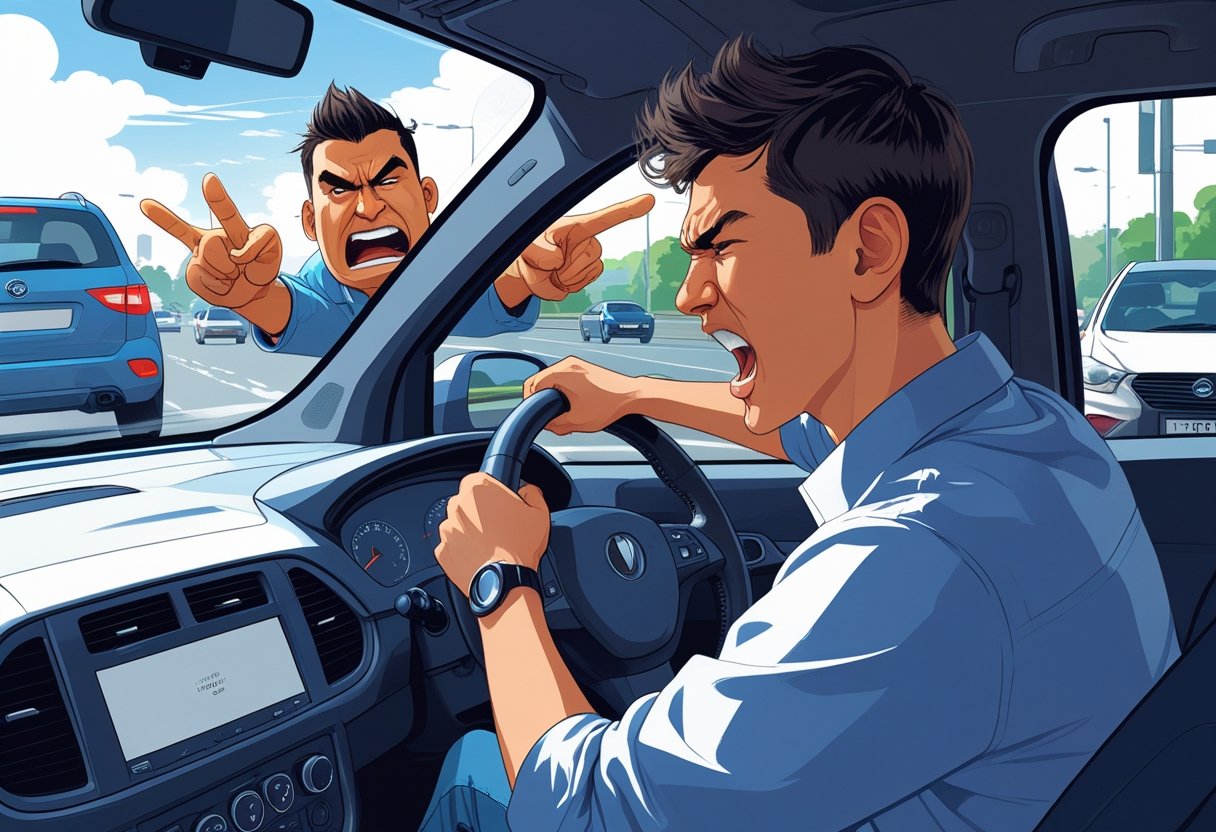
Road rage creates significant challenges for those learning to drive, with over 80% of learners experiencing some form of aggressive behaviour on the road. This hostile environment affects both confidence and safety, making it crucial to understand what drives this behaviour and how it specifically impacts new drivers.
What Is Road Rage and Why Does It Happen?
Road rage encompasses a wide range of aggressive behaviours from other drivers on the road. We’re talking about tailgating, verbal abuse, inappropriate hand gestures, and dangerous cutting-up manoeuvres that put everyone at risk.
The term first appeared in the 1980s when American broadcasters used it to describe highway shootings. Thankfully, incidents rarely reach such extreme levels today, but the underlying aggression remains a real problem.
Common triggers for road rage include:
- Running late for appointments
- Personal stress from work or home
- Impatience with slower-moving traffic
- Frustration with driving conditions
Many aggressive drivers simply forget they were once learners themselves. They’ve lost sight of what it feels like to be cautious, methodical, and still developing those essential driving skills. This selective amnesia fuels their impatience when they encounter L-plate drivers.
The reality is that waiting an extra minute or two for a learner to navigate a roundabout or recover from stalling barely impacts anyone’s journey time. Yet some drivers react as though these minor delays are personal affronts to their schedule.
How Aggressive Driving Affects Those Learning to Drive
Aggressive driving behaviour creates a ripple effect that seriously impacts learner drivers’ development and wellbeing. We’ve seen how exposure to road rage makes learning more difficult and stressful than it should be.
Recent surveys show that 72% of learners make more mistakes when faced with aggressive behaviour from other drivers. This creates a dangerous cycle where intimidation leads to errors, which can then trigger even more aggressive responses.
Additionally, 68% of learners become more nervous drivers after experiencing road rage. This increased anxiety doesn’t just disappear after the lesson ends either. It builds up over time, affecting confidence and creating lasting negative associations with driving.
Some learners find the experience so overwhelming that they take breaks from their lessons. In extreme cases, we’ve seen students give up learning to drive altogether, which is truly heartbreaking.
The stress also affects learning efficiency. When you’re worried about aggressive drivers, it’s much harder to focus on developing proper techniques, road positioning, and hazard awareness skills.
Common Scenarios Learner Drivers Experience Behind the Wheel
Learner drivers face predictable situations where road rage is most likely to occur. Understanding these scenarios helps prepare for what might happen and reduces the element of surprise.
Roundabouts and junctions present frequent flashpoints. Taking extra time to check mirrors, assess gaps, and position correctly often triggers impatience from following drivers. We hear lots of unnecessary honking and see dangerous overtaking attempts.
Stalling situations particularly at traffic lights or hill starts, create immediate pressure. Some drivers seem to forget that stalling is part of the learning process, responding with aggressive gestures or excessive horn use.
Slow-speed manoeuvres like parking, three-point turns, or navigating narrow roads frequently attract unwanted attention. Other drivers sometimes try to squeeze past inappropriately or make intimidating comments through open windows.
Dual carriageways and faster roads can be intimidating environments where learners naturally drive more cautiously. This measured approach sometimes provokes tailgating or dangerous overtaking from impatient drivers who can’t wait for safe opportunities to pass.
The key thing to remember is that these scenarios are normal parts of learning. Every competent driver once navigated these same challenges, even if they’ve conveniently forgotten those early experiences.
Types of Road Rage Behaviours Faced by Learners
Learner drivers often encounter specific forms of aggressive behaviour that target their inexperience and slower pace. These behaviours range from persistent tailgating and impatient honking to dangerous overtaking manoeuvres and intimidation at busy junctions.
Tailgating and Pressure from Other Drivers
Tailgating is the most common form of aggression we see directed at learner drivers. This happens when other drivers follow dangerously close behind, sometimes just metres away from your bumper.
The pressure can feel overwhelming. You might notice drivers practically breathing down your neck during practice sessions.
Some drivers use this tactic to try pushing learners into going faster than they’re comfortable with. It’s particularly common on busy roads where learners naturally drive at more cautious speeds.
What tailgating looks like:
- Cars following closer than 2-3 metres behind
- Drivers who speed up when you slow down
- Multiple vehicles bunching up behind you
- Aggressive positioning during lane changes
This behaviour often escalates when learners take extra time at junctions or roundabouts. We’ve found that 81% of learner drivers experience this type of intimidation regularly.
The psychological impact can be significant. Many learners report feeling rushed into making poor decisions because of the pressure from behind.
Honking, Shouting, and Verbal Abuse
Aggressive honking goes far beyond a polite beep. We’re talking about prolonged horn blasts, repeated honking, and timing designed to startle or intimidate.
Verbal abuse often accompanies the honking. Drivers might shout instructions, criticisms, or worse through their windows.
Common scenarios include:
- Extended honking when you stall at traffic lights
- Shouting about your driving speed or decisions
- Rude gestures paired with verbal comments
- Horn blasts during perfectly legal manoeuvres
The verbal abuse can be particularly cruel. Some drivers seem to forget they were once learners themselves.
Hand gestures often accompany the shouting, ranging from pointing to more offensive signals. This behaviour typically happens at traffic lights or in slow-moving traffic where cars are stationary.
The psychological impact extends beyond the moment. Many learners become more nervous and make additional mistakes after experiencing verbal abuse.
Overtaking and Lane Hogging Tactics
Dangerous overtaking around learner drivers creates serious safety risks. Impatient drivers often make poorly judged overtaking decisions when stuck behind L-plates.
We see this behaviour most on single carriageways and residential roads. Drivers overtake on blind corners, near junctions, or in unsuitable weather conditions.
Lane hogging is another tactic used to intimidate learners. Aggressive drivers position themselves in adjacent lanes, matching your speed and creating pressure.
Typical overtaking behaviours:
- Cutting back in too quickly after passing
- Overtaking in dangerous locations
- Using oncoming traffic lanes unsafely
- Racing past with minimal clearance
Some drivers deliberately slow down after overtaking, almost like a punishment for holding them up. This creates confusion and additional stress for learners.
The “punishment pass” involves overtaking extremely close to your vehicle. It’s designed to make a point rather than actually improve traffic flow.
Intimidation at Roundabouts and Traffic Lights
Roundabouts present particular challenges where aggressive behaviour flourishes. Other drivers often show impatience when learners take extra time to assess safe gaps.
Common intimidation includes cars edging forward aggressively or drivers gesturing for you to move when you’re not ready.
Traffic lights create their own pressure situations. The moment lights change to green, some drivers expect instant movement.
Roundabout intimidation includes:
- Cars pushing into your space
- Aggressive positioning at entries
- Honking when you wait for safe gaps
- Cutting across multiple lanes dangerously
At traffic lights, we see immediate honking if there’s any delay in moving off. Some drivers start honking within seconds of lights changing.
The amber gambling behaviour also affects learners. Aggressive drivers rush amber lights, then become frustrated when learners stop safely instead of following suit.
Junction intimidation extends to right turns and busy intersections. Drivers behind often try pressuring learners into accepting smaller gaps than they’re comfortable with.
Immediate Steps to Stay Calm and Safe in Road Rage Situations
When faced with an aggressive driver whilst you’re learning, your first priority is managing your own emotions and maintaining safe driving. We’ll show you practical techniques for staying composed, making the most of your instructor’s guidance, and safely managing difficult drivers on the road.
Breathe, Focus, and Hold Your Nerve
Taking control of your breathing is the fastest way to calm your nerves when someone’s being aggressive towards you. Deep, slow breaths help lower your heart rate and clear your head so you can focus on driving safely.
Try this simple breathing technique:
- Breathe in slowly for 4 counts
- Hold for 2 counts
- Breathe out for 6 counts
- Repeat 2-3 times
Keep your eyes fixed on the road ahead, not on your mirrors watching the angry driver behind you. This helps you stay focused on what matters most: your safe driving and the manoeuvre you’re trying to complete.
Don’t let their impatience rush you into making mistakes. Whether you’re reversing into a parking space or waiting at a roundabout, take the time you need to do it properly. Their few extra seconds of waiting won’t ruin their day, but rushing could create dangerous situations.
Remember that their anger isn’t really about you personally. They might be running late, having a bad day, or simply lacking patience. Most drivers have forgotten what it was like when they were learning.
Using the Support of Your Driving Instructor
Your driving instructor is your best ally when dealing with road rage situations. They’ve seen it all before and know exactly how to handle aggressive drivers whilst keeping you safe and calm.
Listen carefully to your instructor’s voice and follow their guidance. They might tell you to:
- Continue with your manoeuvre at a safe pace
- Pull over when it’s safe to let the driver pass
- Ignore the aggressive behaviour completely
- Focus on a specific aspect of your driving
Your instructor will help you by:
- Staying calm themselves to keep the situation under control
- Giving clear, simple instructions to follow
- Reassuring you that you’re doing nothing wrong
- Using their dual controls if needed for safety
Don’t feel embarrassed about asking your instructor questions during or after the incident. They can explain what happened and give you strategies for similar situations in the future.
Many instructors will use these moments as valuable teaching opportunities, helping you build confidence for when you’re driving independently.
Choosing When and How to Let Aggressive Drivers Pass
Sometimes the safest option is to let an impatient driver get past you, but this needs to be done safely and at the right moment. Never feel pressured to make dangerous moves just to appease an aggressive driver.
Safe opportunities to let drivers pass:
- Wide roads with clear visibility
- Straight stretches without oncoming traffic
- When approaching a safe pull-in point or lay-by
- During quiet periods with minimal traffic
Never try to let someone pass when:
- Approaching bends or hills with poor visibility
- On narrow roads with parked cars
- Near pedestrian crossings or junctions
- In heavy traffic or built-up areas
If you do decide to pull over, indicate clearly and choose a safe spot well away from traffic. Take a moment to compose yourself before continuing your lesson.
Sometimes it’s better to simply maintain your course and let the aggressive driver find their own opportunity to overtake safely. Your instructor will guide you on the best approach for each situation.
Building Resilience and Confidence as a Learner Driver
Developing mental strength as a learner driver means building practical coping strategies and learning to bounce back from difficult encounters on the road. The key is creating positive thinking patterns and using each driving experience as a stepping stone rather than a stumbling block.
Practical Mindset Tips for Learners
Start each driving session with purpose. Before you even turn the key, take three deep breaths and remind yourself why you’re learning to drive. Whether it’s independence, career opportunities, or simply personal growth, keeping your motivation front and centre helps maintain perspective when challenging moments arise.
Focus on what you can control. You can’t change how other drivers behave, but you can control your reactions. Practice positive self-talk during lessons by saying things like “I’m learning something new” or “Every driver was a beginner once.”
Create a pre-driving routine that calms your nerves. This might include:
- Adjusting mirrors and seat position mindfully
- Reviewing your lesson goals with your instructor
- Taking five deep breaths before starting the engine
- Playing calming music during the first few minutes
Celebrate small victories. Did you successfully navigate a roundabout? Ace that parallel park? These moments matter more than you think. Keep a driving diary where you note positive experiences alongside areas for improvement.
Learning from Each Experience, Not Letting It Define You
View mistakes as data, not failures. When another driver shows impatience or aggression, ask yourself what you can learn from the situation. Perhaps you’ll practise that manoeuvre more, or maybe you’ll choose a different route next time. Each experience adds to your driving knowledge bank.
Separate the behaviour from your worth as a learner driver. Road rage says nothing about your potential as a driver. Some drivers have bad days, poor attitudes, or simply forget they were once learners too. Their reaction doesn’t reflect your abilities or progress.
Create a learning loop after each challenging encounter. With your instructor, discuss what happened, what you learned, and how you might handle similar situations differently. This turns negative experiences into valuable lessons.
Remember that even experienced drivers continue learning throughout their driving lives. Road conditions change, new traffic systems appear, and everyone encounters unexpected situations. You’re not behind schedule; you’re exactly where you need to be in your learning journey.
Rebuilding Confidence After a Scary Incident
Take immediate steps to feel safe again. If you’ve experienced aggressive behaviour from another driver, it’s completely normal to feel shaken. Talk to your instructor about taking a short break, or ask to practise in quieter areas for the next lesson or two.
Process the experience properly rather than pushing it aside. Discuss what happened with someone you trust, whether that’s your instructor, a family member, or a friend. Sometimes talking through the incident helps reduce its emotional impact.
Return to driving gradually. You might want to start your next lesson in a car park or quiet residential streets before tackling busier roads again. There’s no shame in rebuilding your confidence step by step.
Use visualisation techniques to prepare for future driving sessions. Picture yourself handling similar situations calmly and confidently. This mental rehearsal can help reduce anxiety and improve your actual performance.
Consider additional support if anxiety persists. Some driving instructors specialise in working with nervous learners, and there are even driving-specific anxiety courses available. Your mental wellbeing matters just as much as your technical driving skills.
Long-Term Solutions: Legal Protections and Technology for Learners
Better legal protections and modern technology can help reduce aggressive behaviour towards new drivers. Current motoring penalties target dangerous driving, whilst dashcams provide crucial evidence when incidents occur.
How Motoring Penalties Address Aggressive Driving
The law already covers many forms of road rage through existing motoring penalties. Dangerous driving carries serious consequences, including unlimited fines and potential driving bans.
Careless driving applies when drivers fail to show proper care around learners. This includes tailgating, aggressive overtaking, or intimidating behaviour near L-plates.
Dangerous driving covers more serious incidents like deliberate ramming or extreme road rage. Courts can impose:
- Unlimited fines
- Driving disqualifications
- Up to two years in prison
A growing petition calls for stronger legal protections specifically for learner drivers. The campaign wants courts to treat aggression towards L-plate drivers as an aggravating factor in sentencing.
This would mean harsher punishments for drivers who target learners. Currently, over 3,500 people have signed the petition supporting these changes.
The proposal suggests that disregard for learner safety should increase penalties automatically. This could create a stronger deterrent against bullying new drivers on the road.
Using Dashcams and Reporting Inconsiderate Drivers
Dashcams have become essential tools for protecting learner drivers from aggressive behaviour. Most driving instructors now use these devices to capture evidence of road rage incidents.
Recording incidents helps in several ways:
- Provides clear evidence for police reports
- Documents patterns of dangerous driving
- Protects against false insurance claims
When reporting aggressive drivers, we need specific details like registration numbers, location, and time. Many police forces now accept dashcam footage as evidence for prosecutions.
What to record:
- Clear view of the incident
- Number plates of offending vehicles
- Audio commentary explaining what happened
- GPS data showing exact location
Some areas have online reporting systems where you can upload footage directly. This makes it easier to report dangerous drivers without visiting a police station.
Modern dashcams also offer features like automatic incident detection and cloud storage. These tools ensure important evidence isn’t lost even if the camera gets damaged.
Role of Driving Instructors in Supporting Learners
Driving instructors play a crucial part in protecting their pupils from road rage. They act as both teachers and advocates for safer driving conditions.
Instructor support includes:
- Teaching pupils how to handle aggressive drivers
- Using dual controls during dangerous situations
- Recording incidents with dashcams
- Reporting serious cases to police
Experienced instructors know which roads and times to avoid. They can plan routes that reduce exposure to heavy traffic and frustrated drivers during rush hours.
Many instructors now actively campaign for better treatment of learners. They share footage of aggressive behaviour and educate other drivers about giving space to L-plates.
Creating safe learning environments means choosing appropriate locations for lessons. Instructors avoid busy roundabouts and complex junctions until pupils gain confidence.
The best instructors also prepare students for real-world challenges. They discuss how to respond to aggressive drivers and maintain composure under pressure.
Some driving schools are working together to identify problem areas where learners face regular abuse. This information helps plan safer routes and lobby for improved road layouts.
Embracing a Supportive Road Culture
Creating a kinder driving environment benefits everyone, especially learner drivers who need patience and understanding. When we all commit to showing empathy and taking positive actions, our roads become safer spaces for learning and growth.
Why Empathy and Kindness Matter for All Road Users
We’ve all been in those L-plates at some point. Every experienced driver once struggled with clutch control, stalled at traffic lights, or took extra time at roundabouts.
Remembering our own learning journey helps us understand what new drivers face today. Those wobbly three-point turns and hesitant gear changes weren’t easy for any of us.
Empathy transforms how we respond to learner drivers on the road. Instead of honking when someone takes longer to move off, we can give them space. Rather than tailgating a nervous driver, we can maintain a respectful distance.
Research shows that 81% of learner drivers experience aggressive behaviour from other road users. This creates more mistakes and anxiety, making roads less safe for everyone.
When we show patience, learner drivers feel calmer. Calm drivers make better decisions. Better decisions lead to safer traffic conditions for all of us.
Small acts of kindness ripple outward. A gentle wave, extra space at junctions, or simply not rushing someone creates a positive atmosphere that spreads from car to car.
Encouraging Positive Actions from Learners and Experienced Drivers
We all have a role in building better road culture. Experienced drivers can lead by example, whilst learners can contribute to positive interactions too.
For seasoned drivers:
- Leave bigger gaps behind L-plate vehicles
- Avoid unnecessary horn use near learner cars
- Remember that instructor vehicles need extra space for lessons
- Show patience at busy junctions and roundabouts
For learner drivers:
- Use clear signals early and decisively
- Pull over safely when feeling overwhelmed
- Thank courteous drivers with a friendly wave
- Focus on steady, predictable driving rather than rushing
Safe driving habits spread through communities. When learners see experienced drivers being respectful, they learn those values alongside their technical skills.
Traffic flows better when everyone cooperates. Patient drivers reduce stress levels, which decreases aggressive reactions and creates smoother journeys for all road users.
We can start conversations about road courtesy with friends and family. Sharing positive driving experiences encourages others to adopt similar behaviours.
Frequently Asked Questions
Learner drivers often face challenging situations with aggressive motorists, and knowing how to respond can make all the difference. These practical strategies will help you stay safe, maintain your confidence, and handle difficult encounters whilst you’re still mastering the basics.
What are some effective strategies for maintaining composure when facing aggression from other drivers?
Take deep, steady breaths through your nose and focus on the road ahead. This simple technique helps calm your nervous system and keeps you grounded.
Listen closely to your instructor’s voice rather than the angry driver behind you. Your instructor has dealt with countless aggressive drivers and knows exactly how to guide you through the situation safely.
Remember that their anger isn’t about you personally. Most aggressive drivers are simply running late or having a bad day, and they’ve forgotten what it was like to learn.
Keep your hands relaxed on the steering wheel and avoid making eye contact with the aggressive driver. Eye contact can escalate the situation unnecessarily.
Can you suggest practical techniques for learner drivers to stay calm under pressure on the road?
Focus on one task at a time instead of getting overwhelmed by everything happening around you. If you’re approaching a roundabout, concentrate solely on that manoeuvre.
Use positive self-talk to boost your confidence. Remind yourself that you’re learning and doing your best, which is perfectly acceptable.
Practice controlled breathing during lessons when things are calm. This makes the technique feel natural when you actually need it during stressful moments.
Ask your instructor to pull over if you feel overwhelmed. Taking a few minutes to compose yourself is much safer than trying to continue whilst feeling rattled.
How should a novice driver handle an encounter with an irate motorist while still learning?
Stay in your lane and maintain a steady, legal speed. Don’t let their impatience pressure you into making risky decisions or driving faster than you’re comfortable with.
Ignore any gestures, shouting, or horn honking directed at you. Reacting to their behaviour will only distract you from your primary job of driving safely.
Follow your instructor’s guidance without question. They’ve encountered these situations hundreds of times and know the safest way to handle them.
Keep your doors locked and windows up if the situation feels particularly threatening. Your safety always comes first, regardless of what the other driver wants.
What advice would you give to someone learning to drive on how to avoid getting involved in road rage incidents?
Drive predictably and signal your intentions clearly. Other drivers become frustrated when they can’t anticipate what you’re planning to do next.
Don’t take aggressive behaviour personally or feel compelled to “teach them a lesson.” Your goal is to get home safely, not to win arguments with strangers.
Maintain appropriate following distances and avoid tailgating, even if traffic is moving slowly. This gives you more time to react and reduces tension with other drivers.
Use your mirrors frequently and be aware of building frustration behind you. If you notice someone getting agitated, look for safe opportunities to let them pass.
Could you provide guidance on how learners might safely de-escalate situations with aggressive drivers?
Pull over safely when possible to let impatient drivers pass. A lay-by or car park works well, and this simple action often defuses the entire situation.
Avoid any gestures or expressions that could be interpreted as confrontational. Keep your face neutral and your hands visible on the steering wheel.
Never get out of your car during a road rage incident. Stay inside where you’re protected, even if the other driver approaches your vehicle.
If someone follows you or seems intent on confrontation, drive to the nearest police station or busy public place. Don’t lead them to your home or usual destinations.
What steps would you recommend for learners to take if they find themselves targeted by a road rager during their practice sessions?
Tell your instructor immediately what’s happening so they can take control of the situation. They may choose to direct you to pull over or take an alternative route.
Document the incident if it’s serious, including the vehicle registration and description of what occurred. This information could be valuable if you need to report it later.
Report persistent harassment or threatening behaviour to the police. Road rage directed at learners is particularly concerning because it can affect your confidence long-term.
Talk through the experience with your instructor afterwards. They can help you process what happened and prepare you for similar situations in the future.
Consider taking a short break from driving if the incident has shaken your confidence significantly. There’s no shame in needing time to recover before getting back behind the wheel.