

How to Study If You Have Dyslexia or ADHD: Strategies for Success
Learning with dyslexia or ADHD can feel like trying to navigate a maze whilst everyone else seems to have a clear map. We understand how frustrating it can be when traditional study methods simply don’t click with your brain, leaving you feeling defeated before you’ve even started. The good news is that millions of successful students have learned to work brilliantly with these conditions rather than against them.
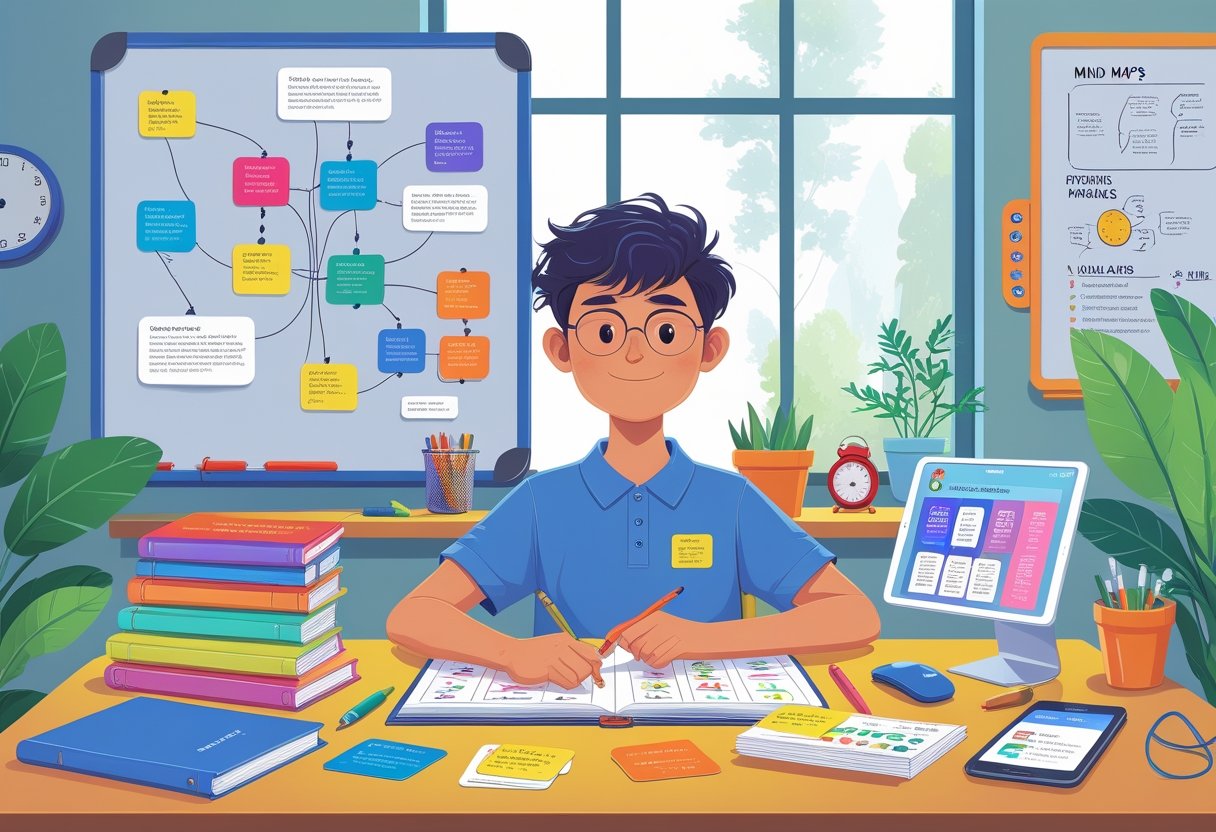
The key is understanding how your unique brain processes information and adapting your study techniques to match your natural learning style, rather than forcing yourself into methods designed for neurotypical students. Research shows that around 30-50% of people with dyslexia also have ADHD, which means you’re definitely not alone in facing these challenges. Many people discover that once they find the right approach, they actually become more effective learners than their peers.
Throughout this guide, we’ll explore practical strategies for creating the perfect study environment, managing your time effectively, and discovering techniques that actually work with your brain rather than against it. We’ll also look at the brilliant support tools and technologies available today, plus ways to build your confidence and maintain motivation on your learning journey.
Understanding ADHD, Dyslexia, and Learning Differences
When we tackle studying with ADHD or dyslexia, it helps to understand exactly what we’re working with. These conditions affect how our brains process information, focus, and handle language, but they also come with unique strengths we can harness.
Recognising the Signs of Attention-Deficit/Hyperactivity Disorder
ADHD shows up in three main ways: trouble with attention, hyperactivity, and acting without thinking things through first. We might find ourselves struggling with maintaining focus and controlling impulses during study sessions.
Attention difficulties pop up when we can’t concentrate on boring tasks or get easily distracted by sounds, thoughts, or what’s happening around us. Our minds might wander during lectures or whilst reading textbooks.
Hyperactivity means we feel restless and need to move about. We might fidget with pens, bounce our legs, or feel like we’re buzzing with energy when we need to sit still.
Impulsivity shows when we blurt out answers, interrupt others, or make quick decisions without thinking them through. During studying, this might mean jumping between topics or starting assignments without reading instructions properly.
ADHD symptoms appear in any unstimulating environment or task, not just during reading. This affects our working memory, processing speed, and ability to stay organised with our study materials.
Identifying Symptoms of Dyslexia
Dyslexia isn’t about reading letters backwards, despite what many people think. It’s a brain-based specific learning disability that makes reading, spelling, decoding, and recognising words difficult.
Reading challenges include trouble with phonemic awareness (breaking down letter sounds) and segmenting words properly. We might read “doctor” as “do-ctor” instead of “doc-tor.”
Word retrieval problems mean we know what we want to say but can’t find the right word quickly. We might say “the thing we eat with” instead of “fork” or substitute similar words like “volcanoes” for “tornadoes.”
Spelling and writing difficulties affect our coursework and note-taking. Learning foreign languages becomes particularly challenging because dyslexia impacts how we process unfamiliar sound patterns.
Memory issues with rote information like phone numbers, dates, or formulas can make studying facts-heavy subjects more demanding. Yet many of us have excellent verbal skills and vocabulary that don’t match our reading abilities.
How ADHD and Dyslexia Overlap
These learning difficulties often go hand in hand, with about 50 to 60 percent of people with ADHD also having a learning disability like dyslexia.
Shared challenges include problems with working memory, information processing speed, and motor skills. Both conditions affect our ability to name things quickly and handle multiple pieces of information at once.
The tricky bit is that ADHD symptoms are exacerbated by dyslexia, and vice versa. When we struggle to read, our attention wanders more. When our attention drifts, reading becomes even harder.
Key differences help us understand what we’re dealing with:
- Dyslexic students without ADHD mainly have attention problems during reading tasks
- ADHD affects concentration across all boring situations, not just reading
- People with dyslexia generally process spoken information better than those with ADHD alone
Timing matters because ADHD symptoms usually show up from the first day of school, whilst dyslexia often isn’t fully recognised until Year 4 or 5 when reading demands increase significantly.
Setting Up a Distraction-Free Study Environment

The right study space can make all the difference when you’re managing dyslexia or ADHD. We’ll explore how to minimise interruptions and create a comfortable workspace that supports your unique learning needs.
Minimising Distractions for Focus
Creating a distraction-free study environment starts with choosing the right location. We recommend finding a quiet corner away from household activity, such as a spare room or a peaceful section of your bedroom.
Visual clutter can be particularly overwhelming for ADHD brains. Keep only essential materials for your current task on your desk. Put away anything unrelated so it doesn’t compete for your attention.
Consider these practical steps:
- Use noise-cancelling headphones to block disruptive sounds
- Try white noise or gentle instrumental music if complete silence feels uncomfortable
- Position yourself near a window for natural light, which can boost mood and energy
- Keep your phone in another room or use apps that block distracting websites
For those dealing with hyperactivity, we suggest incorporating fidget tools like stress balls or textured objects. These allow you to channel restless energy without leaving your workspace.
Visual boundaries help too. Room dividers or even tape on the floor can create a psychological barrier that says “this is my study zone.”
Creating a Comfortable and Accessible Space
Physical comfort directly impacts your ability to focus and retain information. We’ve found that the right setup can reduce fatigue and make studying feel less like a battle.
Lighting matters enormously. Use warm-toned lamps for evening sessions to reduce overstimulation. Brighter lighting works well during morning study periods to boost alertness.
Your seating arrangement should support good posture without causing strain. Make sure your desk height allows your arms to rest comfortably whilst writing or typing.
Accessibility features for dyslexia include:
- Coloured overlays or tinted paper to reduce visual stress
- Larger fonts on computer screens
- Text-to-speech software for reading support
- Good contrast between text and background colours
Keep your space consistently organised. Assign different colours to subjects or resource types using folders or storage boxes. This reduces the time spent searching for materials.
Plants can add a calming touch whilst purifying the air. Personal touches like inspiring quotes or photos help create a space you actually want to spend time in.
Time Management and Structuring Your Study Routine
People with dyslexia or ADHD often struggle with executive functioning, which makes it harder to plan and organise study time. Breaking large tasks into smaller pieces, creating steady habits, and using the right tools can transform how you approach learning.
Chunking Tasks and Breaking Down Assignments
Large assignments can feel overwhelming when you have dyslexia or ADHD. We recommend breaking tasks into smaller, manageable parts to make them less daunting.
Start by looking at the whole assignment first. Write down what you need to do from start to finish. Then divide it into chunks that take 15-30 minutes each.
For a history essay, you might break it down like this:
- Research topic (30 minutes)
- Create outline (20 minutes)
- Write introduction (25 minutes)
- Write first paragraph (30 minutes)
Set small goals for each study session. Completing these mini-tasks gives you a sense of achievement. This builds momentum and keeps you motivated.
Use a different coloured pen or highlighter for each chunk. Visual cues help your brain stay organised and focused. You can also number each task to show the order.
Take breaks between chunks. Your brain needs time to process information, especially when executive functioning skills need extra support.
Building Consistent Study Habits
Creating a structured study routine helps build the executive functioning skills that many people with dyslexia or ADHD find challenging.
Pick the same times each day for studying. Your brain loves patterns and will start preparing for learning mode automatically. Match these study periods with times when your mind is more active and you have more energy.
Morning people might study best at 8-10am. Evening people often focus better after 6pm. Notice when you feel most alert and schedule important study sessions then.
Start small with 15-20 minute sessions. Build up to longer periods as the habit gets stronger. Trying to do too much too quickly often leads to giving up.
Create the same setup each time. Use the same desk, chair, and materials. This helps your brain recognise study time and switch into focus mode faster.
Include rewards in your routine. After completing a study session, do something you enjoy. This positive association makes it easier to stick with your habits.
Using Planners and Timers Effectively
Digital planners and structured tasks help organise thoughts and minimise overwhelm for students with learning differences.
Visual planners work well for many people with dyslexia. Use colours to code different subjects or types of work. Red for urgent tasks, blue for reading, green for revision.
Try these planner ideas:
- Weekly wall chart with coloured sticky notes
- Phone apps with reminder alerts
- Paper diary with highlight pens
- Digital calendar that syncs across devices
Timers help you stay focused and take proper breaks. The Pomodoro Technique works well: study for 25 minutes, then take a 5-minute break.
Set your timer and commit to working until it rings. This stops you from checking the clock constantly. When the timer goes off, step away from your work completely.
Use different timer sounds for different activities. A gentle chime for reading, an upbeat beep for active tasks. Your brain will learn to associate each sound with the right type of focus.
Track your progress in your planner. Tick off completed tasks or colour them in. Seeing what you have achieved builds confidence and motivation for tomorrow’s work.
Study Techniques That Work for Dyslexia and ADHD
Students with dyslexia and ADHD benefit from active learning methods that engage multiple senses, visual tools like mind maps and colour-coded notes, and structured approaches that break information into manageable chunks. These techniques work because they match how neurodiverse minds process and retain information best.
Active Learning Strategies and Memory Aids
Traditional reading and rereading simply doesn’t work for most of us with dyslexia or ADHD. Our brains need more engagement to lock information into long-term memory.
Movement-based learning transforms study sessions completely. Try walking whilst reviewing flashcards or standing at a whiteboard to work through problems. The physical activity helps maintain focus and creates stronger memory connections.
Spaced repetition beats cramming every time. We recommend studying in multiple short sessions spread across several days rather than marathon sessions. Aim for 25-30 minute blocks with 5-minute breaks between each one.
Create memory palaces by linking new information to familiar places. Walk through your home mentally, placing facts in different rooms. This spatial memory technique works brilliantly for both dyslexia and ADHD.
Teaching others forces deeper understanding. Form study groups where you explain concepts to classmates. When you can teach something clearly, you truly know it.
Use multisensory approaches whenever possible. Write notes by hand, say information aloud, and draw diagrams. The more senses involved, the stronger the memory formation becomes.
Making Use of Visual and Auditory Tools
Visual learners with dyslexia often struggle with traditional text-heavy materials. Converting information into visual formats makes studying far more effective.
Colour coding transforms boring notes into memorable visual maps. Assign different colours to themes, topics, or difficulty levels. Use highlighters, coloured pens, or digital tools to create your system.
Create infographics and diagrams instead of lengthy written summaries. Flow charts work particularly well for processes, whilst comparison tables help organise similar concepts side by side.
Audio recordings support students who process information better through listening. Record yourself reading notes aloud or use text-to-speech software. Listen during commutes or whilst doing gentle exercise.
Visual and auditory study tools help accommodate different learning preferences. Video tutorials often explain concepts more clearly than textbooks alone.
Digital apps can transform smartphones into powerful study aids. Use voice recording apps, visual note-taking tools, or apps that convert text to speech for maximum accessibility.
Note-Taking and Mind Mapping Tips
Traditional linear note-taking rarely works well for neurodiverse learners. We need systems that match how our minds naturally organise information.
Mind mapping creates visual representations of ideas and their connections. Start with a central topic and branch outwards with related concepts. Use colours, symbols, and drawings to make maps more memorable.
Try the Cornell note-taking system for structured learning. Divide pages into three sections: notes, cues, and summary. This format helps with both organisation and review.
Bullet journaling works brilliantly for students with ADHD. Use symbols, short phrases, and visual elements rather than long paragraphs. The flexibility suits our need for personalised systems.
Digital note-taking offers advantages like searchable text and easy reorganisation. Apps like Notion or OneNote let you combine text, images, and audio recordings in one place.
Create abbreviation systems to speed up handwritten notes. Develop personal shorthand for frequently used terms in your subjects. This reduces writing fatigue and keeps up with faster-paced lectures.
Review and rewrite notes within 24 hours whilst the information remains fresh. The physical act of rewriting helps information stick better than simply rereading the same material multiple times.
Leveraging Support: Tutors, Technology, and Accommodations
The right combination of specialist tutors, assistive technology, and formal accommodations can transform your learning experience. These resources work together to help you develop effective study strategies whilst addressing the specific challenges that come with dyslexia or ADHD.
Finding the Right Tutor or Mentor
A specialist tutor who understands neurodivergent learning can make all the difference in your academic journey. Look for tutors with specific qualifications in dyslexia or ADHD support, as they’ll understand how your brain processes information differently.
What to look for in a tutor:
- Qualifications in special educational needs or learning differences
- Experience working with your specific condition
- Patience and understanding of your learning pace
- Ability to adapt teaching methods to your style
Many universities offer individual study skills support with dyslexia qualified tutors. These specialists focus on helping you develop independent learning strategies rather than just covering subject content.
When interviewing potential tutors, ask about their approach to building confidence alongside academic skills. The best tutors will help you recognise your strengths whilst developing coping strategies for challenging areas.
Consider group tutoring sessions too. Sometimes learning alongside peers with similar challenges can provide additional motivation and shared problem-solving approaches.
Assistive Technology and Learning Tools
Technology can be your greatest ally when managing dyslexia or ADHD. Modern assistive tools can level the playing field and help you work more efficiently.
Essential technology options:
- Text-to-speech software: Helps with reading comprehension and reduces fatigue
- Speech-to-text programs: Allows you to dictate essays and notes
- Digital calendars and planners: Keep you organised and on track
- Mind mapping software: Helps visualise complex information
- Grammar and spell-check tools: Catch errors you might miss
Many universities provide assistive technology to borrow, such as laptops with assistive software. This means you can try different tools before investing in your own equipment.
Don’t feel overwhelmed by all the options available. Start with one or two tools and gradually build your digital toolkit as you discover what works best for your learning style.
Accessing Educational Accommodations
Formal accommodations through your educational institution can provide crucial support throughout your studies. These adjustments recognise that you may need different conditions to demonstrate your knowledge effectively.
Common accommodations include:
- Extended time for exams and assignments
- Alternative exam formats
- Note-taking support
- Separate, quiet exam rooms
- Permission to use assistive technology during tests
In higher education, you may be eligible for Disabled Students’ Allowance (DSA), which can fund additional support and equipment. This grant covers extra costs directly related to your learning difference.
The process typically involves getting a diagnostic assessment and then a needs assessment to determine what support would be most beneficial. Don’t wait until you’re struggling to seek these accommodations.
Contact your institution’s disability support services early in your academic journey. They can guide you through the application process and help ensure you receive appropriate support from day one.
Motivation, Wellbeing, and Building Confidence
Students with dyslexia or ADHD often face unique challenges that can impact their self-esteem and drive to learn. Building resilience through proper motivation strategies, stress management techniques, and acknowledging achievements creates a foundation for long-term academic success.
Staying Motivated Despite Setbacks
Learning difficulties can make motivation feel like an uphill battle. When your brain processes information differently, traditional study methods often fall short, leading to frustration and self-doubt.
The key lies in understanding that setbacks aren’t personal failures. They’re simply signals that we need different approaches. Students with ADHD often expect failure because they’ve internalised negative messages from past experiences.
Create meaningful rewards that connect effort to achievement. Instead of waiting for perfect results, celebrate the process itself. Finished reading three pages instead of five? That’s still progress worth acknowledging.
Break large tasks into smaller, manageable chunks. Executive functioning challenges make it difficult to see the path from start to finish. When we create clear, achievable steps, momentum builds naturally.
Link activities you enjoy to necessary tasks. Love listening to music? Allow yourself a favourite song after completing each section of revision. This creates positive associations with studying rather than viewing it as punishment.
Remember that your motivation doesn’t need to be constant. Some days will feel harder than others, and that’s completely normal for everyone, especially those managing learning differences.
Managing Overwhelm and Stress
Overwhelm often strikes when we’re faced with multiple tasks and unclear priorities. For students with ADHD or dyslexia, this feeling can become paralysing, making it impossible to start anything at all.
Use the urgency versus importance method. List all your tasks, then categorise them. What needs doing today? What’s important for your long-term goals? Focus on items that are both urgent and important first.
Wellbeing and motivation are deeply connected and influence each other significantly. When stress levels rise, our ability to process information decreases.
Create a calm study environment that works for your specific needs. Some students need complete silence, whilst others benefit from background noise or music. Experiment to find what helps your brain focus best.
Take regular breaks using techniques like the Pomodoro method. Work for 25 minutes, then rest for 5. This prevents mental fatigue and maintains concentration over longer periods.
Practice simple breathing exercises when stress builds. Count to four whilst breathing in, hold for four, then exhale for four. This activates your body’s relaxation response.
Celebrating Progress and Successes
Recognition of progress, no matter how small, builds the confidence needed for continued learning. Students with learning difficulties often focus on what they can’t do rather than acknowledging their achievements.
Keep a progress journal where you record daily wins. Understood a difficult concept? Completed an assignment on time? Stayed focused for longer than usual? Write it down.
Share your successes with supportive family members or friends. External validation helps reinforce positive self-perception and builds motivation for future challenges.
Create visual representations of your progress. Charts, graphs, or even simple tick boxes can make abstract improvements feel concrete and real.
Remember that progress isn’t always linear. Some weeks will feel more productive than others, and that’s perfectly acceptable. The important thing is maintaining forward momentum over time.
Compare yourself only to your past self, not to classmates or siblings. Your learning journey is unique, and your victories deserve recognition regardless of how they measure against others.
Set up small rewards for reaching milestones. These don’t need to be expensive or elaborate. Sometimes a favourite treat or extra leisure time provides the perfect motivation boost.
Frequently Asked Questions
Students with dyslexia and ADHD often wonder about specific techniques like breaking tasks into manageable chunks, using coloured highlighting systems, and finding the right apps to support their learning. These practical solutions can transform study sessions from frustrating experiences into productive, confidence-building activities.
What are effective study strategies for individuals managing dyslexia?
Repetition techniques work brilliantly for strengthening memory pathways. We recommend writing information multiple times, creating mind maps, and even putting key concepts to music.
Visual strategies can make complex information much clearer. Try using diagrams and charts to link related concepts together.
Create picture codes in your notes rather than relying solely on text. This taps into your natural creative strengths.
Converting reading material into stories or mental films helps with information retention. Your imagination becomes a powerful learning tool.
Break large tasks into smaller, less daunting steps. Focus on just a few chunks at a time rather than tackling entire essays or textbooks in one go.
Use coloured pencils and highlighters to create your own coding system. Make photocopies of important chapters so you can mark them up freely.
Can you suggest tools or apps that support learning for those with ADHD?
Windows voice typing software transforms written text into audio format. This allows you to listen to study materials rather than reading them.
Your smartphone’s voice recorder becomes a valuable study companion. Speak your ideas aloud to clarify thoughts and prevent losing important concepts.
Text-to-speech applications help process written information more effectively. Many students find listening easier than reading dense academic texts.
Digital mind mapping tools create visual connections between ideas. These apps often include colour coding and image features that support different learning styles.
Focus apps can block distracting websites during study sessions. They help maintain concentration by removing tempting diversions.
Calendar and reminder apps support time management skills. Set alerts for study sessions, assignment deadlines, and break times.
How can one maintain focus during study sessions when dealing with ADHD?
Make your smartphone completely unreachable during study time. Physical distance prevents automatic reaching and scrolling habits.
Choose instrumental or orchestral music if you need background sound. Avoid songs with lyrics that might compete for your attention.
Write down distracting thoughts on paper as they arise, then put the list away. This clears your mental space without losing potentially important ideas.
Remove distracting bookmarks from your browser before starting. Clean up your computer desktop and close unnecessary programmes.
Take active breaks between subjects by going for walks. Physical movement boosts brain activity more effectively than passive rest.
Create a dedicated study environment free from visual distractions. Clear surfaces and organised spaces support sustained concentration.
What adjustments can schools provide to assist dyslexic learners in the classroom?
Extended time allowances for exams and assignments reduce pressure and allow thorough processing. Many students need extra time to decode text effectively.
Alternative format materials, including audio recordings and large print texts, support different learning preferences. Digital versions often work better than traditional printed materials.
Permission to use laptops for written work bypasses handwriting difficulties. Spell-check features provide additional support for written assignments.
Oral examinations or presentations can replace written tests when appropriate. This allows students to demonstrate knowledge through their strongest communication channel.
Coloured paper or overlays reduce visual stress during reading tasks. Many dyslexic students find cream or pale yellow backgrounds easier on their eyes.
Access to quiet spaces for exams minimises distractions. Separate rooms help maintain focus during important assessments.
Are there specific time management techniques that work well for students with ADHD?
Breaking assignments into smaller pieces creates manageable daily goals. This approach prevents overwhelming feelings and maintains steady progress.
Use visual timers to track study sessions and breaks. Seeing time pass helps maintain awareness of task duration.
The Pomodoro Technique works particularly well: 25 minutes of focused work followed by 5-minute breaks. This matches natural attention spans.
Create detailed daily schedules with specific time slots for different subjects. Include buffer time between activities to allow for transitions.
Set up evening routines to prepare materials for the next day. Organised preparation reduces morning stress and forgotten items.
Use colour-coded calendars to distinguish between different types of activities. Visual cues help process scheduling information more quickly.
How can learners with dyslexia improve their reading comprehension skills?
Pre-reading strategies make texts more accessible. Scan headings, subheadings, and summaries before tackling full passages.
Underlining and highlighting key information creates visual anchors within dense text. Develop your own colour-coding system for different types of information.
Read passages aloud when possible. Hearing words alongside seeing them strengthens comprehension pathways.
Pause regularly to summarise what you’ve just read. This active processing helps consolidate understanding before moving forward.
Use context clues to work out unfamiliar words rather than stopping immediately. Look at surrounding sentences for meaning hints.
Convert information into visual formats like charts or diagrams after reading. This reinforces comprehension through different learning channels.