

Ready to turn your L-plates into a full UK driving licence in 2025? You’re in the right place. This essential guide is designed for anyone preparing for the learners practical test and wanting to pass with confidence.
Inside, you’ll discover the latest rules, step-by-step tips, and expert insights every learner needs. We’ll break down the test structure, guide you through preparation, walk you through test day, explain scoring, and offer advice for after your test.
If you want to conquer the challenge of the 2025 learners practical test, boost your confidence, and drive away with success, keep reading this must-have handbook.
Understanding the 2025 Learners Practical Test: What’s New?
Passing the learners practical test in 2025 means understanding exactly what to expect. The test has evolved to reflect today’s vehicles, roads, and driving standards. Let’s break down what’s changed, what’s stayed the same, and how you can prepare for a confident first attempt.
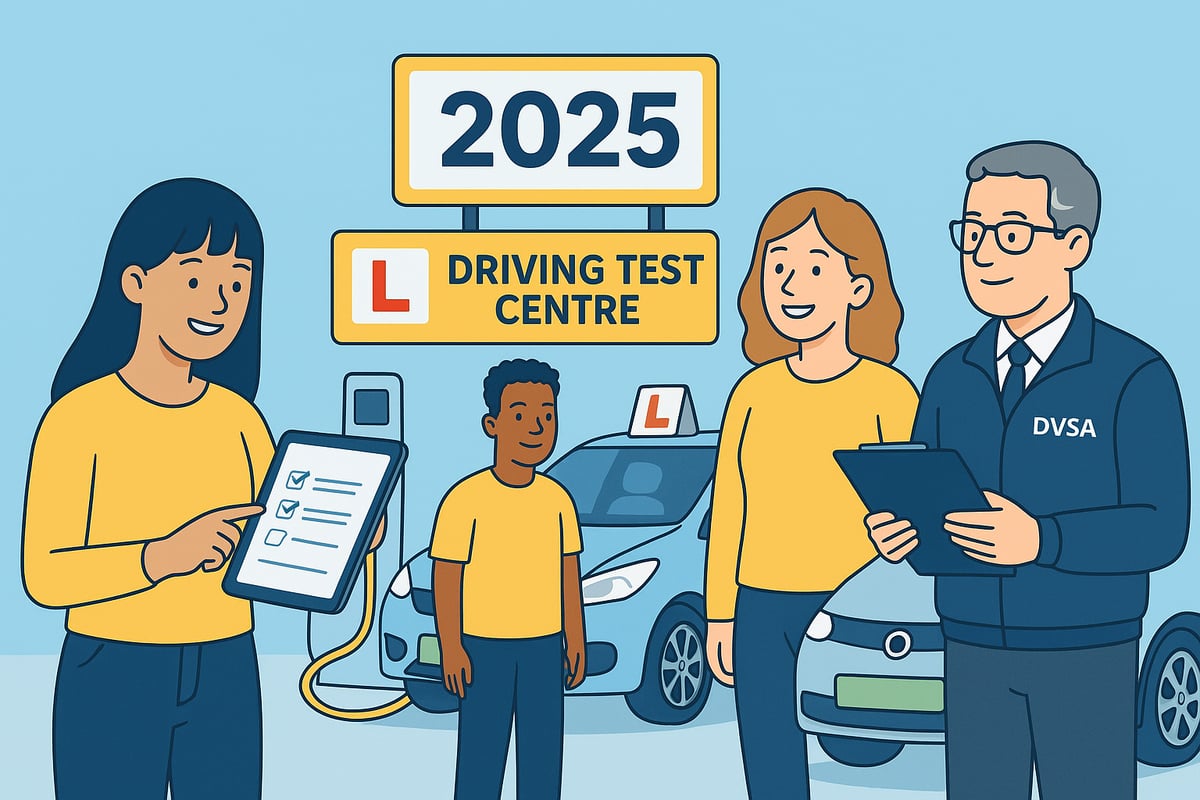
Overview of the UK Practical Driving Test Structure
The learners practical test is made up of several parts. You’ll face “show me, tell me” questions about vehicle safety, then demonstrate your skills during real-world driving. Expect to carry out at least one manoeuvre, such as bay or parallel parking, and possibly an emergency stop.
A significant portion of the test is independent driving, where you’ll follow either traffic signs or a sat nav. The test lasts around 40 minutes, and for 2025, digital marking on tablets is standard. Want a full breakdown? See How the driving test works for everything you need to know.
Key Changes and Updates for 2025
This year, the learners practical test introduces several important updates. Eco-driving is now assessed, encouraging efficient and environmentally friendly techniques. Examiners use digital tablets, so feedback is quicker and more accurate.
You may be tested in an electric vehicle, as the DVSA is integrating new technologies. There are also tweaks to booking and cancellation rules, so always check for the latest guidance before your test.
- Eco-driving assessment
- Digital marking and feedback
- Electric and hybrid vehicle integration
Keeping up with these changes is essential for success.
Common Misconceptions and Myths
Many believe the learners practical test is impossible to pass first time, or that automatic cars make it much easier. In reality, pass rates for automatic and manual tests are similar.
It’s also a myth that certain test centres are “easier” across the board. Preparation and mindset matter far more than location. Don’t let hearsay distract you from solid practice and up-to-date knowledge.
Who Needs to Take the Practical Test?
The learners practical test is required for anyone with a provisional licence in the UK who wants to drive unaccompanied. You must be at least 17 years old, or 16 if receiving the enhanced mobility component of PIP.
International drivers often need to take the test if their licence is from outside the EU or EEA, or if they’ve lived in the UK for more than 12 months. Always check your specific situation on the DVSA website.
Pass Rates and Test Statistics
Pass rates for the learners practical test vary. According to DVSA data from 2023 to 2024, the national average pass rate hovers around 48%. Regional variations exist, with some centres reporting higher or lower success rates.
| Year | National Pass Rate | Highest Regional | Lowest Regional |
|---|---|---|---|
| 2023-2024 | 48% | 65% | 34% |
Knowing these numbers helps set realistic expectations and focus your preparation.
Why Proper Preparation Matters
Good preparation for the learners practical test can save you both time and money. Candidates who practice regularly and take mock tests are much more likely to pass on their first attempt.
Failing your test means paying for another slot and potentially waiting weeks for a new date. Investing in thorough preparation is the quickest route to a full licence.
Example Scenario: A 2024 Candidate’s Test Journey
Imagine Alex, a learner who booked the learners practical test in 2024. Alex practiced with both an instructor and a family member, focusing on weak manoeuvres and building confidence with mock tests.
On test day, nerves hit, but breathing exercises and a calm approach helped Alex focus. After completing the route and answering the “show me, tell me” questions, Alex passed and applied for a full licence that same week.
Step-by-Step Preparation: Building Skills and Confidence
Getting ready for your learners practical test means more than just showing up on the day. Smart preparation builds your confidence and skills for success. Here’s how to break down each stage, avoid common mistakes, and set yourself up for a stress-free experience.
Booking Your Test: Process and Pitfalls
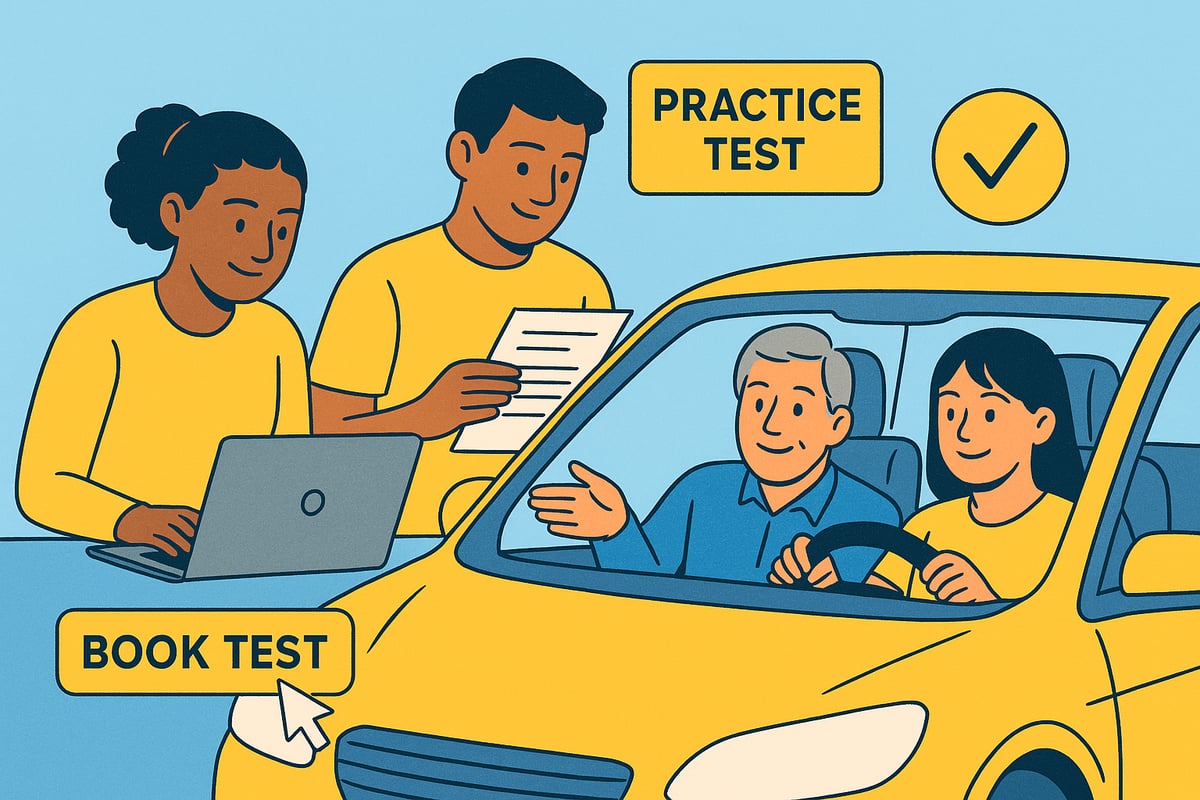
Booking your learners practical test starts online through the official DVSA site. Double-check all details, especially your name and provisional licence number, to avoid delays. Many learners practical test hopefuls make mistakes like double-booking or selecting the wrong test centre, which can lead to frustrating cancellations.
Test centre availability is tight, especially in busy regions. Waiting times can stretch for weeks, so book early and consider less crowded locations if possible. Use the Find your local test centre tool to check options near you. Keep your confirmation email safe and set reminders for your test date. Staying organized at this stage gives you a calm start.
Essential Documents and Requirements
Before your learners practical test, gather all essential paperwork. Bring your provisional licence, theory test pass certificate, and an accepted form of ID. Without these, you won’t be allowed to take the test.
Your car must also meet DVSA standards. It needs valid insurance, an up-to-date MOT, and be roadworthy. Check tyres, lights, and controls in advance. For the learners practical test, using your instructor’s car is common, but if you use your own, ensure everything is in order. Arriving with missing documents or a faulty car could mean automatic disqualification, so make a checklist and double-check everything the night before.
Choosing the Right Instructor or Course
The right instructor makes a big difference in your learners practical test journey. Look for an ADI (Approved Driving Instructor) with good reviews and a teaching style that suits you. Some learners prefer an intensive course, which can speed up progress and build confidence quickly. If you’re considering this route, check out Intensive driving courses explained for a full overview of what to expect.
Mock tests are crucial, so ask your instructor to run several before your actual exam. Intensive courses work well for some, while others benefit from weekly lessons that allow steady skill building. Think about your schedule, learning style, and what makes you feel most confident on the road.
Structuring Your Practice Sessions
Consistent practice is the backbone of learners practical test success. Most experts recommend at least 40–50 hours of combined professional lessons and private practice. Spread sessions over several weeks to avoid burnout.
Mixing lessons with a family member or friend can help reinforce skills. Track your progress using a notebook or an app. Focus extra time on any manoeuvres or scenarios that challenge you. By setting clear goals for each session, you’ll steadily build the confidence needed for test day.
Mastering Key Manoeuvres and Skills
Your learners practical test will cover a range of driving skills. Practice parallel and bay parking, reversing around a corner, and making safe emergency stops. Independent driving is now a major part of the exam, so get comfortable following sat nav instructions or road signs.
Nerves are normal, but preparation helps. Try simple breathing exercises to stay calm. If you find distractions difficult, ask your instructor to simulate test conditions. Mastering these key manoeuvres means you’ll feel ready for anything the examiner asks.
Mock Tests and Self-Assessment
Mock tests help you experience the pressure of the real thing before your learners practical test. Ask your instructor to recreate exam conditions, including the marking scheme.
Use the official DVSA criteria to self-evaluate after each mock. Look for patterns in your mistakes and focus your next practice sessions there. Reviewing your performance helps you turn weaknesses into strengths. Remember, failing a mock is just a chance to learn and improve.
Example: Real-World Preparation Timeline
Here’s a sample 8-week plan to prep for your learners practical test:
| Week | Focus Area |
|---|---|
| 1 | Book test, gather documents |
| 2-3 | Start lessons, basic skills |
| 4 | Begin private practice |
| 5 | Focus on manoeuvres |
| 6 | Mock test, address feedback |
| 7 | Advanced scenarios, nerves |
| 8 | Final mock, paperwork check |
Break your preparation into manageable chunks. Regular review, honest self-assessment, and steady practice will help you approach the big day with confidence.
Test Day Walkthrough: What to Expect and How to Succeed
Test day is finally here, and your preparation for the learners practical test is about to pay off. Knowing what to expect can make all the difference. Let’s walk through each stage, so you can step into the test centre feeling confident and ready to succeed.
Arrival and Pre-Test Checks
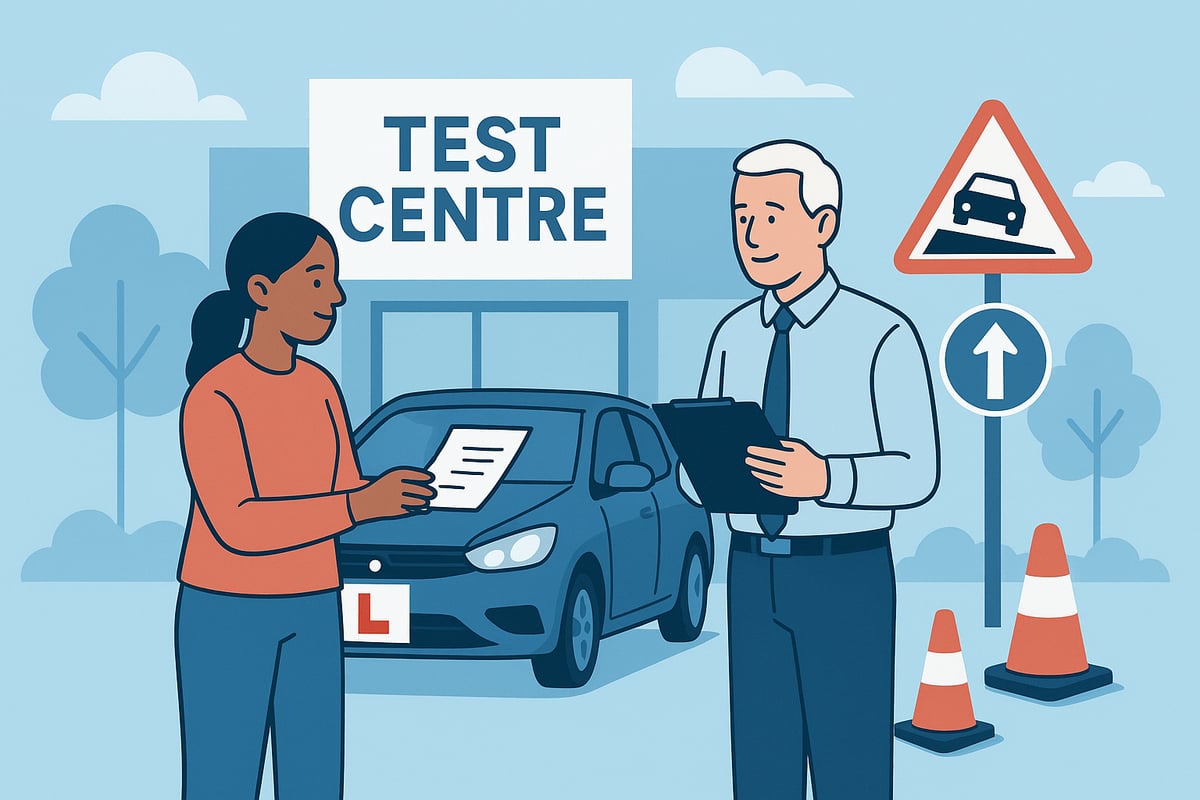
Arrive at the test centre at least 10–15 minutes early, bringing your provisional licence, theory test pass certificate, and any other required ID. If you forget something, you may not be allowed to take the learners practical test.
Check in at reception, where a staff member will confirm your identity. Next, the examiner will meet you and inspect your vehicle. They’ll look for things like working lights, legal tyres, clean windows, and a secure seatbelt. If your car fails these checks, your learners practical test could be cancelled, so double-check everything before you leave home.
Take a deep breath, relax, and use this time to mentally prepare. You’ve made it this far, and you’re ready for the challenge ahead.
The “Show Me, Tell Me” Questions
At the start of the learners practical test, you’ll answer two vehicle safety questions. The examiner will ask one “show me” and one “tell me” question. “Show me” means you’ll demonstrate a car control (like using the wipers), while “tell me” requires explaining a safety check (such as how to check oil levels).
Sample questions include “Show me how you’d wash the windscreen” and “Tell me how you’d check the brakes work.” If you’re unsure, don’t panic—just answer as best you can. For more examples, visit Frequently asked driving test questions to boost your confidence.
A calm, clear answer is what the examiner wants. If you make a mistake, it’s only a minor fault, so keep your cool and move on.
On the Road: Driving Test Route and Challenges
Once you’re on the road, the examiner will guide you through a variety of driving situations. Expect to navigate urban streets, rural roads, and possibly busy dual carriageways. The learners practical test is designed to assess your ability to handle real-world traffic, so stay alert and adaptable.
You’ll be asked to follow road signs or a sat nav for about 20 minutes. This independent driving section checks your decision-making and awareness. Watch for roundabouts, pedestrian crossings, and junctions—these are common places where mistakes happen.
Remember, if you miss a direction, don’t worry. The examiner is assessing your overall driving, not just your navigation skills.
Manoeuvres and Emergency Stops
During the learners practical test, you’ll need to demonstrate at least one manoeuvre, such as parallel parking, bay parking, or pulling up on the right and reversing. The examiner may also ask you to perform an emergency stop, testing your reaction time and control.
What are they looking for? Smooth steering, good observation, and safe, accurate movements. If you feel nervous, pause for a moment, check your mirrors, and proceed calmly.
Precision and awareness are more important than speed. If you make a small mistake, correct it safely and carry on.
Handling Test Nerves and Examiner Instructions
Nerves are normal on the day of your learners practical test. Try some slow, deep breaths before you start. If your mind races, focus on what you can control—your steering, observations, and planning.
If you don’t understand the examiner’s instructions, politely ask for clarification. They’re there to assess your driving, not to trick you. Using positive self-talk and mindfulness techniques can help you stay relaxed and in the moment.
Remember, everyone feels anxious, but preparation and calm thinking can turn nerves into focus.
Common Mistakes and How to Avoid Them
Many candidates fail the learners practical test for the same reasons each year. Top mistakes include not checking mirrors, poor observation at junctions, and hesitation at roundabouts. Others include stalling, speeding, or not responding to road signs.
Here’s a quick checklist for success:
- Always check mirrors before changing speed or direction
- Signal clearly and in good time
- Anticipate hazards and plan ahead
Learning from the mistakes of others can give you the edge. Stay calm, drive safely, and remember that one slip won’t necessarily mean a fail.
Scoring, Feedback, and What Happens After the Test
Getting your results after the learners practical test can feel like opening a mystery box. Knowing exactly how scoring works, what to do next, and how to handle feedback will give you clarity and confidence, no matter the outcome.
Understanding the Marking Criteria
The marking system for the learners practical test is clear and fair, but it helps to know what the examiner is looking for. You’ll be marked on minor, serious, and dangerous faults. Here’s a quick summary:
| Fault Type | Description | Pass Limit |
|---|---|---|
| Minor | Small mistakes, not dangerous | Max 15 |
| Serious | More significant, could cause danger | Zero |
| Dangerous | Immediate risk to safety | Zero |
You must not get any serious or dangerous faults to pass. Up to 15 minor faults is allowed, but more than that means a fail. Examiners use official DVSA criteria and digital marking systems, ensuring consistency. For more details on how faults are recorded and the latest trends in pass rates, check out the Driver and rider testing statistics Q2 2023.
Receiving and Interpreting Your Results
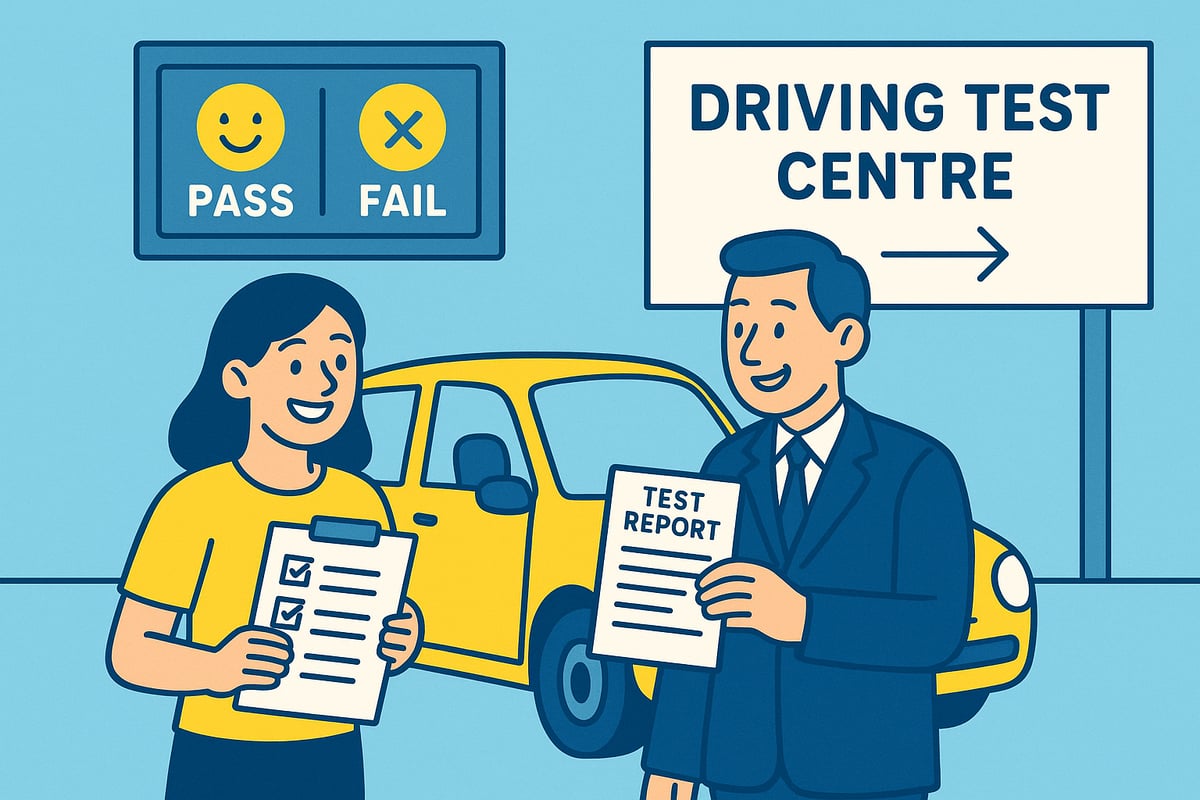
Once the learners practical test ends, your examiner will give you immediate feedback. You’ll get a digital or printed test report showing every fault and where you did well. The results are explained clearly, so you know exactly how you performed.
If you pass, the examiner will let you know straight away. If not, they’ll walk you through the reasons. Understanding your results is essential for next steps—whether you’re celebrating or planning for a retake.
If You Pass: Next Steps and Full Licence Application
Congrats, you’ve passed the learners practical test! Here’s what happens next:
- The examiner will ask if you want your full licence sent automatically.
- You can start driving solo as soon as your licence arrives.
- Consider updating your car insurance to reflect your new status.
- Celebrate your achievement, but keep building safe habits.
Applying for your full licence is straightforward, and the DVSA will process it for you. You’ll receive your licence by post, and you’re officially a qualified driver.
If You Fail: Rebooking and Improving
Not everyone passes the learners practical test first time, and that’s okay. If you don’t pass:
- There’s a minimum 10-day wait before you can rebook.
- Use your test report to target areas for improvement.
- Book your next test online, ensuring all details are correct.
- Review the New DVSA driving test regulations for updates on booking and waiting times.
Take every attempt as a learning experience. Many successful drivers needed more than one try to get it right.
Learning from Feedback: Growth Mindset
Feedback from your learners practical test is a goldmine for improvement. Instead of seeing mistakes as failures, treat them as stepping stones. For example, one candidate needed three attempts but used each report to fix specific issues, eventually passing with flying colors.
Keep a record of your feedback and set small, achievable goals before your next test. Embracing a growth mindset is the key to long-term driving confidence.
DVSA Appeals and Complaints Process
If you feel your learners practical test was not assessed fairly, you have the right to appeal. Start by reviewing your test report and gathering evidence. The DVSA outlines clear steps for appeals:
- Contact the DVSA with your concerns.
- Provide supporting details and, if possible, witness statements.
- Follow up for updates and decisions.
Appeals are rare, but knowing the process can give you peace of mind. Always remember, your goal is to become a safe and skilled driver.
Expert Tips and Resources for 2025 Learners
Getting ready for your learners practical test in 2025? The right tips and resources can make all the difference. Whether you’re aiming for a first-time pass or building confidence for another attempt, this section is packed with practical advice, proven strategies, and real support to help you succeed.
Proven Strategies for First-Time Success
Mastering the learners practical test takes more than just knowing the rules. Start by setting a consistent study and practice schedule. Prioritize sleep before your test, and avoid last-minute cramming. Use visualisation techniques—imagine yourself calmly completing each manoeuvre.
Here are some top strategies:
- Create a checklist for test-day essentials.
- Practice mindfulness or simple breathing exercises to manage nerves.
- Review the Driving test waiting times June 2025 to plan your booking and avoid unnecessary stress.
On test day, keep your routine simple and familiar. Remember, every bit of preparation brings you closer to passing the learners practical test with confidence.
Recommended Study Materials and Apps
Having the right tools makes preparing for your learners practical test much smoother. The DVSA’s official app is a must-have for up-to-date practice questions and hazard perception videos. Supplement this with top-rated apps like Driving Theory Test 4 in 1 and Testi, which offer mock tests and instant feedback.
YouTube channels such as “Conquer Driving” and “DGN Driving School” provide practical demonstrations of tricky manoeuvres. For those who prefer reading, the “Highway Code” and the DVSA’s “Driving: The Essential Skills” are highly recommended.
Table: Top Study Resources
| Resource/App | Key Feature |
|---|---|
| DVSA App | Official questions, hazard perception |
| Testi | Test booking updates, cancellations |
| 4 in 1 App | Mock tests, progress tracking |
Mix digital and traditional resources for a well-rounded approach to your learners practical test preparation.
Peer Support and Community Groups
You don’t have to face the learners practical test journey alone. Joining study groups and online forums like Reddit’s r/LearnerDriverUK can provide encouragement and motivation. Local meetups or WhatsApp groups are great for sharing advice, swapping tips, and even arranging joint practice sessions.
Benefits of joining a community:
- Exchange experiences with those who recently passed their learners practical test.
- Find accountability partners to keep you on track.
- Get real-time answers to your questions.
Sharing both struggles and successes with peers can help reduce anxiety and boost your test-day confidence.
Staying Updated with DVSA Announcements
The rules for the learners practical test can change, especially as new technology and policies are introduced. Stay informed by following the DVSA’s official website and subscribing to their newsletters. This ensures you’re aware of any updates that might affect your test.
For an inside look at upcoming improvements and changes, check out the DVSA business plan 2024-2025. Timely updates mean you’ll never be caught off guard by new requirements or procedures.
Set reminders to check for announcements a few weeks before your learners practical test. This simple step can make a big difference.
Special Considerations: Disabilities and Test Adjustments
The learners practical test is designed to be accessible for everyone. If you have a disability or need extra support, you can request reasonable adjustments, such as extra time, a British Sign Language interpreter, or a familiarisation drive around the centre.
Common accommodations include:
- Additional time for “show me, tell me” questions
- Adapted vehicles for physical disabilities
- Support from an interpreter for hearing impairments
Notify the DVSA when booking your learners practical test so they can arrange the necessary adjustments. Being proactive ensures your experience is fair and comfortable.
Real Success Stories: 2024-2025 Passers
Hearing from those who have recently passed the learners practical test can be incredibly motivating. Take Sarah, who overcame nerves by joining a peer study group and using the DVSA app daily. Or James, who failed his first attempt but analysed his feedback and passed confidently on his second try.
Key lessons from recent passers:
- Consistency in practice is crucial.
- Embrace feedback as a tool for growth.
- Support from friends and instructors makes a difference.
Let these stories inspire you to approach your learners practical test with determination and optimism.
You’ve now got the inside scoop on everything you need to master your 2025 practical driving test—from new rules to real-world tips and test day walkthroughs. If you’re ready to build your confidence, save time, and get tailored support all the way to your licence, why not take the next step with a course that fits your schedule? LPOD Academy’s network of expert instructors and flexible packages are designed to help you pass quickly and feel truly prepared. Don’t wait to start your journey—Choose A Course That’s Right For You!