

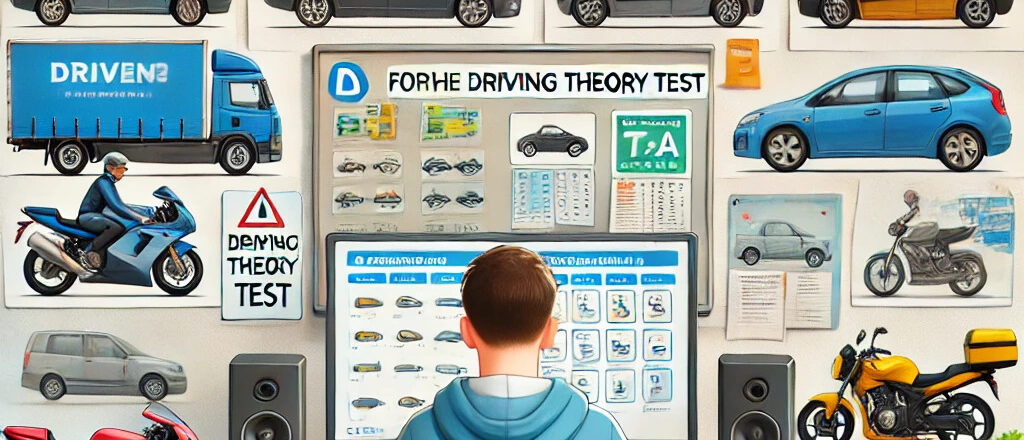
In the UK theory test, understanding the diverse landscape of vehicles sharing the road is paramount for safe and responsible driving. From lorries and emergency vehicles to trams and disability vehicles, each type of vehicle presents unique challenges and considerations for drivers.
In this blog post, we’ll delve into the importance of comprehending different vehicle types and explore how this knowledge contributes to overall road safety. Whether you’re a learner driver or a seasoned road user, mastering the intricacies of sharing the road with various vehicles is essential for navigating our streets with confidence and caution.
Join us as we uncover the key insights and practical tips for interacting harmoniously with different types of vehicles on UK roads.
Understanding Different Types of Vehicles:
In the realm of driving, familiarity with the diverse array of vehicles sharing the road is crucial for ensuring safe and efficient travel. From the compact agility of motorcycles to the imposing presence of lorries, each type of vehicle brings its own set of characteristics and behaviours to the roadway. Let’s explore why comprehending these distinctions is vital for drivers:
Definition of Different Vehicle Types:
– Cars: The most common mode of transportation, cars come in various sizes and configurations, from compact hatchbacks to spacious SUVs.
– Motorcycles: Offering unparalleled manoeuvrability, motorcycles are popular among commuters and enthusiasts alike, requiring attentive awareness from other road users.
– Buses: Serving as vital public transit vehicles, buses carry passengers across urban and rural routes, often making frequent stops and requiring ample space for manoeuvring.
– Trucks: Ranging from delivery vans to articulated lorries, trucks play a crucial role in transporting goods across the country, necessitating careful consideration from fellow motorists.
– Bicycles: An eco-friendly mode of transport, bicycles share the road with motor vehicles, requiring drivers to provide adequate space and consideration.
- Importance of Knowing Vehicle Characteristics:
– Understanding the size, speed, and handling capabilities of different vehicles enables drivers to anticipate their movements and make informed decisions on the road.
– Recognising the blind spots and limitations of larger vehicles, such as buses and lorries, helps drivers avoid potential collisions and navigate safely around them.
– Being aware of the vulnerability of cyclists and motorcyclists underscores the need for caution and patience when sharing the road, particularly at junctions and narrow passages.
- Anticipating and Responding to Hazards:
– Knowledge of vehicle types enhances hazard perception skills, allowing drivers to anticipate potential risks and take proactive measures to avoid accidents.
– By understanding how different vehicles interact with their surroundings, drivers can predict common scenarios, such as buses pulling out from stops or cyclists navigating through traffic.
In summary, familiarity with the characteristics and behaviours of various vehicle types is fundamental for safe and responsible driving. By cultivating this understanding, drivers can navigate the roadways with confidence, respect, and consideration for all road users, contributing to a safer and more harmonious driving environment.
Characteristics and Behaviours of Cars:
Cars are ubiquitous on roads worldwide, representing the most prevalent mode of transportation. Understanding the characteristics and behaviours of cars is essential for all drivers to navigate safely and effectively. Here’s a closer look at what to expect when sharing the road with cars:
- Description of Common Features:
– Cars come in various shapes, sizes, and models, ranging from compact hatchbacks to luxury sedans and rugged SUVs.
– They are typically powered by internal combustion engines or electric motors, offering different levels of performance and fuel efficiency.
– Cars are designed for versatility, providing comfortable seating for passengers and ample storage space for luggage or cargo.
- Behaviours of Cars on the Road:
– Cars are agile and capable of accelerating quickly, allowing them to merge into traffic or change lanes with relative ease.
– They use indicators to signal their intentions, such as turning or changing lanes, indicating to other road users their intended manoeuvres.
– Drivers should anticipate cars slowing down or stopping at junctions, traffic lights, or pedestrian crossings, allowing for safe and timely reactions.
Sample Question:
– What should you do when approaching a car with its indicator flashing?
Answer:
– Be prepared for the car to change lanes or turn. Always maintain a safe following distance and avoid overtaking until the car has completed its manoeuvre.
Understanding the characteristics and behaviours of cars enhances hazard perception skills and promotes smoother interactions on the road. By anticipating the actions of cars and responding appropriately, drivers can contribute to safer and more efficient traffic flow for everyone.
Considerations for Motorcycles:
Motorcycles present unique challenges and considerations for drivers due to their smaller size and increased vulnerability on the road. Understanding the characteristics and vulnerabilities of motorcycles is crucial for promoting safety and awareness. Here are some key points to consider:
- Unique Characteristics:
– Motorcycles are smaller and more manoeuvrable than cars, allowing them to navigate through traffic and tight spaces with ease.
– They offer riders a sense of freedom and agility but lack the protective structure of a car, making riders more exposed to the elements and potential hazards.
– Motorcycles rely on two wheels for stability, requiring riders to maintain balance and control at all times, especially during cornering and braking.
- Vulnerabilities:
– Motorcycles are less visible than larger vehicles, particularly in blind spots and adverse weather conditions. Drivers should always check their blind spots and mirrors for motorcycles before changing lanes or making turns.
– Motorcycles are more susceptible to road surface hazards, such as potholes, gravel, and oil spills, which can affect stability and traction.
– Riders have less protection in the event of a collision, increasing the risk of injury or fatality compared to car occupants.
Sample Question:
– Why is it important to check your blind spots for motorcycles?
Answer:
– Motorcycles are smaller and may not be as visible as larger vehicles. Checking your blind spots ensures that you are aware of nearby motorcycles and can avoid potential collisions when changing lanes or making turns.
By understanding the unique characteristics and vulnerabilities of motorcycles, drivers can take proactive measures to share the road safely and responsibly with motorcyclists. Maintaining awareness and vigilance is essential for preventing accidents and promoting mutual respect among all road users.
Understanding the Challenges of Buses and Trucks:
Buses and trucks present unique challenges on the road due to their size, weight, and manoeuvrability. Drivers must be aware of these factors to safely interact with these larger vehicles. Here are some key considerations:
- Size and Weight:
– Buses and trucks are significantly larger and heavier than cars, requiring more space to manoeuvre and longer distances to come to a stop.
– Their size can affect visibility, making it harder for drivers to see smaller vehicles, cyclists, and pedestrians around them.
– The increased mass of buses and trucks means they have greater momentum, making sudden stops or changes in direction more challenging.
- Manoeuvrability:
– Buses and trucks have larger turning radii, requiring wider turns and potentially encroaching into adjacent lanes when navigating corners.
– Drivers of buses and trucks may need to swing wide to negotiate tight turns, particularly in urban areas or narrow streets.
– Manoeuvring large vehicles in tight spaces, such as parking lots or loading docks, requires patience and skill to avoid collisions and damage to surrounding property.
- Blind Spots:
– Buses and trucks have significant blind spots, or areas around the vehicle where the driver’s visibility is limited or obstructed.
– These blind spots are particularly pronounced on the sides and rear of the vehicle, making it crucial for drivers of smaller vehicles to avoid driving in these areas.
– Sample question: Why should you avoid driving in the blind spots of large vehicles?
Answer:
– Large vehicles have larger blind spots where other vehicles may not be visible. By staying out of these blind spots, drivers can reduce the risk of accidents and ensure their own safety on the road.
By understanding the size, weight, manoeuvrability, and blind spots of buses and trucks, drivers can anticipate their actions and adjust their own driving behaviour accordingly. Maintaining awareness and giving these larger vehicles plenty of space is essential for safe and harmonious road travel for all.
Sharing the Road with Bicycles:
Cyclists are vulnerable road users who have rights and responsibilities when navigating the road alongside other vehicles. Understanding how to share the road safely with cyclists is essential for all drivers. Here are some key points to consider:
- Rights and Responsibilities:
– Cyclists have the right to use the road like any other vehicle, and drivers must treat them with respect and consideration.
– Cyclists are required to follow the same traffic laws as drivers, including obeying traffic signals, using hand signals for turning, and riding in the same direction as traffic flow.
– Drivers should be aware of cyclists’ vulnerability and exercise caution when interacting with them on the road.
- Overtaking Safely:
– When overtaking a cyclist, drivers must leave plenty of room between their vehicle and the cyclist.
– Before overtaking, drivers should check for oncoming traffic and ensure there is enough space to pass safely without crowding the cyclist.
– Drivers should wait for a clear opportunity to overtake, avoiding situations where they may need to cut in too closely in front of the cyclist.
- Sample question: How should you overtake a cyclist safely?
Answer:
– Leave plenty of room and only overtake when it is safe to do so. Check for oncoming traffic, signal your intention to overtake, and ensure there is enough space to pass without endangering the cyclist or other road users.
By understanding cyclists’ rights and responsibilities and practising safe overtaking techniques, drivers can contribute to a safer road environment for everyone. Respect, patience, and awareness are key to sharing the road harmoniously with cyclists.
Interacting with Trams:
Trams are a common sight on roads in certain urban areas, and drivers need to understand how to safely interact with them. Here are some key points to consider when sharing the road with trams:
- Operation and Characteristics:
– Trams operate on tracks embedded in the road surface, typically in dedicated lanes or alongside other traffic.
– Trams are larger and heavier than most vehicles and have limited manoeuvrability, especially when navigating tight corners or intersections.
– Trams have frequent stops along their routes to pick up and drop off passengers, which may require them to slow down or stop suddenly.
- Approaching Tram Stops:
– When approaching a tram stop, drivers should be vigilant and prepared for the tram to slow down or stop to allow passengers to board or alight.
– Drivers should be aware of tram signals and markings indicating tram stops and exercise caution when passing these areas.
- Sample question: What should you do when approaching a tram stop?
Answer:
– Be prepared to stop if passengers are boarding or alighting from the tram. Pay attention to tram signals and markings indicating tram stops, and exercise caution to avoid collisions or obstructions.
By understanding how trams operate and being mindful of their presence on the road, drivers can contribute to safer interactions between vehicles, pedestrians, and trams. Vigilance, patience, and adherence to traffic signals are essential when sharing the road with trams.
Hazards Associated with Lorries and Hazardous Loads:
Lorries, particularly those transporting hazardous materials, present unique risks and challenges on the road. Here are some key points to consider:
- Risk Factors:
– Lorries carrying hazardous loads pose increased risks due to the potential for spills, leaks, or accidents involving dangerous substances.
– Hazardous materials may include flammable liquids, corrosive chemicals, or toxic gases, which can have serious consequences in the event of a collision or mishap.
- Increased Vulnerability:
– Lorries transporting hazardous loads may be larger and heavier than standard vehicles, making them more difficult to manoeuvre and stop quickly.
– Hazardous materials may require special handling procedures and precautions to minimise the risk of accidents or environmental damage.
- Sample question: What are some risks associated with lorries transporting hazardous loads?
Answer:
– Risks associated with lorries transporting hazardous loads include the potential for spills, leaks, or accidents involving dangerous substances. These materials may pose serious health and safety hazards to drivers, passengers, and the environment in the event of a collision or mishap.
By understanding the risks associated with lorries transporting hazardous loads, drivers can take proactive measures to mitigate potential dangers on the road. Vigilance, caution, and adherence to safety regulations are essential when sharing the road with these vehicles.
Interacting with Emergency Vehicles:
When encountering emergency vehicles, such as ambulances, fire engines, or police cars, it’s essential to understand how to respond safely:
- Safety Protocol:
– Upon hearing the siren or seeing the flashing lights of an emergency vehicle, drivers should remain calm and alert.
– Immediately check your surroundings for the presence of the emergency vehicle and assess the safest course of action.
- Yielding Right of Way:
– Sample Question: What should you do when you hear the siren of an emergency vehicle?
– Answer: Pull over to the side of the road and come to a complete stop, allowing the emergency vehicle to pass safely. If necessary, wait for further instructions from emergency personnel.
- Avoid Abrupt Manoeuvres:
– While it’s crucial to yield to emergency vehicles, drivers should avoid sudden or erratic movements that could endanger themselves or others on the road.
– Signal your intentions clearly and make smooth, controlled manoeuvres to give way to the emergency vehicle.
By adhering to proper protocol and yielding the right of way to emergency vehicles, drivers can help facilitate the swift and safe passage of these crucial vehicles on their way to emergencies.
Interacting with Disability Vehicles:
Encountering disability vehicles, such as mobility scooters or vehicles with disability parking permits, requires drivers to exercise patience and awareness:
- Safety Awareness:
– When encountering a mobility scooter on the road, drivers should be attentive and cautious, as these vehicles may have limited visibility and manoeuvrability.
– Sample Question: What should you do if you encounter a mobility scooter on the road?
– Answer: Exercise patience and give extra space to mobility scooters, allowing them sufficient room to manoeuvre safely. Avoid rushing or driving too closely behind them.
- Respect and Consideration:
– Drivers should demonstrate respect and consideration for individuals using disability vehicles, recognising their right to access and use public roads safely.
– Be mindful of designated disability parking spaces and avoid parking in these areas unless authorised to do so.
By showing patience, awareness, and respect for individuals using disability vehicles, drivers can contribute to creating a safer and more inclusive road environment for all road users.
Doctors on Call:
Doctors on call are medical professionals who provide urgent medical care outside of regular clinic hours or emergency departments. They are often dispatched to respond to medical emergencies, accidents, or situations requiring immediate medical attention. Here’s how to identify and interact with doctors on call:
- Identifying Doctors on Call:
– Doctors on call may be identified by vehicles marked with medical insignia or equipped with emergency lights and sirens. They tend to have a green flashing light.
– They may respond to emergencies in specially designated vehicles, such as ambulances or medical response cars.
– Look for vehicles displaying signs indicating medical assistance, such as “Emergency Doctor” or “Medical Response Team.”
- Interacting with Doctors on Call:
– When encountering a vehicle with emergency lights and sirens, drivers should yield the right of way and allow the doctor on call to pass safely.
– Pull over to the side of the road and make way for the vehicle to proceed unhindered to its destination.
– Avoid obstructing or impeding the path of the doctor on call, as they may be responding to a critical medical situation.
Sample Question:
What should you do when you see a vehicle with emergency lights and sirens approaching from behind?
Answer:
Pull over to the side of the road and allow the vehicle to pass safely. Avoid blocking its path or impeding its progress, as it may be responding to an emergency medical situation.
By understanding how to identify and interact with doctors on call, drivers can play a crucial role in facilitating timely medical assistance and ensuring the safety of all road users.
Slow Moving Vehicles:
Slow moving vehicles are those that travel at a reduced speed compared to the surrounding traffic. They include various types of vehicles and machinery used for different purposes, such as maintenance, construction, or agricultural activities. Here’s how to identify and interact with slow-moving vehicles:
- Identifying Slow Moving Vehicles:
– Slow moving vehicles can be identified by their distinct appearance, which may include flashing lights, reflective markings, or warning signs.
– Examples of slow moving vehicles include bin lorries collecting waste, road maintenance vehicles, agricultural machinery, and tractors.
- Interacting with Slow Moving Vehicles:
– When approaching a slow-moving vehicle, drivers should reduce their speed and exercise caution.
– Maintain a safe following distance to allow for sudden stops or changes in speed by the slow-moving vehicle.
– When safe to do so, overtake slow-moving vehicles with care, ensuring there is sufficient visibility and no oncoming traffic.
– Be patient and avoid aggressive or risky manoeuvres when sharing the road with slow-moving vehicles, as they may have limited visibility or manoeuvrability.
Sample Question:
How should you interact with a bin lorry collecting waste on the road?
Answer:
Reduce your speed and maintain a safe following distance behind the bin lorry. When safe to do so, overtake with caution, ensuring there is sufficient visibility and no oncoming traffic.
By understanding how to identify and interact with slow-moving vehicles, drivers can navigate the road safely and help prevent accidents or disruptions to traffic flow.
Additional Reading and Resources:
- Official DVSA Resources:
– The Driver and Vehicle Standards Agency (DVSA) provides comprehensive resources and guidance on interacting with different types of vehicles and road users. Visit the DVSA website for official publications, videos, and practice materials tailored to the UK theory test.
- Recommended Books and Websites:
– “The Highway Code” is an essential reference for all UK road users, offering detailed information on road rules, signs, and safety guidelines. Additionally, websites such as RoSPA (Royal Society for the Prevention of Accidents) and Brake offer valuable resources on road safety and sharing the road with different types of vehicles.
- Courses and Training:
– Consider enrolling in defensive driving courses or hazard perception training programs offered by accredited providers. These courses can enhance your understanding of road safety principles and help you develop skills for navigating diverse road environments.
By exploring these resources, learners can deepen their knowledge of road safety practices and gain confidence in interacting with various types of vehicles on the road. Remember to stay informed, stay vigilant, and prioritise safety for yourself and others while driving.
- Discover Our Online Course:
Enhance your driving knowledge and skills with our comprehensive online theory course. Our course features 14 engaging video modules covering essential topics, including hazard perception, different types of vehicles, and road safety principles. Each module is designed to cater to visual learners, offering bite-sized lessons and interactive quizzes to reinforce your understanding.
Why Choose Our Course?
– Video-Based Learning: Say goodbye to lengthy textbooks! Our course delivers content through engaging videos, making learning enjoyable and effective.
– Ideal for Visual Learners: If you prefer visual learning over reading, our course is perfect for you. Watch, learn, and absorb key concepts effortlessly.
– Short Quizzes and Mock Tests: Test your knowledge after each module with short quizzes, and gauge your progress with complete mock tests at the end of the course.
– Real-Life Scenarios: Our course uses real-life video footage to simulate driving situations, allowing you to practice hazard perception skills in a realistic environment.
– User-Friendly Interface: Navigate through the course with ease, thanks to our intuitive and well-organised layout.
With our online course, you’ll gain the knowledge and confidence needed to ace your theory test and become a safe and responsible driver. Sign up today here, and kickstart your journey towards driving success.
By exploring these resources, learners can deepen their knowledge of road safety practices and gain confidence in interacting with various types of vehicles on the road. Remember to stay informed, stay vigilant, and prioritise safety for yourself and others while driving.