

Reversing Out of Driveways onto Busy Roads: Essential Safety, Law and Tips
Picture this: you’re sitting in your car at the end of your driveway, looking over your shoulder as you slowly reverse onto what feels like the M25 during rush hour. Your heart’s racing, you can’t see properly, and cars are whizzing past at speeds that would make Lewis Hamilton nervous. We’ve all been there, and let me tell you, it’s not where anyone wants to be.
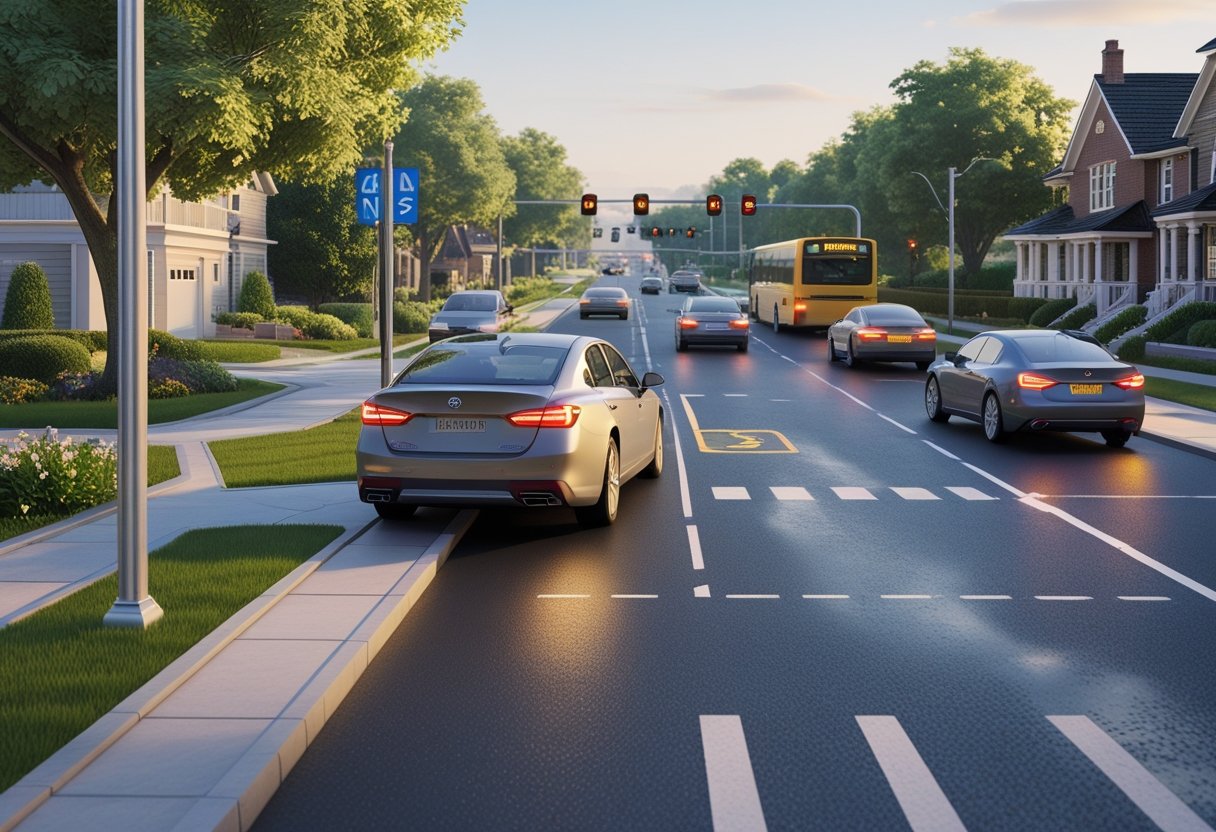
Reversing out of your driveway onto a busy road isn’t just nerve-wracking, it’s genuinely risky and could land you with penalty points, fines, or worse. The Highway Code is crystal clear on this: you should reverse onto your driveway and drive out forwards whenever possible. It’s one of those driving habits that separates the confident from the constantly anxious.
The good news? Once you master the art of driveway manoeuvres, you’ll wonder why you ever did it any other way. We’re going to walk you through everything from understanding the risks to perfecting your technique, so you can tackle any driveway with the confidence of someone who’s been driving for decades. Trust us, your future self (and your insurance premiums) will thank you.
Key Takeaways
- Reversing out of driveways onto busy roads is risky and can result in penalty points or fines for careless driving
- The Highway Code recommends reversing onto your driveway and driving out forwards for better visibility and safety
- Mastering proper driveway techniques reduces stress, improves road safety, and builds overall driving confidence
Understanding Why Reversing Out of Driveways onto Busy Roads Is Risky
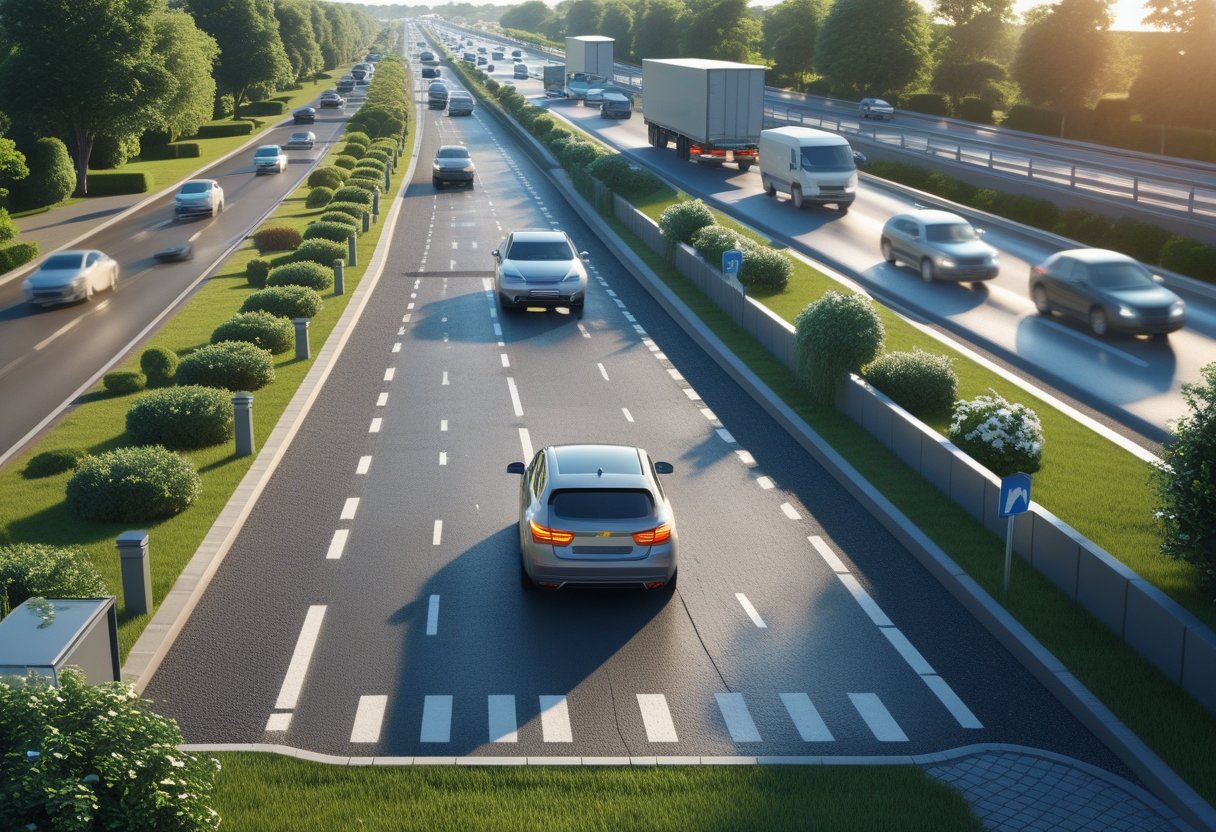
When we reverse out of our driveways onto busy roads, we’re essentially driving blind into traffic that’s moving much faster than we can react to. The combination of limited visibility and unpredictable road users creates a perfect storm for accidents.
Visibility and Blind Spot Challenges
Reversing out of a driveway puts us at a massive disadvantage when it comes to seeing what’s coming. Our car’s design works against us here.
The rear pillars and headrests create significant blind spots that can easily hide approaching vehicles. Even with modern reversing cameras, we’re still missing crucial side angles where cars, motorbikes, or cyclists might appear.
When we’re backing out slowly, our view of the road develops gradually. By the time we can see traffic clearly, we’re already partially blocking the carriageway. This puts us right in harm’s way.
Parked cars along the road make things even trickier. They create additional visual barriers that block our view of approaching traffic until the very last second.
Most of us have experienced that heart-stopping moment when a car suddenly appears just as we’re reversing out. That’s our blind spots at work, and it happens more often than we’d like to admit.
Increased Danger to Pedestrians and Cyclists
Pedestrians and cyclists are particularly vulnerable when we reverse onto busy roads. They’re much harder to spot than cars, and they can approach from angles we simply can’t see.
Children are especially at risk because they’re smaller and might not understand the danger. They could be walking behind our car or playing nearby without us having any idea they’re there.
Cyclists present their own challenges. They move quickly and quietly, often appearing in our blind spots without warning. A cyclist travelling at 20mph can cover significant distance whilst we’re still checking our mirrors.
Mobility scooter users and wheelchair users face similar risks. They’re lower to the ground and might not be visible in our standard mirrors or reversing cameras.
The problem gets worse on busy roads because pedestrians and cyclists are trying to navigate around both our reversing car and the regular traffic flow. This creates confusion and increases the chance of accidents.
How Busy Roads Affect Driver Decision-Making
Busy roads create pressure that leads to poor decisions when reversing out of driveways. We often feel rushed to find a gap in traffic, which makes us take risks we normally wouldn’t.
The constant flow of traffic means we’re looking for increasingly smaller gaps to reverse into. This pressure can make us misjudge distances and speeds of approaching vehicles.
Road users on busy streets are often travelling at higher speeds and have less time to react when we suddenly appear reversing into their path. What might be manageable on a quiet residential street becomes dangerous on a main road.
The noise and distraction of busy traffic also affects our concentration. We might miss important audio cues like approaching motorbikes or emergency vehicles whilst we’re focused on visual checks.
Many of us end up making split-second decisions under pressure, rather than taking the time needed for safe reversing manoeuvres. This rushed approach significantly increases our risk of accidents.
Highway Code Guidance: What the Rules Say
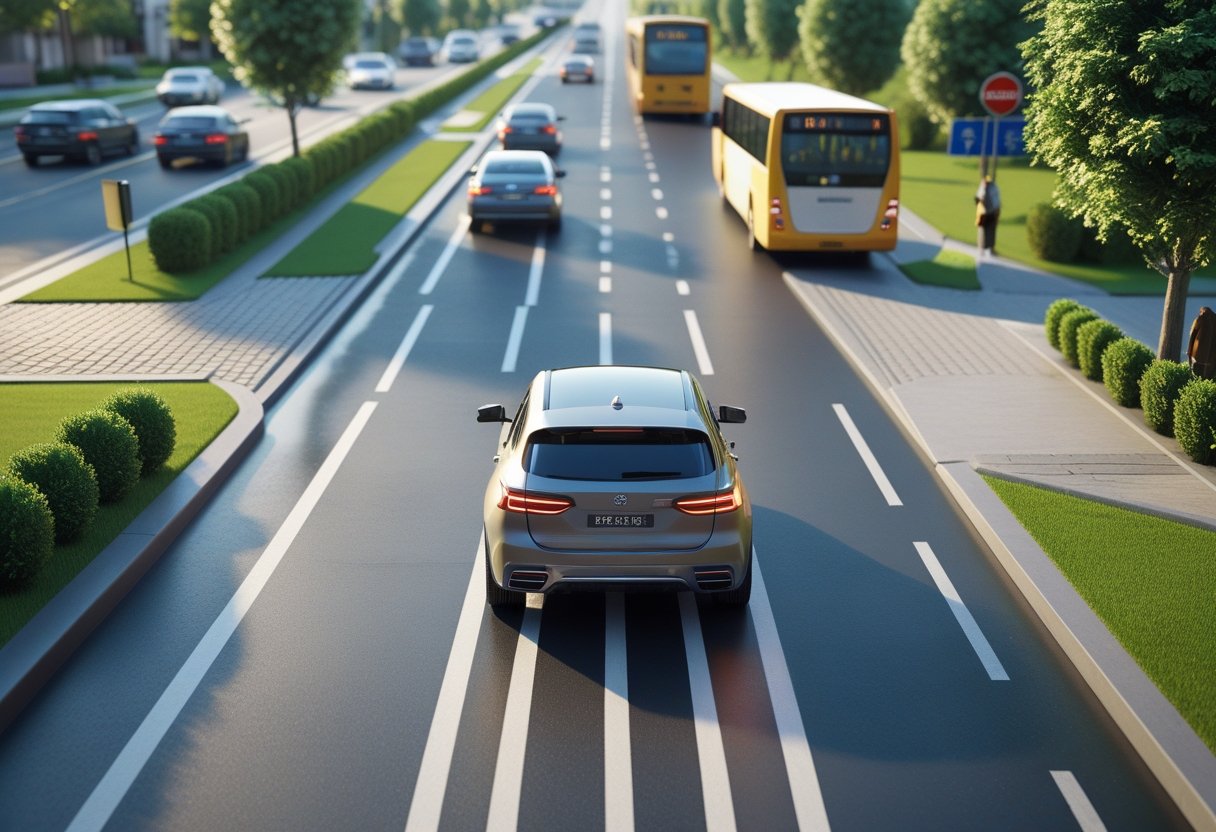
The Highway Code provides clear guidance about driveway manoeuvres through Rules 200 and 201, though these aren’t legally binding laws. Understanding what these rules say and their potential consequences helps you make safer choices when using your driveway.
Highway Code Rule 200 and Rule 201
Highway Code Rule 200 tells us to choose an appropriate place to manoeuvre. This rule emphasises finding a safe location when we need to turn our vehicle around.
The rule specifically advises avoiding reversing or turning around in busy roads. Instead, we should look for quiet side roads or drive around a block of side streets.
Rule 201 goes further with driveway-specific guidance. It states clearly: “When using a driveway, reverse in and drive out if you can.”
This means we should avoid pulling forward into our driveways. The preferred method is reversing onto the driveway first, then driving out forwards later.
The reasoning behind this guidance centres on visibility and safety. When we reverse into our driveway, we can see approaching traffic, pedestrians, and cyclists clearly before making the manoeuvre.
Reversing out onto a busy road creates a blind spot problem. We’re backing into traffic we can’t see properly, which puts everyone at risk.
Legal Consequences and Penalty Points
These Highway Code rules don’t carry automatic penalty points or fixed fines. However, the consequences can still be serious if something goes wrong.
If we cause an accident whilst reversing out of our driveway, we could face charges of careless or dangerous driving. These offences carry significant penalties.
Careless driving can result in 3 to 9 penalty points and fines up to £2,500. In severe cases, courts can impose unlimited fines for dangerous driving.
Insurance companies may also view accidents involving reversing out of driveways unfavourably. This could affect our premiums or claims, especially if we haven’t followed Highway Code guidance.
The key issue isn’t the reversing itself, but whether our driving falls below acceptable standards. Poor visibility when reversing onto busy roads makes accidents more likely.
Difference Between Law and Guidance
We need to understand that Highway Code rules fall into different categories. Some rules use words like “MUST” or “MUST NOT” and carry legal penalties.
Rules 200 and 201 are guidance rather than legal requirements. They don’t include the mandatory language that makes other Highway Code rules legally enforceable.
However, this guidance isn’t meaningless. Courts can use Highway Code guidance as evidence of proper driving standards during legal proceedings.
Following the guidance shows reasonable care and consideration. Ignoring it might suggest we’re not taking proper precautions for other road users’ safety.
The guidance reflects best practice developed from years of road safety experience. Even without legal force, these recommendations help prevent accidents and protect vulnerable road users like pedestrians and cyclists.
Safe Techniques for Exiting Driveways on Busy Roads
Getting out of your driveway safely requires careful observation and smart planning. We’ll focus on checking your surroundings properly, moving slowly when you need to reverse, and getting help when visibility is poor.
Essential Checks: Mirrors, Blind Spots, and Signals
Before we move our car, we need to check all around us. This means using every mirror we have. Start with your rear-view mirror, then check both wing mirrors.
Blind spots are the biggest danger. These are areas we can’t see in our mirrors. Turn your head and look over your shoulder to check behind you. Pay special attention to the space directly behind your boot.
Look out for these road users:
- Pedestrians (especially children who might dart out)
- Cyclists riding along the pavement or road
- Other drivers who might be passing
- Dogs or cats that could run into your path
We should also check for parked cars, bins, or other obstacles. Signal early to let other road users know what we’re planning to do.
Don’t rush this step. Take a few extra seconds to be sure. Other drivers will appreciate knowing your intentions, and you’ll feel more confident knowing the coast is clear.
When and How to Reverse Slowly
Reversing slowly gives us time to react if something changes. We recommend moving at walking pace or slower. This speed lets us stop quickly if needed.
Keep checking all around as we reverse. Don’t just stare at one spot. Look through the rear window most of the time, but glance at your mirrors too.
Watch your front end. As we turn the steering wheel, the front of our car swings out. This could hit something we didn’t expect.
Stop immediately if:
- A pedestrian appears
- Another car approaches
- You’re not sure what’s behind you
- Visibility gets worse
Remember, we can always pull forward and try again. There’s no shame in taking multiple attempts to get out safely. The goal is getting onto the road without causing problems for ourselves or other road users.
Using a Guide for Poor Visibility
Sometimes we simply can’t see clearly enough to reverse safely. Hedges, parked cars, or bad weather can block our view. When this happens, we need help.
Ask a passenger or family member to guide you out. They should stand where they can see both you and the road clearly. Never position your guide directly behind the car.
Work out simple hand signals beforehand:
- Stop (raised hand)
- Come back slowly (beckoning motion)
- All clear (thumbs up or wave)
Your guide should watch for pedestrians, cyclists, and other cars you might miss. They can also tell you if you’re getting too close to obstacles.
If no one’s available to help, consider waiting for a quieter moment or walking to check the road first. Some drivers install small convex mirrors near their driveway entrance to improve visibility.
Trust your guide, but stay alert yourself. You’re still the driver and responsible for the car’s movement.
Best Practices: Reverse onto Your Driveway Instead
The Highway Code strongly encourages reversing into your driveway rather than driving forward. This approach gives you better visibility when leaving and reduces risks to pedestrians and other road users.
Why Reversing In and Driving Out Is Safer
When we reverse into our driveways, we create a much safer situation for everyone involved. The Highway Code makes this clear in its guidance about low-speed manoeuvres.
Better visibility is the main advantage. Reversing out means we’re backing into traffic with limited view of approaching vehicles, cyclists, or pedestrians. Our rear window and mirrors simply don’t give us the same range of vision as looking forward through the windscreen.
Reduced reaction time becomes crucial on busy roads. When we drive out forward, we can see oncoming traffic immediately and respond quickly. Reversing out forces us to make split-second decisions based on incomplete information.
Protection for vulnerable road users matters enormously. Children playing nearby, elderly pedestrians, or cyclists can appear suddenly. When we’re facing forward to exit, we spot these hazards much earlier.
The statistics speak for themselves. Accidents involving vehicles reversing from driveways happen regularly, often resulting in serious injuries. These incidents frequently lead to charges of driving without due care and attention.
Tips for Reversing into Your Driveway Smoothly
Start by positioning your car correctly before beginning the manoeuvre. Pull up slightly past your driveway entrance, leaving enough space to reverse at an angle. We recommend stopping when your rear bumper aligns with the far edge of your drive.
Signal your intentions early to alert following traffic. Use your left indicator to show you’re planning to reverse into the driveway. This gives other drivers time to slow down or change lanes safely.
Check all mirrors thoroughly before starting. Look for pedestrians, cyclists, or vehicles that might enter your path. Take extra time scanning for children or pets who might dart into the area unexpectedly.
Reverse slowly and steadily whilst constantly checking your surroundings. Keep your windows down if possible to hear approaching vehicles or people calling out warnings.
Practice during quieter periods until you feel confident. Early mornings or late evenings often have less traffic, making it easier to master the technique without pressure from impatient drivers.
Manoeuvres in Everyday Driving and the Practical Test
The manoeuvres you’ll master for your practical driving test aren’t just exam requirements – they’re the exact skills you’ll use every day once you’re on the road. From squeezing into tight supermarket car parks to navigating narrow residential streets, these techniques become second nature with practice.
Front and Reverse Bay Parking Skills
Bay parking is something we do constantly as drivers, whether it’s popping to the shops or parking at work. During your practical driving test, you might be asked to perform either forward bay parking (driving in and reversing out) or reverse bay parking.
Forward bay parking works brilliantly when you need a quick exit. Drive slowly into the bay, keeping your car straight between the lines. Check your mirrors constantly for other vehicles and pedestrians.
Reverse bay parking gives you much better control and visibility when leaving. Position your car about one metre from the bay entrance. Turn your steering wheel when your door mirror aligns with the bay’s corner.
The key is smooth control of your clutch and steering. Don’t rush – examiners prefer accuracy over speed.
Here’s what we focus on:
- Observation: Check all around, not just mirrors
- Control: Smooth clutch work and gentle steering
- Positioning: Stay within the bay markings
- Safety: Watch for pedestrians and other cars
Practice in quiet car parks first. Empty spaces at supermarkets during off-peak hours are perfect for building confidence.
Parallel Parking in Real-World Scenarios
Parallel parking terrifies many learner drivers, but it’s incredibly useful for city driving and residential areas. You’ll encounter this manoeuvre regularly once you pass your test.
Start by pulling alongside the car in front of your parking space. Keep about half a metre distance between the vehicles. Your door mirrors should roughly align.
Select reverse and begin moving backwards slowly. When you can see the entire rear car in your passenger mirror, turn your steering wheel one full turn towards the kerb.
Continue reversing until your car reaches a 45-degree angle. Straighten the wheel and keep going until your front bumper clears the car ahead. Finally, turn the wheel away from the kerb to straighten up.
Common mistakes to avoid:
- Moving too quickly
- Not checking blind spots
- Getting too close to other cars
- Forgetting to signal when appropriate
During your driving test, the examiner looks for smooth control and good observation. They understand if you need to adjust your position – just do it safely and calmly.
How Reversing Techniques Feature in the Driving Test
Your practical driving test will include one reversing manoeuvre, chosen from several possibilities. The examiner selects this based on road conditions and available opportunities during your test route.
Possible manoeuvres include:
- Reverse bay parking at a car park
- Forward bay parking and reversing out
- Parallel parking on a quiet road
- Pulling up on the right and reversing two car lengths
The examiner isn’t looking for perfection – they want to see you’re safe and in control. You can take your time and even restart if needed, as long as you do it safely.
What examiners assess:
- All-round observation before and during the manoeuvre
- Smooth control of steering, clutch, and accelerator
- Accuracy in positioning your vehicle
- Safety awareness of other road users
If you make a small error, don’t panic. Keep calm and continue with the manoeuvre. Many candidates pass despite minor mistakes because they demonstrate safe driving overall.
Remember, these skills transfer directly to real driving situations. The confidence you build practising for your test will serve you well for years of driving ahead.
Common Pitfalls and Expert Tips for New and Experienced Drivers
Even the most careful drivers can fall into traps when reversing from driveways onto busy roads. We’ll explore how to avoid thoughtless mistakes, stay within legal boundaries, and learn from the experiences that catch so many of us off guard.
Avoiding Careless and Inconsiderate Driving
The most dangerous mistake we see is rushing the manoeuvre. Many drivers feel pressure from traffic and end up making snap decisions that put everyone at risk.
Never reverse quickly onto a busy road. Take your time to check all angles properly. Road users expect predictable behaviour, not sudden movements that catch them unaware.
Here are the key checks we must make:
- Look left and right multiple times before starting
- Check for pedestrians on footpaths and cyclists in bike lanes
- Watch for children who might dart between parked cars
- Listen for approaching vehicles you might not see yet
Many learner drivers forget that other road users can’t read their minds. We need to signal our intentions clearly and give everyone enough time to react safely.
Use your hazard lights if you need extra time to check your surroundings. Most considerate drivers will wait patiently when they understand what you’re doing.
The front of your car swings out during reversing manoeuvres. Check that pedestrians walking past won’t be surprised by your bonnet appearing suddenly from the driveway.
Staying Within the Rules When Using Residential Driveways
We must follow specific legal requirements when using driveways that connect to public roads. Breaking these rules can result in fines or points on your licence.
You cannot reverse from a side road into a main road. This applies to driveways connecting to busy streets. The Highway Code is crystal clear about this restriction.
Always reverse into driveways when possible, then drive out forwards. This approach gives you much better visibility when joining traffic flow.
Some situations where rules become stricter:
| Situation | Rule | Why It Matters |
|---|---|---|
| School zones | Extra caution required | Children present |
| Double yellow lines | No stopping to reverse | Traffic flow priority |
| Bus routes | Quick, decisive movements | Public transport schedules |
Parking sensors and cameras are helpful aids but they don’t replace proper observation techniques. We still need to use our mirrors and check blind spots manually.
If your driveway has poor visibility, consider asking a passenger to guide you safely. There’s no shame in getting help when the situation demands it.
Learning from Real-Life Mistakes on Busy Roads
We’ve all witnessed (or made) reversing errors that could have been avoided with better preparation. These real situations teach us valuable lessons.
The most common mistake is misjudging traffic speed. That car looked far away, but modern vehicles approach faster than our brains often calculate.
Weather conditions change everything. Rain makes roads slippery and reduces visibility significantly. Snow and ice make emergency stops nearly impossible for other drivers.
Experienced drivers often become overconfident with familiar driveways. We think we know the routine, but road conditions change daily. Fresh roadworks, new parking restrictions, or unusual traffic patterns can catch us unprepared.
Learn to abandon the manoeuvre if conditions aren’t right. Pull back into your driveway and wait for a safer gap. No appointment is worth risking an accident.
Peak traffic times require extra patience. Morning and evening rush hours mean stressed drivers who might not react kindly to unexpected reversing manoeuvres.
Many learner drivers find it helpful to practice these movements during quieter periods first. Build your confidence when stakes are lower, then gradually tackle busier roads as your skills improve.
Frequently Asked Questions
Navigating busy roads from your driveway requires proper technique and awareness. These common questions cover safe merging practices, visibility checks, and the right approach to joining traffic flow.
What’s the safest method to merge onto a busy road from a driveway?
We always recommend reversing into your driveway so you can drive straight out onto the busy road. This gives you much better visibility of approaching traffic and lets you merge smoothly without the awkward manoeuvres of backing out.
When you’re ready to leave, pull forward slowly to the edge of your driveway. Stop just before the pavement and check both directions carefully.
Wait for a suitable gap in traffic before moving forward. Don’t rush or force your way into tight spaces between vehicles.
If you must reverse out, do it very slowly with someone spotting for you if possible. Remember that other drivers might not expect a car to be backing onto their road.
Can you offer top tips for checking blind spots effectively when reversing out?
Turn your body around and look directly through the rear window rather than relying solely on mirrors. This gives you the clearest view of what’s actually behind your car.
Check your door mirrors frequently, but remember they don’t show everything. The areas just beside your rear bumper are particularly tricky to see.
Get out and walk around your car before you start if you’re unsure about obstacles. It takes an extra minute but could save you from a costly bump.
Ask a family member to guide you out if visibility is poor. They can watch for pedestrians, cyclists, and other hazards you might miss from the driver’s seat.
How should you adjust your mirrors to get the best view before exiting a driveway?
Set your door mirrors so you can just see a sliver of your car’s side in the inner edge. This gives you the widest possible view of the road behind you.
Your rear-view mirror should frame the entire back window. Make sure it’s not tilted up or down, which would cut off important parts of your view.
Some drivers tilt their mirrors down slightly when reversing to see the ground better. Just remember to adjust them back to normal driving position afterwards.
Clean your mirrors regularly, especially in winter when they get murky. Dirty mirrors make an already challenging situation much more dangerous.
Is there a step-by-step guide to help navigate reversing onto a high-traffic street?
Start by checking all around your car for pedestrians, especially children who might be playing nearby. Look under your car too, as cats and small objects can cause problems.
Put your car in reverse and begin moving very slowly. Keep your foot ready to brake instantly if something appears.
Stop every few feet to check your mirrors and look around again. Traffic conditions change quickly on busy roads.
If cars start queuing behind you on the main road, stop what you’re doing. Pull forward into your driveway and wait for the traffic to clear before trying again.
What precautions should be taken when reversing out if your driveway has limited visibility?
Trim back any hedges or bushes that block your view of the pavement and road. Even small improvements to visibility can make a huge difference to your safety.
Consider installing a convex mirror on a post or wall to help you see round corners. These wide-angle mirrors show approaching traffic that would otherwise be hidden.
Reverse out extremely slowly, stopping frequently to reassess the situation. The slower you go, the more time other road users have to see you and react.
If visibility is genuinely dangerous, think about reversing into your driveway instead. It’s much safer to deal with limited visibility when you’re leaving the main road rather than joining it.
Could you walk us through the proper signalling etiquette when leaving a driveway onto a busy road?
We don’t typically signal when leaving a driveway because you’re not changing lanes or turning. However, if your driveway exit looks like it could be a side road, a brief signal might help clarify your intentions.
The most important thing is to make eye contact with other drivers when possible. This confirms they’ve seen you and understand what you’re planning to do.
Use your hazard lights briefly if you need to stop partway out due to traffic. This warns other drivers that you’re temporarily stationary rather than continuing to move.
Once you’re fully on the main road, signal normally for any lane changes or turns. Don’t assume other drivers know where you’re planning to go next.