

Seat-Belt and Child-Seat Laws You Need to Know: The Complete Guide for UK Drivers
Getting behind the wheel means taking responsibility for everyone in your vehicle, and that includes understanding the legal requirements that keep you and your passengers safe. Seat-belt and child-seat laws in the UK might seem straightforward, but they’re packed with specific rules that can catch even experienced drivers off guard.
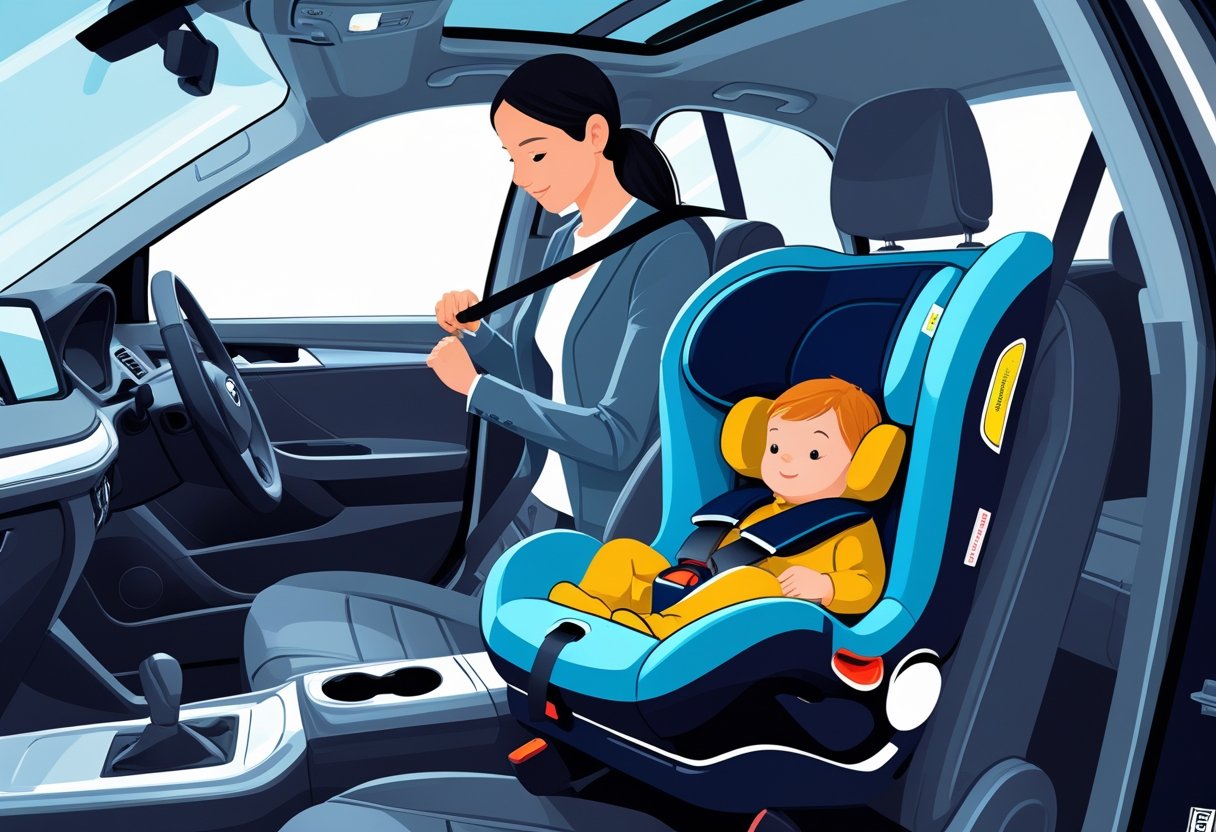
Children must use appropriate car seats until they’re 12 years old or 135 centimetres tall, and getting this wrong could land you with hefty fines and, more importantly, put young lives at risk. We’ll walk you through everything from basic legal requirements to choosing between height-based and weight-based systems, so you can drive with complete confidence.
Whether you’re a new parent navigating baby carriers for the first time or a seasoned driver wanting to double-check the latest regulations, we’ve got you covered with clear, practical guidance that takes the guesswork out of staying legal and keeping everyone protected on the road.
Understanding UK Seat-Belt and Child-Seat Laws
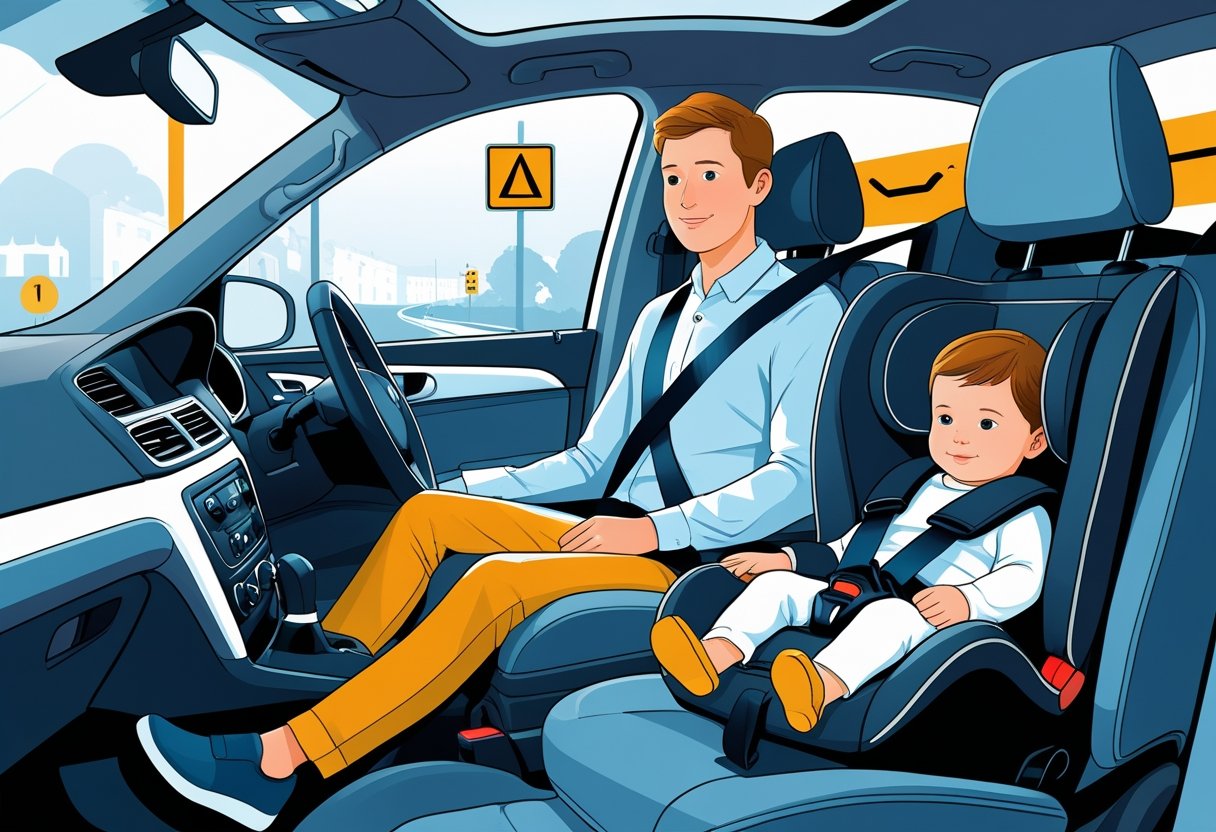
We’ll guide you through the essential requirements for seat belts and child car seats, plus share what’s changed recently and clarify who’s responsible for keeping everyone safe on the road.
Who Must Use a Seat Belt or Child Car Seat
Every person in your car needs proper protection, and the rules change based on age and size. Let’s break this down so you know exactly what’s required.
Adults and children over 14 must wear a seat belt in any seat that has one fitted. There’s no wiggle room here, it’s the law.
For younger passengers, the rules get more specific:
- Children under 12 years old OR under 135cm tall must use an appropriate child car seat
- Children aged 12-13 OR over 135cm tall can use an adult seat belt instead of a car seat
- All children under 14 are your responsibility as the driver
The height measurement is crucial. Some 10-year-olds might be tall enough for adult seat belts, while smaller 12-year-olds still need car seats. We always recommend measuring rather than guessing.
Rear-facing baby seats absolutely cannot go in front seats with active airbags. This is a serious safety rule that could save your child’s life. The airbag can cause fatal injuries to babies in rear-facing seats.
You’re only allowed one person per seat with a seat belt. No squeezing two children into one seat, even for short journeys.
Recent Changes and Updates to the Law
Car seat laws have evolved significantly, particularly around booster seats, and staying current helps keep your family safe and legal.
The most important change affects booster seat regulations. New booster seats now follow stricter safety standards, though existing seats that met previous requirements remain legal to use.
i-Size regulations have also updated how we choose car seats. This system focuses on your child’s height rather than just weight, making it easier to pick the right seat. Look for the i-Size label when shopping for new car seats.
Enforcement has become stricter too. Police and safety organisations are more focused on proper car seat use during routine checks. They’re looking for correctly fitted seats, not just any seat.
We’ve seen updates to installation requirements as well. ISOFIX systems are now the preferred method for securing car seats, offering better stability than seat belt installations.
Safety testing standards continue improving. Newer car seats undergo more rigorous crash testing, giving you better protection for your precious passengers.
Responsibilities of Drivers and Passengers
As the driver, you’re legally responsible for everyone under 14 in your vehicle. This responsibility comes with serious consequences if you get it wrong.
You can face fines up to £500 for each child who isn’t properly secured. That means if two children aren’t in correct seats, you could pay £1,000 in fines.
Your passengers over 14 are responsible for their own seat belts. However, we recommend reminding them anyway, it’s just good practice.
Parents and guardians should always double-check car seat installations, even in taxis or other people’s cars. The law doesn’t excuse improper restraints just because it’s not your vehicle.
Professional installation checks are brilliant for peace of mind. Many retailers offer free fitting services, and local councils sometimes run car seat safety events.
Insurance implications matter too. If someone’s injured because they weren’t properly restrained, your insurance might not cover claims fully. Proper seat belt and car seat use protects everyone financially and physically.
Emergency services can also check your car seat installations during routine stops. They’re trained to spot common mistakes and will help you fix problems on the spot.
Legal Requirements by Age and Height
UK law sets specific rules based on your child’s age and height. Children must use appropriate child restraints until they turn 12 or reach 135cm tall, whichever happens first.
Infants and Babies: Children Under 3 Years
We need to be extra careful with our youngest passengers. Children under 3 years must always travel in an appropriate child restraint designed for their age and size.
Rear-facing is safest for babies and toddlers. The law requires height-based seats to stay rear-facing until children reach 15 months old. We strongly recommend keeping them rear-facing even longer if possible.
For weight-based systems, babies from 0-10kg use Group 0 seats. These include lie-flat carriers or rear-facing baby seats with harnesses. Once they reach 0-13kg, they move to Group 0+ rear-facing carriers.
| Weight Range | Group | Seat Type |
|---|---|---|
| 0-10kg | Group 0 | Lie-flat or rear-facing with harness |
| 0-13kg | Group 0+ | Rear-facing carrier with harness |
| 9-18kg | Group 1 | Rear or forward-facing with harness |
Remember, we must deactivate front airbags if placing a rear-facing seat in the front. The child car seat becomes their lifeline during these crucial early years.
Children Aged 3 to 12 and Under 135cm
This age group gives us more flexibility with seat choices. Children between 3 and 12 years (or under 135cm) still need child car seats, but we can choose from different types.
Weight-based options include Group 1 seats (9-18kg) and Group 2 seats (15-25kg). Group 1 lets us use rear or forward-facing seats with harnesses. Group 2 introduces high-backed booster seats or booster cushions with seat belts.
Height-based seats offer another route. These R129-approved seats focus on your child’s height rather than weight. Look for the ‘E’ circle marking with ‘R129’ on approved seats.
High-backed boosters work brilliantly for this age group. They position the seat belt correctly across your child’s chest and lap. Booster cushions are cheaper but offer less side protection.
We can only use child car seats if the car has diagonal seat belts. The exception is seats designed for lap belts only or those fitted with ISOFIX anchor points.
Older Children and Transition to Adult Seat Belts
The magic numbers are 12 years old or 135cm tall. Once children reach either milestone, they can use adult seat belts instead of child restraints.
Check the fit carefully when making this transition. The seat belt should sit across their chest and lap properly, not across their neck or stomach. If it doesn’t fit right, keep using a booster seat.
Some children reach 135cm before their 12th birthday. Others turn 12 while still shorter than 135cm. Either way, they can legally use adult seat belts once they hit one of these markers.
Driver responsibility is crucial here. We’re legally responsible for ensuring children under 14 wear appropriate restraints. Fines can reach £500 if we get this wrong.
The transition feels like a big step, but safety comes first. If you’re unsure whether your child is ready for adult seat belts, err on the side of caution and stick with their booster seat a bit longer.
Types of Child Car Seats Explained
Child car seats fall into distinct categories based on your child’s age, weight, and height. Each type serves a specific purpose in keeping your little one safe, from rear-facing infant seats that protect newborns to booster seats that help older children use adult seat belts properly.
Rear-Facing Car Seats and Extended Rear-Facing Options
Rear-facing car seats provide the best protection for babies and young children. We recommend keeping children rear-facing until they’re at least 15 months old, but many safety experts suggest extending this even longer.
Group 0 and 0+ seats work for babies from birth. Group 0 covers 0-10kg, whilst Group 0+ handles 0-13kg children.
Extended rear-facing car seats let children stay rear-facing until they’re 18kg or even 25kg. This matters because rear-facing seats protect your child’s head, neck, and spine much better in a crash.
The seat distributes crash forces across your child’s entire back. Forward-facing seats put dangerous stress on their neck and spine, which aren’t fully developed yet.
Many parents worry about leg room, but children are quite flexible. Broken legs heal much faster than serious head or neck injuries.
Height-based seats (marked with R129) must keep children rear-facing until 15 months minimum. We think this is brilliant progress for child safety.
Forward-Facing Seats and Booster Seats
Forward-facing seats become suitable once your child outgrows their rear-facing seat. Group 1 seats (9-18kg) use a five-point harness to secure your child directly.
These seats often convert to booster seats later. Your child uses the car’s seat belt instead of the harness once they reach about 15kg.
Group 2 and 3 seats are primarily booster seats. Group 2 covers 15-25kg children, whilst Group 3 handles 22-36kg kids.
High-backed booster seats work better than backless ones. They guide the seat belt properly across your child’s chest and lap. The back support also helps if your child falls asleep.
Your child can use a forward-facing seat when they’ve outgrown rear-facing options. Don’t rush this change. Keep them rear-facing as long as the seat allows.
The five-point harness provides excellent protection. Only move to a booster seat when your child exceeds the harness weight or height limits.
Backless Booster Seats: When and When Not to Use Them
Backless booster seats raise your child so the adult seat belt fits properly. They’re lighter and easier to move between cars than high-backed boosters.
When backless boosters work well:
- Your car has good head and neck support built into the seat
- Your child sits properly without slouching or leaning
- The car seat has a high enough back and headrest
When to avoid backless boosters:
- Your car seats lack proper head support
- Your child tends to fall asleep whilst travelling
- The seat belt doesn’t cross your child’s chest properly
New rules mean manufacturers can only make backless boosters for Group 3 (22-36kg) children. Existing Group 2 backless boosters remain legal to use.
We generally prefer high-backed booster seats. They provide better side impact protection and keep the seat belt positioned correctly even when your child moves about.
Your child needs any booster seat until they’re 135cm tall or 12 years old, whichever comes first. After that, they can use the adult seat belt alone.
Choosing the Right Restraint: Height-Based vs Weight-Based Seats
When selecting a child car seat, you can choose between two main systems: height-based (i-Size) seats or traditional weight-based options. Both systems meet UK safety standards and offer different advantages depending on your child’s needs and your preferences.
Understanding Height-Based (i-Size) Car Seats
Height-based car seats, also known as i-Size car seats, follow the R129 regulation introduced in 2013. These seats focus on your child’s height rather than weight when determining the right fit.
Key Features of i-Size Car Seats:
- Children must remain rear-facing until at least 15 months old
- Seat selection based purely on height measurements
- Enhanced side-impact protection
- Must be fitted using ISOFIX anchor points
I-Size car seats carry a label showing a capital ‘E’ in a circle alongside ‘R129’. This marking confirms the seat meets current safety standards.
The main advantage of height-based car seats is their improved safety features. They offer better protection during side-impact crashes and ensure children stay rear-facing longer.
Weight-Based Car Seats: Groups and Requirements
Weight-based car seats follow the ECE R44 regulation and divide into specific groups based on your child’s weight. These seats have been available longer and offer more variety in styles and price ranges.
Weight-Based Car Seat Groups:
| Group | Weight Range | Seat Types |
|---|---|---|
| 0 | 0kg to 10kg | Lie-flat carriers, rear-facing baby carriers |
| 0+ | 0kg to 13kg | Rear-facing baby carriers with harness |
| 1 | 9kg to 18kg | Rear or forward-facing seats with harness |
| 2 | 15kg to 25kg | High-backed boosters or booster cushions |
| 3 | 22kg to 36kg | High-backed boosters using seat belt |
Weight-based car seats display a capital ‘E’ in a circle with ‘ECE R44’ marking. You’ll notice some weight ranges overlap between groups, giving you flexibility in choosing the most suitable option.
How to Select the Appropriate Child Restraint
Choosing between height-based and weight-based systems depends on several factors. Both are perfectly legal and safe when used correctly.
Consider i-Size seats if you want:
- The latest safety technology
- Extended rear-facing travel
- Simplified installation with ISOFIX
- Enhanced side-impact protection
Choose weight-based seats for:
- Wider selection of models and prices
- Familiarity with traditional grouping system
- Flexibility between overlapping weight ranges
Before purchasing any seat, check it fits securely in your car. Ensure your vehicle has the necessary anchor points or appropriate seat belt configuration.
Remember to verify the seat matches your child’s current measurements and allows room for growth. Always follow the manufacturer’s specific guidelines for installation and usage to keep your child safe on every journey.
Proper Installation and Safe Use
Even the best child restraint won’t protect your little ones if it’s not fitted properly. We’ll walk you through the most common installation mistakes and help you understand where different seats can go in your car, plus what to do when space gets tight.
Fitting Child Seats Correctly: Common Mistakes
Getting your child restraint fitted properly makes all the difference between safety and disaster. We see the same mistakes happening again and again, but they’re all easily fixed once you know what to look for.
Loose installation is the biggest problem we encounter. Your seat belt or ISOFIX connection should hold the seat so firmly that it barely moves an inch when you push and pull it. If you can wiggle the base more than that, it needs tightening.
Many parents forget to check the recline angle, especially with rear-facing car seats. Your baby’s head shouldn’t flop forward, but the seat shouldn’t be so upright that they slide down either. Most seats have built-in angle indicators to help you get this spot on.
Harness straps cause loads of confusion too. The straps should sit at or below your child’s shoulders for rear-facing seats, and at or above for forward-facing ones. We often see straps twisted or too loose. You should only be able to pinch a tiny bit of webbing between your fingers.
Don’t forget to deactivate front airbags if you’re putting a rear-facing seat in the front passenger position. That airbag could seriously injure your child if it deploys.
Rear Seats, Front Seats, and Airbag Considerations
The back seat is always your safest bet for any appropriate child restraint. Statistics show children are much safer in rear seats, away from the impact zone of front-end crashes.
Sometimes you’ll need to use the front passenger seat, and that’s perfectly legal. Just remember those crucial safety steps. Switch off the front airbag completely before installing any rear-facing car seat up front. Check your car’s manual for the exact process, as it varies between manufacturers.
Side airbags usually stay active and won’t harm your child, but curtain airbags might need switching off depending on your car seat’s design. When in doubt, check both manuals.
Extended rear-facing car seats need extra consideration in front positions. Make sure you’ve got enough space to recline properly without the seat touching the dashboard. Your child’s safety depends on that correct angle we mentioned earlier.
Never fit any child restraint in side-facing seats if your vehicle has them. These simply don’t provide adequate protection in crashes.
When You Can’t Fit Three Child Seats Across
Two properly fitted seats are better than three dodgy ones. If you can’t squeeze three child restraints across your back seat safely, don’t try to force it.
Your options include moving the oldest child to the front passenger seat if they’re still in an appropriate child restraint. Remember all those front-seat safety rules we covered above.
Consider switching to narrower seats that are designed for tight spaces. Some manufacturers make slimmer versions specifically for families with multiple young children.
Booster seats take up less room than full harnessed seats, so if your child meets the height and weight requirements, this might solve your space problem. They must be over 15kg and mature enough to sit properly though.
Sometimes upgrading your vehicle becomes the most practical solution. People carriers and larger cars often have wider rear seats or even third-row seating designed for child restraints.
Check your car’s maximum number of child seats in the manual. Some vehicles have limits on how many ISOFIX points you can use simultaneously, which affects your options.
Exemptions and Special Circumstances
Whilst seat belt laws are strict in the UK, there are specific situations where drivers and passengers don’t need to wear them. Medical exemptions require proper certificates, and certain professional drivers have limited exceptions during specific activities.
Taxis, Minicabs, and Ridesharing Scenarios
Licensed taxi drivers enjoy specific exemptions that make their job easier. If you’re driving a black cab and actively looking for customers on the street, you don’t need to wear your seat belt.
This applies when you’re plying for hire at taxi ranks or responding to street hails. However, once you’ve picked up passengers, you must buckle up again.
Private hire vehicles follow different rules. Minicab, chauffeur, and limousine drivers are exempt from wearing seat belts whilst carrying passengers. This makes it easier to help customers and handle payments safely.
Remember that passengers in all taxis and private hire vehicles must still wear seat belts. The exemption only applies to the professional driver during specific work activities.
These exemptions recognise the unique nature of taxi work. Drivers often need to move around, assist passengers, and maintain situational awareness that seat belts might restrict.
Minibuses, Coaches, and Buses
Adults and children aged 14 and over must use seat belts or child restraints when seated in minibuses, buses, and coaches where they’re fitted. This rule is non-negotiable for passenger safety.
Many older buses and coaches don’t have seat belts installed. In these vehicles, passengers cannot be required to wear what isn’t available.
Children under 14 have more complex rules on buses and coaches. They must use appropriate child restraints when available, but enforcement varies depending on the vehicle type and seating configuration.
School transport operators often provide guidance about restraint requirements. We recommend checking with your local authority or transport provider about their specific policies for young passengers.
Short Trips and Other Legal Exceptions
Several practical exemptions help drivers perform their jobs safely and efficiently. Delivery drivers can travel without seat belts for distances up to 50 metres between stops when making deliveries.
Reversing manoeuvres don’t require seat belts. This applies whether you’re backing up yourself or supervising a learner driver who’s reversing.
Emergency service vehicles have broad exemptions. Police, fire, and rescue service personnel can operate without seat belts when responding to emergencies or performing official duties.
Trade vehicle passengers investigating faults don’t need seat belts. This practical exception helps mechanics and technicians diagnose problems safely whilst the vehicle moves slowly.
These exemptions balance safety requirements with practical work needs. They recognise that certain professional activities require movement and flexibility that seat belts might restrict.
Children with Disabilities or Medical Conditions
Disabled children must use appropriate child restraints unless they have medical exemptions. Many families successfully adapt standard car seats to meet their child’s specific needs.
Your GP can issue a Certificate of Exemption from Compulsory Seat Belt Wearing for genuine medical reasons. Keep this certificate in your vehicle and show it to police if stopped.
Vehicle adaptations often solve restraint challenges better than exemptions. Specialist retailers offer modified car seats, harnesses, and restraint systems for children with various disabilities.
Contact your local authority’s special needs transport team for advice. They often provide funding or equipment loans for families needing specialised child restraints.
Always explore adaptation options before seeking medical exemptions. Modern restraint technology can accommodate most disabilities whilst keeping your child safe and legally compliant.
Frequently Asked Questions
Most drivers have burning questions about seat belt rules and child seat laws. Children must use proper restraints until age 12 or 135cm tall, and we face fines up to £500 for breaking these rules.
At what age can children start using a regular seat belt instead of a child seat in the UK?
Children can ditch their car seats and use regular seat belts once they turn 12 years old. However, there’s a height requirement too.
If your child reaches 135 centimetres tall before their 12th birthday, they can switch to a regular seat belt early. We always go with whichever milestone comes first.
This dual rule makes sense because children grow at different rates. Some tall 10-year-olds might be ready for adult seat belts, while shorter 12-year-olds still need booster seats.
What are the legal requirements for child car seats in the UK when it comes to weight and height?
We can choose between height-based or weight-based car seats, and each system has different rules. Height-based seats use the R129 standard and must stay rear-facing until 15 months old.
Weight-based seats follow the ECE R44 standard with five groups. Group 0 covers newborns up to 10kg, whilst Group 3 handles children from 22kg to 36kg.
For height-based systems, we simply match the seat to our child’s height. Weight-based seats require us to know both the child’s weight and the appropriate restraint type for that group.
All approved seats display a label with a capital ‘E’ in a circle. Look for ‘R129’ on height-based seats or ‘ECE R44’ on weight-based ones.
Can you give me the lowdown on the penalties for not adhering to child seat regulations while driving?
Breaking child seat laws hits our wallets hard. We face fines up to £500 if children under 14 aren’t properly restrained whilst we’re driving.
The driver bears full responsibility for passengers under 14 years old. Police can issue fixed penalty notices on the spot, and serious cases might end up in court.
These aren’t just minor traffic violations. Authorities treat child safety seriously, and the penalties reflect that commitment.
Remember, we’re liable whether it’s our own child or someone else’s. Ignorance isn’t a defence in the eyes of the law.
Could you clarify the rules surrounding fitting a child car seat in front of an active airbag?
We must always switch off front airbags before installing rear-facing baby seats in the front passenger seat. Active airbags can seriously injure or kill babies in rear-facing seats.
Most modern cars let us deactivate passenger airbags using a key switch or electronic control. Check your vehicle manual for specific instructions.
Forward-facing child seats can work with active airbags, but the back seat remains the safest spot. We should only use front seats when absolutely necessary.
Never guess about airbag status. Always verify it’s properly deactivated before every journey with a rear-facing seat upfront.
I’d love to understand when it’s legally acceptable to use a backless booster seat for my child.
Backless booster seats are only suitable for children in Group 2 and Group 3 weight categories. That means kids weighing between 15kg and 36kg can use them legally.
However, manufacturers now focus on making backless boosters for Group 3 only (22kg to 36kg). Existing Group 2 cushions remain legal to use.
High-backed booster seats offer better protection than backless versions. We recommend them whenever possible, especially for younger children in the weight range.
Your car needs a diagonal seat belt for any booster seat to work properly. Lap-only belts won’t provide adequate protection.
What should I know about the recent updates to UK legislation on using seat belts and child seats?
The biggest change affects booster cushion manufacturing. Companies can now only produce backless boosters approved for Group 3 (22kg to 36kg).
This doesn’t affect existing booster cushions we already own. All previously approved Group 2 and Group 3 cushions remain perfectly legal to use.
Height-based i-Size seats have become increasingly popular since their introduction. These R129-approved seats often provide better side-impact protection than older weight-based models.
Recent emphasis on rear-facing travel has extended the minimum age to 15 months for height-based seats. This reflects growing safety research about protecting young necks and spines.