

Theory Test Costs and How to Pay: The Complete 2025 Guide
Getting ready to book your theory test but wondering about the costs involved? You’re not alone in wanting to understand exactly what you’ll need to pay and how the whole process works. The UK theory test costs £23 for cars and motorcycles, and you’ll need a debit or credit card to pay when booking online through the official DVSA website.
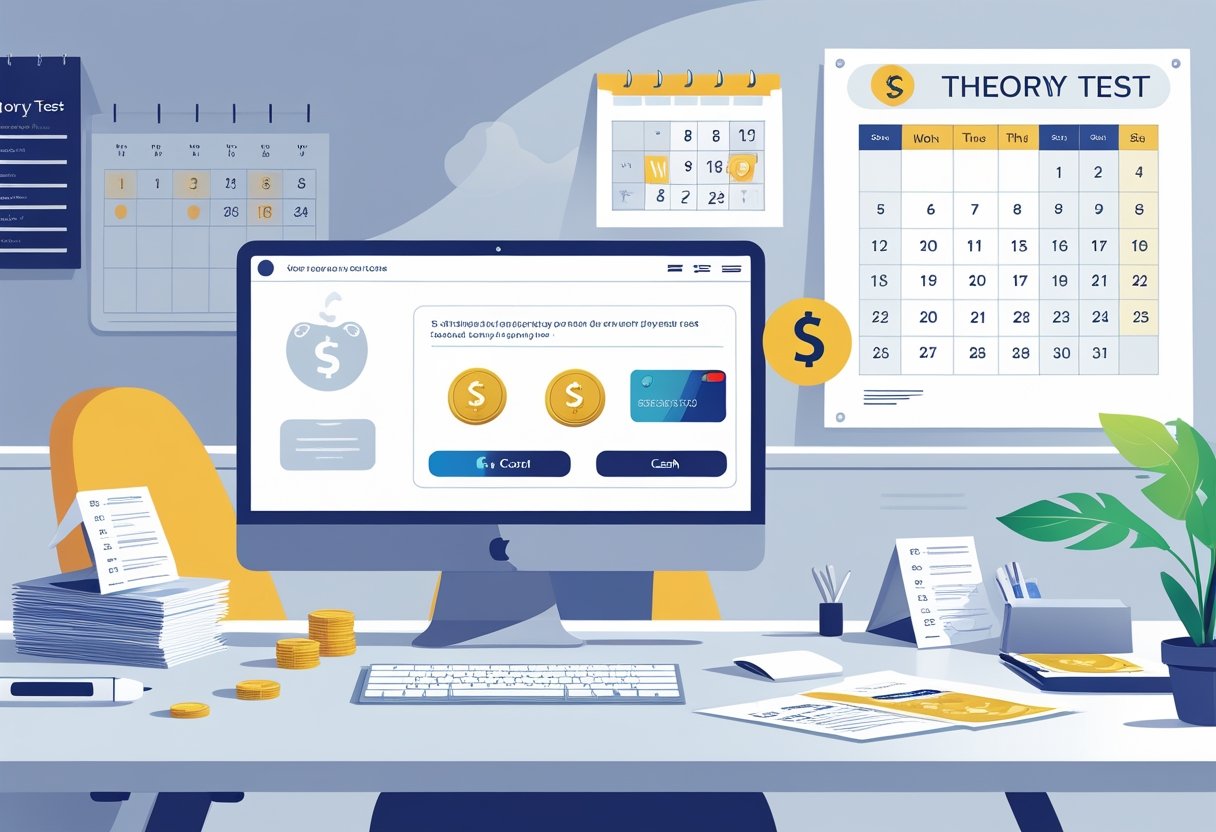
We know that learning to drive comes with quite a few expenses, so it’s smart to plan ahead and understand all the costs involved. Beyond the basic test fee, there are several factors that could affect your overall spending, from potential rebooking fees to evening and weekend pricing differences. The good news is that once you understand the fee structure, you can budget effectively and avoid any nasty surprises.
In this guide, we’ll walk you through everything you need to know about theory test costs, payment methods, and the clever ways to keep your expenses down. We’ll also cover what happens if you need to make changes to your booking and help you understand how theory test costs compare to your practical test fees. By the end, you’ll feel confident about managing the financial side of your driving journey.
Understanding the Theory Test Fee Structure
The theory test costs £23 for most drivers, but the fee structure varies depending on your vehicle type and timing. This straightforward pricing covers both parts of the test, though you’ll need to pay again if you don’t pass on your first attempt.
Standard Cost for Different Vehicle Types
Car and motorcycle drivers pay the same amount for their theory test. The theory test costs £23 regardless of whether you take it on weekdays, evenings, weekends, or bank holidays.
This standard rate applies to both the multiple-choice section and hazard perception test. You won’t pay extra based on when you book your appointment.
Lorry and bus drivers face different costs through the Driver Certificate of Professional Competence (CPC) system. The theory components cost more because they’re split into separate tests.
Part 1a (multiple-choice questions) costs £26, whilst part 1b (hazard perception) costs £11. You’ll also pay £23 for part 2 case studies. These prices stay the same regardless of your booking time.
Tractor drivers don’t take a separate theory test. They move straight to the practical driving test, which costs £62 on weekdays.
What the Theory Test Fee Covers
Your £23 payment covers both essential parts of the driving theory test. The first section includes 50 multiple-choice questions about road rules, traffic signs, and driving techniques.
The second part tests your hazard perception skills through video clips. You’ll watch real-life driving scenarios and click when you spot developing hazards.
The fee also includes:
- Use of the test centre facilities
- Computer equipment and headphones
- Official DVSA marking and results
- Your theory test certificate (if you pass)
The DVSA sets these costs to cover test development, centre maintenance, and examiner training. Your payment ensures you receive a standardised, fair assessment.
You won’t pay extra for reasonable adjustments if you have special requirements. The standard fee covers additional time or alternative formats when needed.
Additional Fees for Retakes
If you don’t pass your theory test, you’ll pay the full £23 again for your next attempt. There’s no discount for retaking either part of the test.
You can book your retake as soon as you receive your results. However, you must wait at least three clear working days before taking the test again.
Failed the multiple-choice section? You’ll retake both parts and pay the complete fee. The same applies if you only fail the hazard perception test.
Some learners worry about the cost of multiple attempts. Remember that thorough preparation often saves money in the long run. Practice tests and study materials cost less than repeated exam fees.
Plan your budget carefully if you’re not confident about passing first time. Each attempt requires the same £23 payment, so factor this into your overall driving costs.
Official Ways to Pay for Your Theory Test
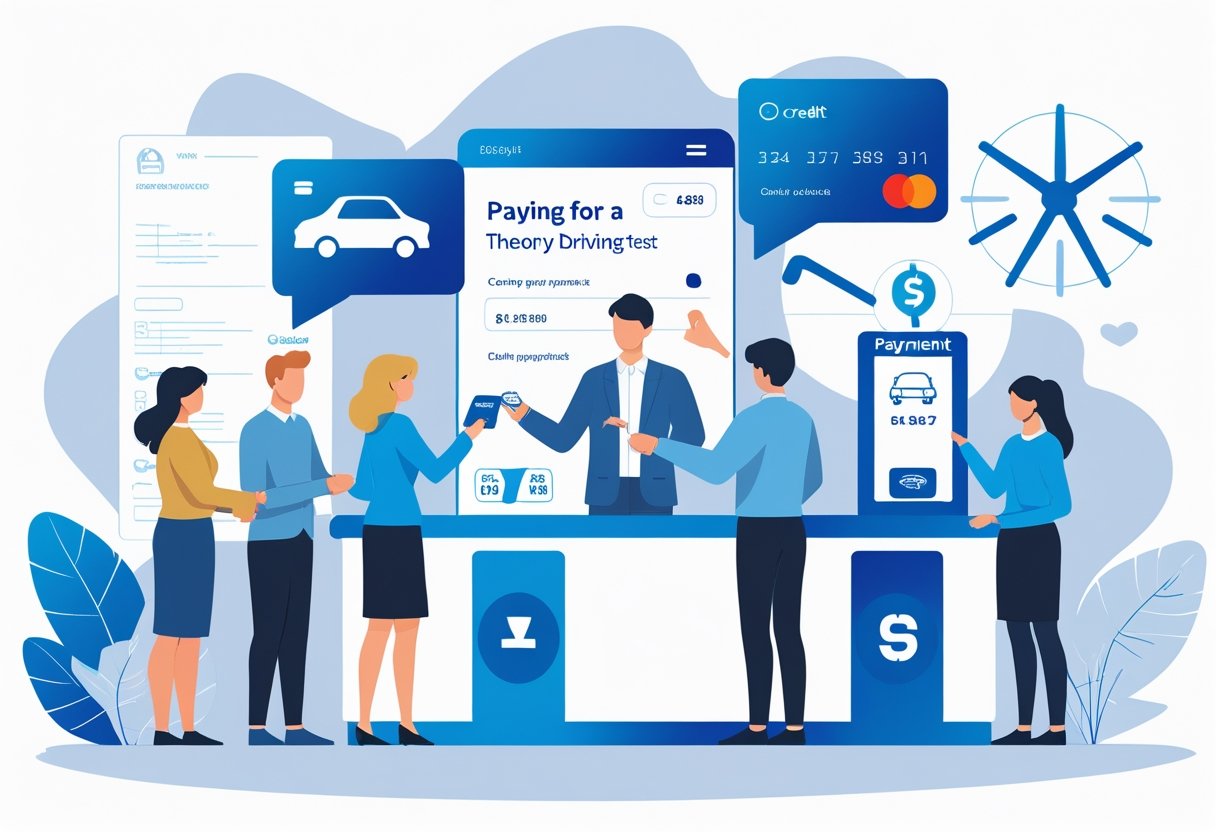
The DVSA offers straightforward payment options when you’re ready to book your theory test. You can pay online using a debit or credit card, with the booking process taking just a few minutes to complete.
How to Book and Pay Online
We recommend booking your theory test online through the official GOV.UK booking system, as it’s the quickest and most convenient method. You’ll need your provisional driving licence number, an email address, and a valid payment card to get started.
The online booking process is refreshingly simple. Once you’ve entered your personal details, you can search for available test dates at your preferred test centre. The system shows you real-time availability, making it easy to find a slot that fits your schedule.
Payment happens instantly during the booking process. The DVSA recently switched to GOV.UK Pay as their payment provider, so the payment screen might look slightly different if you’ve booked before. Don’t worry though, the process remains just as secure and straightforward.
After completing your payment, you’ll receive an email confirmation with all your test details. Keep this safe, as you’ll need to show it when you arrive at the test centre on your test day.
Booking by Phone or in Person
Whilst online booking is our top recommendation, you can still contact the Driver and Vehicle Standards Agency directly if you need assistance with your booking. This option works particularly well if you have specific requirements or need extra support during the booking process.
Phone booking proves especially helpful if you need to declare a reading difficulty, health condition, or disability when booking your test. The DVSA team can walk you through the available adjustments and ensure everything is set up correctly for your needs.
Some learner drivers prefer speaking to a real person, particularly if they’re booking their first theory test and want reassurance about the process. The DVSA staff can answer questions about test centre locations, what to bring on test day, and payment options.
Accepted Payment Methods
The DVSA accepts both credit and debit cards for theory test payments. This includes all major card providers like Visa, Mastercard, and American Express, giving you flexibility in how you pay.
Card payments only are accepted for theory test bookings. The DVSA doesn’t accept cash, cheques, or bank transfers, so make sure you have a valid payment card ready when booking.
Your payment gets processed immediately when you complete your booking. The system is highly secure, using the same encryption technology that banks use for online transactions.
If your payment fails during booking, double-check your card details and ensure you have sufficient funds available. Sometimes payment issues occur due to security settings on your card, so you might need to contact your bank if problems persist.
Avoiding Unnecessary Extra Charges
The DVSA sets a fixed price for theory tests, but some companies add hefty booking fees that can double your costs. Booking directly through official channels protects learner drivers from these unnecessary charges and ensures a straightforward process.
Why Booking Direct with DVSA is Essential
When we book directly through the DVSA’s official website, we pay exactly what the theory test costs without any hidden extras. The theory test price is fixed at £23 regardless of when we take it.
This official rate applies whether we book for a weekday or weekend. There are no peak-time surcharges or administration fees to worry about.
Direct booking benefits include:
- No booking fees or commission charges
- Immediate access to all available test slots
- Official confirmation emails and booking references
- Direct customer support from DVSA
We can reschedule or cancel our test directly through the same system. This saves us from dealing with middleman companies that might charge extra for changes.
The DVSA website is straightforward to use and designed specifically for learner drivers. We get real-time availability and can often find test dates sooner than through third-party sites.
Risks of Third-Party Booking Services
Some unofficial websites charge learner drivers significantly more than the standard theory test cost. These companies often add booking fees ranging from £10 to £50 on top of the official £23 price.
We’ve seen cases where the total cost reaches £70 or more for the same test. These extra charges provide no additional value to us as learners.
Common third-party charges include:
- Booking administration fees (£15-30)
- Payment processing charges (£5-10)
- “Premium” booking services (£20-40)
- Customer service fees for changes
These services often make it unclear that we’re paying extra. They present themselves as official booking sites but are actually reselling DVSA slots at inflated prices.
Some third-party sites also have limited customer support. If something goes wrong with our booking, we might struggle to get help or refunds quickly.
The driving theory test UK system works perfectly well through official channels. We don’t need to pay extra for someone else to make the same booking we can easily do ourselves.
What Happens If You Need to Change or Cancel Your Theory Test?
Life happens, and sometimes you’ll need to adjust your theory test date. The key is understanding the timing rules and knowing when you can get your money back.
Rescheduling Fees and Rules
The golden rule for changing your driving theory test is simple: give yourself plenty of time. You need to cancel or change your theory test at least 3 working days before your appointment to avoid losing your fee completely.
Working days include Monday through Saturday. Sundays and bank holidays don’t count towards your three-day window.
Here’s how the timing works:
- More than 3 working days notice: Change for free
- Less than 3 working days notice: You’ll lose your original fee and need to pay again
The DVSA makes this process straightforward. You can reschedule online using your UK driving licence number, or ring the theory test booking line on 0300 200 1122.
When you call, have these details ready:
- Full name (exactly as it appears on your licence)
- Date of birth
- Complete address with postcode
- Driving licence number
- Booking reference number
Planning ahead saves money. If you’re feeling unprepared or have a scheduling conflict, it’s always better to move your test early rather than risk failing or losing your fee.
Refunds and Cancellations
Getting your money back isn’t always possible, but there are specific situations where the DVSA will refund your theory test fee even with short notice.
You can claim a refund for unavoidable short-notice cancellations if you have:
- An illness or injury preventing you from taking the test
- A bereavement in your family
- A school or college exam at the same time
- Had your driving licence stolen
To request a refund, email the DVSA with the subject line ‘Unavoidable short notice cancellation’. You’ll need to provide proof of your circumstances.
Acceptable proof includes:
- Medical certificate or fit note from your GP
- Letter from your school confirming exam dates
- Crime reference number if your licence was stolen
- Official documentation for bereavements
Important: If you’ve been ill for 7 days or less, you might need to pay for a private medical certificate.
Include all your personal details in the email: full name, address, postcode, date of birth, and either your driving licence number or booking reference.
Missing your test entirely means losing your fee completely. There’s no refund for simply not showing up at the test centre.
Budgeting for Success: Extra Costs to Consider
The £23 theory test fee is just the beginning of your testing budget. You’ll likely need revision materials, travel expenses, and possibly retake costs if things don’t go to plan.
Revision Materials and Practice Apps
Getting your hands on quality study materials makes a massive difference to your chances of passing first time. The official Highway Code book costs around £2.50, and it’s absolutely essential reading for any learner driver.
Most of us find that books alone aren’t enough these days. Theory test apps range from £4.99 to £15 for premium versions with unlimited practice questions. These apps mirror the real hazard perception test format perfectly.
Online courses offer another route, typically costing between £20 and £40. They often include video tutorials, mock tests, and progress tracking features that help you identify weak spots.
Don’t forget about theory test revision books specifically designed for the multiple choice questions. These usually cost £10 to £15 and contain hundreds of practice questions with detailed explanations.
Many learner drivers find that combining different materials works best. A typical revision budget might include the Highway Code, a good app, and one comprehensive book, totalling around £25 to £35.
Travelling to Your Test Centre
Test centre locations aren’t always convenient, and travel costs can add up quickly. Public transport to your nearest centre might cost £5 to £15 for a return journey, depending on distance.
If someone’s driving you there, factor in petrol costs and potential parking fees. Many test centres charge £2 to £5 for parking, which can feel like an unwelcome surprise on test day.
Some learner drivers choose centres further away if local ones have long waiting lists. This decision could mean higher travel costs but earlier test dates.
Booking your test well in advance helps you secure a convenient location and time slot. Weekend and evening slots cost the same £23, so there’s no premium for these popular times.
Potential Costs of Failing and Retaking the Exam
If you don’t pass first time, you’ll need to pay the full £23 fee again for your retake. There’s no discount for second attempts, which can feel frustrating after an unsuccessful first go.
The theory test certificate remains valid for two years once you pass. This gives you plenty of time to arrange your practical test without worrying about your theory expiring.
Statistics show that around 47% of candidates pass their theory test on the first attempt. This means many of us will face the cost of at least one retake during our learning journey.
You’ll also need to wait at least three working days before booking another test. This cooling-off period gives you time to identify areas needing more work, but it can delay your driving plans.
Budget-wise, it’s sensible to set aside money for one potential retake. Having that extra £23 ready removes financial pressure and lets you focus purely on improving your knowledge and hazard perception skills.
Theory Test Costs Compared to the Practical Test
The theory test costs £23 whilst your practical driving test will set you back £62 on weekdays, creating a significant price gap that affects how you budget for learning to drive. Weekend and evening practical tests cost even more, making the timing of your tests a crucial financial consideration.
Price Differences Explained
When we look at the numbers, the practical driving test costs nearly three times more than the theory portion. Your theory test remains £23 regardless of when you take it, whether that’s a Tuesday morning or Saturday afternoon.
The practical driving test tells a different story entirely. A weekday test at your local test centre costs £62, but if you need flexibility with timing, you’ll pay £75 for evening, weekend, or bank holiday slots.
Here’s how the costs break down:
| Test Type | Weekday Cost | Evening/Weekend Cost |
|---|---|---|
| Theory Test | £23 | £23 |
| Practical Test | £62 | £75 |
| Total | £85 | £98 |
The price difference exists because practical tests require a DVSA examiner’s time and a test route, whilst theory tests use automated systems. This means practical test fees vary by timing to reflect examiner availability and demand.
How Fees Fit Into Your Overall Learning Budget
These test fees represent just the beginning of your driving journey costs. Most learner drivers need multiple attempts, so we recommend budgeting for at least one retake of each test.
If you fail and need to rebook, you’ll pay the full amount again for each attempt. This means potentially spending £46 on theory tests and £124 on practical tests if you need one retake each.
Smart budgeting means considering these costs alongside your driving lessons, provisional licence, and insurance. The theory and practical test fees together represent roughly 3-4 driving lessons with a qualified instructor.
Quick budgeting tip: Book your practical test for weekdays when possible. That £13 saving between weekday and weekend slots can cover additional practice materials or contribute towards extra lessons if needed.
Remember, investing in thorough preparation often costs less than paying for multiple test attempts. Your driving theory test UK preparation and practical skills development work hand in hand to get you road-ready efficiently.
Frequently Asked Questions
Most learner drivers have similar questions about paying for their theory test and understanding the booking process. The theory test costs £23 for cars and motorcycles, with multiple payment options available when you book online.
How can I settle the fee for my upcoming theory test?
You can pay for your theory test using a debit or credit card when you book through the official DVSA website. The system accepts most major card types including Visa, Mastercard, and Maestro.
Payment is taken immediately when you complete your booking. You’ll receive a confirmation email with your payment receipt and test details.
Keep your confirmation details safe as you’ll need them if you need to make changes later.
Are there different payment methods available for booking my driving theory test?
The DVSA only accepts card payments for online theory test bookings. Cash payments aren’t accepted at test centres or through the booking system.
You can use debit cards, credit cards, or prepaid cards that work with online transactions. Make sure your card has enough funds to cover the £23 theory test fee.
If you don’t have a suitable card, ask a family member or friend to pay on your behalf using their card.
Could you tell me what the current cost is to book a car theory test?
The car theory test costs £23 for both weekdays and weekends. This price includes both the multiple choice questions and hazard perception sections.
Motorcycle theory tests also cost £23, covering the same format and requirements. The fee remains the same regardless of when you take your test.
This price has remained stable and represents excellent value considering you get two complete test sections.
If I need to reschedule, will I have to pay extra charges for my theory test?
You won’t pay extra charges if you reschedule at least three working days before your test date. The DVSA allows free changes within this timeframe.
However, if you cancel or change your test with less than three working days’ notice, you’ll lose your fee completely. You’ll need to book and pay for a completely new test.
Plan ahead and check your diary carefully before booking to avoid losing your money unnecessarily.
What’s the process for claiming a refund if I cancel my theory test appointment?
You can get a full refund if you cancel at least three working days before your test date. Log into your booking account online and select the cancellation option.
Refunds typically take 3-5 working days to appear back on your original payment card. The DVSA processes these automatically once you submit your cancellation.
If you cancel with shorter notice, you won’t receive any refund and will need to pay the full £23 fee again for a new booking.
Is there a concession or reduced rate available for retaking the theory test?
No reduced rates or concessions are available for theory test retakes. You’ll pay the full £23 fee each time you book, regardless of how many attempts you’ve made.
The pricing structure treats every booking as a fresh test with the same comprehensive marking and administrative costs. This applies to all vehicle categories and test types.
We recommend thorough preparation using official study materials to maximise your chances of passing first time and avoiding additional costs.