

Tips for Tackling Multi‑Storey Car‑Park Manoeuvres: A Confident Driver’s Guide
Multi-storey car parks can feel overwhelming, especially when you’re still building confidence behind the wheel. The narrow ramps, tight spaces, and bustling atmosphere create a perfect storm of driving challenges that weren’t covered in your lessons. We completely understand why so many drivers avoid these concrete mazes whenever possible.
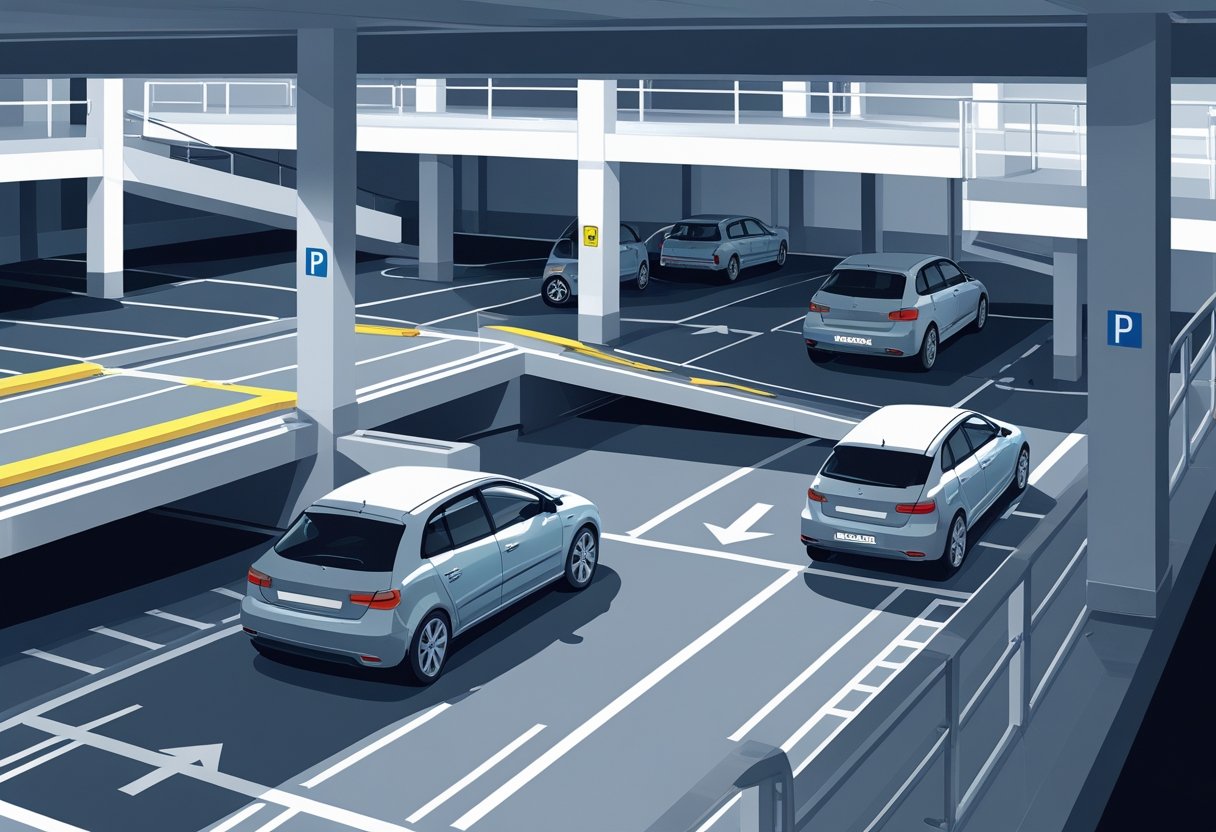
The good news is that conquering multi-storey car parks becomes much easier once you understand the specific techniques and strategies that work in these unique environments. From choosing the right approach at the entrance barrier to navigating those intimidating spiral ramps, there are proven methods that can transform your parking experience from stressful to straightforward.
We’ll walk you through everything you need to know, covering the essential manoeuvres, safety considerations, and insider tips that experienced drivers use daily. You’ll discover how to read car park layouts effectively, choose the best spaces for your skill level, and handle the technology that’s designed to help (but sometimes seems to hinder). By the time you’ve finished reading, those towering car parks won’t seem quite so daunting anymore.
Understanding the Unique Challenges of Multi‑Storey Car Parks
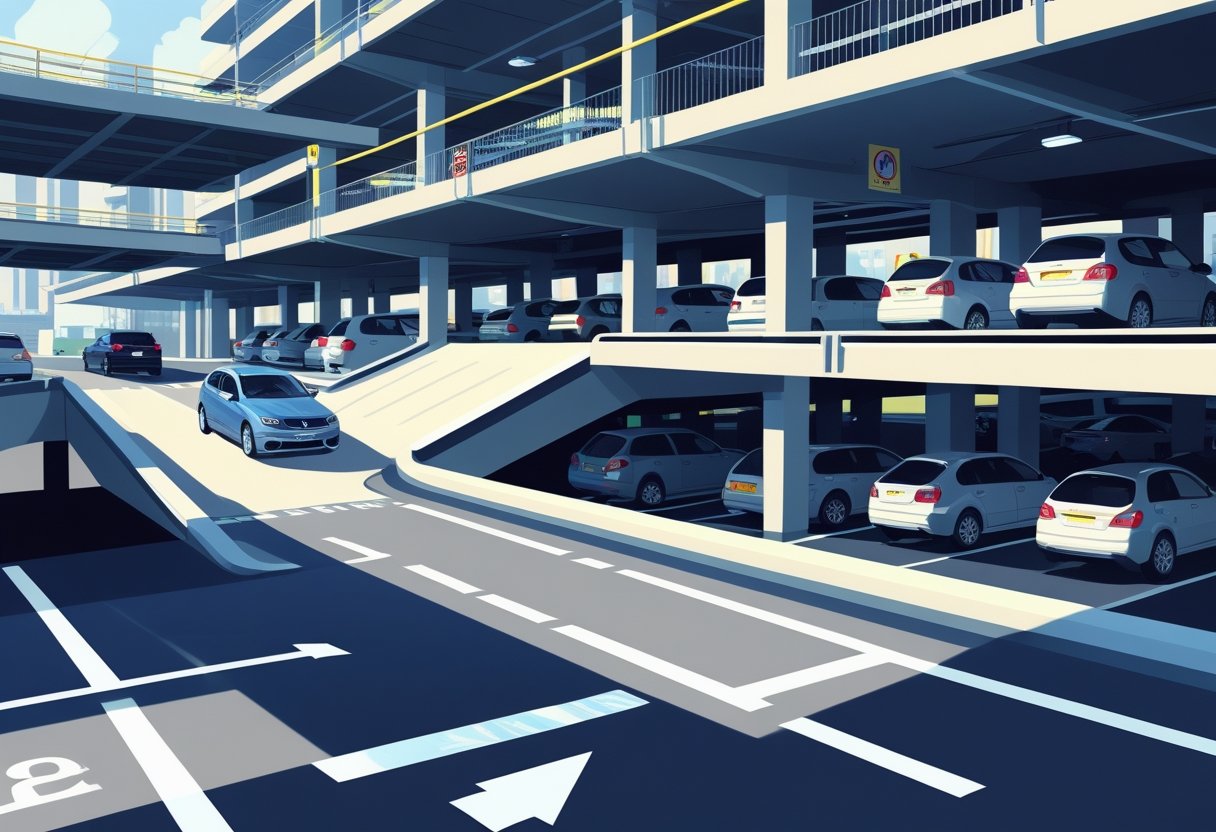
Multi‑storey car parks present a completely different driving environment compared to ground-level parking, with complex layouts and confined spaces that can catch even experienced drivers off guard. We’ll explore how these structures are designed, the tricky manoeuvres you’ll encounter, and the specific risks that require your attention.
Typical Layouts and Traffic Flow
Most multi‑storey car parks use one-way systems to keep traffic moving smoothly. These systems guide us through predetermined routes using clear directional markings and signs.
Car park operators design these layouts to maximise parking spaces whilst maintaining safe traffic flow. You’ll typically find vehicles entering at ground level and spiralling upward through connecting ramps.
Common layout features include:
- Circular or rectangular designs with central ramp systems
- Separate entry and exit points to reduce congestion
- Designated areas for different parking durations
- Reserved sections for disabled drivers and families
The traffic flow can feel confusing at first. We’re essentially driving through a three-dimensional maze where wrong turns mean extra loops around the structure.
Many facilities use colour-coded levels or numbered zones to help drivers remember where they’ve parked. Some high street car parks even have themed level names to make navigation easier.
Understanding the flow pattern before you start looking for a space saves time and reduces stress. Take a moment to spot the directional arrows and signs as you enter.
Navigating Tight Spaces and Ramps
Ramps present the biggest challenge for many drivers in multi‑storey car parks. Modern facilities typically use gradients no steeper than 1:10 for straight ramps or 1:12 for curved ones.
These inclines feel much steeper when you’re driving up them, especially in older car parks with tighter designs. Your car needs more power to climb, and visibility becomes limited at the crest of each ramp.
Parking bay dimensions have become a major issue as cars have grown larger over the decades. Many car parks built 20 years ago now feel cramped because:
- Vehicle widths have increased significantly
- People need more space to exit comfortably
- Door opening clearances are often inadequate
Key spacing challenges:
- Standard bays may be too narrow for larger vehicles
- Turning circles between rows can be extremely tight
- Pillars and support columns create blind spots
- Low ceiling heights restrict taller vehicles
We recommend driving slowly and using your mirrors constantly in these confined spaces. The combination of tight turns, narrow lanes, and multiple levels demands extra attention to spatial awareness.
Common Hazards to Be Aware Of
Structural elements create the most frequent hazards in multi‑storey car parks. Support pillars, low beams, and tight corners can appear suddenly, especially in older facilities with less generous spacing.
Low-speed manoeuvring accidents are surprisingly common in these environments. The confined space and multiple distractions make it easy to misjudge distances or miss other vehicles.
Specific hazards to watch for:
- Pedestrians moving between parked cars, often invisible until the last moment
- Other vehicles reversing out of bays without clear sightlines
- Oil spills and water puddles on concrete surfaces that become slippery
- Poor lighting in certain areas, particularly stairwells and corners
Electric vehicles are creating new challenges for car park operators. These heavier vehicles put additional stress on ageing structures, and some older multi‑storey car parks may need structural assessments.
Fire safety presents unique risks in enclosed parking structures. Unlike surface car parks, escape routes are limited and smoke can accumulate quickly in confined spaces.
Carbon monoxide buildup is another concern, though modern facilities use sensor-controlled ventilation systems to maintain safe air quality levels below 30 parts per million in long-stay areas.
We always recommend staying alert for emergency exits and keeping your doors unlocked while manoeuvring, just in case you need to exit your vehicle quickly.
Step-by-Step Guide to Entering and Exiting Efficiently
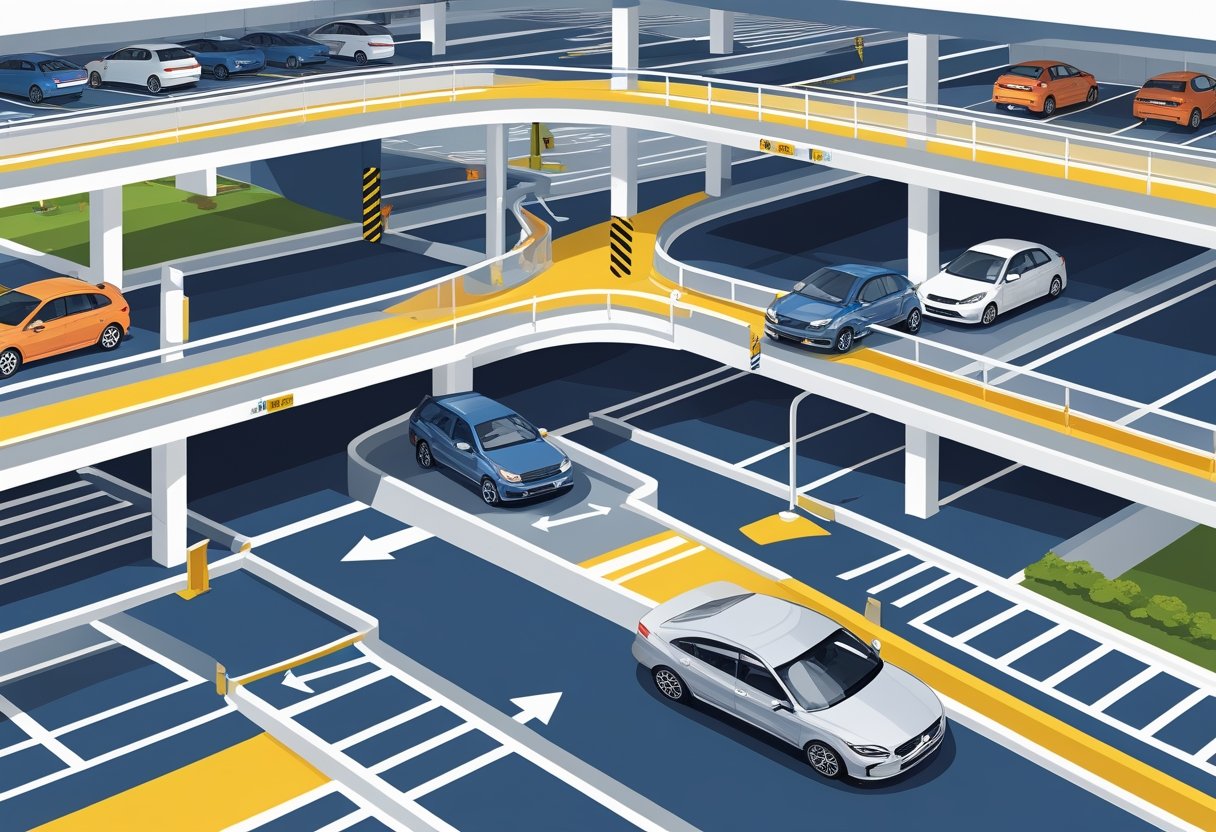
Getting in and out of multi-storey car parks smoothly comes down to understanding the barrier systems and knowing what to expect at each stage. We’ll walk you through the key moments that trip up most drivers, from collecting your ticket to finding your way out.
Approaching the Entrance Barrier with Confidence
The entrance barrier is often the first hurdle that makes our hearts race a bit. Take a deep breath and slow right down as you approach.
Position your car carefully before you reach the ticket machine. We want to get as close as possible to the machine without scraping our alloy wheels on the kerb. This saves us from that awkward stretch across the car or, worse still, having to get out entirely.
Wind down your driver’s side window well before you reach the barrier. Nothing’s more embarrassing than fumbling with electric windows whilst other cars queue behind you.
Watch out for these common hazards:
- Narrow entrance lanes
- Concrete bollards on either side
- Height restriction barriers
- Kerb stones that can damage your wheels
Drive slowly and check your wing mirrors. The entrance lanes are typically much narrower than normal roads, so take your time. Remember, there’s no prize for speed here.
If you misjudge your approach, don’t panic. Reverse carefully (check for cars behind you first) and have another go. We’ve all been there.
Collecting Tickets at Barriers
Most multi-storey car parks use automated ticket systems that are actually quite straightforward once you know the drill.
Here’s what typically happens:
- Pull up close to the machine
- Press the button (usually big and obvious)
- Take your ticket when it pops out
- Wait for the barrier to lift
Keep your engine running and stay in gear. The barrier should lift automatically once you’ve taken your ticket. Some newer car parks use number plate recognition, but these usually still issue tickets for payment later.
Store your ticket safely immediately. Pop it straight into your wallet, phone case, or somewhere you won’t lose it. We can’t stress this enough because you’ll need it to get out and pay.
If the machine doesn’t work or seems stuck, look for a help button. There’s usually an intercom system connected to someone who can sort things out quickly.
Don’t rush off the moment you get your ticket. Wait for the barrier to fully lift before moving forward.
Finding Your Way to the Exit Barrier
When it’s time to leave, finding the exit can feel like navigating a concrete maze. The key is following the signs and staying calm.
Before you even start looking for the exit, check if you need to pay first. Many car parks require you to pay at a machine before you reach the exit barrier. Look for payment stations near the lifts or main walkways.
Follow the exit signs religiously. These are usually green and clearly marked with arrows. Don’t take shortcuts or assume you know a quicker route, especially if you’re in an unfamiliar car park.
The exit barrier works similarly to the entrance, but in reverse. You’ll insert your validated ticket (the one you’ve already paid for) into the machine. The barrier should lift automatically.
Common exit barrier issues:
- Forgetting to pay before reaching the barrier
- Inserting the ticket the wrong way round
- Ticket getting damaged or lost
If your ticket won’t work, there’s usually a help button. The operator can often sort things remotely or let you pay over the intercom.
Keep your ticket until you’re completely clear of the car park. Some systems take a moment to register, and you might need to show it again.
Mastering Core Manoeuvres Inside Multi‑Storey Car Parks
Once you’re inside the multi-storey car park, you’ll need to navigate tight corners, follow clear directional signs, and share narrow spaces with other drivers moving in both directions.
Turning and Navigating Corners Safely
Sharp turns are unavoidable in multi-storey car parks, especially when moving between levels. We recommend slowing right down before each corner and positioning your car towards the outside of the turn.
This gives you the widest possible angle to work with. Keep your hands steady on the steering wheel and resist the urge to cut corners too sharply.
Watch out for these common hazards:
- Concrete pillars that seem to appear from nowhere
- Low-hanging pipes or lighting fixtures
- Other vehicles coming around blind corners
- Pedestrians stepping out between parked cars
When approaching a ramp between floors, treat it like a parking manoeuvre. Give yourself plenty of room to adjust your approach if the angle feels too tight.
Check your wing mirrors frequently, but don’t rely on them entirely. If you need to reverse slightly to get a better angle, make sure no one’s behind you first.
The key is patience. There’s no prize for speed in a multi-storey car park, and taking your time prevents scratches and stress.
Adapting to One‑Way Systems and Markings
Most multi-storey car parks use one-way systems to keep traffic flowing smoothly. These systems can feel confusing at first, but they actually make parking much safer once you understand them.
Look for directional arrows painted on the floor and signs mounted on walls or hanging from the ceiling. These markings tell you which lanes to use and where you can legally drive.
Key markings to spot:
- White arrows showing traffic direction
- Yellow lines marking no-parking zones
- Numbered sections to help you remember where you’ve parked
- Pedestrian walkways marked in different colours
If you accidentally enter a one-way section going the wrong direction, don’t panic. Look for the nearest opportunity to turn around safely, or reverse back to where you made the mistake.
Never ignore these markings, even if the car park seems quiet. Other drivers expect you to follow the system, and breaking these rules can lead to dangerous head-on situations.
Dealing with Oncoming Traffic
Even with one-way systems, you’ll sometimes encounter vehicles coming towards you, particularly near entrances, exits, and on ramps between levels.
When you spot oncoming traffic, slow down immediately and look for the safest place to pass. In narrow sections, one of you may need to wait while the other passes.
Make eye contact with the other driver when possible. A quick nod or hand gesture shows you’ve seen each other and agreed on who goes first.
If there’s a parked car creating a pinch point, the driver on the side with the obstruction should usually give way. However, common sense trumps rules in tight spots.
Stay calm and communicate clearly:
- Use your indicators to show your intentions
- Flash your headlights briefly to acknowledge other drivers
- Pull into parking bays temporarily if you need to let someone pass
Remember that everyone in the multi-storey car park is dealing with the same challenges you are. A bit of courtesy goes a long way towards keeping everyone safe and reducing stress levels all round.
Parking Like a Pro: Tips for Choosing and Using Spaces
Mastering multi-storey car park spaces requires smart spot selection, choosing the right parking method for your confidence level, and making the most of modern vehicle technology to guide you safely into position.
Selecting the Best Parking Spot
Finding the perfect spot in a busy multi-storey car park can feel like hunting for treasure. We recommend heading straight for the upper levels rather than circling endlessly on the ground floor.
Higher floors often have more available spaces and less traffic chaos. You’ll avoid the stress of watching other drivers snatch spots right before your eyes.
Look for these ideal characteristics:
- Spaces away from concrete pillars
- Areas with good lighting for visibility
- Spots near lifts or stairs (but not too close to create congestion)
- Double spaces if you’re still building confidence
Corner spaces can be brilliant choices because they give you extra room on one side. This makes opening doors much easier and reduces the risk of dings from neighbouring vehicles.
If you’re nervous about tight spaces, don’t feel embarrassed about driving to the very top level. That extra minute of driving up ramps is worth the peace of mind you’ll gain from having more manoeuvring room.
Forward Bay Parking vs. Reverse Bay Parking
Both parking methods have their place, and choosing the right one depends on your skill level and the specific situation you’re facing.
Forward bay parking works brilliantly when spaces are generous and you need a quick exit. Simply drive straight in, keeping your vehicle centred between the white lines. This method feels natural because you can see exactly where you’re going.
Watch your front corners carefully to avoid scraping concrete pillars or neighbouring cars. Use your door mirrors to check you’re positioned evenly in the space.
Reverse bay parking gives you much better control in tight spots. Your rear wheels become the pivot point, making it easier to position your car precisely between the lines.
We strongly suggest reversing into multi-storey spaces when possible. You’ll have a clearer view when leaving, which is especially helpful in busy car parks where pedestrians and other vehicles move unpredictably.
The key is taking your time. Signal your intention to other drivers, check your mirrors constantly, and don’t rush the process.
Making the Most of Parking Aids and Sensors
Modern cars come packed with technology designed to make parking stress-free. Learning to trust and use these systems properly transforms your multi-storey car park experience.
Parking sensors beep faster as you approach obstacles. Listen carefully to the rhythm rather than panicking at the first sound. The steady beeping means you still have space to manoeuvre.
Most sensors work brilliantly for detecting cars and concrete pillars. However, they might miss thin objects like shopping trolleys or low barriers, so keep your eyes active too.
Reversing cameras show you exactly what’s behind your vehicle on a dashboard screen. These cameras often include helpful guidelines that move as you turn your steering wheel.
Don’t rely completely on the camera view though. Check your side mirrors regularly for pedestrians walking alongside your car.
Parking assist systems can actually steer your car into the space whilst you control the accelerator and brake. These systems work particularly well in multi-storey car parks where spaces are clearly marked.
Practice using these aids in quieter car parks first. Building familiarity with the technology boosts your confidence when you need it most in busy shopping centre car parks.
Staying Safe and Aware in Busy Multi‑Storey Environments
Multi‑storey car parks can feel overwhelming when they’re packed with shoppers and commuters. Success comes down to watching for pedestrians carefully, timing your visits wisely, and having a solid plan for finding your car later.
Managing Pedestrian Areas and Visibility
The biggest challenge in any busy multi‑storey car park is sharing space safely with people on foot. Pedestrians often appear from behind concrete pillars without warning.
Always drive slower than you think necessary. We recommend crawling along at walking pace, especially around corners and near lifts. This gives you precious extra seconds to react.
Keep your eyes moving constantly. Check between parked cars where children might dart out. Watch for people loading shopping bags who might step backwards into your path.
Key visibility rules:
- Use headlights even during daytime
- Sound your horn gently before blind corners
- Leave car windows slightly open to hear footsteps
- Stop completely at pedestrian crossing points
Many car park operators install convex mirrors at tricky junctions. Use these as your early warning system, but never rely on them completely.
The areas near lifts and payment machines get particularly hectic. Approach these zones with extra caution as people often walk while distracted by their phones or tickets.
Minimising Stress During Peak Times
Smart timing makes all the difference to your multi‑storey car park experience. Weekend afternoons and weekday lunch hours transform these spaces into chaotic mazes.
Plan around the rush. Saturday mornings before 10am or Sunday evenings after 4pm offer much calmer conditions. You’ll have more space to practise your manoeuvres without pressure from impatient drivers behind you.
When you must visit during busy periods, head straight to the upper levels. Most people circle the lower floors hoping for convenient spaces. We’ve found floors four and above usually have plenty of options.
Busy period survival tips:
- Bring patience and extra time
- Ignore honking from other drivers
- Take breaks if you feel overwhelmed
- Consider alternative car parks nearby
Don’t let aggressive drivers rush your decisions. Take the time you need to park safely, even if someone’s waiting for your space.
Remembering Where You Parked
Nothing kills the convenience of multi‑storey parking like spending twenty minutes wandering around looking for your car. Car park operators understand this frustration, which is why most facilities now use colour coding and numbering systems.
Take a photo immediately after parking. Snap the level number, section letter, and any nearby landmarks like lift doors or distinctive pillars. This simple habit saves enormous hassle later.
Many modern car parks display helpful signs showing exactly where you are. Make mental notes about these reference points as you walk toward the exit.
Memory tricks that actually work:
- Say your location out loud: “Blue level, section C, near the stairs”
- Count how many floors you’ve driven up
- Note which direction you’re facing when you park
- Use your phone’s voice recorder for quick reminders
Some car parks offer text message services that remember your space number. Look for signs advertising this feature, it’s worth using.
The walk from your car to the exit gives you one final chance to reinforce your memory. Turn around halfway and look back at your car’s location from a pedestrian’s perspective.
How Car Park Design and Technology Can Help or Hinder Drivers
Modern car park design can transform your driving experience from stressful to straightforward, or unfortunately make it more challenging. Smart technology and thoughtful structural planning create smoother navigation, whilst poor design choices can leave you feeling frustrated and overwhelmed.
Impact of Structural Design on Manoeuvrability
The way a multi-storey car park is built affects every turn you make. Wide driving lanes give you breathing room when navigating tight corners. Standard bay sizes should be at least 2.4 metres wide, but many older facilities squeeze spaces to 2.1 metres.
Ramp angles make a huge difference too. Gentle slopes of 5-8% feel manageable in your car. Steep ramps above 10% can scrape low vehicles and make you nervous about losing control.
Ceiling height matters more than you might think. Low ceilings below 2.1 metres create a claustrophobic feeling. They also limit visibility around corners. Proper height of 2.3-2.5 metres lets you drive with confidence.
Column placement can be your friend or enemy. Well-positioned pillars guide traffic flow naturally. Awkwardly placed supports create blind spots and force sharp turns that catch new drivers off guard.
Modern designs use wider turning circles at corners. This simple change prevents that heart-stopping moment when you’re not sure if you’ll clear the wall.
Signage, Lighting, and Ventilation
Clear signage transforms a confusing maze into a logical route. Digital signs showing available spaces save you from driving around endlessly. Colour-coded zones help you remember where you parked.
Good lighting boosts your confidence dramatically. Bright LED systems eliminate dark corners where accidents happen. Motion sensors that activate lights as you approach feel reassuring, especially during winter evenings.
Proper lighting also helps with depth perception. Shadows from poor lighting make it harder to judge distances between cars. You need consistent illumination to park accurately.
Fresh air circulation prevents that stuffy, enclosed feeling that makes some drivers panic. Modern ventilation systems clear exhaust fumes quickly. They also reduce condensation that fogs up windows and mirrors.
Variable message signs guide you efficiently through multi-level facilities. These electronic displays show which floors have spaces available. They prevent you from climbing level after level searching for a spot.
Innovations: Rainwater Harvesting and Solar Panels
Green technology in car parks creates unexpected benefits for drivers. Solar panels on rooftops provide the electricity that powers LED lighting systems. This sustainable approach often means better, more consistent lighting throughout the facility.
Rainwater harvesting systems keep surfaces cleaner and safer. Collected rainwater gets used for washing down parking decks. This removes oil spills and debris that make surfaces slippery.
These eco-friendly features often signal a well-managed facility. Car parks investing in renewable technology usually maintain their spaces better overall. You’ll notice cleaner surfaces, working equipment, and attention to detail.
Solar-powered bay sensors can guide you directly to empty spaces. These smart systems reduce the time you spend searching and lower your stress levels significantly.
Green initiatives also include better drainage systems. Proper water management prevents those annoying puddles that splash your car or make walking treacherous.
Modern sustainable car parks often feature charging points for electric vehicles. Even if you’re not driving electric yet, these facilities tend to be newer and better designed for easy navigation.
Frequently Asked Questions
Multi-storey car parks throw up some tricky situations that catch many drivers off guard. These common questions cover everything from navigating those sharp corners to staying cool under pressure when the car park is packed.
What’s the secret to mastering tight corners in a multi-storey car park?
The trick is slowing right down and positioning your car properly before you even start turning. We recommend approaching corners at walking pace, keeping to the outside of the turn initially.
Look ahead to where you want to go, not at what you’re trying to avoid. Your car naturally follows your eye line, so focus on the clear path through the corner.
Use the full width of the lane available to you. Start wide, cut in towards the apex of the corner, then straighten out as you exit. This creates the smoothest, safest arc.
If you’re struggling with visibility, don’t be afraid to inch forward bit by bit. Other drivers will understand, and it’s far better than scraping your bumper or wing mirror.
How can I confidently judge distances when parking in a space surrounded by other vehicles?
Start by using your door mirrors to line up with the cars either side of your chosen space. When the wing mirrors of both cars appear in your side mirrors, you’re roughly centred.
We find it helpful to use reference points on your own car. The edge of your bonnet, for instance, can help gauge how close you are to the car in front.
Don’t rely solely on parking sensors if you have them. Use them as a guide, but trust your eyes and take your time to visually check distances.
Practice makes perfect here. Try parking between two objects at home first, like wheelie bins or cones, to build up your spatial awareness.
Can you give any tips on staying calm and focused when navigating busy car-park ramps?
Take deep breaths and remind yourself that everyone else is in the same boat. Most drivers are patient and understanding in these situations.
Keep a safe following distance from the car ahead, even if traffic is moving slowly. This gives you more reaction time and reduces pressure.
If someone’s being impatient behind you, don’t let it rush your driving. Pull over safely if possible to let them pass, but never compromise your safety.
Focus on your own lane and the immediate area around your car. Don’t worry about what’s happening three cars ahead or in the opposite direction.
What are the best practices for reversing into a parking spot without breaking a sweat?
Choose your reference points before you start reversing. We like using the white lines on either side as guides in your rear-view mirror.
Go slowly and be prepared to pull forward and adjust your angle. Most experienced drivers need two or three attempts to get perfectly positioned.
Use your mirrors constantly, but also turn around to look through your rear window for the clearest view. Don’t rely on just one viewpoint.
If you’re struggling, there’s no shame in pulling out and trying a different space. Sometimes a slightly different angle or wider space makes all the difference.
Could you offer advice on how to swiftly yet safely find a parking spot during peak times?
Head straight to the upper levels where most people can’t be bothered to drive. The top floors are usually much quieter, even during busy periods.
Follow people walking back to their cars, but don’t hover too obviously. Give them space to load up and get ready to leave.
Learn the layout quickly by noting where the lifts and stairs are located. Spaces near these areas tend to turn over more frequently.
Consider parking slightly further away from your destination if it means finding a space quickly. The extra walk is often quicker than circling for ages.
What’s the most effective way to practice multi-storey car park driving before doing it for real?
Start with quieter car parks at off-peak times, like early morning or late evening when there’s less pressure and fewer cars about.
Practice the individual skills separately first. Work on tight turns in an empty car park, then practice parking between objects at home.
Many retail parks have multi-level sections that are less intimidating than city centre car parks. Use these as stepping stones to build confidence.
Ask an experienced driver to come with you initially. Having someone calm and supportive in the passenger seat can make a huge difference to your confidence levels.