

Understanding Test Centre Opening Hours: Your Guide to Booking Success
Planning your driving test involves more than just preparing for the big day itself. Understanding when test centres are open can make the difference between booking your preferred slot and waiting weeks longer than necessary. Most DVSA test centres operate from 7am to 5pm, Monday to Saturday, but these hours can vary significantly depending on location and special circumstances.
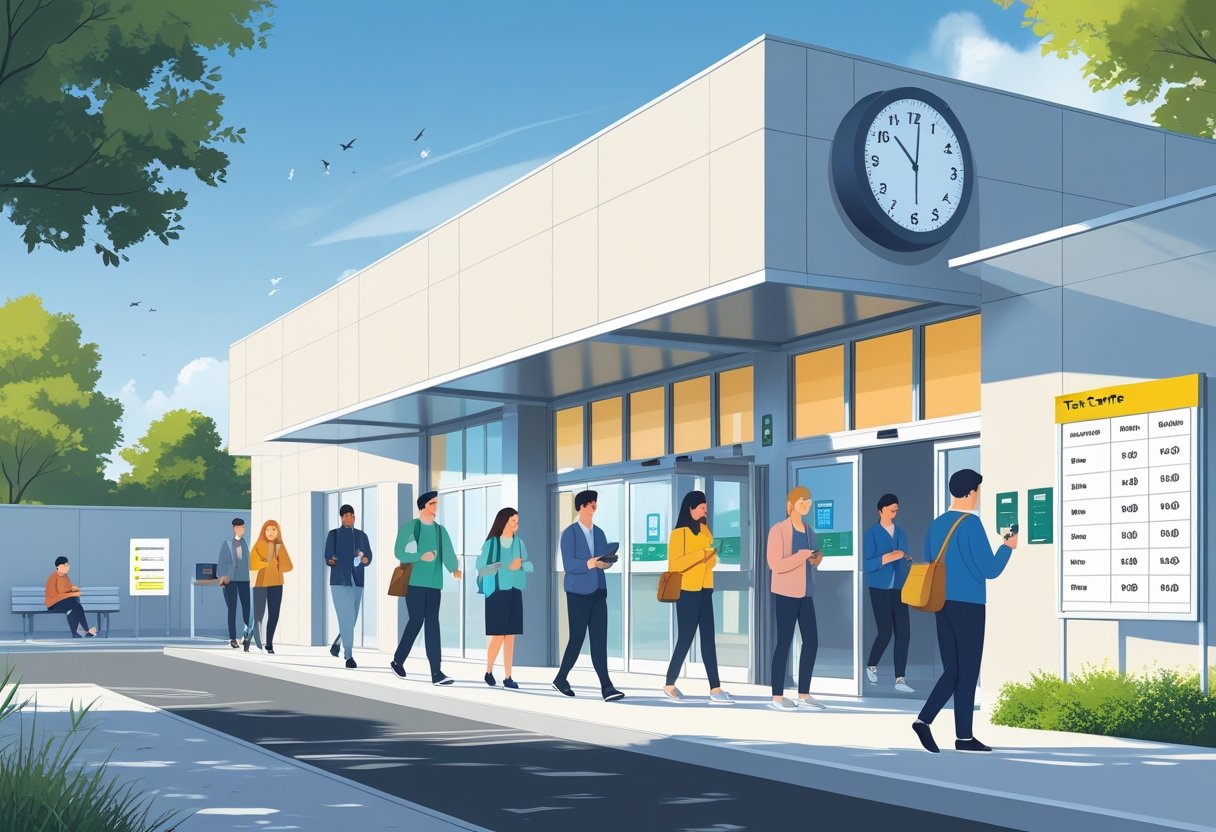
Many learner drivers assume all test centres follow identical schedules, but this simply isn’t the case. Rural centres might have more limited availability compared to busy urban locations, whilst some centres adjust their hours during holiday periods or due to local factors. Getting familiar with your local centre’s specific operating pattern helps you plan more effectively.
The key to successful test booking lies in understanding not just the standard opening hours, but also how different types of centres operate, when peak booking times occur, and what special circumstances might affect availability. Whether you’re checking practical driving test slots or theory test appointments, knowing these details puts you one step ahead in securing the test date that works best for your schedule.
What Are Test Centre Opening Hours?
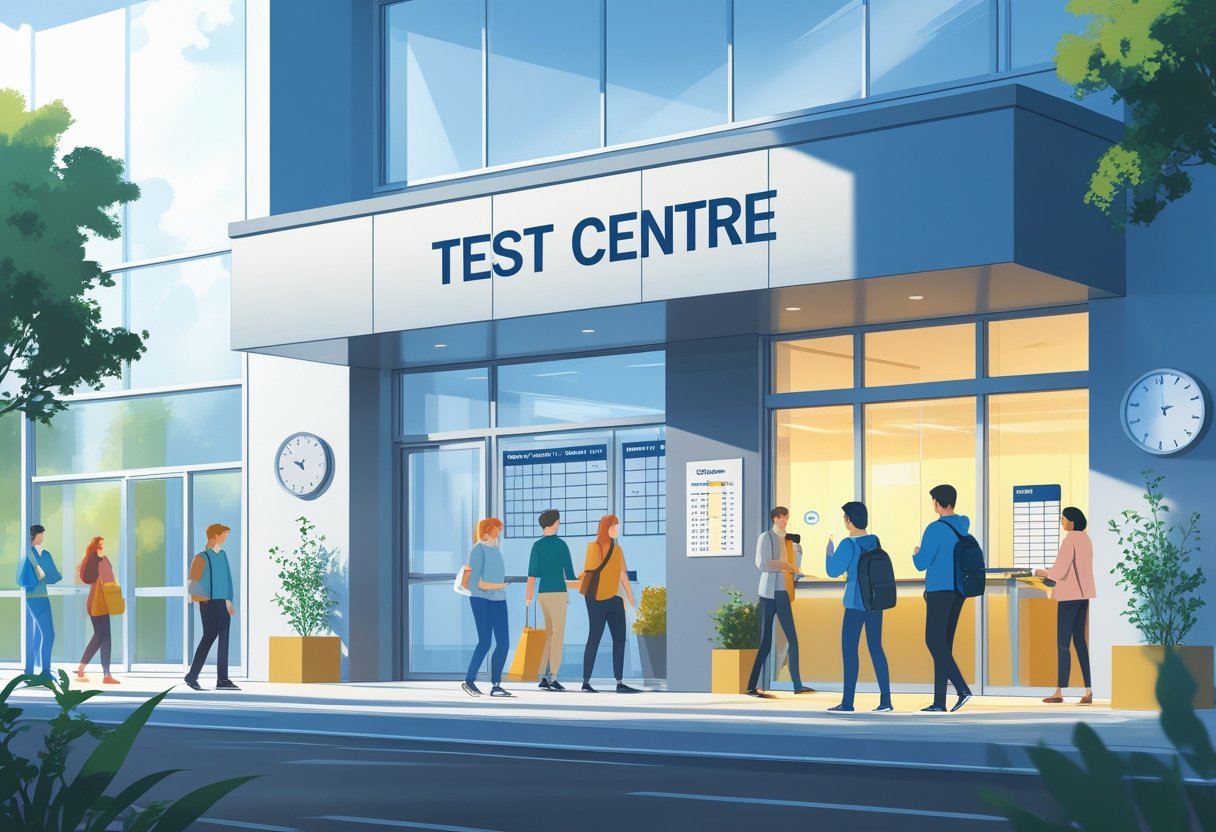
Test centre opening hours determine when learner drivers can take their practical driving tests, with most centres operating standard weekday schedules. However, centres may extend hours during busy periods or adjust times for holidays, making it essential to check specific timings before booking.
Core Operational Times
Most driving test centres across the UK follow a consistent weekday schedule. Standard hours typically run from 8:30am to 4:30pm, Monday through Friday.
Some centres offer Saturday appointments, though these slots are less common. Weekend availability varies significantly depending on location and demand in the area.
Test centres generally close on Sundays and bank holidays. This affects scheduling, particularly around Christmas and New Year when centres may have reduced hours for several days.
Typical weekly schedule:
- Monday to Friday: 8:30am – 4:30pm
- Saturday: Limited availability (varies by centre)
- Sunday: Closed
- Bank holidays: Closed or reduced hours
Variation by Location
Urban test centres often have longer opening hours than rural locations. High-demand areas may start earlier or finish later to accommodate more test appointments.
Remote or smaller centres might operate shorter days or fewer days per week. This reflects lower demand and staffing considerations in these areas.
Northern Ireland operates under different arrangements compared to England, Scotland, and Wales. Learner drivers there should check specific regional requirements and hours.
Some centres share facilities or staff, which can affect their individual opening times. Weather conditions may also impact rural centres more than urban ones.
Temporary and Extended Hours
During peak periods, many centres extend their normal operating hours. This typically happens when there’s a backlog of tests or increased seasonal demand.
Extended hours might mean opening at 8am instead of 8:30am, or staying open until 8pm. Some centres also open on weekends during these busy periods.
Temporary larger test centres sometimes open in major cities. These handle higher volumes and may operate different hours than permanent locations.
Extended hours may include:
- Earlier morning starts (from 8am)
- Later evening finishes (until 8pm)
- Additional Saturday or Sunday sessions
- Holiday period adjustments
The DVSA announces these changes in advance, giving learner drivers more flexibility when booking their tests.
How to Check Opening Hours for Your Local Test Centre
Checking test centre opening hours requires using official DVSA resources and contacting centres directly when needed. Staying informed about any last-minute changes ensures you won’t face unexpected closures on test day.
Official Online Resources
The DVSA website serves as your primary resource for finding accurate opening hours information. Their official test centre locator allows you to search by postcode and displays essential details for each location.
When you visit the DVSA’s “Office access and opening times” page, you’ll find comprehensive contact information. This includes phone numbers, email addresses, and physical locations for all test centres across the UK.
Key information you’ll typically find:
- Standard opening hours for weekdays
- Weekend availability (if applicable)
- Bank holiday schedules
- Special closure dates
The government portal provides the most reliable information. Third-party websites sometimes display outdated hours, so always verify through official channels when booking your test.
Many test centres follow similar patterns, but each location has unique schedules. Rural centres might have limited hours compared to busy city locations.
Contacting Test Centres Directly
Phoning your chosen test centre gives you the most current information about their specific opening hours. The DVSA contact details page provides direct numbers for individual centres.
Before calling, prepare these details:
- Your postcode or preferred test centre name
- Specific dates you’re considering
- Type of test (theory or practical)
Call during standard business hours for the quickest response. Most centres operate Monday to Friday, though some offer Saturday appointments.
Staff can clarify any confusion about holiday schedules or temporary changes. They’ll also inform you about peak times when booking slots fill up fastest.
If you can’t reach someone immediately, try calling at different times. Centre staff often have varying availability depending on test schedules and administrative duties.
Last-Minute Changes and Notifications
Test centres occasionally close unexpectedly due to weather, staff shortages, or maintenance issues. The DVSA sends notifications through multiple channels to keep candidates informed.
Check your email regularly after booking your test. Official notifications arrive from DVSA addresses and include clear instructions about rescheduling if needed.
Stay updated through:
- Email confirmations and updates
- DVSA social media accounts
- Local news for weather-related closures
- Direct calls to your test centre
Save your test centre’s phone number in your mobile. This allows quick contact if you suspect any changes on your test day.
Plan to arrive early regardless of standard opening hours. Some centres open their doors 15-20 minutes before official start times, whilst others maintain strict schedules.
Weather conditions particularly affect winter opening hours. Snow or ice can delay starts or cause complete closures for safety reasons.
Types of Test Centres and Their Schedules
Different test centres operate on varying schedules, with theory test centres typically offering more flexible hours than practical driving test centres. Understanding these timing differences helps learners plan their preparation and booking strategy effectively.
Theory Test Centre Hours
Theory test centres generally provide the most flexible scheduling options for learners. Most centres open from 8:30 AM and continue testing sessions until 4:30 PM on weekdays.
Weekend availability varies significantly between locations. Many theory test centres offer Saturday appointments, though these popular slots fill up quickly. Sunday testing remains limited to certain locations.
Typical theory test centre schedule:
- Monday to Friday: 8:30 AM – 4:30 PM
- Saturday: 8:30 AM – 12:30 PM (selected centres)
- Sunday: Limited availability
Theory tests run in scheduled sessions throughout the day. Each session lasts approximately 57 minutes, including both the multiple choice section and hazard perception test.
Booking flexibility makes theory test centres particularly convenient for working learners. The computerised format allows centres to accommodate more candidates per day compared to practical tests.
Driving Test Centre Hours
Driving test centres operate on more restricted schedules due to the individual nature of practical examinations. Most centres conduct tests from 8:30 AM until approximately 4:00 PM on weekdays only.
Weekend practical tests are extremely rare across the UK. The vast majority of driving test centres close completely on Saturdays and Sundays.
Standard driving test centre hours:
- Monday to Friday: 8:30 AM – 4:00 PM
- Saturday and Sunday: Closed (most centres)
Each practical test appointment lasts around 40 minutes. This includes the eyesight check, vehicle safety questions, and the actual driving assessment.
Test centres may adjust their hours during school holidays or peak seasons. Some locations extend their operating times during busy periods to accommodate increased demand from learner drivers.
Booking and Availability Considerations
Test centres operate during specific hours, but understanding peak times and seasonal patterns can significantly impact how quickly learners secure their practical driving test. Timing your booking strategically around busy periods and school holidays can make the difference between waiting weeks or months for an available slot.
Peak and Off-Peak Testing Times
Most test centres experience their busiest periods during weekdays between 10am and 3pm. These slots fill up fastest because they suit people with flexible schedules.
Peak booking times typically include:
- Weekday mornings (9am-12pm)
- Early afternoons (1pm-3pm)
- Friday afternoons
Off-peak opportunities often emerge:
- Very early morning slots (8am-9am)
- Late afternoon appointments (4pm-6pm)
- Weekend sessions where available
Many learners avoid early morning tests, thinking they’ll be too tired. However, these slots often have shorter waiting times and less traffic on the roads.
Weekend availability varies significantly between centres. Some offer Saturday morning tests, whilst others remain closed entirely at weekends.
Evening slots are becoming more common as centres extend their hours. These appointments can be particularly useful for working learners who struggle with daytime availability.
School Holidays and Seasonal Schedules
School holidays create a massive surge in demand for both theory tests and practical examinations. Students rush to book tests during their time off, creating bottlenecks at most centres.
Summer holidays (July-August) represent the busiest period. Waiting times can increase by several weeks during these months as sixth-form students and university learners compete for slots.
Half-term breaks also see spikes in demand, though less dramatic than summer. February and October half-terms are particularly busy.
Christmas and Easter holidays bring mixed patterns. Whilst demand increases, some centres reduce their operating hours or close entirely during bank holidays.
Test centres sometimes adjust their schedules during school holidays. Some extend their hours to accommodate extra demand, whilst others maintain regular patterns but fill slots more quickly.
Planning ahead becomes crucial during these periods. Booking 12-16 weeks in advance often proves necessary to secure preferred dates during holiday seasons.
Accessing the Test Centre: Key Information
Getting to your test centre smoothly sets the tone for your entire experience. Most centres offer multiple transport options, adequate parking facilities, and full accessibility support to ensure every candidate can attend their test comfortably.
Public Transport and Train Station Addresses
Public transport provides a reliable way to reach most test centres across the UK. Many candidates prefer this option as it eliminates parking stress on test day.
Train connections vary significantly between locations. For example, East Croydon Train Station sits just 0.4 miles from its local test centre, requiring only an 8-minute walk. However, Mile End Underground Station presents a longer journey at 1.3 miles from the East London (Limehouse) theory test centre, taking approximately 25 minutes on foot.
The train station address becomes crucial for journey planning. Mile End Station is located on Mile End Road, London E3 4DH. Always verify your specific test centre’s nearest station when booking.
Bus services often provide more convenient access than trains. The East London centre benefits from Pixley Street bus stops within a 2-minute walk. Check local bus routes and timetables beforehand to avoid unexpected delays.
Most test centres recommend arriving 15-30 minutes early. Factor in walking time from transport links when planning your journey.
Parking and Walk-In Information
Driving to your test centre requires careful parking consideration. Not all centres provide on-site parking facilities, so researching alternatives prevents last-minute panic.
Multi-storey car parks serve many urban test centres. West India Quay offers parking for £4.80 per 2 hours, located 0.6 miles from the East London centre. This translates to a 13-minute walk, which remains manageable for most candidates.
Street parking might be available but often involves restrictions. Check for permit zones, time limits, and payment requirements. Arriving early helps secure suitable spaces.
Walking distances from parking to test centres vary considerably. Budget extra time for longer walks, especially if carrying equipment or dealing with weather conditions.
Some candidates arrange for family members to drop them off and collect them later. This eliminates parking concerns entirely whilst providing moral support.
Accessibility and Special Requirements
Test centres maintain full accessibility standards to accommodate all candidates’ needs. Every approved centre provides disabled access and appropriate facilities.
Building access typically occurs through main entrances with step-free routes. Many centres feature lifts for upper-floor locations. The physical layout ensures wheelchair users and those with mobility aids can navigate comfortably.
Special arrangements are available for candidates requiring additional support. Contact the DVSA on 0300 200 1122 (Monday to Friday, 8am to 4pm) to discuss specific requirements well before your test date.
Equipment and aids such as hearing loops, extra time allowances, or modified test formats can be arranged. The booking system flags these requirements to ensure proper preparation.
Most theory test centres operate Monday to Friday from 8am to 4pm. This consistent schedule helps candidates with regular commitments plan their attendance effectively.
Special Circumstances That Affect Opening Hours
Test centre schedules can change unexpectedly due to bank holidays, severe weather, or emergency situations. These disruptions often catch learner drivers off guard, but understanding when and why they happen helps you plan better.
Bank Holidays and National Events
Bank holidays create the most predictable disruptions to test centre schedules. Most centres close completely on Christmas Day and New Year’s Day, whilst others operate with reduced hours during the festive period.
During Christmas week, many test centres shut their doors on 25th December but reopen with limited availability from 26th December onwards. Some locations stay closed until 2nd January, when normal service typically resumes.
Key dates that affect test centres:
- Christmas Day: All centres closed
- Boxing Day: Limited centres open
- New Year’s Day: Most centres closed
- Easter Monday: Reduced availability
- Spring and Summer bank holidays: Variable schedules
The DVSA publishes holiday schedules well in advance on GOV.UK. Smart learners check these dates before booking their tests, especially during December and January when availability becomes scarce.
State occasions like royal events or national mourning periods can also trigger unexpected closures. These situations are rare but can affect test centres across the country with little warning.
Adverse Weather or Emergencies
Severe weather poses the biggest threat to test centre operations. Heavy snow, flooding, or dangerous driving conditions force centres to close for safety reasons.
Winter storms cause the most disruptions, particularly in Scotland, northern England, and mountainous regions. Ice and snow make driving tests unsafe, so examiners cancel appointments until conditions improve.
Test centres also close during extreme heat warnings when temperatures exceed safe working conditions. Summer storms with high winds or flooding can shut down operations for hours or entire days.
Emergency situations that affect centres:
- Severe weather warnings (amber or red alerts)
- Local flooding or road closures
- Power outages lasting several hours
- Building maintenance emergencies
- Staff illness affecting examiner availability
The DVSA doesn’t always provide advance notice for weather closures, as conditions change rapidly. Candidates usually receive text messages or phone calls about cancellations, though sometimes they only discover closures upon arrival at the test centre.
Frequently Asked Questions
Test centre opening hours can be confusing for learners trying to plan their visits. These common questions help clarify when test centres welcome visitors and what learners can expect.
What times can I swing by my local test centre for a spot of learning?
Most test centres operate during standard business hours, typically from 8:30 AM to 4:30 PM on weekdays. However, learners cannot simply drop in for casual visits or practice sessions.
Test centres are designed specifically for conducting official driving tests and theory exams. They’re not open to the public for general learning or practice purposes.
Learners who want to familiarise themselves with a test centre location can drive past the building with their instructor. This helps them find the entrance and parking areas before their actual test day.
Is there a chance to visit the test centre on weekends for a bit of practice?
Test centres generally remain closed on weekends and don’t offer practice opportunities during these times. Saturday and Sunday are considered non-working days for most driving test operations.
Some test centres may occasionally schedule weekend tests during busy periods. However, these sessions are reserved for actual driving tests, not practice visits.
Learners should focus their weekend practice on public roads with a qualified instructor. This provides much better preparation than visiting an empty test centre car park.
Could you tell me the early bird hours for test centre visitations?
Test centres typically open their doors around 8:30 AM for the first appointments of the day. Learners with early morning tests should arrive approximately 10 minutes before their scheduled time.
Staff members usually arrive earlier to prepare for the day’s testing schedule. However, candidates cannot enter the building until their official appointment window.
Early morning slots often prove popular with learners who prefer getting their test completed before nerves build up. These appointments also avoid the afternoon traffic in many areas.
Are the test centre doors open for us during public holidays?
Test centres close on most public holidays, including Christmas Day, Boxing Day, and New Year’s Day. Bank holidays also typically see test centres shutting their doors for the day.
Learners with tests scheduled on unexpected public holidays will receive advance notice of cancellations. The DVSA usually contacts candidates by email or post when this situation occurs.
Rescheduled appointments due to public holiday closures don’t incur additional fees. Candidates can book alternative dates without losing their original payment.
I’m keen to understand; do test centre opening times fluctuate throughout the year?
Test centre hours remain fairly consistent throughout the year, maintaining their standard weekday schedule. Seasonal variations are minimal and rarely affect regular operating times.
Winter months might see slightly adjusted schedules due to daylight hours and weather conditions. However, these changes are usually minor and communicated in advance.
Summer periods often bring increased demand for tests, but opening hours typically stay the same. Test centres may add extra sessions rather than extending their daily operating times.
How far in advance should I plan to ensure the test centre is ready for my arrival?
Learners should arrive at the test centre roughly 10 minutes before their scheduled appointment time. This allows sufficient time for check-in procedures without unnecessary waiting around.
Arriving too early can actually increase anxiety levels and create parking difficulties. Test centres prefer candidates to arrive within their designated time slots rather than hours beforehand.
Planning the route to the test centre should happen days before the actual test. Learners can practice the journey with their instructor to ensure they know exactly where they’re going.