

Using Dash-Cams During Lessons and Tests: What Learners Need to Know
Many driving instructors and learner drivers wonder whether they can use dash-cams during lessons and tests. The good news is that dash-cams are perfectly legal and often beneficial for learning, but there are specific rules you need to follow, especially during your driving test.
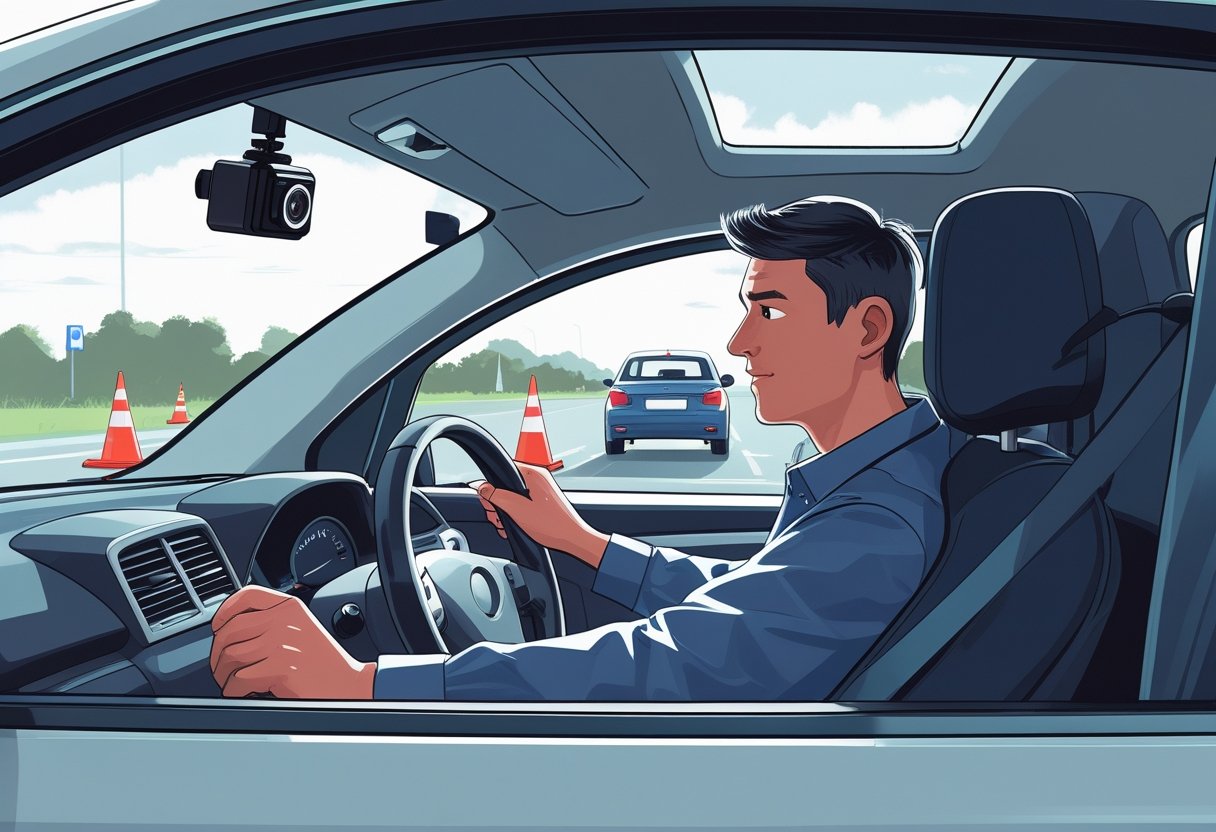
You can use a dash-cam during driving lessons and tests, but it must only film outside the vehicle and cannot record audio from inside. During tests, the camera mustn’t obstruct your view or the examiner’s view of the road ahead. If you break these rules, your examiner won’t start the test or will stop it if they discover you’re recording inside the vehicle.
Understanding how to properly use dash-cam technology can actually boost your confidence and help track your progress as a learner. We’ll explore the legal requirements, practical benefits, and potential challenges of using dash-cams throughout your driving journey, so you can make informed decisions about incorporating this technology into your lessons and test preparation.
Are Dash-Cams Allowed During Driving Lessons and Tests?
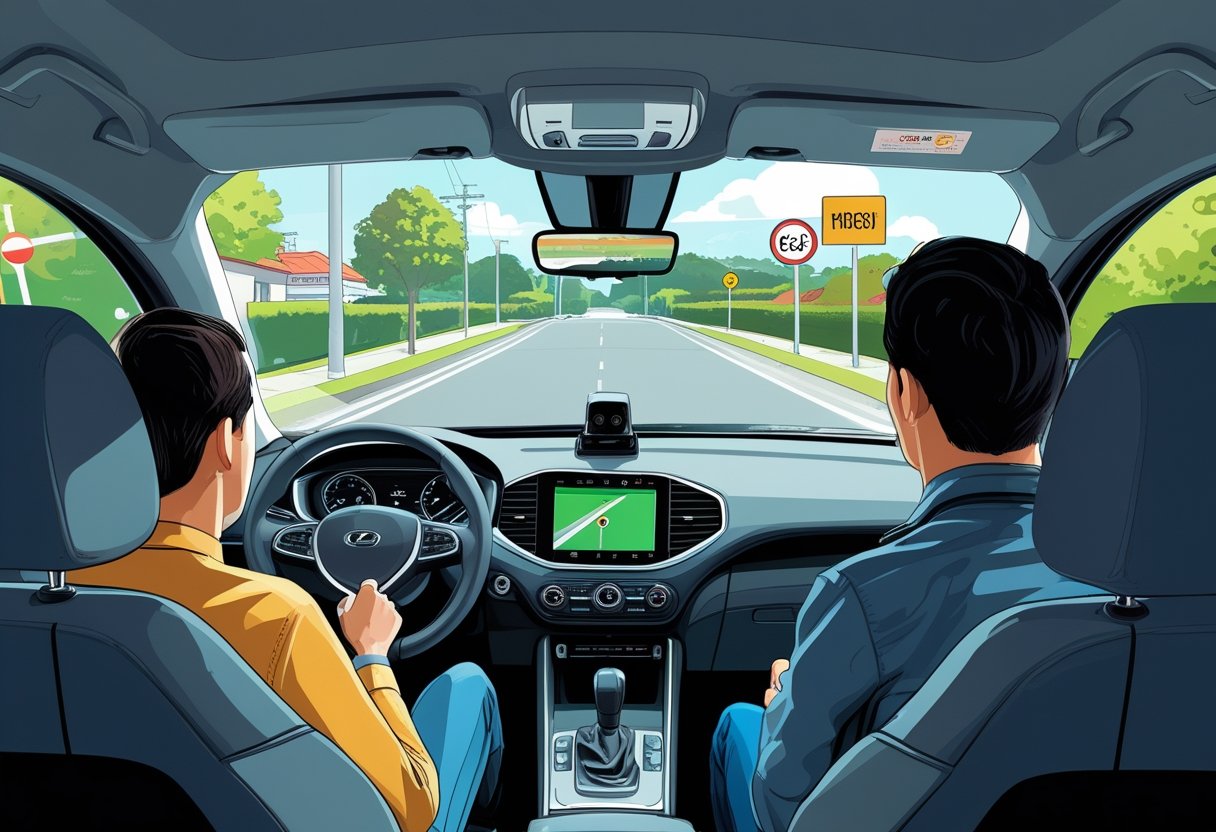
The rules around dash-cam use vary significantly between lessons and actual driving tests. While instructors often welcome recording technology for training purposes, test centres have strict guidelines that learners must follow to avoid complications on exam day.
Current Driving Test Rules on Recording
During your actual driving test, dash-cams are permitted but with important restrictions. You can use a dash-cam fitted to your vehicle, but it must only film outside the car and cannot record any audio from inside.
The camera mustn’t block your view or the examiner’s view of the road ahead. If your dash-cam records the interior or captures audio, the examiner will ask you to turn it off before starting.
Here’s what happens if you don’t follow the rules:
- The examiner won’t start your test if they spot interior recording
- They’ll stop an ongoing test if they discover recording equipment
- You’ll get one chance to switch off the equipment quickly
- Failure to comply means your test ends immediately
You’ll need to pay for another test appointment if this happens. Remember, you cannot use any recorded footage to challenge your test result later, as the DVSA won’t review driving test videos.
Photography during tests is completely forbidden. You can’t take photos of the test in progress or snap pictures of your examiner without their explicit permission.
Policies Across Different Exam Centres
All DVSA test centres follow the same national guidelines, but individual examiners may interpret them slightly differently. The core rules remain consistent: exterior-only filming for insurance purposes is acceptable.
Theory test centres have a blanket ban on all recording devices. You cannot film, photograph, or record anywhere inside these facilities. This policy protects the integrity of the theory questions and prevents cheating.
For motorcycle tests, helmet-mounted cameras are allowed but they mustn’t film the examiner. Rear-facing cameras on motorcycles are strictly prohibited, and instructor bikes observing tests cannot have external cameras fitted.
Some test centres may be more vigilant about checking dash-cam settings before tests begin. We recommend arriving early to address any concerns about your recording equipment with your examiner.
The golden rule across all centres: if you can easily demonstrate that your dash-cam only records exterior footage without audio, you’ll face no issues.
Instructor and Examiner Perspectives
Most driving instructors actively encourage dash-cam use during lessons. These devices provide invaluable feedback for learning, helping you review specific moments and understand mistakes clearly.
Many instructors use dash-cams as teaching tools. They’ll replay footage after lessons to highlight good observations or explain why certain decisions led to problems.
However, some instructors regularly disconnect their dash-cams before tests to avoid any potential complications with examiners. This practice stems from stories of overly cautious examiners who prefer no recording equipment at all.
From an examiner’s perspective, their main concern centres on privacy and distraction. They’re comfortable with exterior-only filming but worry about being recorded themselves or having equipment that might interfere with the test process.
Some examiners appreciate that dash-cams can provide context if incidents occur during tests. Others prefer a completely technology-free environment to focus solely on your driving skills.
Our advice: discuss your dash-cam setup with your driving instructor beforehand. They’ll help ensure your equipment complies with test requirements and won’t cause unnecessary delays on your big day.
Legal Considerations of Using Dash-Cams
When we’re thinking about fitting a dash cam for driving lessons or tests, we need to understand the privacy rules, recording requirements, and proper placement guidelines that keep us on the right side of the law.
Privacy and Consent Requirements
Privacy laws become particularly important when we’re recording in a learner driver setting. We must follow data protection rules that govern how we collect and store footage.
For driving lessons, we need clear consent from learners before recording begins. This means explaining what we’re recording, why we’re doing it, and how long we’ll keep the footage.
The General Data Protection Regulation (GDPR) applies to dash cam footage. We’re responsible for protecting any recorded data and only using it for legitimate purposes like training or incident evidence.
We should inform learners they have the right to request copies of footage featuring them. They can also ask us to delete recordings if there’s no legal reason to keep them.
Best practice involves having learners sign a simple consent form before their first recorded lesson. This protects everyone involved and shows we take privacy seriously.
Audio Recording vs Video Recording
The legal rules differ significantly between recording video and audio during lessons. Video recording faces fewer restrictions than audio capture.
Video-only recording is generally straightforward from a legal standpoint. We can record what happens on the road without special permissions, as long as we follow privacy guidelines.
Audio recording requires more careful consideration. Recording conversations inside the vehicle means we’re capturing personal data that needs explicit consent from everyone present.
Many driving instructors choose video-only settings to avoid complications. This still provides valuable evidence for incidents whilst reducing privacy concerns.
For driving tests, audio recording is typically not permitted. Test centres often require dash cams to be switched off or set to video-only mode during examinations.
Rules for Mounting and Placement
Proper dash cam placement isn’t just about getting good footage. It’s a legal requirement that affects our safety and compliance with road traffic laws.
The dash cam must not obstruct our view of the road. Poor placement can result in penalty points and fines if it blocks essential sight lines.
Acceptable positions include:
- Behind the rear-view mirror
- Lower corner of the windscreen
- Dashboard mount (if not blocking view)
We should avoid mounting the camera where it interferes with airbag deployment zones. This could affect safety systems during an accident.
The device shouldn’t extend more than 10mm from the windscreen surface. Anything larger risks blocking our field of vision and breaking construction regulations.
Regular checks ensure our dash cam stays properly positioned. Vibration and temperature changes can shift mounts over time, potentially creating legal issues we didn’t anticipate.
How Dash-Cams Are Used in Driving Lessons
Dash-cams have transformed how we teach and learn to drive, offering real-time recording that benefits both students and instructors. These devices create valuable learning opportunities through recorded footage and help build safer driving habits from the very beginning.
Benefits for Learners and Instructors
For learners, dash-cam footage becomes a powerful study tool that extends learning beyond the lesson itself. We can review exactly what happened during challenging maneuvers like roundabouts or parallel parking.
Many students struggle to remember specific details from their lessons. With recorded footage, you can watch yourself navigate tricky situations at home. This helps identify missed traffic signs or analyse how well you spotted potential hazards.
Instructors gain several advantages from using dash-cams during lessons:
- Better feedback sessions: We can pinpoint exact moments where improvement is needed
- Evidence for insurance: Protection in case of accidents during lessons
- Student progress tracking: Clear records of development over time
- Training examples: Real footage to show future students common scenarios
The recordings help instructors explain complex driving concepts more effectively. Instead of describing what went wrong, we can show you the exact moment and discuss better approaches together.
Building Good Habits with Technology
Dash-cams encourage conscious driving habits from day one of your learning journey. Knowing that your lesson is being recorded naturally makes you more aware of your actions behind the wheel.
This awareness translates into better hazard perception skills. Students often become more observant of their surroundings when they know they’ll be reviewing the footage later.
Regular review sessions using dash-cam footage help cement good driving practices. You can watch successful manoeuvres repeatedly, reinforcing the correct techniques in your memory.
The technology also supports independent learning between formal lessons. Many students find that watching their own driving footage helps them prepare mentally for upcoming challenges or practice sessions.
Practical Tips for Using a Dash-Cam on Your Driving Test
Following the proper setup procedures and keeping your examiner informed will help ensure your dash cam doesn’t interfere with your test. The key is positioning your camera correctly and staying focused on your driving rather than the recording.
Setting Up Your Dash-Cam Correctly
Your dash cam placement can make or break your test day. We recommend positioning it behind your rear-view mirror, where it won’t block your view or distract the examiner.
Essential setup requirements:
- Camera must only film outside the vehicle
- No audio recording from inside the car
- Clear view for both you and the examiner
- Secure mounting that won’t shift during the test
Check your dash cam settings before you arrive at the test centre. Switch off any internal recording features and disable audio capture. Many modern dash cams have specific “exam mode” settings that automatically comply with DVSA requirements.
Make sure all cables are tidy and won’t interfere with your driving. Loose wires dangling near the pedals or gear stick could create safety hazards during your test.
Test your setup during practice lessons first. This helps you get comfortable with the camera’s position and ensures it won’t distract you when nerves kick in on test day.
Informing Your Examiner
Transparency with your driving examiner builds trust and prevents any awkward surprises. We suggest mentioning your dash cam as soon as you meet your examiner at the test centre.
A simple approach works best: “I’ve got a dash cam fitted for insurance purposes. It only records outside the vehicle with no audio.”
Your examiner might want to check the camera’s position and settings. Don’t take this personally. They’re simply ensuring compliance with DVSA regulations.
If your examiner asks you to adjust or switch off the dash cam, cooperate immediately. Arguing or delaying could result in your test being cancelled, and you’ll lose your fee.
Keep your dash cam manual handy in case the examiner has questions about its features. This shows you’re well-prepared and understand the equipment you’re using.
Avoiding Distractions and Staying Focused
Your driving performance matters far more than getting the perfect recording. We often see learners become fixated on their dash cam rather than concentrating on the road ahead.
Resist the urge to glance at the camera display or check if it’s recording properly. These tiny distractions can lead to serious driving errors that result in test failure.
Remember that you cannot use dash cam footage to challenge your test result anyway. The DVSA won’t review recordings, so there’s no point stressing about capturing every moment perfectly.
Stay focused by:
- Treating the test like any normal lesson
- Ignoring the camera completely once it’s set up
- Concentrating on your driving examiner’s instructions
- Following your usual pre-drive checks and routines
If technical issues arise with your dash cam during the test, don’t panic. Simply switch it off and continue with your exam. Your driving skills are what count, not having a perfect recording of the experience.
Managing and Reviewing Dash-Cam Footage
Managing your dash-cam footage properly protects everyone involved whilst ensuring you comply with data protection rules. We’ll cover the practical steps for accessing recordings, keeping them secure, and sharing them when necessary.
Accessing and Storing Recordings
Most dash cams store footage on SD cards that you can remove and view on your computer. Modern dash cams often come with mobile apps that let you download clips directly to your phone via WiFi.
We recommend checking your footage regularly, especially after lessons. This helps you spot any technical issues before they become problems during important driving tests.
Storage options include:
- External hard drives for long-term storage
- Cloud storage services for backup copies
- USB drives for temporary file transfers
Your dash cam will automatically overwrite old footage when the memory card fills up. If you need to keep specific recordings, transfer them to permanent storage quickly.
Most driving instructors find it helpful to create folders organised by date or student name. This makes finding particular clips much easier when you need them later.
Data Retention and Deletion
Under GDPR rules, we can’t keep personal data longer than necessary. For driving lessons, this typically means deleting routine footage within 30 days unless there’s a specific reason to keep it.
Keep footage longer if:
- An incident occurred during the lesson
- You’re using it for training purposes with consent
- Insurance or legal proceedings are ongoing
Set up a regular schedule to review and delete old files. Many instructors do this weekly to stay on top of their storage needs.
Remember that footage containing students is personal data. We must handle it carefully and delete it promptly when it’s no longer needed.
Some dash cams have automatic deletion settings that help manage storage space. However, you’ll still need to manually save any important clips before they get overwritten.
Sharing Footage Appropriately
Only share dash-cam footage when you have clear permission or legal justification. For driving lessons, this usually means getting written consent from students before recording begins.
Appropriate sharing includes:
- Providing clips to insurance companies after accidents
- Sharing with police when requested for investigations
- Using anonymised footage for training purposes (with consent)
Never upload lesson footage to social media or share it for entertainment purposes. This violates privacy rules and professional standards.
When sending footage to third parties, use secure methods like encrypted email or password-protected file sharing services. Avoid sending large video files through regular email when possible.
If students request copies of their lesson footage, we can provide it since it’s their personal data. Just make sure you remove any footage of other people or vehicles where possible.
Potential Drawbacks and Common Challenges
While dash cams offer brilliant protection and peace of mind, they can sometimes create unexpected hurdles during your test. Examiners might have concerns about recording, and technology doesn’t always cooperate when you need it most.
Resolving Examiner Concerns
Some driving examiners feel uncomfortable being recorded during tests, which creates an awkward situation for learners. We’ve heard countless stories of instructors having their dash cam unplugged or removed just before a test begins.
The examiner’s perspective matters. They might worry about:
- Privacy concerns during the assessment
- Potential disputes over marking decisions
- Recording being used inappropriately
If your examiner asks about the dash cam, stay calm and polite. Explain that it’s normally used for safety during lessons. Most examiners will simply ask you to turn it off or cover the lens.
Don’t argue or insist on keeping it running. Your test performance matters far more than having footage. Some test centres have specific policies, so it’s worth asking your instructor what to expect at your particular venue.
The best approach is being prepared for this conversation. Practice explaining why the dash cam is there without sounding defensive.
Technical Glitches on the Day
Technology loves picking the worst possible moments to malfunction, and test day stress can make simple problems feel overwhelming. We’ve seen learners panic when their dash cam starts beeping or displaying error messages right before their test.
Common issues include:
- Memory card errors or full storage
- Battery running flat unexpectedly
- Camera not starting properly
- Loose mounting causing rattling sounds
The key is staying focused on your driving rather than the technology. If your dash cam starts acting up, don’t let it distract you from the important stuff.
Quick fixes that work:
- Check connections are secure before leaving
- Clear memory card space the night before
- Charge the device fully if it’s battery-powered
Remember, the dash cam is just a bonus tool. Your driving skills and road awareness will get you through the test successfully.
Frequently Asked Questions
When it comes to using dash cameras during driving lessons and tests, specific rules apply for mounting, recording permissions, and privacy protection. Understanding these guidelines helps both instructors and students navigate the legal requirements whilst making the most of this helpful technology.
What are the guidelines for mounting a dash-cam in your vehicle during practical driving exams?
Your dash camera must only film outside the vehicle during practical driving tests. The DVSA strictly prohibits recording the interior of the car or capturing any audio from inside.
The camera cannot block your view or the examiner’s view of the road ahead. This means careful positioning is essential to avoid any safety concerns.
If you’re taking a motorcycle test, helmet-mounted cameras are allowed for insurance purposes. However, they mustn’t film the driving examiner at any point during the test.
The examiner will check your setup before the test begins. If they believe you’re recording inside the vehicle, they won’t start your test.
Can driving instructors record lessons with a dash camera for training purposes?
Yes, driving instructors can use dash cameras during lessons for training, safety, and security purposes. Many instructors find this footage incredibly valuable for reviewing specific moments with their students.
The camera should focus on recording the road and surrounding traffic conditions. This helps create a comprehensive record of each lesson for future reference.
Instructors must handle all recordings in compliance with data protection laws. This means following proper storage and deletion procedures for any footage captured.
The recorded material becomes an excellent teaching tool. Students can review challenging situations and learn from their experiences in a constructive way.
Are there any privacy concerns for students or instructors when using dash-cams?
Privacy considerations are absolutely crucial when using dash cameras during driving instruction. Students have the right to know they’re being recorded before their first lesson begins.
Instructors should provide clear information about recording policies through written documentation or verbal explanations. This transparency builds trust and ensures everyone understands the arrangement.
Data minimisation principles apply to all recordings. Cameras should only capture necessary footage of the road and immediate surroundings, not personal conversations or private moments.
Proper storage and eventual deletion of footage protects everyone’s privacy rights. Instructors need clear policies about how long they keep recordings and who has access to them.
How does one ensure dash-cam footage is used appropriately in a teaching environment?
Setting clear boundaries about footage use creates a positive learning environment for everyone involved. Students should understand exactly how their recorded lessons will be reviewed and discussed.
Footage works best when used constructively during debriefing sessions. We recommend focusing on specific driving situations rather than dwelling on mistakes or errors.
Instructors should never share student footage with unauthorised parties or use it for purposes beyond agreed teaching objectives. This maintains professional standards and protects student privacy.
Regular review of recording policies ensures they remain appropriate and effective. Both instructors and students benefit from clear, consistently applied guidelines about footage usage.
What are the legal implications of recording video and audio inside a car during driving tests?
Recording video or audio inside the vehicle during driving tests is strictly prohibited by the DVSA. Breaking this rule will result in your test being stopped immediately.
The examiner will give you one chance to turn off any prohibited recording equipment. If you cannot disable it quickly and easily, your test ends and you’ll need to pay for another attempt.
You cannot use any recordings to challenge your driving test result later. The DVSA will not review or comment on driving test videos under any circumstances.
Uploading footage that identifies examiners without their consent could break privacy laws. This includes their image, voice, or full name on social media platforms.
Is prior consent needed from the examiner or student before using a dash-cam?
For driving tests, you don’t need the examiner’s specific consent to use a dash camera for insurance purposes. However, your setup must follow DVSA guidelines about exterior-only filming.
Students must be informed about dash camera use before their first driving lesson. This notification can be provided through written policies or clear verbal explanations from their instructor.
The examiner will inspect your camera setup before starting any practical test. They need to confirm it meets the legal requirements for external recording only.
If you’re planning any commercial filming or broadcasting during tests, you’ll need special permission from the DVSA’s media team. Standard dash camera use doesn’t require this additional approval.