

What Age Can You Start Learning to Drive in the UK?
The moment you turn 17 feels like magic. Suddenly, those car keys aren’t just for adults anymore, and that freedom you’ve been dreaming about starts feeling real. If you’re wondering when you can finally swap the passenger seat for the driver’s seat, you’ve come to the right place.
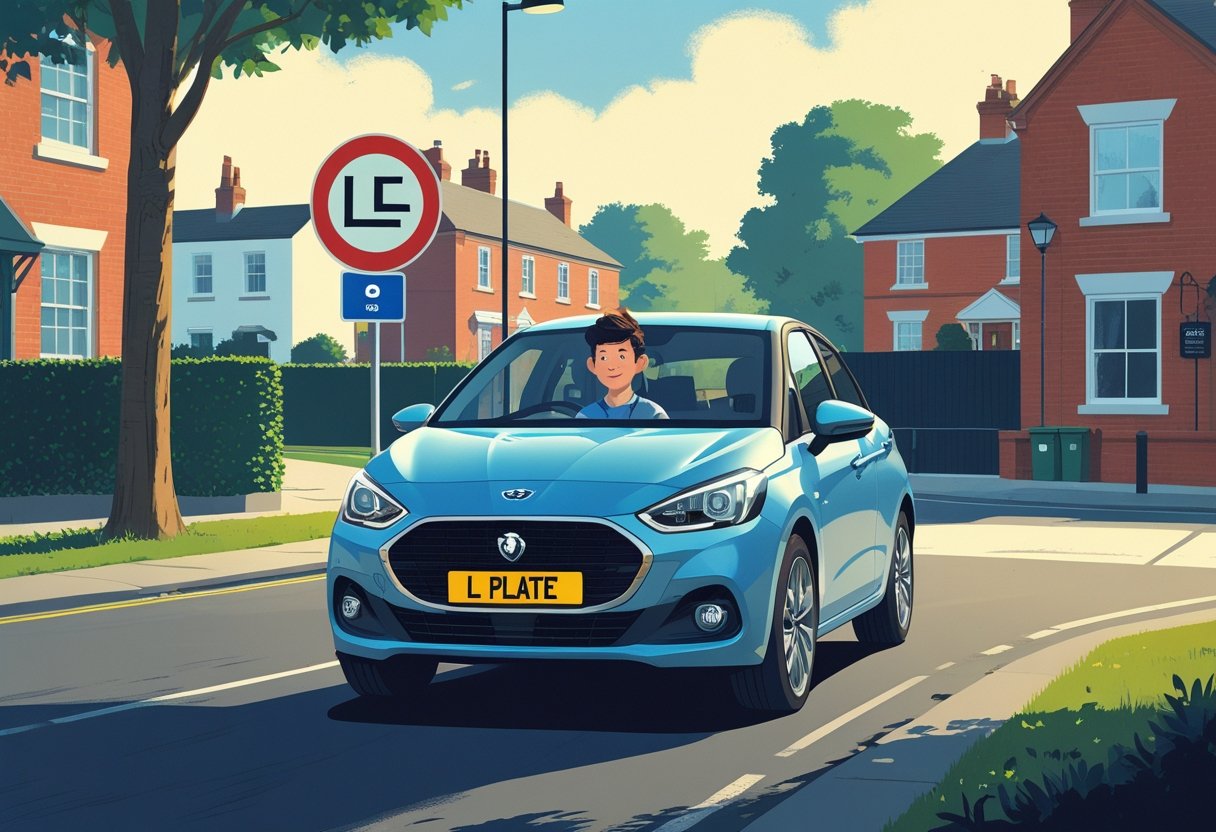
In the UK, you can start learning to drive a car when you’re 17 years old, though you can apply for your provisional licence when you’re 15 years and 9 months. This means you can get all the paperwork sorted well before your 17th birthday, so you’re ready to hit the road the moment you’re legally allowed. The minimum driving age requirements are straightforward, but there are a few exceptions and important details worth knowing.
Getting your licence isn’t just about reaching the right age. There are costs to consider, lessons to book, and quite a bit of preparation that can make your journey smoother. We’ll walk you through everything you need to know, from the moment you can apply for that provisional licence to the day you pass your test and drive solo for the first time.
Key Takeaways
- You can apply for a provisional licence at 15 years and 9 months, but must wait until 17 to start driving lessons
- Learning to drive requires proper supervision, L plates, and valid insurance before you can practise
- After passing both theory and practical tests, you’ll receive a full licence and can drive independently
Legal Driving Age in the UK Explained Clearly

Most people can start learning to drive at 17 years old in the UK. This is the standard age that applies across England, Scotland, Wales, and Northern Ireland.
However, there’s an important exception to this rule. 16-year-olds can apply for a provisional licence if they receive the enhanced rate of the mobility component of Personal Independence Payment (PIP).
We can apply for our provisional driving licence when we’re 15 years and 9 months old. This gives us time to get the paperwork sorted before we can actually start driving lessons.
Here’s what we need to know about the key ages:
| Age | What You Can Do |
|---|---|
| 15 years 9 months | Apply for provisional licence |
| 16 years | Learn to drive (only with enhanced PIP) |
| 17 years | Start driving lessons (standard age) |
Once we have our provisional licence, we must follow specific rules. We need L plates displayed on our car and must have supervision from either a qualified instructor or someone over 21 who has held their licence for at least three years.
The age requirements are the same whether we choose professional lessons or practice with family members. We just need to make sure we meet the legal requirements before getting behind the wheel.
Applying for Your Provisional Licence
Getting your provisional licence is the first real step towards driving freedom. You can apply for a provisional driving licence when you’re 15 years and 9 months old, which means you’ll have it ready before your 17th birthday.
What you’ll need:
- Valid UK passport or other identity documents
- Addresses where you’ve lived for the last 3 years
- £34 fee for online applications
- £43 fee for postal applications
The online application is faster and cheaper than posting your forms. Most people get their licence within a week when applying online.
Important requirements:
- You must be a UK resident
- You need to meet the minimum eyesight standards
- You must declare any medical conditions that could affect your driving
Your provisional licence shows which vehicles you can learn to drive. For cars, you need category B on your licence.
We recommend applying online through the DVLA website rather than using third-party sites that charge extra fees. The official process is straightforward and secure.
Keep your provisional licence safe once it arrives. You’ll need to carry it with you every time you drive as a learner. Without it, you’re not legally allowed to drive on UK roads.
Your provisional licence lasts for 10 years, so there’s no rush to pass your test immediately. This gives you plenty of time to learn at your own pace and build confidence behind the wheel.
When You Can Start Driving Lessons

We can start taking driving lessons at 17 years old in the UK. This is the standard legal age for most people to begin learning to drive a car on public roads.
There’s one important exception to this rule. If we receive the enhanced rate of mobility component of Personal Independence Payment (PIP), we can start driving lessons at 16.
What we need before starting:
- Valid provisional driving licence
- Be 17 years old (or 16 with enhanced PIP)
- Proper insurance coverage
- L plates displayed on the vehicle
We don’t need to pass our theory test before starting practical lessons. However, we must pass it before booking our practical driving test.
Under 17 driving lessons are available in controlled environments. These take place off-road with qualified instructors using dual-control vehicles.
We can choose between professional driving instructors or practising with family and friends. Professional lessons provide structured learning, whilst private practice offers flexible timing.
Types of lessons available:
- Professional driving school lessons
- Private practice with family/friends
- Intensive driving courses
- Off-road lessons for under 17s
The key is having our provisional licence sorted first. We can apply for this up to three months before our 17th birthday, so we’re ready to start lessons straight away.
How Age Affects Insurance and Costs
Your age plays a huge role in how much you’ll pay for car insurance. Young drivers face the steepest costs when they start driving.
Under 25? Expect Higher Premiums
Insurance companies charge more for drivers under 25. Young drivers face higher premiums even with clean driving records. This happens because younger drivers statistically have more accidents.
The Excess Challenge
We often see higher excess amounts for young drivers too. The excess is what you pay before insurance covers the rest of any claim. Young drivers may face steeper excess rates than older, more experienced drivers.
Learning vs Full Licence Costs
When learning with an instructor, you don’t need your own policy. The driving school covers you. But if you practice with family or friends, you’ll need learner insurance.
Short-term learner driver insurance works alongside existing policies the car owner has. This gives you flexibility whilst learning.
Age Groups and Pricing
| Age Range | Premium Level |
|---|---|
| 17-21 | Very High |
| 22-25 | High |
| 26-65 | Moderate |
| 65+ | Rising |
Insurance costs typically drop as you gain experience. Most drivers see significant savings once they reach their mid-twenties with a clean record.
Tips for Getting Ready Before You Turn 17
We can start preparing for driving lessons well before our 17th birthday. Getting organised early makes the whole process smoother and less stressful.
Apply for your provisional licence early. You can apply for a provisional driving licence when you’re 15 years and 9 months old. This gives you time to receive it before you turn 17.
Start saving money now. Driving lessons aren’t cheap, and neither is car insurance for new drivers. Setting aside money each month helps spread the cost.
Research driving instructors in your area. Good instructors get booked up quickly. We can ask friends and family for recommendations or check online reviews.
Learn the theory basics. We can start reading the Highway Code and practising theory test questions. Many apps make this easy to do in spare time.
Consider off-road driving experiences. Some companies offer driving lessons for 16-year-olds on private land. These help build confidence before real lessons begin.
Get familiar with car controls. Ask family members to show you the basics like indicators, handbrake, and mirrors whilst parked.
Plan your lesson schedule. Think about when you’ll have time for regular lessons. Most people need 20-40 hours of professional tuition.
Understand the costs involved. Budget for lessons, theory test, practical test, and potential retests. Insurance and car costs come later but are worth considering too.
What Happens After You Pass Your Test
Passing your driving test is exciting! You can drive alone immediately after passing. You don’t need to wait for your full licence to arrive in the post.
Your L plates must come off straight away. Replace them with P plates if you want to, but these are optional in England, Scotland and Wales.
Getting Your Full Licence
Your full driving licence takes up to three weeks to arrive, but you can drive without it. Keep your pass certificate as proof until it arrives.
Update your car insurance immediately. Tell them you’ve passed your test. This usually reduces your premiums.
New Driving Freedoms
You can now:
- Drive on motorways without an instructor
- Carry passengers of any age
- Drive at any time without supervision
- Use your phone hands-free whilst driving
Important First Steps
Book additional lessons if you feel unsure about motorway driving. Many new drivers find this helpful.
Consider Pass Plus courses. These teach advanced skills like night driving and motorway techniques. Some insurers offer discounts for completing this course.
Remember to renew your licence every 10 years. The DVLA will send you a reminder when it’s due.
Keep practising different routes and conditions. Passing your test is just the beginning of becoming a confident driver.
Conclusion: Your Road to Independence
Learning to drive represents one of life’s biggest milestones. We know it can feel overwhelming at first, but remember that millions of drivers started exactly where you are now.
The key facts to remember:
- Apply for your provisional licence at 15 years and 9 months
- Start driving lessons at 17 (or 16 with certain disabilities)
- You need proper supervision and L plates when practising
Getting your licence opens up incredible opportunities. You’ll gain freedom to travel independently, explore new places, and take on responsibilities like helping family members or commuting to work.
The journey from learner to confident driver takes time and patience. We encourage you to practise regularly, whether with a professional instructor or qualified family member who meets the legal requirements for supervising learner drivers.
Your next steps:
- Apply for your provisional licence
- Book theory test preparation
- Start practical lessons
- Practise regularly with supervision
Remember that learning to drive at any age requires dedication. Every expert driver was once a nervous beginner holding the steering wheel for the first time.
The road ahead leads to independence, confidence, and countless adventures. Your driving journey starts with that first step of getting your provisional licence. We believe you’re ready to take it.
Frequently Asked Questions
Learning to drive brings up many questions about timing and requirements. Most people can apply for their provisional licence at 15 years and 9 months, start lessons at 17, and take their theory test once they have their provisional licence.
At what stage is a provisional driving licence obtainable in the United Kingdom?
We can apply for a provisional driving licence at 15 years and 9 months old. This gives us time to get the paperwork sorted before we’re old enough to actually start driving.
The licence arrives by post within a few weeks. We need to have it before we can book any driving lessons or tests.
What is the youngest legal age to begin driving lessons with a qualified instructor in the UK?
Most of us can start driving lessons at 17 years old. This is when we can legally get behind the wheel on public roads with a qualified instructor.
There’s one exception to this rule. People who receive the enhanced rate of Personal Independence Payment can start learning at 16.
We must display L plates on the car during all lessons. The instructor’s car will already have dual controls for safety.
How early can teenagers apply for a Theory Test in the UK?
We can book our theory test as soon as we receive our provisional driving licence. There’s no minimum waiting period after getting the licence.
Most driving instructors suggest we wait until we’ve had some practical lessons first. This helps us understand the real-world situations that appear in theory test questions.
The theory test must be passed before we can book our practical driving test.
Are there any age-related restrictions for driving on public roads with a provisional licence?
We must be supervised at all times when driving with a provisional licence. The supervisor must be over 21 and have held their full licence for at least three years.
Speed limits are the same as qualified drivers in England, Scotland and Wales. However, in Northern Ireland, learner drivers are limited to 45 mph.
We can only drive on motorways with an approved instructor in a dual-control car. Family members cannot supervise motorway driving.
What prerequisites must be met before a young person can start learning to drive in the UK?
We need a valid provisional driving licence before we can start any driving lessons. This is the most important requirement.
The car we learn in must display L plates at all times. We must also have appropriate insurance cover as a learner driver.
We need to be supervised by either a qualified instructor or someone who meets specific requirements. Private supervisors must be over 21 and have held their licence for three years.
When are you eligible to book your first practical driving test in the United Kingdom?
We can only book our practical test after passing the theory test. Both parts of the theory test must be completed successfully.
There’s no minimum number of lessons required before taking the practical test. However, most instructors recommend we’re consistently driving to test standard.
We must be at least 17 years old to take the practical test. The test can be booked online or by phone once we have our theory test certificate.