

What Documents to Take to the Theory Test: Your Complete Checklist
Getting ready for your theory test can feel overwhelming, especially when you’re not sure what documents you need to bring. The good news is that the requirements are straightforward once you know what’s expected. You must bring your UK photocard driving licence to your theory test, and your test will be cancelled without a refund if you don’t have the correct identification.
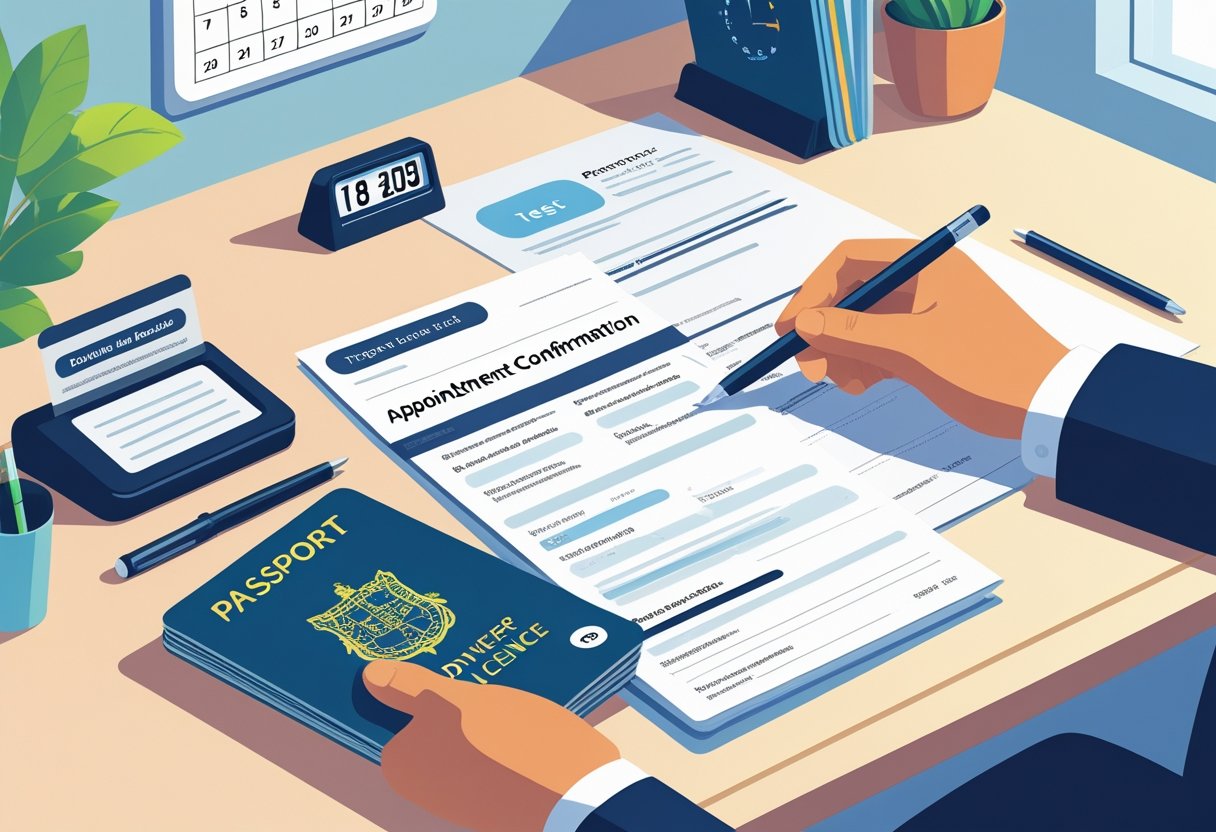
We understand that sorting out paperwork isn’t the most exciting part of learning to drive, but it’s absolutely crucial for your test day success. Whether you’ve got a standard photocard licence, a paper licence, or you’re dealing with special circumstances like a recent name change, we’ll walk you through exactly what you need. Getting this right means you can focus on what really matters: passing your theory test with confidence.
In this guide, we’ll cover everything from the essential documents you must bring to what items are allowed in the test room itself. We’ll also explore special situations that might affect your documentation requirements, help you understand what to expect when you arrive at the test centre, and give you those final confidence boosters to ensure you’re completely prepared for your big day.
The Essential Documents for Your Theory Test
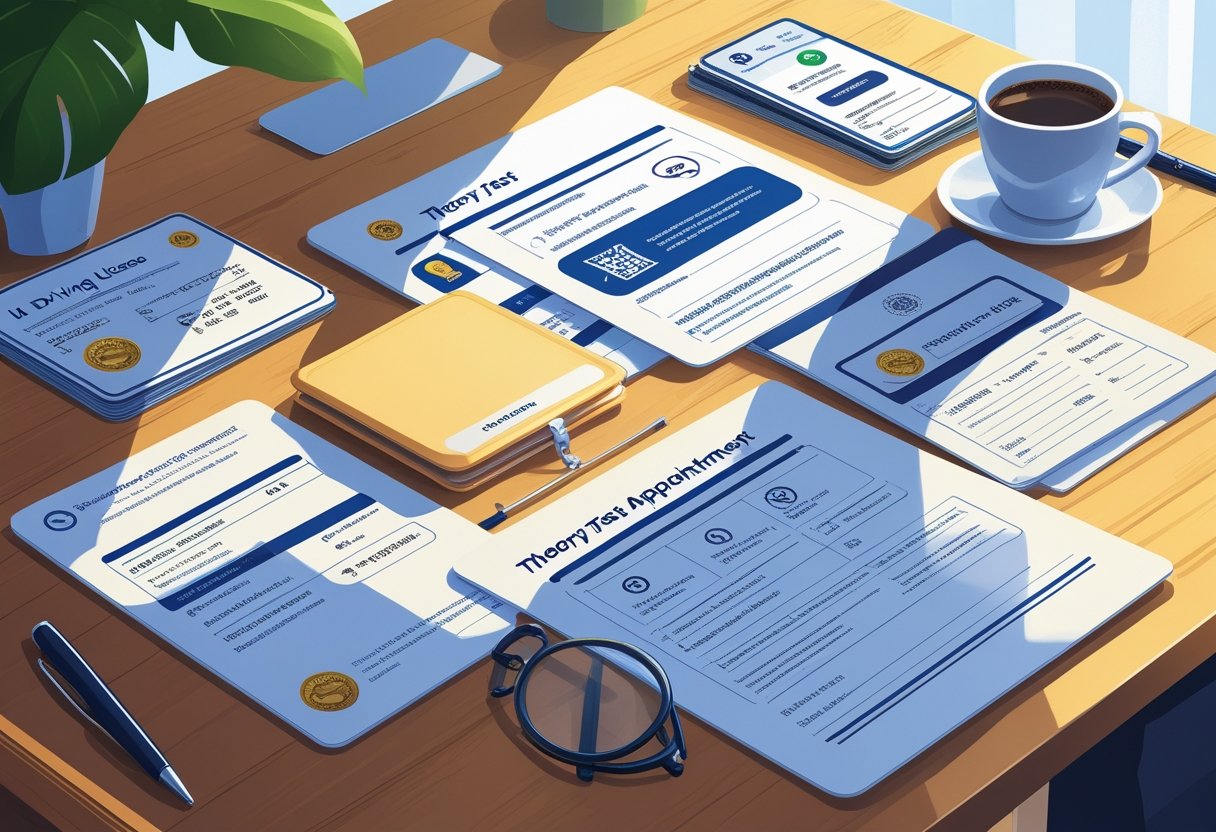
You’ll need your provisional driving licence as your main form of identification, though the exact requirements depend on which type of licence you hold. Your booking confirmation contains important details about your test appointment that you should review before heading to the test centre.
Provisional Driving Licence Requirements
Your provisional driving licence is the most important document you’ll bring to your driving theory test. The test centre staff use this to verify your identity and confirm you’re eligible to take the test.
You must bring your photocard provisional licence to gain entry to the test centre. This plastic card contains your photo, personal details, and licence number that match your booking information.
If you’ve misplaced your licence, you’ll need to apply for a replacement driving licence before your test date. Replacement licences can take up to 15 days to arrive.
Without the correct licence, your test will be cancelled immediately. You won’t receive a refund for your test fee, and you’ll need to book a new appointment.
Keep your provisional licence in a safe place leading up to your theory test. We recommend checking you have it with you the night before your appointment to avoid any last-minute panic.
Identification for Different Licence Types
The identification requirements vary depending on which type of driving licence you currently hold. Each licence type has specific rules you must follow to avoid problems at the test centre.
For UK photocard licences: Simply bring your photocard provisional licence. This covers England, Scotland, and Wales residents with modern plastic licences.
For Northern Ireland licences: You must bring both your photocard and the paper counterpart licence together. Both documents are required for Northern Ireland residents.
For old paper licences: Bring your paper licence plus a valid passport. If you don’t have a passport, you’ll need to upgrade to a photocard licence before your test.
Name changes after booking: Bring proof of your name change, such as a marriage certificate or deed poll. Without this proof, you must cancel and rebook your theory test using your new licence details.
Booking Confirmation and Test Appointment Details
Your booking confirmation contains vital information about your test appointment that you should review carefully before travelling to the test centre.
Check your confirmation email or letter for your test appointment time, date, and venue address. Arrive at least 15 minutes early to complete the check-in process without rushing.
Your booking reference number links your appointment to your provisional licence details. While you don’t always need to bring a printed copy, having this information readily available can speed up the registration process.
Verify that all personal details on your booking confirmation match exactly with your provisional driving licence. Any discrepancies between these documents could cause delays or prevent you from taking your driving theory test.
Double-check the test centre location and plan your route in advance. Some test centres share buildings with other businesses, so confirm the exact entrance and parking arrangements beforehand.
Special Circumstances with Documents
Sometimes you’ll face unique situations that require extra documentation or steps before your theory test. The DVLA has specific requirements for lost licences, name changes, and older paper licences that you need to know about.
What to Do If You’ve Lost Your Licence
Don’t panic if you’ve misplaced your photocard licence! We’ve all been there, and it’s more common than you might think.
You’ll need to apply for a replacement driving licence from the DVLA straight away. The licensing authority typically takes up to 15 days to process your application and send out the new card.
Here’s what we recommend:
- Apply for your replacement licence immediately
- Check your test date against the 15-day processing time
- Rearrange your theory test if the new licence won’t arrive in time
The test centre won’t make exceptions for missing documentation. You’ll lose your test fee if you turn up without proper ID, so it’s better to reschedule than risk wasting your money.
Keep track of your application status online. The DVLA usually sends updates about processing times, which helps you plan accordingly.
Documents Needed After a Name Change
Changed your name since booking your theory test? You’ll need to bring proof of this change with you on test day.
Acceptable proof includes:
- Marriage certificate
- Civil partnership certificate
- Deed poll documentation
- Divorce decree (if reverting to previous name)
The name on your booking must match your current driving licence. If you don’t have proper documentation, you’ll face two choices: bring the proof or cancel your current test.
Important: If you can’t provide name change proof, you must cancel your existing booking. Then book a fresh theory test using your new name and updated driving licence number from the DVLA.
We know this seems like extra hassle, but the test centre staff are quite strict about identity verification. It’s worth sorting this out properly rather than facing disappointment on test day.
Additional ID: Paper Licences and Passports
Still holding onto an old paper licence? You’re not alone, though you’ll need extra identification for your theory test.
Bring both your paper licence and a valid passport to the test centre. The photocard requirement exists because test centres need visual confirmation of your identity.
If you don’t have a passport:
- Apply for a photocard licence from the DVLA
- This replaces your paper licence entirely
- Processing usually takes 2-3 weeks
- You’ll need to send your paper licence with the application
The photocard route often works better long-term. You’ll have modern identification that’s accepted everywhere, plus you won’t need to carry multiple documents.
Test centres won’t accept other forms of photo ID like driving instructor badges or employee cards. It’s passport or photocard licence only, so plan accordingly when booking your test date.
What to Bring Into the Test Room: Permitted and Prohibited Items
The test centre has strict rules about what you can and can’t bring into the examination room. You’ll need to store most personal belongings in a designated area, and test centre staff will ensure prohibited items are not allowed within the examination room.
Personal Belongings and Security Checks
We know it might feel strange leaving your belongings behind, but test centres take security seriously. All personal belongings must be stored in a designated area before entering the testing room, and this includes items you might consider essential.
Here’s what you’ll need to store away:
Prohibited Items:
- Bags and handbags
- Wallets and purses
- Keys
- Jewellery (except wedding rings)
- Coats and jackets
The test centre provides secure storage for your belongings. You’ll receive a locker key or storage ticket to retrieve your items after the test.
Test centre staff conduct thorough security checks. They’ll ask you to empty your pockets and may use a handheld metal detector. Don’t worry about this process taking too long – it’s quick and straightforward.
What You Can Keep:
- Your driving licence (required for ID verification)
- Essential medical items (with prior approval)
- Indoor clothing you’re wearing
Electronic Devices and Study Materials
This is where many test takers get caught out, so let’s be crystal clear about the rules. You cannot bring bags, earphones, mobile phones, or watches into the exam room.
Completely Forbidden:
- Mobile phones and smartphones
- Smartwatches and fitness trackers
- Tablets and e-readers
- Bluetooth earbuds or headphones
- Calculators
Study Materials Are Off-Limits:
- Highway Code books
- Theory test apps (on any device)
- Revision notes or flashcards
- Practice test printouts
All electronic devices must be turned off before they are stored. The computer provided at your test station has everything you need for both the multiple-choice questions and hazard perception sections.
Don’t try to sneak anything in. The consequences aren’t worth it – you’ll lose your test fee and have to rebook.
Glasses, Contact Lenses, and Medical Supplies
Good news for spectacle wearers: you can absolutely wear your glasses or contact lenses during the test. In fact, we encourage it if you need them for driving.
Vision Aids Are Welcome:
- Prescription glasses
- Contact lenses (daily or monthly)
- Reading glasses for close-up work
If you wear contact lenses, consider bringing a small bottle of saline solution in case your eyes get dry. You’ll need to declare this to test centre staff, but they’re usually understanding about genuine medical needs.
Medical Equipment:
- Inhalers for asthma
- Insulin pens for diabetes
- Essential medications
For any medical supplies, contact the test centre beforehand. They can arrange special accommodations and ensure you have what you need without compromising test security.
Remember, the hazard perception section requires sharp vision to spot developing hazards quickly. If you normally wear glasses whilst driving, definitely wear them for your theory test.
Insurance, Vehicle Documents, and Related Requirements
Your vehicle must have valid insurance, current MOT certification, and proper tax documentation. Understanding these legal requirements helps you stay compliant and demonstrates knowledge essential for passing your theory test.
Insurance Certificates and Cover Notes Explained
Every vehicle on UK roads must have valid motor insurance as the absolute minimum legal requirement. You cannot drive without it, even as a learner driver.
Your insurance certificate serves as proof that your vehicle meets the legal minimum insurance standards. This document shows your policy number, coverage dates, and the vehicles included under your policy.
A cover note provides temporary insurance documentation whilst you wait for your full certificate to arrive. Cover notes typically last 30 days and give you the same legal protection as a permanent certificate.
Minimum insurance cover means third-party insurance, which covers damage you might cause to other people and their property. However, comprehensive insurance or fully comprehensive insurance offers broader protection for your own vehicle too.
Police officers can request to see your insurance documentation at any time. If you cannot produce these documents immediately, you typically have seven days to present them at a police station.
MOT Certificate and Vehicle Registration
The MOT test ensures your vehicle meets basic safety and environmental standards. Cars over three years old require an annual MOT certificate to drive legally on public roads.
Your MOT certificate proves your vehicle passed this mandatory safety inspection. The certificate shows the test date, expiry date, and any advisory notes about potential issues that might need attention.
Vehicle registration links your car to you as the owner or keeper. The vehicle registration certificate, commonly called the V5C, contains crucial details about your vehicle’s identity and ownership.
This vehicle registration document lists the registered keeper (usually the person responsible for the vehicle), along with technical specifications like engine size and emissions data. You must update the V5C whenever you change address or sell the vehicle.
Keep your registration documents safe, as replacing a lost V5C can take several weeks and costs money.
Road Tax, SORN, and Vehicle Excise Duty
Vehicle excise duty, commonly called road tax, must be paid before using your vehicle on public roads. The amount depends on your car’s emissions and age.
Your vehicle excise licence shows you have paid the required tax for your vehicle. Modern systems use digital records, but you should keep proof of payment available.
If your vehicle stays off public roads, you can declare a Statutory Off Road Notice instead of paying road tax. This SORN (Statutory Off-Road Notification) tells DVLA your vehicle will not be used on public highways.
Vehicles with a SORN declaration must stay on private property and cannot be driven on any public road, even briefly. You must have either valid road tax or an active SORN at all times.
Remember that untaxed vehicles without SORN face automatic penalties. The system tracks this digitally, so there is no hiding from unpaid vehicle excise duty obligations.
Arriving at the Test Centre: What to Expect
Your test centre experience begins the moment you step through the doors, where friendly staff will guide you through identity checks and help you settle in before your exam starts.
Check-In and Identity Verification
When you arrive at the test centre, we recommend getting there about 15 minutes early. This gives you time to find parking and locate the right building without rushing.
Head straight to the reception desk where test centre staff will greet you. They’ll ask for your driving licence and check it matches your booking details exactly. Your name must match perfectly, so if you’ve recently married or changed your name, bring proof like a marriage certificate.
The staff will verify your identity by comparing your photo to your appearance. If you have a paper driving licence, you’ll need a valid passport as additional photo ID.
Don’t worry if you feel nervous. Test centre staff see learner drivers every day and understand how you’re feeling. They’re trained to be patient and helpful during this process.
You’ll receive a brief explanation of what happens next and where to wait. Some centres give you a locker key or instructions about storing personal belongings.
Storing Personal Items and Waiting Area Tips
Most test centres provide secure lockers for your belongings. You’ll need to store your mobile phone, bags, books, and any study materials before entering the test room.
Keep your driving licence with you as you might need it again when entering the test area. Some centres also let you keep your car keys and wallet.
The waiting area usually has chairs and sometimes magazines or leaflets about driving. We suggest arriving calm rather than cramming last-minute revision, which often increases anxiety.
Other learner drivers will be waiting too, and you might hear different languages or see people of all ages. Remember, everyone’s in the same boat as you.
If you need the toilet, go before your test starts. Once you’re called into the test room, you can’t leave until you’ve finished both parts of the theory test.
Final Checks and Confidence Boosters Before Your Theory Test
Making sure your documents are ready and having a solid plan for test day will help you feel calm and prepared. We’ll cover the essential checks and strategies that turn pre-test nerves into quiet confidence.
Double-Checking Your Documents
The night before your test, lay out everything you need in one place. This simple step prevents any morning panic.
Your photocard driving licence is absolutely essential. Without it, you’ll be denied entry and lose your fee. Check the photo is clear and the licence hasn’t expired.
If you hold an old paper licence, you must bring a valid passport alongside it. Northern Ireland residents need both the photocard and paper counterpart.
Name changes require extra documentation. If you’ve changed your name since booking, bring proof like a marriage certificate or deed poll. Without this, your test will be cancelled.
Create a simple checklist:
- Valid photocard driving licence (or paper licence plus passport)
- Name change documents (if applicable)
- Booking confirmation details
- Arrival time noted
Double-check your licence matches the name on your booking exactly. Even small differences can cause problems on test day.
Travel Tips and Planning Your Arrival
Plan your journey to arrive 15-20 minutes early. This buffer time reduces stress and lets you settle before the test begins.
Check transport links the day before. Whether driving, taking the bus, or getting a lift, confirm your route and timing. Traffic delays happen, so always have a backup plan.
Parking can be tricky at busy test centres. Research nearby parking options and costs. Some centres have limited spaces, especially during peak times.
Bring some water and a light snack if you’re feeling nervous. Low blood sugar won’t help your concentration during the test.
Leave your phone in the car or switch it off completely. Test centres are strict about electronic devices, and you’ll need to pass through security checks.
Remember, this test opens doors to your practical test and eventual full licence. Some learners even consider the Pass Plus scheme after passing their practical test to build extra confidence and potentially reduce insurance costs.
Mindset and Preparation on Test Day
Start your morning with a nutritious breakfast. Your brain needs fuel to tackle those multiple-choice questions and hazard perception clips effectively.
Arrive feeling prepared, not panicked. You’ve studied the theory, practised hazard perception, and know what to expect. Trust in the work you’ve already done.
Take a few deep breaths before entering the test centre. Nervousness is completely normal. Even experienced drivers felt the same way during their theory test.
Focus on the positives. This test is your gateway to booking your practical test and getting closer to full independence on the roads. Think about all the places you’ll be able to drive once you pass.
During the test, read each question carefully. You have plenty of time, so don’t rush through the multiple-choice section.
Remember why you’re doing this. Whether it’s for work, family commitments, or personal freedom, keep your motivation clear. This knowledge will serve you well beyond test day, helping you avoid penalty points and stay safe throughout your driving career.
Stay calm if you don’t know an answer immediately. Often, your first instinct is correct, so trust your preparation and knowledge.
Frequently Asked Questions
Most people have questions about what to bring to their theory test, especially around identification requirements and backup options. The photocard driving licence is your main requirement, but certain situations may need additional documents or alternative arrangements.
What identification should I bring along to my theory test appointment?
You’ll need to bring your UK photocard driving licence as your main form of identification. This is the standard requirement that covers most test takers.
If you hold a Northern Ireland licence, you’ll need both the photocard and paper counterpart licence. Don’t forget the paper part, as both pieces are essential.
For those with older paper licences, you must bring a valid passport alongside your paper licence. The passport serves as your photo identification since paper licences don’t include pictures.
Can you list the paperwork I need to have before I sit for my driving theory test?
Your UK photocard driving licence is the primary document you’ll need. Make sure it’s valid and matches the name you used when booking your test.
If you’ve changed your name since booking, bring proof of the name change. This could be a marriage certificate or deed poll documentation.
Northern Ireland licence holders need both parts of their licence: the photocard and paper counterpart. Missing either part will result in test cancellation.
I’ve booked my theory test; which documents are a must-have on the test day?
The absolute essential is your UK photocard driving licence. Your test will be cancelled and you won’t get your money back if you don’t bring the correct identification.
Paper licence holders must also bring a valid passport. Without both documents, you won’t be able to sit your test.
If you’ve recently changed your name, pack your name change documentation alongside your licence. This prevents any booking complications at the test centre.
Are there any specific forms of ID that are considered invalid at the theory test centre?
Expired driving licences won’t be accepted, even if they’ve only just run out. The licence must be current and valid on your test date.
Paper licences on their own aren’t sufficient photo identification. You must pair them with a valid passport for the photo element.
Provisional licences from other countries typically aren’t accepted. You need a UK-issued provisional or full driving licence for your theory test.
What should I do if I don’t have the usual identification on the day of my theory test?
If you’ve lost your licence, you’ll need to apply for a replacement immediately. This process can take up to 15 days, so plan accordingly.
Consider rearranging your test if you won’t receive your replacement licence in time. It’s better to reschedule than lose your test fee entirely.
For paper licence holders without a passport, you’ll need to apply for a photocard licence. This gives you the photo identification required for test day.
Could you guide me through the process of what to pack, document-wise, for my upcoming theory test?
Start by checking your photocard driving licence is valid and readable. Put it somewhere safe where you won’t forget it on test morning.
If you have a paper licence, locate your valid passport and keep both documents together. Double-check your passport hasn’t expired recently.
Pack any name change documents if applicable, such as marriage certificates or deed polls. Keep everything in a folder or wallet section you can easily access at the test centre.