

What Happens During the Eyesight Check: Your Guide for Learner Drivers
Getting behind the wheel starts with one important step that many new drivers overlook: making sure you can actually see the road clearly. An eyesight check involves testing your distance vision, examining your eye health, and determining if you need glasses or contact lenses to drive safely. Whether you’re booking your first appointment or wondering what those mysterious tests actually do, we’re here to walk you through everything that happens during your visit to the optometrist.
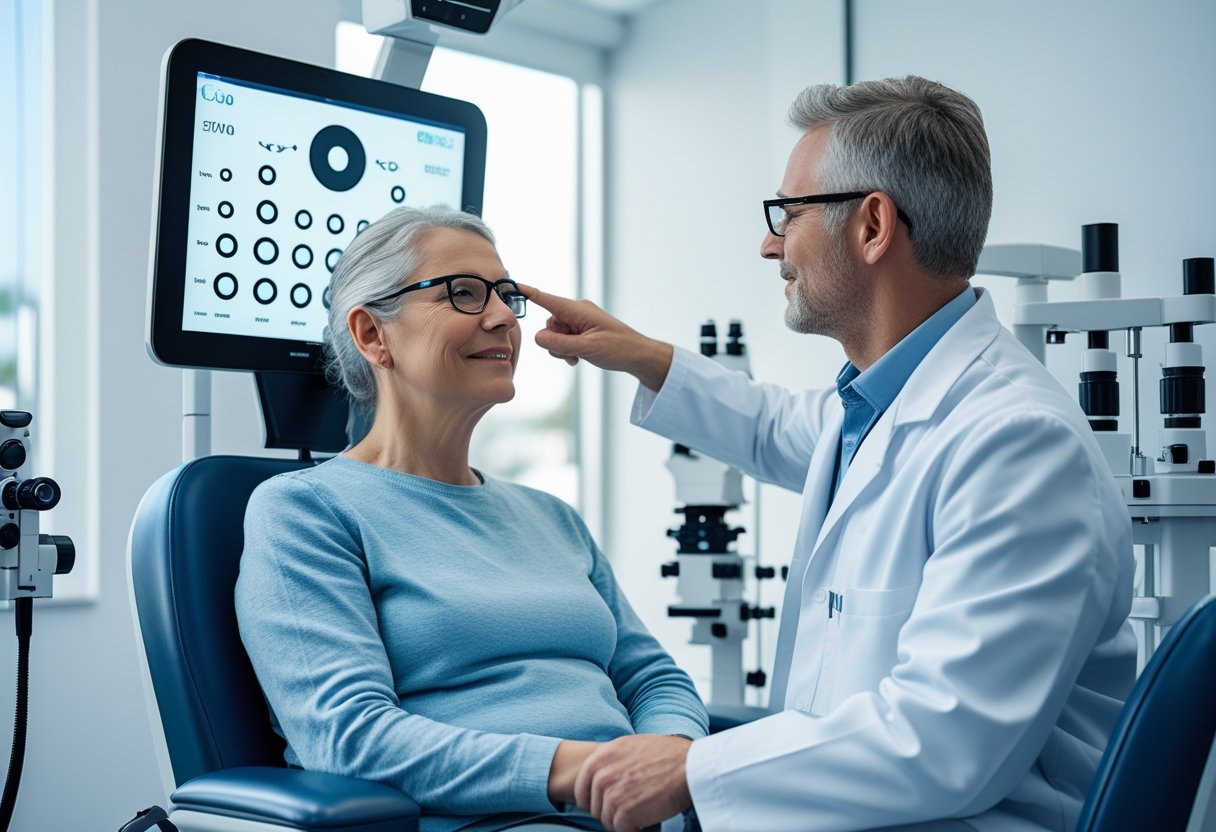
Your eyesight check isn’t just about reading letters on a chart (though that’s definitely part of it!). We’ll explore how your optometrist tests everything from your peripheral vision to the pressure inside your eyes, and why these checks matter so much for your driving journey. Understanding what to expect can help you feel more confident about your appointment and ensure you get the most from your eye test.
From the moment you sit down to discuss your lifestyle and any vision concerns, to walking out with a clear understanding of your results, we’ll guide you through each step of the process. You’ll discover how the NHS supports eye care, what all those different machines actually do, and how your prescription works if you need one.
Why Eyesight Checks Matter for Drivers
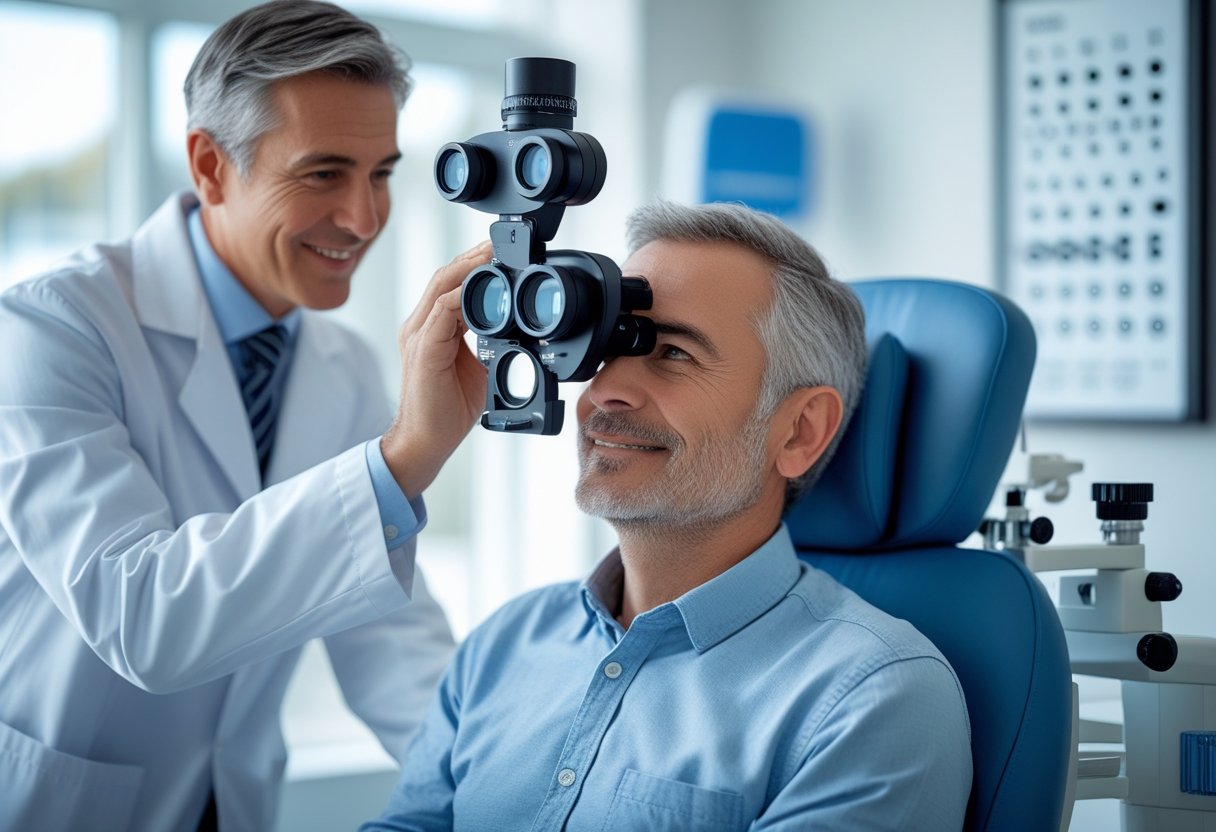
Your vision is your most important tool behind the wheel, and regular sight tests help ensure you can drive safely while meeting legal requirements. These checks also catch eye conditions early and protect your long-term eye health.
Legal Vision Standards for Learners
When you’re learning to drive, passing the eyesight check isn’t just a formality. It’s a legal requirement that keeps everyone on the road safer.
The basic standard is straightforward. You must read a number plate from 20 metres away. This applies whether you wear glasses or contact lenses whilst driving.
If you can’t meet this standard, you won’t be able to take your driving test. The examiner will ask you to do this check before you even start your practical exam.
Here’s what happens if you fail:
- Your test gets cancelled immediately
- You can’t drive until your vision improves
- You’ll need an eye test from an optician
- Police can fine you £1,000 and give you three penalty points
We always recommend getting a proper sight test before booking your driving test. Many learner drivers don’t realise they need glasses until this moment.
Your driving instructor should also check your vision during lessons. This helps avoid any nasty surprises on test day.
Protecting Your Eye Health on the Road
Driving puts unique demands on your eyes that you might not experience in daily life. Regular eye health checks help you handle these challenges safely.
Motorway driving is particularly demanding. You need sharp distance vision to spot hazards early. Poor vision makes it harder to judge speeds and distances accurately.
Night driving becomes much more difficult with declining eyesight. Glare from oncoming headlights can be blinding if you have certain eye conditions.
Weather conditions test your vision too:
- Rain reduces visibility significantly
- Bright sunlight can cause dangerous glare
- Fog requires excellent contrast sensitivity
We see many drivers who struggle with these conditions without realising their eyes are the problem. A comprehensive vision test can identify issues before they become dangerous.
Regular sight tests every two years help maintain the visual skills you need. Your optician can also recommend special driving glasses if needed.
Early Detection of Eye Conditions
Vision tests do much more than check if you can see clearly. They’re often the first place serious health problems get spotted.
Diabetes affects your eyesight gradually. Many people don’t know they have diabetes until an optician spots changes in their retina during a routine test.
High blood pressure also shows up in your eyes. Your optician can see damaged blood vessels that indicate this serious condition.
Glaucoma is particularly sneaky because it causes no symptoms in early stages. This eye disease can steal your peripheral vision without you noticing.
Other eye conditions we catch early include:
- Cataracts that develop slowly over time
- Macular degeneration affecting central vision
- Retinal problems that could cause blindness
Early detection means better treatment outcomes. Many eye diseases are manageable if caught soon enough.
Regular vision tests protect both your driving licence and your overall health. We recommend annual checks if you’re over 40 or have risk factors for eye diseases.
Meet Your Eyecare Team
When you visit for an eyesight check, you’ll meet different eye care professionals who each play a special role in looking after your vision. These trained specialists work together to make sure your eyes are healthy and your sight meets the standards you need for driving safely.
Role of the Optometrist
Your optometrist is the main person you’ll see during most routine eye tests. They’re trained to check your vision, spot eye problems, and work out if you need glasses or contact lenses.
During your appointment, we can expect the optometrist to ask lots of questions about our general health and any vision concerns. They’ll want to know about headaches, eye strain, or trouble seeing clearly while driving.
The optometrist uses special equipment to test how well we see at different distances. They’ll ask us to read letters on a chart and look through different lenses to find the right prescription.
Key tests they perform:
- Vision sharpness tests
- Eye pressure checks
- Looking inside our eyes
- Testing how our eyes work together
Most optometrists can also detect serious conditions like glaucoma or diabetes through eye examinations. If they spot something that needs more specialist care, they’ll refer us to the right place for treatment.
What Opticians and Ophthalmologists Do
Opticians help us choose the right glasses or contact lenses once we have a prescription. They’re experts at fitting frames properly and making sure our new specs work well for driving and daily life.
We might also meet dispensing opticians who specialise in making sure our glasses sit correctly on our face. They’ll adjust frames and explain how to care for our new eyewear.
Ophthalmologists are medical doctors who specialise in eye surgery and treating serious eye conditions. We’ll usually see them at a hospital eye clinic if our optometrist finds something that needs medical treatment.
When we might see an ophthalmologist:
- Eye injuries or infections
- Cataracts needing surgery
- Retinal problems
- Complex eye diseases
Our GP might also refer us directly to an ophthalmologist if we have symptoms like sudden vision loss or severe eye pain.
How Eye Specialists Support Drivers
Specialist optometrists often work with driving organisations to help people meet eyesight standards. They understand exactly what vision requirements we need for different types of driving licences.
These specialists can perform specific tests that check our side vision and how well we see in different lighting conditions. This is really important for safe driving, especially at night or in poor weather.
If we’re struggling to meet driving standards, specialist optometrists can suggest the best type of glasses or contact lenses to help. They might recommend special coatings or lens types that reduce glare from headlights.
Support they provide:
- Vision assessments for licence applications
- Advice on the best eyewear for driving
- Reports for DVLA if needed
- Follow-up care to monitor changes
Some hospital eye clinics have dedicated services for drivers who need extra support with their vision. They work closely with licensing authorities to help us stay safe on the roads while keeping our independence.
History and Lifestyle: The First Step
Your eye examination begins with a thorough chat about your health, habits, and any vision worries you might have. This conversation helps your optometrist understand your unique situation and spot potential risk factors that could affect your eye health.
Discussing Your Symptoms and Concerns
We’ll start by talking about any vision problems you’ve noticed recently. Your optometrist wants to hear about everything, no matter how small it might seem.
Common symptoms we’ll discuss include:
- Blurry vision at any distance
- Frequent headaches or eye strain
- Difficulty seeing at night
- Flashing lights or floaters
- Double vision
Don’t worry if you feel like you’re being a bit dramatic about minor issues. These details help paint a complete picture of your eye health. We often find that symptoms you might dismiss as “just getting older” can actually point to treatable conditions.
Your optometrist will also ask about when these problems started. Did they come on suddenly or gradually? Do they happen at specific times of day? This timing can be crucial for diagnosis.
Reviewing Medical and Family History
Your overall health plays a bigger role in your vision than you might expect. We’ll chat about any medical conditions you have, particularly diabetes and high blood pressure.
Diabetes can seriously affect your eye health. It damages the tiny blood vessels in your retina, potentially leading to diabetic retinopathy. If you’re diabetic, regular eye examinations become even more important for catching problems early.
We’ll also discuss your family’s eye health history. Conditions like glaucoma and macular degeneration often run in families. Knowing your genetic risks helps us watch for early warning signs.
Previous eye injuries or surgeries are equally important. Even that childhood accident with a cricket ball could be relevant today.
Lifestyle Habits That Affect Your Vision
Your daily habits have a massive impact on your eye health. We’ll explore several key areas that might surprise you.
Screen time tops our list of concerns. How many hours do you spend looking at computers, phones, or tablets? Digital eye strain is becoming incredibly common, causing headaches and blurred vision.
Sun exposure matters too. Do you wear sunglasses regularly? UV rays can contribute to cataracts and macular degeneration over time.
Your job might affect your vision as well. Welders, construction workers, and office staff all face different eye health challenges. We’ll discuss any protective eyewear you might need.
Smoking significantly increases your risk of serious eye conditions. If you smoke, we’ll chat about how this affects your vision and overall eye health.
Your Eyesight Assessment Explained
Your eyesight assessment forms the core of any comprehensive eye exam, testing how clearly you see at different distances and checking for potential vision problems. We’ll examine how well your eyes focus on letters and shapes, measure your ability to see both near and far objects, and assess your peripheral vision and colour perception.
The Visual Acuity Test
The visual acuity test is what most people picture when they think of an eye test. You’ll sit in front of a chart covered with letters that get smaller as you move down each row.
The Snellen chart is the most common tool we use. It measures how well you see from about 6 metres away. You’ll cover one eye and read the letters aloud, starting from the top.
The letters become progressively smaller. Don’t worry if you can’t read the tiniest ones – that’s completely normal! We’re looking for the smallest line you can read clearly.
Your optometrist might ask you to read through different lenses. This happens when they place a special frame on your face with various lenses. This helps determine if you need glasses or if your current prescription needs updating.
Some practices use digital charts or projection systems instead of traditional wall charts. The principle remains exactly the same – we’re measuring the sharpness of your vision.
Checking Your Near and Distance Vision
Your eyes work differently when focusing on objects at various distances. We need to test both capabilities during your sight test.
Distance vision testing uses the chart method we’ve just discussed. This shows how well you see objects far away, like road signs or television screens.
Near vision assessment involves reading from a small card held at normal reading distance. You might recognise this as similar to reading a book or checking your mobile phone.
The text on these cards comes in different sizes. We start with larger print and work down to smaller text. This helps us understand if you need reading glasses or bifocals.
Intermediate vision gets tested too, especially if you spend time at computers. This distance sits between near and far vision. Modern life demands good vision at this range for screen work.
Exploring Peripheral and Colour Vision
Peripheral vision lets you see movement and objects to the sides whilst looking straight ahead. Visual field testing checks this important aspect of sight.
You’ll focus on a central point whilst lights or objects appear in your side vision. Simply indicate when you spot them appearing. This test reveals any blind spots or vision loss you might not have noticed.
The Ishihara test checks colour vision using plates with coloured dots. Numbers or patterns hide within these dots, visible only if your colour vision works properly.
Some people discover they have colour vision differences during routine eye exams. This affects roughly 1 in 12 men and 1 in 200 women. It’s nothing to worry about – just useful information about how your eyes work.
Modern practices sometimes use computerised visual field machines. These provide more detailed results and can track changes over time.
Eye Health Checks in Detail
Eye health checks go far beyond simply testing your vision. These detailed examinations use special tools to spot early signs of glaucoma, cataracts, and other serious conditions that could affect your sight.
Examining Inside and Outside the Eye
Your optometrist uses an ophthalmoscope to get a close look at the inside of your eyes. This handheld device shines a bright light through your pupil so we can examine your retina and optic nerve.
Don’t worry when your optometrist leans in very close during this part. The light might seem quite bright, but it’s completely safe.
Many practices now use optical coherence tomography (OCT) scans. This modern technology creates detailed pictures of your retina’s layers without any discomfort.
The OCT scan helps spot problems like macular degeneration much earlier than traditional methods. You’ll simply rest your chin on a support whilst the machine takes the images.
Your optometrist also checks the front parts of your eye using a slit lamp microscope. This examination looks for signs of cataracts, which cause the lens inside your eye to become cloudy.
The slit lamp can spot dry eyes, infections, and damage to your cornea too.
Testing Eye Pressure Safely
Eye pressure testing screens for glaucoma, a condition that can steal your sight without warning. High pressure inside your eye can damage your optic nerve over time.
The most common test uses a gentle puff of air directed at your eye. You might blink instinctively, but the machine still gets an accurate reading.
Some optometrists prefer using a tonometer that lightly touches your eye instead. They’ll put numbing eye drops in first, so you won’t feel anything uncomfortable.
Normal eye pressure ranges between 10 and 21 mmHg. Higher readings don’t always mean you have glaucoma, but they do need monitoring.
Your optometrist might check your pressure at different times of day. Eye pressure naturally changes throughout the day, with many people having higher readings in the morning.
Muscle and Movement Assessments
Your eye muscles work together to move your eyes smoothly and keep your vision sharp. Problems with these muscles can cause double vision or eye strain.
Your optometrist will ask you to follow a pen or small light with your eyes. They’re watching to see if both eyes move together properly.
This test spots muscle weakness or coordination problems that might make reading difficult. Children especially benefit from these checks, as muscle problems can affect their learning.
We also test how well your pupils react to light and close objects. Pupils should get smaller in bright light and larger in dim conditions.
Problems with pupil reactions can signal issues with your nervous system. Your optometrist might ask about headaches or other symptoms during this part of the examination.
Some people have naturally unequal pupil sizes, which is usually harmless but worth monitoring.
Glasses, Contact Lenses, and Your Prescription
After your eye test, we’ll determine if you need vision correction and create a personalised prescription based on your specific needs. This prescription becomes the blueprint for glasses or contact lenses that will help you see clearly and comfortably.
Finding Your Glasses or Contact Lens Prescription
Your prescription comes directly from the refraction test we perform during your eye examination. We use a special device called a phoropter, which contains multiple lenses that we switch between to find the perfect combination for your vision.
During this process, we’ll ask you to compare different lens options. You’ll hear us say things like “Which looks clearer, option one or option two?” This helps us fine-tune your prescription with precision.
We also use an autorefractor machine that gives us a starting point by measuring how light enters your eye. This technology provides a baseline measurement that we then refine through manual testing.
Your prescription includes several key measurements:
- Sphere (SPH): Corrects short-sightedness or long-sightedness
- Cylinder (CYL): Addresses astigmatism if present
- Axis: Shows the direction of astigmatism correction
- Addition (ADD): For reading glasses or bifocals
The prescription for contact lenses differs slightly from spectacles because contacts sit directly on your eye. We take additional measurements like your eye’s curvature and size to ensure proper fit.
How Prescriptions Are Decided
We determine your prescription through a combination of objective measurements and your personal feedback about what feels most comfortable. The process isn’t just about achieving the sharpest possible vision.
We consider your lifestyle, work requirements, and daily activities when finalising your prescription. Someone who spends hours at a computer might need different corrections than someone who drives frequently.
Factors that influence your prescription include:
- Your age and any developing conditions like presbyopia
- Existing eye conditions such as early cataracts
- How much your vision has changed since your last test
- Whether you prefer glasses, contact lenses, or both
For those with presbyopia, we might recommend progressive lenses or separate reading glasses. We’ll explain the benefits of each option so you can make an informed choice.
If you have myopia (short-sightedness), we’ll ensure distant objects become crystal clear. For hyperopia (long-sightedness), we focus on improving your near vision comfort.
Advice for Wearing Spectacles and Contacts
Getting used to new glasses or contact lenses takes patience, especially if it’s your first prescription or there’s been a significant change. We recommend wearing them consistently rather than switching back and forth with old pairs.
For new spectacle wearers:
- Start by wearing them for short periods and gradually increase
- Clean your lenses daily with proper cleaning solutions
- Store them safely when not in use
- Book regular check-ups to monitor any prescription changes
Contact lens guidance includes:
- Following proper hygiene routines before handling lenses
- Using the correct cleaning and storage solutions we recommend
- Never sleeping in daily lenses or exceeding recommended wearing times
- Replacing lenses according to their schedule (daily, weekly, or monthly)
If you experience headaches, eye strain, or blurred vision with your new prescription, don’t worry. These symptoms often settle within a few days as your eyes adjust.
We’re always here to help if you have concerns about your new prescription. Sometimes minor adjustments make all the difference in your comfort and visual clarity.
Understanding Your Test Results
After your eye test finishes, your optometrist will sit down with you to explain what they found and what it means for your vision. They might recommend new glasses, suggest treatment for an eye condition, or refer you to a specialist if they spot something that needs closer attention.
What Your Optometrist Explains Next
Your optometrist will walk you through your results in plain English, making sure you understand what’s happening with your eyes. They’ll start by telling you if your prescription has changed and by how much.
If you need new glasses or contact lenses, they’ll explain the numbers on your prescription. These might look confusing at first, but your optometrist will break down what each measurement means for your daily vision.
What you’ll learn about:
- Whether your sight has improved, stayed the same, or gotten worse
- If you need glasses for the first time or a stronger prescription
- How your eye health looks compared to your last visit
- Any early signs of eye problems they’ve spotted
Your optometrist will also discuss how often you should return for check-ups. Most people need tests every two years, but some folks need them more frequently based on their age, health conditions, or family history.
When You’ll Need a Follow-Up or Referral
Sometimes your optometrist will want to see you again sooner than usual or send you to a specialist. This doesn’t mean something terrible is wrong, but it shows they’re taking good care of your eyes.
You might need a follow-up if:
- Your prescription changed significantly
- They want to monitor a condition they’ve found
- Your eye pressure needs checking again
- You’re trying new contact lenses
Your optometrist will refer you to a hospital eye clinic or specialist if they spot signs of serious conditions. This might happen if they find unusual changes in your retina or optic nerve.
The referral process is straightforward. Your optometrist will explain what they’ve seen and why you need specialist care. They’ll often write a letter explaining their findings to help the specialist understand your situation.
Common Eye Conditions Found in Tests
Regular eye tests help catch problems early, often before you notice any symptoms. Your optometrist can spot the beginning stages of several serious conditions during routine examinations.
Diabetic retinopathy affects people with diabetes and damages blood vessels in the retina. If you have diabetes, your optometrist will look carefully for tiny blood vessel changes or bleeding at the back of your eye.
Macular degeneration affects your central vision and becomes more common as we age. Your optometrist can spot early signs by examining your macula, the part of your retina responsible for detailed vision.
Other conditions we commonly find include:
- Glaucoma (increased eye pressure that can damage your optic nerve)
- Cataracts (clouding of your eye’s natural lens)
- Dry eye syndrome
- Retinal tears or detachment
Early detection makes a huge difference with eye disease. Many conditions respond much better to treatment when caught early, which is why regular check-ups matter so much for protecting your sight.
NHS Sight Tests: Support and Access
The NHS provides free eye tests for many people, along with help paying for glasses or contact lenses. Understanding who qualifies and what to bring can help you make the most of your appointment.
Who Can Get a Free NHS Eye Test
Good news: many of us qualify for a free NHS eye test without realising it. If you’re under 16 or between 16-18 and in full-time education, you won’t pay a penny.
Adults aged 40 and over with a parent, sibling, or child who has glaucoma get free tests. This family history check is crucial for catching problems early.
Free NHS eye tests are available if you:
- Are 60 or older
- Have diabetes or glaucoma
- Are at risk of glaucoma (as advised by an eye specialist)
- Are registered blind or partially sighted
People receiving certain benefits also qualify. This includes Income Support, Pension Credit, or Universal Credit (if you meet income requirements).
If you have an HC2 certificate, your NHS sight test is completely free. Those with HC3 certificates pay a reduced fee based on their financial circumstances.
What to Bring to Your Appointment
Being prepared makes your NHS sight test run smoothly and helps your optometrist give you the best care possible.
Essential items to bring:
- Current glasses or contact lenses (even if they feel wrong)
- Any previous prescriptions you have
- List of medications you’re taking
- Your HC2 or HC3 certificate (if you have one)
Write down any eye problems or changes in your vision beforehand. We often forget important details when we’re in the appointment.
Bring sunglasses for afterwards. Your optometrist might use eye drops to get a better look inside your eyes, making them sensitive to bright light.
If you’re booking for a child, bring their red book (personal child health record) and any letters from school about vision concerns.
Making the Most of Your NHS Sight Test
Your free NHS eye test covers much more than just checking if you need glasses. It’s a complete health check for your eyes and can spot early signs of serious conditions.
Don’t rush through the appointment. Ask questions about anything you don’t understand. Your optometrist can explain what each test involves and why it’s important.
Be honest about your lifestyle and any vision problems. Whether you spend hours on screens, play sports, or have trouble driving at night, this information helps create the perfect prescription for you.
Key questions to ask:
- How often should I have eye tests?
- Are there any signs of eye disease?
- What can I do to keep my eyes healthy?
- Do I qualify for help with glasses costs?
If your optometrist finds anything concerning, they’ll write to your GP or refer you to the eye hospital. Don’t worry – catching problems early usually means better outcomes.
Your NHS sight test results include a written prescription if you need glasses. Keep this safe, as you can use it at any optician to buy glasses or contact lenses.
Frequently Asked Questions
Most learner drivers have specific questions about what the vision screening involves and how to prepare for this crucial part of their driving test. The eyesight check varies slightly depending on your licence type and personal circumstances, but understanding the basics helps you feel ready and confident.
What can I expect to do in a vision screening when applying for my driving licence?
During your vision screening, you’ll read a number plate from 20 metres away. This simple test checks if your eyesight meets the minimum standard for safe driving.
The examiner will ask you to identify the letters and numbers on a standard UK number plate. You’ll have multiple attempts if needed, and the test happens in normal daylight conditions.
If you struggle with the distance, the examiner might move you closer to check if glasses or contact lenses could help. This test ensures you can spot hazards, read road signs, and see other vehicles clearly whilst driving.
Are there any specific requirements I should be aware of for the visual acuity test?
You need 6/12 vision in at least one eye to pass the standard car driving test. This means you can see at 6 metres what someone with perfect vision sees at 12 metres.
For those with sight in only one eye, your remaining eye must meet this standard. The horizontal visual field must be at least 120 degrees with no significant defects.
Some medical conditions affect your vision requirements. If you have diabetes, glaucoma, or other eye conditions, you might need regular eye tests to keep your licence valid.
How should I prepare for the eyesight test part of my driving exam?
Book an eye test with an optometrist before your driving test, especially if you haven’t had one recently. This gives you time to get glasses or update your prescription if needed.
Practice reading number plates from 20 metres away in different lighting conditions. Try this with a friend or family member to build your confidence.
Get plenty of sleep the night before your test. Tired eyes don’t focus as well, and you want to perform at your best when it matters most.
What happens if I wear glasses or contacts; do I need to bring them to the eye examination?
Absolutely bring your glasses or contact lenses if you need them for distance vision. You should wear whatever helps you see clearly whilst driving.
Tell the examiner that you use visual aids before the test begins. They’ll note this on your licence, which means you must always wear them when driving.
Make sure your glasses are clean and your contact lenses feel comfortable. Smudged lenses or irritating contacts could affect your performance during the screening.
During the eyesight test, will I need to identify colours or just read letters and numbers?
The standard driving test only requires reading letters and numbers on a number plate. You won’t face a separate colour vision test for most driving licences.
However, you’ll encounter coloured traffic lights, road signs, and signals during your practical test. These form part of your overall driving assessment rather than a specific colour test.
Certain professional driving roles might require colour vision tests, but these happen separately from your standard licence application.
Is there a difference between the eyesight checks for a car licence and a heavy vehicle licence?
Heavy vehicle licences require stricter vision standards than standard car licences. You’ll need better visual acuity and a wider field of vision for lorry or bus driving.
Professional drivers often need regular medical examinations, including detailed eye tests every few years. These comprehensive checks go beyond the basic number plate test.
The D4 medical form for heavy vehicle licences includes specific vision requirements that a qualified medical professional must verify. This process is more thorough than the roadside screening for car licences.