

What Medical Conditions Must You Declare on a Provisional Licence Application?
When you’re applying for your provisional driving licence, being honest about your health feels like the right thing to do. If you have any medical condition that could affect your ability to drive safely, you must declare it on your provisional licence application form. This isn’t about creating barriers; it’s about ensuring everyone stays safe on the roads, including you.

We know that declaring a medical condition might feel daunting, especially when you’re excited about starting your driving journey. Perhaps you’re worried it might delay your application or affect your chances of getting on the road. The good news is that having a medical condition doesn’t automatically disqualify you from driving. The DVLA simply needs to understand how it might impact your ability to drive safely.
Throughout this guide, we’ll walk you through exactly which conditions need declaring, why it matters so much, and what happens after you’ve been honest about your health. You’ll discover that being upfront from the start actually puts you in the best possible position for a smooth driving journey ahead, and we’re here to support you every step of the way.
Why Declaring Medical Conditions Matters

Being honest about your health when applying for a provisional licence protects everyone on the road and keeps you on the right side of the law. We’ll explore your responsibility as a future driver and what happens if you choose not to disclose relevant conditions.
Road Safety and Personal Responsibility
When we’re learning to drive, we’re not just picking up a new skill, we’re joining a community of road users who depend on each other’s honesty and responsibility. Your health directly affects how safely you can handle a car, especially during those crucial early months behind the wheel.
Certain conditions can impact your concentration, reaction times, or physical ability to control a vehicle. Think about conditions like epilepsy, diabetes requiring insulin, or severe anxiety disorders. These don’t automatically disqualify you from driving, but they need proper assessment.
The DVLA uses this information to:
- Ensure you receive appropriate support during training
- Determine if you need medical reviews
- Protect other road users from preventable accidents
We believe every aspiring driver deserves the chance to get behind the wheel safely. By declaring your conditions upfront, you’re taking the first step towards becoming a responsible driver who puts safety first.
Legal Duties for Learner Drivers
The law treats provisional licence holders just as seriously as full licence drivers when it comes to medical disclosure. You’re legally required to declare any condition that might affect your driving ability, even before you’ve had your first lesson.
This isn’t bureaucratic red tape; it’s a legal framework designed to keep everyone safe. The Road Traffic Act makes it crystal clear that failing to declare relevant conditions is a criminal offence, not just an administrative oversight.
Your legal obligations include declaring:
- Conditions affecting vision or hearing
- Heart problems or blood pressure issues
- Mental health conditions that impact concentration
- Any medication that causes drowsiness
Remember, we’re talking about conditions that could genuinely affect your driving. A broken arm that’s healed completely won’t need declaring, but ongoing conditions absolutely will.
Consequences of Non-Disclosure
Let’s be straight with you, the penalties for not declaring medical conditions are serious and can derail your driving dreams completely. We’re not trying to scare you, but you need to know what’s at stake.
Financial penalties start at £1,000, which is a hefty sum for most learner drivers. But that’s just the beginning of your troubles.
If you have an accident and investigators discover you failed to declare a relevant condition, you could face criminal prosecution. Your insurance might refuse to pay out, leaving you personally liable for potentially enormous costs.
Perhaps most importantly, your licence could be revoked entirely. This means starting the whole process again from scratch: theory test, practical test, the lot. We’ve seen learners lose years of progress because they weren’t honest from the start.
Your insurance premiums will also skyrocket if insurers discover non-disclosure. Many won’t cover you at all, making it nearly impossible to drive legally.
The reality is simple: honesty from day one protects your future as a driver and saves you from these devastating consequences.
Core Medical Conditions You Must Declare
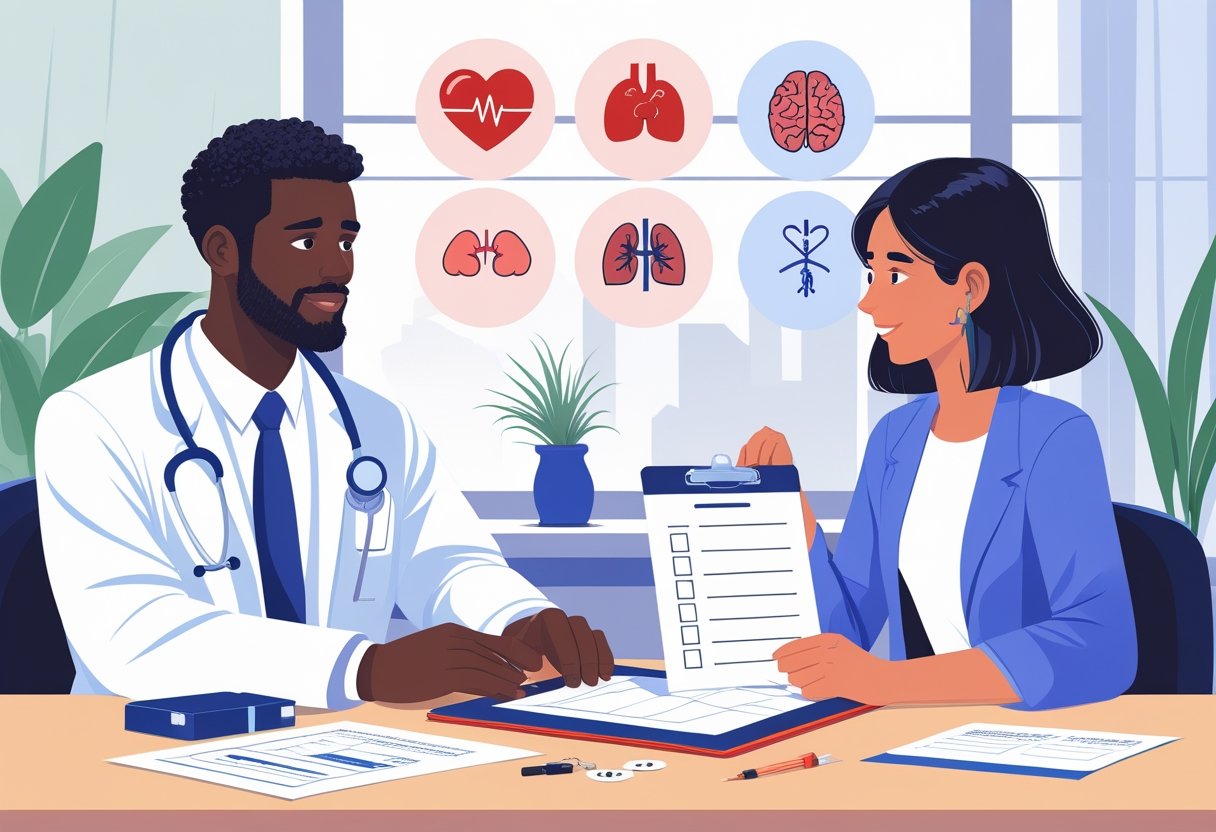
When applying for your provisional licence, certain health conditions require immediate disclosure to the DVLA. These include epilepsy, diabetes requiring insulin treatment, heart conditions, and sleep disorders that could affect your alertness behind the wheel.
Epilepsy and Seizures
If you’ve experienced epilepsy or any type of seizure, we need to be completely honest with the DVLA from the start. This isn’t about limiting your dreams—it’s about ensuring you can drive safely when the time comes.
You must declare epilepsy even if it’s well-controlled with medication. The DVLA needs to know about any seizure activity within the past year, including absence seizures or brief episodes you might think are minor.
For car licences, you’ll typically need to be seizure-free for one year before you can drive. This period might seem lengthy, but it’s designed to protect you and other road users.
The good news? Many people with epilepsy do get their licences approved. Your neurologist will need to provide medical evidence showing your condition is stable and well-managed.
Don’t worry about being judged—the DVLA processes thousands of these applications. Their medical team understands epilepsy thoroughly and will assess your individual circumstances fairly.
Diabetes Requiring Insulin
Living with insulin-dependent diabetes doesn’t mean your driving ambitions are over. However, we must declare this condition because blood sugar fluctuations can affect your ability to drive safely.
The key concern is hypoglycaemia—when your blood sugar drops too low. This can cause confusion, dizziness, or even loss of consciousness, which obviously presents serious risks whilst driving.
You’ll need to demonstrate excellent diabetes management. This means regular blood glucose monitoring, understanding your symptoms, and having a solid routine for managing your condition.
Your doctor will need to complete medical forms confirming you have good awareness of low blood sugar symptoms. They’ll also verify that your diabetes is well-controlled and stable.
Most insulin-dependent diabetics receive licences with specific conditions. You might need to test your blood sugar before driving and carry glucose supplies in your car.
Heart-Related Conditions
Heart conditions cover a broad spectrum, from minor arrhythmias to more serious issues like heart attacks or fitted pacemakers. We understand this can feel overwhelming, but many heart patients successfully obtain their licences.
Common heart conditions requiring declaration include:
- Atrial fibrillation
- Heart attacks or angina
- Fitted pacemakers or defibrillators
- Heart valve problems
- Cardiomyopathy
The DVLA’s main concern is whether your condition could cause sudden incapacitation whilst driving. They’ll want evidence from your cardiologist about your current heart function and treatment plan.
Recovery time varies depending on your specific condition. After a heart attack, you typically cannot drive for at least one month, but many people return to normal driving afterwards.
Your consultant’s report is crucial here. They’ll assess your exercise tolerance, medication stability, and overall heart function to determine your fitness to drive.
Sleep Disorders Affecting Alertness
Sleep apnoea and other sleep disorders can seriously impact your alertness behind the wheel. If you’ve been diagnosed with any condition affecting your sleep quality, we need to declare this upfront.
Sleep apnoea is particularly important to declare because it causes interrupted sleep, leading to excessive daytime sleepiness. Falling asleep whilst driving is obviously extremely dangerous.
The positive side? Most sleep disorders are highly treatable. CPAP machines for sleep apnoea, for instance, can dramatically improve sleep quality and daytime alertness.
You’ll need medical evidence showing your condition is being properly treated. This might include sleep study results and confirmation that you’re using prescribed treatments consistently.
Your sleep specialist will need to confirm that your treatment is effective and that you no longer experience excessive sleepiness during normal waking hours.
Other Notifiable Health Issues
Beyond the most common conditions, there are several other health issues that require declaration when applying for your provisional licence. These span mental health concerns, vision problems, neurological conditions, and substance-related difficulties.
Mental Health and Cognitive Conditions
Mental health conditions deserve careful consideration when applying for your provisional licence. We know this can feel daunting, but being honest about your mental wellbeing is the safest approach for everyone.
Depression and anxiety need declaring if they’re severe or affect your concentration whilst driving. This includes conditions that cause panic attacks or significant mood swings that could impact your ability to focus on the road.
Dementia and cognitive impairment must always be reported. These conditions affect memory, decision-making, and reaction times – all crucial for safe driving.
Severe personality disorders or conditions involving aggressive behaviour require notification. The DVLA assesses whether these might affect your judgement behind the wheel.
Eating disorders like anorexia or bulimia should be declared if they cause weakness, fainting, or significantly impact your physical health. We understand these are sensitive topics, but your safety matters most.
The good news? Having a mental health condition doesn’t automatically disqualify you from driving. The DVLA simply needs to ensure you’re well enough to drive safely.
Visual Impairments
Your eyesight is absolutely vital for safe driving, so we must be thorough about vision-related conditions. The DVLA takes visual impairments seriously, but many people with sight issues can still obtain their licence.
Glaucoma requires reporting, even in its early stages. This condition affects peripheral vision, which is essential for spotting hazards and other road users.
Cataracts need declaring if they significantly blur your vision or cause problems with glare from headlights. Modern cataract surgery often resolves these issues completely.
Diabetic retinopathy must be reported by anyone with diabetes experiencing eye complications. Regular eye tests help monitor any changes.
Night blindness or severe light sensitivity affects your ability to drive in certain conditions. Be upfront about these challenges – restricted licences are often possible.
Monocular vision (sight in only one eye) doesn’t prevent driving, but it must be declared. You’ll need to prove you can judge distances safely.
Neurological Illnesses
Neurological conditions affect your nervous system and can impact driving ability in various ways. We’re here to help you understand what needs reporting.
Epilepsy is perhaps the most well-known neurological condition requiring declaration. You’ll typically need to be seizure-free for 12 months before getting your licence.
Multiple sclerosis must be reported due to its unpredictable nature. Symptoms like fatigue, weakness, or coordination problems can affect driving safety.
Parkinson’s disease requires notification because it affects movement and coordination. Many people with early-stage Parkinson’s continue driving successfully.
Stroke or mini-stroke (TIA) must be declared immediately. You’ll usually need medical clearance before resuming driving, but recovery is often excellent.
Brain tumours or head injuries affecting cognitive function need reporting. The DVLA considers each case individually based on your specific symptoms and recovery.
Chronic fatigue syndrome should be declared if it causes severe tiredness that might impair your driving concentration.
Substance Misuse and Dependency
Honesty about substance use protects both you and other road users. We understand discussing addiction takes courage, but support is available.
Alcohol dependency must be declared, including past problems even if you’re now sober. The DVLA may require medical evidence of your recovery progress.
Drug misuse involving illegal substances requires reporting. This includes prescription medication misuse or dependency on controlled substances.
Methadone treatment and other addiction recovery programmes need declaration. Being in treatment shows positive steps towards recovery.
Prescription medication dependency on drugs like benzodiazepines or strong painkillers must be reported if it affects your driving ability.
Remember, seeking help for substance issues demonstrates responsibility. The DVLA often works with people in recovery to help them regain their driving privileges safely.
Lesser-Known and Specific Conditions Requiring Disclosure
Some medical conditions might catch you off guard when filling out your provisional licence application, as they’re not always the first things that spring to mind. These conditions range from physical limitations and chronic illnesses to neurological events that could affect your driving safety.
Physical Disabilities and Limb Loss
Don’t worry if you have a physical disability or limb difference – many brilliant drivers navigate the roads successfully with these conditions. The key is being upfront about your situation so we can ensure you receive the right support.
Limb loss or limb deficiency must be declared on your application. This includes:
- Missing fingers, hands, or arms
- Leg or foot amputations
- Congenital limb differences
- Severe limb weakness or paralysis
You’ll also need to declare spinal conditions that affect movement or sensation. These might include spinal cord injuries, severe arthritis, or conditions like muscular dystrophy.
Prosthetic limbs should be mentioned too. The DVLA needs to know so they can assess whether you might benefit from vehicle adaptations or specific driving controls.
Many people with these conditions go on to become excellent drivers. The assessment process helps determine what modifications might make driving safer and more comfortable for you.
Chronic Illnesses and Severe Infections
Several ongoing health conditions require disclosure, even if they seem unrelated to driving at first glance. These conditions can sometimes cause unexpected symptoms that might affect your concentration or physical control.
Severe kidney disease or those requiring dialysis must be declared. Treatment schedules and potential fatigue could impact driving safety.
HIV or AIDS needs to be disclosed if it affects your ability to drive safely. This isn’t about discrimination – it’s purely about ensuring you’re medically fit to drive.
Chronic fatigue syndrome and severe anaemia should be mentioned if they cause significant tiredness or weakness that could affect your driving.
Severe digestive conditions like Crohn’s disease or ulcerative colitis might need declaring if they cause sudden, urgent symptoms that could distract you whilst driving.
The good news is that having these conditions doesn’t automatically disqualify you from driving. It simply helps authorities understand your health picture.
Stroke and Mini-Stroke (TIA)
Strokes and mini-strokes are serious neurological events that absolutely must be declared on your provisional licence application. Even if you’ve made a remarkable recovery, the DVLA needs to assess your current fitness to drive.
A transient ischaemic attack (TIA) or mini-stroke might seem minor because symptoms often resolve quickly. However, you must still declare it as it can indicate increased stroke risk.
Full strokes of any type require declaration, regardless of:
- How mild the symptoms were
- How well you’ve recovered
- How long ago it happened
You’ll typically need medical clearance before you can start learning to drive. This usually means waiting at least one month after a TIA or stroke before applying for your licence.
Your doctor will need to confirm you’ve recovered sufficiently and that your vision, coordination, and cognitive function meet driving standards. This process protects both you and other road users.
Tumours and Significant Head Injuries
Brain tumours and serious head injuries can have lasting effects that aren’t always immediately obvious. Being honest about these conditions helps ensure you’re safe behind the wheel.
Brain tumours must be declared whether they’re benign or malignant. Even non-cancerous tumours can affect coordination, vision, or decision-making abilities that are crucial for safe driving.
Significant head injuries include any trauma that caused:
- Loss of consciousness lasting more than 5 minutes
- Memory problems or confusion lasting over 24 hours
- Skull fractures
- Brain surgery of any kind
Recurring severe headaches following head injuries should also be mentioned. These might indicate ongoing issues that could suddenly worsen whilst you’re driving.
The assessment process often involves neurological examinations and sometimes brain scans. Whilst this might feel daunting, remember that many people with these conditions do return to driving successfully once they’re medically cleared.
Your medical team will work with the DVLA to determine when it’s safe for you to begin your driving journey.
How to Declare Your Medical Condition
When you’re applying for your provisional licence, being upfront about any medical conditions is straightforward once you know the proper steps. The process involves ticking the right boxes on your application form and providing the necessary documentation to support your case.
Completing the Provisional Licence Application
Your provisional licence application form includes a dedicated medical section where you’ll need to declare any relevant conditions. We recommend reading through this section carefully before you start filling it out.
Look for the medical declarations part of your D1 form. You’ll find a comprehensive list of conditions that require disclosure. Simply tick ‘yes’ next to any conditions that apply to you.
Don’t worry if your condition seems minor. It’s always better to declare something that might not affect your driving than to miss something important. The DVLA assesses each case individually.
If you’re unsure whether your condition counts as notifiable, we suggest consulting the DVLA’s online guidance tool. This helpful resource walks you through various scenarios and helps determine what needs declaring.
Remember to double-check your form before submission. Missing a declaration could lead to complications later in your driving journey.
When and How to Notify the DVLA
Beyond your initial application, you’ll need to keep the DVLA informed about any changes to your health. This ongoing responsibility ensures road safety for everyone.
Contact the DVLA immediately if:
- You develop a new medical condition
- An existing condition gets worse
- Your doctor advises you to stop driving
The quickest way to notify them is through their online service. Alternatively, you can download the appropriate medical questionnaire from their website and post it to the address provided.
Each medical condition has its own specific form. For instance, diabetes requires a different questionnaire than epilepsy or heart conditions.
We can’t stress this enough – don’t delay these notifications. You could face a fine of up to £1,000 for failing to inform the DVLA about a condition that might affect your driving ability.
Providing Medical Evidence and Documentation
Supporting your application with proper medical evidence strengthens your case and speeds up the assessment process. Your GP or specialist consultant can provide the documentation you need.
The DVLA typically requires recent medical reports that detail your condition, treatment, and how it affects your daily activities. These reports should be no older than three months when you submit them.
Some conditions need ongoing medical monitoring. In these cases, you might need to provide regular updates from your healthcare provider showing how well your condition is managed.
Keep copies of everything you send. This helps if the DVLA needs additional information or if there are any postal delays. We also recommend using recorded delivery for important medical documents.
Your medical professional understands what information the DVLA needs. Don’t hesitate to explain that you’re applying for a driving licence – they can tailor their report accordingly.
What to Expect After Telling the DVLA
The DVLA will respond to your medical disclosure with a formal decision letter, though the process may involve additional medical assessments or documentation depending on your specific condition. Most importantly, you can typically continue driving whilst the DVLA reviews your case.
DVLA’s Medical Review Process
Once we’ve submitted our medical information, the DVLA begins a thorough review that follows established medical standards. Their specialist doctors examine each case individually to ensure road safety.
The DVLA might contact our GP or consultant directly. They’ll request detailed medical records to better understand how our condition affects our driving ability.
We may be asked to attend a medical examination. This happens when the DVLA needs current information about our condition from an independent medical professional.
Additional assessments could include:
- Professional driving assessment
- Eyesight test
- Practical driving test
- Cognitive assessment (for certain neurological conditions)
The review typically takes longer than a standard licence application. However, cases requiring medical referral usually receive priority attention, especially for first-time provisional licence applications.
We’ll receive updates if the DVLA needs more information. They’ll contact us directly rather than leaving us wondering about progress.
Possible Outcomes and Driving Restrictions
The DVLA has several options when making their decision. Most outcomes allow us to continue our driving journey with appropriate safeguards in place.
Full licence approval is the most common outcome. Many medical conditions don’t prevent safe driving once properly managed.
Restricted licence approval might include specific conditions such as:
- Shorter validity periods (1-3 years instead of 10)
- Daylight driving only
- Automatic transmission vehicles only
- Requirement to wear corrective lenses
Temporary licence suspension occurs rarely. This usually happens when our condition needs stabilisation before we can drive safely.
The DVLA considers each case on its individual merits. Two people with the same condition might receive different outcomes based on severity, treatment, and personal circumstances.
Most decisions come with clear explanations. We’ll understand exactly what restrictions apply and why they’ve been imposed.
Appealing a Decision or Reapplying
We have options if we’re unhappy with the DVLA’s decision. The appeals process is straightforward and designed to ensure fair treatment.
Informal review is often the first step. We can contact the DVLA directly to discuss their decision, especially if our medical situation has improved since the original assessment.
Formal appeal goes to an independent tribunal. We’ll need supporting medical evidence showing why the decision should be overturned.
Reapplying after improvement is always possible. If our condition stabilises or improves with treatment, we can submit a fresh application with updated medical evidence.
The key is maintaining open communication with both our healthcare team and the DVLA. Medical conditions often change over time, and the DVLA recognises this flexibility.
Many successful appeals happen because new treatment or better condition management demonstrates improved fitness to drive.
Frequently Asked Questions
Understanding which medical conditions to declare and how they might affect your provisional licence can feel overwhelming, but knowing the key requirements and potential consequences will help you navigate the application process with confidence.
Which health conditions must you disclose when filling out a provisional licence form?
You’ll need to declare any medical condition that could potentially affect your driving ability on your provisional licence application. The most common conditions include diabetes (especially if you’re taking insulin), epilepsy, heart conditions, sleep apnoea, and any visual impairments like glaucoma.
Mental health conditions such as severe depression, anxiety disorders, or bipolar disorder also require declaration if they significantly impact your daily functioning. Don’t forget about conditions like stroke, Parkinson’s disease, or any neurological disorders that might affect your coordination or reaction times.
If you take medication that causes drowsiness or affects your concentration, this needs mentioning too. The key is honesty, it’s much better to declare something that turns out not to be relevant than to miss something important.
Are there any specific medical issues that could influence your ability to safely operate a vehicle?
Absolutely, and some might surprise you! Fainting spells (syncope) are particularly serious because losing consciousness whilst driving poses obvious dangers. Sleep disorders beyond just sleep apnoea, including narcolepsy, can significantly impact your alertness behind the wheel.
Vision problems extend beyond just wearing glasses or contact lenses. Conditions like diabetic retinopathy, cataracts, or any loss of peripheral vision need careful consideration. Balance disorders or inner ear problems can affect your spatial awareness too.
Certain medications present their own challenges. Strong painkillers, some antidepressants, and even some over-the-counter treatments can impair your driving ability. We always recommend checking with your GP or pharmacist if you’re unsure about any medication’s effects.
What are the consequences of not reporting a relevant medical condition on your provisional licence application?
The penalties for failing to declare a medical condition are quite serious, and frankly, not worth the risk. You could face a fine of up to £1,000, which is a hefty sum for most learner drivers just starting their driving journey.
More importantly, if you’re involved in an accident and it emerges that you hadn’t declared a relevant condition, you could face prosecution. Your insurance might also refuse to pay out, leaving you personally liable for damages and costs.
Beyond the legal implications, there’s the safety aspect to consider. Declaring conditions isn’t about preventing you from driving, it’s about ensuring you can drive safely and confidently. Most conditions don’t stop you from getting your licence; they just help the DVLA provide appropriate guidance or restrictions.
How do you determine which of your medical conditions need to be reported for driving licence purposes?
The general rule is refreshingly straightforward: if a condition could potentially affect your ability to drive safely, declare it. When in doubt, it’s always better to mention it and let the DVLA medical team make the assessment.
Consider whether your condition affects your vision, coordination, concentration, or consciousness. Does it cause sudden episodes or attacks? Do the medications you take cause side effects that might impair driving? If you answer yes to any of these questions, declaration is likely necessary.
Your GP is your best ally here. They understand your medical history and can advise whether specific conditions need reporting. Many doctors are familiar with DVLA requirements and can guide you through the process with confidence.
Can any medical conditions lead to restrictions or special requirements on a provisional driving licence?
Yes, but restrictions aren’t necessarily barriers, they’re often helpful adaptations that enable safe driving. Some learners might receive licences valid for shorter periods, requiring more frequent medical reviews to monitor their condition’s progression.
Certain visual conditions might result in restrictions such as “daylight driving only” or requirements for specific types of mirrors or glasses whilst driving. Some heart conditions might initially limit you to automatic vehicles only whilst you build confidence.
These restrictions are typically temporary and can often be lifted once you’ve demonstrated safe driving ability or your condition has stabilised. Think of them as stepping stones rather than permanent limitations on your driving ambitions.
What should you do if you’re unsure whether a medical condition affects your provisional driving licence eligibility?
Don’t let uncertainty hold you back from pursuing your driving goals! The DVLA medical enquiry line is there specifically to help people in your situation, and the staff are genuinely helpful and understanding.
Start by having an honest conversation with your GP about your driving aspirations. They can provide valuable insight into whether your condition is likely to affect your application and might even write a supportive letter explaining how well-managed your condition is.
You can also contact the DVLA directly before submitting your application. They’d much rather answer your questions upfront than deal with complications later. Remember, most medical conditions don’t prevent you from learning to drive.