

Why Driving Test Waiting Times Are So Long and How to Cope: Expert Tips for UK Learner Drivers
Getting a driving test slot in the UK has become a genuine nightmare for learner drivers across the country. Over half of all test centres now have waiting times stretching beyond six months, with some areas seeing delays that can push new drivers off the road for nearly a year. What was once a straightforward milestone has transformed into a frustrating game of patience that’s affecting thousands of hopeful drivers every single day.
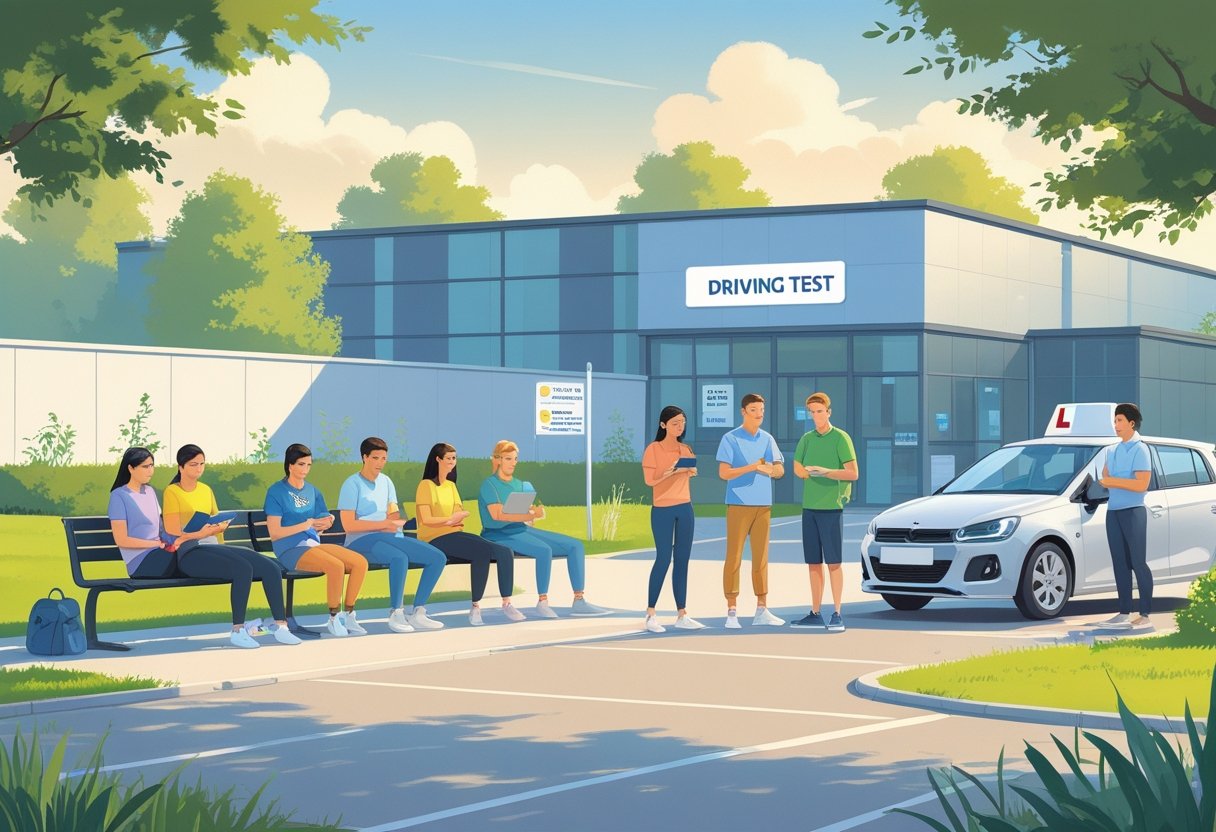
The numbers tell a sobering story about just how bad things have gotten. Between February 2024 and February 2025, test centres with these marathon waiting times nearly doubled to 183 locations, whilst the national average wait stretched from three and a half months to a hefty five months. Behind these statistics are real people whose lives are on hold, missing job opportunities, struggling with daily commutes, and feeling increasingly frustrated with a system that seems broken.
The good news? There are practical ways to navigate this challenging landscape and smart strategies that can help reduce your own waiting time significantly. Understanding why the system is struggling, what the DVSA is doing to fix it, and how you can work within the current constraints will put you in the best possible position to get behind the wheel sooner rather than later.
The Current State of Driving Test Waiting Times
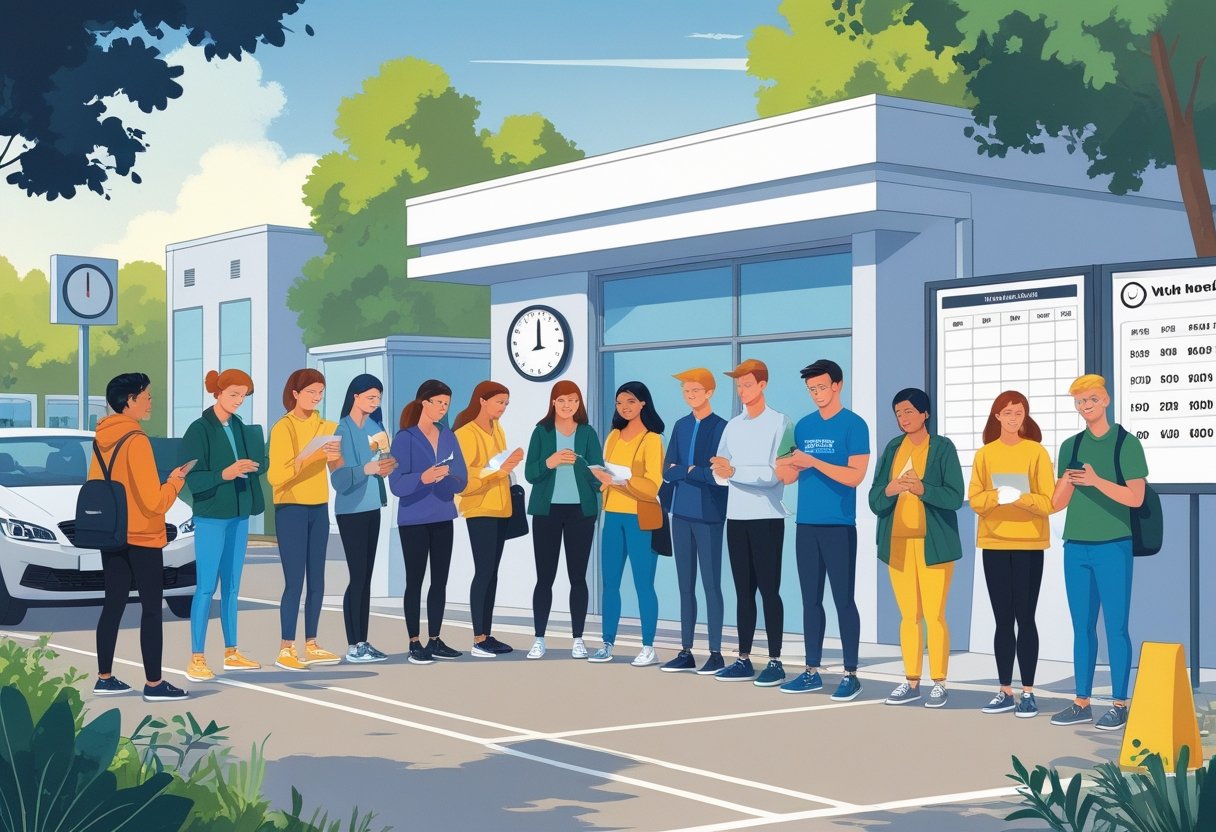
Driving test waiting times across the UK have reached unprecedented levels, with learners facing waits of over five months in many areas. The situation varies dramatically between regions, creating additional challenges for those seeking their licence.
Average Waiting Times Across the UK
The numbers paint a stark picture for anyone hoping to book their practical driving test. As of late 2024, learners in England face nearly 21 weeks of waiting time. That’s almost five months before they can even sit behind the wheel with an examiner.
Scotland fares slightly better at just over 15 weeks. Wales offers the shortest wait at 13 weeks, though even this represents more than three months of delays.
Recent data shows the problem is getting worse, not better. The average waiting time across all test centres jumped from 14 weeks in February 2024 to 22 weeks by early 2025. That’s a 57% increase in just one year.
Three quarters of Britain’s 319 driving test centres have hit the maximum booking window of 24 weeks. This means learners cannot even see available slots beyond six months ahead.
More than half of all test centres now show this maximum wait time. The figure doubled from 94 centres in February 2024 to 183 centres by February 2025.
Regional Differences in Wait Times
The postcode lottery for driving tests creates frustration for learners nationwide. England bears the brunt of the crisis with its 21-week average wait. Major cities and densely populated areas often face the longest delays.
Scotland’s 15-week average masks significant variation between urban and rural areas. Edinburgh and Glasgow typically show longer waits than smaller towns and villages.
Wales enjoys the shortest delays at 13 weeks on average. However, this still represents a substantial wait for eager learners ready to gain their independence.
Some test centres in high-demand areas require learners to travel hundreds of miles to find earlier slots. This creates additional costs and stress for families already stretched by driving lesson expenses.
Rural centres sometimes offer shorter waits but may lack the frequency of test slots that urban learners need.
Impact on Learner Drivers’ Lives
The lengthy waits create real hardship for those who need to drive. One in six jobs requires a driving licence, making delays a barrier to employment opportunities.
Young people feel the impact most keenly. The proportion of 17 to 20-year-olds with full licences dropped from 35% in 2019 to just 29% in 2023. This decline affects their ability to access education, work, and social opportunities.
Healthcare workers, construction trades, and transport workers represent the top occupations for young drivers. These critical roles support public services and economic growth, making the delays even more concerning.
Many learners lose momentum during the long waits. Skills can deteriorate without regular practice, leading to higher failure rates when tests finally happen. Some face exploitation from businesses taking advantage of the shortage, paying inflated prices for earlier slots.
The stress of uncertainty affects mental wellbeing too. Learners struggle to plan their futures when they cannot predict when they might gain their licence.
Why Are Driving Test Waiting Times So Long?
Several key factors have created the perfect storm for lengthy driving test delays across the UK. Examiner shortages, pandemic backlogs, problematic booking behaviour, and various disruptions have combined to stretch waiting times to nearly 21 weeks in England.
Examiner Shortages and Recruitment Challenges
The Driver and Vehicle Standards Agency (DVSA) faces a critical shortage of qualified driving examiners. This staffing crisis forms the backbone of the current delays affecting car driving tests nationwide.
The numbers tell the story clearly. Between April 2023 and March 2024, DVSA provided over 2 million driving tests but still couldn’t meet demand. The agency has over half a million tests already booked for the next 24 weeks.
To tackle immediate pressures, DVSA created an extra 145,000 test slots by redeploying managers and office staff to conduct tests. Whilst clever, this temporary fix highlights how stretched resources have become.
Training new examiners takes considerable time. The government announced plans to recruit 450 additional driving examiners in December 2024. However, training qualified examiners requires months of preparation and certification.
Geographic distribution makes matters worse. Rural areas and regions with high population growth struggle most with examiner availability. Some learners travel hundreds of miles just to find available test slots.
High Demand and Backlogs Since COVID-19
The pandemic created massive disruptions that continue affecting the system today. When lockdowns paused driving tests completely, a huge backlog formed that’s still being cleared.
Demand now exceeds pre-pandemic levels significantly. Young people who delayed learning during COVID are now booking tests alongside the usual flow of new learners. This double wave has overwhelmed capacity.
The statistics show troubling trends for young drivers. The proportion of 17 to 20-year-olds with full licences dropped from 35% in 2019 to 29% in 2023. Many are now playing catch-up.
Employment pressures add urgency. One in six jobs requires a driving licence, particularly in healthcare, construction, and transport. This economic reality drives higher demand for tests.
Average waiting times reflect this strain:
- England: Nearly 21 weeks
- Scotland: Over 15 weeks
- Wales: 13 weeks
Three-quarters of Britain’s 319 test centres have reached the maximum 24-week booking limit.
Booking Behaviour and Cancellations
Poor booking practices waste valuable test slots and worsen delays for everyone. Last-minute cancellations and exploitative booking behaviour create unnecessary bottlenecks.
Short notice periods cause chaos. Currently, learners can cancel tests with just three working days’ notice without losing fees. This leads to frequent last-minute cancellations that leave slots empty.
The government plans to extend this to 10 working days from 2025. This should help redistribute cancelled slots to other learners more effectively.
Booking abuse has become a serious problem. Some businesses exploit the system by:
- Bulk booking test slots they don’t need
- Reselling appointments at inflated prices
- Gaming the booking system with automated tools
These practices particularly harm learners who can’t afford premium prices or lack technical knowledge. New rules will ban test appointment resales and strengthen terms for driving schools managing bookings.
Multiple bookings compound the issue. Some learners book several tests simultaneously, planning to cancel extras later. This ties up slots unnecessarily whilst others wait months for opportunities.
Industrial Action and Other Disruptions
Various forms of industrial action by driving examiners have periodically disrupted test availability. These disputes often centre on pay, working conditions, and workload pressures.
Strike action creates ripple effects. When examiners strike, cancelled tests must be rescheduled alongside regular bookings. This pushes waiting times even further back.
Examiner unions have raised concerns about excessive workloads and stress levels. The pressure to clear backlogs whilst maintaining safety standards creates challenging working environments.
Administrative disruptions add complications. IT system updates, policy changes, and training requirements can temporarily reduce available test slots. Even brief disruptions impact an already strained system.
Weather-related cancellations during winter months compound scheduling challenges. Snow, ice, and severe weather conditions force test cancellations that must be rescheduled into already busy periods.
The DVSA acknowledges these pressures through workforce reviews and improved recruitment processes. However, building a stable examiner workforce takes time whilst demand continues growing.
Systemic Issues in Booking and Instructor Availability
The driving test system faces multiple structural problems that create bottlenecks for learners. Outdated booking technology, instructor shortages, and unauthorised reselling all contribute to the lengthy delays experienced across the UK.
Flaws in the Test Booking System
The DVSA’s current booking system shows only a 24-week window for available appointments. This limited view makes it nearly impossible for learners to see all their options or plan ahead effectively.
The system struggles with high demand periods. When new slots are released, the platform often crashes or becomes unresponsive. This leaves genuine learners frustrated whilst automated systems grab available spots.
Key booking system problems:
- Limited 24-week booking window
- Frequent system crashes during peak times
- Slow response times during high demand
- Inflexible cancellation policies
The outdated technology cannot handle modern booking demands. Many learners report spending hours refreshing the system, only to find appointments disappear before they can complete their booking.
Driving Instructor Shortages
The UK faces a severe shortage of qualified driving instructors. Many experienced instructors have left the profession due to low earnings and work-related stress.
Training new instructors takes months, creating a significant delay in rebuilding numbers. The qualification process includes both practical and teaching assessments, which can take up to six months to complete.
Impact on test availability:
- Fewer prepared learners ready for tests
- Increased pressure on remaining instructors
- Longer learning periods for pupils
- Higher demand for available test slots
Rural areas suffer particularly badly from instructor shortages. Some learners travel over 50 miles just to find available instruction, adding extra costs and complexity to their learning journey.
Unauthorised Brokers and Bot Bookings
Automated bots regularly scan the DVSA booking system, grabbing available test slots within seconds. These appointments are then sold on unofficial websites for prices between £250 and £400.
The practice exploits desperate learners who cannot secure tests through official channels. Many fall victim to these inflated prices, believing they have no other choice.
Signs of unauthorised booking services:
- Tests priced well above the official £62 fee
- Requests for personal DVSA login details
- No official DVSA branding or recognition
- Promises of guaranteed test dates
The DVSA actively works to block these services, but new ones appear regularly. They advise learners to only book through official channels and report suspicious activity when they encounter it.
Some brokers use multiple identities to bypass DVSA security measures. This creates an unfair system where those willing to pay inflated prices can jump the queue ahead of legitimate learners.
How the DVSA Is Tackling Waiting Times
The Driver and Vehicle Standards Agency has launched a comprehensive 7-point plan to cut waiting times from over 20 weeks to just 7 weeks by December 2025. Their strategy focuses on recruiting 450 new examiners, improving booking systems, and cracking down on test slot exploitation.
Recruiting and Training More Examiners
The DVSA’s biggest move involves hiring 450 new driving examiners across Great Britain. This represents the most significant recruitment drive in recent years.
The agency advertised these positions in two waves during 2024. The first round launched in June and July, followed by a second phase in September and October.
Current Progress:
- Successful candidates from the first recruitment wave are now in training
- New examiners will begin conducting tests over the coming months
- All positions were advertised through the Civil Service jobs website
Training new examiners takes considerable time. Each candidate must master the skills needed to assess driving ability fairly and consistently.
The recruitment continues as the DVSA works to fill all 450 positions. Once fully trained, these examiners should significantly boost test capacity nationwide.
Extended Test Slot Hours and Capacity Boosts
The DVSA aims to provide 1.95 million car driving tests between April 2024 and March 2025. This target represents a substantial increase in testing capacity.
While specific details about extended hours weren’t outlined in the plan, the agency is exploring ways to maximise existing resources. This includes better utilisation of test centres and examiner time.
Key Capacity Improvements:
- Streamlined booking processes
- More efficient test scheduling
- Better resource allocation across centres
The 24-week booking limit may also change. The DVSA is reviewing this restriction to better understand demand at each test centre.
Policy Changes to Cancellations and Rebooking
Several rule changes aim to reduce wasted test slots and discourage poor behaviour. These measures should free up more appointments for genuine learners.
Cancellation Notice Period:
The required notice for changing or cancelling tests without losing fees increases from 3 to 10 clear working days. This change takes effect from spring 2025.
Tougher Terms for Instructors:
New conditions came into force on 6 January 2025 for the instructor booking service. Driving instructors can no longer book tests for pupils they’re not teaching or create placeholder bookings.
Extended Waiting Periods:
The DVSA plans to consult on longer waiting periods before rebooking for candidates who:
- Make multiple serious faults
- Assault their examiner
- Fail to attend without notice
These changes encourage better preparation and reduce system abuse.
Call for Evidence and System Reforms
The DVSA launched a call for evidence on 18 December 2024 to gather feedback on current booking rules and processes. This consultation closes at 11:59pm on 11 February 2025.
The agency wants to hear from learner drivers and instructors about their booking experiences. This evidence will shape proposals for a fairer, more efficient system.
Reform Process:
- Analyse submitted evidence
- Develop improvement proposals
- Run formal consultation on changes
- Implement new rules (changing laws if necessary)
The ‘Ready to Pass?’ campaign continues alongside these reforms. Research shows 23% of learners take their first test within one month of starting lessons, often before they’re truly ready.
This comprehensive approach tackles both immediate capacity issues and long-term system problems that have plagued the driving test booking process.
Smart Strategies to Reduce Your Own Waiting Time
While you can’t control the nationwide backlog, you can take specific actions to secure an earlier driving test slot. The key lies in being strategic about when and where you book, staying flexible with your schedule, and making sure you’re genuinely ready before you commit to a date.
Book Early and Monitor for Cancellations
The moment you feel confident about your driving abilities, start checking the DVSA booking system regularly. Don’t wait until you think you’re completely perfect behind the wheel.
Set up a monitoring routine that works for your schedule. Check the official GOV.UK booking system multiple times throughout the day, particularly early morning (around 6-8am) and late evening (8-10pm). These periods often see fresh cancellations appear.
Consider using legitimate cancellation alert services that notify you when earlier slots become available. These services monitor the DVSA system and send alerts to your phone or email when someone cancels their test.
Avoid third-party websites that claim to sell driving test slots at inflated prices. Stick to the official DVSA booking system to protect yourself from scams and overcharging.
Consider Different Test Centres
Your local test centre might have a 20-week wait, but centres in nearby areas could offer much shorter waiting times. Research all driving test centres within a reasonable travelling distance from your location.
Rural and less populated areas typically have shorter waiting lists compared to busy city centres. A 30-minute drive to a quieter test centre could save you months of waiting.
Check the following types of locations for potentially shorter waits:
- Small market towns
- Coastal areas outside major cities
- Industrial towns with fewer young drivers
- Areas with good transport links but lower population density
Make sure your driving instructor is willing to accompany you to alternative locations. Some instructors charge extra for longer journeys, so factor this into your decision.
Remember that different test centres may have varying road conditions and traffic patterns, so consider taking a practice lesson in the new area before your actual car driving test.
Be Flexible With Dates and Travel
Flexibility is your greatest weapon against long waiting times. The more open you are with dates and locations, the more opportunities you’ll find for earlier test slots.
Weekday slots often become available more frequently than weekend appointments. If you can take time off work or arrange around college schedules, Tuesday through Thursday typically offer the best availability.
Morning appointments (particularly the first slot of the day) tend to have higher cancellation rates. People often oversleep or get nervous and cancel early morning tests.
Consider short-notice availability by keeping your schedule as flexible as possible. Someone might cancel their test just 10 working days before the date, creating an opportunity for you to step in.
Travel further for your driving licence if it means getting tested months earlier. The cost of travel and accommodation might be worth it compared to waiting an additional four to six months.
Prepare Properly Before Booking
Booking your test too early wastes everyone’s time and contributes to the backlog problem. Take an honest assessment of your driving skills before committing to a test date.
Complete a mock test with your instructor using the same standards as the actual DVSA examination. You should be consistently passing these practice tests before booking your real driving test.
The DVSA’s research shows that 23% of learners book their test within one month of starting lessons. This often leads to failure and rebooking, which makes the waiting time problem worse for everyone.
Master these essential skills before booking:
- Independent driving for 20 minutes following sat nav or road signs
- All manoeuvres including parallel parking and bay parking
- Confident motorway or dual carriageway driving
- Smooth control in various weather and traffic conditions
Use the ‘Ready to Pass?’ campaign resources provided by DVSA to evaluate your genuine readiness. These materials help you understand exactly what examiners expect during your car driving test.
Give yourself at least 40-50 hours of professional lessons plus additional private practice before considering yourself test-ready. This preparation prevents the disappointment of failure and the need to wait even longer for another attempt.
Making the Most of the Waiting Period
Long waits for driving tests create the perfect opportunity to polish your skills and build genuine confidence behind the wheel. Smart preparation during this time can transform test anxiety into readiness and significantly boost your chances of passing first time.
Keep Your Skills Sharp With More Lessons
Regular driving lessons become even more crucial during extended waiting periods. Many learners make the mistake of reducing practice time, thinking they can simply maintain their current skill level.
The reality is quite different. Driving skills can deteriorate surprisingly quickly without consistent practice. Most driving instructors recommend at least one lesson per week to maintain progress.
Consider booking refresher lessons closer to your test date. These sessions help learners regain confidence and iron out any bad habits that might have crept in during the wait.
Some learners benefit from intensive driving courses during the final weeks before their test. These concentrated sessions can sharpen reflexes and rebuild muscle memory.
Different instructors bring fresh perspectives. If your regular instructor isn’t available, trying lessons with another approved instructor can highlight areas for improvement you might have missed.
Keep a driving diary to track specific skills that need work. Note challenging manoeuvres, parking struggles, or roundabout hesitation. This helps focus future lessons on genuine weak spots rather than general practice.
Use Mock Tests and Practice Routes
Mock tests provide invaluable experience of real test conditions without the pressure of an actual examination. Many driving instructors offer these services, creating authentic scenarios that mirror the official test.
Practice the exact test routes in your local area. Most test centres use similar roads repeatedly, so familiarising yourself with common routes builds confidence and reduces surprises on test day.
Time your practice sessions to match your actual test slot. If your test is booked for 2pm on a Tuesday, practice at that exact time to understand traffic patterns and road conditions.
Study the theory test materials regularly, even after passing the theory portion. Understanding road signs, stopping distances, and traffic rules reinforces practical driving knowledge.
Create mental checklists for common test elements like parallel parking, emergency stops, and independent driving sections. Practice these until they become second nature.
Record practice sessions (where safe and legal) to review your performance later. Many learners spot mistakes they missed during the actual drive.
Stay Motivated and Manage Stress
Extended waiting periods can drain motivation and increase anxiety levels. Developing healthy coping strategies prevents these feelings from affecting your driving performance.
Set small, achievable goals during the waiting period. Focus on mastering specific skills like hill starts or reverse parking rather than worrying about the distant test date.
Connect with other learner drivers through online forums or local groups. Sharing experiences and tips with people in similar situations provides emotional support and practical advice.
Maintain a positive mindset by celebrating small improvements. Successfully navigating a tricky roundabout or executing a perfect parallel park deserves recognition.
Practice relaxation techniques like deep breathing exercises or progressive muscle relaxation. These skills prove invaluable for managing test-day nerves.
Stay physically active and maintain good sleep habits. Physical wellness directly impacts concentration and reaction times whilst driving.
Consider visualization exercises where you mentally rehearse successful test scenarios. Sports psychologists use these techniques to help athletes perform under pressure.
Keep your theory knowledge fresh by using mobile apps or online practice tests. This maintains your overall understanding of driving principles and boosts confidence.
Looking Ahead: What the Future Holds for Learner Drivers
The DVSA has committed to reducing UK driving test waiting times to seven weeks by December 2025, backed by a comprehensive seven-point plan that includes recruiting 450 new examiners and overhauling the booking system. Changes are already rolling out this year, with tougher booking rules and longer cancellation notice periods designed to free up more test slots.
Upcoming Policy and System Improvements
The DVSA’s ambitious recruitment drive is already underway. They advertised 450 new driving examiner positions in two phases during 2024, and successful candidates from the first wave are now completing their training.
These new examiners will start conducting tests over the coming months. This represents the largest expansion of testing capacity in recent years.
Major system changes include:
- Stricter booking rules starting January 2025, preventing driving instructors from blocking slots for students they’re not actually teaching
- Extended cancellation notice increasing from 3 to 10 working days by spring 2025
- Tougher penalties for repeat failures and no-shows, with consultations planned for extended waiting periods
The booking system itself faces a complete overhaul. The DVSA launched a call for evidence in December 2024, asking learners and instructors to share their experiences.
This feedback will shape new proposals, followed by public consultation and legislative changes if needed. Whilst this process takes time, it promises a fairer system that better protects learners from exploitation.
Hopeful Signs If You’re Waiting Now
Current waiting times tell a challenging story. England faces nearly 21 weeks, Scotland over 15 weeks, and Wales around 13 weeks as of December 2024.
However, the DVSA plans to deliver 1.95 million car driving tests between April 2024 and March 2025. This represents a significant increase in capacity.
Positive developments already happening:
- New examiners entering the system monthly
- Tighter controls reducing slot hoarding by unscrupulous operators
- Enhanced ‘Ready to Pass?’ campaign helping learners prepare better
The spring 2025 cancellation rule change should create more available slots. When learners must give 10 days’ notice instead of three, cancelled appointments have better chances of being rebooked by others.
Research shows 23% of learners book tests within one month of starting lessons. The DVSA’s preparation campaign aims to change this behaviour, potentially reducing demand pressure from unprepared candidates.
Staying Informed on Progress
Learners can track improvements through several official channels. The DVSA publishes regular updates on gov.uk, including business plan progress reports and policy announcements.
Key sources for updates:
- DVSA’s official website and social media channels
- Local driving test centre capacity changes
- Driving instructor associations and approved driving instructor networks
- Regional waiting time data published quarterly
The call for evidence about booking experiences closes on 11 February 2025. Learners should participate to influence future improvements.
Test centres may see varying improvements based on local examiner recruitment success. Some areas might achieve the seven-week target sooner than others.
Smart learners can monitor multiple test centres within travelling distance. The new system aims to make this process more transparent and accessible.
Regular checking of official DVSA communications ensures learners stay informed about rule changes, new booking procedures, and capacity increases in their area.
Frequently Asked Questions
Many learners face specific challenges during extended waiting periods, from finding earlier test slots to maintaining driving skills without regular practice. These common concerns range from practical booking strategies to making the most of unexpected delays.
What practical steps can I take to reduce the wait time for my driving test?
The most effective approach involves using cancellation finder services that alert learners when earlier slots become available. These apps monitor the DVSA booking system continuously and send notifications within minutes of cancellations appearing.
Flexibility with location makes a significant difference. Rural test centres typically have shorter waiting lists than busy city locations, sometimes offering slots months earlier.
Being open to unusual time slots helps too. Early morning tests (around 7:30am) and weekday appointments often have better availability than popular afternoon or weekend slots.
Some learners check the official GOV.UK booking page multiple times daily. Refreshing the system regularly, particularly on Sunday evenings and Monday mornings, can reveal newly released slots.
Are there any insider tips for finding earlier driving test dates?
Experienced instructors often share valuable timing insights with their pupils. Test centres typically release additional slots on specific days of the week, usually Sunday evenings or early Monday mornings.
Following driving instructor forums and local Facebook groups can provide useful intelligence about which centres have sudden availability. These communities often share real-time updates about cancellations.
Some learners book at multiple test centres simultaneously, cancelling the later appointments once they secure an earlier date. This approach requires careful management to avoid losing deposits.
Third-party cancellation services offer premium features like instant notifications and automatic rebooking. Whilst these cost extra, they can save months of waiting time.
How can I stay sharp behind the wheel while I’m waiting for my test date?
Regular practice sessions with friends or family members help maintain muscle memory and confidence. Even short drives to local shops keep basic skills fresh.
Many learners book occasional refresher lessons with their instructor, particularly closer to their test date. This prevents skills from becoming rusty during long waiting periods.
Online theory practice keeps road knowledge current and reinforces important concepts. Apps and websites offer scenario-based questions that mirror real driving situations.
Observing traffic patterns and road layouts whilst being a passenger builds valuable experience. This passive learning helps develop hazard perception skills without formal lessons.
Could you guide me on what to do if my driving test is continuously being postponed?
Document every postponement with screenshots and reference numbers for potential complaints to the DVSA. This creates a paper trail if further action becomes necessary.
Contact the test centre directly to understand why postponements keep occurring. Sometimes local issues affect specific centres more than others, and staff can suggest alternative locations.
Consider switching to a different test centre if one location shows persistent problems. The booking system allows changes, though this might initially mean longer wait times.
Learners experiencing multiple postponements can escalate complaints through official channels. The DVSA has procedures for addressing systematic booking issues.
What’s the best way to utilise the time I have while waiting for my driving test?
Additional theory study strengthens understanding of complex traffic scenarios and builds confidence for both written and practical elements. Focus areas might include vulnerable road users and stopping distances.
Practicing manoeuvres in quiet car parks with a qualified driver helps perfect parking techniques and reversing skills. These sessions cost less than formal lessons but provide valuable practice.
Learning about the specific test routes and local area familiarises candidates with challenging junctions and traffic patterns. Many test centres have predictable route elements that benefit from extra attention.
Some learners use waiting time to improve general road awareness through observation and discussion with experienced drivers. This builds confidence and reduces test day anxiety.
Is there a silver lining to a longer driving test wait period for learner drivers?
Extended preparation time allows thorough skill development without rushing through essential techniques. Many instructors report that well-prepared students show higher first-time pass rates.
Additional practice builds genuine confidence rather than just test-passing ability. This creates safer, more competent drivers who feel comfortable in varied traffic conditions.
Longer waiting periods provide opportunities to experience different weather conditions and seasonal driving challenges. Winter practice particularly benefits those testing in spring or summer.
The extra time allows learners to save money for post-test expenses like insurance, additional lessons, or vehicle purchases. This financial preparation reduces stress after passing the test.