

Published 3 November 2025, updated 14 August 2026
Learning to Drive as an Older Adult: What to Expect at Every Stage
Learning to drive can feel like something you’ve missed your chance at, especially when it seems like everyone around you picked it up as a teenager. But here’s the brilliant truth we’ve discovered through years of working with learners: you’re never too old to master this life-changing skill, and many of our most successful students start their driving journey well into their thirties, forties, fifties, and beyond.
Plenty of older learners tell us a structured intensive course suits them far better than stretching weekly lessons across a whole year.
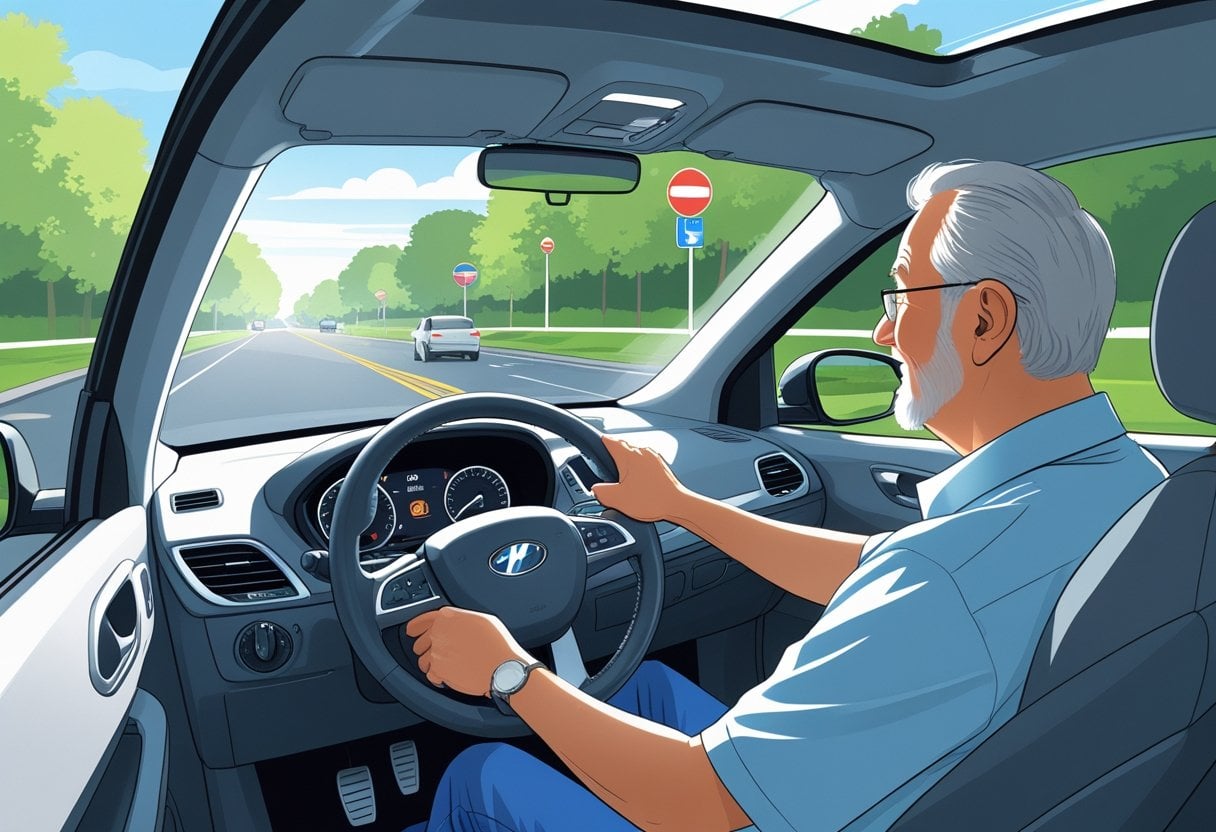
What makes learning to drive as an older adult so special? You bring wisdom, patience, and genuine motivation that younger learners often lack. Where a seventeen-year-old might rush through lessons, you’ll take time to truly understand the rules and develop safe habits. You’ve got life experience on your side, which means better decision-making and a clearer understanding of responsibility.
We’ll walk you through exactly what to expect on this exciting journey, from finding the right instructor who understands your unique needs to tackling any challenges that crop up along the way. Whether you’re finally ready to gain independence, need to drive for work, or simply want to tick this goal off your list, we’re here to show you that starting later in life might just be your secret advantage.
Why Learn to Drive Later in Life?
More adults than ever are discovering that it’s never too late to get behind the wheel. Whether you’re seeking independence after life changes or simply ready to embrace new opportunities, learning to drive later brings unique advantages and opens doors you might never have imagined.
Embracing Newfound Freedom
There’s something magical about that first solo drive when you’ve learnt to drive later in life. The freedom hits differently when you’ve spent years depending on others.
Independence becomes your reality. No more checking bus timetables or asking favours from family members. You can pop to the shops when it suits you, not when someone else is free to give you a lift.
Your world suddenly expands. Those country walks you’ve always fancied? That lovely garden centre twenty miles away? They’re all within reach now.
We often hear from older learner drivers who describe their first months of driving as life-changing. One of our clients, Margaret, told us she finally visited her sister regularly after years of awkward train journeys.
Social connections flourish. You can maintain friendships more easily and accept invitations without worrying about how you’ll get home. Evening events become possible again.
Key Reasons Older Adults Take the Plunge
Life transitions spark the decision. Retirement often brings the realisation that you need your own transport. Perhaps your partner was always the driver, or you’ve moved somewhere with poor public transport.
Career opportunities open up. Many jobs require driving, and we’ve helped plenty of people in their 50s and 60s unlock new employment possibilities.
Family circumstances change. Grandchildren arrive, and suddenly you want to help with school runs or family outings. Health appointments become more frequent, making independence crucial.
Financial situations improve. Earlier in life, driving lessons and car ownership might have felt like luxuries. Now you’ve got the resources to make it happen.
Statistics show a 4% increase in learner drivers over 70 gaining their full UK licence within 12 months. You’re definitely not alone in this journey.
Common Barriers and How to Overcome Them
“I’m too old to learn new tricks.” This couldn’t be further from the truth. Adult brains are brilliant at learning when motivated, and you’ve got decades of road experience as a passenger.
Your maturity actually works in your favour. You’re more cautious, better at following instructions, and take the responsibility seriously.
“Everyone will judge me.” Most people are far too busy with their own lives to worry about your learning journey. Besides, there’s nothing embarrassing about improving yourself at any age.
Choose an instructor who specialises in older learner drivers. They’ll understand your concerns and create a comfortable learning environment.
“It’ll take forever.” While you might need more lessons than a teenager, you’re also more focused and determined. Many older adults pass within 12 months of starting lessons.
“The roads are too busy now.” Yes, traffic has increased, but modern cars have better safety features. Your instructor will gradually build your confidence in different driving conditions.
Unique Advantages of Older Learner Drivers
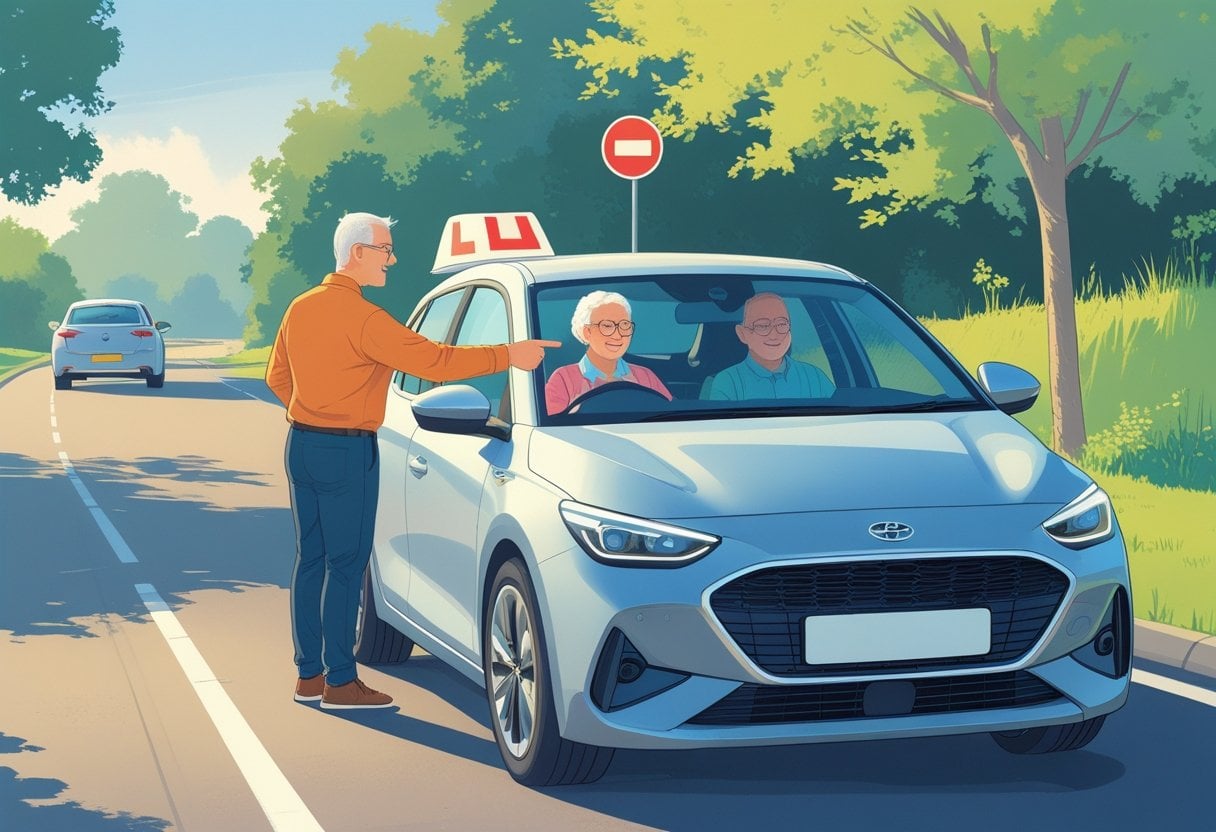
Learning to drive later in life brings distinct benefits that younger drivers simply don’t possess. Older learners often discover they have better focus, natural caution, and stronger motivation than their teenage counterparts.
Life Experience and Focus
When we think about what sets older drivers apart, it’s their ability to truly concentrate on the task at hand. Unlike teenagers who might be easily distracted, mature learners bring decades of life experience to every lesson.
You’ve already mastered complex skills throughout your career and personal life. Learning to coordinate the clutch, accelerator, and steering wheel is just another challenge you can tackle systematically.
Older learners typically absorb instructions more effectively because they understand the importance of following guidance. We’ve seen countless students who take notes after lessons and practise theory questions with genuine dedication.
Your time management skills shine through too. Most mature students arrive punctually, come prepared, and make the most of every minute behind the wheel.
Research shows that adults process information differently than teenagers. You’re more likely to think through decisions carefully rather than acting on impulse. This methodical approach often leads to safer driving habits from the very beginning.
Harnessing Natural Cautiousness
What some people might call “being nervous,” we prefer to think of as natural caution – and it’s actually a superpower for older learners.
Your instinct to be careful serves you brilliantly on the road. While younger drivers might speed through a junction, you’ll naturally check twice before proceeding. This isn’t hesitation; it’s wisdom.
Older drivers tend to maintain safer following distances without even being told. You understand that arriving five minutes later is infinitely better than not arriving at all.
Your life experience has taught you to respect potential dangers. When your instructor explains why checking mirrors is crucial, you don’t just memorise the action – you genuinely understand the reasoning behind it.
This cautiousness also means you’re less likely to take unnecessary risks. You won’t attempt to squeeze through tight gaps or race amber lights just to show off.
Staying Motivated Throughout Your Journey
Perhaps the greatest advantage older learners possess is crystal-clear motivation. You’re not learning because your parents suggested it – you’re here because driving will genuinely transform your daily life.
Whether it’s the school run, grocery shopping, or visiting family, you have specific, meaningful reasons for wanting to pass. This purpose-driven approach keeps you focused during challenging lessons.
Older drivers often have better financial stability too. You can afford regular lessons without relying on pocket money or part-time job wages. Consistent practice leads to faster progress and better results.
Many mature students tell us they wish they’d started sooner, but we believe timing matters. You’re learning now because you’re ready – mentally, emotionally, and practically.
Your determination to succeed often surprises even experienced instructors. When faced with difficult manoeuvres or theory concepts, you persist rather than giving up after the first attempt.
Challenges You Might Face and How to Tackle Them
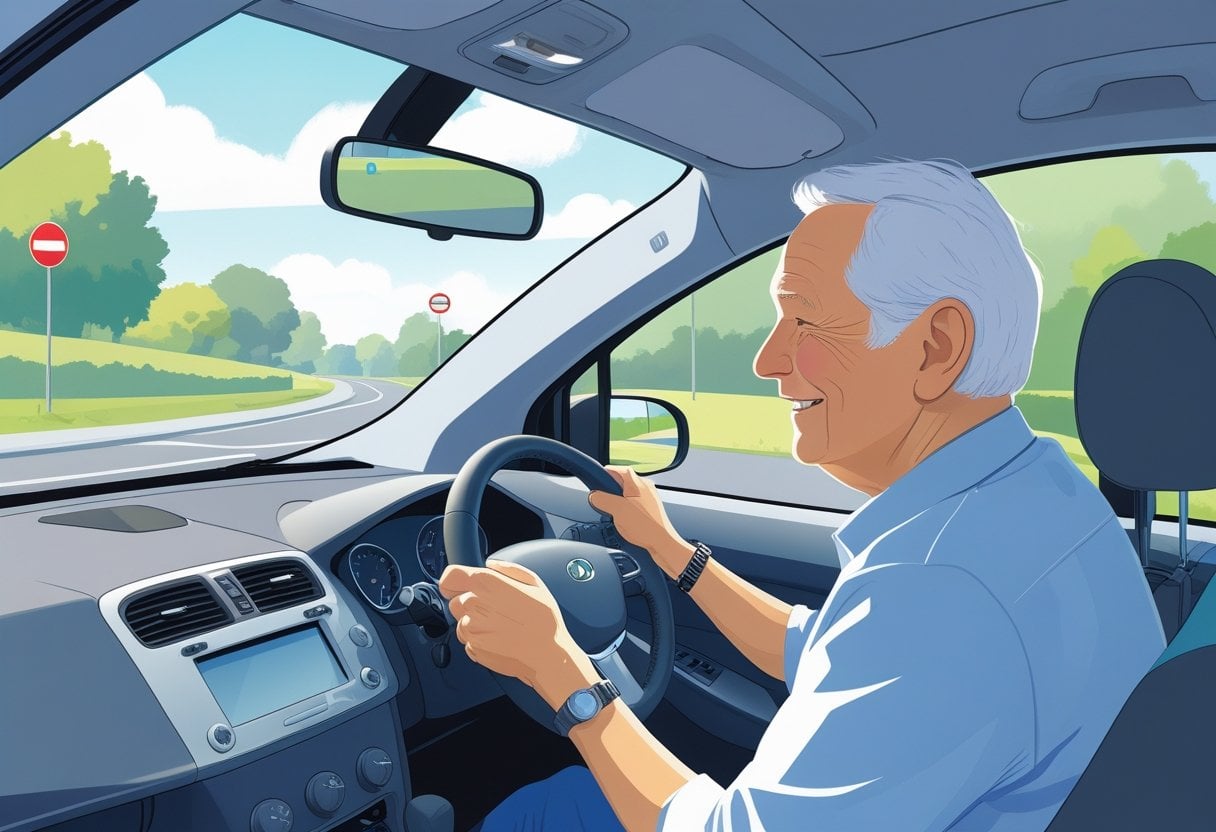
Learning to drive later in life brings unique hurdles, from managing pre-lesson butterflies to adjusting to slower reflexes. The good news is that every challenge has a practical solution, and your maturity actually gives you advantages that younger learners often lack.
Managing Nerves and Building Confidence
It’s completely normal to feel anxious about getting behind the wheel for the first time. Many of our adult learners worry they’ll look foolish or struggle more than teenagers do.
Start small and celebrate progress. We recommend beginning your driving lessons in quiet car parks or empty roads. This helps you get familiar with the controls without traffic pressure.
Your instructor should create a supportive environment where mistakes become learning opportunities. Don’t hesitate to tell them about specific worries – they’ve heard it all before.
Practice breathing techniques before lessons. Take three deep breaths when you feel overwhelmed. This simple trick helps countless drivers stay calm during challenging manoeuvres.
Remember that adult learners often understand road rules better than younger students. You’ve spent years as a passenger, observing traffic patterns and hazards. This knowledge is incredibly valuable.
Build confidence gradually by mastering one skill before moving to the next. Once you’ve nailed reversing, moving on to roundabouts feels less daunting.
Dealing with Slower Reactions
Our reflexes naturally slow as we age, but this doesn’t mean you can’t become an excellent driver. Many older drivers are actually safer because they compensate with better judgement.
Focus on anticipation rather than reaction speed. Learning to drive later in life means developing excellent hazard perception. Scan the road constantly, checking mirrors every few seconds.
Leave bigger gaps between you and other vehicles. This extra space gives you more thinking time and reduces the need for sudden reactions.
Practice makes reflexes sharper. Regular driving lessons help your muscle memory develop. The more you practise, the more automatic your responses become.
Don’t compare yourself to younger learners. Your cautious approach and willingness to follow rules often make you a better student than someone who thinks they know everything.
Fitting Lessons Around a Busy Life
Juggling driving lessons with work, family, and other commitments feels overwhelming sometimes. The key is finding a routine that works for your lifestyle.
Book lessons at consistent times when possible. Many of our adult students prefer mid-morning slots after school runs or early evening before family dinner.
Consider intensive courses if you have limited time. A week of concentrated lessons can be more effective than months of sporadic practice.
Use waiting time productively. Study the Highway Code during lunch breaks or while commuting. Many learners find audio versions helpful for busy schedules.
Talk to your instructor about flexible scheduling. Most understand that adult learners face different pressures than teenagers and can accommodate last-minute changes when emergencies arise.
Combine theory and practical learning efficiently. Download apps for hazard perception tests and use them during spare moments throughout your day.
Choosing the Right Driving Instructor and School
Finding a brilliant driving instructor and school makes all the difference to your learning journey. The right match will understand your pace, build your confidence steadily, and create a comfortable environment where you can flourish behind the wheel.
Qualities to Look for in an Instructor
Patience sits at the heart of excellent instruction. Your ideal driving instructor won’t rush you through lessons or make you feel pressured to progress faster than feels comfortable. Look for someone who celebrates small victories and understands that everyone learns differently.
Experience with mature learners matters enormously. Ask potential instructors directly about their work with older students. The best ones will share specific examples of how they adapt their teaching style.
Communication skills make or break lessons. Your instructor should explain concepts clearly without using confusing jargon. They need to listen to your concerns and answer questions without making you feel silly.
Flexibility shows professionalism. Great instructors adjust lesson plans based on your needs each week. Some days you might need extra practice with roundabouts, other times you’ll want to focus on parking.
Look for genuine encouragement rather than false praise. The right instructor will boost your confidence authentically whilst helping you recognise areas that need work. They should make you feel capable and supported throughout your journey.
Finding a School That Supports Older Learners
Research schools that specifically mention mature learner programmes. Many driving schools now offer tailored courses for adults returning to learning. These programmes often include longer lesson slots and specialised teaching approaches.
Check reviews from other older students. Their experiences will give you honest insights into how welcoming and supportive different schools really are.
Ask about lesson flexibility. The best schools for mature learners offer:
- Daytime lesson slots when roads are quieter
- Longer lessons (90-120 minutes) for deeper learning
- Break options during sessions
- Patient, understanding booking staff
Consider schools with modern teaching methods. Some use visual aids, apps, or tablet-based theory support that can enhance your learning experience.
Location convenience shouldn’t be overlooked. Choose a school that can pick you up easily and practises in areas where you’ll actually be driving. Local knowledge of test routes and challenging junctions proves invaluable.
What to Expect from Driving Lessons as an Older Adult
When you’re learning to drive later in life, lessons are designed specifically around your unique strengths and learning style. You’ll find instructors who understand that adult learners often prefer detailed explanations and may need more time to process new information, but you’ll also have the advantage of better decision-making skills than younger students.
Understanding the Learning Process
Learning to drive as an adult is quite different from how teenagers approach it. We’ve found that older learners tend to be more methodical and thoughtful behind the wheel.
Your instructor will likely start with a thorough chat about your goals and any concerns. Many older learners worry about reaction times or feel anxious about busy roads. These are completely normal feelings.
Adult learners typically excel at:
- Following instructions carefully
- Understanding road rules and their importance
- Making sensible decisions in traffic
- Taking lessons seriously
You might find you need more time to develop muscle memory for things like clutch control or steering. That’s perfectly fine. Your brain is simply more deliberate about processing new motor skills.
Most instructors report that older students ask brilliant questions. You’re not just learning to pass a test – you’re genuinely interested in becoming a safe driver. This mature approach often leads to better driving habits from the start.
Private Practice Versus Professional Lessons
Many older learners wonder whether they need professional lessons or if practising with family members is enough. We strongly recommend professional instruction, especially initially.
Professional lessons offer:
- Dual controls for safety whilst you’re learning
- Structured progression through different skills
- Unbiased feedback without family emotions involved
- Test route familiarity and examiner expectations
Family practice can be valuable later, but it shouldn’t replace proper tuition. Some older learners have partners or adult children who offer to teach them. Whilst well-meaning, this often creates tension and bad habits.
Your instructor understands how older brains learn differently. They won’t rush you or make you feel foolish for asking questions. Family members, however patient, might not have this expertise.
If you do practise privately:
- Wait until your instructor says you’re ready
- Stick to quiet roads initially
- Let your instructor know about any practice you’re doing
Automatic or Manual: Which Is Best?
This choice becomes particularly important for older learners. We generally recommend automatic transmission for most adult beginners, and here’s why.
Automatic advantages for older learners:
- Less multitasking – no clutch to worry about
- Reduced physical demands on left leg and arm
- Faster progress – focus on road awareness instead of gear changes
- Less stressful in heavy traffic or on hills
Manual cars still have their place. If you specifically need to drive manual vehicles, or if you’re determined to have that flexibility, don’t let age put you off.
If nerves are a big part of the picture for you, the Platinum 50 course gives total beginners and anxious learners the most one-to-one support we offer.
However, many older learners find automatics less overwhelming. You can concentrate on steering, observation, and road positioning without juggling a clutch pedal.
Consider manual if:
- You need to drive company vehicles
- You want maximum car choice when buying
- You enjoy the mechanical challenge
Choose automatic if:
- You want to learn as quickly as possible
- You have any joint stiffness or mobility concerns
- You’ll mainly drive in town or city areas
Remember, you can always take manual lessons later once you’ve passed your automatic test and gained confidence.
Taking Your Driving Test and Beyond
The final stretch of your learning journey brings both excitement and anticipation. You’ll need to prepare thoroughly, manage those inevitable nerves, and understand what happens once you’ve passed.
Preparing for Your Driving Test
The weeks leading up to your driving test deserve your full attention. We recommend booking at least three to four practice sessions with your instructor in the fortnight before your test date.
Mock tests work wonders for building confidence. Your instructor can simulate real test conditions, helping you understand what to expect. Many older learner drivers find this particularly valuable since it’s been decades since they last sat an exam.
Focus on your weaker areas during these final sessions. If reversing around corners still makes you nervous, dedicate extra time to perfecting this skill. Hazard perception often needs additional practice too.
Get familiar with your test centre beforehand. Drive around the local area with your instructor so you know the roads. Each test centre has its own character and common routes.
Practical preparation matters just as much:
- Book your test for a time when you feel most alert
- Arrange a warm-up lesson before your test
- Check you have all required documents
- Get a good night’s sleep beforehand
Your driving licence application should already be sorted, but double-check everything is in order. The last thing you want is paperwork issues on test day.
Managing Test Day Nerves
Feeling nervous before your driving test is completely normal, regardless of your age. We’ve seen confident adults transform into anxious learners the moment test day arrives.
Start your day calmly. Have a proper breakfast and avoid too much caffeine. Arrive at the test centre with time to spare, but not so early that you’re sitting around getting increasingly worried.
Your warm-up lesson serves two purposes. It gets you comfortable behind the wheel and helps settle those butterflies. Most instructors recommend a 30-minute session before your test.
Remember what you’ve learned about breathing techniques. Deep, steady breaths help maintain focus when you feel pressure mounting. Your examiner wants you to succeed, not catch you out.
During the test:
- Listen carefully to instructions
- Take your time with observations
- Don’t worry about minor mistakes
- Stay positive if something goes wrong
Many older learner drivers worry about being judged, but examiners assess your driving ability, nothing else. Your age and experience in other areas of life can actually work in your favour here.
Earning Your Licence and Next Steps
Passing your driving test opens up a whole new world of independence and opportunity. The moment you receive that pass certificate, you become a qualified driver with a full driving licence.
Your first solo drive deserves careful planning. Choose a familiar route during quiet hours. Many newly qualified drivers feel surprisingly nervous without their instructor beside them – this is perfectly normal.
Consider taking a Pass Plus course within your first year. This advanced training covers motorway driving, night driving, and challenging weather conditions. Many insurers offer discounts for completing this course, which can significantly reduce your premiums.
Insurance costs for older drivers are often lower than for younger drivers, but shopping around remains essential. Your clean driving record and mature approach to risk work in your favour here.
Keep practising regularly in those early weeks. Confidence builds with experience, and the more you drive, the more natural it becomes. Start with shorter journeys and gradually extend your range as you feel more comfortable.
Some older drivers find joining a local driving group helpful. These informal networks provide support and companionship for people who’ve learned to drive later in life. You’re definitely not alone in this achievement.
Frequently Asked Questions
Many adults considering driving lessons have similar concerns about starting their journey later in life. These questions cover everything from finding the right instructor to managing nerves and understanding how the learning process works for mature students.
What steps should I take to start my driving journey later in life?
Your first step involves getting your provisional driving licence sorted. You can apply online through the DVLA website or pick up a form from the Post Office.
Book an eye test before you begin lessons. Good vision is crucial for safe driving, and it’s worth checking you meet the required standards.
Research local driving instructors who have experience with mature learners. Many offer taster lessons so you can find someone whose teaching style clicks with you.
Consider starting with some theory test preparation. You can download the official DVLA app and begin studying the Highway Code whilst you’re waiting for your provisional licence to arrive.
Are there specific considerations for learning to drive as a mature individual?
Adult learners typically need more time to develop muscle memory and confidence. Don’t worry if progress feels slower than you expected – this is perfectly normal.
You’ll likely benefit from spreading lessons over 6-12 months rather than cramming them into intensive courses. Two lessons per week often works well for busy adults.
Your instructor should understand that you might feel more anxious than younger learners. Many mature students worry about making mistakes or holding up traffic.
Physical comfort matters more as we age. Make sure you can adjust the seat, mirrors, and steering wheel properly before each lesson begins.
How can I overcome anxiety about driving that may have built up over the years?
Start with quiet car parks and residential streets. Building confidence gradually helps reduce those overwhelming feelings that can develop over time.
Talk openly with your instructor about your worries. They’ve helped countless nervous adult learners and can adjust their teaching approach accordingly.
Practice relaxation techniques before lessons. Deep breathing and positive self-talk can work wonders for calming pre-lesson jitters.
Remember that feeling nervous shows you’re taking driving seriously. This cautious attitude often makes mature learners safer drivers once they pass their test.
What are the benefits of acquiring driving skills at a more mature age?
Adult learners bring patience and life experience to the driving seat. You’re less likely to take unnecessary risks compared to teenage drivers.
You understand consequences better and tend to follow traffic rules more carefully. This mature approach often impresses driving examiners.
Learning to drive opens up job opportunities and makes daily life much easier. No more relying on public transport schedules or asking friends for lifts.
Many mature drivers report feeling incredibly proud of their achievement. There’s something special about mastering a new skill later in life.
How does the process of taking driving tests differ for older learners?
The actual test format remains the same regardless of your age. You’ll still need to pass both theory and practical examinations.
Examiners don’t treat older candidates differently, but they often appreciate the careful, thoughtful approach that mature learners typically demonstrate.
You might want to book your test for quieter times of day when traffic is lighter. This can help reduce stress levels during the examination.
Consider taking a mock test with your instructor first. This practice run helps identify any areas that need extra attention before the real thing.
Can you suggest ways to find a driving instructor who understands the needs of older beginners?
Ask friends and family for recommendations, particularly those who learned to drive as adults. Personal referrals often lead to the best matches.
Contact local driving schools and specifically ask about instructors experienced with mature learners. Many advertise this specialty on their websites.
Check online reviews but focus on feedback from older students. Look for mentions of patience, understanding, and experience with nervous adult learners.
Book a single lesson with potential instructors before committing to a package. This trial run helps you assess whether their teaching style suits your learning preferences.
Getting this right with an instructor beside you
Car control comes from repetition with someone watching and correcting you, which is hard to replicate from an article.
LPOD Academy intensive courses run from 10 to 50 hours with the same instructor throughout, covering around 95% of England, Wales and Scotland.
If you are not sure how many hours you need, the recommendation tool asks a few questions and suggests a package.
Ready to pass in weeks, not months?
LPOD Academy runs tailored intensive driving courses from 10 to 50 hours across most of the UK, with your theory and practical test support included.
Ready to Book Driving Lessons?
LPOD Academy offers intensive driving courses across the UK. Find your nearest location: