

Published 4 November 2025, updated 12 July 2026
Why Some Drivers Beep at Learners & How To Stay Calm Behind the Wheel
Learning to drive should be an exciting milestone, but nothing quite dampens that excitement like hearing an aggressive beep from the car behind you. If you’ve experienced this as a learner driver, you’re definitely not alone. Many new drivers find themselves on the receiving end of impatient honks, which can feel confusing and demoralising when you’re already doing your best to navigate the roads safely.
Confidence is the best answer to impatient drivers, and it builds fastest on an intensive course designed to grow road confidence.
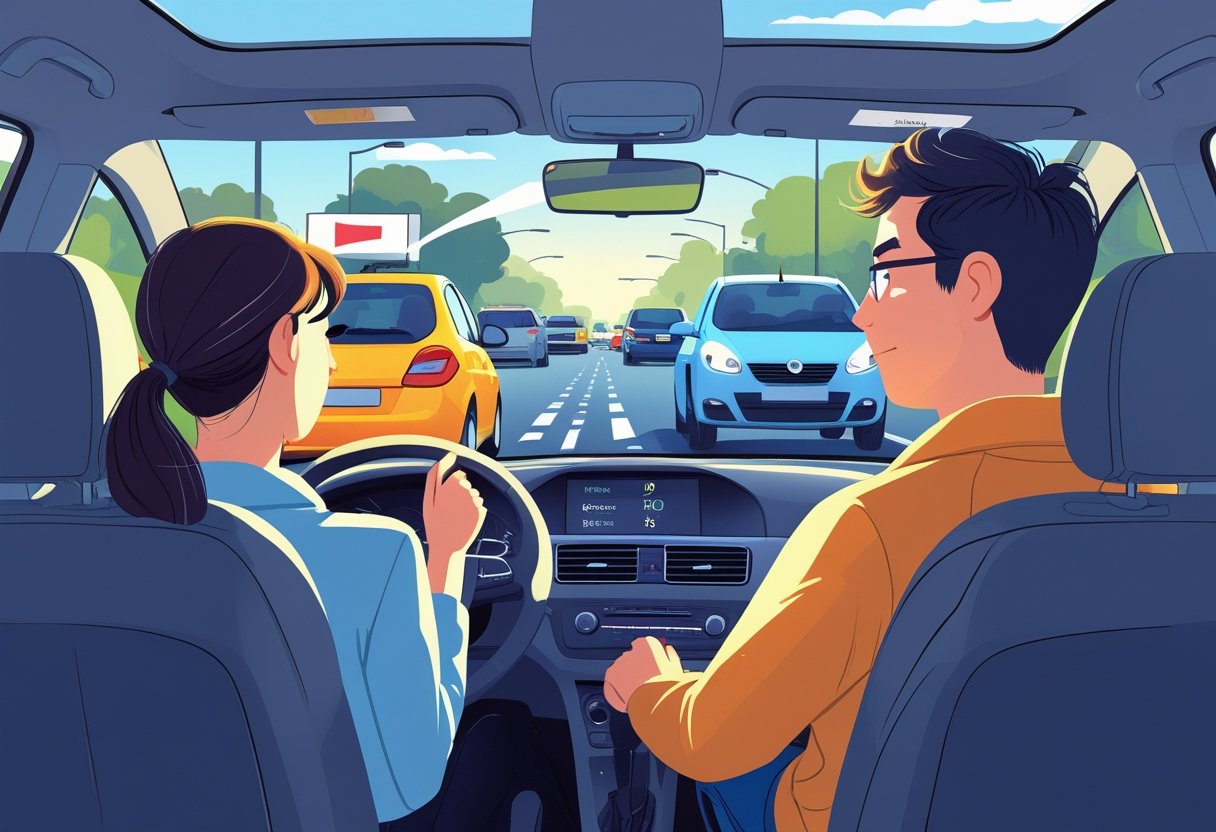
The truth is, drivers who beep at learners are usually dealing with their own stress, unrealistic expectations, or simply forgetting what it’s like to be new behind the wheel. Their behaviour says far more about their mindset than your driving ability. Understanding this can be incredibly freeing for learner drivers who might otherwise take these interactions personally.
We know how unsettling it can be when someone honks at you during a lesson or practice drive. The good news is that you can learn practical strategies to stay calm, confident, and focused on your own progress, regardless of what other drivers do. Let’s explore why this happens and, more importantly, how you can handle it like a pro.
Key Takeaways
- Drivers who beep at learners are usually responding to their own stress rather than commenting on your actual driving ability
- Being honked at can increase anxiety and affect learning, but understanding why it happens helps reduce its emotional impact
- Staying calm through breathing techniques, positive self-talk, and focusing on safety rather than speed builds long-term driving confidence
Understanding Why Some Drivers Beep at Learners
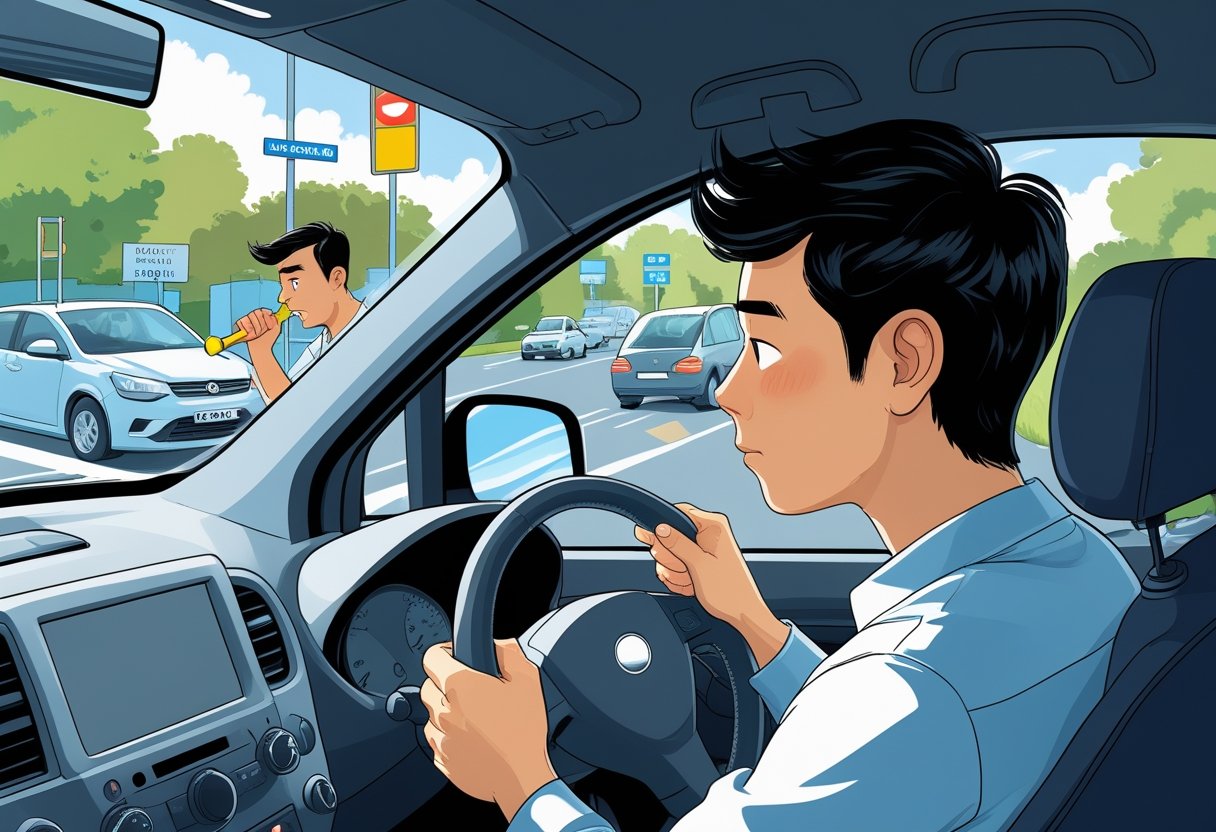
When we see a learner driver on the road, most of us remember our own early driving days and show patience. However, some drivers respond with frustration, often expressing it through horn honking. This behaviour stems from specific triggers, misconceptions about learning to drive, and the fast-paced expectations of today’s traffic environment.
Common Triggers for Horn Use
Several specific situations tend to prompt drivers to beep at learner drivers. The most frequent trigger occurs when a learner driver stalls at traffic lights or roundabouts.
Many experienced drivers forget how challenging clutch control can be. They expect immediate movement when lights turn green.
Slow pull-aways from junctions also frustrate some motorists. Learner drivers naturally take extra time to check mirrors, assess traffic, and coordinate pedals. This careful approach can feel painfully slow to drivers behind.
Hesitation at roundabouts creates another flashpoint. New drivers need time to judge gaps safely. What seems like an obvious opportunity to an experienced driver might look risky to someone still learning.
Other common triggers include:
- Taking longer to park or reverse
- Driving slightly below speed limits
- Making wide turns at corners
- Stopping to check road signs
These situations highlight the gap between learner needs and other drivers’ expectations. We must remember that learner drivers are developing skills that experienced drivers now perform automatically.
Impatience and Misconceptions on the Road
Many drivers hold unrealistic expectations about how learner drivers should perform. Some believe that L-plates simply mean “drive more carefully,” not “still learning basic skills.”
This creates a harmful misconception. Experienced drivers often think: “They should know this by now” or “They’re holding everyone up on purpose.”
Time pressure makes impatience worse. Drivers running late become less tolerant of delays. They forget that everyone deserves space to learn safely.
Some motorists also suffer from what psychologists call “optimism bias.” They overestimate their own abilities whilst underestimating how long it took them to develop driving skills.
Memory plays tricks on us too. Most qualified drivers cannot accurately remember their early learning experiences. They’ve forgotten the mental effort required for basic manoeuvres.
Social media and road rage culture have normalised aggressive driving behaviours. Some drivers see horn honking as acceptable communication, even when it’s unnecessary and harmful.
These misconceptions create unrealistic pressure on learner drivers who are simply trying to develop essential skills safely.
The Pressure of Modern Traffic Culture
Today’s driving environment creates intense pressure that affects how people treat learner drivers. Rush hour congestion makes everyone more stressed and less patient.
Modern life moves at breakneck speed. Many drivers expect roads to flow like motorways, even in residential areas where learner drivers practice.
Mobile phone culture has shortened attention spans. Drivers want instant results and become frustrated by any delay, including the natural learning pace of new drivers.
Social expectations around punctuality add pressure too. Being late feels more serious now, making drivers less willing to accept slower traffic.
Competitive driving attitudes have become normalised through media and gaming culture. Some drivers view roads as racing circuits rather than shared public spaces.
The rise of delivery drivers and app-based transport has created more commercial pressure on roads. Professional drivers often show less patience because time directly equals money for them.
Traffic volume increases mean roads feel more crowded. This creates a scarcity mindset where every second counts.
However, we can challenge this culture by showing patience and remembering that learner drivers deserve respect and space to develop their skills safely.
How Being Honked At Affects Learner Drivers
When someone beeps their horn at a learner driver, it creates immediate stress that can shake confidence and disrupt concentration. These moments often leave lasting effects on how new drivers feel about getting behind the wheel.
Emotional Reactions to Beeping
The sound of a car horn can trigger intense feelings in any learner driver. Your heart starts racing, your palms get sweaty, and suddenly the simple task of moving off feels impossible.
Immediate stress responses include:
- Racing heartbeat and shallow breathing
- Sweating and trembling hands
- Feeling overwhelmed or panicked
- Difficulty concentrating on basic tasks
Many learner drivers describe feeling embarrassed or ashamed when someone beeps at them. You might think everyone is watching and judging your driving skills.
Some learners feel angry or frustrated, especially when they know they’re following traffic rules correctly. Others experience guilt, even when they’ve done nothing wrong.
These emotional reactions are completely normal. Your brain is still learning to process multiple driving tasks at once, so unexpected sounds can feel overwhelming.
Impact on Driving Confidence
Being honked at can seriously damage a learner driver’s confidence behind the wheel. What started as excitement about driving can quickly turn into anxiety and self-doubt.
You might begin second-guessing every decision you make. Taking longer at junctions becomes a source of worry rather than careful consideration.
Common confidence issues after being beeped at:
- Hesitating before pulling away from traffic lights
- Rushing decisions to avoid holding up traffic
- Avoiding certain roads or driving situations
- Feeling nervous about practising in busy areas
Some learners start driving faster than feels comfortable, just to keep other drivers happy. This creates dangerous situations where you’re driving beyond your skill level.
Others become overly cautious, taking so long to make decisions that they actually create more problems. Finding the right balance takes time and supportive practice.
Long-Term Consequences for New Drivers
The effects of negative experiences with other drivers can last well beyond your learning period. Many newly qualified drivers carry these worries into their independent driving.
Potential long-term effects include:
- Avoiding busy roads or motorways
- Feeling anxious about driving in unfamiliar areas
- Developing overly defensive driving habits
- Taking longer to build natural driving confidence
Some new drivers limit their journeys to quiet times of day or familiar routes. Whilst this might feel safer, it can prevent you from developing important skills.
Others rush through manoeuvres to avoid criticism from other drivers. This habit can lead to poor decision-making and increased accident risk.
The good news is that these effects don’t have to be permanent. With proper support and gradual exposure to different driving situations, most learners overcome these challenges and become confident drivers.
Coping With Road Pressure as a Learner Driver
When other drivers beep or show impatience, it’s natural to feel rattled or anxious. Learning practical techniques to stay composed and regain your confidence will help you handle these situations without letting them affect your driving skills.
Strategies for Staying Calm After Being Beeped At
Being beeped at whilst you’re learning can feel overwhelming. Your heart might race, and you might worry that you’ve done something terribly wrong.
The first thing to remember is that you have every right to be on the road. Every driver was once a learner, and taking your time is part of the learning process.
When someone beeps at you, resist the urge to speed up or make rushed decisions. This often leads to mistakes that could be dangerous.
Instead, focus on these immediate responses:
- Take a deep breath and keep your hands steady on the wheel
- Maintain your current speed if it’s appropriate for the conditions
- Don’t look in your mirrors obsessively or make eye contact with the other driver
- Continue following the road rules you’ve been taught
If you feel overwhelmed, find a safe place to pull over. This might be a side road or car park where you can take a moment to collect yourself.
It’s perfectly acceptable to let an impatient driver pass you. Your safety and confidence matter more than their schedule.
Remember that their impatience reflects their own frustrations, not your driving ability.
Using Mindfulness and Breathing Techniques
Breathing techniques can be incredibly powerful tools for managing stress whilst driving. When you feel pressure building up, these methods can help you stay grounded.
Try the 4-7-8 breathing technique when you’re stationary:
- Breathe in for 4 counts
- Hold for 7 counts
- Breathe out slowly for 8 counts
For situations when you’re actively driving, focus on controlled breathing. Take slow, deliberate breaths through your nose whilst keeping your attention on the road.
Mindfulness means staying present in the moment rather than getting caught up in worries. When someone beeps at you, acknowledge the sound but don’t let it consume your thoughts.
Focus on what you can control: your steering, speed, and observations. You can’t control other drivers’ behaviour, but you can control your response to it.
Create positive self-talk patterns. Instead of thinking “I’m a terrible driver,” try “I’m learning, and this is normal.”
Practice these techniques during quieter drives so they become second nature when you need them most.
Regaining Focus During and After Stressful Incidents
After a stressful encounter with an impatient driver, it’s common to feel shaken or lose confidence. The key is having a plan to get back on track quickly.
During the incident, keep your primary focus on safe driving. Don’t try to gesture, speed up dangerously, or retaliate in any way.
If you’re with an instructor, they’ll guide you through the situation. Don’t hesitate to tell them if you’re feeling overwhelmed.
Immediately after being beeped at, do a quick mental reset:
- Check your mirrors and road position
- Ensure you’re travelling at an appropriate speed
- Take three slow breaths
- Remind yourself that you’re doing well
Give yourself credit for handling a difficult situation. Each time you stay calm under pressure, you’re building valuable experience.
If the incident has really knocked your confidence, consider practising in quieter areas for a while. There’s no shame in building up your skills gradually.
Talk to your instructor about what happened. They can provide feedback on your driving and reassurance about your progress.
Many experienced drivers still feel rattled by aggressive behaviour, so don’t expect to be completely unaffected.
Building Confidence and Resilience on the Road
Learning to stay calm when other drivers beep requires setting achievable goals, using positive mental techniques, and recognising your progress as a learner driver.
Setting Realistic Expectations as a Learner
We need to accept that learning to drive takes time, and encountering impatient drivers is part of the journey. Research shows that confident drivers are 50% less likely to panic during challenging situations, which starts with having realistic expectations about our progress.
What’s normal for learner drivers:
- Taking longer at roundabouts and junctions
- Stalling occasionally when starting out
- Needing extra time to check mirrors and blind spots
- Making minor mistakes whilst building muscle memory
We shouldn’t expect perfection from ourselves. Even experienced drivers had to learn these skills gradually. When someone beeps at us, it often reflects their impatience rather than our actual driving ability.
Setting weekly goals helps us focus on improvement rather than perfection. This week we might work on smooth gear changes. Next week, we could focus on confident roundabout approaches.
Every learner driver progresses differently. Some pick up clutch control quickly but struggle with parking. Others master manoeuvres but need more time with busy traffic. This variation is completely normal.
Positive Self-Talk and Visualisation
Our inner voice shapes how we respond to stressful driving situations. When we hear a beep, negative thoughts like “I’m terrible at this” can quickly spiral into panic. Replacing these thoughts with constructive ones helps us stay focused and calm.
Helpful self-talk phrases:
- “I’m learning and that’s perfectly okay”
- “This beep doesn’t define my abilities”
- “I’ll take my time and drive safely”
- “Every lesson makes me more confident”
Visualisation techniques work brilliantly for building resilience. Before our lesson, we can spend five minutes imagining ourselves driving calmly through challenging situations. Picture yourself hearing a beep, taking a deep breath, and continuing with confidence.
Mental rehearsal trains our brain to respond positively when real situations arise. We can visualise successful parallel parking, smooth hill starts, or navigating busy roundabouts without stress.
Quick visualisation steps:
- Close your eyes and breathe deeply
- Picture yourself in the driving seat
- Imagine handling a challenging situation calmly
- Feel the satisfaction of staying composed
This mental practice builds genuine confidence that transfers to real driving situations.
Small Wins: Celebrating Progress
We often overlook the small victories that happen during every driving lesson. Celebrating these moments builds the resilience we need when facing criticism from impatient drivers.
Daily progress worth celebrating:
- Smooth gear changes without thinking about it
- Confident mirror checks becoming automatic
- Better clutch control with fewer stalls
- Calmer reactions to unexpected situations
Keep a simple driving diary noting one positive thing from each lesson. “Managed the busy car park without stress” or “Stayed calm when that van beeped at the traffic lights” are genuine achievements worth recognising.
Progress isn’t always linear. We might have brilliant lessons followed by more challenging ones. This pattern is normal and doesn’t mean we’re going backwards.
Share your wins with supportive friends and family. Their encouragement reinforces our growing confidence. When someone beeps at us next time, we can remember all the situations we’ve already handled successfully.
Building confidence happens through accumulating positive experiences. Each small victory creates a foundation of self-belief that helps us stay resilient when facing impatient drivers on the road.
Practical Tips for Navigating Challenging Situations
When other drivers beep or show impatience, knowing how to respond safely can transform a stressful moment into a learning opportunity. The key lies in having a clear plan for pulling over when needed, using simple communication techniques, and drawing on the support available to you.
When and How to Pull Over Safely
Finding a safe spot to pull over requires quick thinking but shouldn’t be rushed. Look for lay-bys, car parks, or quiet side roads where you won’t block traffic or create danger for other road users.
Avoid stopping on dual carriageways or busy main roads where possible. If someone’s beeping behind you, resist the urge to pull over immediately at the first gap you see.
Signal clearly and check your mirrors twice before moving. Give yourself plenty of space to manoeuvre safely.
Once you’ve pulled over, take a moment to breathe deeply. Count to ten if you need to. There’s no shame in taking this pause.
Quick safety checklist:
- Choose locations with good visibility
- Avoid blocking driveways or bus stops
- Keep your engine running if you’re stopping briefly
- Use hazard lights if you’re in an unusual position
Remember, pulling over safely shows maturity and road awareness. Many experienced drivers would do exactly the same thing in your position.
Communicating with Other Road Users
Simple gestures can defuse tension quickly when other drivers show frustration. A brief wave or nod acknowledges their presence without admitting fault or showing fear.
Keep your body language calm and avoid eye contact if someone seems particularly agitated. Looking directly at angry drivers can sometimes make situations worse.
Your L plates are already doing most of the communication work for you. They tell other drivers you’re learning and deserve patience and space.
If someone pulls alongside you at traffic lights, a friendly smile often works wonders. Most drivers remember their own learning days and respond positively.
Avoid these responses:
- Aggressive gestures or shouting back
- Apologetic waves that suggest you’ve done something wrong
- Speeding up to “get out of their way”
Stay focused on your driving rather than trying to please every impatient driver. You can’t control their behaviour, but you can control your response.
Using Instructors and Support Networks
Your driving instructor is your best ally when facing challenging situations. Share specific incidents where other drivers made you feel pressured or uncomfortable.
Most instructors can predict problem areas and prepare you for common scenarios. They’ve seen it all before and know exactly how to help you build confidence.
Practice role-playing exercises during lessons. Ask your instructor to simulate situations where you might need to pull over or deal with impatient drivers.
Family and friends who drive can offer valuable perspective too. Ask them about their own learning experiences and how they handled similar situations.
Consider joining online communities for learner drivers where you can share experiences and get advice from others going through the same journey.
Your instructor can also help you identify alternative routes that avoid particularly busy or stressful roads whilst you’re building confidence.
Don’t hesitate to ask for extra practice in areas where you’ve experienced problems. Most instructors are happy to spend additional time helping you master challenging situations.
What Experienced Drivers Need to Remember
We’ve all been beginners once, yet it’s easy to forget those nerve-wracking early days behind the wheel. The most important thing experienced drivers can do is show patience and create a welcoming environment where new drivers can learn safely.
Empathy for New Drivers
Think back to your very first driving lesson. Your palms were probably sweaty, and every junction felt like a major decision.
That anxiety never truly leaves us. Even after passing our test, we remember how overwhelming it felt to coordinate the clutch, check mirrors, and navigate roundabouts all at once.
When we see a learner driver taking extra time at a junction, they’re not being deliberately slow. They’re processing information at a safe pace. Their instructor has taught them to think through each step carefully.
Here’s what’s really happening inside that car:
- The learner is checking blind spots multiple times
- They’re remembering which gear to select
- They’re calculating safe gaps in traffic
- Their heart rate is probably elevated from concentration
We need to give them the space and time they require. Beeping our horn or tailgating only adds pressure when they need calm focus most.
Remember: every expert was once a beginner. The patience we show today helps create confident, safe drivers for tomorrow.
Promoting a Supportive Driving Community
We have the power to make learning to drive a positive experience rather than a stressful ordeal.
Small acts of kindness make a huge difference. When we allow extra space for a learner driver to change lanes, or wait patiently while they navigate a car park, we’re contributing to their confidence.
Think of it this way: that nervous learner driver might be someone’s teenager taking their first steps towards independence. How would we want other drivers to treat our own family members?
Ways we can support learners on the road:
- Maintain a safe following distance
- Avoid unnecessary horn use near L-plates
- Allow extra time for manoeuvres
- Choose alternative routes if we’re in a genuine hurry
The driving community we create reflects our values. When experienced drivers show patience and respect, learner drivers develop into considerate road users themselves.
This creates a positive cycle. Today’s supported learner becomes tomorrow’s patient experienced driver, passing on the same courtesy they received during their learning journey.
Frequently Asked Questions
Learning to drive brings up loads of questions, especially when dealing with impatient drivers who beep their horns. These practical answers help you handle pressure, build confidence, and stay focused during your lessons.
What are some effective strategies for keeping cool when faced with impatient drivers during my learning process?
Take a deep breath and remind yourself that you’re learning. That’s perfectly normal and nothing to feel embarrassed about.
Keep your hands steady on the wheel. Focus on what you can control rather than the driver behind you making noise.
We find it helpful to have a simple phrase ready: “I’m learning, and that’s okay.” Say it quietly to yourself when someone starts honking.
Don’t rush your actions because of pressure. Take the time you need to check mirrors and make safe decisions.
Remember that their impatience says more about them than your driving ability. You’re doing exactly what you should be doing at this stage.
How can I understand and cope with the frustration of experienced drivers when I’m still mastering the basics?
Many experienced drivers forget what it felt like to learn. They’ve developed automatic responses that took years to build.
Some drivers suffer from what we call “optimism bias.” They overestimate their own skills and underestimate how long things actually take to learn.
When drivers are stressed or running late, learners become easy targets. It’s not personal, even though it feels that way.
Try to see their behaviour as their problem, not yours. You’re following the rules and learning safely.
Experienced drivers sometimes blame personality rather than situation. They think “that learner is slow” instead of “that person is learning something new.”
In what ways can I signal other road users that I’m a learner driver to encourage their patience?
Your L plates are the main signal that you’re learning. Make sure they’re clearly visible and positioned correctly.
Drive predictably and follow the rules. This shows other drivers you’re taking things seriously and being safe.
Use your indicators early and clearly. Good signalling helps other drivers understand your intentions.
Maintain appropriate spacing from other cars. This gives you time to react and shows you’re being cautious.
Keep to speed limits rather than driving too slowly. Driving significantly under the limit can frustrate other drivers unnecessarily.
Can you offer advice on how to mentally prepare for driving in heavy traffic as a novice?
Start with quieter roads and gradually work up to busier areas. Building confidence step by step works better than jumping in the deep end.
Plan your route beforehand. Knowing where you’re going reduces stress and helps you feel more prepared.
Accept that traffic will be slower and more stop-start. Adjust your expectations rather than feeling pressured to keep up.
Focus on the car directly in front of you rather than worrying about the whole line of traffic. This keeps things manageable.
Remind yourself that everyone in that traffic jam learned to drive once. They’ve all been where you are now.
What are the recommended steps to take if I feel harassed by other drivers while learning to drive?
Talk to your instructor immediately. They’re there to support you and can help defuse the situation.
Don’t engage with aggressive drivers. Avoid eye contact and don’t respond to gestures or shouting.
Pull over safely if you feel overwhelmed. Take a moment to collect yourself before continuing.
Focus on your breathing. Deep, slow breaths help calm your nervous system and clear your thinking.
Report serious incidents to your driving school or the police if someone’s behaviour feels threatening or dangerous.
Could you provide tips for increasing confidence behind the wheel to handle honking and pressure from other motorists?
Practice regularly with a patient instructor. The more time you spend driving, the more natural it becomes.
Celebrate small victories. Every successful manoeuvre builds your confidence for the next challenge.
Learn from each experience rather than dwelling on mistakes. Ask yourself what you can do differently next time.
Remember that confidence comes with time. Even experienced drivers had wobbly moments when they started learning.
Focus on your progress rather than comparing yourself to other drivers. Everyone learns at their own pace, and that’s completely fine.
Ready to pass in weeks, not months?
LPOD Academy runs tailored intensive driving courses from 10 to 50 hours across most of the UK, with your theory and practical test support included.
View our intensive course packages
Find the right course for you
Ready to Book Driving Lessons?
LPOD Academy offers intensive driving courses across the UK. Find your nearest location: