

Published 6 November 2025, updated 12 July 2026
How to Adjust to Different Weather Conditions on Test Day: Essential Guidance for Learner Drivers
Taking your driving test can feel nerve-wracking enough without Mother Nature throwing a curveball your way. Whether you wake up to torrential rain, thick fog, or even a dusting of snow on test day, don’t panic. These conditions might seem like obstacles, but they’re actually opportunities to demonstrate your real-world driving skills to your examiner.
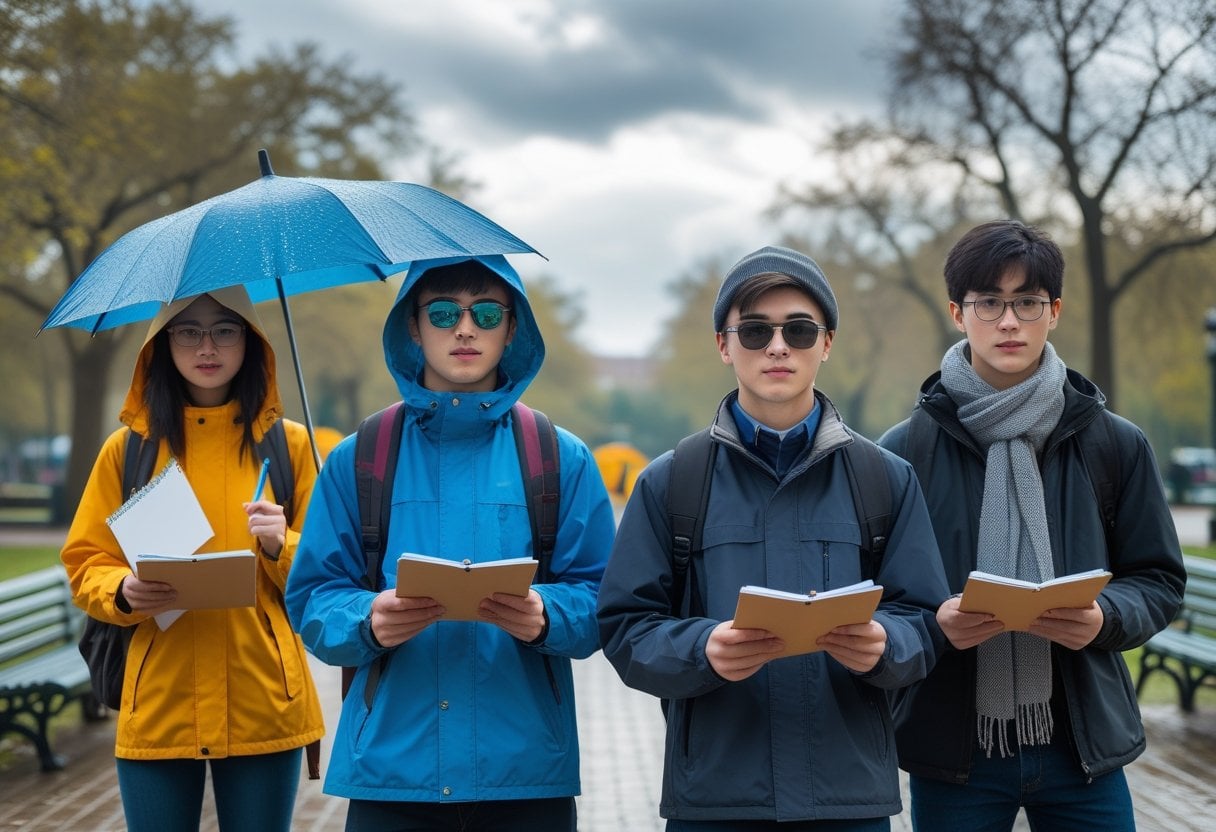
The key to success lies in understanding how to adapt your driving techniques, prepare your vehicle properly, and maintain the right mindset regardless of what the weather brings. We’ve all heard stories of learners who worried their test would be cancelled due to poor conditions, only to discover that examiners expect you to handle whatever nature serves up. After all, once you pass, you’ll be driving in all sorts of weather throughout the year.
Handling whatever the forecast throws at you comes from broad, guided experience, which an intensive driving course in a short focused stretch packs in neatly.
In this guide, we’ll walk you through everything you need to know about adjusting to different weather conditions on test day. From mental preparation and vehicle checks to specific techniques for rain, fog, and ice, you’ll learn how to turn challenging conditions into your advantage. We’ll also cover how to use your car’s safety features effectively and share practical strategies for those last-minute weather surprises that can catch even the most prepared learner off guard.
Why Weather Conditions Matter on Driving Test Day
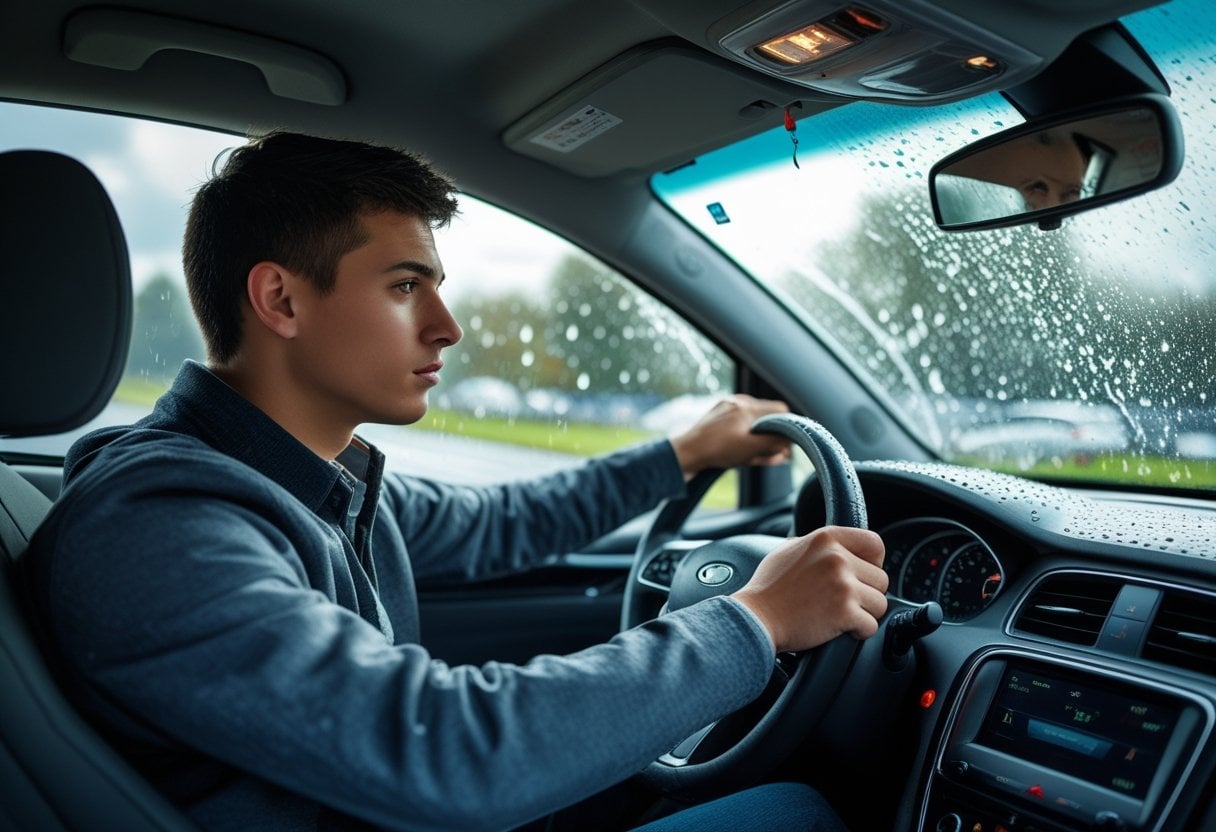
Weather plays a bigger role in your driving test than you might think. Rain, snow, fog, or even bright sunshine can change how you perform and what your examiner expects from you during the test.
The Impact of Adverse Weather on Driving Performance
Different weather conditions create unique challenges that can catch new drivers off guard. Wet roads make stopping distances much longer, which means you’ll need to leave more space between your car and the vehicle ahead.
Rain also reduces visibility through your windscreen. You might find yourself squinting or leaning forward to see better. This natural reaction can make you feel less confident behind the wheel.
Snow and ice present the toughest conditions. Your tyres lose grip, making it harder to steer smoothly or stop quickly. Even experienced drivers find these conditions tricky.
Bright sunshine creates its own problems too. Sun glare can blind you temporarily, especially when driving towards the sun. Clean your windscreen before the test and keep sunglasses handy.
Fog is particularly challenging because it limits how far ahead you can see. You’ll need to slow right down and use your fog lights properly.
Weather stress affects your decision-making. When you’re worried about slippery roads or poor visibility, you might make mistakes you wouldn’t normally make.
Understanding Examiner Expectations During Bad Weather
Your driving examiner knows that weather conditions affect how you drive. They’re not expecting you to perform exactly the same way in heavy rain as you would on a sunny day.
What examiners look for changes with the weather. In wet conditions, they want to see you:
- Reducing speed appropriately
- Leaving bigger gaps between vehicles
- Using lights correctly
- Checking mirrors more frequently
During foggy weather, examiners expect you to use fog lights when visibility drops below 100 metres. They’ll also want to see you maintaining much slower speeds.
The good news? Examiners make allowances for challenging conditions. They understand that you might need to drive more cautiously or take longer to complete manoeuvres.
Test cancellations only happen in extreme weather. The DVSA cancels tests when conditions become genuinely unsafe, like during heavy snow, flooding, or dangerous winds. Light rain or overcast skies won’t stop your test from going ahead.
Your examiner will actually be impressed if you show good judgement in adapting your driving to the conditions.
How Weather Can Affect Test Routes and Outcomes
Bad weather often means route changes on test day. Your examiner might avoid certain roads that become dangerous in wet or icy conditions. Steep hills, narrow country lanes, or areas prone to flooding could be skipped.
These changes aren’t necessarily bad news. Sometimes the alternative route is easier or more familiar to you.
Common weather-related test issues include:
- Fogged-up windows affecting visibility
- Slippery roads making hill starts harder
- Heavy rain drowning out the examiner’s instructions
- Strong winds affecting steering control
Your stopping distances become crucial in wet weather. Examiners pay close attention to how well you judge these longer distances when following other vehicles.
Weather can actually work in your favour sometimes. Light rain often means quieter roads with less traffic, giving you more space to demonstrate your skills.
Preparation is key regardless of conditions. Check the weather forecast before your test and practise driving in similar conditions beforehand. This builds your confidence and helps you know what to expect.
Remember, passing your test in challenging weather proves you’re a capable driver who can handle real-world conditions safely.
Preparing Yourself Mentally and Physically for Any Weather
Getting ready for test day means preparing your mind and body to handle whatever Mother Nature throws at you. We’ll focus on building unshakeable confidence, choosing the right gear, and mastering your emotions when conditions get tricky.
Building Confidence to Handle the Unexpected
Weather can be unpredictable, but your response doesn’t have to be. We build confidence by practising in different conditions before test day arrives.
Start by driving in light rain during your lessons. Ask your instructor to schedule sessions when it’s drizzly or overcast. This helps you get comfortable with reduced visibility and slippery roads.
Mental preparation techniques that work:
- Visualise yourself driving calmly in rain or fog
- Practice deep breathing exercises before starting the car
- Remind yourself that examiners expect weather challenges
Weather changes happen quickly. One moment it’s sunny, the next it’s pouring down. We prepare for this by understanding that adaptability is key.
Think of weather as just another driving scenario, like navigating a roundabout or parking. It’s a skill you can master with practice and the right mindset.
Remember that examiners won’t expect perfection in challenging weather. They want to see that you can adjust your driving safely when conditions change.
Practical Clothing and Footwear Choices
What you wear can make or break your performance on test day. We recommend choosing comfort and practicality over style.
Footwear essentials:
- Flat shoes with thin soles for better pedal feel
- Non-slip soles that won’t slide off pedals when wet
- Avoid flip-flops, high heels, or thick-soled boots
Dress in layers so you can adjust your temperature easily. Test centres can be warm, but the car might be cold when you start.
Choose clothes that don’t restrict your movement. Tight jackets or bulky coats can affect your steering and mirror checks.
Weather-specific clothing tips:
| Weather | What to Wear | Why It Helps |
|---|---|---|
| Rain | Light waterproof jacket | Easy to remove once inside |
| Hot sun | Breathable cotton shirt | Prevents overheating |
| Cold | Thin gloves (removable) | Warm hands, good grip |
Bring a small towel if it’s raining. Wet hands on the steering wheel can be slippery and distracting.
Staying Calm Under Pressure
Weather-related stress is normal, but we can manage it with simple techniques. The key is recognising when you’re getting tense and knowing how to reset.
Use the “5-4-3-2-1” technique when you feel overwhelmed. Name 5 things you can see, 4 you can hear, 3 you can touch, 2 you can smell, and 1 you can taste.
Quick calm-down strategies:
- Take three deep breaths before starting
- Grip the steering wheel lightly, not tightly
- Speak your actions aloud quietly (“checking mirrors now”)
If weather conditions worsen during your test, it’s perfectly acceptable to drive more slowly. Examiners appreciate cautious driving over reckless confidence.
Focus on what you can control. You can’t stop the rain, but you can turn on your headlights and windscreen wipers.
Remember that weather affects everyone on the road, including your examiner. They understand the challenges and will adjust their expectations accordingly. Trust your training and stay focused on the basics you’ve practised.
Essential Vehicle Checks for All Weather Scenarios
Proper vehicle preparation can make the difference between passing your driving test and facing unnecessary challenges on test day. We’ll focus on the most critical checks that ensure your car performs reliably whether you’re dealing with bright sunshine, heavy rain, or winter conditions.
Tyre Tread Depth and Pressure
Your tyres are your only connection to the road, making them absolutely crucial for test day success. We recommend checking both tread depth and pressure at least 24 hours before your test.
The legal minimum tread depth is 1.6mm, but we suggest having at least 3mm for better grip in wet conditions. Use the 20p coin test: insert the coin into the main grooves. If you can see the outer band, your tread is too shallow.
Check your tyre pressure when tyres are cold, ideally before you’ve driven anywhere. You’ll find the correct pressure in your vehicle handbook or on a sticker inside the driver’s door frame. Under-inflated tyres reduce grip and increase stopping distances.
Hot weather tip: Tyres heat up quickly in summer, causing pressure to rise. Check pressure early morning before temperatures climb.
Look for any cuts, bulges, or embedded objects in the tyre walls. These could cause a blowout during your test, which would be an automatic failure.
Checking Lights and Wipers
All your lights must work perfectly for your driving test, regardless of weather conditions. Start by checking your headlights, both dipped and full beam. Your instructor will expect you to know how to operate dipped headlights during overcast or rainy weather.
Test your indicators by walking around your car whilst they’re flashing. Check your brake lights by reversing close to a reflective surface like a garage door or asking someone to help.
Don’t forget your hazard lights, reverse lights, and number plate lights. These might seem minor, but a faulty light can result in test cancellation.
Your windscreen wipers need to clear the screen effectively without leaving streaks. Replace blades if they’re torn, hardened, or leaving smears. Test different wiper speeds to ensure you can adjust to varying rain intensity.
Check your washer fluid levels and top up if needed. You’ll want crystal-clear vision throughout your test.
Clearing Glass and Mirrors for Visibility
Crystal-clear visibility is non-negotiable on test day, especially when weather conditions are challenging. Start by cleaning all windows inside and out using a quality glass cleaner and lint-free cloth.
Pay special attention to your mirrors. Adjust them properly and ensure they’re spotlessly clean. Your examiner will notice if you’re struggling to see clearly due to dirty or poorly positioned mirrors.
For different weather conditions:
- Rain: Ensure your demister works effectively and know how to prevent windows fogging up
- Bright sunshine: Clean screens show less glare and make it easier to see road signs
- Winter conditions: Remove all ice and snow from windows, mirrors, and lights before setting off
Check that your sun visors move smoothly and can block low winter or summer sun effectively. Practice using them quickly without taking your attention off the road for too long.
Packing an Emergency Test Day Kit
We recommend preparing a small emergency kit specifically for your test day. This isn’t about major breakdowns, but rather having essentials that could save your test if minor issues arise.
Your test day kit should include:
- Clean cloths for quick window cleaning
- Spare fuses in case a light fails
- Screen wash concentrate for topping up
- De-icer and scraper during winter months
- Sunglasses for bright conditions
- Tissues for personal comfort
Keep a small bottle of water in your car. Staying hydrated helps maintain concentration, particularly important during longer tests or in hot weather.
Store everything in a small bag that won’t clutter your car or distract during the test. Remember, your examiner needs to see that you can operate the vehicle safely without fumbling for items.
Having these essentials gives you confidence and shows your examiner that you take driving seriously and prepare thoroughly.
Adjusting Driving Techniques for Different Conditions
Weather changes everything about how we handle our car during a driving test. We need to adapt our stopping distances, adjust our speed and spacing, prevent dangerous skids or aquaplaning, and navigate junctions with extra care.
Managing Stopping Distances Safely
Wet roads can double our stopping distance, while icy conditions make it ten times longer. During your driving test, we must show the examiner that we understand these changes.
In wet conditions, we should leave at least four seconds between us and the car ahead. Count “one thousand and one” to time this gap properly. This gives us enough room to stop safely if something unexpected happens.
On icy or snowy roads, we need even more space. Leave up to ten seconds between vehicles. Yes, that feels like ages, but it could save lives.
The two-second rule that works in dry weather becomes dangerous when roads are slippery. Our examiner will watch how we adjust this distance based on conditions.
Test your brakes gently when you first start driving in wet weather. This helps you understand how much grip you have. Don’t wait until you need to stop suddenly to find out your brakes aren’t working as expected.
Maintaining Speed and Space in Traffic
Speed limits are maximums for perfect conditions. When weather conditions change, we must drive slower to stay safe and pass our driving test.
In heavy rain, reduce your speed by about 10-15 mph from the limit. This prevents aquaplaning and gives you better control. If you can’t see clearly, slow down even more.
During foggy conditions, we might need to crawl along at 20 mph or less. Use dipped headlights and fog lights when visibility drops below 100 metres. Never use full beam headlights in fog.
Snow and ice require the biggest speed reductions. Sometimes we’ll need to drive at half the normal speed limit. This isn’t being overcautious, it’s being smart.
Watch the traffic around you carefully. Other drivers might not adjust their speed properly, creating dangerous situations. We need extra space on all sides, not just in front.
How to Avoid Skidding and Aquaplaning
Smooth, gentle movements prevent most skids during your driving test. Sudden actions cause tyres to lose grip, especially on wet or icy roads.
To prevent aquaplaning, keep your tyres in good condition with proper tread depth. Drive in the tracks left by other vehicles when possible. These areas have less standing water.
If we start to aquaplant, don’t panic. Ease off the accelerator gently and steer straight. Don’t brake hard or make sharp steering movements.
For skid prevention, accelerate gradually and brake smoothly. Use engine braking by changing to a lower gear instead of relying only on foot brakes.
If we do skid, turn the steering wheel in the direction we want the car to go. Don’t overcorrect by turning too sharply. This often makes skids worse.
Practice these techniques in a safe area before your test day. An empty car park after rain gives you a chance to feel how your car behaves.
Adapting at Junctions and Roundabouts
Junctions become much trickier in poor weather. We need extra time to observe, decide, and act safely during our driving test.
Approach junctions more slowly in wet or icy conditions. Our tyres need more distance to stop, and other road users might slide into us unexpectedly.
At roundabouts, reduce speed well before the give way line. Wet painted road markings become extremely slippery. Take extra care when crossing these areas.
Use lower gears for better control when pulling away from junctions. This prevents wheel spin on slippery surfaces and shows your examiner you understand the conditions.
Check mirrors more frequently near junctions. Other drivers might be struggling with conditions too. Give everyone extra space and time to manoeuvre safely.
Signal earlier than normal so other road users have more time to see and react to your intentions. Visibility is often reduced in poor weather, making clear communication essential.
Strategies for Common and Challenging Weather Types
Different weather conditions demand specific adjustments to your driving technique, from increasing your stopping distance in wet conditions to using dipped headlights correctly when driving in fog. Each weather scenario presents unique challenges that require focused preparation and adaptive skills.
Driving in Rain and Wet Conditions
Wet roads transform your test day experience completely. The road surface becomes slippery, and your tyres struggle to maintain their usual grip.
Increase your following distance to at least four seconds behind the vehicle ahead. Wet conditions can double your stopping distance, so this extra space becomes your safety buffer.
Reduce your speed gradually before approaching corners and roundabouts. Sharp steering movements on wet surfaces can cause your vehicle to skid unexpectedly.
Keep your movements smooth and deliberate. Harsh acceleration, sudden braking, or quick steering changes will upset your car’s balance on slippery surfaces.
| Wet Weather Essentials | Action Required |
|---|---|
| Following distance | Increase to 4+ seconds |
| Speed reduction | 10-15 mph below normal |
| Tyre grip | Test gently when safe |
| Visibility | Use headlights if needed |
Watch for standing water on the road surface. Driving through deep puddles can cause aquaplaning, where your tyres lose contact with the road entirely.
Test your brakes gently after driving through water. This helps clear moisture from the brake discs and ensures they’re working properly.
Navigating Fog with Confidence
Fog creates one of the most challenging visibility scenarios you’ll face. Your ability to see hazards, other vehicles, and road markings becomes severely limited.
Switch to dipped headlights immediately when visibility drops below 100 metres. Full beam headlights will reflect off the fog and actually reduce your visibility further.
Use fog lights only when visibility falls below 100 metres. Remember to switch them off when conditions improve, as they can dazzle other drivers unnecessarily.
Slow down significantly and increase your following distance. You need extra time to react to hazards that appear suddenly through the fog.
Keep your windscreen clear by using your air conditioning and wipers effectively. Fog often creates condensation that builds up quickly on glass surfaces.
Follow road markings and lane dividers closely. These become your primary navigation tools when you can’t see far ahead.
Avoid overtaking completely in foggy conditions. You simply can’t judge oncoming traffic or hazards with the limited visibility available.
Listen carefully for approaching vehicles, emergency sirens, or other audio cues that might warn you of nearby hazards.
Handling Snow and Icy Roads
Icy and snowy conditions demand the gentlest possible driving technique. Your stopping distance can increase by up to ten times on ice.
Start moving very gently from a standstill. Use the highest gear possible and barely touch the accelerator to prevent wheel spin.
Brake much earlier than usual and apply pressure gradually. Sudden braking on ice will lock your wheels and cause dangerous sliding.
Steer smoothly through corners at reduced speeds. Ice gives you virtually no grip for sudden direction changes or corrections.
Clear all snow and ice from your windscreen, mirrors, and lights before starting your test. Limited visibility compounds the challenges of slippery surfaces.
Keep your movements slow and deliberate:
- Gentle acceleration
- Early, progressive braking
- Smooth steering inputs
- Increased following distance
Choose your route carefully if possible. Main roads are usually gritted and cleared before side streets and rural areas.
Coping with Hot Weather and Glare
Intense sunlight and heat create their own set of driving challenges. Glare can temporarily blind you, while heat affects both you and your vehicle.
Use your sun visors effectively and consider wearing sunglasses to reduce glare from the sun and reflective surfaces like wet roads or other vehicles.
Keep your windscreen spotlessly clean. Dirt and smears that you barely notice in normal conditions become major visibility problems when the sun hits them.
Plan for sun position throughout your test. The sun’s angle changes, and what seems manageable at the start might become problematic later.
Stay hydrated and dress appropriately. Heat affects your concentration and reaction times, so keep cool and comfortable.
Check your vehicle’s cooling system works properly. Overheating during your test would create serious problems and potential safety risks.
Adjust your speed when driving directly into bright sunlight. Slower speeds give you more time to spot hazards you might not see immediately due to glare.
Using Vehicle Features for Maximum Safety and Visibility
Your car’s built-in safety features become your best allies when weather turns challenging on test day. Mastering dipped headlights, fog lamps, and windscreen systems will help you tackle any conditions with confidence.
When and How to Use Dipped Headlights
We recommend switching on your dipped headlights whenever visibility drops, even during daylight hours. This simple action makes you more visible to other drivers and your examiner will notice your attention to safety.
Turn on dipped headlights when:
- Rain reduces visibility
- Overcast skies create dim conditions
- Driving through tunnels or underpasses
- Dawn or dusk approaches
Never use full beam headlights during your test unless you’re on unlit roads with no oncoming traffic. Dipped headlights provide adequate illumination without dazzling other drivers.
The key is timing. Switch them on early rather than waiting until visibility becomes poor. Your driving instructor has likely emphasised this, and it’s particularly important on test day when nerves might affect your judgement.
Remember to check your headlight switch before setting off. Some modern cars have automatic settings, but manual control gives you better awareness of when lights activate.
Operating Fog Lamps Properly
Fog lamps require careful judgement, and using them incorrectly can actually fail your test. We only use rear fog lights when visibility drops below 100 metres, roughly the length of a football pitch.
Proper fog lamp usage:
- Front fog lights: Use in heavy fog, snow, or torrential rain
- Rear fog lights: Only when visibility is severely reduced
- Switch off: As soon as conditions improve
Many learners make the mistake of leaving fog lights on after conditions clear. This dazzles following drivers and shows poor observation skills. Your examiner will expect you to monitor changing conditions and adjust accordingly.
Practice locating your fog light switches before test day. Different cars have various control methods, from dashboard buttons to steering column stalks. Quick, confident operation demonstrates good vehicle familiarity.
If you’re unsure whether to use fog lights, err on the side of caution and ask yourself: “Can I see clearly 100 metres ahead?” If the answer is no, fog lights are appropriate.
Effective Use of Windscreen Wipers and Demisters
Clear vision through your windscreen is absolutely essential, and knowing your wiper controls inside out will serve you well. We adjust wiper speed to match rainfall intensity, from intermittent for light drizzle to fast continuous for heavy downpours.
Essential windscreen controls:
- Intermittent wipers: Light rain or mist
- Continuous slow: Steady rainfall
- Continuous fast: Heavy rain
- Front demister: Clears internal condensation
- Rear demister: Heated rear window
Don’t forget your rear windscreen demister, especially on cold mornings when condensation builds up quickly. Press the button early in your journey and leave it running until the glass stays clear.
Many modern cars have automatic wipers that sense rainfall intensity. However, manual control often works better because you can anticipate changing conditions rather than waiting for sensors to react.
Keep an eye on your washer fluid levels too. A quick squirt and wipe can clear road spray or dirt that gradually reduces visibility. Your examiner will appreciate this proactive approach to maintaining clear vision throughout your test.
Final Test Day Tips for Last-Minute Weather Changes
Weather conditions can shift unexpectedly on your driving test day, but checking forecasts early and staying adaptable will help you handle any changes with confidence. We’ll show you how to react calmly when conditions change and maintain focus throughout your test.
Checking the Forecast Before You Leave
Start your morning by checking multiple weather sources at least two hours before your test. Look beyond basic rain or shine predictions.
Check these specific details:
- Hourly forecasts for your exact test time
- Wind speeds and gusts
- Visibility levels and fog warnings
- Temperature changes that might affect road conditions
We recommend using your phone’s weather app plus the Met Office website for accuracy. Screenshot the forecast so you can refer back to it later.
If heavy rain or snow appears likely during your test window, mentally prepare for slower speeds and longer following distances. This preparation helps reduce anxiety when conditions actually change.
Contact your test centre if severe weather warnings are active. They’ll inform you about potential cancellations or safety protocols before you travel.
Reacting to Sudden Shifts in Weather
Weather can change within minutes during your driving test. Stay calm and adapt your technique smoothly when this happens.
For sudden rain:
- Turn on headlights immediately
- Reduce speed gradually
- Increase following distance to four seconds
- Use windscreen wipers appropriately
When fog rolls in:
- Switch to dipped headlights (never full beam)
- Slow down significantly
- Use fog lights if visibility drops below 100 metres
During unexpected wind:
- Grip the steering wheel firmly with both hands
- Anticipate gusts when passing large vehicles
- Slow down on exposed roads or bridges
Your examiner expects you to respond to changing conditions. They’re looking for smooth, sensible adjustments rather than perfect weather throughout your test.
Don’t panic if conditions worsen suddenly. Take a deep breath and apply the techniques you’ve practised. Your instructor has prepared you for these moments.
Staying Flexible and Focused Until the End
Weather conditions during your driving test might improve or worsen as you progress through different areas. We’ve seen candidates lose concentration when sunny skies suddenly turn stormy.
Maintain focus by:
- Continuously scanning the road ahead
- Adjusting your mirrors when weather changes
- Staying aware of other drivers’ reactions
- Keeping both hands ready on the steering wheel
Don’t let improving weather make you overconfident. If conditions start sunny but clouds gather, be ready to slow down and switch on lights when needed.
Remember that your examiner understands weather challenges. They won’t expect you to drive at normal speeds in heavy rain or thick fog. What matters is showing you can adapt safely.
Stay positive throughout:
- Trust your training and instincts
- Focus on one manoeuvre at a time
- Remember that passing in challenging weather actually demonstrates stronger driving skills
Keep your energy up by staying hydrated and taking deep breaths between instructions. Weather changes are temporary, but the driving skills you demonstrate will determine your success.
Frequently Asked Questions
Weather changes can catch you off guard on test day, bringing up questions about everything from what to wear to how much extra travel time you’ll need. Here’s what you need to know about staying prepared and confident when the forecast throws you a curveball.
What strategies can I employ to stay calm and focused if I wake up to unexpected inclement weather on my driving test day?
Take a deep breath and remember that your examiner expects you to handle whatever conditions come your way. This is actually a brilliant opportunity to show off your real-world driving skills.
Start your morning routine 15 minutes earlier than planned. Give yourself time to check the weather forecast and mentally prepare for the conditions ahead.
Focus on what you can control. You’ve practised driving in different weather during your lessons, so trust in that experience.
Remind yourself that thousands of learners pass their tests in challenging weather every year. You’re perfectly capable of joining them.
Try some simple breathing exercises while getting ready. Breathe in for four counts, hold for four, then breathe out for four. This helps settle your nerves naturally.
Could you offer some advice on the best attire for staying comfortable during my driving test when the weather is unseasonably warm or cold?
Dress in layers so you can adjust your comfort level once you’re in the test car. You want to feel relaxed, not distracted by being too hot or cold.
Choose comfortable, breathable fabrics if it’s unexpectedly warm. Avoid thick jumpers that might make you feel stuffy during the test.
For cold weather, wear a coat you can easily remove once inside the vehicle. Bulky clothing can affect your movement and confidence behind the wheel.
Your footwear matters more than you might think. Wear shoes that give you good pedal control, avoiding anything slippery or with thick soles that could affect your feel for the controls.
Skip the sunglasses unless absolutely necessary. Your examiner needs to see your eyes clearly, and you need maximum visibility in changing light conditions.
Are there any special vehicle checks or preparations I should consider when faced with a sudden change in weather before my driving examination?
Check your windscreen wipers before setting off, especially if rain has arrived overnight. Make sure they’re clearing the screen properly without streaking.
Test your lights and indicators. Gloomy weather means you’ll likely need them, and a blown bulb could affect your test performance.
Clear all windows completely, inside and out. Don’t just scrape a small viewing hole if there’s frost or condensation.
Adjust your mirrors once you’re settled in the test car. Weather can affect visibility, so you want perfect positioning from the start.
If there’s been overnight rain, be aware that the first bit of driving might feel different as tyres warm up on wet roads. This is completely normal.
How might one adjust their driving techniques to ensure safety and confidence in the face of adverse or unexpected weather conditions on test day?
Increase your following distance immediately when conditions are less than perfect. The two-second rule becomes four seconds in wet weather.
Reduce your speed slightly and drive more smoothly. Gentle acceleration, braking, and steering show your examiner you understand how to adapt safely.
Use your lights when visibility drops. It’s better to switch them on early rather than risk not being seen by other road users.
When approaching puddles, slow right down and steer gently through the shallowest part. Never plough through standing water at normal speed.
Keep both hands on the wheel more often than usual. Weather can create unexpected situations where you need full control quickly.
Be extra observant around pedestrians and cyclists. They might behave differently in poor weather, and your stopping distance will be longer.
Could you shed some light on any additional time I should allocate for travel to the test centre if extreme weather might impact my journey?
Add at least 15 minutes to your usual journey time if there’s heavy rain, snow, or fog predicted. Traffic often moves more slowly in challenging conditions.
Check local traffic reports before leaving home. Weather-related incidents can cause unexpected delays on your planned route.
Have a backup route in mind, particularly if your usual path includes areas prone to flooding or has exposed sections that might be affected by strong winds.
Plan to arrive 20 minutes early instead of the usual 10. This gives you time to settle your nerves and adjust to the conditions without feeling rushed.
Consider public transport delays too, if that’s how you’re travelling to the test centre. Buses and trains often run behind schedule in poor weather.
What aspects should I be mindful of when it comes to the different types of road conditions I might encounter during my driving test due to varying weather?
Wet roads reduce grip significantly, especially in the first few minutes after rain starts when oil and debris create slippery surfaces. Drive more gently through corners and roundabouts.
Standing water can appear quickly during heavy downpours. Always approach puddles slowly and be prepared to find an alternative route if water looks too deep.
Fallen leaves become incredibly slippery when wet, particularly on quieter roads where they haven’t been cleared by traffic. Treat them like ice patches.
Strong winds affect your car’s handling, especially when passing large vehicles or emerging from sheltered areas. Keep a firmer grip on the steering wheel.
Ice can form in shaded areas and on bridges even when other roads seem fine. Early morning tests in winter require extra caution on these surfaces.
Low sun can create dangerous blind spots, particularly during autumn and winter tests. Use your sun visor and be ready to slow down if visibility becomes poor.
Ready to pass in weeks, not months?
LPOD Academy runs tailored intensive driving courses from 10 to 50 hours across most of the UK, with your theory and practical test support included.
Ready to Book Driving Lessons?
LPOD Academy offers intensive driving courses across the UK. Find your nearest location: