

Published 7 November 2025, updated 12 July 2026
Dealing with Beeping and Impatience from Other Drivers: Practical Confidence for Learner Drivers
Getting beeped at whilst learning to drive can feel awful. Your heart pounds, your hands shake, and suddenly everything you’ve practised goes out the window. If you’ve ever been on the receiving end of an impatient driver’s horn, you know exactly how crushing that moment can be.
Impatient drivers are a fact of the road, and you can build calm road confidence with an intensive driving course that prepares you to stay composed when someone leans on their horn.
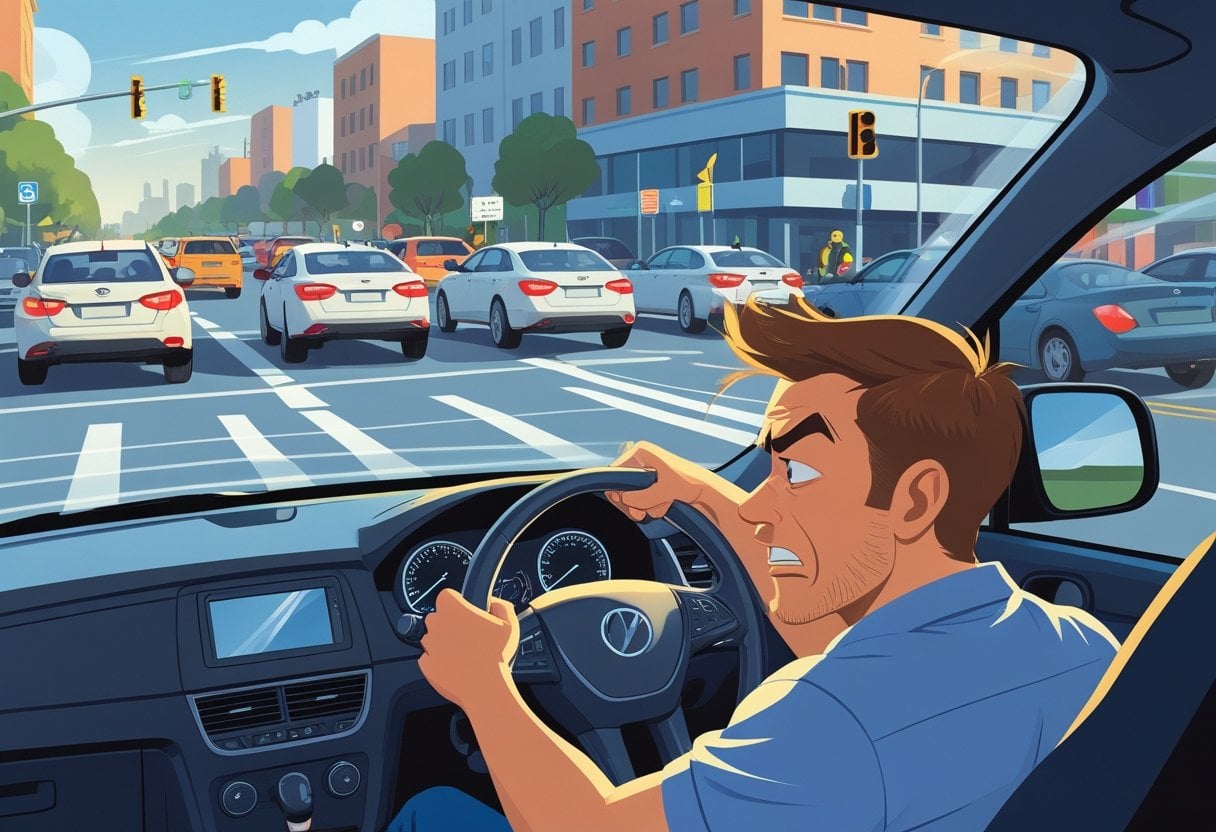
The truth is that drivers who beep at learners are usually dealing with their own stress and unrealistic expectations, and their behaviour says nothing about your actual driving ability. Understanding why this happens can completely change how you respond to these situations. When we recognise that their impatience stems from their own issues rather than our performance, we can start building the mental resilience needed to stay calm and focused.
We’ll explore the psychology behind driver impatience and show you practical techniques for staying confident when faced with aggressive behaviour. You’ll discover how to spot the warning signs of impatient drivers, develop strategies that keep you safe, and build the long-term skills that transform stressful encounters into opportunities for growth. Most importantly, we’ll help you remember that every expert driver was once exactly where you are now.
Understanding Beeping and Driver Impatience
When we’re learning to drive, it can feel like every beep is directed at us personally. The reality is that driver impatience stems from various psychological triggers, unrealistic expectations, and fundamental misunderstandings about how people learn complex skills like driving.
Why Some Drivers Use Their Horns
The car horn was originally designed as a safety tool to warn other road users of danger. However, many drivers have transformed it into a tool for expressing frustration.
Stress plays a massive role in how people behave behind the wheel. When experienced drivers feel pressured by time constraints or heavy traffic, their patience drops dramatically. They forget that everyone was once a beginner.
Some drivers suffer from what psychologists call “competence bias.” They overestimate their own abilities whilst underestimating how long it took them to develop their skills.
Modern life moves at breakneck speed. Many people expect everything to happen instantly, including traffic flow. When we encounter any delay, even a perfectly reasonable one, it can trigger an almost automatic horn response.
Social isolation in cars makes it easier for people to behave aggressively. They wouldn’t shout at someone learning to ride a bike in the park, but somehow the metal barrier makes rudeness feel acceptable.
The anonymity of driving also plays a part. People feel disconnected from the human being in the other car, making it easier to express impatience without considering the emotional impact.
Common Triggers for Beeping
Several specific situations tend to make some drivers reach for their horn when they encounter learner drivers. Understanding these triggers can help us prepare mentally for these moments.
Stalling at traffic lights is probably the most common trigger. The moment those lights turn green, some drivers expect instant movement. They forget how tricky clutch control can be when you’re still mastering the basics.
Taking extra time at roundabouts often leads to frustrated beeping. As learner drivers, we need those extra seconds to assess gaps safely and coordinate our observations with our pedal work.
Slow pull-aways from junctions create another flashpoint. What feels like careful, responsible driving to us can feel painfully slow to someone running late for a meeting.
Other common triggers include:
- Taking longer to parallel park
- Driving slightly below speed limits
- Making cautious turns at corners
- Hesitating before overtaking cyclists
These situations highlight perfectly normal learning behaviours that impatient drivers misinterpret as incompetence or inconsideration.
Misconceptions About Learner Drivers
Many experienced drivers hold completely unrealistic expectations about what learner drivers should be able to do. These misconceptions create unnecessary pressure and lead to inappropriate horn use.
The biggest myth is that L-plates simply mean “drive carefully.” Many people don’t realise that learners are still developing fundamental skills like clutch control, spatial awareness, and hazard perception.
Some drivers believe that if you’re on the road, you should already know everything. They think driving lessons are just about learning traffic rules rather than developing complex motor skills and decision-making abilities.
Memory plays tricks on experienced drivers. Most people cannot accurately recall their own learning struggles. They’ve forgotten the mental effort required for tasks that now feel automatic.
Time pressure makes these misconceptions worse. When someone’s running late, they’re less likely to show understanding for normal learning behaviours.
Social media culture has shortened attention spans dramatically. Many drivers expect everything to move at internet speed, including traffic flow and learning processes.
The truth is that learning to drive takes time. Every qualified driver once needed extra seconds at roundabouts, occasionally stalled at lights, and felt nervous in busy traffic. Recognising this helps us maintain confidence when facing impatient behaviour.
How Impatience Affects Learner Drivers
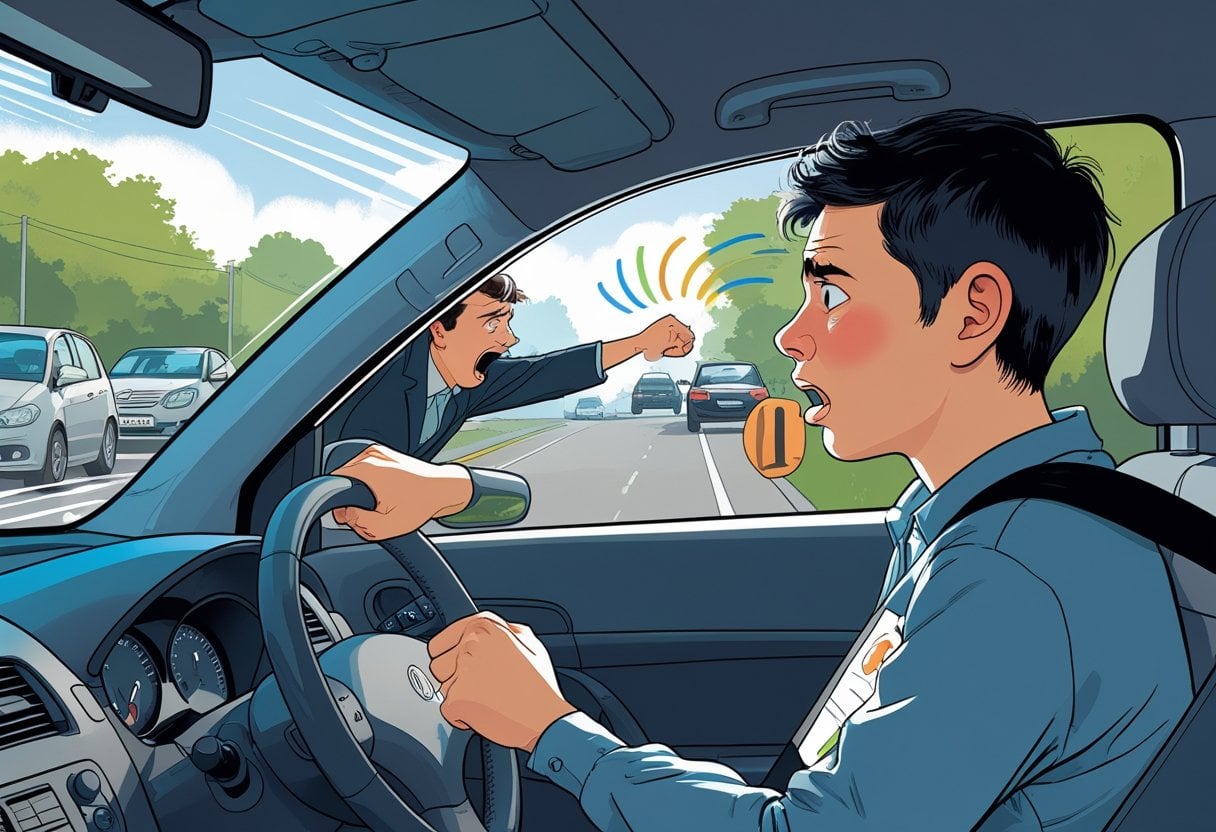
When other drivers show impatience through beeping or aggressive behaviour, it creates immediate stress that can shake our confidence and disrupt our concentration. These moments often leave lasting effects on how we feel about getting behind the wheel and can impact our learning progress in ways that extend far beyond the initial incident.
Emotional Impact and How to Cope
The sound of a car horn behind us can trigger intense feelings that seem to come out of nowhere. Our heart starts racing, palms get sweaty, and suddenly the simple task of moving off feels impossible.
Immediate stress responses include:
- Racing heartbeat and shallow breathing
- Sweating and trembling hands
- Feeling overwhelmed or flustered
- Difficulty concentrating on basic tasks
Many of us describe feeling embarrassed or ashamed when someone beeps at us. We might think everyone is watching and judging our driving skills, even though most people barely notice what’s happening around them.
Some learner drivers feel angry or frustrated, especially when we know we’re following traffic rules correctly. Others experience guilt, even when we’ve done absolutely nothing wrong.
To cope with these emotional reactions:
- Take three deep breaths through our nose
- Remind ourselves that we have every right to be on the road
- Focus on what we can control (our steering, speed, observations)
- Remember that their impatience reflects their own stress, not our abilities
These emotional reactions are completely normal. Our brain is still learning to process multiple driving tasks at once, so unexpected sounds can feel overwhelming at first.
Confidence Challenges in Real Traffic
Being honked at can seriously damage our confidence behind the wheel. What started as excitement about driving can quickly turn into anxiety and self-doubt about our abilities.
We might begin second-guessing every decision we make. Taking longer at junctions becomes a source of worry rather than careful consideration for safety.
Common confidence issues after being beeped at:
- Hesitating before pulling away from traffic lights
- Rushing decisions to avoid holding up traffic
- Avoiding certain roads or driving situations
- Feeling nervous about practising in busy areas
Some of us start driving faster than feels comfortable, just to keep other drivers happy. This creates dangerous situations where we’re driving beyond our current skill level.
Others become overly cautious, taking so long to make decisions that we actually create more problems. Finding the right balance takes time and supportive practice in different environments.
The key is remembering that confidence builds gradually. Each time we handle a challenging situation calmly, we’re developing resilience that will serve us well as qualified drivers.
Staying Focused Under Pressure
When someone beeps or shows impatience, our natural instinct might be to panic or make rushed decisions. Learning to maintain focus during these moments is a valuable skill that extends beyond driving.
Immediate focus strategies:
- Keep our primary attention on safe driving
- Don’t try to gesture or make eye contact with the other driver
- Maintain appropriate speed for the conditions
- Continue following the road rules we’ve been taught
If we’re with an instructor, they’ll guide us through the situation. We shouldn’t hesitate to tell them if we’re feeling overwhelmed or need a moment to collect ourselves.
After being beeped at, we can do a quick mental reset. Check our mirrors and road position, ensure we’re travelling at an appropriate speed, and remind ourselves that we’re doing well.
Building long-term focus skills:
- Practice mindfulness techniques during quieter drives
- Use positive self-talk phrases like “I’m learning and that’s perfectly okay”
- Focus on our own progress rather than other drivers’ reactions
- Celebrate small victories in handling pressure situations
Many experienced drivers still feel rattled by aggressive behaviour, so we shouldn’t expect to be completely unaffected. The goal is developing tools to stay calm and focused when it matters most.
Recognising the Behaviours of Aggressive and Impatient Drivers
Spotting aggressive behaviour early helps us prepare mentally and respond safely to challenging situations. Recognising when someone’s driving becomes risky, understanding the warning signs of escalating anger, and knowing what typically sets drivers off can protect us from dangerous encounters.
Tailgating and Its Risks
When someone follows too closely behind us, it creates one of the most stressful situations we’ll face as learners. Tailgating happens when another driver maintains less than the recommended two-second gap behind our car.
This behaviour often stems from impatience rather than genuine aggression. Some drivers think staying close will encourage us to drive faster or move over.
Signs of dangerous tailgating include:
- Seeing their entire windscreen and headlights in your rear-view mirror
- Noticing they’re following closer than one car length at any speed
- Watching them accelerate and brake repeatedly behind you
- Observing aggressive gestures or flashing headlights
The risks are serious for learner drivers. We might feel pressured to speed up beyond our comfort zone. This often leads to mistakes or poor decision-making.
Tailgating also reduces our reaction time if we need to brake suddenly. The driver behind us has even less time to stop safely.
Our best response involves staying calm and maintaining our speed. If possible, we can signal left and pull over safely to let them pass. Never brake-check or gesture back, as this escalates the situation dangerously.
Identifying Aggressive Driving Signs
Aggressive drivers show specific patterns that we can learn to recognise quickly. Spotting these behaviours early helps us stay alert and make safer choices on the road.
Common aggressive driving behaviours include:
- Weaving between lanes without proper signalling
- Running red lights or ignoring traffic signs
- Making rude gestures or shouting from their vehicle
- Honking excessively or flashing headlights repeatedly
- Cutting in front of other cars with minimal space
We might notice them speeding up to block lane changes or preventing other drivers from merging safely. Some aggressive drivers deliberately block roundabouts or junctions.
Physical signs of an angry driver:
- Visible gesturing or animated movements in their car
- Leaning forward aggressively over the steering wheel
- Making direct eye contact in a threatening manner
- Revving their engine unnecessarily at traffic lights
The key difference between aggressive driving and road rage lies in intensity. Aggressive driving involves risky behaviours, whilst road rage includes intentional attempts to harm or threaten other drivers.
When we spot these warning signs, our priority becomes creating distance and avoiding any interaction with that driver.
Understanding Road Rage Triggers
Certain situations tend to escalate ordinary driving frustration into more serious aggressive behaviour. Understanding these triggers helps us navigate potentially explosive encounters more safely.
Traffic conditions that commonly trigger aggression:
- Heavy congestion during rush hour periods
- Construction zones with lane restrictions
- School zones with reduced speed limits
- Car parks during busy shopping periods
Driver-specific triggers include:
- Running late for important appointments
- Personal stress from work or family issues
- Feeling disrespected by other drivers’ actions
- Experiencing multiple minor traffic delays
We often become targets simply because we’re learning and naturally drive more cautiously. Some drivers interpret our careful approach as deliberate obstruction.
Situations that frequently escalate tensions:
- Merging onto busy motorways or dual carriageways
- Navigating multi-lane roundabouts during peak times
- Taking extra time at traffic lights or junctions
- Driving at or slightly below posted speed limits
The most dangerous trigger occurs when drivers feel their masculinity or driving skills are being questioned. This often happens in competitive driving cultures where speed equals respect.
Recognising these patterns helps us anticipate problems and adjust our driving accordingly. We can choose quieter routes during peak stress times or practise challenging manoeuvres during off-peak hours.
Building Confidence Behind the Wheel
When other drivers beep or show impatience, staying calm becomes much easier when we’ve built genuine confidence in our driving abilities. Simple breathing techniques, positive self-talk, and learning from experienced drivers can transform how we handle stressful moments on the road.
Practical Techniques for Staying Calm
We can train ourselves to respond calmly when someone beeps at us. The key is having a clear mental plan before these situations happen.
When you hear a beep:
- Keep your hands steady on the wheel
- Don’t rush your next decision
- Focus on what you’re doing right
- Resist checking mirrors obsessively
Taking control of our physical response helps enormously. We might feel our heart racing, but we can still control our actions.
If you need a moment, find a safe place to pull over. This isn’t giving up or admitting defeat. It’s smart driving.
Some learner drivers worry about holding up traffic. Remember that everyone has the right to drive at a safe speed for their skill level.
We can practise staying calm during quieter drives. Try deliberately driving a bit slower than usual to get comfortable with cars behind you.
Body language matters too. Sit up straight, relax your shoulders, and keep your grip on the steering wheel firm but not tense.
Breathing Exercises and Positive Self-Talk
Our breathing changes when we feel stressed, but we can use it to calm ourselves down quickly. Simple breathing techniques work even whilst driving.
Try the 4-4-4 method when stopped at traffic lights:
- Breathe in for 4 counts
- Hold for 4 counts
- Breathe out for 4 counts
For times when you’re actively driving, focus on slow, steady breaths through your nose. This helps your body relax naturally.
Positive self-talk changes everything. Instead of thinking “I’m rubbish at this,” we can say “I’m learning and that’s perfectly normal.”
Helpful phrases to remember:
- “I belong on this road”
- “Taking my time keeps everyone safe”
- “That beep says nothing about my driving”
- “I’m getting better with every mile”
Write down a few encouraging phrases and practise saying them. When stress hits, these words will come naturally.
Learning from Experienced Drivers
Experienced drivers can teach us how they handle impatient motorists. Most qualified drivers have faced the same challenges we’re dealing with now.
Ask friends or family about their worst driving moments. You’ll discover that everyone has stories about being beeped at or making mistakes.
What experienced drivers know:
- Every driver was once a beginner
- Confident drivers ignore unnecessary beeping
- Safe driving matters more than speed
- Some people are just having bad days
Watch how calm, experienced drivers behave. They don’t panic when someone beeps. They don’t speed up dangerously to please other drivers.
Good drivers focus on three things: following traffic rules, staying safe, and being considerate. They don’t try to make everyone else happy.
We can learn to adopt this same mindset. When an experienced driver says “just ignore them,” they’re sharing wisdom from years on the road.
Safety Strategies for Handling Impatient Situations
When dealing with aggressive drivers and impatient behaviour on the road, your safety comes first, and staying calm is your best defence. We’ll show you how to respond to pressure without letting it affect your driving or confidence.
Responding to Beeping Without Panicking
When someone beeps at us, our natural reaction might be to rush or feel anxious. Instead, we need to stay focused on what we’re doing right.
Take a deep breath and remind yourself that you’re following the rules. The beeping driver behind you isn’t your instructor, and their impatience doesn’t mean you’re doing anything wrong.
Keep these points in mind:
- Continue driving at a safe speed for the conditions
- Don’t speed up just because someone’s beeping
- Check your mirrors to stay aware of your surroundings
If you feel your heart racing, focus on your breathing. Count to three before making any decisions about your next move.
Remember that experienced drivers sometimes forget what it was like when they were learning. Their beeping often reflects their own stress, not your driving ability.
Keeping a Safe Distance from Tailgaters
Tailgating puts everyone at risk, and it’s one of the most dangerous forms of aggressive driving we encounter. When someone drives too close behind us, we need to create more space in front of our vehicle.
Slow down gradually to increase the gap between you and the car ahead. This gives you more time to react if something happens.
Follow the two-second rule:
- Pick a fixed point ahead (like a tree or sign)
- When the car in front passes it, count “one thousand and one, one thousand and two”
- You should reach that point after you finish counting
Don’t brake suddenly unless there’s an emergency. This can make tailgaters more aggressive and increase the risk of being hit from behind.
If possible, signal early and move to a slower lane. Let the tailgater pass when it’s safe to do so.
When to Let Others Pass Safely
Sometimes the best strategy is to let impatient drivers go around us. This removes the pressure and keeps everyone safer.
Look for safe opportunities to pull over or move to the left lane. Use your indicators early to show other drivers your intentions.
Safe passing opportunities include:
- Wide roads with good visibility
- Straight stretches without oncoming traffic
- When you can maintain a safe speed in the slower lane
Don’t feel pressured to speed up or take risks just to accommodate aggressive drivers. Your safety matters more than their schedule.
If you’re on a single carriageway and several cars are behind you, consider pulling into a lay-by when it’s safe. This simple act often reduces tension for everyone.
Avoiding Escalation on the Road
We never want to make an already tense situation worse. Aggressive drivers are looking for a reaction, and our job is to stay professional and calm.
Avoid eye contact with angry drivers. Looking at them can make them feel challenged and increase their aggression.
Never respond with:
- Hand gestures or shouting
- Aggressive driving behaviour
- Blocking their attempts to pass
Keep your doors locked and windows up if someone seems particularly aggressive. If you feel threatened, drive to a busy public place or police station.
If nerves are a big part of the picture for you, the Platinum 50 course for new drivers gives total beginners and anxious learners the most one-to-one support we offer.
Focus on being predictable in your driving. Signal clearly, maintain steady speeds, and follow traffic rules. This helps other drivers understand what you’re planning to do.
Remember that road rage incidents can escalate quickly. Our goal is always to defuse tension, not add to it.
Long-Term Growth as a Road-Ready Driver
Building lasting confidence behind the wheel means developing solid habits, learning from difficult encounters, and understanding that becoming truly road-ready is a gradual process. Each challenging moment becomes a stepping stone towards becoming the skilled, composed driver we’re working to become.
Developing Positive Driving Habits
The habits we form during our early driving days stick with us for years to come. When other drivers beep or show impatience, our response patterns become ingrained behaviours that shape our driving personality.
We can choose to develop resilience-building habits right from the start. Deep breathing when we feel pressured becomes second nature with practice. Taking a moment to check our mirrors and surroundings before reacting helps us stay grounded.
Creating pre-drive routines builds confidence too. We might spend two minutes visualising our route, adjusting our seat and mirrors properly, or simply reminding ourselves that we belong on the road.
Positive habits worth developing:
- Celebrating small wins after each lesson
- Speaking kindly to ourselves when we make mistakes
- Focusing on our own progress rather than comparing ourselves to other drivers
- Taking breaks when we feel overwhelmed
These habits protect us from letting negative encounters define our driving experience. Every time we respond calmly to pressure, we’re strengthening our ability to handle future challenges.
The beauty of habit formation is that positive responses become automatic. What once required conscious effort eventually happens naturally, creating a foundation of confidence that serves us well beyond our learner driver days.
Turning Challenging Moments into Learning Experiences
Every time someone beeps at us or shows impatience, we’re presented with a valuable learning opportunity. These moments, whilst uncomfortable, teach us skills that driving lessons alone cannot provide.
When we get beeped at for taking extra time at a roundabout, we learn something important about our decision-making process. Were we being appropriately cautious, or were we hesitating due to lack of confidence?
Questions to ask ourselves after difficult encounters:
- What was I doing when the other driver became impatient?
- Was my driving safe and appropriate for the conditions?
- How did I respond emotionally, and what would I do differently?
- What specific skill can I practise to feel more confident in similar situations?
Sometimes we discover that we were driving perfectly safely, which reinforces our confidence. Other times, we might identify areas for improvement, such as clutch control or observation skills.
These experiences teach us emotional regulation under pressure. Learning to stay calm when someone’s behaving aggressively is a life skill that extends far beyond driving.
We can also learn about different driving personalities and traffic situations. Understanding that some drivers are naturally more impatient helps us not take their behaviour personally.
Setting Realistic Expectations for Progress
One of the biggest factors in handling road pressure is having realistic expectations about our learning journey. Many learner drivers expect to feel completely comfortable after just a few lessons, which sets them up for disappointment.
Building genuine road confidence typically takes months, not weeks. Even after passing our test, we continue developing our skills and comfort levels in different driving situations.
Realistic progression milestones:
- Weeks 1-4: Basic car control and understanding road rules
- Weeks 5-12: Handling various traffic situations with instructor support
- Weeks 13-20: Building independent decision-making skills
- Post-test: Continuing to grow confidence in challenging conditions
We shouldn’t expect to handle aggressive drivers with complete composure straight away. Each encounter teaches us something new about staying calm under pressure.
Progress isn’t always linear either. We might have excellent lessons followed by more challenging ones. This variation is completely normal and doesn’t indicate we’re not improving.
Setting weekly or monthly goals rather than daily ones helps us maintain perspective. This week we might focus on smoother gear changes. Next month, we could work on confident motorway driving.
Remember that even experienced drivers continue learning throughout their driving lives. The difference is that they’ve learned to be patient with themselves during the process.
Frequently Asked Questions
Learning to handle beeping and impatience brings up many practical questions about staying calm under pressure. These answers focus on specific techniques for managing stress, building confidence, and responding appropriately when other drivers become frustrated.
How can one stay composed when faced with honking horns in a traffic jam?
Traffic jams test everyone’s patience, but we can maintain our composure with the right approach. First, remind yourself that the honking isn’t personal – other drivers are frustrated with the situation, not you specifically.
Keep your breathing steady and controlled. When we hear aggressive honking, our natural response is to tense up and hold our breath.
Focus on what you can control in that moment. Check your mirrors, maintain a safe following distance, and keep your hands relaxed on the steering wheel.
Create a mental barrier between yourself and the noise. Think of the honking as background sound rather than a direct message to you.
If the pressure becomes overwhelming, try counting slowly from one to ten. This simple technique helps reset your stress response and keeps you grounded.
Remember that experienced drivers also feel frustrated in traffic jams. The difference is learning not to let that frustration control your reactions or decisions.
What’s the best way to keep your cool when other drivers display impatience?
We’ve all encountered drivers who seem determined to rush everyone around them. The key is recognising that their impatience reflects their own internal state, not your driving ability.
Avoid making eye contact with impatient drivers. This often escalates tension unnecessarily and can distract you from safe driving.
Keep following the rules you’ve learned, even when others seem frustrated. Driving at appropriate speeds and taking necessary time for manoeuvres is exactly what you should be doing.
Use positive self-talk to counter any negative thoughts. Tell yourself “I’m driving safely” or “Their rush isn’t my emergency.”
If someone is tailgating or showing obvious impatience, look for safe opportunities to let them pass. There’s no shame in allowing aggressive drivers to move ahead.
Stay focused on your own journey rather than trying to accommodate unreasonable behaviour from others. Your safety and comfort matter more than their schedule.
Can you offer tips for new drivers on responding calmly to aggressive driving behaviours around them?
New drivers often feel personally attacked when they encounter aggressive behaviour, but we can learn to respond with confidence rather than fear. The most important thing is not to take these incidents personally.
Never respond to aggressive behaviour with aggression of your own. This includes avoiding gestures, honking back, or trying to “teach them a lesson.”
Keep your doors locked and windows up when dealing with particularly aggressive drivers. Your safety is the top priority in any confrontation.
If someone is following too closely, gradually slow down to encourage them to overtake. Don’t brake suddenly, as this could cause an accident.
Focus on being predictable rather than fast. Signal clearly, maintain steady speeds, and follow traffic rules consistently.
Consider pulling into a car park or side road if you feel genuinely threatened. Wait for the aggressive driver to move on before continuing your journey.
Document serious incidents with number plates and descriptions. This information could be valuable if you need to report dangerous driving later.
Could you provide advice on how learner drivers can build confidence to handle distractions from impatient drivers?
Building confidence takes practice, but we can develop resilience against impatient drivers through specific techniques. Start by practising in quieter areas where you can build skills without external pressure.
Work with your instructor to role-play scenarios involving impatient drivers. This mental rehearsal helps you respond calmly when real situations arise.
Celebrate small victories each time you handle pressure well. Recognise that staying calm when someone beeps at you is actually a significant achievement.
Gradually expose yourself to busier roads as your confidence grows. Don’t rush this process, as building genuine confidence takes time.
Learn to distinguish between constructive feedback and unreasonable impatience. Your instructor’s guidance matters more than random honking from strangers.
Practice positive visualisation before lessons. Imagine yourself driving calmly and confidently, even when others show impatience.
Keep a driving diary noting moments when you handled pressure well. This creates a record of your growing confidence that you can refer back to during difficult days.
What steps should you take if you find yourself the target of incessant beeping at the lights?
Being beeped at traffic lights can feel mortifying, but we can handle these situations with grace and confidence. First, avoid the temptation to rush your actions, as this often leads to stalling or other mistakes.
Take a moment to assess whether there’s a genuine reason for the beeping. Sometimes we might not notice that lights have changed or traffic has started moving.
If you’ve stalled, follow your normal restart procedure calmly. Don’t try to speed up the process because someone is honking behind you.
Keep your focus forward rather than checking mirrors constantly to see the impatient driver. This helps you concentrate on your own driving tasks.
If the beeping continues excessively, consider putting your hazard lights on briefly to indicate you’re aware of the situation and working to resolve it.
Once you’re moving again, don’t try to make up time by driving faster than feels comfortable. Maintain your normal, safe driving pace.
Remember that traffic lights are designed to give everyone sufficient time to move off safely. You have every right to take the time you need.
How might an inexperienced motorist react appropriately to the sound of honking without feeling rushed?
Inexperienced drivers often panic when they hear honking, but we can train ourselves to respond thoughtfully rather than reactively. The first step is recognising that not all honking is directed at you personally.
When you hear a horn, quickly assess your driving situation. Are you following traffic rules? Is your speed appropriate? Are you in the correct lane?
If you determine you’re driving correctly, continue as you were. Don’t change your behaviour based solely on someone else’s impatience.
Practice the “pause and breathe” technique when you hear unexpected honking. Take one deep breath before making any decisions about your driving.
Learn to distinguish between different types of honking. A quick beep might be a friendly reminder, while prolonged honking usually indicates frustration.
Resist the urge to speed up immediately after hearing a horn. Instead, maintain your current speed if it’s appropriate for the conditions.
Build your confidence by remembering that every qualified driver was once in your position. They all had to learn these same lessons about handling pressure from other road users.
Ready to pass in weeks, not months?
LPOD Academy runs tailored intensive driving courses from 10 to 50 hours across most of the UK, with your theory and practical test support included.
Ready to Book Driving Lessons?
LPOD Academy offers intensive driving courses across the UK. Find your nearest location: