

Published 7 November 2025, updated 12 July 2026
How to Handle Negative Comments from Friends/Family When Driving: Protect Your Confidence and Well-Being
Learning to drive should be exciting, but negative comments from the people closest to us can quickly turn those lessons into stress-filled experiences. Whether it’s your mum criticising your roundabout technique or your partner getting frustrated with your parking attempts, these remarks can shake your confidence and make you question whether you’ll ever master driving.
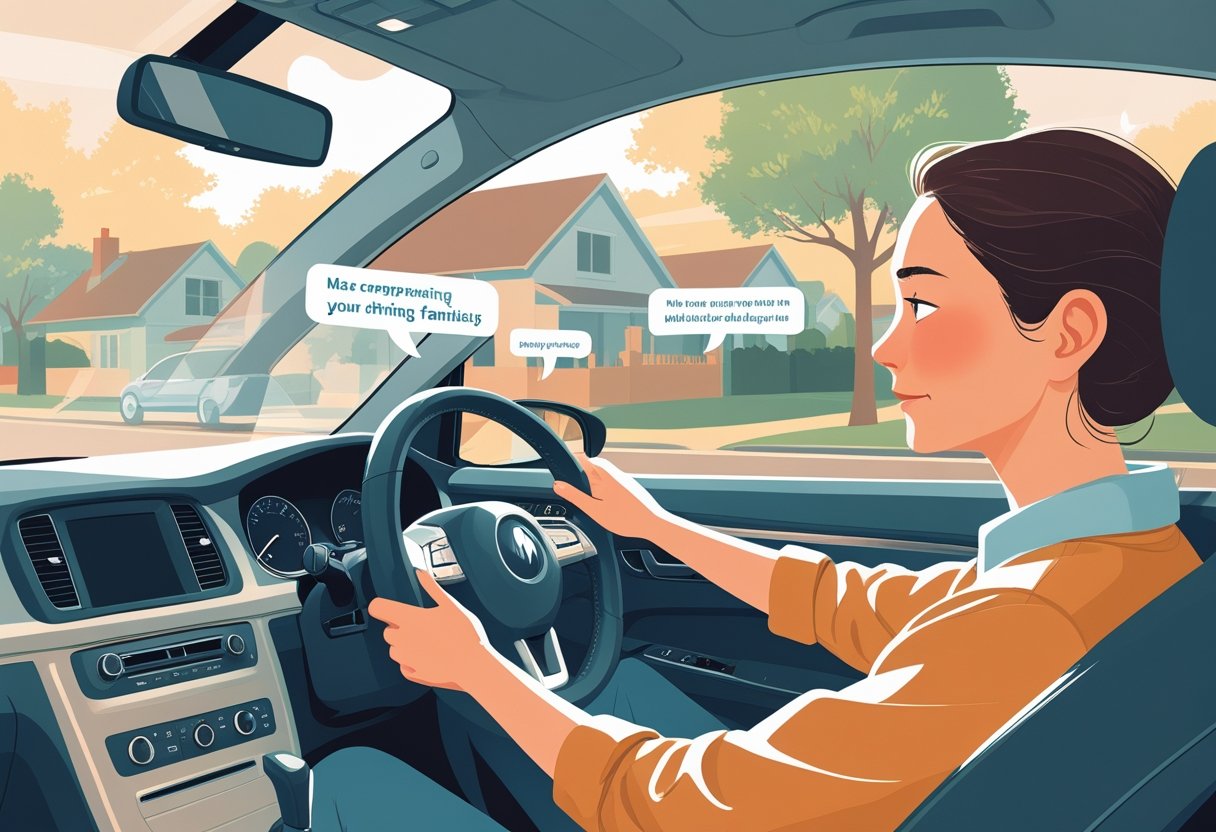
The key to handling negative comments from friends and family is setting clear boundaries, staying focused on your progress, and remembering that their frustration often reflects their own stress rather than your actual driving ability. When loved ones make unhelpful remarks, it’s natural to feel hurt or discouraged. After all, we expect support from the people who care about us most.
The good news is that you can learn practical ways to protect your confidence whilst maintaining positive relationships with family and friends. From recognising when comments cross the line to building a strong support network that actually helps your driving journey, there are proven strategies to keep negativity from derailing your progress behind the wheel.
Unhelpful comments sting most when your own skills feel shaky, so the surest reply is to rebuild your confidence on a supportive intensive driving course.
Recognising Negative Comments and Their Impact
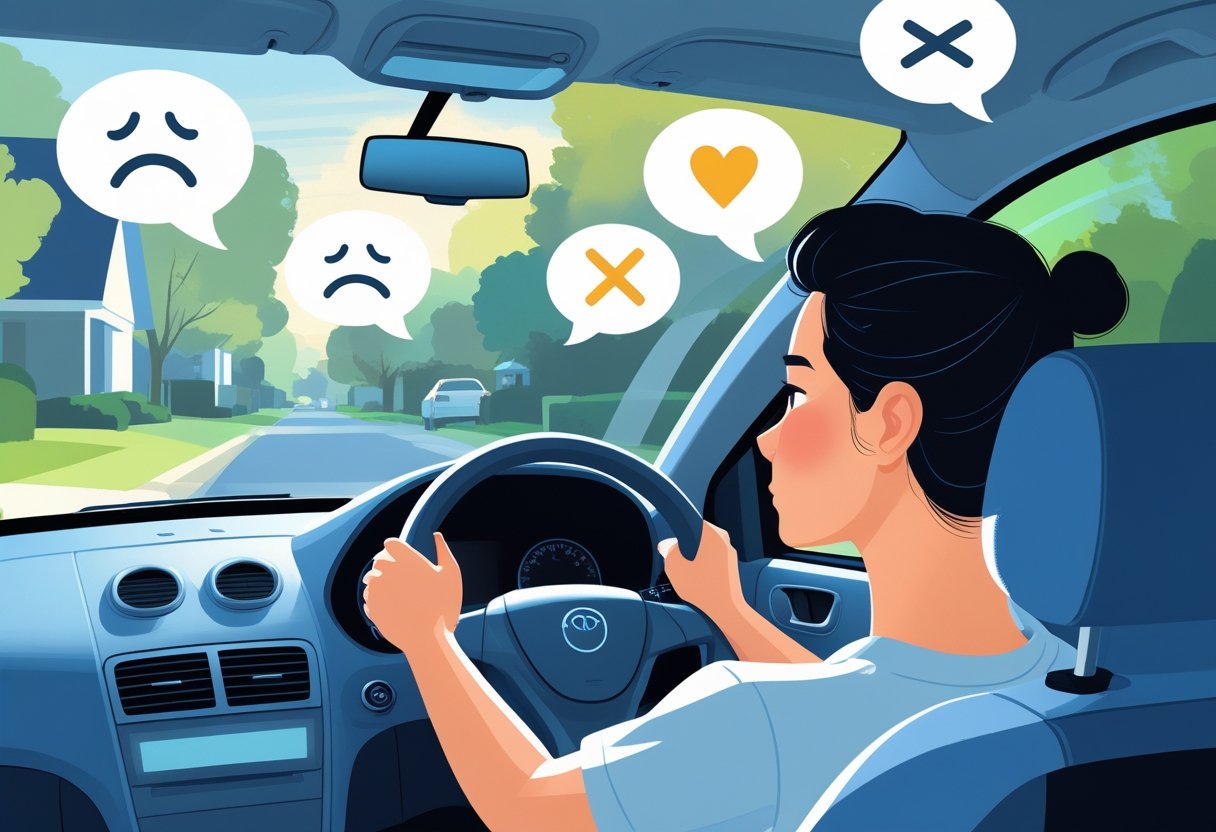
Negative feedback from loved ones while driving can shake your confidence more than criticism from strangers, affecting both your self-esteem and driving progress. Understanding why these comments happen and recognising their effects helps you respond constructively rather than letting negativity undermine your skills behind the wheel.
Understanding the Nature of Criticism from Friends and Family
When family members or friends make negative remarks about our driving, it often stings more than feedback from a professional instructor. These comments typically fall into several categories that we need to recognise.
Direct criticism includes statements like “you’re going too slow” or “that was a terrible parking job.” Whilst sometimes meant to be helpful, these blunt observations can damage our self-worth and create anxiety about future driving situations.
Comparative comments involve unfavourable comparisons to other drivers. Phrases such as “your sister was much better at this stage” or “I learned faster than you” directly target our self-image and can trigger feelings of inadequacy.
Emotional reactions from passengers manifest as gasps, grabbing the dashboard, or visible tension. Though not verbal, these responses communicate disapproval just as effectively and can severely impact our confidence.
The challenge with criticism from loved ones is that it carries emotional weight. We value their opinions, making their negative comments particularly powerful in shaping how we view our abilities.
Why Backseat Driving and Negative Remarks Happen
Understanding the motivations behind negative comments helps us recognise that these reactions often stem from the critic’s own insecurity rather than our actual driving ability.
Fear and anxiety drive many passenger reactions. Friends and family members may feel vulnerable as passengers, especially with new drivers. Their negative comments often reflect their own nervousness about being in the car rather than genuine assessment of our skills.
Control issues frequently surface when experienced drivers become passengers. Many people struggle to relinquish control, leading to constant commentary and criticism as they attempt to influence the driving situation from the passenger seat.
Protective instincts can manifest as harsh feedback. Family members particularly may believe that tough criticism will make us more cautious drivers, though this approach often backfires by creating anxiety and self-doubt.
Past experiences influence passenger behaviour significantly. Someone who has been in an accident may be hypersensitive to perceived risks, resulting in excessive negativity toward perfectly acceptable driving decisions.
Recognising these underlying causes helps us understand that critical comments say more about the passenger’s state of mind than our actual driving competence.
Consequences for Your Confidence Behind the Wheel
Persistent negative feedback from friends and family creates lasting effects on our driving confidence and mental health. These impacts extend far beyond the immediate moment of criticism.
Decreased self-esteem develops when we repeatedly hear negative comments about our driving abilities. Our self-worth becomes tied to others’ reactions, making us doubt our progress and capabilities even when we’re improving steadily.
Performance anxiety often emerges after experiencing consistent criticism. We may become so focused on avoiding negative comments that we drive tensely, actually increasing the likelihood of mistakes and further criticism.
Avoidance behaviours can develop as we try to protect our fragile confidence. This might mean avoiding certain roads, refusing to drive with particular passengers, or limiting practice time, all of which hinder our development as drivers.
Long-term confidence issues may persist even after we become competent drivers. The negative messages absorbed during learning can create lasting insecurity about our abilities, affecting our enjoyment and confidence in driving for years to come.
Understanding these potential consequences empowers us to address negative comments proactively, protecting our mental health and ensuring that criticism doesn’t derail our driving journey.
Staying Calm and Protecting Your Emotional Well-Being
When harsh words fly from the passenger seat, we need practical strategies to maintain our mental health and keep our focus on the road. Managing anxiety through mindfulness techniques and building emotional resilience can transform these challenging moments into opportunities for growth.
Using Mindfulness Techniques While Driving
Mindfulness becomes our anchor when criticism threatens to derail our confidence behind the wheel. We can practice simple breathing exercises at traffic lights, taking three deep breaths whilst focusing on the present moment rather than dwelling on harsh comments.
Quick mindfulness checks help us stay grounded:
- Notice five things we can see through the windscreen
- Feel our hands on the steering wheel
- Listen to ambient sounds around us
This technique redirects our attention from emotional turmoil back to driving safely. When family members make cutting remarks, we acknowledge the words without letting them consume our thoughts.
Present-moment awareness keeps us centred. Instead of replaying criticism or imagining future driving mistakes, we focus on current road conditions and our immediate surroundings.
Research shows that mindfulness reduces anxiety and improves emotional well-being. Regular practice builds our capacity to handle difficult situations with greater calm and clarity.
Exercises for Managing Real-Time Stress
Real-time stress management requires techniques we can use whilst maintaining control of our vehicle. The Stop-Breathe-Reflect-Choose approach works brilliantly in driving situations.
When someone’s comment stings, we:
- Stop our immediate emotional reaction
- Breathe deeply through our nose
- Reflect on staying safe and focused
- Choose how to respond calmly
Physical tension release helps too. We can gently roll our shoulders at red lights or adjust our grip on the steering wheel. These small movements prevent stress from building up in our bodies.
Positive self-talk counteracts negative comments immediately. We might think, “I’m learning and improving with every mile” or “This criticism doesn’t define my driving ability.”
Mental health professionals recommend acknowledging difficult emotions rather than fighting them. We can say internally, “I notice I’m feeling hurt by that comment, and that’s okay.”
Practising Self-Compassion in the Moment
Self-compassion becomes our shield against harsh judgement from others. When family members criticise our driving, we treat ourselves with the same kindness we’d show a good friend facing similar challenges.
Internal dialogue matters enormously. Instead of thinking “I’m hopeless at driving,” we remind ourselves that “Everyone learns at their own pace, and I’m doing my best.”
We acknowledge that learning to drive feels vulnerable, and receiving criticism whilst concentrating on complex skills naturally creates stress. This recognition helps us respond to ourselves with understanding rather than additional self-criticism.
Three components of self-compassion guide our response:
- Self-kindness: Speaking gently to ourselves
- Common humanity: Remembering all learners face criticism
- Mindfulness: Observing our feelings without judgement
Building emotional resilience takes time and practice. Each journey where we respond to negativity with self-compassion strengthens our mental well-being and confidence.
When we’re kind to ourselves in these moments, we model healthy emotional regulation and create space for genuine learning and improvement.
Setting Healthy Boundaries with Friends and Family
When passengers make negative comments about our driving, we need clear limits to protect our confidence and mental health. These boundaries help us communicate what behaviour we’ll accept and teach others how to treat us respectfully whilst we’re learning.
How to Set Boundaries for Passengers’ Feedback
Setting boundaries starts with knowing exactly what feedback we find helpful versus harmful. We should identify which comments actually improve our driving and which ones just make us feel worse.
Helpful feedback includes:
- Specific safety concerns (“There’s a car in your blind spot”)
- Gentle reminders about traffic rules
- Positive reinforcement when we do well
Unhelpful comments include:
- Personal attacks on our abilities
- Constant criticism without solutions
- Comparisons to other drivers
Before our next driving session, we can have a calm conversation with potential passengers. We might say something like: “I’m still learning, and I’d love your support. Could you please only mention safety issues or give positive feedback? Criticism actually makes me more nervous and less safe.”
It’s perfectly reasonable to ask family members to save detailed feedback for after we’ve parked. This lets us focus entirely on the road without feeling judged or distracted.
Assertive yet Respectful Communication Strategies
When someone crosses our boundaries whilst we’re driving, we need quick phrases that don’t escalate the situation. The key is staying calm and using “I” statements rather than accusations.
In-the-moment responses:
- “I need to concentrate right now, please”
- “That comment isn’t helping me drive safely”
- “I’ll ask if I need guidance”
We should practise these phrases beforehand so they come naturally when we’re stressed. Remember, being assertive means standing up for ourselves whilst still respecting the other person.
After the journey, we can have a deeper conversation if needed. We might explain how certain comments affect our confidence and mental health. Most people don’t realise their “helpful” suggestions actually make us more anxious.
If someone continues to ignore our boundaries, we have every right to ask them not to be our passenger anymore. Our safety and wellbeing matter more than avoiding awkward conversations.
Following Through When Boundaries Are Challenged
Some people will test our boundaries, especially family members who’ve always felt entitled to give us advice. This is where our follow-through becomes crucial for maintaining healthy relationships.
When someone repeatedly ignores our requests, we need to take action rather than just repeating ourselves. This might mean pulling over safely and asking them to stop commenting, or it could mean choosing different passengers for future practice sessions.
Escalation steps we can take:
- Gentle reminder of our previous conversation
- More firm repetition of our boundary
- Consequences like ending the driving session early
- Choosing not to drive with that person anymore
It’s natural to feel guilty about enforcing boundaries, especially with family. However, protecting our mental health and learning environment isn’t selfish – it’s necessary for becoming a confident, safe driver.
If our support network struggles to respect these limits, we might need professional driving lessons instead. Sometimes an instructor provides the neutral, constructive environment we need to build our skills without emotional stress.
Responding Positively to Negative Feedback
Learning to handle critical comments from family and friends requires us to separate useful advice from unhelpful remarks, whilst building our confidence and creating a supportive environment for our driving journey.
Distinguishing Between Helpful and Harmful Comments
Not every comment from our loved ones deserves the same response. We need to learn the difference between feedback that helps us grow and comments that simply bring us down.
Helpful comments focus on specific actions we can improve. When our mum says, “You might want to check your mirrors more often at that junction,” she’s giving us something concrete to work on. These comments come from a place of genuine care and offer clear direction.
Harmful comments are vague, emotional, or designed to make us feel bad. Statements like “You’re a terrible driver” or “You’ll never pass your test” don’t help us improve. They attack our self-esteem rather than address specific behaviours.
Here’s how we can tell the difference:
| Helpful Feedback | Harmful Comments |
|---|---|
| Specific and actionable | Vague or general |
| Focuses on behaviour | Attacks character |
| Offered calmly | Delivered emotionally |
| Includes suggestions | Only points out problems |
When we receive feedback, we should ask ourselves: “Can I do something specific with this information?” If the answer is yes, it’s likely constructive. If not, we can choose to let it go.
Remember, even well-meaning family members sometimes deliver helpful advice poorly. We can extract the useful bits whilst ignoring the harsh delivery.
Turning Criticism into Constructive Action
Once we’ve identified genuinely helpful feedback, we can transform it into positive changes in our driving. This process builds our resilience and shows our support network that we value their input.
The first step is acknowledging the feedback without getting defensive. We might say, “Thanks for pointing that out. I hadn’t noticed I was doing that.” This response shows maturity and openness to learning.
Next, we create a specific plan for improvement. If our dad mentions we’re braking too harshly, we can practise smoother stops during our next lesson. We might even ask our instructor to focus on this area.
Taking action demonstrates our commitment:
- Write down the feedback in a driving journal
- Discuss it with our instructor during the next lesson
- Practise the skill in a safe environment
- Ask for follow-up observations from the person who gave the feedback
When we show family and friends that we’re actively working on their suggestions, they’re more likely to offer constructive comments in future. They see that their input makes a real difference.
This approach also builds our confidence. Each improvement we make based on positive feedback reinforces that we’re capable of growth and learning.
Encouraging Positive Feedback and Support
We can actively shape how our family and friends communicate with us about our driving. By creating the right environment, we’ll receive more helpful comments and build a stronger support network.
Start by having an honest conversation with your loved ones. Explain what kind of feedback helps you most. You might say, “I really appreciate your help, but it’s more useful when you tell me exactly what I should do differently rather than just saying I made a mistake.”
Set clear boundaries about when and how they can give feedback:
- Ask them to wait until you’ve finished driving before commenting
- Request that they focus on one thing at a time
- Suggest they use encouraging language alongside suggestions
- Let them know when you need a break from feedback altogether
Show appreciation when people offer helpful comments. Thank them specifically: “Your suggestion about checking my blind spots more carefully really helped me today.” This positive reinforcement encourages more constructive feedback.
We can also ask for what we need. If we’re feeling anxious about a particular skill, we might ask a trusted family member to observe and give gentle guidance. When we invite feedback, we’re more likely to receive it in a helpful way.
Consider creating a reward system for positive feedback. Maybe you treat your supportive sibling to coffee after they’ve been particularly encouraging during practice sessions. This builds goodwill and reinforces the behaviour you want to see.
Building Your Support System for Confidence on the Road
Having the right people in your corner makes all the difference when dealing with criticism about your driving. Creating a strong support network helps protect your mental health whilst giving you practical encouragement during challenging moments behind the wheel.
Seeking Social Support and Encouragement
We all need people who believe in us, especially when we’re learning something as complex as driving. Building a solid support network starts with identifying friends and family members who genuinely want to see us succeed.
Look for supporters who offer constructive feedback rather than harsh criticism. These people might point out areas for improvement, but they do it kindly and with specific suggestions.
Qualities of good driving supporters:
- Stay calm during stressful driving situations
- Give clear, helpful instructions without shouting
- Celebrate your progress, even small wins
- Remain patient when you make mistakes
Social support isn’t just about having passengers in your car. We can find encouragement through driving forums, local learner driver groups, or even social media communities where people share their experiences.
Some of us benefit from buddy systems with other learner drivers. Sharing stories about difficult lessons or celebrating when you pass your theory test creates genuine connections with people who understand your journey.
Professional driving instructors often become key members of our support network too. They’ve seen hundreds of students overcome similar challenges and know exactly how to boost confidence when it takes a knock.
When to Involve Trusted Friends or Mentors
Knowing when to reach out for help prevents small problems from becoming bigger confidence issues. We should involve trusted people in our driving journey before negative comments start affecting our mental health.
Early warning signs that you need extra support:
- Feeling anxious before driving lessons
- Losing sleep worrying about other people’s reactions
- Avoiding certain roads or driving situations
- Questioning whether you’ll ever be good enough
Mentors don’t have to be professional driving instructors. Sometimes an experienced driver who remembers their own learning struggles can offer the perfect blend of practical advice and emotional support.
Choose mentors who:
- Have excellent driving records themselves
- Communicate clearly without getting frustrated
- Understand that everyone learns at different speeds
- Can separate their own driving habits from official rules
We might need different types of support at different times. A friend might be perfect for moral support after a difficult lesson, whilst a mentor helps us practice specific manoeuvres that are causing problems.
Strategies for Handling Toxic or Jealous Relationships
Unfortunately, not everyone in our lives will be supportive of our driving progress. Some people might feel jealous of our growing independence, whilst others project their own fears and anxieties onto us.
Jealousy often shows up in subtle ways. Someone might constantly point out accident statistics, make jokes about your driving abilities, or suggest you’re “not ready” for certain roads or situations.
Red flags in unsupportive relationships:
- Making you feel worse about yourself after conversations
- Dismissing your concerns or fears as silly
- Comparing you negatively to other drivers
- Using your driving mistakes against you in arguments
We need to set clear boundaries with people who damage our confidence. This might mean choosing different passengers for practice drives or limiting how much we discuss our driving progress with certain individuals.
Boundary-setting strategies:
- “I appreciate your concern, but I need positive support right now”
- “My instructor and I have a plan that’s working for me”
- “I’d prefer not to discuss my driving with you”
Sometimes toxic comments come from people dealing with their own body image issues or mental health conditions. While we can feel empathy for their struggles, we can’t let their problems derail our own progress and wellbeing.
Remember that building independence through driving might threaten people who benefit from our dependence on them. Their negative reactions often say more about their own insecurities than about our actual driving abilities.
Looking After Your Mental Health as a Learner Driver
Learning to drive whilst dealing with criticism from loved ones can seriously impact your mental well-being and confidence behind the wheel. Recognising when negative comments are affecting your psychological health, building strong self-care habits, and knowing when to seek professional support will help protect your mental wellness throughout your driving journey.
Signs Criticism May Be Affecting Your Mental Health
Persistent negative comments from friends and family can gradually chip away at our self-confidence in ways we might not immediately notice. The signs often start small but can develop into more serious mental health concerns if left unchecked.
Physical symptoms frequently appear first. We might experience headaches before driving lessons, stomach butterflies that won’t settle, or difficulty sleeping the night before practice sessions. Our hands might shake more than usual when gripping the steering wheel.
Emotional changes become noticeable too. We might feel overwhelmed by simple manoeuvres that previously felt manageable. Tears or frustration during lessons can signal that criticism is taking its toll on our emotional well-being.
Behavioural shifts often follow. We might start avoiding driving practice altogether or making excuses to postpone lessons. Some of us withdraw from conversations about driving or become defensive when anyone mentions our progress.
Persistent negative self-talk represents another warning sign. Thoughts like “I’ll never be good enough” or “Everyone thinks I’m hopeless” indicate that external criticism has become internalised.
If we’re experiencing several of these signs regularly, it’s time to take action to protect our mental health and driving confidence.
Self-Care Routines to Strengthen Confidence
Building robust self-care habits creates a protective barrier against negative comments whilst boosting our overall mental well-being. Regular self-care isn’t selfish – it’s essential for maintaining the emotional strength needed for learning complex skills like driving.
Meditating for just 10 minutes daily can significantly improve our stress resilience. Apps like Headspace or Calm offer guided meditations specifically designed for anxiety management. We can practice breathing exercises before driving sessions to stay centred.
Exercising releases natural mood-boosting chemicals that counteract stress hormones. A brisk 20-minute walk before driving practice helps clear our minds and reduce tension. Swimming, cycling, or yoga work equally well for different preferences.
Sleep hygiene directly affects our emotional regulation abilities. We need 7-8 hours of quality sleep to handle criticism effectively and maintain focus whilst driving.
| Daily Self-Care Activity | Mental Health Benefit |
|---|---|
| Morning meditation | Reduces anxiety and improves focus |
| Regular exercise | Releases mood-boosting endorphins |
| Journaling progress | Builds confidence through reflection |
| Adequate sleep | Strengthens emotional resilience |
Positive affirmations might feel awkward initially, but they genuinely rewire our thought patterns over time. We can repeat phrases like “I’m learning at my own pace” or “I deserve patience whilst developing new skills.”
If nerves are a big part of the picture for you, the Platinum 50 pass-in-weeks course gives total beginners and anxious learners the most one-to-one support we offer.
When to Seek Professional Help or Counselling
Sometimes self-care alone isn’t sufficient to manage the mental health impact of persistent criticism. Recognising when we need professional support shows wisdom, not weakness, and can accelerate our recovery significantly.
Therapy becomes necessary when negative comments trigger deeper mental health issues like depression or severe anxiety. If we’re feeling hopeless about driving or life in general, professional counselling provides essential support.
Warning signs that indicate professional help is needed:
- Panic attacks during or before driving
- Persistent feelings of worthlessness
- Loss of interest in activities we previously enjoyed
- Difficulty concentrating on daily tasks
- Thoughts of self-harm or giving up entirely
Cognitive Behavioural Therapy (CBT) works particularly well for driving-related anxiety and confidence issues. CBT therapists help us identify negative thought patterns and develop healthier responses to criticism.
Counselling provides a safe space to process difficult emotions without judgement. Many therapists specialise in family relationship issues and can help us navigate criticism from loved ones more effectively.
We shouldn’t wait until we’re in crisis to seek professional help. Early intervention prevents minor issues from developing into serious mental health problems that could affect our driving progress long-term.
Coping with Anxiety Disorders and Persistent Worry
For those of us already managing anxiety disorders, learning to drive whilst receiving criticism creates additional challenges that require specialised coping strategies. Understanding how anxiety affects our driving and developing targeted techniques helps us progress despite these extra hurdles.
Generalised anxiety disorder can make every driving session feel overwhelming. We might worry excessively about potential accidents, criticism, or making mistakes. These persistent worries drain our mental energy and make learning more difficult.
Social anxiety particularly affects how we handle comments from passengers. We might become hyper-aware of others’ reactions, interpreting neutral expressions as disapproval or criticism.
Breathing techniques specifically designed for anxiety disorders help regulate our nervous system whilst driving. The 4-7-8 technique (inhale for 4, hold for 7, exhale for 8) quickly reduces anxiety symptoms during practice sessions.
Grounding exercises anchor us in the present moment when worry spirals begin. We can name five things we see, four things we hear, three things we feel, two things we smell, and one thing we taste to refocus our attention.
Professional support becomes even more crucial when anxiety disorders intersect with driving criticism. Mental health professionals can adjust existing treatment plans to address driving-specific concerns whilst maintaining our overall mental wellness.
Remember that anxiety disorders are medical conditions requiring patience and understanding from ourselves and others during the learning process.
Navigating Negative Comments in Online Communities
When we share our driving experiences or ask for advice in online spaces, we might encounter unhelpful or harsh responses that can knock our confidence. The key is learning how to filter constructive feedback from pure negativity whilst building connections with supportive community members.
Dealing with Social Media Feedback and Criticism
Social media platforms can be brilliant spaces for learner drivers to connect and share experiences. However, they can also attract critics who forget there’s a real person behind each post.
When someone leaves a negative comment on your driving-related content, take a moment before responding. Not every comment deserves a reply, especially if it’s clearly meant to wind you up.
Focus on comments that offer genuine advice, even if they’re delivered bluntly. Someone saying “you need more practice with reversing” might sound harsh, but it could actually help improve your skills.
Block or report users who consistently post unhelpful or abusive comments. Most platforms have tools to filter out troublemakers, and you shouldn’t feel guilty about using them.
Consider the source of criticism too. A qualified instructor’s feedback carries more weight than random internet commentary. Look for verified accounts or people who clearly know what they’re talking about.
Remember that keyboard warriors often say things online they’d never dare say face-to-face. Don’t let their negativity derail your driving journey.
Knowing When to Step Away or Use Moderation Tools
Sometimes the best response to online negativity is no response at all. We don’t have to engage with every person who tries to start an argument about our driving progress.
Mute keywords related to topics that consistently attract negative attention. Many social platforms let you filter out specific words or phrases from your feed.
Set time limits for how long you spend reading comments or engaging in driving-related discussions online. Too much exposure to negativity can genuinely affect your confidence behind the wheel.
Trust your instincts about when conversations are becoming toxic. If a discussion about driving techniques turns into personal attacks, it’s time to step away.
Use privacy settings to control who can comment on your posts. You might choose to only allow friends or group members to respond to your content.
Don’t feel obligated to educate every person who leaves an ignorant comment. It’s not your job to change minds, especially when people aren’t interested in learning.
Creating a Positive Digital Environment
Building a strong support network online starts with finding the right communities. Look for driving groups that actively moderate discussions and promote encouragement over criticism.
Share positive experiences and celebrate small wins with fellow learners. Your success stories might inspire someone else who’s struggling with confidence issues.
Support other learners by leaving encouraging comments on their posts. A simple “well done” or “keep going” can make someone’s day brighter.
Follow accounts that post helpful, positive content about driving. Instructors, driving schools, and successful learners often share valuable tips without the negativity.
Create boundaries around what driving content you share publicly. You might keep detailed discussions about mistakes or fears within trusted groups rather than broadcasting them widely.
Report harassment when you see it happening to others, not just yourself. Building a positive community means looking out for fellow drivers who might be facing online bullying.
Curate your feeds thoughtfully by unfollowing accounts that consistently post negative or discouraging content about learning to drive.
Frequently Asked Questions
Dealing with negative comments from friends and family whilst learning to drive can feel overwhelming, but you’re not alone in this experience. Here are practical strategies to help you respond constructively, maintain your confidence, and create positive conversations about your driving progress.
What are some constructive ways to respond to criticism about my driving from those close to me?
When someone close to us criticises our driving, our first instinct might be to get defensive. Instead, we can take a deep breath and listen carefully to what they’re actually saying.
If their feedback has merit, we can simply say, “You’re right, I could have checked my mirrors more thoroughly there.” This shows we’re open to learning and takes the wind out of their sails if they’re being overly critical.
For unhelpful comments, we might respond with something like, “I’m concentrating on driving safely right now, but let’s chat about this when we’re not on the road.” This keeps us focused whilst acknowledging their concern.
We can also ask for specifics. When someone says “your driving is terrible,” we can ask, “What exactly would you like me to work on?” This often reveals whether they have genuine helpful advice or are just venting frustration.
Setting boundaries is crucial too. We might say, “I value your input, but constant commentary makes me nervous and less safe behind the wheel.”
How can I maintain my confidence behind the wheel in the face of unhelpful feedback?
Building confidence despite negative comments requires us to separate our worth as a person from our current driving skills. Remember, every experienced driver was once exactly where we are now.
We can focus on our progress rather than perfection. Keep a mental note of improvements, like smoother gear changes or better parking attempts.
It helps to remind ourselves that learning to drive is a process. We wouldn’t expect to play piano beautifully after a few lessons, and driving is no different.
Practicing positive self-talk works wonders. Instead of thinking “I’m rubbish at this,” we can tell ourselves, “I’m getting better every time I drive.”
We should also remember that the person giving negative feedback might not be the best teacher. Their driving experience doesn’t automatically make them good at explaining or encouraging others.
Taking breaks from particularly critical passengers can help too. Sometimes we need quiet time behind the wheel to build our skills without external pressure.
Could you offer advice on how to discuss driving concerns positively with friends and family?
Starting these conversations when we’re not in the car makes a huge difference. Emotions run cooler when we’re sitting in the lounge rather than navigating traffic.
We can begin by acknowledging their concerns: “I know you worry about my driving, and I appreciate that you care about our safety.” This shows we’re not dismissing their feelings.
Then we can explain our learning process: “I’m working on specific skills with my instructor, and sometimes I need quiet concentration to practice them properly.”
We might suggest specific ways they can help. Instead of general criticism, they could point out hazards we might miss or give gentle reminders about upcoming turns.
Setting ground rules for car journeys works well. We could agree that they’ll only speak up for genuine safety concerns, not minor technique issues.
It’s worth explaining that constant commentary actually makes us less safe. When we’re worried about criticism, we’re not fully focused on the road.
We can also invite them to come along to a driving lesson occasionally, so they understand what we’re learning and how our instructor teaches.
What steps should I take if a loved one’s comments about my driving skills become disheartening?
First, we need to recognise that their comments say more about their own anxiety or frustration than our actual abilities. People often lash out when they feel out of control.
We should have an honest conversation about how their words affect us. Something like, “When you say my driving is dangerous, it really knocks my confidence and makes me doubt myself.”
If they continue being negative despite our conversation, we might need to limit driving with them until our skills improve. There’s no shame in protecting our learning environment.
We can seek support from our driving instructor, who can give us an honest assessment of our progress. They’ll help us separate valid concerns from unnecessary criticism.
Talking to other learner drivers or friends who remember learning can provide perspective. Most people have stories about difficult passengers during their learning phase.
We should celebrate small victories to rebuild our confidence. Successfully navigating a roundabout or completing a parallel park deserves recognition, even if others don’t acknowledge it.
Professional driving lessons become even more important when we’re dealing with negativity at home. Our instructor provides objective, constructive feedback that helps us improve.
How do I preserve a positive learning environment when receiving continuous negative driving critiques?
Creating boundaries is essential for maintaining a positive learning space. We can politely ask critical passengers to save non-urgent feedback for after our journey.
We might say something like, “I learn best when I can concentrate fully. Could you help by staying quiet unless there’s immediate danger?”
Choosing our driving companions wisely makes a big difference. Some people are naturally more patient and encouraging than others.
We can explain that learning requires making mistakes safely. If they understood this, they might be more tolerant of our imperfect attempts.
Taking regular breaks from criticism helps too. We might arrange to practice with a patient friend or family member who remembers what learning felt like.
Playing calm music or having pleasant conversation topics ready can help maintain a relaxed atmosphere in the car.
We should trust our driving instructor’s assessment of our progress rather than letting negative comments define our abilities.
Can you suggest techniques to differentiate between useful guidance and plain negativity regarding driving advice from peers?
Useful guidance is specific and actionable. Instead of “you’re driving too fast,” helpful feedback sounds like “the speed limit drops to 30mph just ahead.”
Good advice focuses on safety rather than criticism. Comments about immediate hazards or forgotten indicators are more valuable than general complaints about our technique.
Constructive feedback is given calmly and at appropriate moments. Shouting “you should have gone then!” at a busy junction isn’t helpful guidance.
We should notice whether the advice helps us improve. If someone’s suggestions consistently make us feel worse without helping our driving, it’s probably not constructive.
Timing matters enormously. Useful guidance comes when we can actually act on it, not as a post-mortem of every minor mistake.
The best advice acknowledges our learning process. Comments like “you’re getting much better at judging gaps” show understanding and encouragement.
We can ask ourselves whether the person giving advice has our best interests at heart or is just venting their own frustrations about being a passenger.
Ready to pass in weeks, not months?
LPOD Academy runs tailored intensive driving courses from 10 to 50 hours across most of the UK, with your theory and practical test support included.
Ready to Book Driving Lessons?
LPOD Academy offers intensive driving courses across the UK. Find your nearest location: