

Are Intensive Driving Courses Effective? A Thorough Guide for Learners
Getting your driving licence quickly sounds amazing, but you might wonder if cramming months of lessons into just a few weeks actually works. Many learner drivers face pressure to pass fast due to work commitments, university deadlines, or simply wanting to gain independence sooner rather than later.

Intensive driving courses can be highly effective for motivated learners who absorb information quickly and handle pressure well, often leading to faster licence acquisition than traditional weekly lessons. However, their success depends heavily on your learning style, available time, and ability to concentrate for extended periods.
We’ve seen countless students transform from nervous beginners to confident drivers through intensive courses, whilst others thrive better with the steady pace of regular weekly lessons. The key lies in understanding whether this accelerated approach matches your personality, schedule, and learning preferences before making the investment.
Key Takeaways
- Intensive courses work best for quick learners who can handle concentrated practice and testing pressure
- Success rates vary significantly based on individual learning styles and course quality rather than the format alone
- Proper preparation and realistic expectations are essential for getting the most value from intensive driving instruction
Understanding Intensive Driving Courses
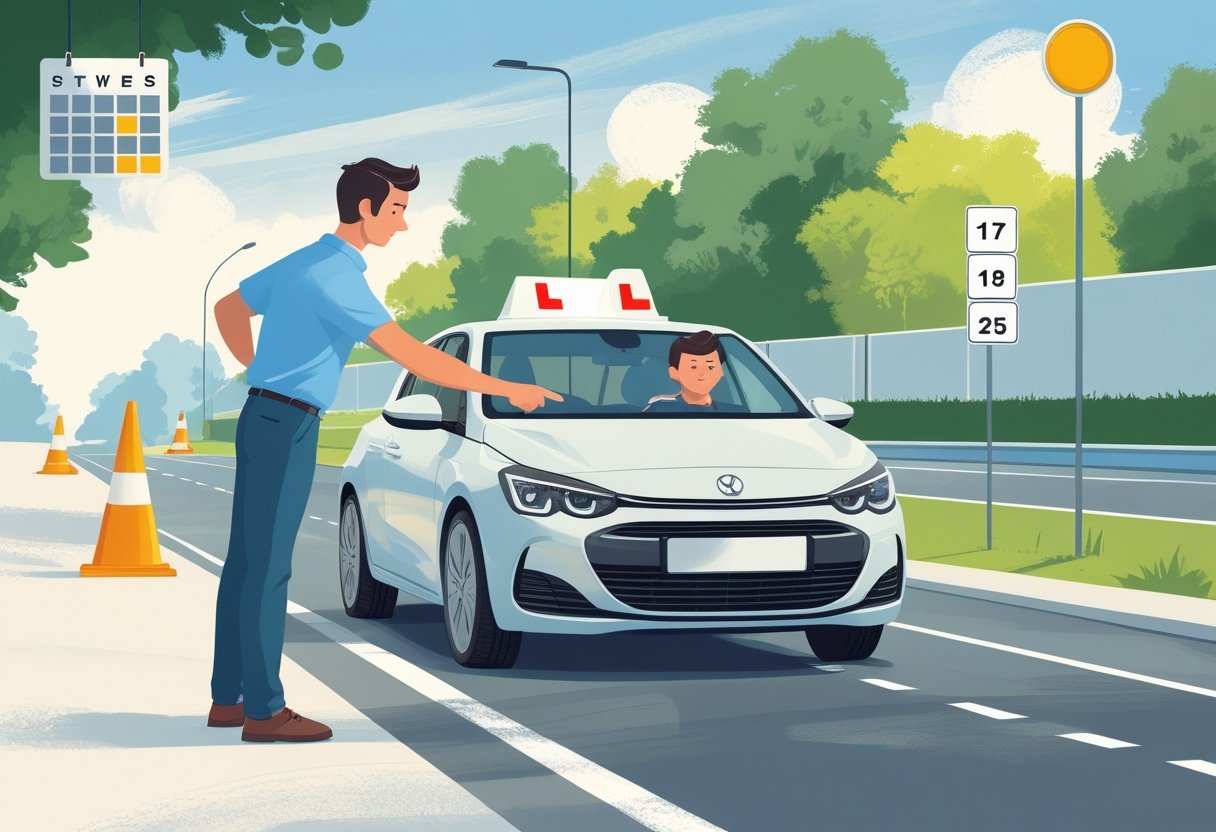
Intensive driving courses pack weeks or months of traditional learning into just days or weeks, using concentrated practice sessions and immersive instruction. These accelerated programmes differ significantly from weekly lessons in their pace, structure, and teaching approach.
What Makes a Driving Course Intensive
An intensive driving course becomes “intensive” when we compress the typical learning timeline into concentrated blocks of instruction. Instead of spreading lessons across several months, you’ll tackle multiple hours of driving each day.
Most intensive courses involve 3 to 8 hours of daily driving practice. This focused approach means you’re constantly building on what you’ve just learnt rather than forgetting skills between weekly sessions.
The key difference lies in the continuous reinforcement. When you practice clutch control in the morning and then spend the afternoon perfecting hill starts, your muscle memory develops much faster.
What typically makes a course intensive:
- Daily lessons lasting several hours
- Consecutive days of instruction (usually 5-10 days)
- Accelerated curriculum covering all test requirements
- Immediate practical test booking upon completion
We find that this concentrated exposure helps many learners develop confidence quickly. You’re not spending time each week reacquainting yourself with the controls.
How ‘Crash Courses’ Differ from Traditional Lessons
Traditional driving lessons follow a completely different rhythm. Most learners take one or two lessons per week, spreading their learning across 6-12 months.
Traditional lessons typically involve:
- 1-2 hours per week of instruction
- Time gaps between lessons (often a week or more)
- Gradual skill building over many months
- Flexibility to pause or change schedule
Crash courses flip this approach entirely. You’ll immerse yourself in driving for days or weeks without lengthy breaks between sessions.
The biggest difference is knowledge retention. With traditional lessons, you might forget what you practised the previous week. Intensive courses keep everything fresh in your mind through constant practice.
Cost structure also varies significantly. Traditional lessons charge per hour (typically £24-35), while crash courses require larger upfront payments but may work out cheaper overall.
Many crash courses include your practical test fee, theory preparation, and even multiple test attempts if needed.
typical Structure and Timelines
Most intensive driving courses follow predictable patterns, though the exact structure varies by provider and your current skill level.
Common course lengths:
- 1 week courses: 35-40 hours of instruction
- 2 week courses: 30-45 hours spread over 10-14 days
- Semi-intensive: 20-30 hours over 3-4 weeks
Daily schedules typically look like this:
- Morning session: 3-4 hours with breaks
- Lunch break: 1-2 hours
- Afternoon session: 2-4 hours of practice
Week 1 focus areas:
- Basic car control and safety checks
- Clutch control and gear changes
- Quiet road practice and manoeuvres
Week 2 priorities:
- Busy road driving and roundabouts
- Independent driving practice
- Test preparation and mock tests
We’ve noticed that residential courses offer the most intensive experience. You’ll stay at a training centre and focus solely on driving without home distractions.
Semi-intensive options let you sleep at home but still maintain daily lessons. This works well if you have family commitments or prefer familiar surroundings.
Your practical test usually gets booked for the final day or immediately after course completion.
Who Can Benefit from Intensive Driving Courses?
Not everyone thrives with intensive driving courses, but certain learner drivers find them perfectly suited to their circumstances and learning preferences. Success often depends on your existing skills, available time, and how well you handle focused, fast-paced learning environments.
Ideal Learner Profiles and Readiness
Learner drivers with basic skills tend to excel in intensive programmes. If you’ve already grasped clutch control, steering, and basic road awareness, you’re perfectly positioned for success.
Complete beginners might find the pace overwhelming. Most driving schools recommend having at least 5-10 hours of previous experience before starting an intensive course.
Time-pressed learners make excellent candidates. University students heading off to campus, professionals needing licences for new jobs, or parents requiring mobility solutions often find intensive courses ideal for their schedules.
Your stress tolerance matters enormously. These courses involve 5-6 hours of driving daily for several consecutive days. If you handle pressure well and stay focused under intensity, you’ll likely thrive.
Motivated learners who can dedicate full attention to driving perform best. You’ll need to switch off distractions and commit completely to the learning process.
People with good memory retention benefit from the concentrated format. Everything stays fresh in your mind, unlike weekly lessons where skills can fade between sessions.
Assessing Your Own Learning Style and Needs
Visual and practical learners often flourish with intensive courses. You’ll experience continuous hands-on practice, building muscle memory quickly through repetition.
Consider your availability honestly. Can you take a full week off work or studies? Intensive courses demand complete commitment, not squeezed-in sessions around other responsibilities.
Financial circumstances play a role too. If you can afford the upfront cost and want to avoid months of ongoing lesson payments, intensive courses offer excellent value.
Think about your confidence levels. Some learner drivers feel empowered by rapid progress, whilst others prefer gradual skill-building through traditional weekly lessons.
Learning pace preferences matter. Do you prefer diving deep into subjects quickly, or do you need time to process information slowly? Intensive courses suit fast processors who enjoy immersive experiences.
We recommend taking an assessment lesson with your chosen driving school. This helps determine whether you’re ready for intensive training or need additional preparation first.
Comparing Intensive and Standard Driving Lessons
The main differences between these two approaches come down to how quickly you learn and the type of support you receive from your instructor. Intensive courses pack everything into days or weeks, while standard lessons spread learning over months with different scheduling patterns.
Lesson Pace and Content
Intensive driving lessons move at lightning speed compared to traditional weekly sessions. You’ll typically spend 4 to 6 hours behind the wheel each day for a week or two. This means covering complex manoeuvres, road positioning, and hazard perception in rapid succession.
The concentrated approach works brilliantly for building muscle memory quickly. Your hands remember the steering wheel, your feet know the pedals, and everything feels more natural because you’re practising daily.
Standard lessons take a completely different route. We’re talking about 1 or 2 hour sessions spread across several months. This gives your brain time to process each skill properly between lessons.
The key difference? Intensive courses compress months of learning into weeks. You might master parallel parking on Tuesday and tackle roundabouts by Thursday. With regular lessons, you’d space these skills out over several weeks.
Some driving schools design intensive courses around your existing abilities. If you’ve already had some practice, they’ll focus on areas needing the most attention rather than starting from scratch.
Instructor Support and Continuity
Your relationship with your ADI (Approved Driving Instructor) changes dramatically between these two methods. During intensive courses, you’ll spend entire days with the same instructor, building a strong working relationship quickly.
This constant contact means your instructor spots your habits, understands your learning style, and adapts their teaching immediately. They’ll remember exactly what you struggled with yesterday and can reinforce those skills today.
The downside? If you don’t click with your intensive course instructor, you’re stuck with them for the entire programme. There’s limited flexibility to switch without disrupting your whole schedule.
Standard lessons offer more flexibility in instructor relationships. If things aren’t working out, most driving schools will arrange a different ADI without major disruption to your timeline.
However, regular lessons can sometimes feel disjointed. Your instructor might need to remind themselves what you covered last week, especially if they teach dozens of students.
The continuity factor really shines during intensive programmes. Your instructor becomes genuinely invested in your daily progress, creating a more personalised learning experience that many students find incredibly motivating.
Effectiveness: Success Rates and Practical Outcomes
The real test of any learning method comes down to results and how prepared students feel afterwards. Research shows mixed outcomes when we examine both test performance and driver confidence levels.
Pass Rates and Driving Test Performance
When we look at the numbers, intensive driving courses show promising results for getting through the practical driving test. Most learners complete these courses with roughly the same number of training hours as traditional weekly lessons.
The pass rate statistics are encouraging. Students typically need the same number of attempts to pass their DVSA practical driving test, whether they choose intensive or spread-out lessons. This means cramming your learning into a shorter timeframe doesn’t hurt your chances of success.
However, we need to address some concerning research findings. A study tracking young drivers found that those who completed intensive driving courses reported 43% more driving incidents in their first two years compared to traditionally trained drivers (26%).
What this means for you:
- Your chances of passing the practical driving test remain strong
- The concentrated learning doesn’t reduce your likelihood of success
- But there may be gaps in real-world driving experience
Confidence Behind the Wheel
Intensive courses often boost initial confidence levels because everything feels fresh in your memory. The concentrated practice helps you retain skills better than spacing lessons weeks apart.
Many learners report feeling more prepared immediately after completing their course. You’ve just spent days or weeks fully focused on driving, so the controls and procedures feel natural.
But confidence can be misleading. The same research showing higher incident rates suggests that intensive course graduates might feel more confident than their actual skill level warrants.
Building lasting confidence requires:
- Understanding that passing your test is just the beginning
- Recognising you’ll need additional practice after getting your licence
- Being cautious during your first months of independent driving
Preparing for an Intensive Driving Course
Getting ready for an intensive driving course takes proper planning and the right mindset. You’ll need to choose a reputable driving school, pass your theory test beforehand, and budget carefully for the investment in your future driving skills.
Booking and Choosing the Right Driving School
Finding the right driving school makes all the difference to your intensive course experience. We recommend researching local schools thoroughly rather than simply picking the cheapest option available.
Check each school’s pass rates and read recent reviews from other learners. Look for qualified Approved Driving Instructors (ADIs) who meet DVSA standards. Ask about their experience with intensive courses specifically.
Key factors to consider:
- Instructor qualifications and experience
- Pass rates for intensive courses
- Vehicle condition and safety features
- Pickup locations and flexibility
- Course structure and daily schedule
Book well in advance, especially during busy periods. Many popular schools get booked up weeks ahead. Ask about their policy if you need to reschedule or cancel.
Don’t fall for “guaranteed pass” promises. No legitimate driving school can guarantee you’ll pass your test, as this depends on an independent DVSA examiner’s assessment.
Theory Test and Requirements Before Starting
You must pass your theory test before beginning most intensive driving courses. Some schools offer theory training as part of their package, but we’d suggest getting this sorted first.
The theory test includes multiple choice questions and a hazard perception section. Both parts must be passed on the same attempt. Book your test through the official DVSA website to avoid extra fees.
Essential requirements:
- Valid provisional driving licence
- Passed theory test certificate
- Basic understanding of Highway Code
- Learner driver insurance (if using your own car)
We suggest having at least one or two regular driving lessons before your intensive course. This helps you get comfortable with basic controls like the clutch, brake, and steering. Starting completely from scratch can feel overwhelming during an intensive week.
Some schools offer assessment drives to determine which course length suits your current skill level. This honest evaluation helps match you with the right programme.
Costs and Financial Planning
Intensive driving courses represent a significant investment, but they often work out cheaper than traditional weekly lessons spread over months.
A one-day refresher course costs around £200, perfect if you just need final practice before your test. Week-long courses typically range from £800 to £1,200. Two-week programmes can exceed £2,000.
Cost comparison example:
- Average lesson cost: £24 per hour
- Typical lessons needed: 47 hours
- Traditional route total: £1,128 plus test fees
- Intensive course: £800-£1,200 including fast-track test
Factor in additional expenses like accommodation for residential courses, meals during training days, and potential retests if needed. Some schools offer payment plans to spread the cost.
Remember that failing your intensive course means waiting weeks for another test slot. By then, you might need refresher lessons, adding to your total cost. Budget for this possibility when planning your finances.
Important Considerations for Learner Drivers
Learner driver insurance becomes mandatory during intensive courses, with specific policies required for extended daily practice sessions. The demanding schedule of intensive training can create significant physical and mental fatigue that requires careful management.
Insurance for Learner Drivers During Intensive Courses
We need to secure proper learner driver insurance before starting any intensive driving course. Most courses require us to have valid coverage, especially when we’re spending five or more hours daily behind the wheel.
Temporary learner policies work brilliantly for intensive courses. These typically cost between £15-30 per day and provide comprehensive cover during our training period.
If we’re using the instructor’s vehicle, their insurance usually covers us. However, many intensive courses encourage practice in our own family car to build familiarity.
Key insurance considerations include:
- Cover duration matching our course length
- Named driver policies for family vehicles
- Comprehensive vs third-party options
- Age-related premium variations
We should compare quotes from specialist learner insurers rather than traditional providers. They understand the unique needs of intensive training and often offer better rates.
Some driving schools bundle insurance costs into their course fees. This can be convenient, though we might find cheaper options by shopping around independently.
Health, Well-being, and Managing Stress
Intensive driving courses demand significant mental and physical stamina from us as learner drivers. We’re absorbing complex skills whilst managing concentration for extended periods daily.
Physical preparation matters enormously. We should ensure we’re getting adequate sleep, eating properly, and staying hydrated throughout our course. Driving fatigue becomes a real concern during long training days.
Mental stress often peaks during intensive courses. The pressure to pass quickly, combined with information overload, can feel overwhelming at times.
Effective stress management strategies include:
- Taking regular breaks between driving sessions
- Practising deep breathing techniques
- Setting realistic expectations about progress
- Communicating concerns with our instructor
We shouldn’t push through exhaustion or anxiety. Quality learning happens when we’re alert and focused, not when we’re struggling to concentrate.
Many learner drivers find intensive courses mentally draining by day three or four. This is completely normal and doesn’t indicate we’re failing or unsuitable for driving.
Frequently Asked Questions
Many learner drivers have burning questions about intensive driving courses, from success rates to hidden costs. These practical concerns help determine whether this fast-track approach suits your learning style and budget.
What’s the real scoop on quick-pass driving courses – are they truly a game changer in learning to drive?
Quick-pass driving courses genuinely transform how we learn to drive. Instead of weekly lessons stretched over months, you immerse yourself completely in driving for 5 to 10 days.
This concentrated approach keeps everything fresh in your mind. You won’t spend the first 15 minutes of each lesson remembering what you did last week.
The game-changing element lies in consistency. Working with one instructor throughout means they understand your strengths and weaknesses perfectly. They can adapt teaching methods specifically for you.
Many students find this focused environment less stressful than traditional lessons. You’re not juggling driving practice with work or studies over several months.
Can you really go from novice to proficient behind the wheel with an accelerated driving programme?
Absolutely! Complete beginners regularly succeed with accelerated programmes. The key is spending enough hours behind the wheel during your course.
A typical 40-hour intensive course covers everything a traditional learner would experience. You’ll practice roundabouts, dual carriageways, parking, and emergency stops just like everyone else.
The difference is timing. Rather than spreading these skills over 6-12 months, you master them in days. This concentrated learning actually helps many students grasp concepts faster.
Your brain stays in “driving mode” throughout the course. This mental state helps you connect different skills more naturally than weekly lessons allow.
What are the success rates like for students who choose fast-track driving courses?
Success rates for intensive courses match or exceed traditional learning methods. Many providers report pass rates between 70-80% for first-time test attempts.
The secret lies in timing your test perfectly. Most intensive courses include fast-track test booking, so you sit your exam while skills are sharp and confidence is high.
Students who struggle typically haven’t chosen the right course length. Complete beginners need 40+ hours, while experienced learners might only need 10-20 hours.
Choosing a reputable provider makes a massive difference. Look for instructors with specific intensive course training and positive student reviews.
Are there any hidden catches to these crash courses in driving that one should be wary of?
The main catch is physical and mental fatigue. Spending 6-8 hours daily in a car can be exhausting, especially for nervous learners.
Some providers advertise unrealistic course lengths. A genuine beginner cannot learn to drive safely in just 5 days, despite what marketing materials might suggest.
Extra costs can catch people off guard. Theory test fees, practical test fees, and additional lessons might not be included in the initial price quote.
Not every learner suits intensive learning. If you prefer gradual skill building or have learning difficulties, traditional lessons might work better for you.
How do intensive driving courses stack up against traditional, longer-term driving lessons?
Intensive courses often produce more confident drivers initially. The immersive experience builds skills rapidly and maintains momentum throughout learning.
Traditional lessons work brilliantly for students who prefer steady, gradual progress. You have time to reflect on each lesson and practice theory between sessions.
Cost-wise, intensive courses often save money overall. While upfront costs seem high (£1,500-£2,000 for beginners), you avoid months of weekly lesson payments.
Time management differs significantly. Intensive courses require taking time off work or studying, while traditional lessons fit around existing commitments more easily.
Is the investment in a swift driving course worth it in the long run, or could it end up being a false economy?
For most students, intensive courses represent excellent value. You typically spend less money overall compared to 6-12 months of traditional lessons.
The time savings alone make financial sense. Getting your licence quickly means accessing better job opportunities, saving on public transport, and gaining independence sooner.
However, it becomes false economy if you choose the wrong course length. Rushing through insufficient hours often leads to test failures and additional lesson costs.
Quality matters enormously. Cheap intensive courses with inexperienced instructors can leave you unprepared and requiring expensive additional training afterwards.
Choose wisely, and intensive courses deliver outstanding value. Rush the decision, and you might end up spending more than traditional learning methods.