

Best Intensive Driving Course for Firefighters: Your Fast-Track Guide
Being on call means every second counts, and getting from station to scene safely takes skill, focus, and confidence behind the wheel. We understand the pressure that comes with driving emergency vehicles, the flashing lights, unpredictable traffic, and the need to stay calm while others panic. That’s why we’ve put together this guide to help you find the best intensive driving course for firefighters who need to master emergency response driving quickly and safely.
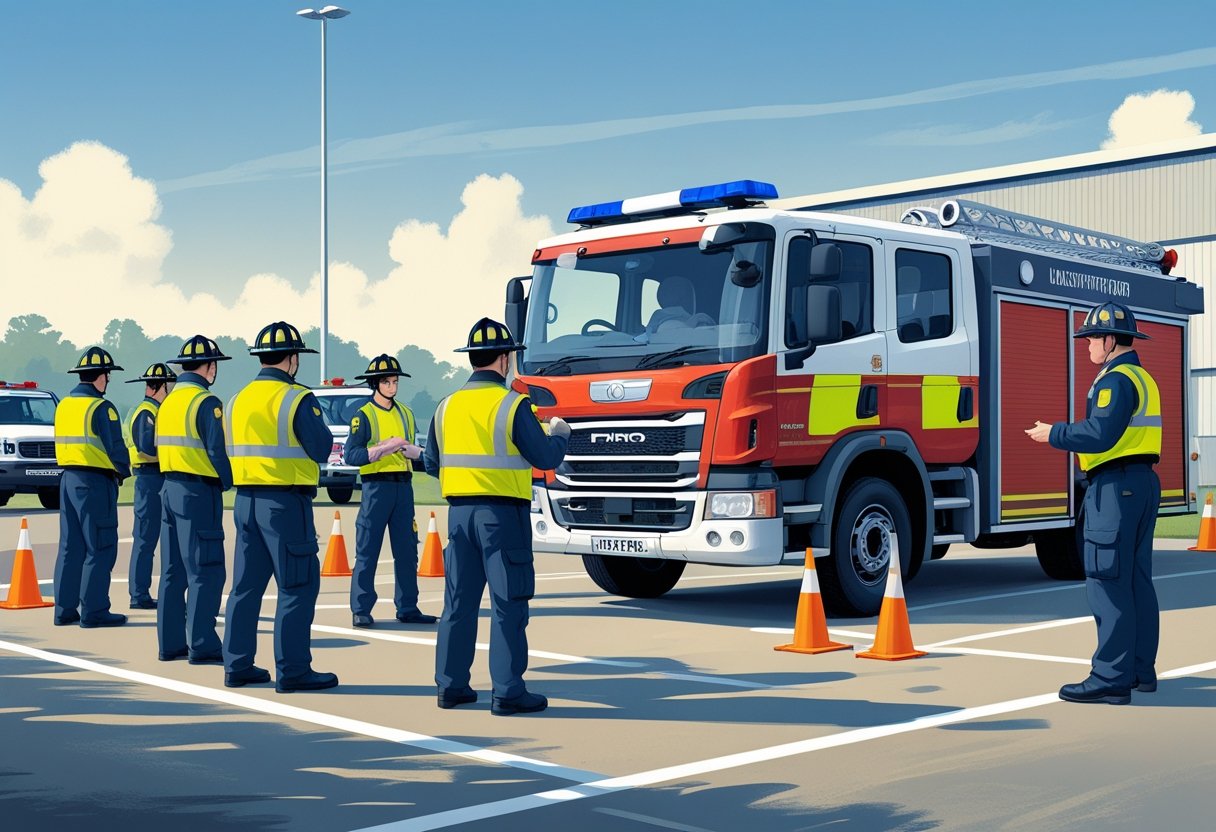
Our courses combine focused, hands-on training with real-world scenarios tailored to the demands of fire and rescue work. You’ll learn how to handle high-speed responses, navigate tight spaces, and maintain control in all conditions, all while following the National Fire Chiefs Council’s standards. It’s not about rushing through lessons; it’s about building skill and confidence fast, without cutting corners.
We know your schedule’s packed, so we make the process simple, flexible booking, expert instructors, and practical sessions that fit around shift work. Think of it as the fast track to driving excellence, designed for those who protect others and need to get there safely, every time.
Key Takeaways
- Intensive driving courses help firefighters build skill and confidence quickly.
- Training focuses on real emergency scenarios and NFCC driving standards.
- Courses are flexible, practical, and tailored to fit busy shift schedules.
Who This Course Is For
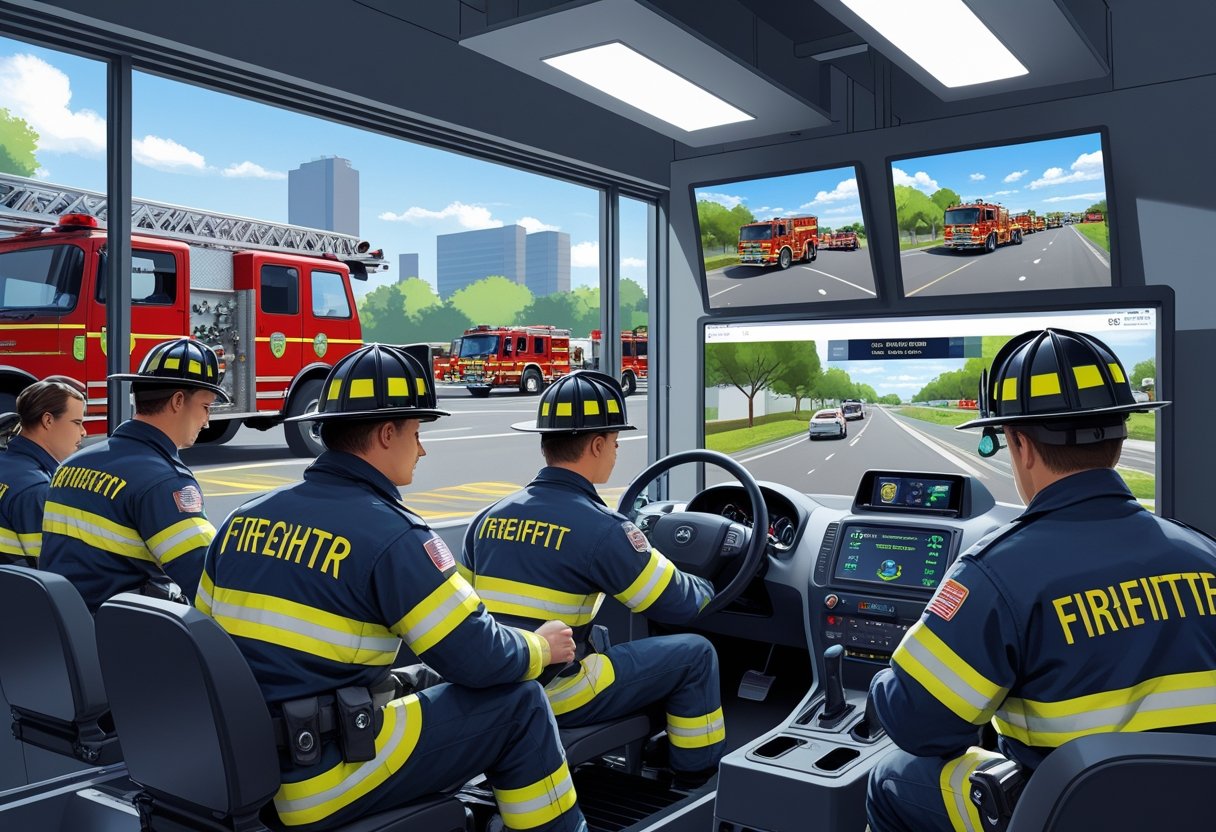
This course is designed for firefighters who need to sharpen their driving skills under pressure. We focus on those who operate emergency vehicles and must respond quickly while keeping everyone safe on the road.
It’s also ideal for new recruits who want to build confidence behind the wheel before taking on real emergency runs. Even if you’ve already had standard driving lessons, this course helps you adapt those skills to high-speed, high-stakes situations.
We welcome experienced drivers too. If you’ve been driving for years but haven’t had formal emergency response training, this course helps you refresh your knowledge and meet the latest National Fire Chiefs Council (NFCC) driving standards.
Here’s a quick look at who benefits most:
| Group | Why It’s Right for Them |
|---|---|
| New Firefighters | Learn safe, controlled driving from day one |
| Experienced Drivers | Update skills and meet current ERD standards |
| Fire Service Instructors | Gain advanced techniques for teaching others |
| Support Staff | Understand emergency vehicle dynamics and safety |
If you’re the kind of person who thrives under pressure but knows that skill beats speed, this course fits you perfectly. We’ll help you handle every turn, junction, and blue light run with calm confidence, no sweaty palms required.
Why An Intensive Course Works Best
We know firefighters have busy, unpredictable schedules, so fitting in months of weekly lessons can feel impossible. That’s where intensive driving courses come in, short, focused, and built to get you test-ready fast. You can learn solid driving skills in days, not months, without losing valuable time from the station.
An intensive course keeps you in the zone. You drive every day, so skills stay fresh and confidence builds quickly. No long gaps between lessons, no forgetting clutch control, and no starting over each week. It’s consistent, hands-on learning that helps you progress faster.
Here’s a quick look at how it compares:
| Type of Course | Duration | Lesson Frequency | Best For |
|---|---|---|---|
| Standard | Several months | 1–2 lessons per week | Flexible schedules |
| Intensive | 5–14 days | Daily lessons | Fast-track learners like firefighters |
We tailor each course to your experience and learning pace. Whether you’re a complete beginner or brushing up before your test, we adjust the plan so you get the most from every hour behind the wheel.
And yes, it’s called intensive for a reason, it’s focused, not frantic. We keep things calm, supportive, and well-structured. You’ll finish the week feeling confident, capable, and ready to hit the road safely, even if the blue lights aren’t flashing.
Common Challenges For Firefighters & How We Help
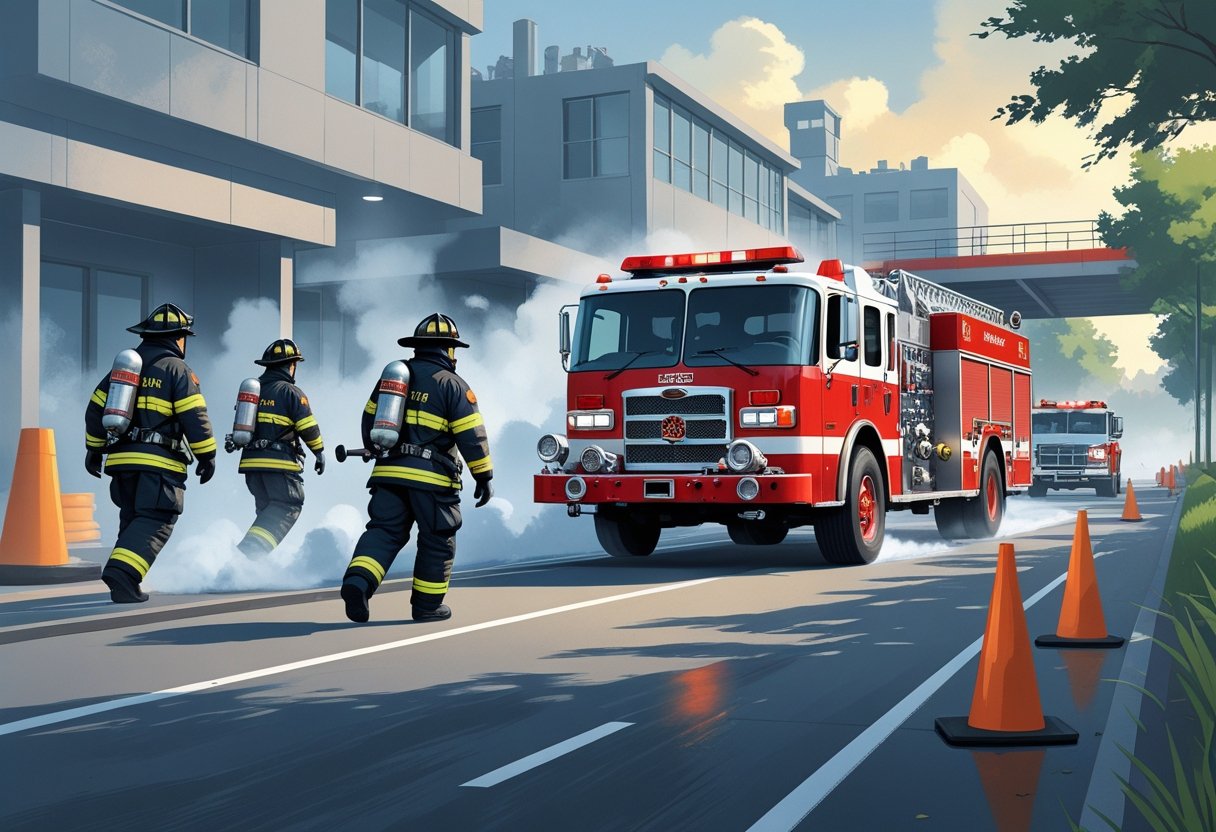
Firefighters face unique driving challenges, it’s not just about getting from A to B. When you’re behind the wheel of a 40,000‑pound fire engine, every turn, stop, and gear change matters. We understand that learning to drive safely under pressure takes more than a few laps round a car park.
High-speed control and tight manoeuvres often top the list of struggles. Many firefighters find it tricky to judge speed and cornering in larger vehicles. That’s why we focus on real‑world training from mastering lateral grip to handling intersections safely. No endless cone courses here; we teach skills that actually translate to the road.
| Common Challenge | How We Help |
|---|---|
| Negotiating curves safely | Hands‑on sessions explaining g‑force and vehicle balance |
| Managing intersections | Practical drills using realistic siren and visibility limits |
| Confidence under pressure | Coaching that builds calm, consistent habits |
| Adapting to modern vehicles | Training with up‑to‑date fire apparatus and safety tech |
We also know that not everyone comes to the job with heavy‑vehicle experience. So, we tailor our intensive courses to suit each learner’s background. Whether you’re new to driving large vehicles or brushing up your emergency response skills, we’ll guide you every step of the way with patience, a plan, and maybe a quick tea break in between.
What To Expect From The Course
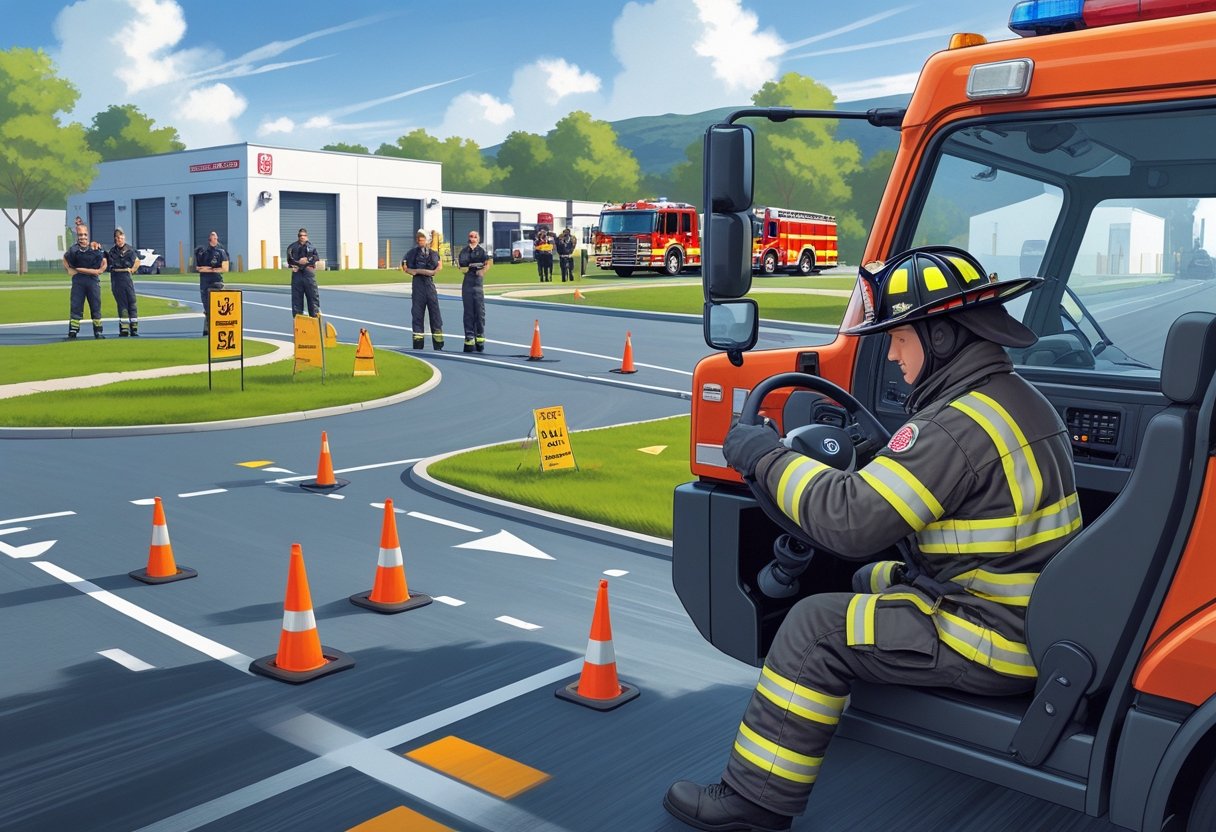
When you join our intensive driving course for firefighters, expect a full-on but rewarding week. We pack in the same amount of training you’d get over months of standard lessons, just without the long waits between sessions. It’s focused, practical, and designed to fit around your demanding schedule.
You’ll start with a quick refresher on the theory of driving. We’ll go over road safety, hazard awareness, and the Highway Code, all key for anyone who spends time behind the wheel in high-pressure situations. Don’t worry, it’s not all classroom talk; we keep things interactive so it actually sticks.
Once you’re confident with the basics, we hit the road. You’ll drive several hours each day with our DVSA-approved instructors in dual-control cars. We’ll guide you through city traffic, rural routes, and faster roads, the same variety you might face in real emergency driving conditions.
Here’s a quick look at how your week might flow:
| Day | Focus |
|---|---|
| 1 | Theory and basic control |
| 2–3 | Urban and rural driving |
| 4 | Advanced manoeuvres and mock tests |
| 5 | Test preparation and final drive |
We’ll also cover the “show me, tell me” questions and essential vehicle checks handy for anyone who needs to keep a vehicle safe and ready for action. And yes, we’ll make sure you get a few tea breaks along the way.
How To Book Your Intensive Driving Course
Booking your intensive driving course is simple, no endless forms or confusing steps. We’ve made it quick so you can focus on getting behind the wheel, not stuck behind a screen.
Start by choosing your course length based on your experience. If you’re new to driving, go for a longer option. If you’ve had lessons before, a shorter course might do the trick.
Next, pick your transmission type, manual or automatic. We have both, and we’ll match you with a qualified instructor who suits your learning style and location.
Then, select your start date. Most courses begin within a few weeks, and we’ll handle the test booking for you through the DVSA. You can even add a theory test if you still need one.
| Step | What You’ll Do | What We’ll Handle |
|---|---|---|
| 1 | Choose course length | Provide course options |
| 2 | Pick manual or automatic | Assign an instructor |
| 3 | Confirm start date | Book your driving test |
| 4 | Pay securely online | Send your confirmation |
Finally, book online or over the phone whichever you prefer. Once confirmed, we’ll send your schedule, instructor details, and everything you need to get started.
Easy as that. No drama, no waiting months for lessons, just a clear plan to get you driving safely and confidently.
Final Thoughts
We know firefighters don’t have time to drag driving lessons out for months. That’s why an intensive driving course suits this line of work so well, short, focused, and built to fit around a busy schedule. It’s all about getting you road-ready fast, without cutting corners.
Our courses pack in several hours of driving each day, mixing real-world practice with targeted feedback. You’ll handle everything from motorway driving to night-time scenarios, so you’re confident behind the wheel no matter the shift or situation.
A quick look at the benefits:
| Feature | Why It Helps Firefighters |
|---|---|
| Flexible scheduling | Fits around shift work and call-outs |
| Experienced instructors | Understand high-pressure learning |
| Focused sessions | Build skill and confidence quickly |
| Theory support | Keeps test prep simple and stress-free |
We’ve seen plenty of learners, firefighters included, pass their tests after one of these courses. The key is preparation and a bit of determination (plus a strong coffee or two).
If you’re ready to move from station to steering wheel with confidence, we’ll help you make it happen. After all, you handle emergencies daily, a driving test should feel like a walk in the park.
Frequently Asked Questions
We design our intensive driving courses to help future firefighters gain the confidence and control needed for emergency driving. Our training focuses on practical skills, flexible scheduling, and instructors with real emergency service experience.
What’s the quickest route to becoming a firefighter-ready driver with your intensive courses?
We offer condensed driving courses that fit into just one or two weeks. You’ll spend several hours a day behind the wheel, learning both standard and emergency-response techniques. It’s a fast, focused way to get test-ready and build the driving discipline needed for service life.
Can you tell me how your driving courses cater to the specific needs of future lifesavers?
Our courses include training that mirrors real emergency conditions. We teach smooth control under pressure, hazard awareness, and quick but safe decision-making. It’s all about helping you handle a vehicle confidently when every second counts.
How do the success rates of your intensive driving courses compare for those in the firefighting profession?
Learners with firefighting backgrounds often perform very well because they’re already disciplined and focused. Our tailored approach helps maintain high pass rates, especially among those aiming for emergency response roles.
What sort of practical firefighting manoeuvres will I master on your intensive driving course?
You’ll practise controlled cornering, quick braking, and safe overtaking, the kind of moves you’ll need when driving emergency vehicles. We also cover spatial awareness and vehicle positioning, which are vital when navigating tight spots or busy roads.
Could you give a rundown on the instructors’ experience with emergency services driving?
Many of our instructors have trained or worked alongside emergency service drivers. They understand the standards set by frameworks like the National Fire Chiefs Council’s Emergency Response Driving guidelines. You’ll be learning from people who truly get what’s required on the job.
How flexible are your course schedules for someone juggling firefighting training and learning to drive?
We know your schedule can be unpredictable, so we offer flexible course dates and daily lesson blocks. Whether you prefer early mornings, late afternoons, or weekend sessions, we’ll work around your training commitments. Think of us as your driving support crew, just without the sirens.