

Best Intensive Driving Course for People With Dyslexia: Your Route to the Open Road
Learning to drive can feel like a big step, especially if dyslexia makes processing lots of new information tricky. We get it, juggling signs, instructions, and gears all at once can feel like trying to pat your head and rub your stomach at the same time. That’s why an intensive driving course designed with dyslexia in mind can make all the difference. The best intensive driving course for people with dyslexia gives you focused, structured lessons that fit your learning style and build confidence quickly.
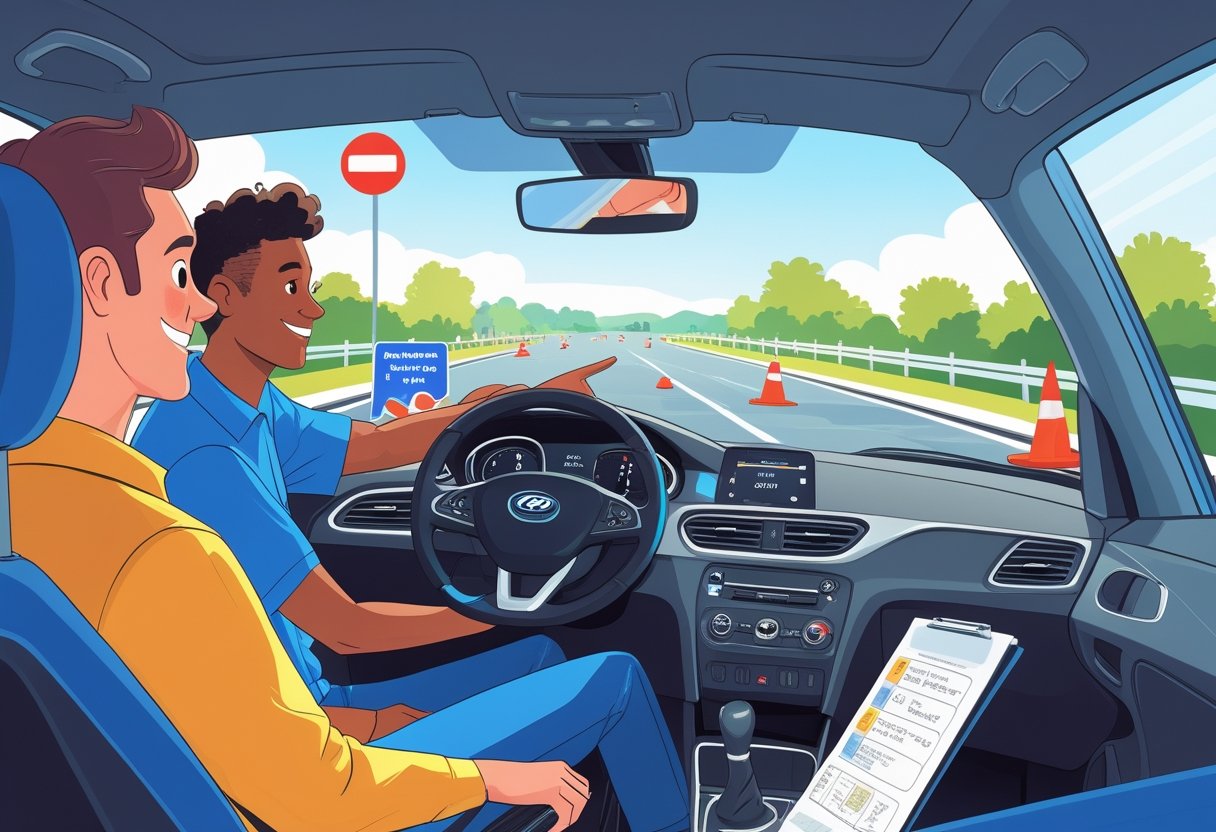
We tailor each session to suit how you learn best, clear explanations, visual guidance, and plenty of patience. You’ll spend more time driving and less time worrying about forgetting what you learned last week. With our supportive instructors and flexible approach, you’ll stay on track and see steady progress every day. Think of it as learning smarter, not faster, though the licence at the end certainly helps.
If you’ve ever thought, “I’ll never get the hang of this,” we’re here to prove otherwise. With the right plan, the right instructor, and a bit of determination, you’ll be cruising down the road in no time and yes, probably grinning too.
Key Takeaways
- Our intensive course supports how people with dyslexia learn best
- Focused lessons and patient instructors help build skills faster
- A structured, flexible plan makes passing your test achievable
Who This Course Is For
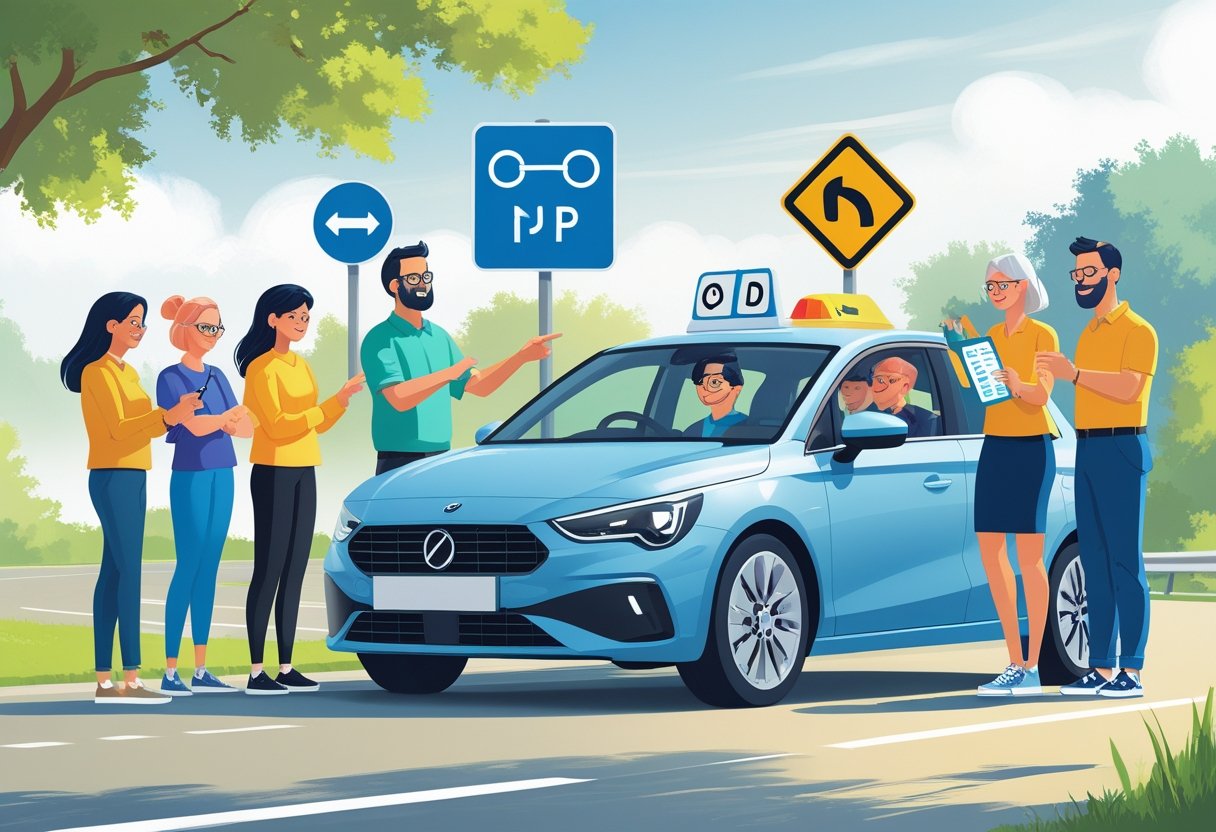
We designed this course for learners who want to learn to drive quickly but need a bit of extra support along the way. If you have dyslexia, dyspraxia, or another learning difference, this course helps you build confidence without feeling rushed or overwhelmed.
It’s ideal for people who prefer hands-on learning and benefit from clear, step-by-step guidance. We use multi-sensory techniques to make lessons stick, think visual aids, simple routines, and practical exercises that help you remember what to do next time you’re behind the wheel.
You might find traditional lessons repetitive or confusing, especially when it comes to remembering sequences like mirrors–signal–position–speed–look. Don’t worry, we’ve got methods to make that easier. Many of our learners say they finally feel things “click” after trying our approach.
Here’s a quick look at who tends to get the most from this course:
| Learner Type | Why It’s a Good Fit |
|---|---|
| Learners with dyslexia or dyspraxia | Lessons match your learning style and pace |
| Busy people who want faster progress | Intensive format saves time and keeps skills fresh |
| Nervous drivers | Supportive instructors build calm, steady confidence |
| Visual or practical learners | Clear visuals and real-world practice make learning stick |
We keep things friendly, flexible, and focused on you. Whether you’re starting from scratch or brushing up before your test, we’ll help you feel capable, calm, and ready to drive.
Why An Intensive Course Works Best
We’ve found that an intensive driving course helps learners with dyslexia build confidence and skill much faster because everything stays fresh in your mind. Instead of spreading lessons over months, you learn daily, which helps with memory and routine, no need to re-learn what you covered last week.
Many of our students like the structured schedule. You know exactly what you’re doing each day, which keeps things simple and predictable. There’s less waiting, less forgetting, and more time behind the wheel, the bit that really matters.
Here’s how it often compares:
| Learning Style | Lesson Frequency | Time to Test | Best For |
|---|---|---|---|
| Regular Lessons | 1–2 hours weekly | Several months | Those who prefer slow pacing |
| Intensive Course | 4–5 hours daily | 1–2 weeks | Learners who want quick progress and focus |
We also keep the same instructor and car throughout the course, so you’re not adjusting to new people or vehicles. That consistency makes a big difference, especially when you’re processing lots of new information.
And yes, we include breaks, no one’s expecting you to drive for hours without a breather. A short pause and a cuppa can do wonders for your focus.
We’ll guide you step by step, keeping lessons clear, calm, and practical. It’s all about helping you learn your way with support that actually fits how you think and learn.
Common Challenges For People With Dyslexia & How We Help
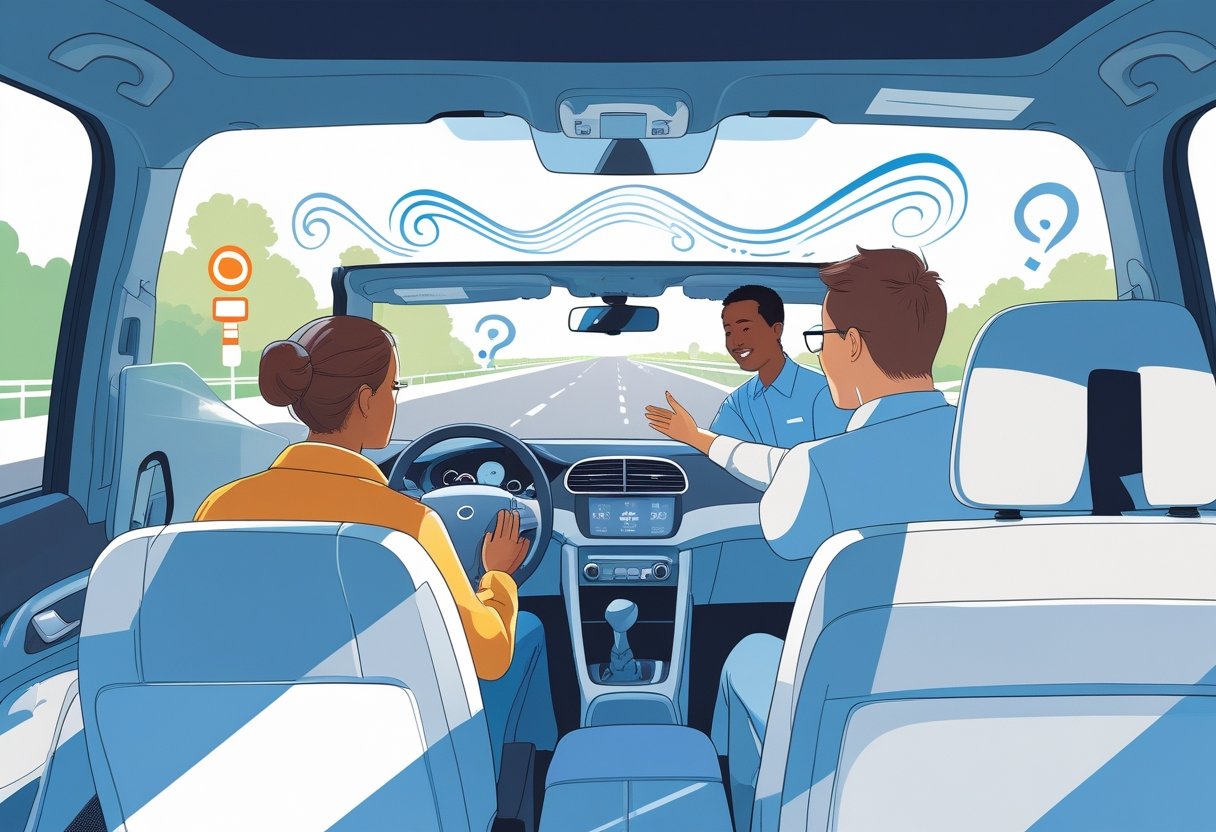
Many learners with dyslexia, dyspraxia, ADHD, or ADD find that traditional driving lessons move too fast or rely too much on written instructions. We get it, reading road signs, remembering sequences, and processing spoken directions can feel like juggling mirrors while driving round a roundabout.
We slow things down and keep everything clear. Our disability driving instructors use simple step-by-step guidance, visual aids, and plenty of repetition. We never rush, and we always check that each stage makes sense before moving on.
| Common Challenge | How We Help |
|---|---|
| Trouble following multi-step instructions | Break tasks into short, clear steps and repeat as needed |
| Difficulty processing spoken directions | Use visual cues, diagrams, and calm, steady communication |
| Anxiety or pressure in lessons | Create a relaxed, encouraging environment with no judgement |
| Struggles with sequencing or memory | Build routines and use memory aids like colour-coded notes |
| Low confidence | Celebrate small wins and focus on steady progress |
We also adapt lessons for each learner’s strengths. Some prefer hands-on practice, others benefit from short breaks or written prompts.
Our goal is to make every learner feel confident, supported, and understood. Whether you learn best by seeing, hearing, or doing, we’ll find the method that works for you and keep things friendly all the way to your test day.
What To Expect From The Course
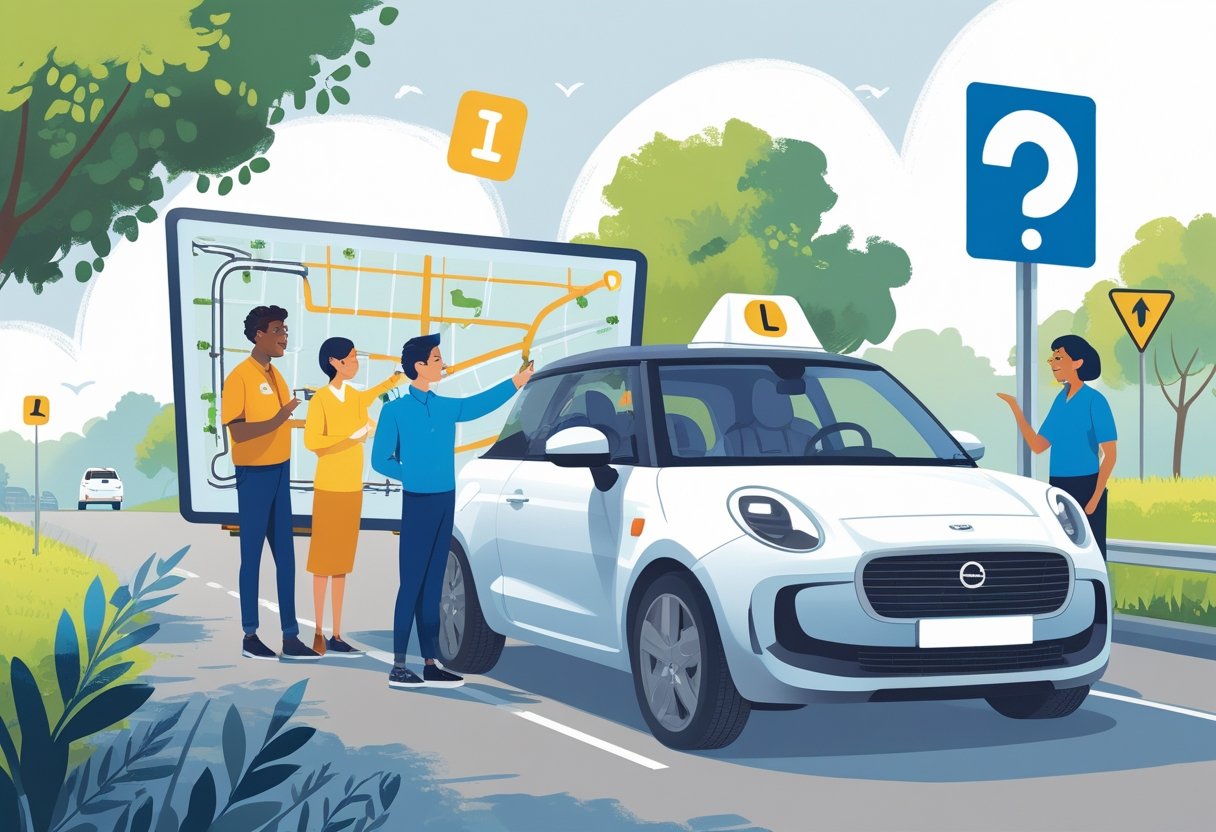
When you join an intensive driving course, expect a full-on but rewarding week (or two). We’ll spend several hours each day behind the wheel, building your skills step by step. It’s a bit like learning to drive on fast-forward but with plenty of support and tea breaks along the way.
Our driving instructors know how to adapt lessons for different learning styles, including dyslexia. We’ll go over each topic clearly, repeat key points if needed, and use visual aids or diagrams to make things easier to follow. You can always ask questions, we’re here to help, not to rush you.
You’ll cover everything from basic car control to roundabouts and reversing. Here’s a quick look at what a typical day might include:
| Time | Focus Area | Example Activity |
|---|---|---|
| Morning | Core skills | Steering, clutch control, starting and stopping |
| Midday | Road practice | Junctions, traffic lights, and lane changes |
| Afternoon | Test prep | Mock routes, manoeuvres, and feedback |
Before the theory test, we’ll help you prepare using tools that suit you best, audio guides, coloured overlays, or extra time if you qualify. During the practical test, you can request small adjustments, like simple diagrams or verbal directions.
By the end, you’ll feel more confident and ready to take your test. We’ll make sure the pace feels right for you, steady, focused, and supportive all the way.
How To Book Your Intensive Driving Course
Booking your intensive driving course is simpler than trying to find a decent parking spot on a Saturday afternoon. We’ve kept the process clear and stress-free, so you can focus on learning, not paperwork.
Step 1: Choose your course type.
Decide how many hours you’ll need based on your experience. Most learners go for 20–40 hours, but if you’ve already had lessons, a shorter refresher course might be enough.
Step 2: Pick your transmission.
Manual or automatic, it’s entirely up to you. If you have dyslexia, some learners find automatic cars easier to manage since there’s less to think about while reading road signs and processing instructions.
Step 3: Select your location and instructor.
We’ll match you with a DVSA-approved instructor in your local area. You can request extra support, such as visual aids, slower-paced explanations, or practice routes that help you feel confident.
Step 4: Book your test slot.
We can handle the test booking for you, saving you from wrestling with the DVSA website. You’ll get a confirmed date so you can plan your lessons around it.
| What You’ll Need | Why It Matters |
|---|---|
| Provisional licence | Required before any lessons |
| Theory test pass (if done) | Helps plan your course timing |
| Preferred dates | Ensures your lessons fit your schedule |
Once that’s sorted, you’re ready to start your journey. We’ll handle the admin, you bring the determination (and maybe a bit of patience for those first hill starts).
Final Thoughts
We know that learning to drive with dyslexia can feel like juggling gears, mirrors, and road signs all at once. That’s why we focus on clear communication, visual learning, and hands-on practice to make each lesson click.
Our instructors use visual aids, step-by-step guidance, and plenty of patient repetition. We also adapt the pace to suit you, no rushing, no pressure. After all, confidence behind the wheel grows best in a calm, supportive space.
Here’s a quick reminder of what helps most:
| Support Method | Why It Works |
|---|---|
| Visual and practical learning | Builds stronger memory through doing, not just reading |
| Short, focused sessions | Keeps information clear and manageable |
| Open communication | Helps tailor lessons to your learning style |
| Encouragement and patience | Reduces stress and boosts confidence |
We believe driving should feel achievable and even a bit fun, yes, really. With the right approach and a bit of teamwork, you’ll soon be cruising along without second-guessing every turn.
So, when you’re ready to start, we’ll be here to guide you through it, one calm, confident lesson at a time.
Frequently Asked Questions
We use structured teaching, visual tools, and patient coaching to help learners with dyslexia build confidence and driving skill quickly. Our approach focuses on clear communication, flexible pacing, and practical support that fits each person’s learning style.
What specialised strategies do driving schools use to support learners with dyslexia?
We use visual aids, such as diagrams and short videos, to make instructions easier to follow. We also break tasks into small, manageable steps so nothing feels overwhelming. Some learners prefer written notes or colour-coded reminders, which we happily provide. It’s all about finding what helps each person learn best.
Can you tell me how the course content is adapted for drivers who have dyslexia?
We simplify written materials and use plain language to make reading less stressful. Lessons focus on hands-on practice rather than long theory sessions. When theory is needed, we use apps, voice recordings, or practice questions read aloud, so learners can study in a way that suits them.
What’s the success rate like for dyslexic learners on your intensive driving courses?
Our dyslexic learners do very well once they have the right support. Many pass their tests on the first or second try, which is about the same as other learners. Confidence and steady progress make the biggest difference and we make sure both stay high throughout the course.
How do instructors tailor their teaching methods to help with dyslexia during an intensive driving course?
Our instructors use multi-sensory teaching, combining spoken guidance, visual cues, and hands-on practice. They check understanding often and adjust the pace when needed. If a learner struggles with directions or instructions, we use landmarks, repetition, and calm coaching to keep things clear and stress-free.
Are there any additional resources or support systems in place for dyslexic individuals taking an intensive driving course?
Yes, we offer extra time for theory preparation and can help arrange reasonable adjustments for the official tests if needed. We also point learners towards local dyslexia support groups and online study tools. Our goal is to make sure no one feels left behind, on or off the road.
Could you walk me through a typical day on the course for someone with dyslexia? I’m all ears!
We start with a quick chat to plan the day and review what’s coming up. Lessons mix short bursts of driving with breaks for feedback and visual reviews. You’ll spend most of the day behind the wheel, practising real-world routes at your own pace with plenty of encouragement and maybe a few laughs along the way.