

Block Booking vs Pay-As-You-Go: Which Saves You the Most Money on Driving Lessons?
When you’re learning to drive, one of the biggest decisions you’ll face is how to pay for your lessons. Should you book lessons individually as you need them, or commit to a block of lessons upfront? We understand that money matters when you’re starting your driving journey, and choosing the wrong payment method could cost you more than necessary.
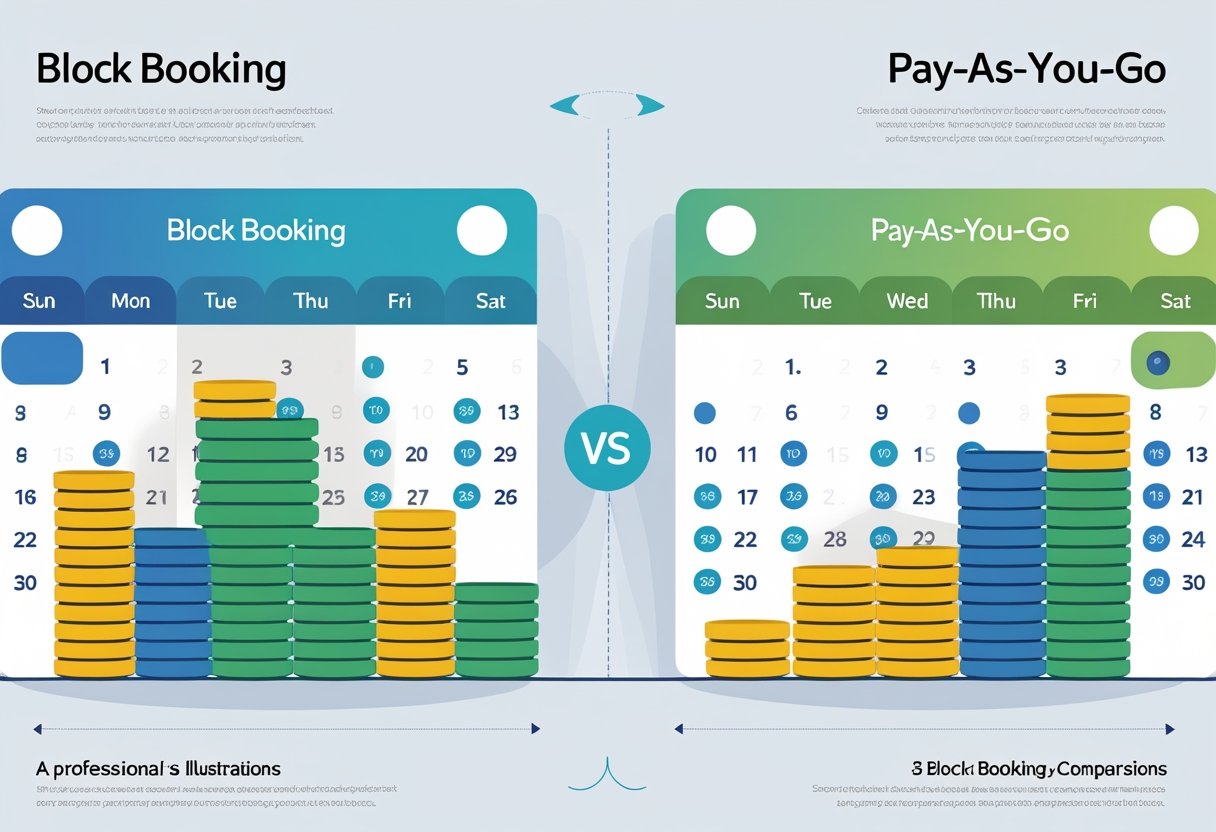
Block booking driving lessons typically saves you money compared to pay-as-you-go, with most driving schools offering discounts of £2 to £5 per lesson when you book 10 or more lessons in advance. This means if you’re planning to take the average 45 hours of professional tuition needed to pass your test, you could save anywhere from £90 to £225 by choosing block bookings over individual lessons.
The choice isn’t just about immediate savings though. Your learning style, budget flexibility, and confidence in your chosen instructor all play crucial roles in determining which payment method works best for you. We’ll explore both options in detail, helping you make an informed decision that supports both your wallet and your driving progress.
Key Takeaways
- Block booking lessons typically costs less per hour than paying for individual lessons, with savings of £2-£5 per lesson being common
- Pay-as-you-go offers more flexibility but usually costs more overall, making it suitable for learners who prefer testing instructors first
- Your choice should depend on your budget, learning consistency needs, and confidence in committing to a specific instructor
Block Booking vs Pay-As-You-Go: Key Differences
When you’re starting your driving journey, understanding these two payment methods can make a real difference to your budget and learning experience. Block booking means paying upfront for multiple lessons, while PAYG lets you pay for individual sessions as you need them.
What Is Block Booking?
Block booking is when you purchase a bundle of driving lessons all at once. You might buy 5, 10, or even 20 hours of tuition in advance.
Most driving instructors offer these packages at discounted rates. For example, if individual lessons cost £35 each, a 10-hour block might work out to £30 per hour. That’s a £50 saving straight away.
Here’s what you get with block booking:
- Guaranteed lesson slots at your preferred times
- Priority booking during busy periods
- Consistent learning with the same instructor
- Better lesson continuity and progress tracking
The main appeal is financial. You’re essentially buying in bulk, which nearly always works out cheaper per lesson. It’s like getting a loyalty discount before you’ve even started.
Your instructor will typically schedule your lessons in advance. This creates a structured learning plan that keeps your skills sharp between sessions.
How Pay-As-You-Go Works
Pay-as-you-go (PAYG) is exactly what it sounds like. You book and pay for each lesson individually, usually just before or after the session.
There’s no upfront commitment with PAYG. You simply contact your instructor when you want your next lesson. Payment happens lesson by lesson, which keeps your cash flow more manageable.
PAYG typically works like this:
- Book a lesson when you’re ready
- Pay the full rate for that single session
- No advance commitment required
- Complete flexibility over timing
The hourly rate is usually higher than block booking prices. However, you’re not tied into multiple lessons if circumstances change.
Many learners start with PAYG to test the waters. It’s a sensible way to see if you gel with an instructor before making a bigger commitment.
Commitment Versus Flexibility
This is where the two approaches really differ. Block booking requires commitment but offers structure and savings.
With block booking, you’re committing to a set number of lessons. Most instructors expect regular attendance once you’ve booked. Missing lessons might mean losing money or having to reschedule within tight timeframes.
PAYG gives you complete control over when you learn. Busy week at work? No problem. Just book your next lesson when you’re ready.
Block booking suits people who:
- Have predictable schedules
- Want guaranteed lesson times
- Prefer structured learning approaches
- Can afford the upfront cost
PAYG works better if you:
- Have unpredictable availability
- Want to test different instructors
- Prefer spreading costs over time
- Need maximum flexibility
Who Typically Chooses Each Option?
Students often love block booking because they can plan lessons around college schedules. The upfront cost savings also appeal to those watching their budgets carefully.
Working professionals frequently choose PAYG initially. Their schedules change often, making firm commitments tricky. Once they find a rhythm, many switch to block booking for the savings.
Block booking is popular with:
- Students with regular timetables
- People with steady incomes
- Learners wanting quick progress
- Those who’ve found their ideal instructor
PAYG attracts:
- Shift workers with varying schedules
- First-time learners testing the waters
- People with tight monthly budgets
- Those comparing different instructors
Parents often influence the choice too. Some prefer the discipline of block booking to keep lessons regular. Others choose PAYG to avoid large upfront payments.
Your choice ultimately depends on your circumstances, budget, and learning style. Both approaches can work brilliantly with the right instructor.
Comparing the Costs: Which Option Actually Saves You Money?
The financial picture between block booking and pay-as-you-go isn’t always straightforward, with each approach offering distinct advantages depending on your circumstances. Block booking driving lesson offers typically provide immediate savings through bulk discounts, whilst pay-as-you-go maintains flexibility that can prevent costly commitments if your plans change.
Typical Pricing Structures
Most driving instructors price individual lessons between £25-35 per hour across the UK. When you opt for block bookings, you’ll often see reductions of 10-15% off the standard rate.
Block Booking Example:
- Single lesson: £30
- 10-lesson block: £270 (£27 per lesson)
- 20-lesson block: £520 (£26 per lesson)
Pay-as-you-go maintains the full hourly rate but offers complete freedom. You’re never locked into a specific number of sessions or tied to one instructor.
The maths clearly favours block bookings for immediate savings. However, these calculations assume you’ll use every lesson you’ve purchased. We’ve seen countless learners lose money when circumstances force them to abandon unused lessons.
Intensive courses represent the extreme end of block booking. These packages can cost £800-1,200 for a week of concentrated learning. The per-hour rate drops significantly, but you’re committing to a substantial upfront investment.
Upfront Savings and Discounts
Block booking driving lesson offers create genuine opportunities to save money, particularly for committed learners. The discount structure rewards your advance commitment with meaningful reductions.
Most instructors offer their best rates for larger blocks. A 20-lesson package might save you £80-100 compared to individual bookings. That’s enough to cover an additional lesson or two.
Seasonal promotions often enhance these savings further. Many driving schools run January offers or back-to-school specials that can push discounts to 20% or more.
However, these upfront savings only materialise if you complete your purchased lessons. We’ve witnessed learners who changed instructors halfway through a block package, effectively losing their discount and paying premium rates for incomplete training.
Payment flexibility matters too. Some instructors allow you to split block payments across several months, making the upfront cost more manageable whilst still securing the discount.
The psychological benefit shouldn’t be overlooked either. Having pre-paid lessons often motivates learners to maintain consistent practice schedules.
Hidden Costs and Long-Term Value
The true cost comparison extends beyond the headline prices. Block bookings can harbour unexpected expenses that erode your initial savings.
Cancellation policies vary dramatically between instructors. Some allow free rescheduling within 24 hours, whilst others charge £10-15 for any changes. These fees accumulate quickly for busy learners juggling work, studies, and family commitments.
Expiration dates on block packages can force you into rushed scheduling. If your lessons expire unused, you’ve essentially paid premium rates for reduced training.
Pay-as-you-go arrangements typically offer more lenient cancellation terms. You’re usually only liable for late cancellation fees, not the full lesson cost.
Test fees and additional costs remain constant regardless of your booking method. However, block booking students sometimes feel pressured to take their test before they’re truly ready, leading to expensive retakes.
Instructor compatibility represents a significant hidden cost factor. If you’ve pre-paid for lessons with an instructor who doesn’t suit your learning style, switching means absorbing the financial loss of unused sessions.
Quality instructors often offer money-back guarantees on block bookings, but always verify these terms before committing to larger packages.
Advantages of Block Booking for Learner Drivers
Block booking offers learner drivers significant financial savings through discounts and special offers. You’ll also benefit from a more structured approach to learning that creates consistent progress and faster confidence building.
Discounts and Special Offers
Most driving instructors offer attractive discounts when you book lessons in advance. We’ve found that these savings typically range from £3 to £5 per lesson compared to pay-as-you-go rates.
For example, individual lessons might cost £38 per hour. However, booking 10 lessons upfront could reduce this to £35 per hour, saving you £30 overall.
Block booking discounts become even more substantial with larger packages. Some instructors offer:
- 10-lesson blocks: 5-10% discount
- 20-lesson blocks: 10-15% discount
- Full course packages: Up to 20% savings
The financial benefits extend beyond simple discounts. When you commit to block bookings, you protect yourself against potential price increases during your learning period.
Many driving schools also throw in additional perks with block bookings. These might include free theory test apps, priority booking slots, or complimentary mock driving tests.
Structured Driver Training Benefits
Block booking creates a framework that supports consistent learning patterns. When you book multiple lessons together, your instructor can plan a structured curriculum tailored to your specific needs.
This approach allows for better lesson planning. Your instructor knows exactly how many sessions they have to work with and can pace your learning accordingly.
Regular lesson scheduling becomes much easier with block bookings. You can establish a routine, such as weekly two-hour sessions, which helps reinforce muscle memory and driving skills.
We’ve noticed that learners who use block booking tend to maintain momentum better. There’s less temptation to postpone lessons when you’ve already paid for them upfront.
Your instructor can also track your progress more effectively across multiple pre-booked sessions. This leads to more targeted teaching and faster skill development.
Faster Progress and Confidence Boosts
Block booking typically leads to quicker mastery of driving skills. When lessons are spaced consistently, you retain information better between sessions.
The psychological benefits are significant too. Having multiple lessons secured gives you confidence that you’re committed to seeing your learning through to the test.
We often see higher pass rates among students who choose block bookings. The consistent practice schedule means fewer gaps in learning, which translates to better test performance.
Regular lessons help build proper habits more quickly. Instead of relearning basics each time after long gaps, you can focus on advancing your skills progressively.
The instructor-student relationship also develops more naturally with block bookings. Your instructor gets to know your learning style better, making each lesson more effective than the last.
Why Pay-As-You-Go Might Be Right for You
Pay-as-you-go (PAYG) driving lessons offer real advantages when your life doesn’t follow a predictable pattern. This flexible approach lets you learn at your own pace whilst maintaining complete control over your time and money.
Flexibility for Busy Schedules
Life has a funny way of throwing curveballs at us, doesn’t it? One week you’re free every Tuesday afternoon, and the next you’re covering extra shifts or dealing with family commitments.
PAYG lessons adapt to your world, not the other way round. You can book a lesson when your diary allows, without the stress of losing money on prepaid sessions you can’t attend.
This works brilliantly if you’re:
- Working irregular hours or shifts
- Balancing college with part-time work
- Managing caring responsibilities
- Running your own business
No penalties exist for changing your mind about lesson timing. You simply book when it suits you, pay for that single session, and carry on with your week.
Many driving instructors understand that modern life is unpredictable. They’re often happy to accommodate last-minute bookings when you suddenly find yourself with a free afternoon.
Control Over Lesson Frequency
Some weeks you’ll feel ready to tackle roundabouts and dual carriageways. Other weeks, you might need time to process what you’ve learned or save up for your next session.
PAYG gives you that breathing space without any pressure from instructors or guilt about unused block bookings gathering dust.
You might choose to have:
- Two lessons one week when you’re making rapid progress
- A fortnight’s break to let everything sink in
- Monthly sessions when money’s tight
This natural rhythm often suits people who learn better with gaps between lessons. Some drivers find they actually improve between sessions as their subconscious mind processes new skills.
The beauty lies in responding to your own learning patterns rather than forcing yourself into someone else’s schedule.
Great for Uncertain Commitment
Perhaps you’re not entirely sure about learning to drive right now. Maybe you’re testing the waters, seeing how you feel behind the wheel, or wondering whether driving lessons fit your budget.
Starting with PAYG removes the financial pressure of committing hundreds of pounds upfront. You can dip your toe in the water with a single lesson and see how it goes.
This approach suits people who:
- Haven’t driven for years and want to rebuild confidence gradually
- Feel nervous about getting back on the road
- Aren’t sure about their instructor yet
- Have limited savings and prefer spreading costs
You’re free to walk away at any point without losing money on unused lessons. Equally, you can always switch to block bookings later if you decide PAYG isn’t working for you.
Starting small often builds confidence more naturally than diving into intensive courses or large block bookings when you’re still finding your feet.
Factors to Consider When Choosing Your Payment Method
Your driving journey deserves a payment approach that fits your wallet, learning style, and schedule perfectly. The right choice depends on how you manage money, learn best, and what flexibility you need from your instructor.
Budget and Financial Planning
Money matters when you’re learning to drive, and we know every pound counts. Block booking typically offers better value per lesson, with most driving schools providing discounts of £5-10 per hour when you book packages of 10-20 lessons.
This upfront investment can feel daunting though. You’re looking at £400-600 in one go, which isn’t pocket change for most learners.
Pay-as-you-go spreads the cost more evenly. You’ll pay £25-35 per lesson as you take them, making it easier to budget week by week. This approach works brilliantly if your income varies or you prefer seeing exactly what you’re spending.
Consider your financial safety net too. What happens if you need to pause lessons unexpectedly? Block bookings sometimes offer limited refunds, whilst pay-as-you-go gives you complete control over when you stop or start.
Think about your test timeline as well. If you’re planning to take your test within 3-4 months, block booking often makes financial sense. For longer-term learners who might take breaks, flexible payment keeps things manageable.
Learning Style and Personal Goals
Your brain works differently from everyone else’s, and your payment method should match how you learn best. Intensive learners who thrive on momentum often benefit from block booking because it encourages regular, consistent practice.
When you’ve already paid for lessons, you’re more likely to stick to a structured schedule. This commitment can accelerate your progress significantly.
Some learners need flexibility though. If you’re juggling work, studies, or family commitments, pay-as-you-go removes the pressure of using up pre-paid lessons quickly.
Confidence-building is crucial in driver training. If you’re naturally anxious about driving, the pressure of having unused paid lessons can create extra stress you simply don’t need.
Consider your practice schedule too. Regular weekly lessons work well with block booking, but if you prefer intensive periods followed by breaks for independent practice, flexible payments suit you better.
Your goals matter enormously. Aiming for a quick pass? Block booking with the same instructor builds consistency. Taking your time to become truly confident? Pay-as-you-go lets you adapt as you progress.
Instructor Availability and Reliability
Your instructor’s schedule and teaching style directly impact which payment method serves you best. Reliable instructors who maintain consistent availability make block booking a smart investment because you know you’ll actually use those pre-paid lessons.
However, life happens to everyone, including driving instructors. If your instructor frequently reschedules or has unpredictable availability, paying upfront becomes risky.
Instructor compatibility is vital for effective driver training. Sometimes you discover after a few lessons that your instructor’s teaching style doesn’t click with your learning needs. Pay-as-you-go makes switching instructors much simpler and less costly.
Consider your instructor’s cancellation policy carefully. Some offer flexible rescheduling for block bookings, whilst others have strict terms that could leave you out of pocket.
Peak season availability affects your choices too. During busy periods like summer months, instructors with block-booked students often get priority scheduling. This can be advantageous if you’re planning around school holidays or work schedules.
Location flexibility matters as well. If you might need lessons from different locations or with different instructors occasionally, pay-as-you-go provides that freedom without complicated refund processes.
Tips for Maximising Savings and Getting the Most Out of Lessons
Getting the best value from your driving lessons means knowing when to commit to block booking driving lesson offers and how to avoid common pitfalls that waste money. The smartest learners combine different payment methods and make strategic choices about timing and practice.
Making the Most of Block Booking Deals
We’ve found that timing is everything when it comes to block bookings. Never commit to a large package until you’ve had at least 3-4 lessons with your instructor.
This trial period lets you check if their teaching style clicks with your learning approach. Some instructors are chatty and encouraging, whilst others prefer a more structured, quiet approach.
Wait for the right moment to book blocks. Most instructors offer better discounts on larger packages. A 10-hour block might save you £30-50 compared to individual lessons.
However, we recommend starting with smaller blocks of 5-6 hours once you’re happy with your instructor. You can always book another block later.
Ask about flexible payment terms. Some driving schools let you split block payments across two months. This helps with budgeting whilst still getting the discount.
Look out for seasonal offers too. Many instructors offer special deals during quieter periods like January or early autumn.
Avoiding Wasted Lessons
Nothing burns through your budget faster than cancelled lessons or poor preparation. We see learners lose hundreds of pounds through simple mistakes.
Give at least 24-48 hours’ notice for cancellations. Most instructors charge full price for last-minute cancellations. Keep a lesson diary and set phone reminders.
Practice between lessons whenever possible. Even 30 minutes of supervised practice with family helps reinforce what you’ve learned. This means fewer lessons overall.
Come prepared with questions. Write down specific things you struggled with between lessons. Don’t waste the first 10 minutes trying to remember what you wanted to ask.
Book lessons consistently. Having a lesson every two weeks means you’ll forget skills and need more time reviewing basics. Weekly lessons are usually most efficient.
Mixing and Matching Options
The smartest approach often combines different booking methods as your skills develop. We recommend starting with pay-as-you-go, then switching to blocks.
Use pay-as-you-go for your first few lessons. This gives you flexibility to change instructors without losing money on unused block bookings.
Switch to block bookings for the main learning phase. Once you’ve found the right instructor, book 8-10 hour blocks to save money during regular lessons.
Return to individual bookings near test time. You might only need 2-3 final lessons before your test. Individual bookings give you more scheduling flexibility for last-minute practice sessions.
Consider mixing intensive courses with regular lessons too. A weekend intensive course can boost your confidence, followed by weekly block-booked lessons for steady progress.
Frequently Asked Questions
Most learner drivers have similar concerns when weighing up these two payment options. The financial differences can significantly impact your driving budget, and understanding the practical implications helps you make the smartest choice for your situation.
How can I determine which method, block booking or pay-as-you-go, will be the most economical for my driving lessons?
We recommend starting by calculating your total expected lesson needs. Most learners require between 20-40 hours of professional tuition before they’re test-ready.
If you’re planning more than 10 lessons, block booking typically offers better value. Many instructors provide discounts of £3-5 per hour when you book packages of 10 or 20 lessons upfront.
Consider your cash flow too. Pay-as-you-go suits those who prefer spreading costs over time, even if it means paying slightly more overall.
In the grand scheme of learning to drive, which approach is more cost-effective: committing to a series of lessons upfront or paying for each session individually?
Block booking generally wins on pure economics. The upfront discounts can save you £60-200 over your entire learning journey, depending on how many lessons you need.
However, we’ve seen learners save money with pay-as-you-go when they pass their test quickly or need fewer lessons than expected. There’s no risk of unused lesson credits going to waste.
Your learning style matters too. If you progress quickly and might need fewer sessions than average, paying individually could work out cheaper.
What are the financial benefits of block booking driving lessons compared to the traditional pay-as-you-go model?
The most obvious benefit is the hourly discount. We’ve found instructors typically reduce rates by 10-15% for block bookings of 10+ hours.
You’ll also avoid price increases during your learning period. If your instructor raises rates whilst you’re still learning, your pre-paid lessons remain at the original price.
Some driving schools offer additional perks with block bookings, such as free theory test apps or discounted intensive courses for your final preparation.
Could you shed some light on the long-term savings potential between block booking and pay-as-you-go driving tuition?
Over a typical 25-hour learning journey, block booking could save you £75-125 compared to individual lesson pricing. That’s roughly the cost of 2-3 extra lessons.
The savings become more substantial if you’re learning in a high-cost area where individual lessons might cost £40+ per hour. Every pound saved per lesson adds up quickly.
Remember to factor in your pass rate confidence. If you’re likely to need refresher lessons after failing your first test, block booking those additional hours often comes with repeat customer discounts.
Is there a notable difference in value for money between bulk-purchasing lessons and paying individually, particularly for student drivers on a budget?
Paradoxically, block booking often provides better value for budget-conscious learners. The per-lesson savings can free up money for other driving-related expenses like theory tests or car hire for your practical test.
However, we understand that finding £300-600 upfront can be challenging. Some instructors offer payment plans where you can secure block booking rates whilst spreading payments over 2-3 months.
Pay-as-you-go gives you complete budget control week by week. You can pause lessons if money gets tight without losing any prepaid credits.
For someone keen to manage their driving lesson costs effectively, would you suggest block booking or a pay-per-lesson structure?
We’d lean towards block booking if you’re confident about your commitment and have the upfront funds available. The guaranteed savings and secured lesson slots provide excellent cost predictability.
Choose pay-as-you-go if you’re uncertain about your learning timeline, have an irregular income, or want to test compatibility with different instructors before committing.
Consider a hybrid approach: start with pay-as-you-go for your first 3-5 lessons, then switch to block booking once you’ve found the right instructor and understand your learning pace.