

Can a Family Member Teach You to Drive Legally? Rules & Tips Explained
Learning to drive is an exciting milestone, and many new drivers wonder if their parents, siblings, or other family members can legally help them practice. The short answer is yes, but there are specific rules and requirements that must be met to keep everything above board.
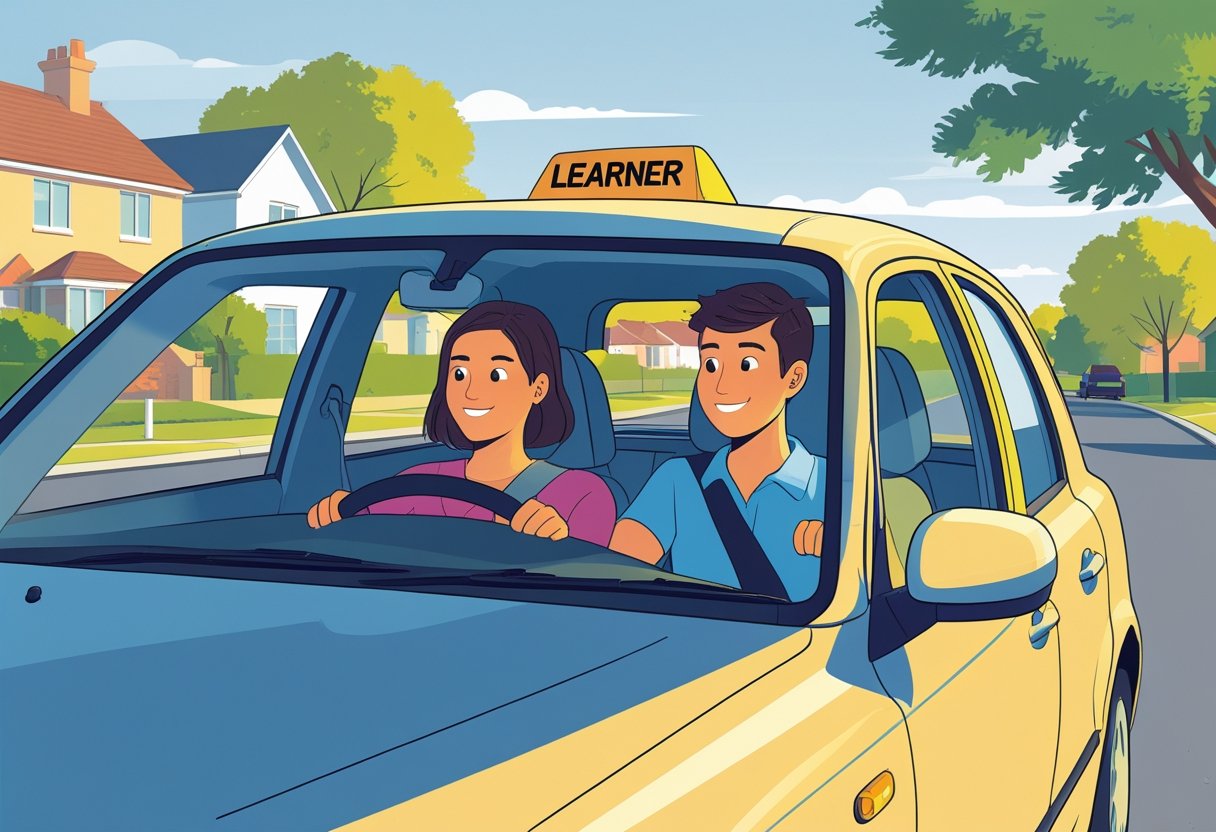
Yes, a family member can legally teach you to drive in the UK, provided they meet certain criteria: they must be at least 21 years old, have held a full driving licence for at least three years, and not be banned from driving. They also need to be qualified to drive the type of vehicle you’re learning in (for example, they must have a manual licence if you’re practising in a manual car). It’s worth noting that they cannot accept any payment for supervising you, including money for petrol, as only approved driving instructors can charge for lessons.
Getting behind the wheel with a trusted family member can be brilliant for building confidence and getting extra practice between professional lessons. However, there’s more to consider than just the legal requirements. From insurance and L-plates to planning effective practice sessions, we’ll walk you through everything you need to know to make family-supervised driving both safe and legal.
Key Takeaways
- Family members can legally supervise learner drivers if they meet age, licence, and experience requirements
- Proper insurance coverage and vehicle preparation with L-plates are essential before starting practice sessions
- Combining family practice with professional instruction gives learners the best chance of passing their test safely
Can a Family Member Teach You to Drive Legally?

Yes, family members can legally teach you to drive in the UK, but they must meet specific age, licence, and experience requirements. We’ll explore who can supervise learner drivers and what qualifications they need to help you practise safely and legally.
Understanding Legal Requirements
When we think about learning to drive, many of us naturally turn to family members for help between professional lessons. The good news is that this arrangement is completely legal and encouraged.
Family members can supervise learner drivers as long as they meet the legal criteria we’ve set out. This type of practice is called “private practice” and works brilliantly alongside your driving lessons with a qualified instructor.
However, there’s one crucial rule we must emphasise: it’s illegal for family members to accept any payment for teaching you to drive. This includes money for petrol, parking fees, or any other expenses. Only approved driving instructors can charge for driving lessons.
The learner driver must have a valid provisional driving licence before getting behind the wheel. You’ll also need proper insurance coverage, which means either being added to your family member’s policy as a named driver or taking out separate learner driver insurance.
L plates must be displayed on both the front and back of the vehicle during all practice sessions. In Wales, you can use D plates instead.
Who Qualifies as a Supervisor
Not every family member can legally supervise your driving practice. We’ve got strict guidelines about who qualifies to sit in that passenger seat.
Your supervisor must have a full driving licence for the same type of vehicle you’re learning in. If you’re practising in a manual car, they need a manual licence. An automatic-only licence won’t cut it for supervising manual car practice.
The supervisor must be at least 21 years old and cannot be banned from driving. Their licence needs to be from the UK, EU, Switzerland, Norway, Iceland, or Liechtenstein to be valid for supervision purposes.
We strongly recommend that your family supervisor has a chat with your driving instructor before starting. This helps avoid passing on any bad habits they might have picked up over the years.
Your supervisor should also brush up on the Highway Code, as they need to know and apply all current driving rules during your practice sessions.
Minimum Age and Experience Criteria
The experience requirements for supervising learner drivers are quite specific, and we’ve designed them to ensure your safety on the road.
Your supervisor must have held their full driving licence for at least three years. This isn’t just about having a licence, it’s about having genuine driving experience and road sense.
As the learner driver, you must be at least 17 years old and meet the minimum eyesight requirements for driving. Your provisional driving licence needs to be current and valid.
Some insurance companies have additional requirements, with many insisting that supervisors be over 25 years old. We’d recommend checking your insurance policy details before heading out for practice.
The supervisor takes full responsibility for the vehicle whilst you’re driving. They need to be alert, sober, and capable of taking control if necessary. They cannot use mobile phones during supervision and must not be under the influence of alcohol or drugs.
Essential Steps Before Starting to Learn with Family
Getting ready to practise with family members requires careful preparation to stay legal and safe. You’ll need to secure proper documentation, select a suitable vehicle, and arrange adequate insurance coverage before your first lesson.
Obtaining Your Provisional Driving Licence
Your provisional driving licence is your legal ticket to start learning. You can apply online through the DVLA website or by completing a D1 form from the Post Office.
You must be at least 17 years old to apply for a car licence. The application costs £34 online or £43 by post. You’ll need to provide proof of identity and address.
Most applications take about a week to process online. Postal applications can take up to three weeks. We recommend applying online for faster results.
Important documents you’ll need:
- Valid passport or other identity documents
- National Insurance number
- Addresses where you’ve lived for the last three years
- Recent colour photograph (for postal applications)
Keep your provisional licence with you whenever you’re driving. Driving without it can result in a £1,000 fine and penalty points.
Choosing the Right Practise Car
The car you learn in affects your test and future driving. Manual cars give you more flexibility, but automatics are easier for nervous learners.
Your supervising family member must hold the correct licence type. If they only have an automatic licence, they can’t supervise you in a manual car.
Consider these practical factors:
- Size: Smaller cars are easier to handle and park
- Visibility: Good all-round vision helps build confidence
- Controls: Ensure pedals and steering feel comfortable
- Condition: Well-maintained brakes and steering are essential
We suggest using a car your family member knows well. They’ll spot any unusual sounds or handling issues quickly. This familiarity also helps them guide you more effectively.
Making Sure Insurance Is in Place
Insurance is legally required for all learner drivers. Getting caught without it means unlimited fines, driving bans, and up to 8 penalty points.
You have two main options for coverage. First, you can be added to the car owner’s existing policy as a named learner driver. This is often the cheapest option for family cars.
Alternatively, you can take out your own learner driver insurance policy. This approach often works better if you’re using different family cars for practice.
Key insurance requirements:
- Policy must specifically cover learner drivers
- Some insurers require supervisors to be over 25
- Check if the policy covers damage to the car
- Verify coverage includes third-party liability
Contact insurance companies directly to compare quotes. Many offer temporary learner policies that last from one day to several months. This flexibility helps you practise without affecting the main family car insurance.
Key Responsibilities for Your Supervising Family Member
When a family member takes on the role of supervising your driving practice, they’re stepping into a position that requires focus, patience, and a solid understanding of current road rules. They need to stay alert at all times, set a positive example through their own behaviour, and avoid any distractions that could compromise your safety.
Staying Alert and Setting the Right Example
Your supervising family member must maintain complete focus during every practice session. As someone with a full driving licence, they’re legally responsible for the vehicle even when you’re behind the wheel.
We can’t stress this enough: your supervisor needs to look further ahead than usual. They should scan for potential hazards that you might miss due to your developing driving experience. This heightened awareness helps prevent dangerous situations before they develop.
Your supervisor must never:
- Use a mobile phone, sat nav, or tablet in their hands
- Drink alcohol before or during supervision sessions
- Take drugs or certain medications that affect judgement
- Allow themselves to become distracted by conversations or other passengers
Setting the right example means demonstrating calm, patient behaviour. If they panic or shout when teaching someone to drive, it creates stress that makes learning harder. The best supervisors stay composed and speak clearly, even in challenging situations.
Your family member should also be honest about their own limitations. If they’ve developed bad driving habits over the years, they might benefit from a refresher lesson with your driving instructor first.
Understanding and Following Road Rules
Having driving experience doesn’t automatically make someone a good teacher. Your supervising family member needs current knowledge of The Highway Code, not just the version they learned years ago when they passed their test.
Road rules change regularly. Speed limits get updated, new traffic signs appear, and driving techniques evolve. What seemed right when they got their full driving licence might be outdated now.
Essential knowledge areas include:
- Current speed limits and road signs
- Updated junction procedures and roundabout rules
- Modern reversing techniques and parking methods
- Legal requirements for different road types
We recommend your supervisor reviews The Highway Code before your first practice session. Many driving schools also offer brief sessions for family members who want to help with supervision.
Your supervisor must know which roads you can and can’t use. Motorways are completely off-limits during family practice sessions. Only approved driving instructors with dual-control vehicles can take learners on motorways.
They should also understand when to step in physically if needed. In dangerous situations, they might need to grab the steering wheel or use the handbrake as a last resort.
Avoiding Distracted Supervision
Teaching someone to drive requires your supervisor’s complete attention. Any distraction can turn a learning opportunity into a dangerous situation.
The most common supervision mistakes happen when family members treat practice drives like regular car journeys. They might answer their phone, chat with other passengers, or let their mind wander. This casual approach puts everyone at risk.
Distraction-free supervision means:
- Keeping mobile devices completely out of reach
- Limiting passenger conversation during complex manoeuvres
- Avoiding practice sessions when feeling stressed, angry, or tired
- Planning routes in advance rather than deciding while driving
Your supervisor should also avoid the temptation to multitask. Some family members try to combine errands with practice sessions, but this splits their focus when you need their full attention.
We’ve seen cases where well-meaning relatives become more focused on reaching a destination than on the teaching process. Remember, these are practice sessions, not regular journeys with a convenient extra driver.
Emotional distractions matter too. If either of you feels upset, stressed, or frustrated, it’s better to postpone the session. Strong emotions can be just as distracting as mobile phones when it comes to safe supervision.
Comparing Family Instruction to Professional Driving Lessons
Learning with family offers a comfortable, cost-effective start to your driving journey, whilst professional driving lessons provide structured expertise and formal qualifications. Each approach brings distinct advantages and challenges that can shape your path to passing your driving test.
Benefits and Challenges of Learning with Family
The biggest advantage of family instruction is cost savings. You won’t pay hourly rates like you would with a driving instructor. This makes it brilliant for getting extra practice between professional driving lessons.
Family members know you well. They understand how you learn best and can adapt their teaching style to match your personality. This creates a relaxed atmosphere where you might feel less nervous making mistakes.
However, teaching someone to drive requires patience and skill. Not every family member possesses these qualities naturally. Some relatives might become frustrated or pass on bad driving habits without realising it.
Family instructors also lack formal training. They might not know the latest Highway Code updates or modern teaching techniques that professional instructors use. This could leave gaps in your knowledge when test time arrives.
Insurance costs can catch families off guard. Adding a learner driver to a family policy often increases premiums significantly. Some insurers require supervisors to be over 25, which might rule out older siblings or young parents.
Limitations of Family-Based Lessons
Family members cannot replace professional driving lessons entirely. They’re not qualified to teach advanced manoeuvres or provide the structured learning progression that driving instructors offer through carefully planned lessons.
Most importantly, family instruction cannot prepare you for motorway driving. It’s illegal for learners to practice on motorways with family members. Only approved driving instructors can teach motorway skills after you’ve passed your test.
Family members might struggle with complex situations. Roundabouts, busy junctions, and parallel parking require specific teaching techniques that professional instructors master through training and experience.
The emotional aspect creates challenges too. Family dynamics can interfere with learning when parents or siblings become impatient or overly critical. This stress often hinders progress rather than helping it.
Professional driving instructors bring consistency and structure. They follow proven teaching methods and can spot problems early. An intensive driving course with a qualified instructor might actually save time compared to lengthy family practice sessions that don’t address fundamental issues.
Getting the Best Learning Experience: Combining Family Practice with Professional Tuition
The secret to becoming a confident driver lies in blending structured driving lessons with regular practice sessions alongside family members. This powerful combination lets you build skills systematically whilst gaining valuable real-world experience between formal lessons.
Building Confidence with Practice Sessions
Regular practice with family members transforms nervous beginners into confident drivers. We’ve seen countless learners flourish when they combine professional instruction with supportive family practice.
Your family supervisor brings something unique to the table: endless patience and zero time pressure. Unlike formal driving lessons, these sessions can stretch as long as you need.
Start with familiar routes near your home. Practice the school run, trips to local shops, or visits to relatives. These journeys become second nature, building your confidence naturally.
Focus on repetition of basic skills between your professional lessons. Parking manoeuvres, roundabouts, and hill starts all benefit from extra practice time.
The key is consistent, regular sessions rather than marathon practice drives. Aim for short 30-45 minute sessions several times per week rather than exhausting two-hour stretches.
Your family member can spot patterns in your driving that you might miss. They’ll notice if you consistently check mirrors late or struggle with specific junctions.
Structuring Your Learning with Formal Lessons
Professional driving instructors provide the structured foundation that family practice builds upon. Your instructor maps out your learning journey, ensuring you develop skills in the right order.
Book regular driving lessons weekly to maintain steady progress. Your instructor identifies weaknesses and creates targeted practice plans for your family sessions.
Professional instructors stay current with driving test requirements and road rule changes. They’ll prepare you for specific manoeuvres and scenarios that appear in modern driving tests.
Communicate between both learning environments. Share your practice experiences with your instructor, and discuss lesson content with your family supervisor.
Your instructor can suggest specific skills to practise with family members. They might recommend focusing on reverse parking one week or roundabout navigation the next.
Use a practice log to track progress between lessons. Note challenging areas during family sessions, then address these with your professional instructor.
This structured approach prevents you from developing bad habits whilst maximising your practice opportunities.
Important Rules, Penalties, and Common Pitfalls to Avoid
Breaking the supervision rules can result in hefty fines and penalty points on your provisional driving licence. Understanding insurance requirements and proper supervision prevents costly mistakes that could delay your journey to the driving test.
Consequences of Breaking the Law
Getting caught without proper supervision isn’t just embarrassing. It can seriously damage your chances of passing your driving test and getting on the road legally.
Supervision violations carry serious penalties. If you’re caught driving without meeting the supervision requirements, you’ll face up to £1,000 in fines. Even worse, you could receive up to 6 penalty points on your provisional driving licence.
The law is crystal clear about who can supervise you. Your supervisor must be over 21, hold the correct licence type for your vehicle, and have held their full driving licence for at least three years.
Mobile phone use whilst supervising is illegal. Many families don’t realise this crucial rule. If your supervising family member uses their phone during your practice session, they’re breaking the law.
Motorway driving is strictly forbidden when practising with family or friends. Save this for professional lessons only. Getting caught on a motorway during practice could result in significant penalties for both you and your supervisor.
Insurance and Licence-Related Offences
Insurance mistakes are amongst the costliest errors learner drivers make. The consequences are far more severe than most people expect.
Driving without proper insurance can result in an unlimited fine, a driving ban, and up to 8 penalty points. These penalties apply even if you’re learning with family members.
You need coverage whether you’re using your own car or borrowing someone else’s. If it’s your vehicle, get learner driver insurance that also covers your supervisor. When using a family member’s car, check their policy includes learner driver coverage or arrange separate insurance.
Some insurers require supervisors to be over 25. This catches many families off guard when arranging coverage. Always check the specific terms before your first practice session.
Keep your provisional driving licence valid throughout your learning period. An expired licence makes any practice session illegal, regardless of proper supervision or insurance.
Frequently Asked Questions
Learning to drive with a family member involves specific legal requirements, insurance considerations, and practical restrictions that many new drivers wonder about. Here are the most common questions we hear about family supervision during driving practice.
What are the legal requirements for a family member to supervise my driving practice sessions?
Your family member must meet three key legal requirements to supervise your driving practice. They need to be over 21 years old, which is the minimum age set by law.
They must hold a full driving licence for the same type of vehicle you’re learning in. If you’re practising in a manual car, they need a manual licence.
Their driving licence must be from the UK, EU, Switzerland, Norway, Iceland, or Liechtenstein. The licence needs to have been valid for at least three continuous years.
Breaking these rules can result in a fine of up to £1,000. You could also receive up to six penalty points on your provisional licence.
Is there a specific qualification a relative must have to be my driving mentor?
No formal teaching qualification is required for family members to supervise your driving practice. Your relative simply needs to meet the basic legal requirements we mentioned above.
However, many insurance companies prefer supervisors to be over 25 years old. This isn’t a legal requirement, but it may affect your insurance options.
Some insurers won’t cover learner drivers unless their supervisor meets this higher age requirement. It’s worth checking your policy details before you start practising.
How many years of driving experience should my family member have before they can guide me?
The legal minimum is three years of holding a full driving licence. This experience must be continuous, meaning they can’t have had their licence revoked or suspended during this period.
Three years gives supervisors enough time to develop solid driving skills and road awareness. They’ll have experienced different driving conditions and situations.
More experience is generally better for teaching purposes. Drivers with five or more years of experience often make more confident and helpful supervisors.
Could you tell me if my family’s car insurance will cover me while I’m learning to drive with them?
Insurance coverage depends on whether you’re using your own car or someone else’s vehicle. If you’re practising in your own car, you need your own learner driver insurance policy.
When using a family member’s car, you have two options. You can be added to their existing policy as a named learner driver.
Alternatively, you can take out separate learner driver insurance that covers you in their vehicle. Many policies require the supervising driver to be named on the insurance.
Driving without proper insurance can result in an unlimited fine. You could also face a driving ban and up to eight penalty points.
Are there any restrictions on the hours or places where a relative can teach me to drive?
Yes, there are important restrictions you must follow during family practice sessions. You cannot drive on motorways when practising with family members or friends.
Motorway driving is only allowed with a qualified driving instructor in a dual-control car. This rule exists because motorways require specific skills and quick reactions.
Your supervising family member cannot use a mobile phone while you’re driving. This includes hands-free calls, which can be distracting during supervision.
There are no specific time restrictions, but we recommend avoiding rush hour traffic when you’re starting out. Night driving practice should wait until you’ve built up confidence during daylight hours.
What’s the best way to document the driving lessons I’ve had with a family member for my official driving record?
You can download an official practice record form from the government website. This form helps you track your progress and the skills you’ve covered.
Recording your practice isn’t legally required, but it’s incredibly useful for planning your development. You can note which manoeuvres you’ve practised and areas that need more work.
Keep track of different driving conditions you’ve experienced, such as rain, busy roads, or car parks. This information helps your professional driving instructor focus on areas you haven’t covered.
Many driving instructors appreciate seeing practice records from their students. It helps them understand your experience level and tailor lessons accordingly.