

Cyclist Safety: How to Overtake and Pass Bikes Properly
Sharing the road with cyclists is something every driver encounters, yet many of us feel uncertain about the proper way to overtake safely. With more people choosing bikes for commuting and leisure, understanding how to pass cyclists correctly isn’t just helpful knowledge, it’s essential for keeping everyone safe on our roads.
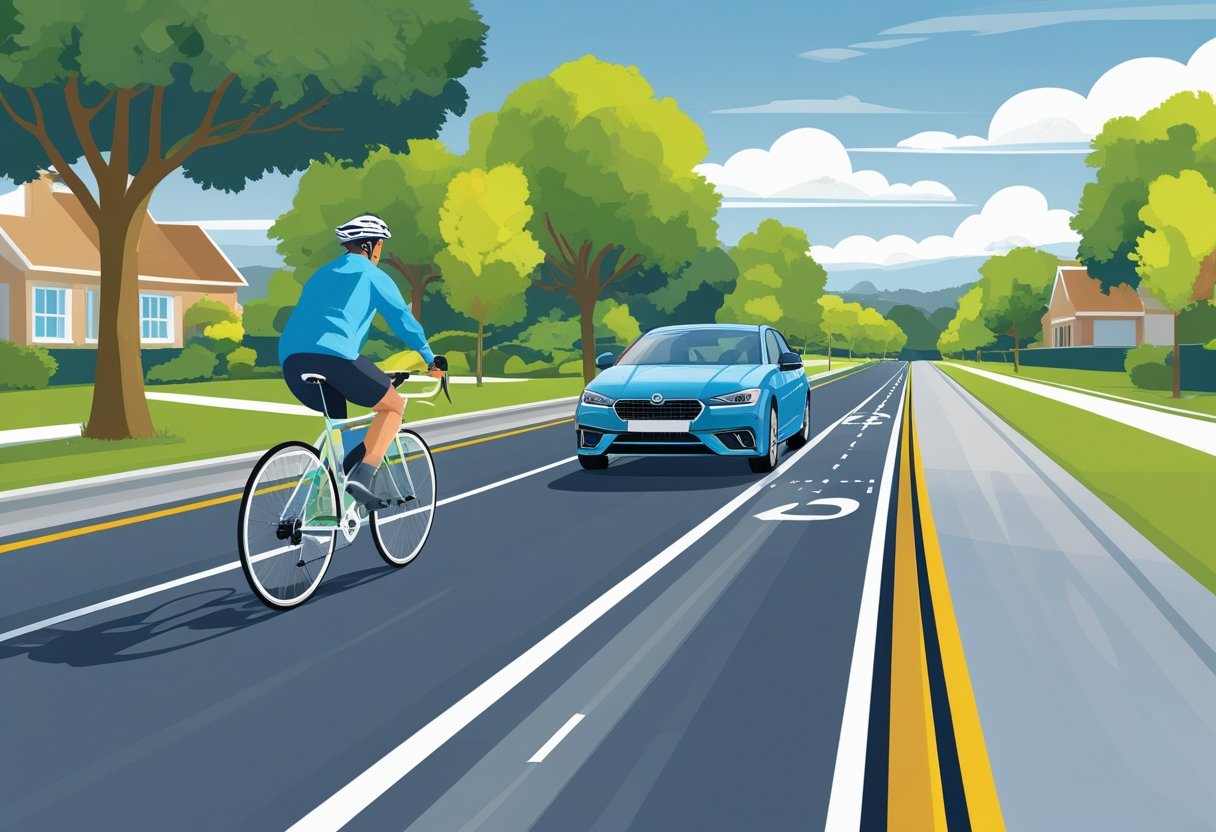
When overtaking cyclists, you must leave at least 1.5 metres of space at speeds up to 30mph, with even more distance required at higher speeds. This isn’t just good practice, it’s what the Highway Code requires, and getting it right could prevent serious accidents. Yet despite this clear guidance, too many drivers still squeeze past cyclists with barely enough room, creating dangerous situations that could easily be avoided.
Whether you’re a new driver building confidence or someone looking to brush up on best practices, mastering the art of safe overtaking takes knowledge, patience, and proper technique. We’ll walk you through everything from understanding your legal responsibilities to executing perfect overtaking manoeuvres, plus tackle those tricky situations that catch many drivers off guard.
Understanding the Importance of Cyclist Safety
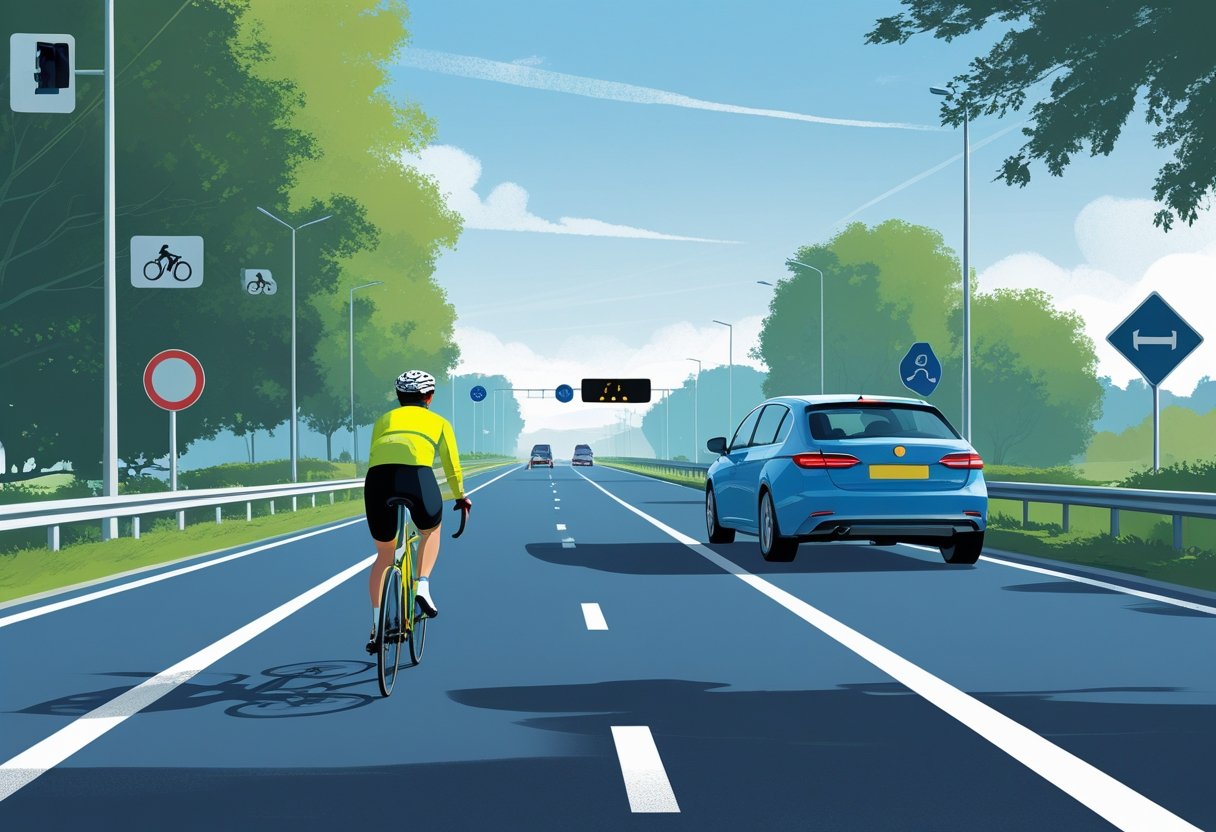
Cyclists face unique risks on our roads due to their vulnerability compared to motor vehicles, and we all share responsibility for creating safer road conditions. When overtaking goes wrong, the consequences can be devastating for everyone involved.
Why Cyclists Are Vulnerable Road Users
Cyclists have no protective shell around them like we do in our cars. They’re completely exposed to the elements and to other road users. This makes them extremely vulnerable in any collision or near miss.
The size difference between a car and a bicycle is massive. Even a small car weighs around 1,000 kilograms, while a cyclist and their bike might only weigh 80 kilograms combined. This huge difference means any contact can cause serious injuries.
Weather conditions affect cyclists much more than drivers. Rain makes roads slippery for bike tyres. Strong winds can push cyclists sideways. Poor visibility means we might not spot them until it’s too late.
Cyclists also have different stopping distances and manoeuvrability compared to cars. They might wobble slightly when starting from lights or struggle to maintain a perfectly straight line. These natural movements don’t make them unpredictable drivers, just different road users with different needs.
The Shared Responsibility of All Road Users
We all have a legal duty to look out for vulnerable road users. The Highway Code makes this crystal clear. Those who can cause the greatest harm carry the most responsibility for reducing risk.
As drivers, we need to actively scan for cyclists. They can appear in our blind spots or emerge from side roads quickly. Making eye contact with cyclists when possible shows we’ve seen them and helps build mutual understanding.
Cyclists also have responsibilities. They should position themselves safely, use lights when needed, and be aware of traffic around them. When it’s safe to do so, cyclists are encouraged to allow overtaking by moving single file.
This isn’t about blame or taking sides. It’s about everyone working together to make our roads safer. Good communication between all road users prevents accidents before they happen.
Consequences of Unsafe Overtaking
Careless driving when overtaking cyclists can lead to serious criminal charges. Close passes or dangerous overtaking can result in fines, penalty points, or even driving bans. Courts take these offences seriously because of the potential harm involved.
The human cost is far worse than any legal penalty. Cyclists can suffer life-changing injuries from collisions that might seem minor to drivers. Head injuries, broken bones, and psychological trauma can affect cyclists and their families for years.
We might also face civil liability for unsafe overtaking. Insurance claims, compensation payments, and increased premiums can cost thousands of pounds. Our driving records and future insurance options get affected too.
The emotional impact shouldn’t be underestimated either. Knowing we’ve caused serious harm to another person stays with us forever. No journey is urgent enough to risk someone else’s wellbeing through impatient or careless driving.
The Highway Code: Overtaking Cyclists Legally
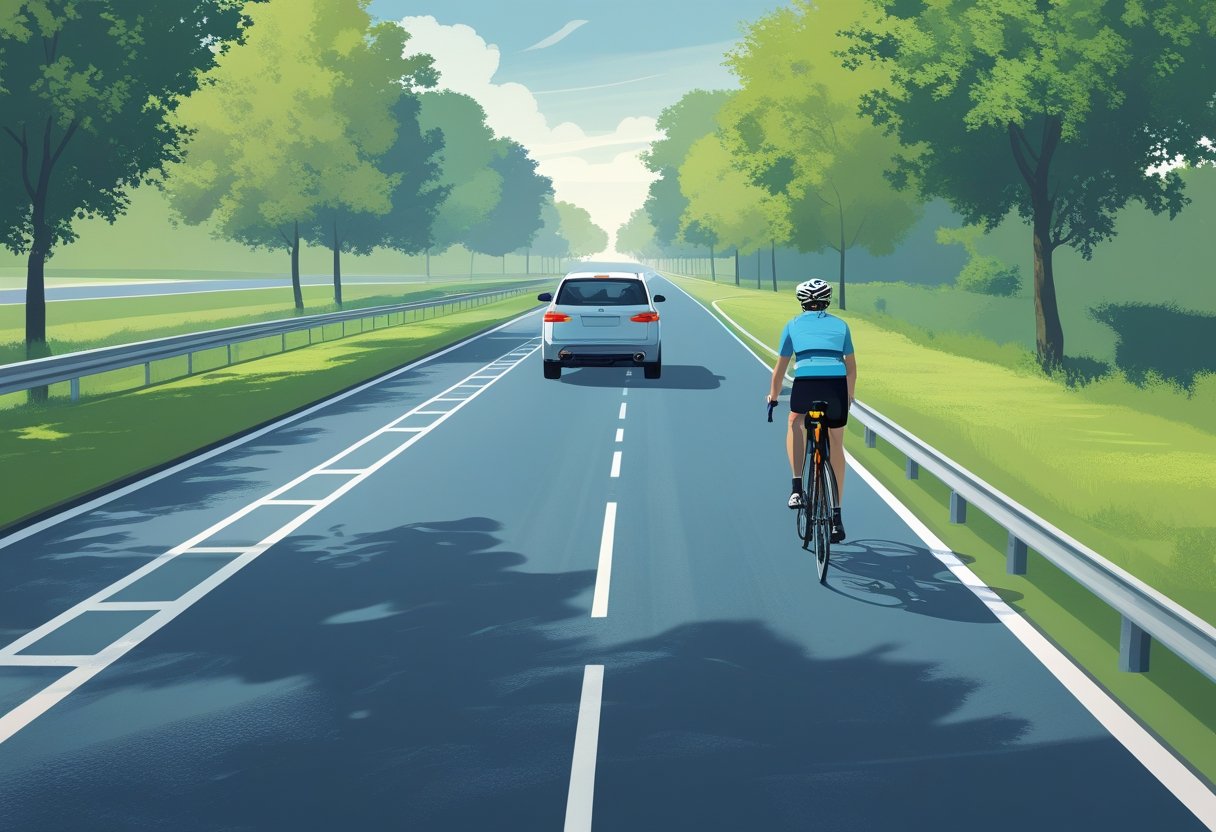
We need to follow specific legal requirements when overtaking cyclists, including maintaining proper distances and respecting road markings. The Highway Code provides clear guidance on cycle lanes and when we can cross solid white lines.
Key Rules: Rule 163 and Overtaking Guidance
Rule 163 forms the backbone of cyclist overtaking laws. We must give cyclists at least as much room as we’d give a car when overtaking.
The Highway Code specifies leaving at least 1.5 metres when overtaking cyclists at speeds up to 30mph. At higher speeds, we need even more space.
Weather conditions require extra care. During bad weather, high winds, or at night, we should increase the gap significantly. Poor visibility makes it harder to judge distances accurately.
We shouldn’t overtake if we can’t meet these clearance requirements safely. It’s better to wait behind the cyclist until conditions improve.
The “Mirrors, Signal, Manoeuvre” sequence applies here too. We check our mirrors, signal when safe, take a quick glance into blind spots, then move out smoothly.
Once we start overtaking, we move past quickly but don’t cut back in too soon. Cyclists need that buffer zone maintained even after we’ve passed.
Solid White Lines and Road Markings
Solid white lines usually mean no overtaking, but there’s an important exception for cyclists. We can legally cross double white lines to overtake cyclists, horse riders, or road maintenance vehicles travelling at 10mph or less.
This exception only applies in specific circumstances. The cyclist must be moving slowly, and we must ensure the manoeuvre is completely safe.
We cannot cross solid white lines just because there’s a cyclist ahead moving at normal speed. The 10mph rule is strict and exists for safety reasons.
Single solid white lines require extra caution. We should only cross them when absolutely necessary and safe to do so, following the same principles as double white lines.
Road markings exist to protect all users. Even when legally allowed to cross them, we must prioritise safety over speed.
Understanding Cycle Lanes and Cycle Tracks
Cycle lanes have specific rules that affect our overtaking decisions. We cannot enter cycle lanes during their hours of operation to overtake other vehicles.
Mandatory cycle lanes (marked with solid white lines) are completely off-limits to motor vehicles. We must plan our overtaking manoeuvres without using this space.
Advisory cycle lanes (marked with broken white lines) offer more flexibility, but we should avoid using them unless absolutely necessary.
When cyclists use cycle tracks or lanes, we still need proper clearance. The presence of cycle infrastructure doesn’t reduce our 1.5-metre minimum distance requirement.
At junctions and roundabouts, we must stay behind cyclists using cycle lanes who are going straight ahead if we intend to turn left. Cutting across their path is dangerous and illegal.
The Highway Code emphasises that cycle lanes belong to cyclists first. Our overtaking decisions should respect this priority and plan accordingly.
How to Execute a Safe Overtaking Manoeuvre
Successful overtaking requires careful planning, thorough observation, and precise execution to keep everyone safe. We’ll need to assess road conditions thoroughly, check all our mirrors and blind spots systematically, and maintain proper spacing throughout the manoeuvre.
Assessing the Road and Planning Your Move
Before we even consider overtaking a cyclist, we need to take a good look at what’s ahead of us. This isn’t just a quick glance, it’s a proper assessment of the entire road situation.
Check for oncoming traffic at least 200 metres ahead. We need enough clear road to complete our overtaking manoeuvre safely without rushing or cutting back in too early.
Look out for these potential hazards:
- Junctions and side roads where vehicles might emerge
- Parked cars that could force the cyclist to move out suddenly
- Road narrowings like bridges or traffic islands
- Pedestrian crossings where we might need to stop quickly
The cyclist’s behaviour gives us important clues too. Are they looking over their shoulder? This might mean they’re planning to change position or turn.
Wait for the right moment. If there’s any doubt about having enough space or time, we should hold back. It’s better to arrive a minute later than risk someone’s safety.
Checking Mirrors and Blind Spots
Our mirror checks need to be thorough and systematic when overtaking cyclists. We’re not just looking for cars, we’re checking for motorcycles, other cyclists, and anyone who might be in our blind spots.
Start with your rear-view mirror to see what’s behind you. Then check your left wing mirror to make sure no one’s trying to overtake you as you prepare to move out.
The blind spot check is crucial. Just before we signal and move out, we need a quick shoulder check to our right. Motorcyclists can appear in these spaces surprisingly quickly.
Here’s our checking sequence:
- Rear-view mirror (check what’s following)
- Right wing mirror (check the overtaking lane)
- Shoulder check (eliminate blind spots)
- Signal right and begin the manoeuvre
Don’t forget to check your left mirror again as you move back in. We want to make sure we’re not cutting back too close to the cyclist we’ve just passed.
Giving the Right Amount of Space When Overtaking
Getting the spacing right is absolutely critical for cyclist safety. The Highway Code gives us clear guidance, and we should treat these as minimum distances, not targets.
At speeds up to 30mph, leave at least 1.5 metres between your car and the cyclist. At higher speeds, we need to give even more room, ideally 2 metres or more.
Think of it this way: imagine a car door is open on the cyclist’s right side. That’s roughly the minimum gap we should be aiming for.
Why this space matters:
- Cyclists can wobble or swerve to avoid potholes
- Strong winds from large vehicles can destabilise bikes
- Cyclists need escape room if something goes wrong
Don’t try to squeeze past if the road isn’t wide enough. A cyclist taking the primary position (centre of their lane) is doing so for their safety, often because the road ahead is narrow or hazardous.
Remember: We should never rush back to the left after overtaking. Give the cyclist plenty of room before moving back into the left lane, just as we would with any other vehicle.
Recognising and Responding to Common Challenges
Overtaking cyclists safely becomes more complex when we face challenging conditions like poor weather, narrow roads, or busy city traffic. These situations require extra patience and skill to protect vulnerable road users whilst maintaining traffic flow.
Dealing with Poor Visibility and Adverse Weather
Rain, fog, and darkness dramatically reduce our ability to spot cyclists on the road. We need to slow down and give ourselves extra time to react when visibility drops.
Poor light conditions make cyclists harder to see, even when they’re wearing bright clothing. We should use our headlights during overcast days and keep them clean for maximum effectiveness.
Heavy rain creates two main problems. First, it reduces our stopping distance significantly. Second, cyclists may swerve to avoid puddles or debris we can’t see from our driving position.
Key visibility strategies:
- Increase following distance by at least 2 seconds
- Use windscreen wipers and demisters properly
- Clean mirrors and windows before driving
- Avoid overtaking cyclists in heavy rain unless absolutely necessary
Wind affects cyclists more than we might expect. Strong crosswinds can push them towards our vehicle unexpectedly. We must allow extra space when overtaking during windy conditions.
Cyclists often struggle with wet brakes and slippery surfaces. They need more time to stop and may brake earlier than usual at junctions.
Handling Narrow Roads and Obstructions
Narrow roads present some of the trickiest scenarios for overtaking cyclists safely. We often encounter parked cars, roadworks, or oncoming traffic that limits our options.
The door zone danger is a major concern on streets with parked cars. Cyclists may suddenly move out to avoid opening car doors, leaving us little room to pass safely.
We should never squeeze past a cyclist when there isn’t enough space. It’s better to wait behind them until we can give the full 1.5 metres clearance required by the Highway Code.
Managing narrow road situations:
- Wait patiently behind cyclists rather than forcing through
- Use quiet sections of road to overtake when space allows
- Signal early to warn other road users of your intentions
- Slow down when following closely before overtaking
Construction zones and temporary traffic lights create additional challenges. Cyclists may need to merge into our lane unexpectedly when their usual path is blocked.
Bridge approaches and village centres often narrow suddenly. We need to anticipate these pinch points and position ourselves appropriately well before reaching them.
Navigating Busy Urban Streets
City cycling presents unique challenges that require constant awareness from all road users. Cyclists may appear from unexpected places, and traffic moves in complex patterns.
Junction management becomes critical in urban areas. Cyclists often position themselves in our blind spots, particularly when turning left. We must check mirrors and blind spots thoroughly before any manoeuvre.
Advanced stop lines at traffic lights give cyclists space to position themselves safely. We should never encroach into these areas, even during heavy traffic.
Urban overtaking considerations:
- Bus lanes may contain cyclists travelling in both directions
- Cycle lanes require us to check before crossing them
- Pedestrian crossings often have cyclists mixed with foot traffic
- Roundabouts need extra caution as cyclists may take different lines
Delivery vehicles and taxis frequently stop suddenly in city centres. This can force cyclists to change position quickly, affecting our overtaking plans.
We need to expect the unexpected in urban environments. Cyclists may need to avoid potholes, drain covers, or pedestrians stepping into cycle lanes without warning.
Multiple lanes of traffic make overtaking more complex. We must ensure our move doesn’t force other vehicles to brake sharply or compromise cyclist safety.
What Not to Do: Avoiding Common Mistakes
Even experienced drivers can fall into dangerous habits when overtaking cyclists. The most serious errors involve passing too closely or making sudden movements that put vulnerable road users at risk, especially in areas where visibility is limited.
Risks of Close Passing and Cutting In
We’ve all seen it happen: a driver squeezes past a cyclist with barely inches to spare. This type of careless driving creates unnecessary danger for everyone involved.
Never pass a cyclist with less than 1.5 metres of space. Think of it as the width of an open car door. At higher speeds, you’ll need even more room to account for wind gusts that might push the cyclist sideways.
Cutting back in too quickly after overtaking is equally dangerous. Cyclists need time to react if something goes wrong. Give them plenty of space before moving back into your lane.
Here are the key mistakes drivers make:
- Assuming cyclists will stay perfectly straight
- Underestimating how wind affects bike stability
- Racing to overtake before oncoming traffic arrives
- Forgetting that cyclists might need to avoid potholes or debris
Remember, cyclists are much more vulnerable than car occupants. A minor mistake that would barely dent your bumper could seriously injure someone on a bike.
Dangers at Junctions, Bends, and Blind Spots
Certain locations are absolute no-go zones for overtaking cyclists. These spots combine poor visibility with unpredictable traffic movements.
Never attempt to pass cyclists near junctions. They might be preparing to turn, and you could easily misjudge their intentions. Even when road markings seem to give you permission, the risks are too high.
Bends and hills create deadly blind spots where oncoming vehicles can appear suddenly. What looks like a clear road can become dangerous in seconds. We always recommend waiting until you have a completely clear view ahead.
Areas to avoid completely:
- Sharp corners where you can’t see oncoming traffic
- Approaches to roundabouts or T-junctions
- Crests of hills with limited visibility
- Areas with parked cars that block your view
Watch for cyclists approaching puddles or road damage too. They’ll often swerve unexpectedly to avoid hazards, and your timing could put you both in danger.
Patience pays off when sharing the road with cyclists. Wait for the right moment rather than forcing a risky manoeuvre.
Staying Prepared: Learning and Practising Overtaking Safely
Safe overtaking skills develop through proper preparation during your learning journey and continuous practice afterwards. We’ll explore how driving tests prepare you for real-world situations and why ongoing skill development keeps everyone safer on Britain’s roads.
Building Awareness Through the Driving Test
Your practical driving test includes situations where you’ll need to demonstrate safe overtaking techniques around cyclists. We focus on teaching you to recognise when it’s appropriate to overtake and when you should wait patiently behind.
During lessons, we practice the essential mirror-signal-manoeuvre routine. You’ll learn to check your mirrors thoroughly, signal clearly, and glance into blind spots before moving out. This sequence becomes automatic with practice.
The Highway Code states you must leave at least 1.5 metres when overtaking cyclists at speeds up to 30mph. We help you judge this distance accurately during training sessions.
Your examiner watches how you handle real cyclists on test day. They’re looking for patience, good judgement, and smooth execution. Rushing an overtake will likely result in a serious fault.
We practice on different road types during lessons. Quiet residential streets require different techniques than busy main roads. Each situation demands careful assessment before acting.
Mastering Overtaking for the Theory Test
The theory test includes multiple questions about cyclist safety and overtaking procedures. We recommend studying these topics thoroughly as they appear frequently in the question bank.
Key theory concepts include understanding stopping distances when following cyclists. You need more time to stop safely when travelling behind vulnerable road users.
Questions often focus on the 1.5-metre rule and when you should increase this distance. Higher speeds require greater clearance space, sometimes up to 3 metres or more.
We suggest using the official DVSA app for practice questions. Focus particularly on vulnerable road user scenarios as these form a significant portion of the test.
Understanding road positioning helps with theory questions too. Cyclists may ride in the centre of their lane at junctions or narrow sections. This positioning is legal and protective, not obstructive.
Developing Good Habits Beyond Test Day
Passing your test marks the beginning of your real learning journey with cyclists. We encourage new drivers to continue practising safe overtaking in quiet areas first.
Consider taking additional training courses focused on sharing roads with cyclists. Many driving schools offer post-test confidence sessions covering advanced techniques.
Regular practice in different conditions builds your skills gradually. Try driving during school run times or weekend leisure periods when cyclist numbers increase. Each experience teaches you something new.
Keep updating your knowledge of the Highway Code as rules change periodically. Recent updates have strengthened protections for cyclists, including new priority rules at junctions.
Join online driving communities where experienced drivers share tips about cyclist interactions. Learning from others’ experiences helps you anticipate challenging situations before encountering them yourself.
Frequently Asked Questions
Overtaking cyclists safely involves maintaining proper distances, using clear signals, and waiting for the right conditions. You’ll need to leave at least 1.5 metres of space at lower speeds and avoid overtaking near junctions, bends, or in poor weather.
What are the golden rules for safely overtaking cyclists on the road?
We always recommend following the “Mirrors, Signal, Manoeuvre” approach when overtaking cyclists. Check your mirrors first, then signal your intention clearly before moving out.
Never rush the overtaking process. Wait until you have a clear view of the road ahead and sufficient space to complete the manoeuvre safely.
Treat cyclists like any other vehicle on the road. Give them the same respect and space you’d offer a car or motorbike.
Keep your speed steady and controlled throughout the overtaking process. Sudden acceleration or deceleration can catch cyclists off guard and create dangerous situations.
Could you give me some pointers on the correct use of signals when passing a bike rider?
Signal your intention to move out well before you begin the overtaking manoeuvre. This gives the cyclist and other road users time to anticipate your actions.
Use your right indicator to show you’re moving into the opposite lane. Keep the signal on until you’ve safely passed the cyclist and are ready to return to your lane.
Check your blind spot with a quick glance over your shoulder before moving out. Cyclists can sometimes be in positions where your mirrors don’t show them clearly.
Once you’ve passed the cyclist, signal left before moving back into your lane. This shows other road users that you’re completing your overtaking manoeuvre.
How much space should I give a cyclist when I’m overtaking them?
Leave at least 1.5 metres of space when overtaking cyclists at speeds up to 30mph. This gives both you and the cyclist a comfortable safety buffer.
At higher speeds, increase this distance to give even more room. The faster you’re travelling, the more space you’ll need if something unexpected happens.
Think of it as giving the cyclist the width of a car door plus a bit extra. This mental picture helps you judge the right distance in real driving situations.
In windy conditions or when passing inexperienced cyclists, we recommend giving even more space. Some cyclists might wobble slightly, especially in challenging conditions.
In which scenarios is it considered unsafe to pass a cyclist, and what should I do instead?
Never overtake cyclists when approaching or going through road junctions. Wait behind them until you’ve cleared the junction completely.
Avoid overtaking on bends, hills, or anywhere your view of oncoming traffic is restricted. Patience here prevents potentially serious accidents.
Don’t attempt to overtake when the road narrows or near pedestrian crossings. These areas require extra caution for everyone’s safety.
If you’re planning to turn left shortly after overtaking, stay behind the cyclist instead. Cutting across their path creates a dangerous situation known as “left hook” collisions.
When traffic is queuing or moving slowly, resist the urge to squeeze past cyclists. They’re entitled to their road space just like any other vehicle.
What should I be aware of when overtaking cyclists in adverse weather conditions?
Rain, wind, and poor visibility all make overtaking more challenging and dangerous. Give cyclists extra space in these conditions as they may be less stable.
Strong crosswinds can push cyclists sideways unexpectedly. Increase your passing distance to account for these sudden movements.
In wet conditions, your stopping distance increases significantly. Allow more time and space for the entire overtaking process.
Poor visibility means other drivers might not see you or the cyclist clearly. Only overtake when you’re absolutely certain it’s safe to do so.
Night-time overtaking requires extra caution. Cyclists can be harder to spot, and judging distances becomes more difficult in the dark.
After overtaking a cyclist, how can I ensure their safety when I merge back into the lane?
Don’t cut back in too quickly after passing a cyclist. Make sure you can see them clearly in your rear-view mirror before moving back to the left.
Leave plenty of room when returning to your lane. A good rule is to ensure you can see the cyclist’s front wheel in your mirror.
Avoid sudden braking after overtaking, as this forces the cyclist to react quickly to your changed speed. Maintain a steady pace instead.
If you need to slow down or stop shortly after overtaking, do so gradually. This gives the cyclist time to adjust their speed safely.
Keep monitoring your mirrors after completing the overtake. Being aware of the cyclist’s position helps you make better decisions about your next moves.