

Dealing With Unsupportive Comments From Other Road Users: A Learner’s Guide
Driving can feel overwhelming when other road users make negative comments or gestures towards you. Whether it’s an impatient driver behind you or someone shouting from another car, these unsupportive reactions can shake your confidence and make you question your abilities on the road.
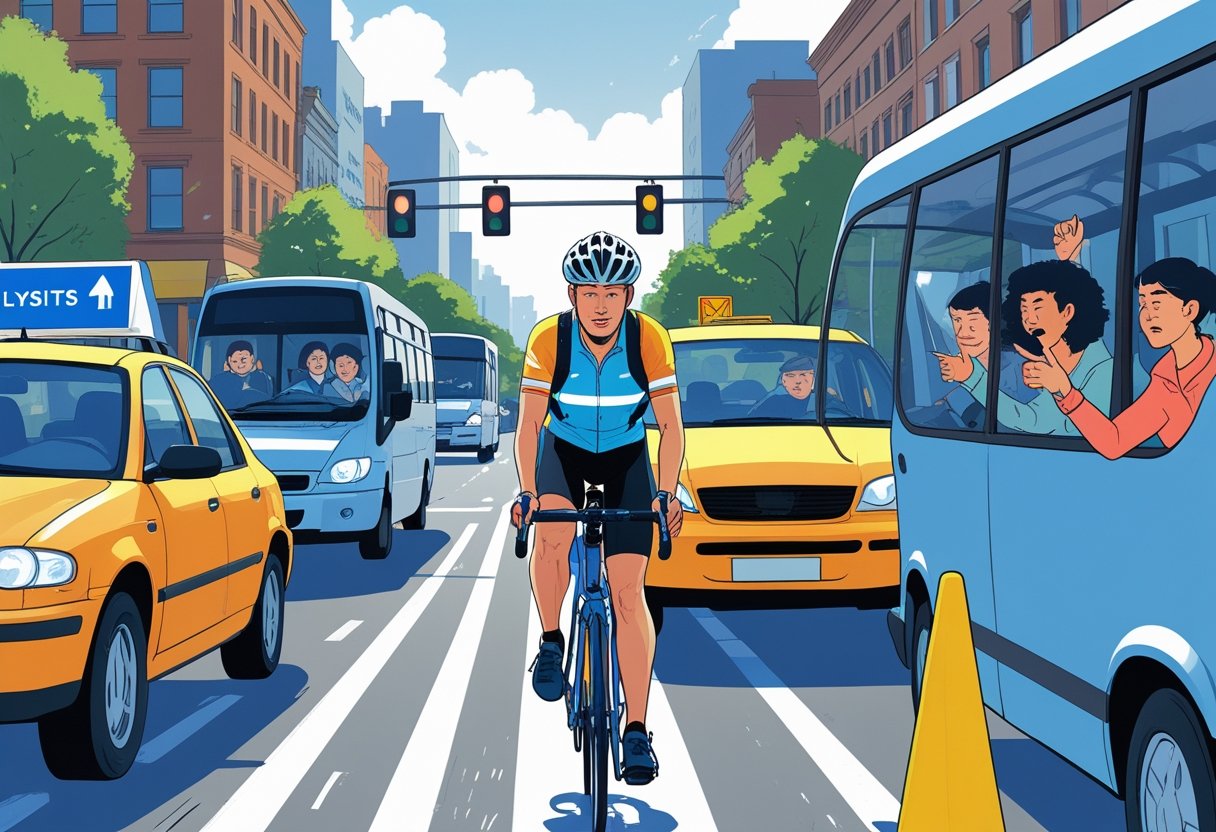
The key to handling unsupportive comments from other road users is staying calm, focusing on safe driving, and remembering that their behaviour reflects their frustration, not your driving skills. We all encounter difficult moments on the road, and learning how to respond properly protects both your mental wellbeing and your safety.
When we’re behind the wheel, especially as learners or newer drivers, it’s natural to feel vulnerable to criticism from other road users. The good news is that you can develop practical strategies to handle these situations with confidence whilst maintaining your focus on becoming a skilled, responsible driver.
Key Takeaways
- Stay calm and avoid responding to aggressive or unsupportive behaviour from other drivers to keep everyone safe
- Focus on your own driving skills and remember that negative comments from others don’t reflect your actual abilities
- Use proper communication signals and maintain safe distances to prevent misunderstandings with other road users
Understanding Unsupportive Comments on the Road
Negative remarks from other motorists can take many forms, from aggressive gestures to impatient behaviour that makes learner drivers feel uncomfortable. These interactions often stem from other drivers’ frustrations rather than genuine concerns about your driving ability.
Common Types of Negative Feedback from Other Road Users
Verbal abuse represents one of the most direct forms of unsupportive behaviour we encounter on the roads. This includes shouting, swearing, or making disparaging comments about our driving abilities through open windows.
Aggressive gestures are unfortunately common. Road users may wave their hands dismissively, point fingers, or make rude gestures when they feel frustrated with our pace or decision-making.
Tailgating happens when drivers follow too closely behind us. This intimidating behaviour creates pressure and makes us feel rushed during learning situations.
Horn honking often occurs excessively. Whilst horns serve important safety purposes, some drivers use them aggressively to express annoyance rather than warn of genuine danger.
Dangerous overtaking can be particularly frightening. Some impatient motorists make risky manoeuvres to get past learner drivers, often cutting in too closely afterwards.
Flashing headlights may be used aggressively rather than as a courtesy signal. This behaviour often accompanies other forms of intimidation.
The Impact on Learner Drivers’ Confidence
Unsupportive comments create significant psychological effects that extend far beyond the immediate moment. We often find ourselves becoming more anxious about future driving sessions after experiencing negative interactions.
Increased nervousness becomes noticeable during subsequent lessons. Many learner drivers report feeling their hands shake or their heart rate increase when they spot potentially impatient drivers behind them.
Making more mistakes becomes common after experiencing road rage. When we’re worried about other people’s reactions, we tend to overthink simple manoeuvres and make errors we wouldn’t normally make.
Research shows that 81% of learners experience some form of aggressive behaviour from other road users. This staggering figure demonstrates how widespread the problem has become.
Some learners consider taking breaks from driving or even giving up entirely. This represents a serious consequence that affects people’s independence and confidence long-term.
Why Some Drivers Become Impatient or Critical
Understanding the motivations behind aggressive behaviour helps us respond more effectively and take comments less personally.
Time pressure drives much of the impatience we encounter. Many drivers feel stressed about being late for work, appointments, or other commitments, making them less tolerant of any delays.
Forgotten experiences play a role too. Experienced motorists often forget what it felt like to be learning, losing empathy for the challenges we face as new drivers.
Stress from other sources frequently spills over into driving behaviour. Someone having a difficult day may react more aggressively than they normally would.
Lack of awareness about learning requirements means some drivers don’t understand why we might drive more cautiously or take longer at junctions.
The reality is that a couple of minutes’ delay rarely impacts anyone’s journey significantly. Most aggressive reactions are disproportionate to the actual inconvenience caused.
Navigating Challenging Interactions Whilst Driving
Difficult encounters with other road users can happen to any of us, whether we’re on busy motorways or quiet residential streets. Learning to recognise aggressive behaviour early and maintain our composure helps us respond safely and professionally to criticism or hostility from fellow motorists.
Recognising Road Rage and Aggressive Behaviour
Spotting aggressive behaviour early gives us the best chance to stay safe. Some motorists show clear warning signs before situations escalate.
Physical warning signs include:
- Excessive honking or flashing headlights
- Tailgating dangerously close behind us
- Making rude gestures through windows
- Swerving aggressively between lanes
Road rage often starts with minor frustrations. A driver might feel stressed about being late or upset about traffic delays. These emotions can quickly turn into dangerous behaviour on the highway.
We should watch for drivers who seem erratic or unpredictable. They might speed up suddenly, brake hard for no reason, or try to block other road users from changing lanes.
Verbal aggression can include:
- Shouting through open windows
- Using offensive language
- Making threatening comments at traffic lights
The key is recognising these behaviours without responding in kind. Getting drawn into confrontations puts everyone at risk and rarely improves the situation.
Staying Calm and Focused in the Moment
Keeping our cool during challenging interactions protects both our safety and our confidence. When other road users criticise our driving or behave aggressively, our natural response might be to defend ourselves or retaliate.
Taking deep breaths helps slow our heart rate and clear our thinking. We can remind ourselves that aggressive drivers often have problems unrelated to our driving.
Practical calming techniques:
- Count to ten before reacting
- Focus on our breathing pattern
- Keep both hands firmly on the steering wheel
- Avoid eye contact with aggressive drivers
Creating physical distance works better than arguing. If someone’s tailgating us on the motorway, we can safely change lanes when possible. This removes us from immediate danger without escalating tensions.
We shouldn’t take aggressive behaviour personally. That angry driver doesn’t know us as individuals. Their frustration usually stems from their own stress, not our actual driving abilities.
Staying focused on the road ahead keeps us moving towards our destination safely. Engaging with hostile road users diverts our attention from driving and increases accident risks.
Dealing with Verbal and Non-Verbal Criticism
Handling criticism from other motorists requires patience and good judgement. Sometimes passengers or nearby drivers offer unsolicited comments about our driving choices.
Types of criticism we might encounter:
| Verbal | Non-Verbal |
|---|---|
| “You’re driving too slowly” | Rolling eyes or head shaking |
| “That was a terrible parking job” | Pointing or gesturing impatiently |
| “You should have taken that turning” | Horn honking repeatedly |
Not all criticism deserves our immediate attention. If we’re driving safely and following traffic rules, negative comments from strangers don’t require responses.
However, when valid safety concerns get raised, we should listen carefully. A passenger pointing out that we’re drifting between lanes or approaching a red light too quickly deserves our consideration.
Responding professionally:
- Thank people for genuine safety reminders
- Politely redirect conversations that become distracting
- Pull over safely if discussions need to continue
- Keep responses brief and focused on safety
We can acknowledge concerns without becoming defensive. Saying “I’ll be more careful” often defuses tension better than lengthy explanations.
Remember that some road users express frustration poorly, even when their underlying concerns might be reasonable. We can separate useful feedback from inappropriate delivery methods.
Practical Strategies to Stay Positive and Safe
When faced with negative comments from other road users, maintaining your mental wellbeing and driving safety becomes your top priority. Building strong coping mechanisms whilst staying focused on your own progress will help you navigate these challenges with confidence.
Building Mental Resilience Behind the Wheel
Developing emotional strength as a learner driver starts with understanding that negative comments say more about the other person than about you. We can’t control what others say, but we absolutely control how we respond to it.
Set clear mental boundaries before you even start driving. Remind yourself that you’re learning, and everyone has the right to use the road safely whilst following the Highway Code. Your L-plates aren’t a sign of weakness – they’re a badge of courage showing you’re actively improving your skills.
When someone makes an unhelpful comment, try these quick mental strategies:
- Count to five slowly before reacting emotionally
- Focus on your breathing to stay calm and centred
- Remind yourself of recent progress you’ve made
Practice what we call “mental deflection.” Instead of absorbing negative energy, imagine it bouncing off you like rain on a windscreen. This isn’t about ignoring feedback entirely – it’s about filtering out unconstructive criticism that doesn’t help your learning journey.
Remember that most experienced drivers have forgotten how challenging learning can be. Their impatience often reflects their own stress, not your abilities as a developing driver.
Focusing on Your Driving and Progress
Staying concentrated on your own development helps shield you from external negativity whilst improving your actual driving skills. We recommend keeping a simple progress journal to track your improvements, no matter how small they might seem.
Create specific goals for each driving session. Instead of thinking “I hope no one shouts at me today,” focus on objectives like “I’ll practice smooth gear changes” or “I’ll improve my mirror checks at roundabouts.”
Use positive self-talk whilst driving. Replace thoughts like “I’m terrible at this” with “I’m getting better each time.” This mental shift helps build genuine confidence rather than just hoping for the best.
When other road users become impatient, redirect your attention to these priorities:
- Following the Highway Code correctly
- Maintaining safe following distances
- Checking mirrors regularly
- Signalling clearly and in good time
Celebrate small victories during each lesson. Did you parallel park better than last week? Did you handle that busy junction more smoothly? These moments of progress matter far more than one person’s negative comment.
Seeking Support from Instructors or Passengers
Your driving instructor serves as your strongest ally against negative experiences on the road. We encourage open communication about any incidents that affect your confidence or concentration during lessons.
Don’t hesitate to tell your instructor if another road user’s behaviour has upset you. Professional instructors have extensive experience dealing with these situations and can offer practical coping strategies tailored to your needs.
Ask for specific guidance on handling difficult scenarios. Your instructor can help you practice responses to aggressive drivers in a controlled environment, building your confidence for real-world situations.
If you’re practising with family or friends, choose supportive passengers who understand your learning process. Brief them beforehand about staying calm and encouraging, even when other drivers become impatient.
Consider these conversation starters with your instructor:
- “How do you recommend handling aggressive drivers?”
- “What should I do if someone makes me feel unsafe?”
- “Can we practice staying calm in busy traffic situations?”
Remember that qualified instructors want you to succeed. They’ve helped countless learner drivers overcome similar challenges and build lasting confidence behind the wheel.
Professional driving instructors can also intervene directly if another road user becomes particularly problematic during your lesson, allowing you to focus on learning rather than managing conflict.
Communicating Effectively With Other Road Users
Clear communication keeps everyone safe on the road and helps reduce tensions when other drivers behave badly. Proper signalling, understanding headlight rules, and responding calmly to rude gestures will help you stay confident behind the wheel.
Appropriate Use of Signals and Lights
Turn signals are your best friend when it comes to letting other road users know what you’re planning. We should always signal well before turning or changing lanes, giving other motorists plenty of time to react.
Signal at least 30 metres before your turn in built-up areas. On faster roads, start signalling even earlier.
Don’t forget to cancel your indicators after completing your manoeuvre. Nothing confuses other drivers more than a car with its indicator still flashing long after the turn.
Hazard lights serve specific purposes according to the Highway Code. Use them when you’ve broken down, when traffic ahead has stopped suddenly on a motorway, or to thank another driver who’s let you merge.
Your brake lights also communicate important information. Gentle, early braking gives following drivers more warning than sudden, hard stops.
Horn usage should be minimal and purposeful. A quick, polite beep can alert distracted pedestrians or cyclists to your presence. Long, angry honking rarely helps anyone and often makes situations worse.
Remember that effective signalling isn’t just about following rules. It’s about building trust with other road users and creating a smoother flow of traffic for everyone.
Understanding the Rules About Flashing Headlights
The Highway Code is quite clear about flashing headlights, but many drivers get this wrong. Flashing your headlights should only mean one thing: “I am here.”
You can flash to warn other road users of your presence when approaching a blind corner or hump-backed bridge. This simple warning can prevent accidents.
Never flash your headlights to:
- Give way to another driver
- Tell someone to go ahead
- Show annoyance or frustration
- Signal that it’s safe for others to proceed
These uses can cause dangerous misunderstandings. What you mean as “go ahead” might be interpreted differently by another driver.
If someone flashes their headlights at you, don’t assume they’re giving you permission to pull out or proceed. They might be warning you about a speed camera, police presence, or hazard ahead.
During daylight hours, keep your headlights on dipped beam in poor visibility. Full beam should only be used when you won’t dazzle other motorists.
When approaching other vehicles at night, dip your headlights early. This courtesy helps other drivers see clearly and reduces the chance of accidents.
Non-Confrontational Responses to Negative Gestures
Stay calm when other drivers make rude gestures or comments. Getting angry will only escalate the situation and put you at greater risk.
Take a deep breath and remind yourself that their behaviour says nothing about your driving abilities. Road rage often stems from stress that has nothing to do with you.
If someone gestures rudely at you:
- Don’t make eye contact
- Keep your hands on the steering wheel
- Avoid responding with gestures of your own
- Focus on your driving
A simple acknowledgment wave can sometimes defuse tension if you’ve genuinely made a mistake. A quick raise of your hand shows you recognise the error without being confrontational.
Never get out of your car to confront another driver. If someone seems particularly aggressive, drive to a police station or busy public area rather than going home.
Use your car’s features wisely. A brief flash of hazard lights can say “thank you” when someone lets you in. This positive communication helps build better relationships between road users.
Remember that everyone makes mistakes while driving. Responding with patience and understanding creates a better environment for all motorists and helps you arrive safely at your destination.
Extra Care When You’re Around Vulnerable Road Users
Some road users need extra consideration and space because they’re more at risk of being hurt in an accident. These groups include children, older adults, people with disabilities, and those using bicycles, motorbikes, or horses.
Identifying Vulnerable Road Users
Pedestrians are the most at-risk group on our roads, especially children who might dash into the street without looking. We need to watch for older adults who take longer to cross and people with disabilities who might not hear or see our vehicle approaching.
Look out for white canes or guide dogs. These tell us someone is blind or partially sighted. A white cane with a red band means the person is deafblind and can’t see or hear us coming.
Cyclists and motorcyclists can be hard to spot, particularly when they’re filtering through traffic or waiting beside us at junctions. They might be approaching faster than we think.
Horse riders often include children, so we must be extra careful. Horses can be unpredictable and might spook suddenly.
Learner drivers display L plates and might not react as quickly as experienced drivers. New drivers sometimes show green P plates after passing their test.
Giving Space to Pedestrians and Cyclists
When we’re overtaking cyclists or motorcyclists, we should give them at least as much room as we would a car. This becomes even more important in bad weather or at night.
Near parked cars, cyclists often ride about a door’s width away for their safety. On narrow roads, they might ride in the centre of the lane or two abreast. We need to let them do this.
Key situations where we must slow right down:
- Shopping streets and residential areas
- Near bus stops where people might step out
- Past ice cream vans (children get excited and forget about traffic)
- Around schools and playgrounds
- When crossing pavements to reach driveways
At zebra crossings, we must give way to pedestrians and cyclists already on the crossing. If someone has started crossing at a junction, they have priority and we need to wait.
Staying Patient Near Horse Riders and Learner Drivers
When we see horses on the road, we should slow down to 10 mph maximum. Never sound the horn or rev the engine, as this can frighten them.
Pass horses wide and slow, leaving at least 2 metres of space. Remember that horses are flight animals and can move incredibly quickly if something startles them.
Horse riders might signal for us to slow down or stop. We should always listen to these requests because the rider knows their horse best.
With learner drivers, patience is everything. They’re still building confidence and might take longer to make decisions. Getting frustrated or pressuring them with aggressive driving only makes things worse.
We should give learners extra space and avoid tailgating. If they stall at traffic lights or take time at roundabouts, that’s perfectly normal. We all started somewhere.
Legal Responsibilities and Your Rights as a Road User
Every motorist has legal duties under the Highway Code, and understanding these responsibilities helps protect you when dealing with aggressive or unsupportive behaviour from other road users. Fixed penalty notices can be avoided by following proper procedures, and knowing when to report serious incidents ensures everyone stays safe on our roads.
Relevant Highway Code Guidelines
The Highway Code establishes clear rules about how all road users should interact with each other. Rule 204 states that those who can cause the greatest harm have the greatest responsibility to reduce danger to others.
Key principles include:
- Treating all road users with respect and patience
- Giving extra care to vulnerable road users like pedestrians and cyclists
- Maintaining safe following distances and speeds
- Using signals properly to communicate your intentions
Rule 147 specifically mentions that you should not use your horn aggressively or rev your engine to intimidate other road users. This applies when someone makes a mistake or drives slower than you’d prefer.
Your rights as a road user include:
- Expecting reasonable courtesy from other motorists
- Using the road safely without harassment or intimidation
- Reporting dangerous driving to authorities when necessary
The hierarchy of road users means drivers of larger vehicles bear more responsibility. This doesn’t mean you can ignore your duties, but it does provide legal protection when you’re following the rules correctly.
Avoiding Fixed Penalties and Road Offences
Fixed penalty notices often result from reactive behaviour during stressful driving situations. Staying calm and following proper procedures protects you from unnecessary fines and points on your licence.
Common fixed penalty triggers to avoid:
- Tailgating when frustrated with slower traffic
- Using your horn inappropriately in built-up areas
- Making rude gestures or using offensive language
- Blocking other vehicles out of spite
Speed-related offences frequently occur when drivers try to “make a point” by accelerating aggressively past someone who’s annoyed them. This rarely helps the situation and often leads to costly penalties.
Mobile phone use while dealing with road rage incidents can result in six points and a £200 fine. Pull over safely if you need to make any calls about dangerous driving you’ve witnessed.
The key is maintaining your composure regardless of how other road users behave. Their poor conduct doesn’t justify breaking traffic laws yourself, and magistrates rarely show sympathy for reactive offences.
When and How to Report Serious Incidents
Serious incidents involving threatening behaviour, dangerous driving, or road rage should always be reported to the appropriate authorities. Your safety and that of other road users depends on taking action against genuinely dangerous behaviour.
Report immediately to police (999) if:
- Someone threatens you with violence
- A driver deliberately tries to cause an accident
- You witness extremely dangerous driving that could kill someone
- Someone follows you persistently or traps your vehicle
Use 101 for non-emergency reports involving:
- Persistent aggressive driving
- Verbal abuse or intimidating behaviour
- Minor deliberate damage to your vehicle
- Patterns of dangerous driving in specific areas
Essential information to collect:
- Vehicle registration number
- Time, date, and exact location
- Description of the driver if visible
- Names of any witnesses present
Many police forces now accept online reports for traffic offences. Dashcam footage significantly strengthens your case, so invest in a good quality camera if you regularly encounter problems on your usual routes.
Frequently Asked Questions
Learning to drive means facing challenging moments with impatient drivers who don’t remember their own early driving days. These practical strategies help you stay calm, respond appropriately, and build the mental strength needed to handle negative reactions from other road users.
How can I maintain my cool when other drivers express impatience with my learning pace?
We know it’s tough when someone behind you starts getting visibly frustrated with your cautious speed. The key is remembering that their impatience says nothing about your driving ability.
Take deep breaths and focus on your instructor’s voice rather than the drama unfolding in your mirrors. Your job is learning safely, not entertaining impatient drivers.
Keep your hands relaxed on the wheel and your shoulders down. Tension spreads quickly through your body when you’re stressed.
Remember that every experienced driver was once exactly where you are now. They’ve simply forgotten how challenging those early lessons felt.
If someone’s tailgating you, don’t speed up to appease them. Maintain your safe following distance and let your instructor handle any necessary communication.
What’s the best way to respond to horns and shouts from fellow motorists whilst trying not to be flustered?
We recommend treating aggressive honking and shouting like background noise that doesn’t require your attention. Your focus belongs on the road ahead, not on someone’s emotional outburst.
Never make eye contact with angry drivers or acknowledge their behaviour in any way. This often escalates situations unnecessarily.
If someone’s honking because you’re taking time at a junction, resist the urge to rush your decision-making. Poor choices made under pressure cause accidents.
Keep your windows up and your attention on your instructor’s guidance. Their calm voice should be the only one that matters in your learning space.
Practice saying positive statements to yourself like “I’m learning safely” or “Their anger isn’t about me.” These mental anchors help you stay grounded.
Can you offer any tips for building resilience against negative remarks while driving?
We find that building mental toughness starts before you even get behind the wheel. Remind yourself that learning drivers legally belong on the road.
Develop a pre-lesson routine that puts you in a confident mindset. Listen to upbeat music or repeat encouraging phrases that make you feel capable.
Practice visualising successful driving scenarios at home. This mental rehearsal builds confidence that carries over into real situations.
Remember that critical comments from strangers reflect their character, not your abilities. Most people wouldn’t shout at someone learning to play piano, yet they forget driving is equally complex.
Keep a driving journal where you record positive moments and improvements. Reading about your progress helps balance out any negative encounters.
What should I do if I feel harassed by another driver’s gestures or comments?
We always advise learners to immediately inform their instructor if they feel genuinely threatened by another driver’s behaviour. Your safety comes first, always.
Never engage with aggressive drivers through gestures, eye contact, or verbal responses. This often turns minor frustrations into serious confrontations.
If someone’s following you aggressively, your instructor should guide you to a safe, public location like a petrol station or police station.
Document serious incidents by noting the time, location, and vehicle details if possible. Some behaviour crosses the line into dangerous territory.
Trust your instincts about what feels threatening versus merely annoying. Your instructor is there to protect you and should take immediate action when needed.
How can a learner driver assertively and safely handle road rage directed at them?
We believe the safest approach to road rage is complete non-engagement while maintaining your legal right to learn on public roads. Your instructor should handle any necessary communication.
Stay calm and continue following traffic rules precisely. Don’t let aggressive behaviour pressure you into making unsafe manoeuvres or decisions.
Keep your doors locked and windows closed if someone approaches your vehicle aggressively. Your instructor will manage the situation appropriately.
Focus on creating space between yourself and the angry driver when safe to do so. Sometimes this means changing lanes or taking a different route.
Remember that road rage reveals someone’s inability to control their emotions, not any failing on your part as a learning driver.
In what ways can a new driver stay focused amidst intimidating behaviour from other road users?
We recommend developing tunnel vision that keeps your attention on the essential driving tasks rather than on disruptive behaviour around you.
Create mental barriers by imagining your car as a protective bubble where only constructive feedback from your instructor can enter.
Practice breathing techniques that calm your nervous system when you notice tension building from external pressure or negativity.
Use positive self-talk to counter any doubts that arise from other drivers’ impatience. Remind yourself that you’re exactly where you should be in your learning journey.
Focus on one driving task at a time rather than worrying about the reactions you might be causing. This prevents overwhelming anxiety from building up.