

Driving Lesson Etiquette: Arriving Prepared and On Time: A Confident Start
Walking into your first driving lesson with confidence starts well before you even touch the steering wheel. The way you prepare for and arrive at each lesson sets the tone for your entire learning experience. Showing up prepared and punctual demonstrates respect for your instructor’s time whilst maximising every precious minute of your lesson.
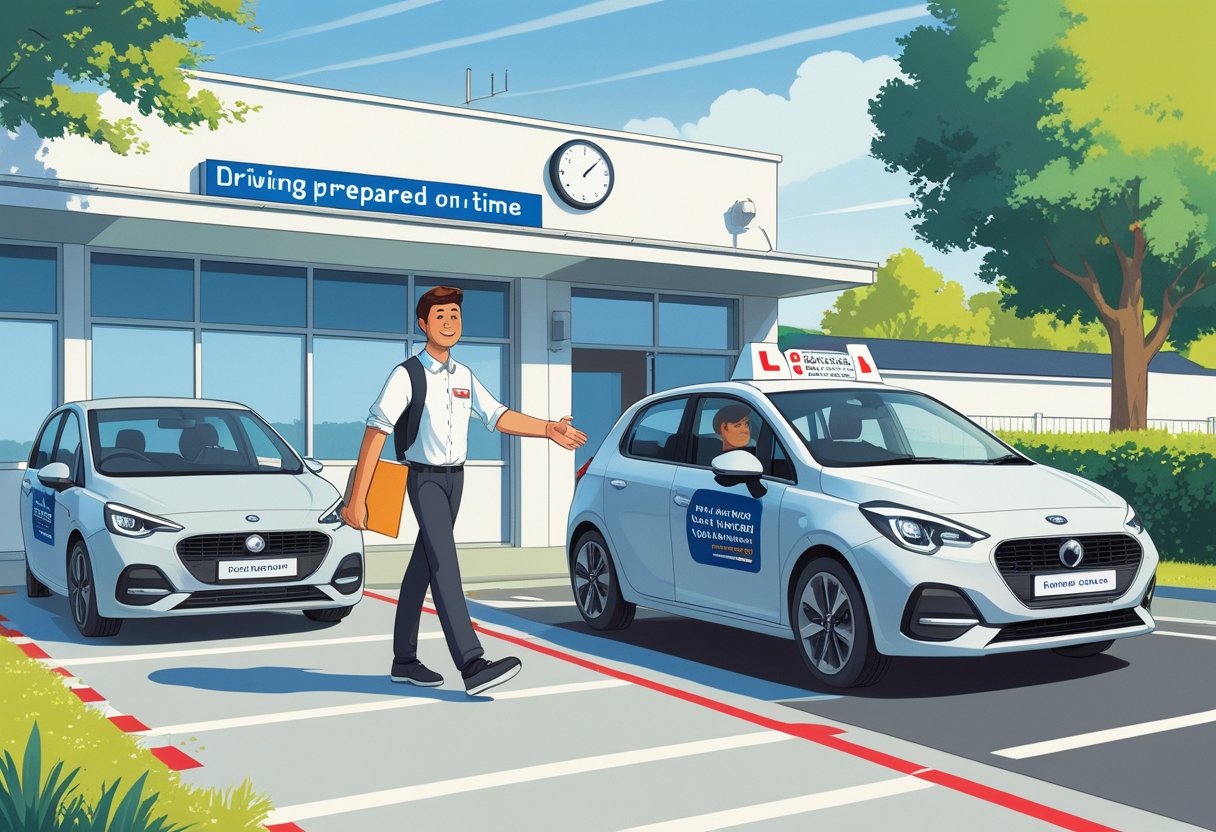
We understand that nerves can make you feel scattered, especially when you’re juggling what to bring, where to meet, and how to make a good impression. The good news is that proper preparation becomes second nature once you know what’s expected. Your instructor wants to see you succeed, and they’ll appreciate the effort you put into being ready to learn.
Getting into the habit of arriving prepared isn’t just about politeness (though that matters too). It’s about creating the best possible environment for learning a skill that will serve you for life. When you’re organised and on time, you can focus entirely on absorbing new techniques and building your confidence behind the wheel.
Key Takeaways
- Arrive 10-15 minutes early with all required documents to maximise your lesson time and show respect for your instructor
- Proper mental preparation and bringing essential items helps you focus entirely on learning rather than worrying about logistics
- Establishing good habits from your first lesson creates a positive learning environment that builds confidence and accelerates your progress
Why Punctuality Matters for Your Driving Lessons
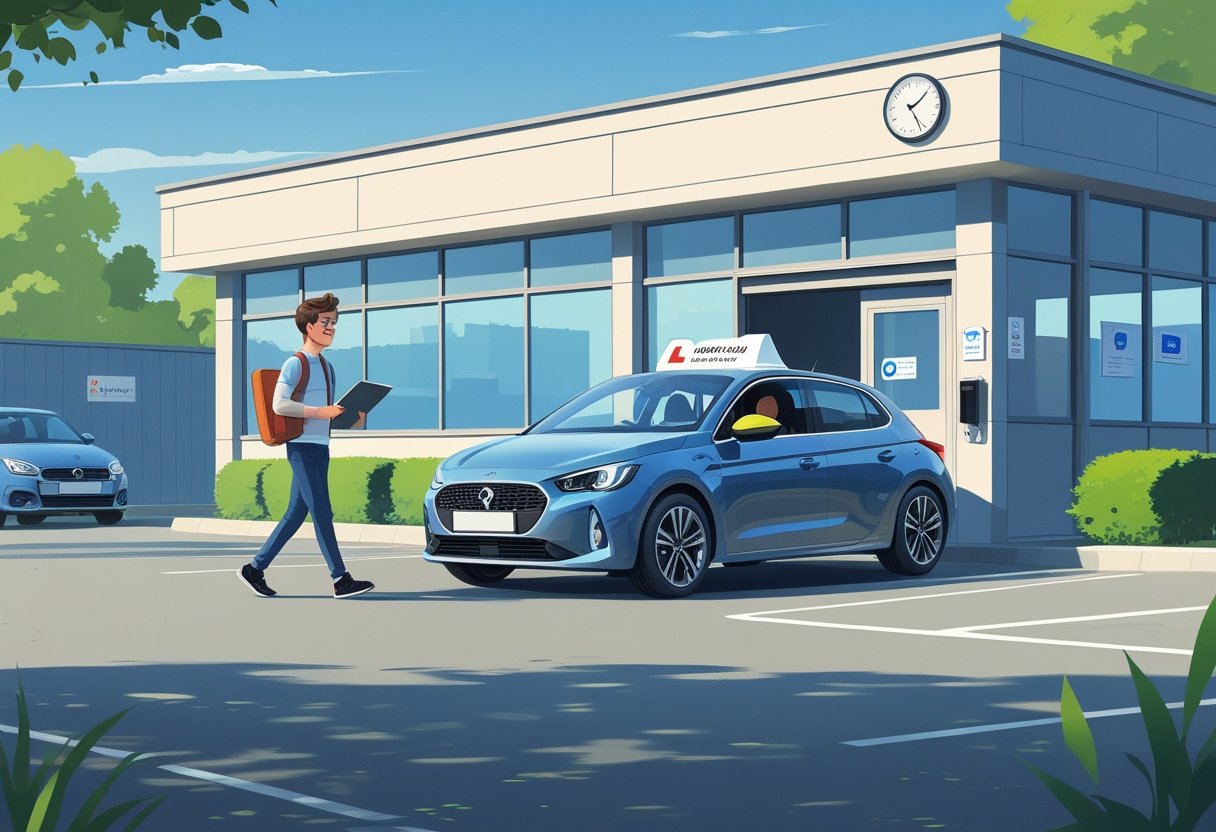
Being on time for your driving lessons shows respect for your instructor’s schedule and helps you build the confidence and habits you’ll need as a responsible driver. Every minute of your lesson time is valuable for developing your skills behind the wheel.
Respecting Your Driving Instructor’s Time
Your driving instructor has carefully planned their day around multiple lessons, and arriving late can throw off their entire schedule. When we show up on time, it demonstrates that we value their expertise and commitment to helping us learn.
Most driving instructors work with back-to-back bookings throughout the day. If we’re running 10 minutes late, it means the next student might have to wait or receive a shortened lesson. This creates a ripple effect that impacts everyone.
Professional instructors appreciate students who respect their time. This mutual respect builds a stronger learning relationship from your very first driving lesson.
When unexpected delays happen, such as transport issues or traffic, the key is early communication. A quick phone call or text to let your instructor know you’re running late shows consideration and professionalism.
Making the Most of Every Minute
Driving lessons represent a significant investment in both time and money. We want to squeeze every bit of value from each session, and that starts with being punctual.
Late arrivals often mean rushed introductions and less time practising essential skills. Your instructor might need to cut short important feedback discussions or skip planned exercises to stay on schedule.
The cost of tardiness adds up quickly:
- 10 minutes late = roughly £5-8 of lost lesson value
- Repeated lateness = slower progress towards your test
- Shortened practice time = fewer opportunities to build confidence
Arriving on time means we can start with a proper lesson brief, discuss goals for the session, and end with meaningful feedback. These bookend conversations are crucial for learning to drive effectively.
Establishing Good Habits Early
Punctuality during lessons helps us develop the time management skills we’ll need as licensed drivers. Being on time becomes second nature when we practise it consistently.
Future employers, friends, and family will expect us to arrive when we say we will. The habits we build during our learning to drive journey extend far beyond the driving instructor’s car.
Good time management skills include:
- Planning routes with buffer time for delays
- Checking weather and traffic conditions
- Preparing everything the night before
- Setting multiple alarms if needed
When we master punctuality during lessons, we’re already developing the responsible mindset that makes for safer, more considerate drivers on the road.
Impacts on Lesson Flow and Confidence
Starting lessons calmly and on schedule sets a positive tone that carries through the entire session. We feel more relaxed and focused when we’re not worried about being late or making apologies.
Rushing to lessons often leaves us feeling flustered and anxious. This emotional state makes it harder to concentrate on new skills or respond well to feedback from our driving instructor.
Punctual students typically progress faster because they maximise their practice time and maintain better focus. They arrive mentally prepared rather than stressed about timekeeping.
The confidence that comes from good organisation spills over into our driving. When we feel in control of our schedule, we’re more likely to feel in control behind the wheel too.
What to Bring: Essential Items for Every Driving Lesson
Being properly prepared for your driving lessons means having the right documents, wearing appropriate clothing, and ensuring you can see clearly behind the wheel. These essentials will help you focus on learning rather than worrying about missing items.
Provisional Licence: Your Must-Have Ticket
Your provisional driving licence is absolutely non-negotiable. Without it, we simply can’t begin your lesson.
Think of it as your golden ticket to the driving world. Your instructor will need to check it before you even think about getting behind the wheel. The DVLA requires this verification every single time.
Keep your provisional licence somewhere safe but accessible. Many learners pop it in their wallet or purse the night before their lesson. This prevents those heart-stopping moments when you’re frantically searching through bags.
What happens if you forget it? Unfortunately, your lesson will be cancelled on the spot. We can’t take any risks with legal requirements, and driving without a valid provisional licence puts everyone at risk.
Make it part of your pre-lesson routine. Check you’ve got it packed alongside your keys and phone. Some learners even set a phone reminder the evening before their first driving lesson.
Glasses or Contact Lenses: Seeing Clearly
If you need vision correction, wearing your glasses or contact lenses isn’t optional during driving lessons. Clear sight is fundamental to safe driving and learning effectively.
Your eyesight requirements for driving are strict in the UK. You must be able to read a number plate from 20 metres away. If you normally wear corrective lenses for daily activities, you’ll definitely need them for driving.
Glasses wearers: Make sure your specs are clean before your lesson starts. Smudged lenses can be distracting and affect your confidence. Keep a cleaning cloth handy in case they fog up during the lesson.
Contact lens users: If you’re new to contacts, stick with glasses for your first few lessons. Learning to drive whilst adjusting to new lenses can feel overwhelming.
Don’t forget a spare pair of glasses if you have them. We’ve seen learners whose glasses have broken or fallen during lessons, and having a backup keeps everything on track.
Footwear and Clothing: Comfort and Safety
What you wear to your driving lesson directly impacts how well you can control the vehicle. Proper footwear and comfortable clothing make a huge difference to your learning experience.
Footwear essentials:
- Flat, thin-soled shoes work best
- Avoid high heels, flip-flops, or heavy boots
- Trainers or casual shoes are perfect choices
- Make sure nothing’s loose that could slip off
Your feet need to feel the pedals properly. Thick soles make it harder to judge pressure, whilst loose footwear can get caught under pedals. We’ve seen flip-flops cause some genuinely scary moments.
Clothing tips:
- Choose clothes that let you move freely
- Avoid restrictive jackets or tight tops
- Long sleeves can protect your arms from the handbrake
- Layers work well as cars can get warm
Comfort helps you concentrate on learning rather than fidgeting with uncomfortable clothes. You’ll be sitting for extended periods, so think about what feels good for an hour or more.
Personal Preparation Checklist
Beyond the essentials, a few extra items can make your driving lessons more productive and comfortable. Being well-prepared shows professionalism and helps you get the most from each session.
Useful extras to consider:
- Small notepad and pen for jotting down key points
- Bottle of water (nerves can make you thirsty)
- Light snack if you’re prone to low blood sugar
- Phone (but keep it silent during lessons)
Many successful learners keep a driving diary. Writing down what you’ve learned after each lesson helps reinforce new skills and track your progress.
Arrive a few minutes early, but not too early. This gives you time to settle your nerves without making your instructor wait around. Most driving instructors appreciate punctuality and preparation.
Mental preparation matters too. Come with realistic expectations and a positive attitude. Every learner makes mistakes, and that’s completely normal. We’re here to guide you through the learning process at your own pace.
Getting Ready: Mental and Emotional Preparation
The way you feel mentally and emotionally before your lesson directly impacts how well you’ll learn and remember new skills. Getting proper rest, managing your nerves, and approaching the experience with the right mindset can transform your first driving lesson from overwhelming to exciting.
Easing Nerves Before the Lesson
It’s completely normal to feel butterflies before your first driving lesson. Nearly every learner driver experiences some anxiety, and that’s actually a good sign – it means you’re taking this seriously.
Sleep plays a massive role in how your brain processes new information. Aim for at least seven to eight hours the night before your lesson. When you’re well-rested, your reactions stay sharp and you’ll absorb instructions more easily.
Try these calming techniques an hour before your instructor arrives:
- Take slow, deep breaths for five minutes
- Listen to your favourite music
- Do some gentle stretching
- Avoid caffeine if it makes you jittery
Arrive ready early rather than rushing around at the last minute. Being prepared gives you time to collect your thoughts and settle your nerves naturally.
Remember, your instructor has guided hundreds of nervous beginners through their first lessons. They understand exactly how you’re feeling and they’re trained to help you feel comfortable behind the wheel.
Setting a Positive Attitude
Your mindset shapes your entire learning to drive experience. Instead of focusing on what might go wrong, channel that energy into curiosity about what you’ll discover.
Reframe your thinking about mistakes before they happen. Every stall, jerky start, or wobbly turn is valuable data that helps you improve. Professional drivers weren’t born knowing how to coordinate the clutch and accelerator perfectly.
Think of your lesson as an adventure rather than a test. You’re not expected to master everything immediately. Your instructor wants you to experiment, ask questions, and learn at your own pace.
Set realistic expectations for your first session. You might manage to move the car forward smoothly, practice steering in a car park, or simply get comfortable with the pedals. Any progress is genuine progress.
Approach each new skill with genuine interest. When your instructor explains the clutch bite point, be fascinated by how it works rather than worried about getting it wrong.
Visualising Your Success
Mental rehearsal is a powerful tool that athletes and performers use to improve their skills. You can apply the same technique to driving before you even touch the steering wheel.
Picture yourself succeeding at basic tasks. Imagine smoothly pressing the clutch, finding the bite point, and moving off calmly. Visualise checking your mirrors confidently and steering with control.
See yourself having positive interactions with your instructor. Picture asking questions when you’re unsure and receiving helpful, encouraging feedback. Imagine feeling proud of small achievements throughout the lesson.
Create a mental movie of your ideal lesson experience. You’re alert, focused, and enjoying the challenge of mastering new skills. You make mistakes, but you laugh them off and try again with determination.
This mental preparation primes your brain for success. When you actually perform these actions in real life, they’ll feel more familiar because you’ve already practiced them in your mind.
Spend five minutes the night before your lesson running through these positive scenarios. You’ll feel more confident and prepared when you meet your instructor.
Arriving for Your Lesson: Presenting Yourself Well
Making a positive first impression starts the moment you arrive for your driving lesson. Being punctual, well-prepared, and confident sets the tone for productive learning and builds a strong foundation with your driving instructor.
Arriving Early and Composed
We always recommend arriving 5-10 minutes before your scheduled lesson time. This gives you a chance to collect your thoughts and settle any nerves before getting behind the wheel.
Being early shows respect for your driving instructor’s time and demonstrates your commitment to learning. It also prevents the lesson from starting late, which could cut into your valuable driving practice.
Use those extra minutes wisely. Take a few deep breaths and review any notes from previous lessons. Check that you have everything you need in your bag or pockets.
If you’re feeling anxious, remember that nerves are completely normal. Your driving instructor has worked with countless nervous learners before. They’re there to help you succeed, not judge you.
Avoid rushing to your lesson location at the last minute. Running late creates stress and can leave you feeling flustered when you should be focused on learning. Plan your journey with extra time for unexpected delays.
Meeting Your Driving Instructor the Right Way
A warm, professional greeting creates an instant connection with your driving instructor. Make eye contact, smile genuinely, and offer a firm handshake when you first meet.
Your driving instructor will likely introduce themselves by name. Remember their name and use it during the lesson. This shows you’re engaged and helps build rapport.
Be ready to show your provisional driving licence immediately. Your instructor needs to check this before you can legally drive. Keep it easily accessible rather than buried in your wallet or bag.
Listen carefully to any initial instructions or explanations. Your instructor might explain how the lesson will work or ask about your previous driving experience.
If this is your first driving lesson, don’t worry about admitting you’re a complete beginner. Experienced instructors prefer honest communication over false confidence.
Introducing Yourself Confidently
Share relevant information about yourself without oversharing personal details. Mention any concerns you have about learning to drive or specific areas you’d like to focus on.
Be honest about your experience level. If you’ve never driven before, say so. If a family member has given you informal practice, mention that too. This helps your instructor tailor the lesson appropriately.
Ask questions if you’re unsure about anything. Good driving instructors welcome questions because they show you’re thinking about the learning process.
Communicate any physical limitations or health conditions that might affect your driving. This isn’t embarrassing, it’s essential safety information that helps your instructor support you better.
Remember that confidence doesn’t mean pretending to know everything. True confidence comes from being open to learning and asking for help when you need it.
The First Five Minutes: Setting Up for Success
Getting comfortable with your vehicle controls and establishing good visibility sets the foundation for every successful driving lesson. These initial checks ensure you’re positioned correctly and familiar with essential safety features before moving off.
Cockpit Drill and Adjusting Controls
The cockpit drill is your first step towards becoming a confident driver. We call it this because, just like pilots, drivers need to familiarise themselves with their controls before taking off.
Start by adjusting your seat position. You’ll want to sit close enough to press the clutch pedal fully without stretching your leg. Your arms should have a slight bend when holding the steering wheel at the 9 and 3 o’clock positions.
Key seat adjustments include:
- Moving forward or back for pedal reach
- Adjusting height so you can see over the bonnet
- Setting backrest angle for comfortable arm position
Next, locate the pedals. The clutch sits on the left, brake in the middle, and accelerator on the right. Practice the feel of each pedal with the engine off. This builds muscle memory before your first driving lesson becomes more challenging.
Find the gear stick and notice how it moves between positions. Don’t worry about memorising gear patterns yet. Focus on getting comfortable with the general feel and location.
Checking Mirrors, Seat and Visibility
Proper mirror adjustment is crucial for safe driving. We recommend the following systematic approach that takes just a couple of minutes but makes all the difference.
Your rear-view mirror should frame the entire back window. You shouldn’t need to move your head to see clearly behind you. If you’re wearing sunglasses or have them on your head, remove them now as they can affect your mirror positioning.
Wing mirror setup:
- Left mirror: Show a sliver of your car’s side and mostly road
- Right mirror: Similar setup with slightly more ground visible
- Both should eliminate blind spots when used together
Check your windscreen and windows are clean. Smudges or dirt can create dangerous blind spots, especially when learning to drive. If visibility is poor, don’t hesitate to mention this to your instructor.
Ensure your seatbelt fits properly across your chest and lap. The diagonal strap should rest on your shoulder, not your neck. This might seem basic, but proper seatbelt position affects your driving posture and safety.
Understanding Indicators and Handbrake
Learning these controls early prevents confusion during your driving lessons. The indicator stalk typically sits on the left side of your steering column, though some cars have it on the right.
Push the stalk down for left turns and up for right turns. Most modern cars have a satisfying click when you engage them properly. The indicators will cancel automatically after most turns, but you’ll need to manually cancel them when changing lanes.
Indicator basics:
- Down = left turn
- Up = right turn
- Listen for the clicking sound
- Check the dashboard light flashes
The handbrake location varies between cars. Traditional handbrakes sit between the front seats and require pulling up to engage. Press the button on the end and pull firmly upward until you hear several clicks.
Electronic handbrakes are becoming more common. These usually involve pressing or pulling a switch near the gear stick. When engaged, a warning light appears on your dashboard.
Practice engaging and releasing the handbrake several times. You’ll use this control frequently during your learning to drive journey, especially on hills and when parking. The motion should feel smooth and confident, not fumbled or hesitant.
Participating Actively: Communication and Behaviour During the Lesson
Good communication creates the foundation for successful driving lessons, whilst appropriate behaviour helps build trust with your instructor. These skills turn nervous energy into productive learning and transform feedback into real progress.
Listening to Your Instructor’s Guidance
Your driving instructor has years of experience spotting potential hazards and teaching safe driving techniques. When they speak, they’re sharing knowledge that could prevent accidents and help you pass your test faster.
Focus completely on what your instructor says. Put your phone on silent and avoid chatting about unrelated topics during important explanations. Many learners miss crucial safety tips because they’re thinking about other things.
Pay attention to the timing of instructions. Your instructor might say “slow down” or “check your mirrors” at specific moments for good reasons. They can see developing situations that you might miss as a new driver.
Take mental notes during lessons. If your instructor explains how to approach roundabouts or park between cars, try to remember their exact words. This helps you practise the same techniques when you drive with family or friends.
Ask for clarification if you don’t understand something immediately. We’d rather explain a concept twice than watch you develop bad habits that are hard to break later.
Asking Questions Without Hesitation
Questions show that you’re engaged and thinking seriously about your driving. Most driving instructors appreciate students who ask thoughtful questions rather than nodding silently whilst feeling confused.
Don’t wait until the end of your lesson to ask important questions. If something puzzles you about gear changes, parking, or road signs, speak up straight away. Your instructor can then adjust their teaching to help you understand better.
Common questions that help your learning include:
- “Why did you ask me to check that mirror at that moment?”
- “What should I look for when approaching that type of junction?”
- “How do I know when I’m going the right speed for this road?”
Be specific with your questions. Instead of saying “I don’t get roundabouts,” try “I’m not sure when to signal left when I’m going straight ahead at roundabouts.”
Remember that your first driving lesson might feel overwhelming. That’s completely normal. Experienced instructors expect lots of questions from new learners and plan extra time to answer them properly.
Reacting Calmly to Feedback
Learning to drive means making mistakes and receiving correction. How you respond to feedback affects how quickly you improve and how comfortable your lessons become.
Stay relaxed when your instructor points out errors. They’re not criticising you personally – they’re helping you become a safer driver. Getting defensive or upset slows down your learning and creates tension in the car.
Listen to feedback without making excuses. If your instructor says you took a corner too quickly, focus on understanding why speed matters rather than explaining that you were nervous or distracted.
Practice positive self-talk when you make errors. Instead of saying “I’m terrible at this,” try “I’m still learning this skill.” Your attitude influences how well you absorb new information.
Remember that constructive feedback helps you progress faster. Students who welcome correction often pass their tests sooner than those who get frustrated with guidance.
Thank your instructor when they give helpful feedback. This creates a positive atmosphere where they feel comfortable sharing important safety tips and driving techniques with you.
Building Respectful Routines for Future Lessons
Good driving lesson habits begin with your first driving lesson and continue throughout your entire learning journey. Consistency in attendance, thoughtful planning between sessions, and clear communication with your instructor create the foundation for successful learning to drive.
Establishing Consistency in Attendance
We know life gets busy, but regular attendance patterns make a huge difference to your driving progress. When you stick to a consistent schedule, your brain retains information better between lessons.
Weekly consistency works best for most learners. Try to book your lessons for the same day and time each week. This creates a routine that becomes second nature.
Missing lessons breaks your learning momentum. Skills like clutch control and mirror checks need regular practice to become automatic. When there are long gaps between lessons, you often spend time relearning things you’d already mastered.
Show up ready to learn every single time. Even on days when you feel tired or stressed, maintaining your commitment demonstrates respect for your instructor’s time and your own goals.
If you’re feeling unwell or genuinely can’t focus, it’s better to reschedule than waste a lesson. However, try to push through minor nerves or off days. These challenging sessions often lead to breakthrough moments.
Your instructor plans each lesson based on your previous progress. Consistent attendance helps them build your skills systematically rather than constantly reviewing basics.
Planning Practice and Progress
Smart learners use the time between lessons wisely. We recommend keeping a simple driving diary to track what you’ve learned and what needs work.
Review your lesson notes within 24 hours. Write down the key points your instructor mentioned. This helps cement new concepts in your memory before your next session.
Theory study between practical lessons accelerates your progress. When you understand road rules and hazard awareness concepts, you can focus on vehicle control during lessons.
Set specific goals for each upcoming lesson. Instead of just “get better at driving,” aim for targets like “master hill starts” or “improve roundabout positioning.” Share these goals with your instructor at the start of each session.
Practice mental rehearsal during quiet moments. Visualise yourself performing manoeuvres correctly. This technique helps many learners overcome anxiety and improve muscle memory.
Ask your instructor what you can practice safely without a car. Things like mirror sequence checks, gear change patterns, and hazard spotting can all be rehearsed away from the vehicle.
Communicating Changes Promptly
Clear communication prevents misunderstandings and shows professional courtesy. We always recommend giving your instructor as much notice as possible when changes are needed.
Contact your instructor immediately if you need to reschedule. Most driving instructors have cancellation policies requiring 24-48 hours notice. Respecting these policies protects their income and your relationship.
Explain your situation honestly. Instructors understand that emergencies happen, but frequent last-minute cancellations create problems for everyone.
Use your instructor’s preferred communication method. Some prefer phone calls, others use text messages or booking apps. Following their preference shows consideration for their working style.
Be specific about rescheduling needs. Instead of saying “can we change next week’s lesson,” offer alternative times that work for you. This makes rebooking much easier.
If you’re running late, call ahead. Even five minutes notice helps your instructor adjust their schedule rather than wondering where you are.
Update your instructor about any changes affecting your learning. New glasses, medication changes, or confidence issues can all impact your lessons. Open communication helps them support you better.
Frequently Asked Questions
Learning proper driving lesson etiquette can feel overwhelming when you’re starting out. These common questions address the essential items you’ll need, preparation strategies, punctuality expectations, maintaining composure, instructor interaction, and effective communication during lessons.
What items should I make sure to bring along to every driving lesson for the best experience?
Your provisional driving licence is absolutely essential. We can’t stress this enough – no licence means no lesson.
Comfortable, flat-soled shoes make a world of difference when operating pedals. Avoid high heels or chunky trainers that might slip off the pedals.
If you wear glasses or contact lenses, bring them along. Clear vision keeps everyone safe on the road.
Pack a notepad and pen for jotting down important tips. Writing things down helps cement new concepts in your memory.
A water bottle keeps you hydrated, especially if nerves are making your mouth dry. Staying refreshed helps maintain focus throughout the lesson.
How can I make the most out of my driving lesson time by preparing before I even get in the car?
Review your Highway Code the night before each lesson. Fresh knowledge helps you understand why certain techniques matter.
Think about specific areas where you struggled last time. We can tackle these challenges head-on when you’re prepared.
Write down any questions that popped up since your previous lesson. Don’t let these doubts linger in your mind.
Get a good night’s sleep before your lesson. Tiredness affects reaction times and concentration behind the wheel.
Arrive with a clear head and positive attitude. Mental preparation is just as important as physical readiness.
What are the essentials of punctuality when it comes to scheduling and arriving for driving lessons?
Arrive five to ten minutes early for every lesson. This gives you time to settle your nerves and chat with your instructor.
Late arrivals eat into your valuable driving time. We want every minute to count towards your progress.
If you’re running late, call your instructor immediately. Communication shows respect and helps adjust plans accordingly.
Confirm your lesson the day before to avoid any scheduling mix-ups. Double-checking prevents disappointment and wasted trips.
Consistency with timing helps establish a routine. Regular punctuality builds trust with your instructor and creates better learning habits.
Could you give me some tips on how to maintain a calm and positive mindset during my driving lessons?
Remember that everyone learns at their own pace. Comparing yourself to others only creates unnecessary pressure.
Take deep breaths when you feel overwhelmed. Slow, steady breathing helps calm your nerves and clear your mind.
View mistakes as valuable learning opportunities rather than failures. Every error teaches you something important about driving safely.
Focus on small improvements rather than perfection. Celebrating little victories keeps motivation levels high.
Trust your instructor’s guidance and experience. We’re here to support you through every challenge along the way.
What is considered good etiquette when interacting with my driving instructor?
Listen actively when your instructor gives feedback. Put away your phone and give your full attention to their advice.
Ask questions when you don’t understand something. We’d rather explain twice than have you stay confused.
Stay patient when progress feels slow. Learning complex skills takes time, and frustration doesn’t speed up the process.
Show appreciation for your instructor’s time and expertise. A simple “thank you” goes a long way in building rapport.
Be honest about your confidence levels and concerns. Open communication helps us tailor lessons to your specific needs.
In what way should I go about giving feedback or asking questions to ensure constructive learning during my driving lesson?
Speak up immediately when something feels unclear or uncomfortable. Don’t wait until the end of the lesson to voice concerns.
Use specific examples when describing difficulties. Instead of saying “I can’t do roundabouts,” explain exactly what part challenges you most.
Ask “why” questions to understand the reasoning behind techniques. Understanding the purpose makes skills easier to remember and apply.
Request additional practice time for challenging manoeuvres. We’re happy to spend extra time on areas where you need more confidence.
Give honest feedback about teaching methods that work best for you. Some people learn better through visual cues, others through verbal instruction.